
How to choose 3D press on nail suppliers for retailers?
Choose 3D press on nail suppliers by auditing QC protocols, materials, testing, MOQ and IP terms; this guide prescribes ISO/ASTM sampling, adhesive and color-match standards, realistic MOQ strategies, lead‑time assessment, and contract clauses to protect private‑label retailers.
Article Title: How to choose 3D press on nail suppliers for retailers?
Choose 3D press on nail suppliers by auditing QC protocols, materials, testing, MOQ and IP terms; this guide prescribes ISO/ASTM sampling, adhesive and color‑match standards, realistic MOQ strategies, lead‑time assessment, and contract clauses to protect private‑label retailers.
Introduction: Retail buyers face recurring failures when vetting manufacturers of textured, embellished sets — from inconsistent adhesive strength to untraceable batches of 3D embellishments. Below we summarize how to translate technical checks into procurement requirements and contracts that reduce returns, regulatory friction, and branding risk.
Conclusion & Brand Advantage: Xianxing Beauty combines production intelligence, supplier-audit templates, and validated testing partnerships to close the technical gaps most retailers encounter when sourcing molded and hand-finished sets. We prioritize documented traceability, third-party verification, and enforceable IP and tooling clauses so your private‑label ranges ship consistently and compliantly.
Contact Xianxing Beauty for a tailored quote and supplier audit at www.xianxingbeauty.com or [email protected].
FAQ
How to verify supplier quality control for 3D nail designs?
Start with documented process flows and objective evidence. Require a factory quality manual, inspection records, and on‑site photos or video of production lines and finishing stations. Specify sampling by ISO 2859-1 (AQL) with AQL 2.5 for major defects as the default acceptance criterion; this is an industry standard sampling approach for consumer goods inspection. Insist on first‑article approval (FAI) that includes full-size sets and photographic records of dimensional checks, adhesion checks, and finish inspection under standardized lighting. Contractually require third‑party pre-shipment inspection (SGS, Intertek, Bureau Veritas) and maintain batch traceability (lot numbers, production dates, operator IDs). Finally, demand raw-material certificates or MSDS for plastics, coatings and adhesives, and spot-test results for peel strength and color stability before accepting bulk shipments.
Which materials and adhesives ensure safe 3D press on nails?
Specify materials by performance and safety attributes, not just marketing names. Common substrate plastics are ABS (durable, economical) and polycarbonate (higher gloss, impact resistance); for very thin, flexible sets, co‑polymers are used. For three‑dimensional features use cured UV resin or acrylic that is fully polymerized and supplied with a formula disclosure and cure profile. For adhesives, decide between pressure-sensitive adhesive (pre-applied tabs) and cyanoacrylate glues: require MSDS, COA, and biocompatibility evidence. If the supplier labels adhesives as skin‑safe, request biocompatibility testing referencing ISO 10993 series or equivalent dermatological test reports. Operational tests to request: peel adhesion testing (e.g., ASTM D3330-style methodology), shear resistance, and solvent resistance (acetone/IPA) for decorative coatings. Require allergen and chemical declarations, and confirm no restricted substances per your target markets (e.g., REACH SVHC checks for EU customers).
What realistic minimum order quantities suit boutique retailers?
Expect standard OEM MOQs but negotiate around them strategically. Typical MOQs in accessories manufacturing range from ~200–500 sets per SKU for existing molds and 500–1,000+ for new tooling, though numbers vary by factory and region. To reduce initial outlay negotiate: (1) mixed-SKU MOQs — combine 4–8 designs into a single container count; (2) rolling production — agree to smaller pilot runs for a premium; (3) stock programs — buy from pre-produced stock collections; or (4) third‑party consolidation/dropship arrangements. Ask suppliers for a clear cost break‑down showing tooling amortization, per‑unit labor, and finishing costs; this enables structured discounts as order volume grows. Always obtain sample pricing and lead times upfront and factor freight and duty into landed cost calculations before committing.
How to assess supplier scalability and lead time reliability accurately?
Measure capacity and reliability, not just verbal assurances. Request documented production capacity (machines, shifts, cycle times), historical lead‑time reports, and order fill‑rate statistics for the prior 12 months. Ask the supplier to provide a production calendar showing planned maintenance and peak‑season impacts. Run a small pilot PO to validate throughput and adherence to timelines. Include contractual lead‑time SLAs with penalty or remedy clauses for missed ship dates, and require advance notice triggers (e.g., for material shortages). Understand tooling and embellishment bottlenecks — handcrafted 3D elements, hand-applied rhinestones, or resin pours are labor‑intensive and scale differently than injection‑molded bases; require clear per‑unit labor hours and cross-train plans. For international logistics, build transit buffers: typical sea freight from East Asia is 20–45 days door-to-door; air is 3–7 days but costlier. Use Incoterms (FOB recommended when you want carrier control) and test transit packaging to reduce damage rates.
Which certifications and testing should suppliers provide for compliance?
Focus on tests and certifications relevant to product safety and your markets rather than a checklist of logos. Require: MSDS for all chemical components; third‑party lab reports for restricted substances and extractables (e.g., phthalates, lead in decorative coatings) from accredited labs (SGS/Intertek/Eurofins). For adhesion and durability request peel and shear test reports (ASTM D3330-style) and colorfastness under solvent exposure. For coating adhesion, ask for cross‑cut adhesion testing (ISO 2409 or equivalent) and accelerated UV/weathering results if the finish claims long-term wear. From an audit perspective, prefer suppliers with ISO 9001 for QMS and verified social compliance (BSCI/SA8000) if that matters to your channel. For claims of skin‑safety, request biocompatibility or clinical patch testing results and ensure the lab reports reference recognized standards. Finally, require material declarations (no SVHC under REACH) and documented corrective actions when nonconformities are found.
How to evaluate private-label and design IP protection terms?
Make IP protection contractually explicit. Start with a mutually signed NDA before sharing detailed art files and 3D models. Your supply agreement should define ownership of artwork, CAD files, and tooling; specify whether tooling is paid by you and whether it will be marked, stored, or exclusively used for your brand. Include a non-compete clause limiting the supplier from producing identical designs for competitors for a defined period and geography; require written consent for any use outside your account. Require retention of original master files in escrow or with a trusted third party if tooling ownership is transferred. Stipulate that the supplier must return or destroy digital files on contract termination and provide certification. Include audit rights, photo-reporting requirements for manufactured runs, and clear dispute-resolution and governing-law clauses. For enforcement, ensure invoices and PO trails, and retain sample sets and production records to support any IP infringement claim.
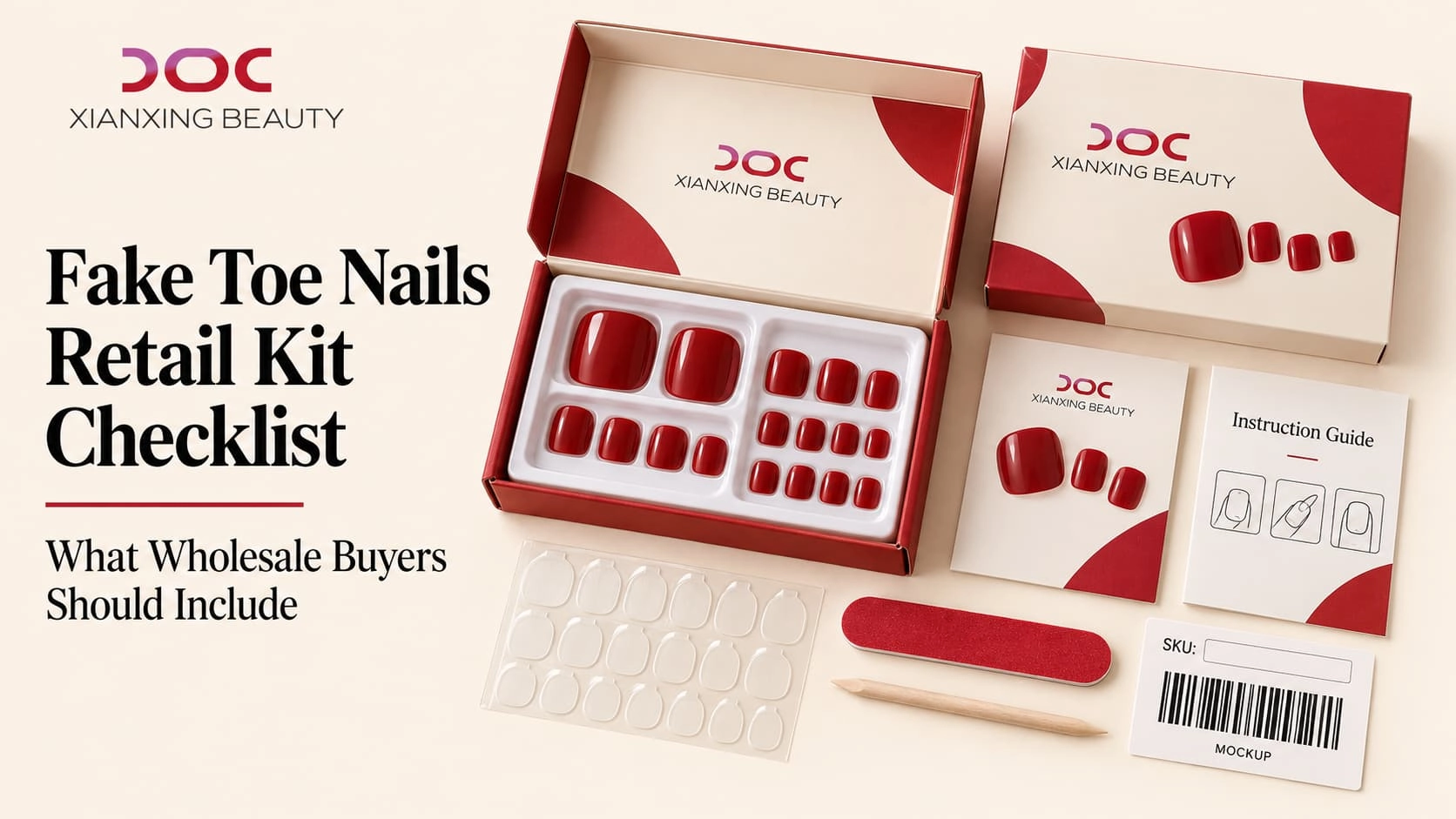
Fake Toe Nails Retail Kit Checklist: What Buyers Should Include
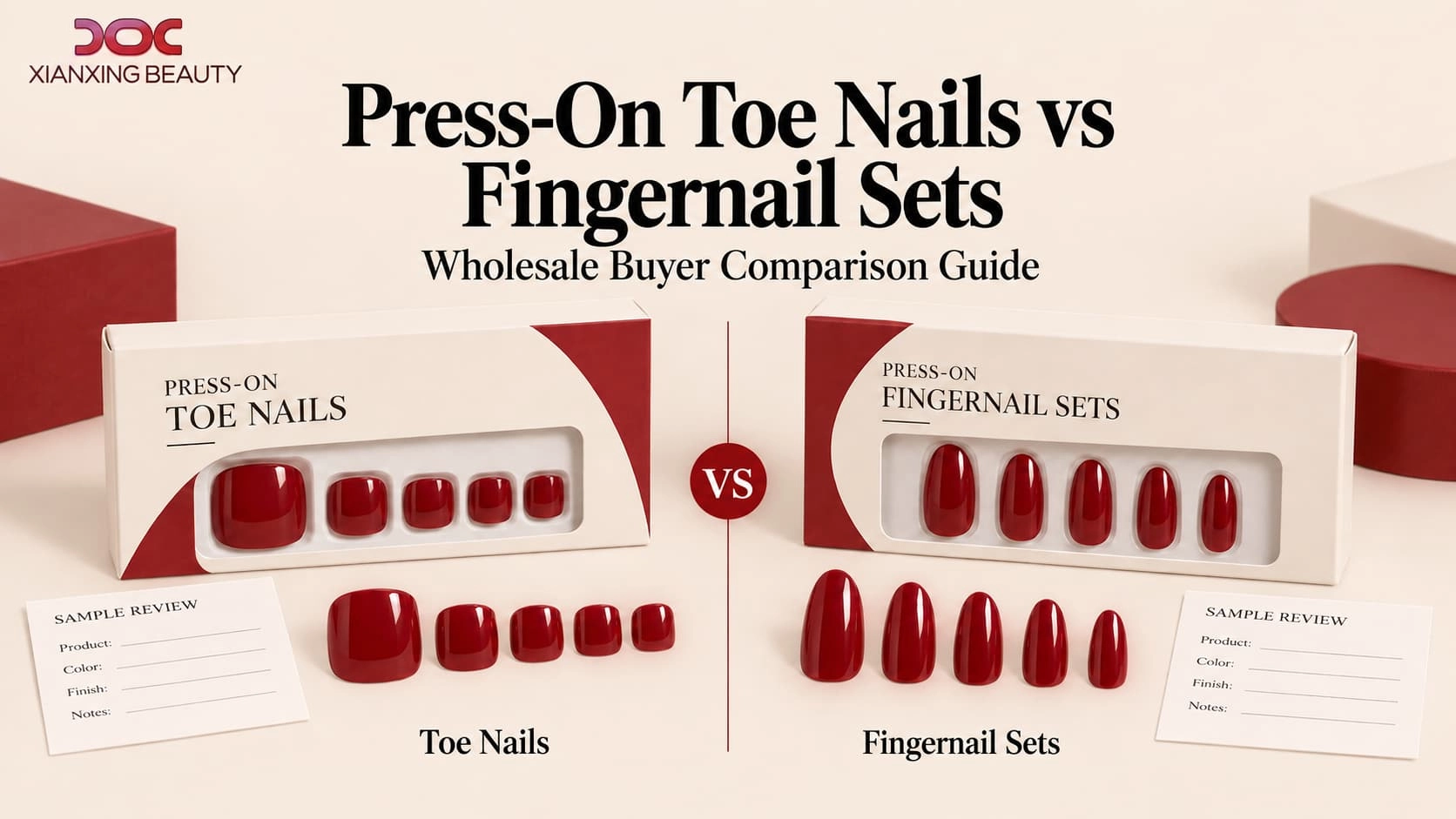
Press-On Toe Nails vs Fingernail Sets: Key Differences for Wholesale Buyers
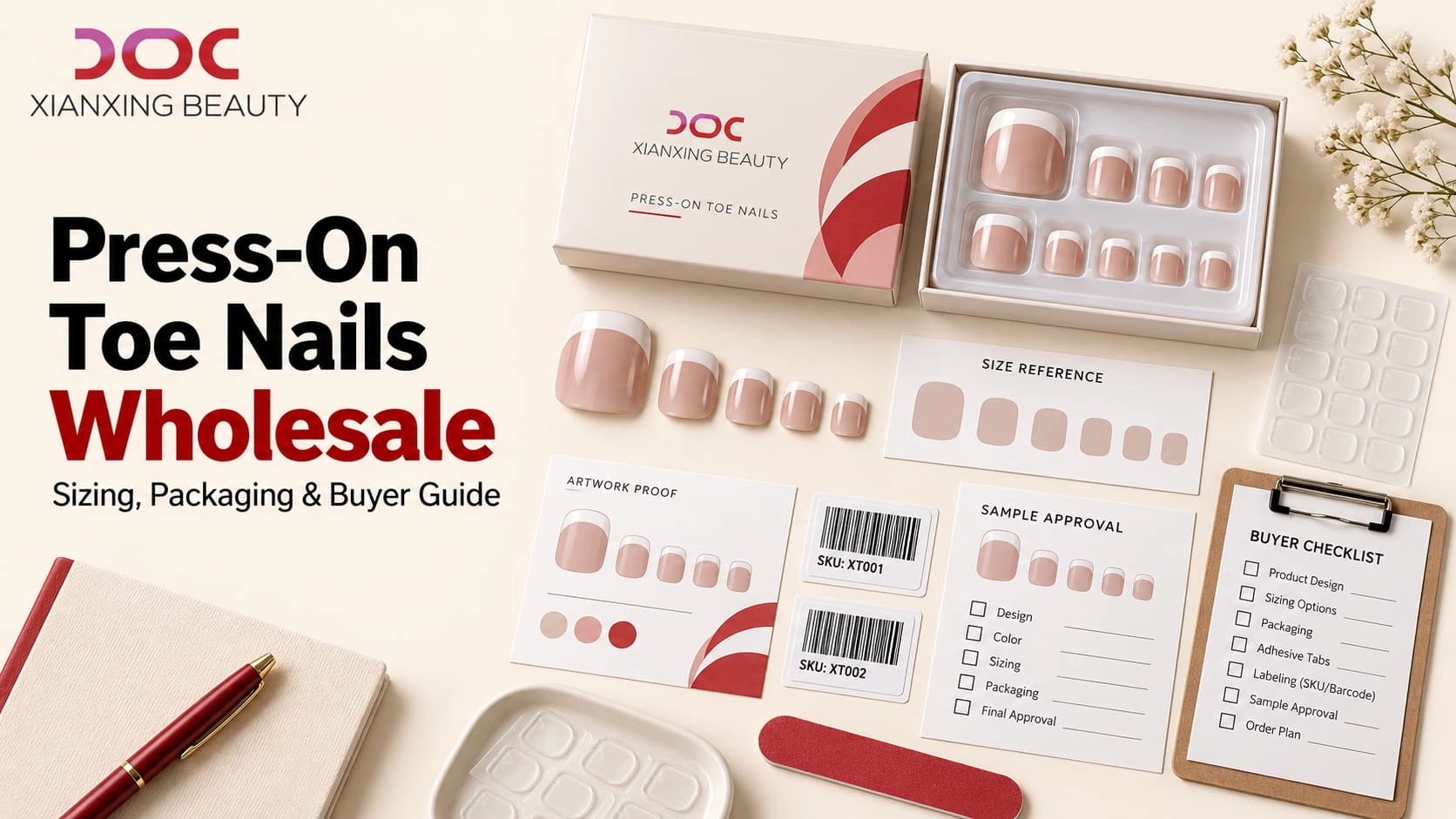
Press-On Toe Nails Wholesale: Sizing, Packaging and Buyer Guide
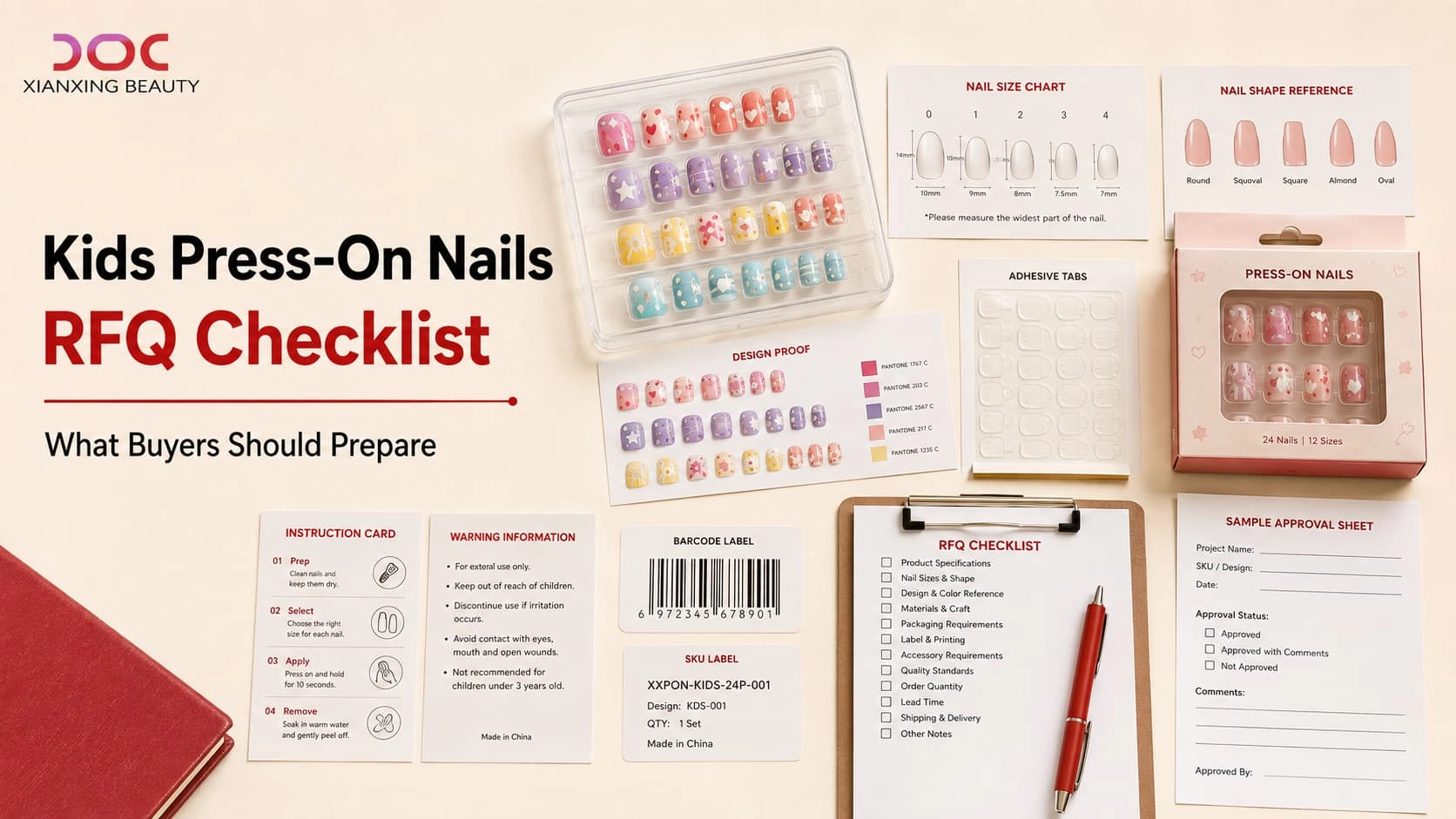
Kids Press-On Nails RFQ Checklist: What Buyers Should Prepare
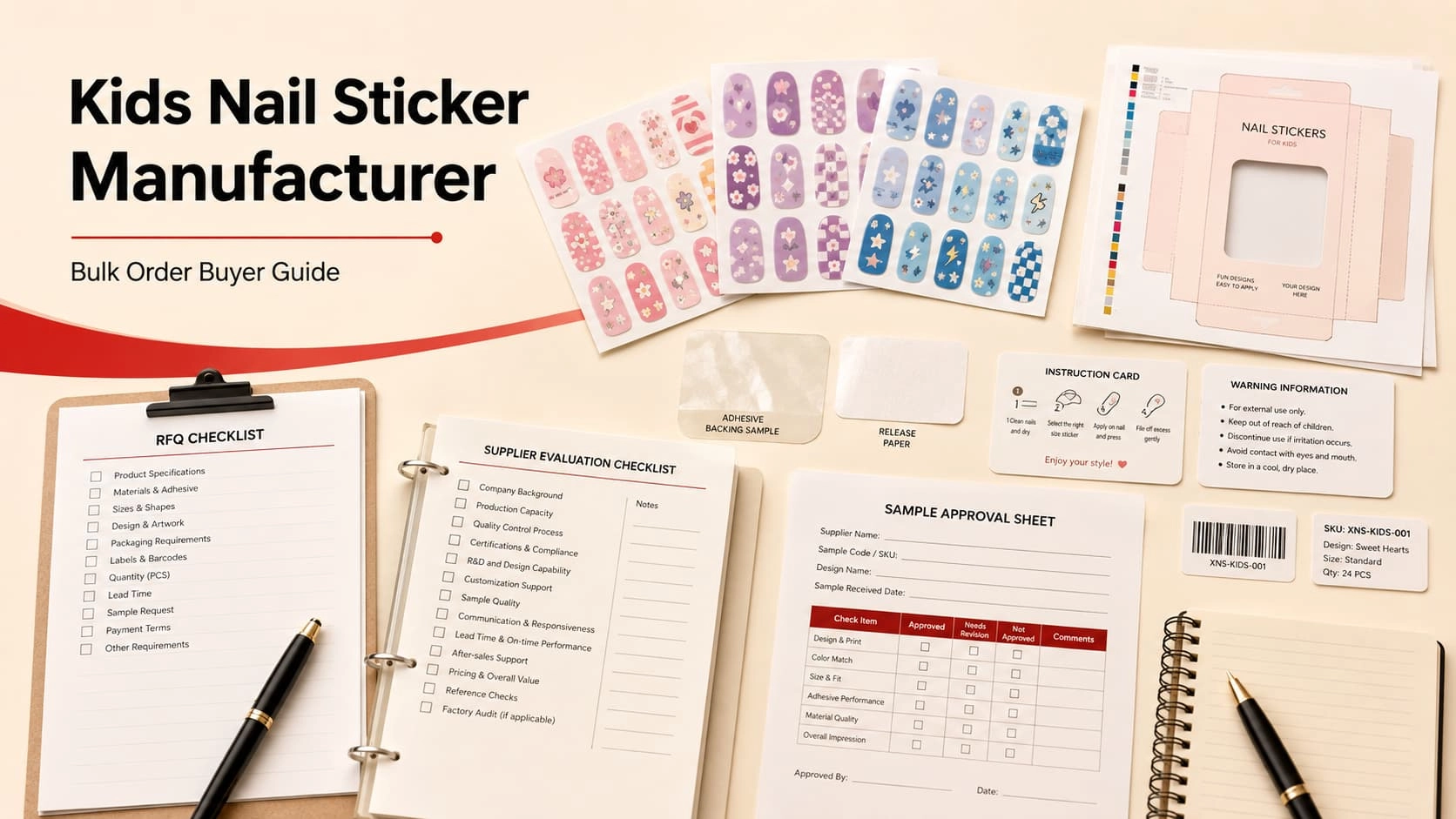
How to Choose a Kids Nail Sticker Manufacturer for Bulk Orders
Are your Nails safe, environmentally friendly and non-toxic?
Our false nails are eco-friendly, no animal testing, non-toxic.
What are 3D press on nails?
3D press on nails are artificial nails that have three-dimensional designs or embellishments. They are applied by simply pressing them onto the natural nail.
Can I trim or file the nails?
Yes, most press-on nails can be trimmed and filed to your desired shape and length.
Can I do my own cat eye design?
Sure , we are accept custom design, send us your request or image, then our sales representative will assist you .
How can I track the order progress?
We will provide order tracking services. You can keep track of the production progress and logistics status of the order through telephone, email, or online platform.
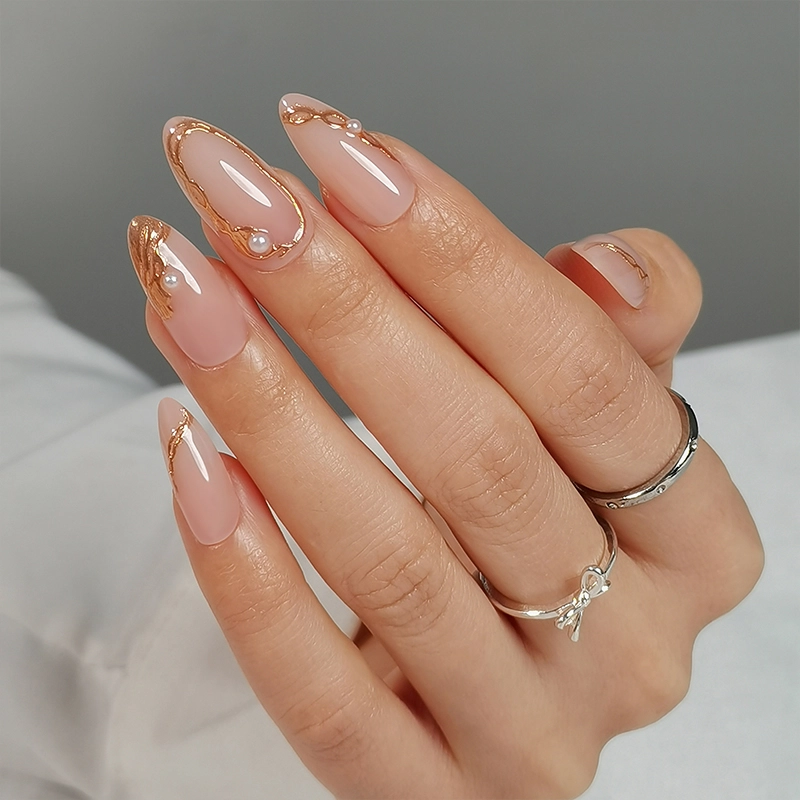
Wholesales Luxury Rhinestone Handmade Private Label Press On Nails Art Tips
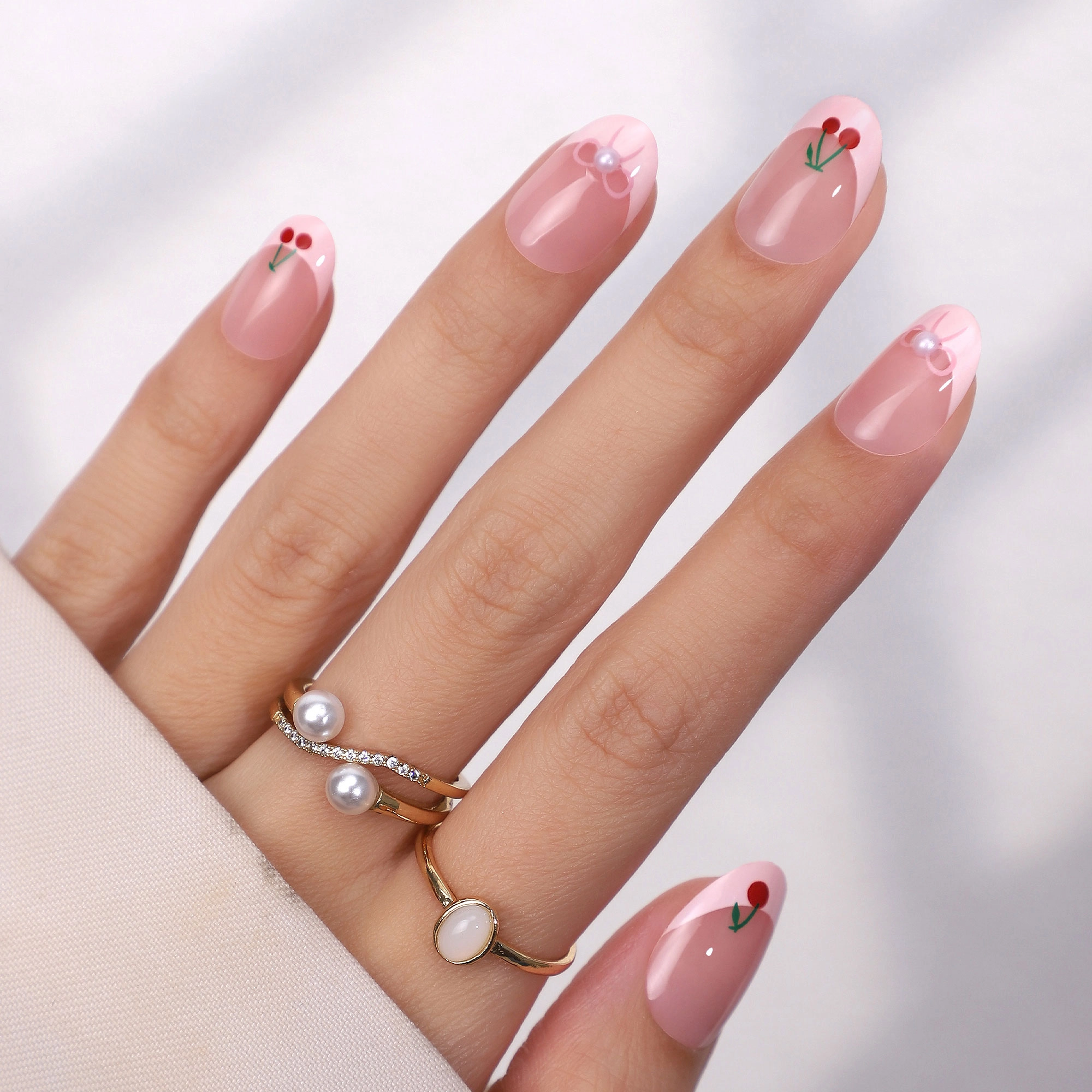
Fashion Jewelry Pink French Nails Art Tip Handmade Gel Press On Nails Suppliers
3D nails are a true work of art. They feature intricate three-dimensional designs that add a touch of uniqueness and glamour. Made from high-quality materials, they are durable and long-lasting. Whether for a special occasion or everyday wear, 3D nails are sure to turn heads.

Wholesales Red French Nails Tips Checkered Soft Gel Nail Tips 32 Piece Set

Xianxing Beauty OEM/Wholesale Soft Gel Nail Tips - 32PCS Pink French Square Nails
Contact us
If you have press on nails products or customization needs, please feel free to contact from
below or via the contact information provided, we'll get back to you promptly within 24 hours.
By clicking 'Send Inquiry Now' I agree to XIANXING BEAUTY processing my personal data.
To see how to withdraw your consent, how to control your personal data and how we process it, please see our Privacy Policy and Terms of use.
Copyright © 2025 - XIANXING BEAUTY All Rights Reserved. Sitemap
Facebook
YouTube
Instagram
LinkedIn