
What Are the Most Common Risks When Sourcing Private Label Kids Press On Nails Overseas?
Quick Answer
The main risks when sourcing private label kids press on nails overseas are incorrect product classification, inadequate child-safety assessment, inconsistent bulk quality, unsuitable adhesives, labeling errors, and weak supplier contracts. Xianxing Beauty supports OEM and ODM development with customized materials, sizes, designs, packaging, and documented product certifications. Buyers should evaluate intended age, destination-market rules, materials, testing, packaging, and quality controls; final solutions depend on the specific project and testing requirements.
How Xianxing Beauty Supports Projects
Xianxing Beauty has operated since 2012 and provides OEM and ODM production from a 20,000-square-meter factory. Its capabilities include small-scale customization of materials, sizes, nail shapes, designs, and packaging, along with sample preparation within 3 days and stated order completion of 7–14 days. Products are described as breathable, lightweight, non-toxic, odorless, and UV-coated, with ROHS, REACH, and MSDS documentation available for applicable products.
Before quotation, buyers should confirm the target market, intended age range, product classification, nail dimensions, adhesive system, packaging artwork, labeling language, and required testing documents. MOQ, lead time, testing scope, and quotation must be confirmed for each project rather than assumed from a standard product listing.
Discuss Your Kids Press-On Nail Sourcing Project
Send the target market, intended age range, nail sizes, preferred materials, design references, packaging requirements, expected quantity, and required compliance documents so suitable options, sample steps, inspection points, and documentation can be discussed. Visit www.xianxingbeauty.com or email [email protected] to discuss your project.
Common Questions About Overseas Sourcing Risks
What hidden compliance risks affect kids press-on nail imports overseas?
The first risk is assuming that a children’s nail product has one universal regulatory category. Classification can depend on the product’s intended use, marketing claims, age grading, included adhesive, and destination market. In the United States, a product designed or marketed primarily for children may trigger children’s product obligations, including applicable third-party testing and a Children’s Product Certificate. If the item is presented as a toy, toy-safety requirements may also become relevant. In the European Union, the assessment can differ when the product is treated as a cosmetic, toy, or general consumer product. Ask the manufacturer for a component-level bill of materials, existing declarations, safety data, and test reports, then have an importer or qualified compliance specialist confirm which rules apply. ROHS, REACH, or MSDS documentation can support review, but these documents do not automatically prove full compliance with every children’s-product requirement.
How can small parts create safety issues for children?
Small detachable nails, decorative elements, adhesive tabs, and packaging accessories can create foreseeable misuse or choking concerns for younger users. The risk is not limited to the nail itself; loose glitter, charms, protective films, plastic clips, and applicators should also be reviewed. A supplier’s statement that a product is non-toxic does not replace a physical hazard assessment. Buyers should define the intended age range, inspect the assembled kit and every loose component, evaluate attachment strength after ordinary handling, and consider misuse scenarios such as peeling, biting, or sharing products between children. Age warnings should reflect the tested product configuration, not merely the artwork selected by the buyer. Retain a sealed production sample, inspection photographs, component specifications, and any applicable test results so the marketed version can be compared with the approved version.
Why do overseas samples differ from bulk production orders?
Sample-to-bulk variation commonly occurs when a prototype uses manually selected materials, while mass production uses a different supplier lot, mold setting, coating sequence, adhesive format, or packaging process. Color can also shift because screens, printed references, and nail coatings are evaluated under different lighting conditions. For children’s products, a seemingly minor change in thickness, edge finish, flexibility, decoration attachment, or adhesive quantity can alter both user experience and risk assessment. Establish a signed golden sample and a written specification covering dimensions, tolerances, finish, decoration placement, component count, packaging, and labeling. Require the factory to notify the buyer before any material or process substitution. Pre-shipment inspection should compare production goods against the approved reference, while retained samples from the same lot provide evidence if a complaint appears after delivery.
Which adhesive claims require testing before selling children’s nail kits?
Adhesive risk involves both chemical exposure and performance. Claims such as non-toxic, hypoallergenic, safe for children, odorless, or suitable for sensitive skin should not be printed solely because a supplier uses them in a quotation. The buyer should identify the exact adhesive type, ingredients or composition information where legally available, curing or drying behavior, intended contact duration, removal method, storage conditions, and packaging format. An MSDS or SDS is useful for hazard communication, but it is not the same as a finished-product safety assessment or a substantiation file for marketing claims. Test the adhesive supplied in the final kit, not a substitute sample. Review skin-contact suitability, foreseeable accidental contact, residue, removability, and stability over the stated shelf life. A qualified laboratory or regulatory adviser should determine the appropriate tests for the destination market and product classification.
How should buyers control packaging, labeling, and age warnings?
Packaging errors often arise when artwork is approved before the product configuration and market rules are finalized. The label should match the actual contents, quantity, materials, adhesive instructions, importer or responsible business information where required, warnings, age guidance, batch identification, and language requirements. Avoid relying on a generic choking warning when the hazard assessment identifies additional risks, and do not use an age statement that conflicts with the product’s intended marketing or tested use. Create an artwork approval checklist linked to the bill of materials and final sample. Confirm whether warnings must appear on the product, retail package, online listing, or instructions. Before shipment, inspect printed cartons and inserts against the approved file, including translations, symbols, barcodes, units, and contact details. Keep a controlled record of every artwork revision to prevent obsolete packaging from entering production.
What contract terms protect buyers from defective private label stock?
A purchase order should do more than state quantity and price. It should identify the approved specification, golden sample, materials, component suppliers where relevant, tolerances, packaging artwork, testing responsibilities, inspection rights, defect classification, shipment release conditions, and procedures for handling nonconforming goods. Define who pays for rework, replacement, sorting, retesting, or disposal when products fail the agreed specification. Include written approval requirements for substitutions and a requirement to provide batch or lot information. The contract should also address intellectual-property ownership for custom designs, confidentiality, delivery obligations, payment milestones, claims periods, and remedies for repeated defects. Independent pre-shipment inspection can reduce uncertainty, but it does not replace a clear acceptance standard. Buyers should have the agreement reviewed for enforceability in the relevant jurisdictions, particularly when the supplier and importer are located in different countries.
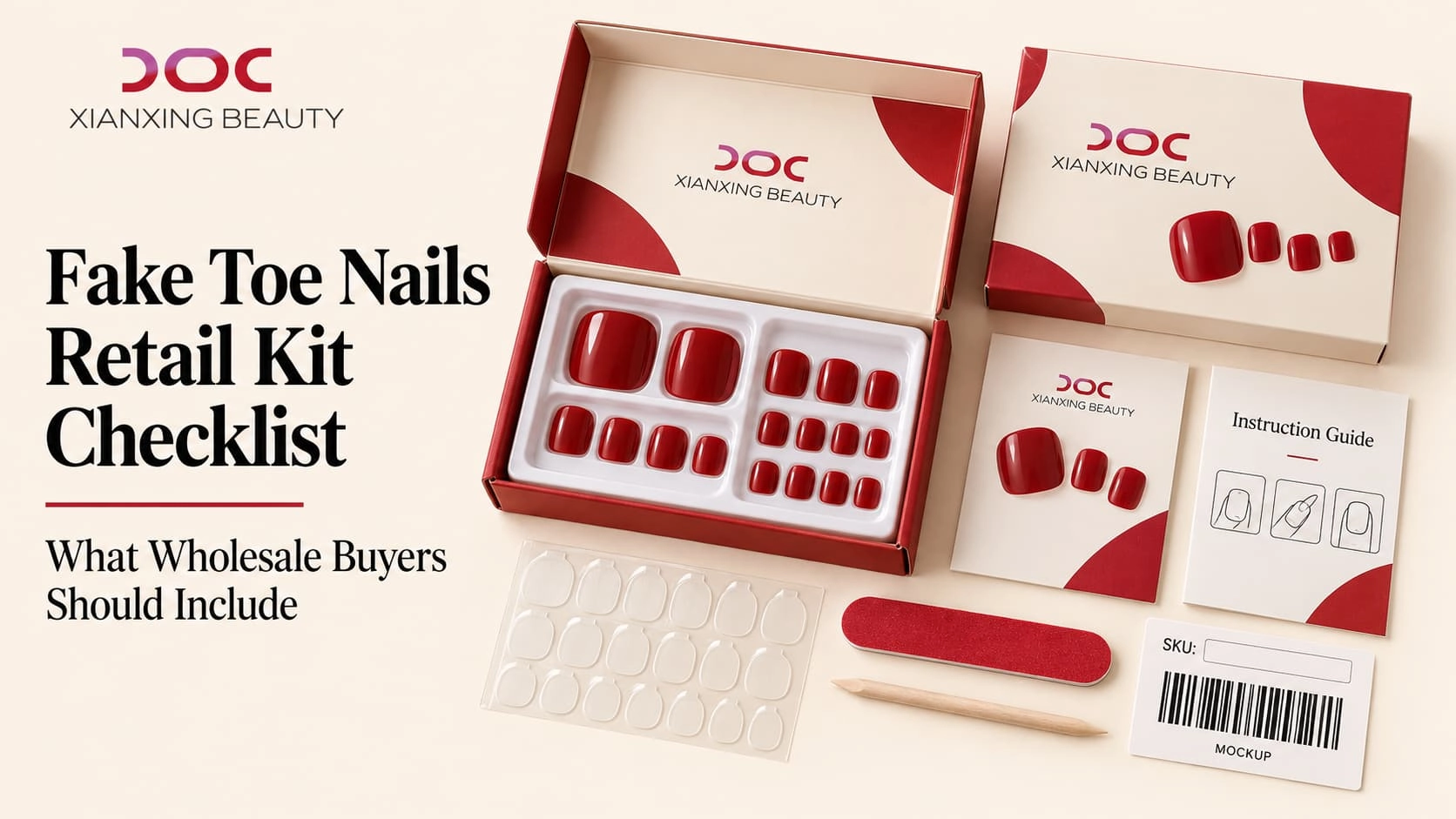
Fake Toe Nails Retail Kit Checklist: What Buyers Should Include
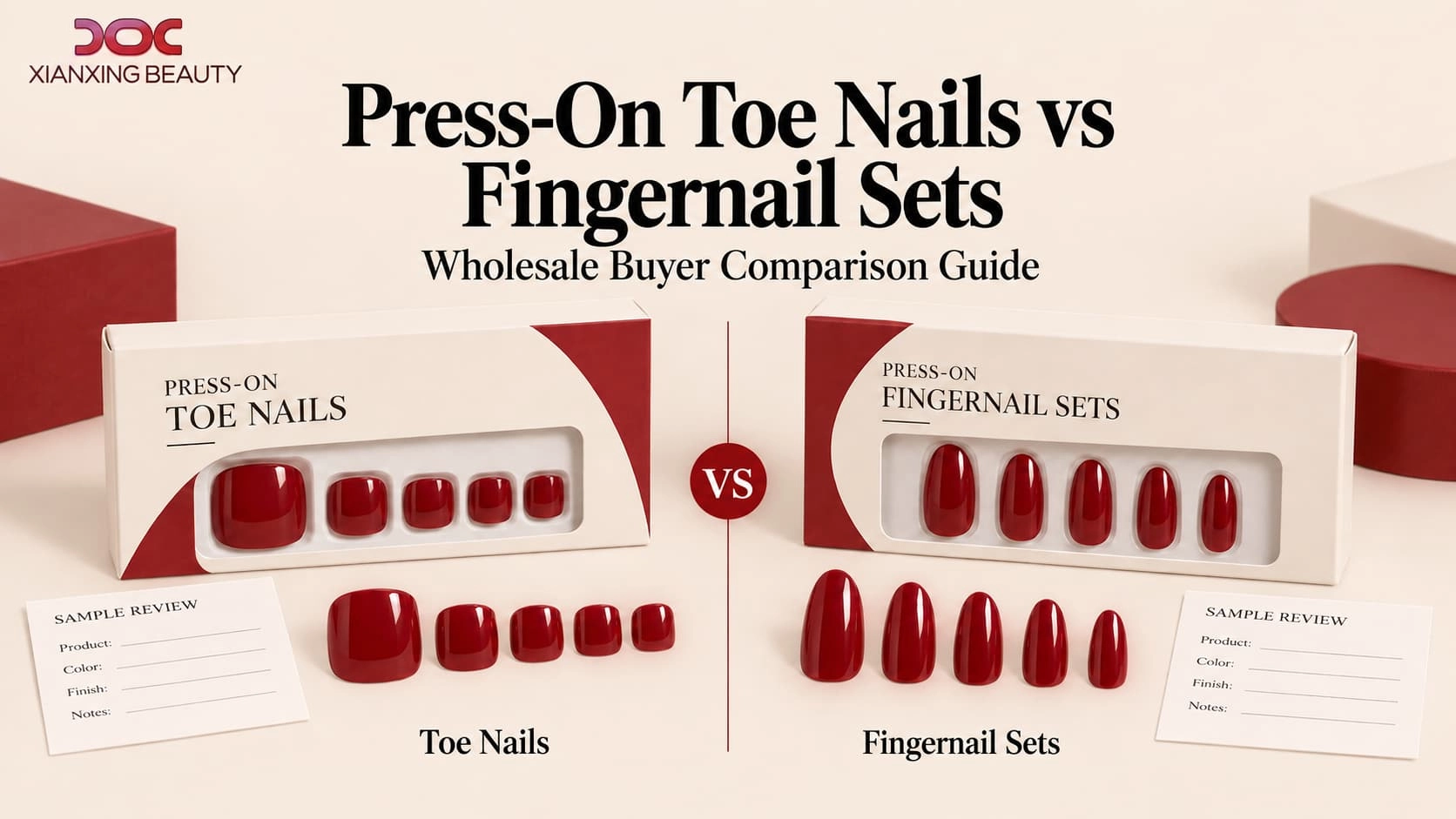
Press-On Toe Nails vs Fingernail Sets: Key Differences for Wholesale Buyers
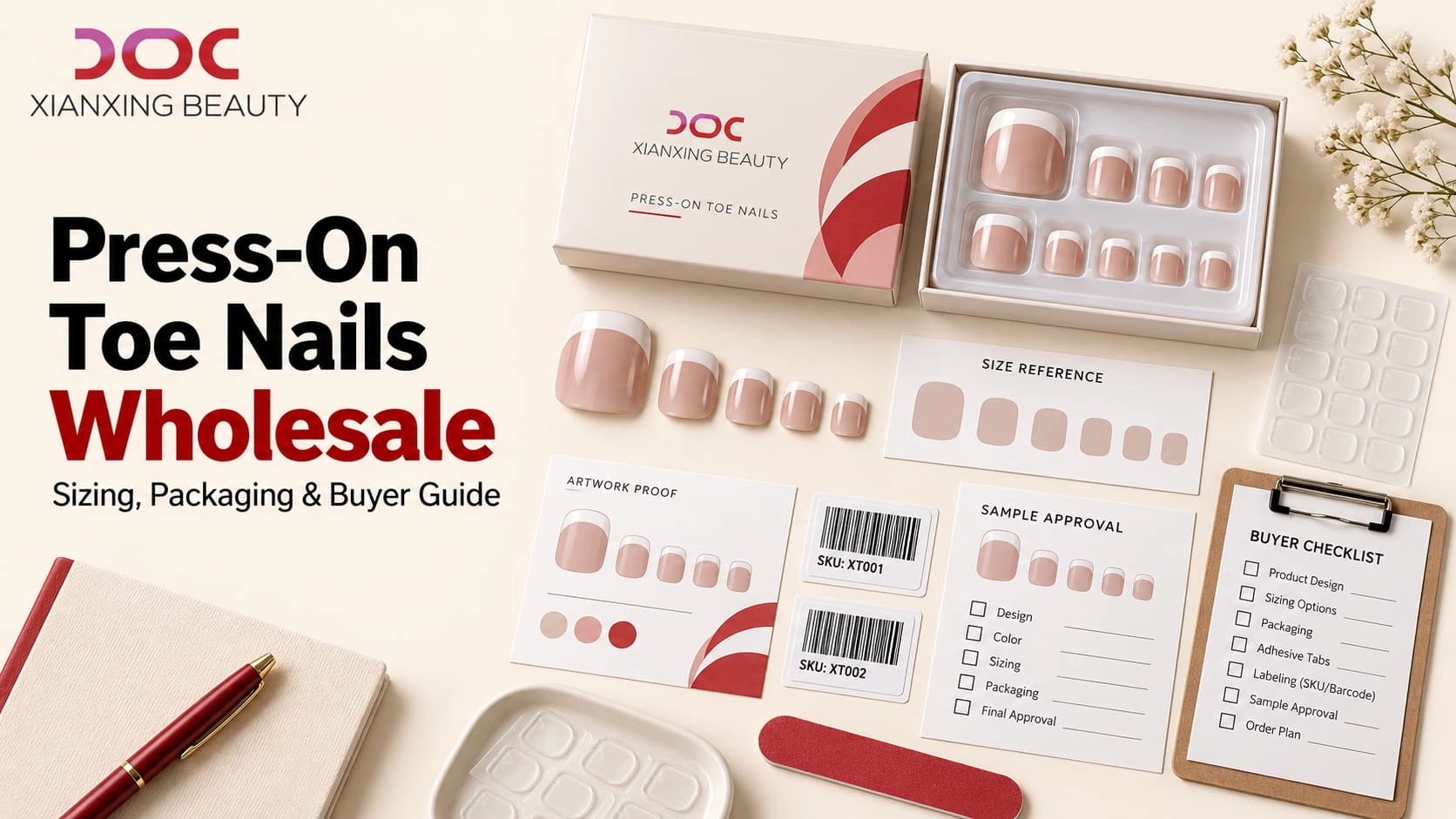
Press-On Toe Nails Wholesale: Sizing, Packaging and Buyer Guide
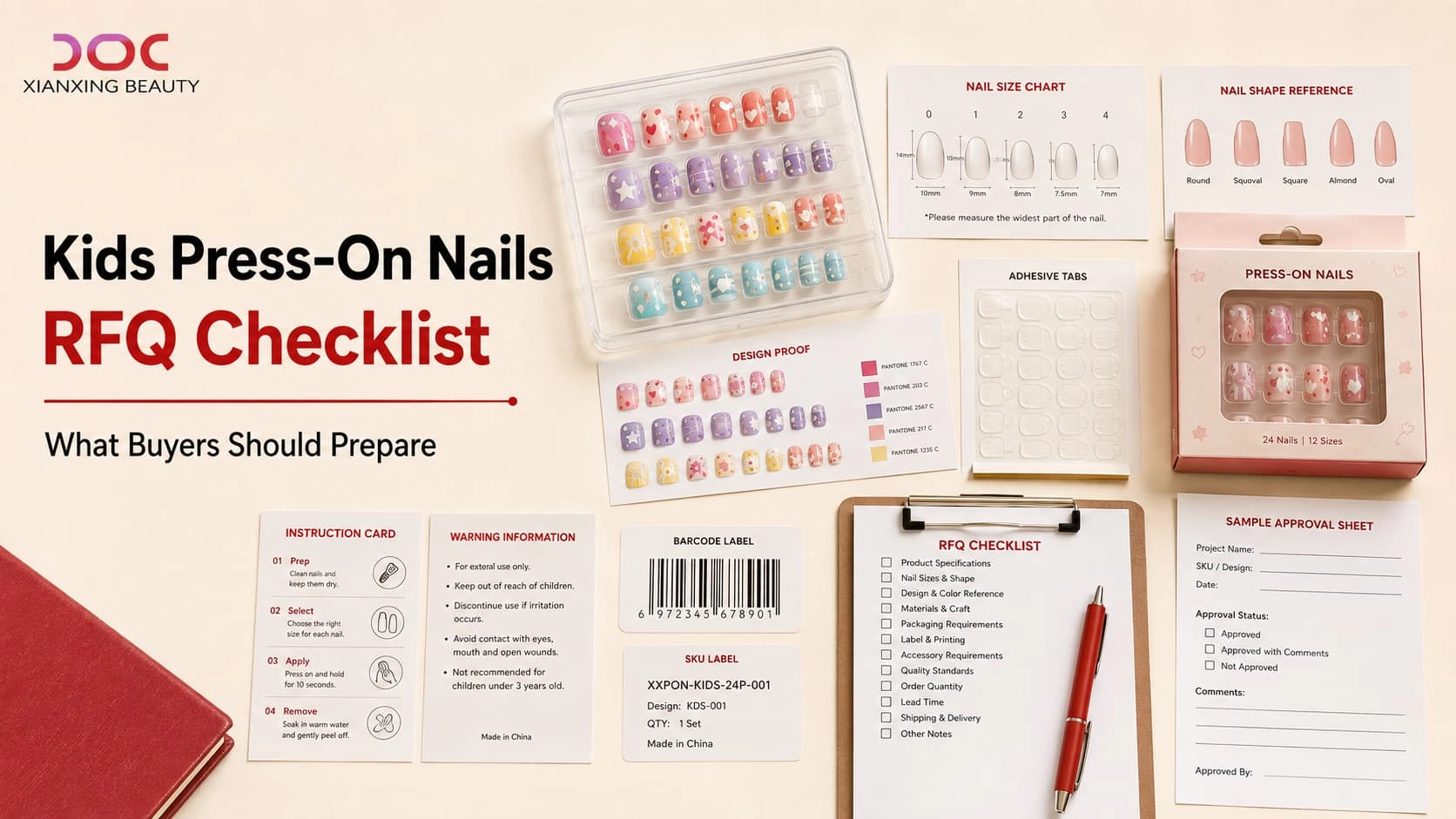
Kids Press-On Nails RFQ Checklist: What Buyers Should Prepare
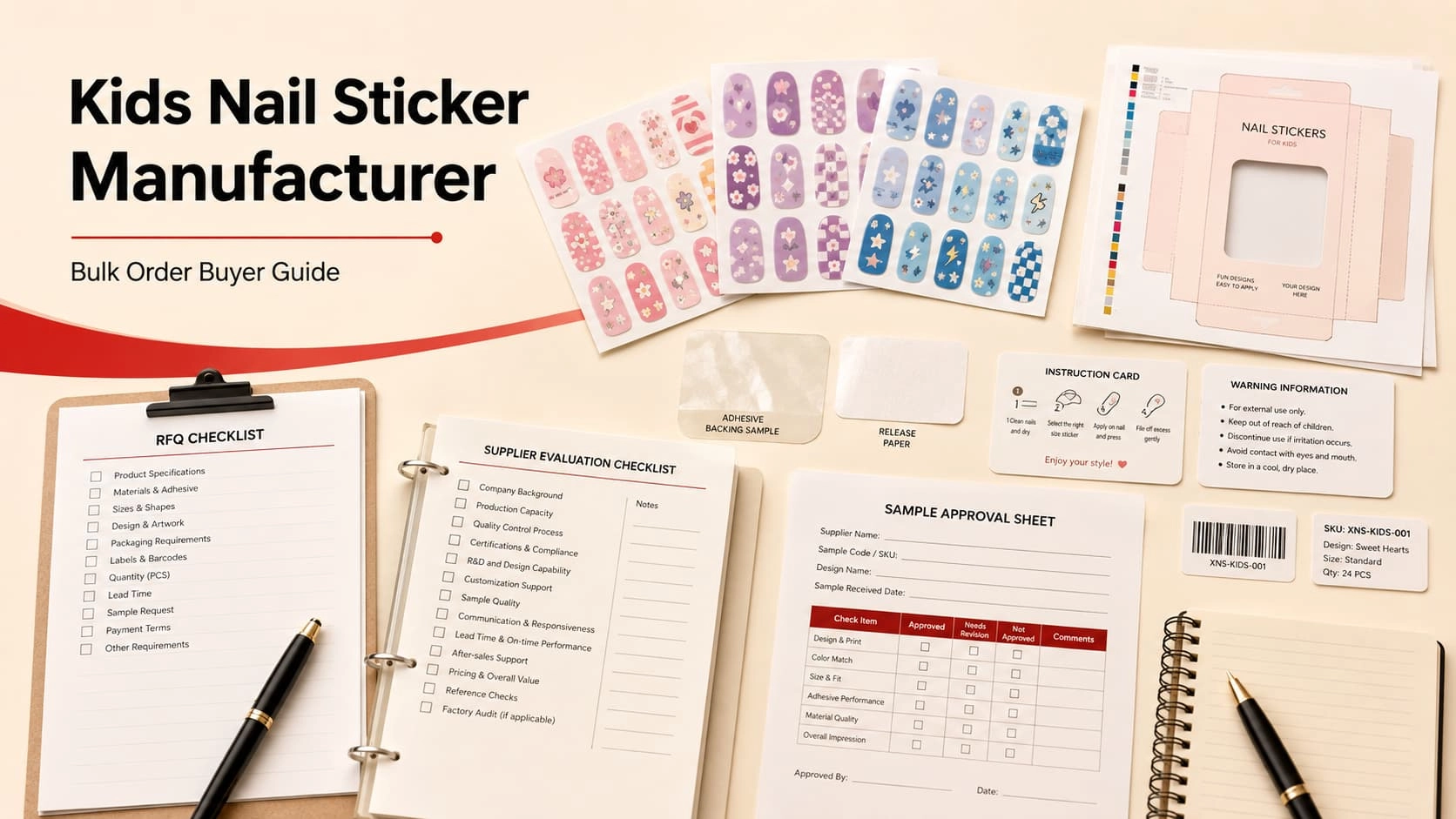
How to Choose a Kids Nail Sticker Manufacturer for Bulk Orders
Crystal spike
Which stick should I choose: Crystal Point or Wooden Stick?
Choose a Crystal Point Stick if you want a long-lasting, smooth, and precise tool that’s easier to clean and gentler on the skin.
Choose a Wooden Stick if you’re looking for an affordable option or prefer a traditional tool for cuticle care and nail cleaning. Just be mindful of the risk of splinters.
About Christmas Nails
Can I cut and file press on nails?
Yes! You can absolutely trim them to your desired length and shape them with a standard nail file. It's best to do this beforeyou apply them to your nails.
Agent
How well-known is this nail art brand in the market?
Xianxing has been engaged in wearing manicure for 20 years and has more than 100,000 consumers. The products have been tested by the market and consumers, so you can buy with confidence.
Are the product types rich?
Xianxing has more than 100 types of nails, 1000 styles stock available, and is updated regularly every month. The products are very rich.
About chrome Nails
How can I make them last longer?
Clean your nails thoroughly before application to remove oils.
Apply a small amount of nail glue even if adhesive tabs are included.
Avoid excessive exposure to water or chemicals.
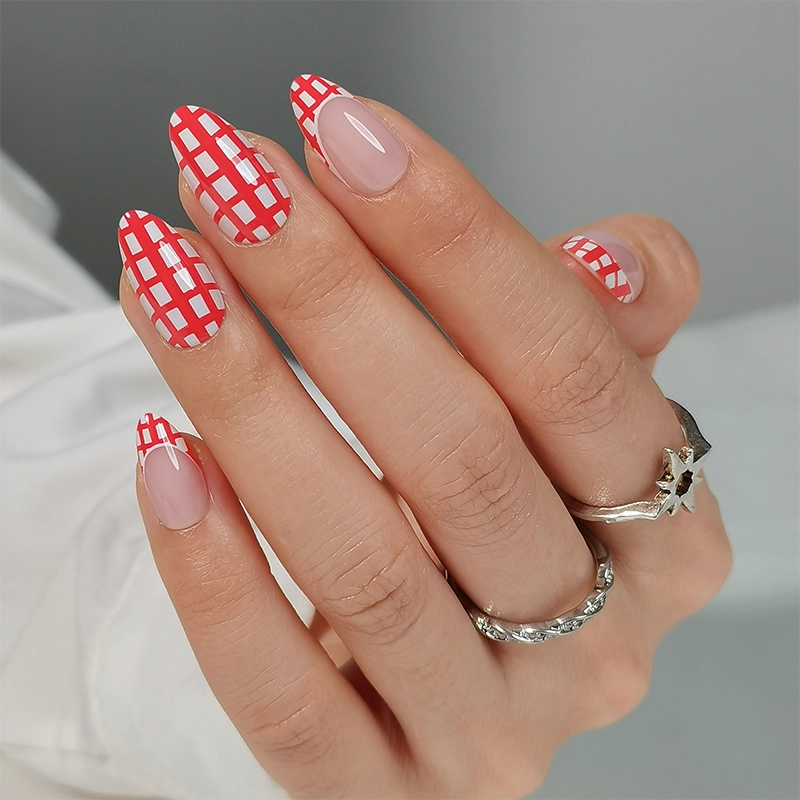
Wholesales Red French Nails Tips Checkered Soft Gel Nail Tips 32 Piece Set

Xianxing Beauty OEM/Wholesale Soft Gel Nail Tips - 32PCS Pink French Square Nails

Xianxing Beauty OEM/Wholesale Soft Gel Nail Tips – 32PCS Classic Black French Press On Nails

Custom Chrome Polka Dot Delight Soft Gel Nail Press On Suppliers
Contact us
If you have press on nails products or customization needs, please feel free to contact from
below or via the contact information provided, we'll get back to you promptly within 24 hours.
By clicking 'Send Inquiry Now' I agree to XIANXING BEAUTY processing my personal data.
To see how to withdraw your consent, how to control your personal data and how we process it, please see our Privacy Policy and Terms of use.
Copyright © 2025 - XIANXING BEAUTY All Rights Reserved. Sitemap
Facebook
YouTube
Instagram
LinkedIn