
What materials are used in wholesale almond press on nails?
Article Title: What materials are used in wholesale almond press on nails?
Wholesale almond press-on nails are manufactured from a small set of engineered polymers, adhesives and surface coatings; buyers should verify base polymer (ABS vs acrylic), adhesive chemistry, curing systems for gel finishes, and pigment/filler compliance to avoid banned monomers, allergic triggers and supply variability.
This article focuses on material transparency and procurement controls for B2B buyers: which base plastics are used, when acrylic chemistries appear, what non-plastic ingredients matter (adhesives, pigments, UV gel chemistries), how additives change performance, and realistic eco-alternatives. It also explains the documentation and lab testing you should demand to reduce product risk in wholesale almond press-on supply chains.
Frequently Asked Questions
Xianxing Beauty can provide technical documentation, MSDS, and representative samples to validate composition and performance before purchase; see the FAQ section for detailed material breakdowns and testing recommendations.
Contact Xianxing Beauty for a custom wholesale almond press on nails quote at www.xianxingbeauty.com or [email protected].
Frequently Asked Questions
Which plastics are commonly used in wholesale almond press on nails?
Most pre-formed wholesale press-on tips are injection-molded from ABS (Acrylonitrile Butadiene Styrene) because ABS balances impact resistance, dimensional stability and a degree of flex needed for application; acrylic systems (PMMA-based) are found where a rigid acrylic overlay is applied to a tip or used in custom acrylic press-on production. Polystyrene is rarely used for long-wear nails due to brittleness. Actionable buyer step: request the polymer grade (e.g., ABS resin grade), percent filler content, and supplier test data for tensile strength and heat deflection; ABS-based tips typically show better drop resistance and manufacturability for almond shapes.
Are acrylic monomers present in wholesale almond press on nails?
Acrylic chemistries appear in two ways: (1) factory-applied acrylic overlays created from polymer powder and liquid monomer systems (PMMA plus a liquid monomer), and (2) acrylic-based adhesives or primers. Important safety note: methyl methacrylate (MMA) has been widely restricted and is strongly discouraged for cosmetic nail enhancements because of irreversible nail bed damage and allergic reactions; many markets and professional bodies prohibit MMA use. Safer alternatives include ethyl methacrylate (EMA) or pre-polymerized acrylic powders. Actionable buyer step: require MSDS that clearly lists monomers and a statement that MMA is not used, plus polymerization cure data.
What non-plastic materials appear in wholesale almond press on nails?
Non-plastic ingredients significantly affect safety and finish: (a) adhesives — cyanoacrylate (nail glue) or pressure-sensitive acrylic adhesive tabs; (b) pigments and fillers — inorganic pigments (titanium dioxide, iron oxides) and mineral fillers (silica) for opacity and strength; (c) surface coatings — UV/LED-cured gel topcoats composed of oligomers (urethane acrylates), monomers and photoinitiators; (d) decorative elements — glitters (polyester or aluminum), foils, or mica. Actionable buyer step: request heavy-metal screening for pigments (lead, cadmium), photoinitiator identity for UV gels, and adhesive composition, and confirm suppliers provide MSDS and test reports for skin-contact safety.
How do additives affect strength and flexibility in wholesale nails?
Additives control the mechanical trade-offs: plasticizers increase flexibility and reduce brittleness but can reduce tensile strength and may migrate over time; mineral fillers (e.g., silica, calcium carbonate) increase stiffness, abrasion resistance and can raise the modulus; cross-link density in cured gel systems controls hardness and chip resistance. These changes are quantifiable — manufacturers measure flexural modulus, hardness (Shore), elongation at break and impact resistance. Actionable buyer step: specify target mechanical metrics from suppliers (e.g., desired flexural behavior for almond profiles), request test certificates (ISO/ASTM test references) and perform bench bend/impact tests on samples before large orders.
Which medical-grade adhesives are typical for wholesale almond press on nails?
Two adhesive categories dominate: instant cyanoacrylate glues (low-viscosity ethyl- or alkoxy-based cyanoacrylates formulated for nails) and pressure-sensitive acrylic adhesives used in double-sided tabs. For sensitive-skin claims or B2B medical-channel orders, buyers should require adhesives with biocompatibility test results — ISO 10993-5 (cytotoxicity) and ISO 10993-10 (skin irritation/sensitization) are the accepted standards to demonstrate minimal biological risk. Actionable buyer step: insist on adhesive MSDS, batch-level formulation disclosures, and copies of biocompatibility reports when nails or adhesives are marketed as hypoallergenic or medical-grade.
Are there eco-friendly material alternatives for wholesale almond press on nails?
Sustainable options exist but come with trade-offs. Recycled ABS feedstock can be used for tips, reducing virgin resin use, but requires tight color and contaminant control; biodegradable polymers (PLA) are generally unsuitable alone because they lack required flexibility and impact resistance. On the coatings side, solvent-free UV/LED gel systems reduce VOC emissions compared with solvent-borne lacquers; biodegradable glitters (cellulose-based) can replace PET glitter. Actionable buyer step: if sustainability is a priority, require third-party recycled-content certification, lifecycle data, and accelerated aging tests to validate durability equivalence; accept that some eco alternatives may necessitate design or process changes to meet retail performance expectations.
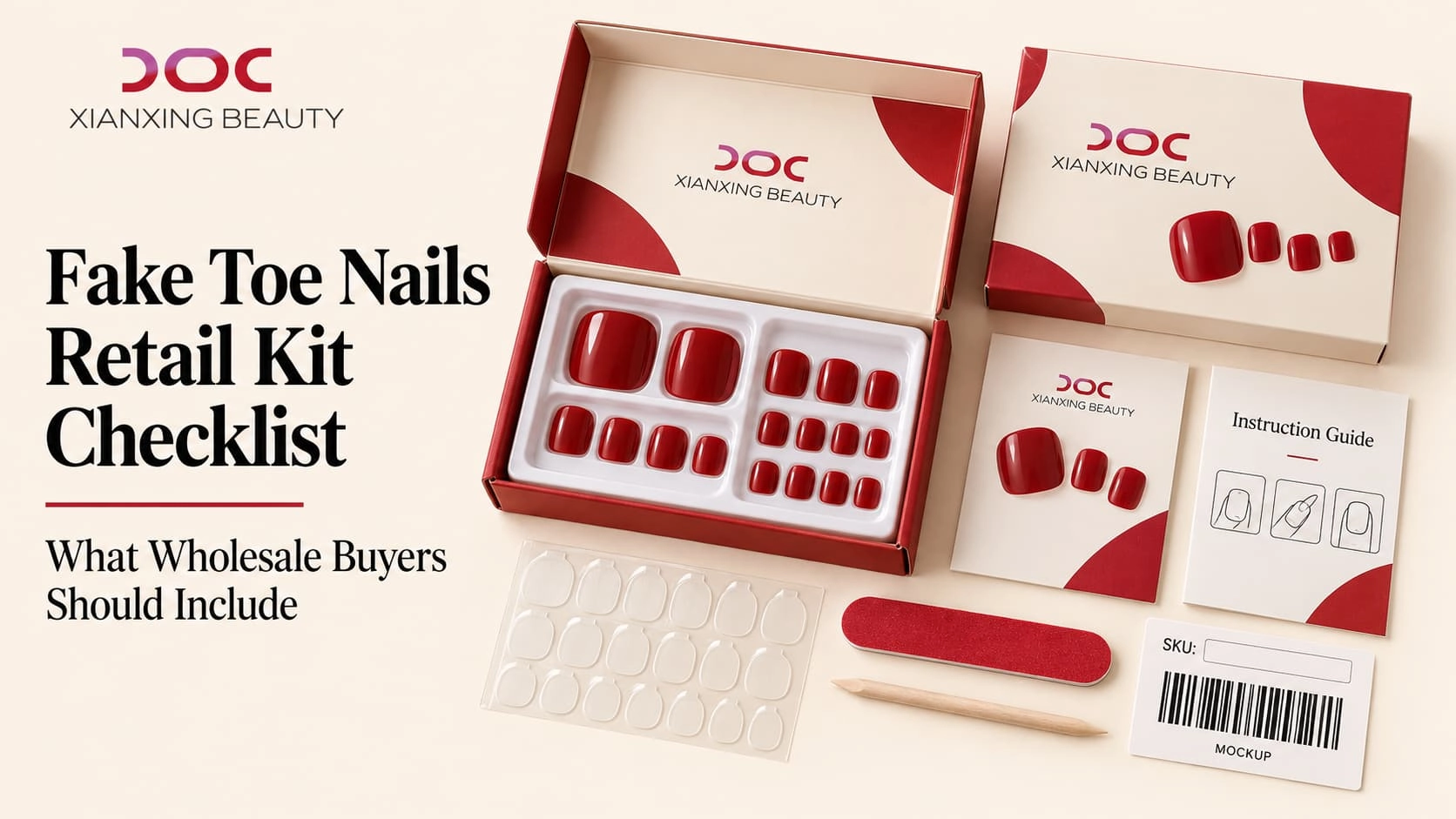
Fake Toe Nails Retail Kit Checklist: What Buyers Should Include
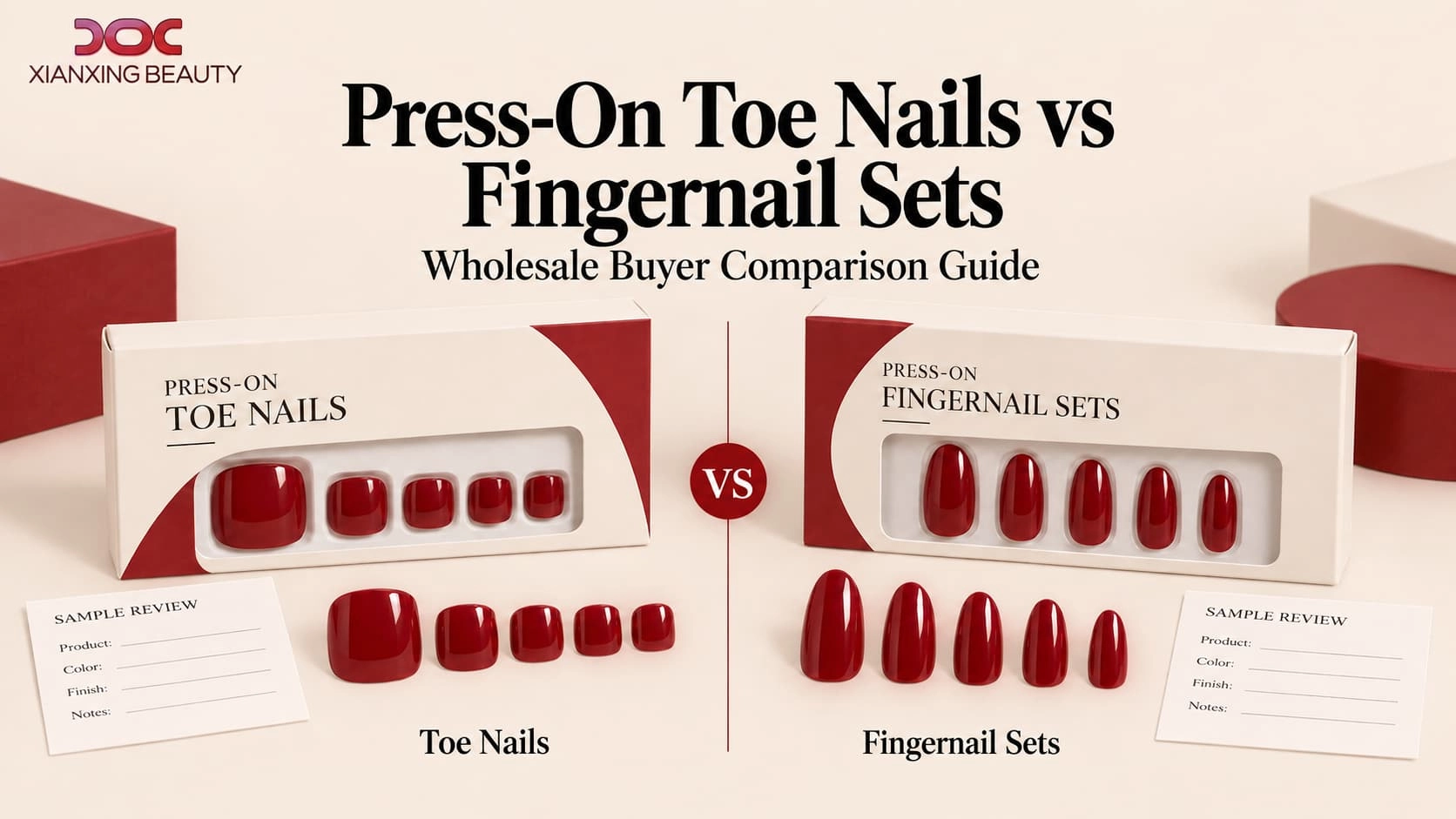
Press-On Toe Nails vs Fingernail Sets: Key Differences for Wholesale Buyers
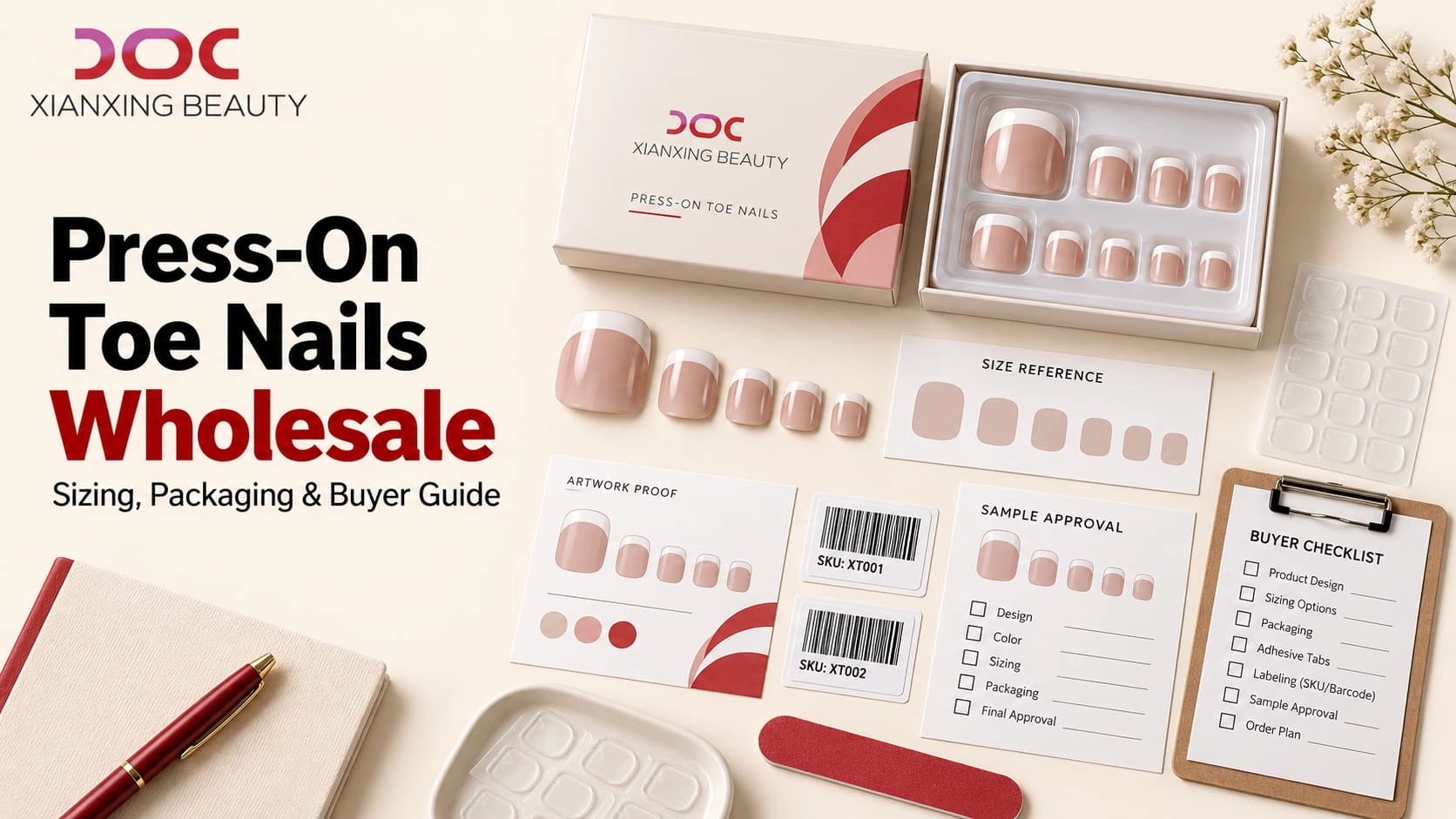
Press-On Toe Nails Wholesale: Sizing, Packaging and Buyer Guide
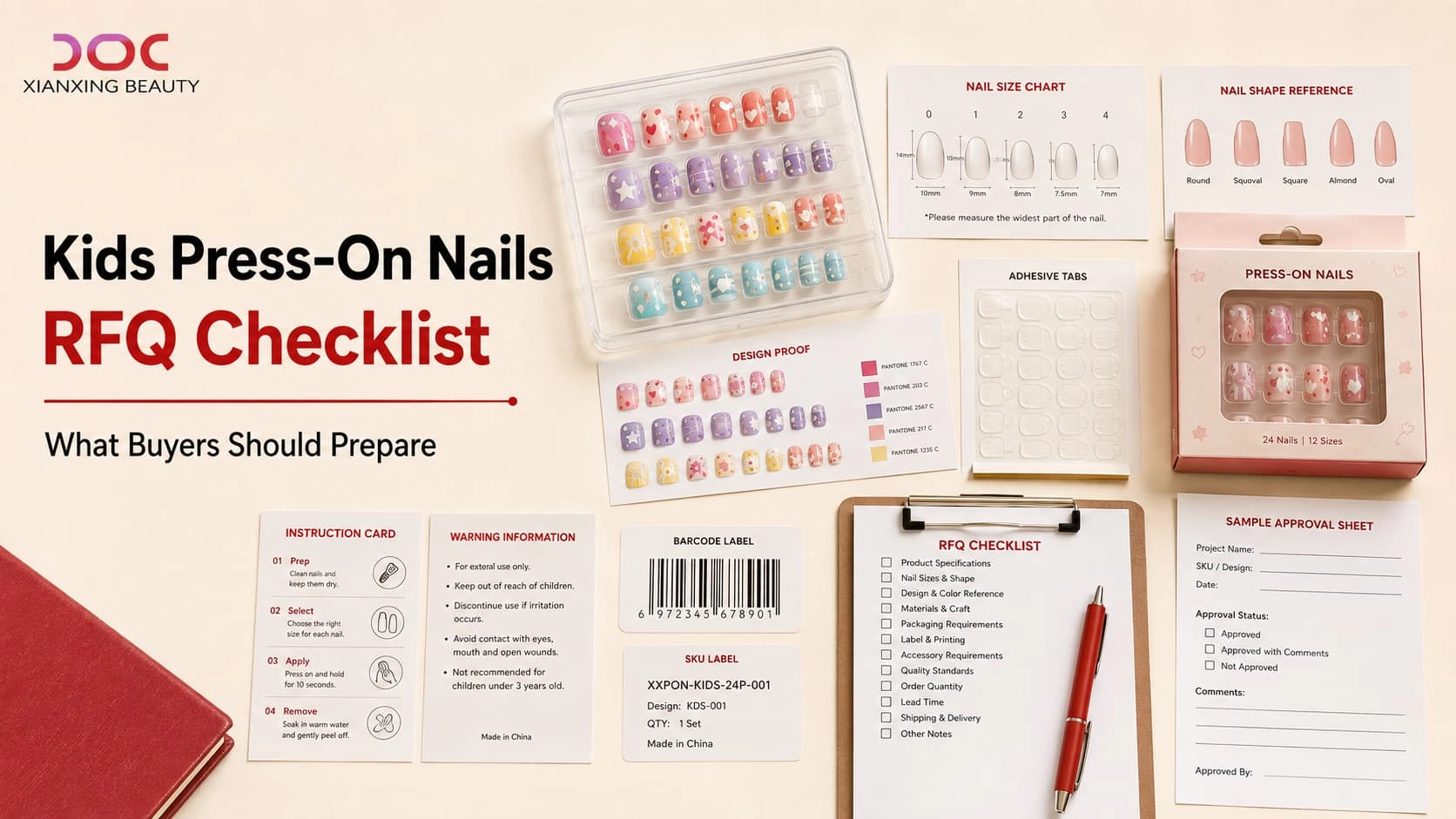
Kids Press-On Nails RFQ Checklist: What Buyers Should Prepare
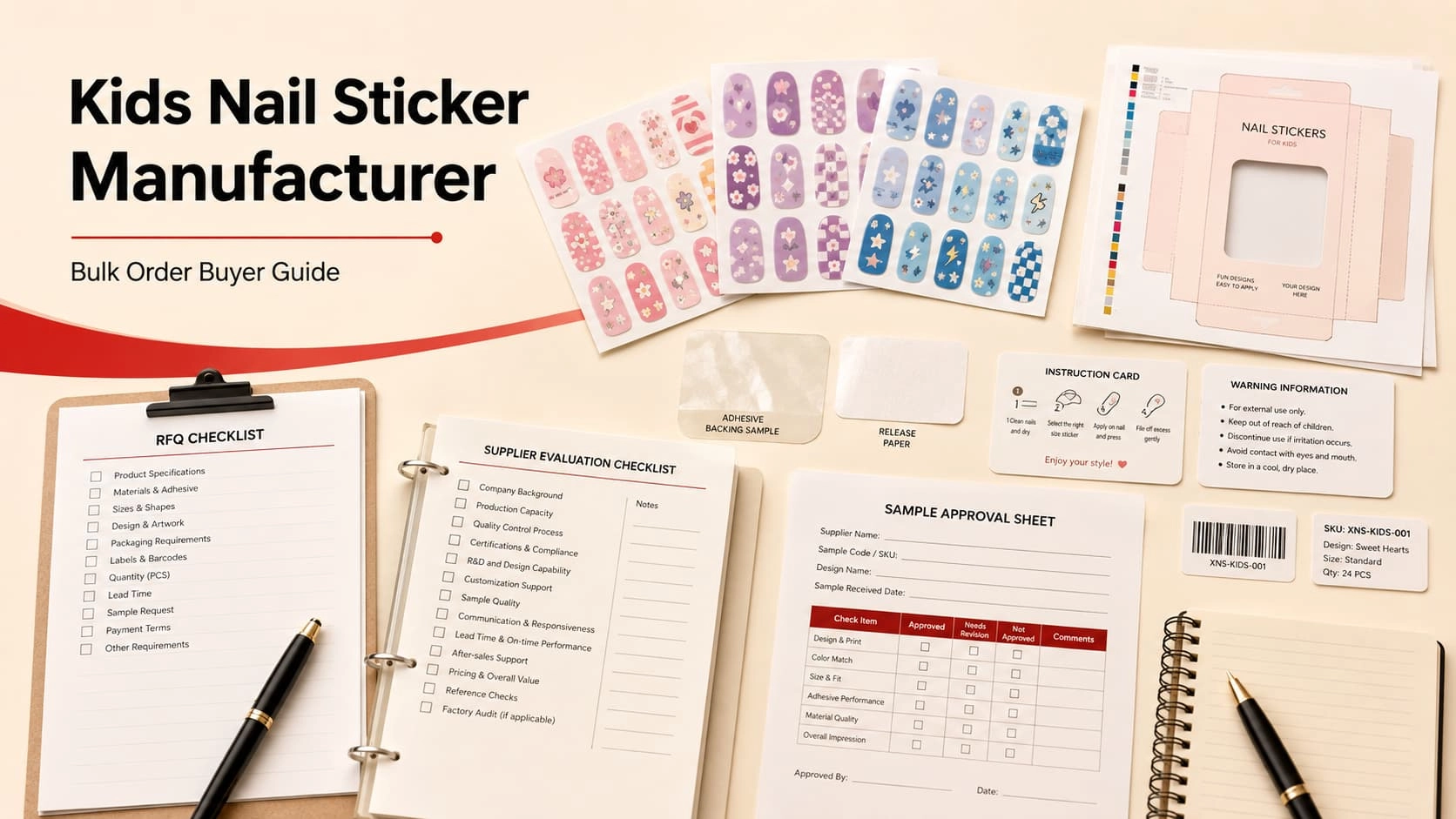
How to Choose a Kids Nail Sticker Manufacturer for Bulk Orders
About French Nails Tips
Are press-on nails reusable?
Yes, they can be reused if you remove them carefully and clean off the adhesive or glue residue.
Product Customization
Can you provide samples?
Yes, we offer a sample service for customers to confirm customization details. The sample fee will be calculated based on the product and customization requirements.
Brand Client
If the received product has a quality problem, can it be returned or exchanged?
Yes, we provide perfect after-sales service. If there is a quality problem, you can apply for return or exchange. The specific process can be consulted with the customer service team.
About Kid Nails
Do they damage natural nails?
No, if applied and removed properly, they do not harm natural nails.
Supermarket chains
How is the adhesiveness of the glue? How long the nails can last?
The glue we used is 3rd generation European quality standard, it’s very strong, can last 2-3 weeks with correct application.
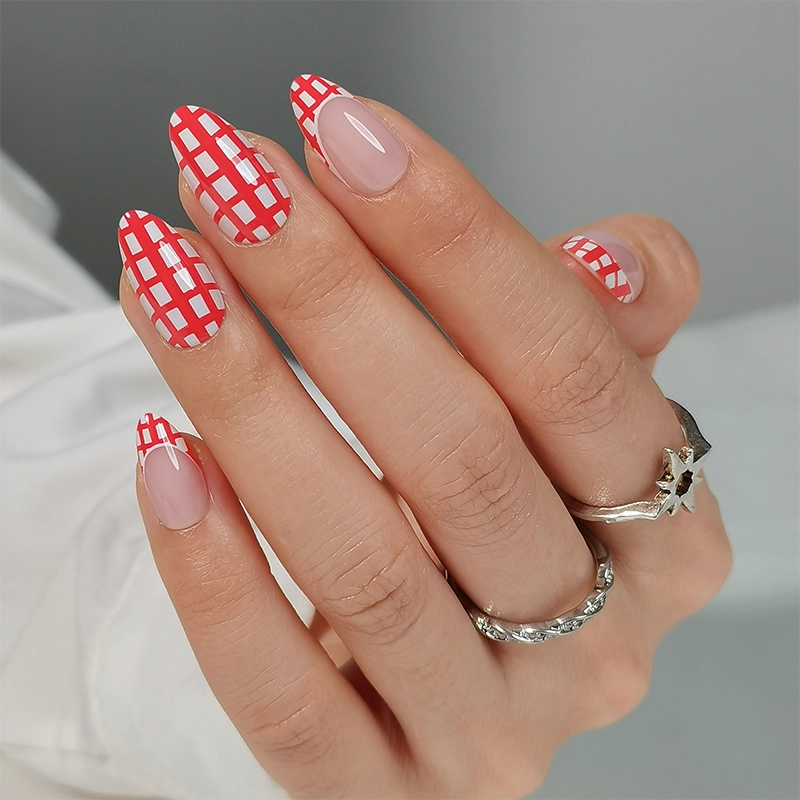
Wholesales Red French Nails Tips Checkered Soft Gel Nail Tips 32 Piece Set

Xianxing Beauty OEM/Wholesale Soft Gel Nail Tips - 32PCS Pink French Square Nails

Xianxing Beauty OEM/Wholesale Soft Gel Nail Tips – 32PCS Classic Black French Press On Nails

Custom Chrome Polka Dot Delight Soft Gel Nail Press On Suppliers
Contact us
If you have press on nails products or customization needs, please feel free to contact from
below or via the contact information provided, we'll get back to you promptly within 24 hours.
By clicking 'Send Inquiry Now' I agree to XIANXING BEAUTY processing my personal data.
To see how to withdraw your consent, how to control your personal data and how we process it, please see our Privacy Policy and Terms of use.
Copyright © 2025 - XIANXING BEAUTY All Rights Reserved. Sitemap
Facebook
YouTube
Instagram
LinkedIn