
Are press on nails hard to remove? | Xianxing Beauty Expert Guide
- Are Press-On Nails Hard to Remove? Unveiling the Truth
- 1. What Is the Safest Way to Remove Press-On Nails?
- 2. Can Press-On Nails Damage My Natural Nails During Removal?
- 3. Can I Reuse Press-On Nails After Removal?
- 4. How Long Does It Take to Remove Press-On Nails?
- 5. What Tools or Products Do I Need for Easy Removal?
Are Press-On Nails Hard to Remove? Unveiling the Truth
Press-on nails have become a popular choice for achieving salon-quality manicures at home, offering convenience and affordability. However, one of the most common questions users ask is: Are press-on nails hard to remove? The answer depends on the application method, the type of adhesive used, and the removal technique. With the right approach, press-on nails can be removed easily without damaging your natural nails. Drawing from insights found online, including expert advice from sources like InStyle and Allure, this article addresses this concern and other related questions to help users make informed decisions when repurchasing press-on nails.
1. What Is the Safest Way to Remove Press-On Nails?
Removing press-on nails safely is crucial to avoid damage to your natural nails. According to experts cited on InStyle and Allure, one effective method is the warm water soak. Fill a bowl with warm, soapy water and soak your nails for 10-15 minutes. This loosens the adhesive, allowing the press-ons to pop off gently. Alternatively, for stronger glues, use acetone by soaking a cotton ball and wrapping it around each nail for about 10 minutes, as suggested by nail technicians on Makeup.com. Always follow up with cuticle oil to hydrate your nails post-removal. Avoid forcefully pulling off the nails, as this can cause peeling or weakening of your natural nails.
2. Can Press-On Nails Damage My Natural Nails During Removal?
A common concern is whether removing press-on nails can harm natural nails. If done incorrectly, such as by peeling them off without soaking, it can lead to damage like thinning or splitting, as noted in resources from L’Oréal Paris. However, following proper removal techniques—using warm water, acetone, or non-acetone removers—minimizes this risk. Additionally, ensuring your nails are healthy before application (e.g., avoiding over-filing) and moisturizing afterward can prevent long-term damage.
3. Can I Reuse Press-On Nails After Removal?
Yes, press-on nails can often be reused if removed carefully, as highlighted by sources like Lilac St. and The Nailest. To preserve them for reuse, avoid using harsh chemicals like acetone during removal, as it can degrade the acrylic material. Instead, opt for the warm water method or cuticle oil to loosen the adhesive. After removal, clean the press-ons with a gentle nail brush and store them properly. Many kits come with 20+ nails, allowing multiple uses if maintained well, according to BrunetteOnaMission.com.
4. How Long Does It Take to Remove Press-On Nails?
The time it takes to remove press-on nails varies based on the adhesive strength and method used. The warm water soak method typically takes 10-15 minutes, as per Olive and June’s guidelines. If using acetone for stronger glues, expect around 10 minutes per hand with proper wrapping, as advised on WikiHow. Patience is key—rushing the process by pulling the nails off can extend recovery time for your natural nails and potentially damage the press-ons if you plan to reuse them.
5. What Tools or Products Do I Need for Easy Removal?
Having the right tools can make removing press-on nails a breeze. Experts from Allure recommend basics like acetone, cotton balls, aluminum foil (for wrapping during soaking), a cuticle pusher, and a nail file for gentle nudging. Nail clips, as mentioned on BrunetteOnaMission.com, can also simplify the process by holding acetone-soaked cotton in place. For non-acetone methods, warm soapy water and cuticle oil are essential. Investing in these affordable tools ensures a damage-free removal process and prepares you for reusing or repurchasing press-on sets.
In conclusion, press-on nails are not inherently hard to remove when you use the right techniques and tools. Addressing these top user concerns, from safe removal to reuse potential, empowers consumers to enjoy press-on nails confidently. When repurchasing, consider brands that offer clear removal instructions and quality adhesives that balance durability with easy removal. With proper care, press-on nails can remain a cost-effective and versatile beauty solution.
7 Red Flags to Avoid When Selecting a Wholesale Press On Nails Manufacturer
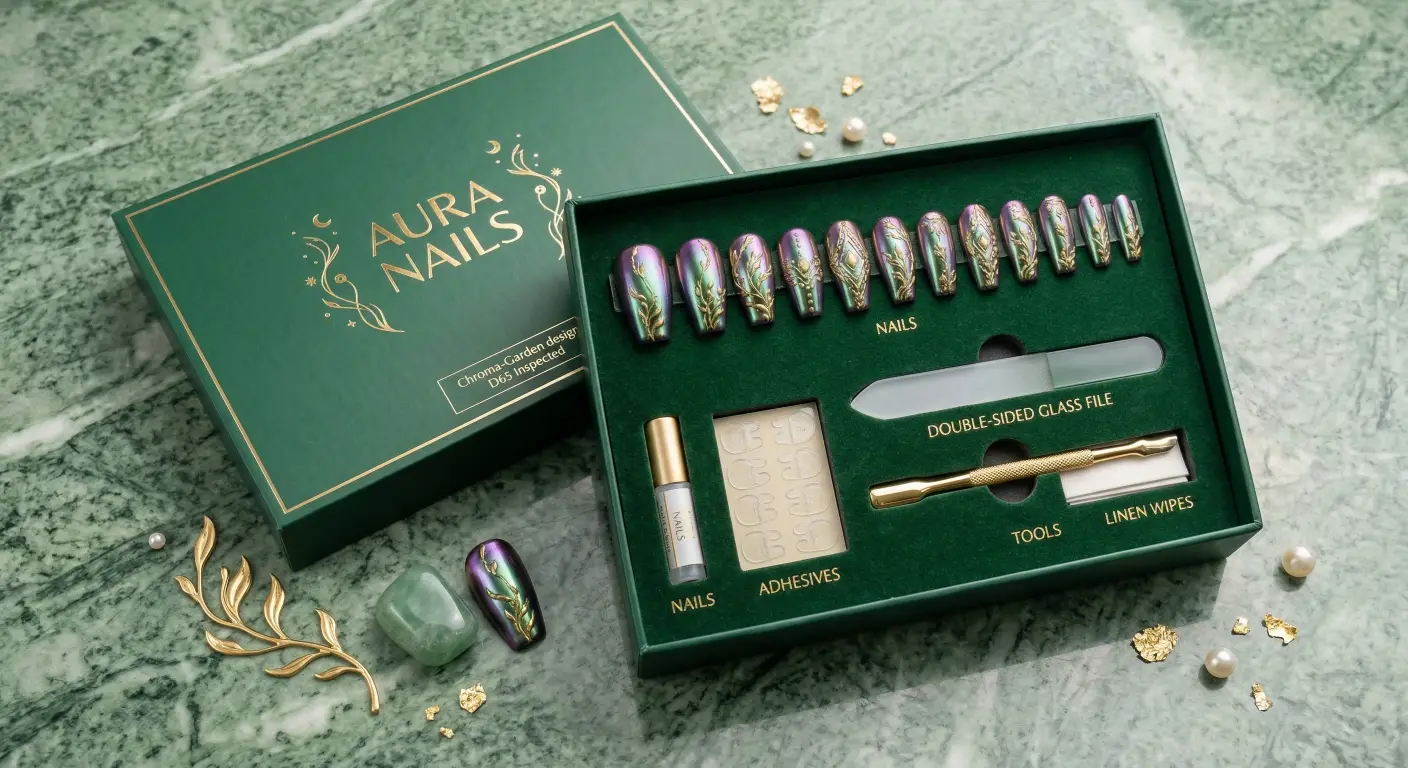
Quality Control: What to Expect from a Top-Tier Wholesale Press On Nails Manufacturer
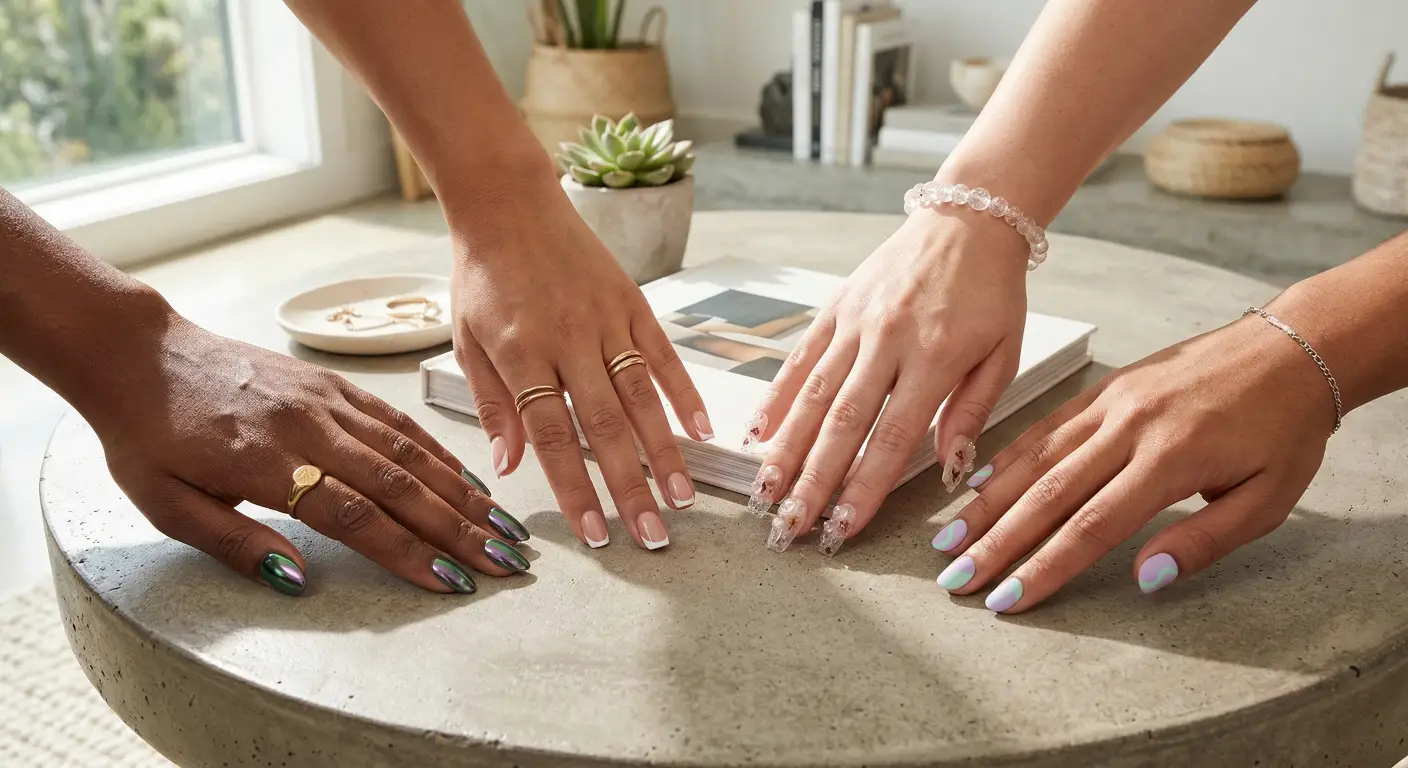
The Ultimate Guide to Choosing the Best Wholesale Press On Nails Manufacturer in 2026
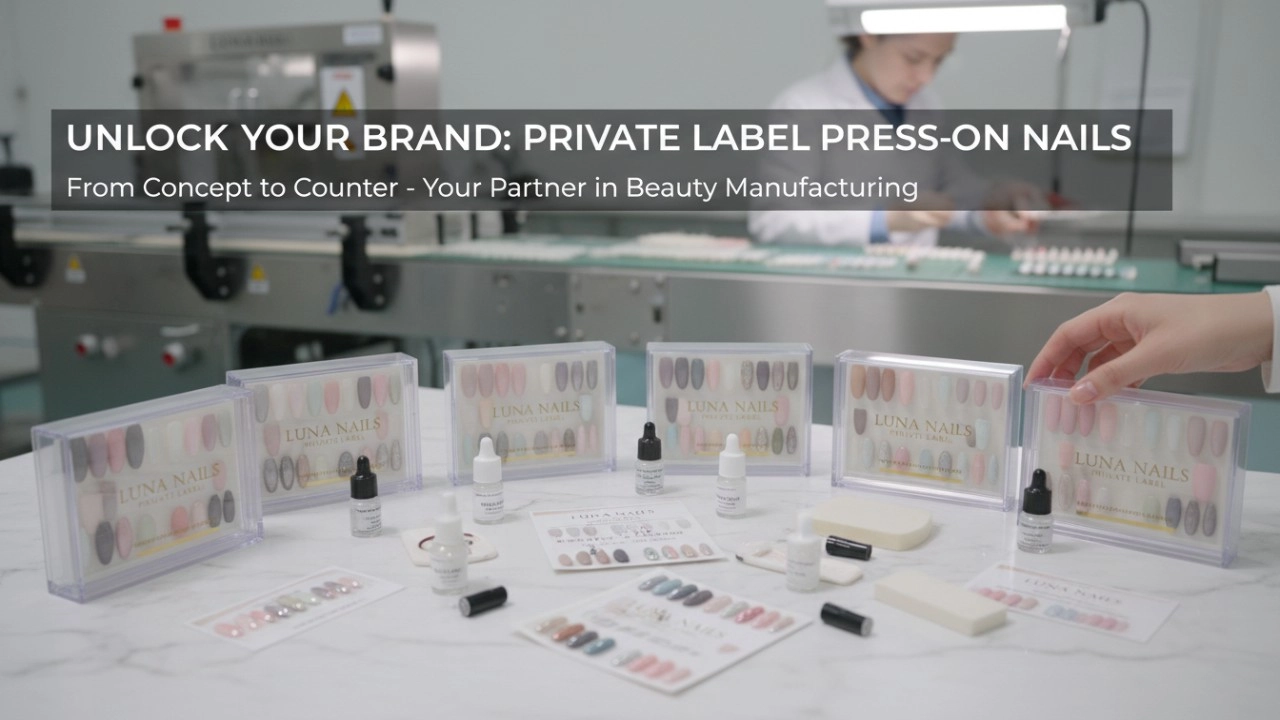
How to Scale Your Beauty Brand: Why Private Label Press On Nails Are the Highest-Margin Entry Point in 2026
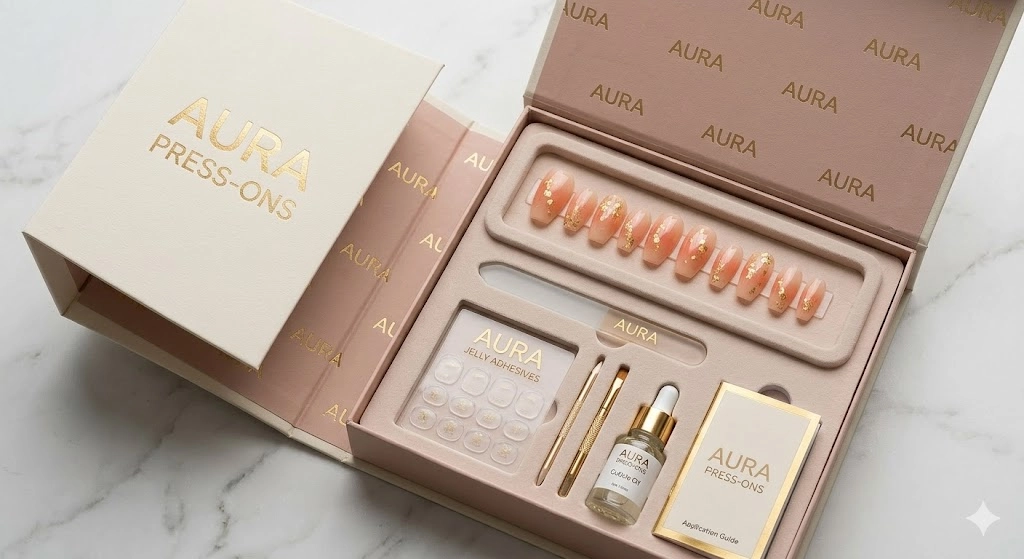
Why Partnering with Professional Press On Nails Manufacturers Boosts Your Brand Growth
Nail Dust Removal Brush
How often should I replace my nail dust cleaning brush?
If you notice the bristles are fraying, or the brush isn't effectively removing dust anymore, it's time to replace it. Generally, a well-maintained brush can last for several months to a year depending on how often you use it.
Product Customization
What is the minimum order quantity (MOQ) for custom nail styles?
The minimum order quantity is typically 1000-3000 sets per style and color. The exact MOQ depends on the complexity of the design.
About French Nails Tips
How long do they last?
With proper application, press-on nails can last:
Adhesive tabs: 1–3 days
Nail glue: Up to 7–10 days
Longevity depends on activities like water exposure and proper care.
About solid color nails
The use of glue and jelly glue as firm?
Usually the glue is stronger than the jelly sticker. If you want to wear it for a long time, we suggest you choose liquid glue; if you want to change the style frequently, we suggest you use jelly sticker.
Soft Gel Nails
Do I need professional help to use soft gel press-on nails?
No, they are user-friendly and designed for at-home application, though they can also be used in salons for professional results.
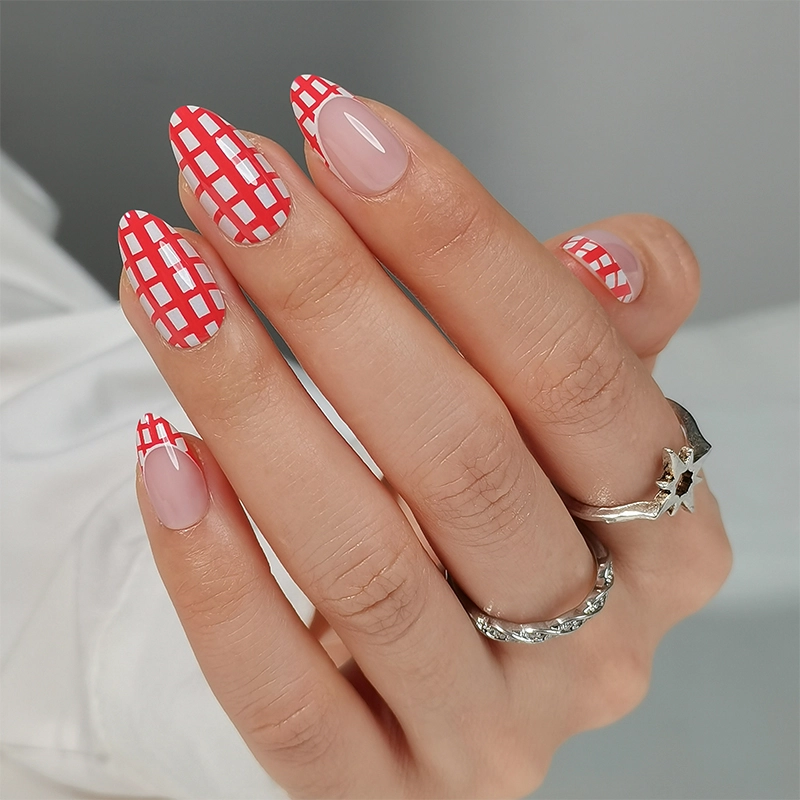
Wholesales Red French Nails Tips Checkered Soft Gel Nail Tips 32 Piece Set
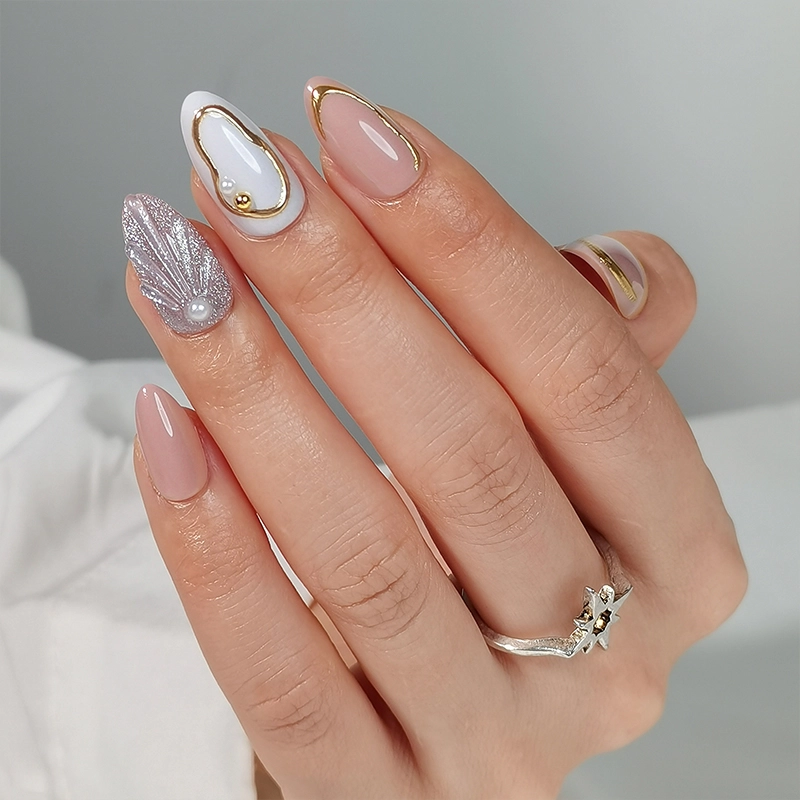
Wholesales Elegant Shell Inspired Soft Gel Wearable Nails for Seasonal Celebrations
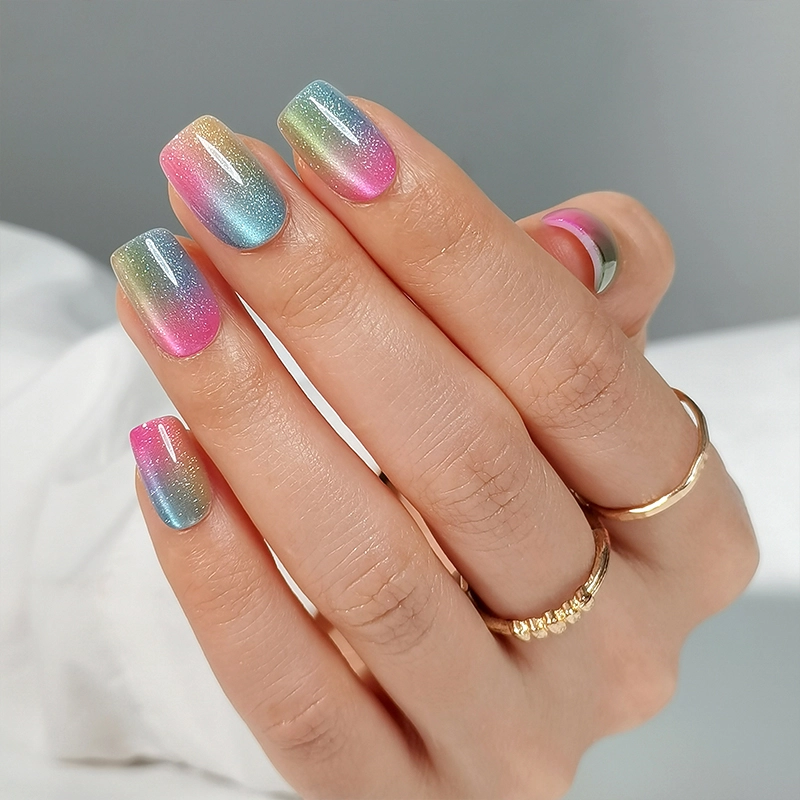
Custom Wholesale Gradient Cat Eye Soft Gel Wearable Fake Nails
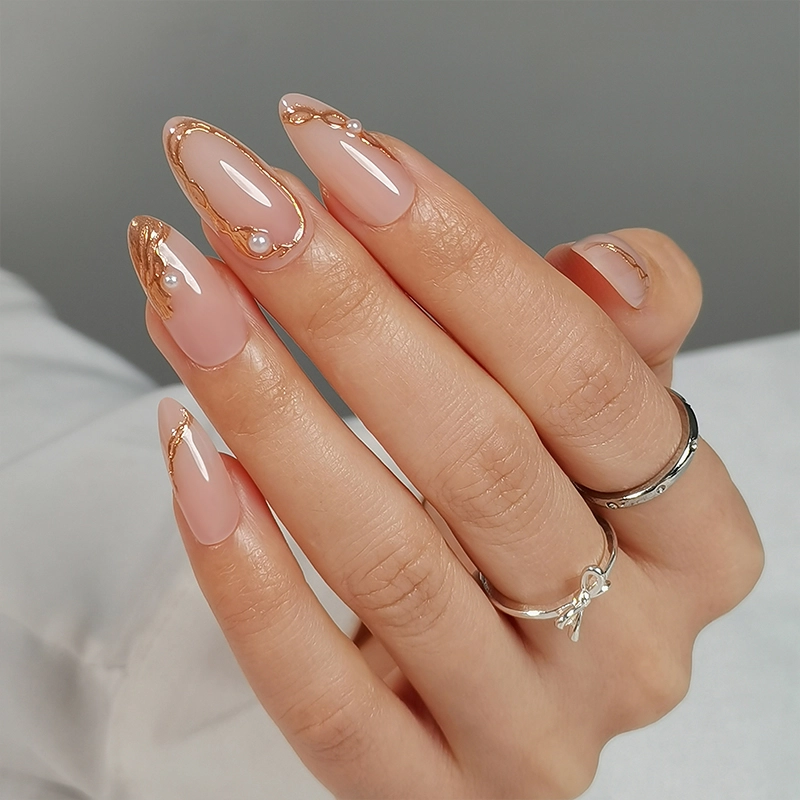
Wholesales Luxury Rhinestone Handmade Private Label Press On Nails Art Tips
Contact us
If you have press on nails products or customization needs, please feel free to contact from
below or via the contact information provided, we'll get back to you promptly within 24 hours.
By clicking 'Send Inquiry Now' I agree to XIANXING BEAUTY processing my personal data.
To see how to withdraw your consent, how to control your personal data and how we process it, please see our Privacy Policy and Terms of use.
Copyright © 2025 - XIANXING BEAUTY All Rights Reserved. Sitemap
Facebook
YouTube
Instagram
LinkedIn