
Compliance and Safety for Press On Nail Products
- Regulatory Framework for Nail Cosmetics
- press on nails manufacturer: why compliance matters
- Manufacturing Standards and Best Practices for press on nails manufacturer
- Chemical Compliance and Testing for press on nails manufacturer
- Labeling, Claims and Packaging Requirements for press on nails manufacturer
- Quality Control and Traceability Practices for press on nails manufacturer
- Risk Management: Allergens, Adhesives and Consumer Safety for press on nails manufacturer
- Working with an OEM/ODM press on nails manufacturer: what to require
- Why choose Xianxing Beauty as your press on nails manufacturer
- Practical checklist before placing an order with a press on nails manufacturer
- Conclusion and Next Steps for Choosing a press on nails manufacturer
- FAQ — press on nails manufacturer compliance
- Q1: What certifications should I ask from a press on nails manufacturer?
- Q2: Are press on nails considered cosmetics?
- Q3: How can I reduce the risk of allergic reactions in press on nails?
- Q4: How fast can an OEM press on nails manufacturer produce samples and fulfill orders?
- Q5: What tests should be included in a product file for EU market entry?
- Q6: Can small brands order low MOQ custom designs safely?
- References
Regulatory Framework for Nail Cosmetics
press on nails manufacturer: why compliance matters
Press on nails are cosmetic products that combine polymer substrates, coatings, adhesives and sometimes pigments or decals. Because they will be applied on the human body for extended periods, regulatory compliance and safety testing are mandatory for market access and consumer trust. For brands and private label buyers, working with a compliant press on nails manufacturer reduces product recalls, liability, shipment delays and negative brand impact.
Manufacturing Standards and Best Practices for press on nails manufacturer
Reputable press on nails manufacturer operations should follow recognized quality and safety systems. Key elements include Good Manufacturing Practice for cosmetics (for example ISO 22716), a documented quality management system (often ISO 9001), incoming material inspection, in-process controls and finished-product testing. Manufacturing controls must verify raw material identity (polymers, pigments, adhesives), batch traceability, environmental controls for dust and humidity, and processes for UV curing and surface finishing.
Chemical Compliance and Testing for press on nails manufacturer
Chemical compliance is the most frequent barrier to market entry. In the EU, REACH restricts certain substances and requires registration and safety data. RoHS is relevant where electrical components exist (less common for press on nails but relevant for packaging containing electronic devices). MSDS/SDS documentation must accompany hazardous materials used during production. In the US, the FDA regulates cosmetics and expects safety substantiation though pre-market approval is limited. Typical tests include heavy metal screening, phthalate analysis, formaldehyde testing, residual monomer quantification and migration testing where applicable.
| Standard / Regulation | Scope | Key Requirements | Typical Tests |
|---|---|---|---|
| REACH | Chemicals in EU market | Registration, SVHC restrictions, communication down the supply chain | SVHC screening, concentration analysis (GC-MS/LC-MS) |
| RoHS | Restriction of hazardous substances in electrical/electronic equipment | Limits on Pb, Hg, Cd, Cr(VI), PBB, PBDE (if applicable) | Heavy metal testing (ICP-MS) |
| MSDS / SDS | Hazard communication for chemicals | Provide hazards, handling, transport and disposal information | SDS generation based on hazard classification |
| EU Cosmetics Regulation | Cosmetic products sold in EU | Safety assessment, product information file, labeling, responsible person | Safety dossier, microbiological and stability testing |
| FDA (US) | Cosmetics in US market | Must be safe, proper labeling; certain color additives require approval | Ingredient verification, stability, preservative efficacy when applicable |
Sources: EU REACH, EU Cosmetics Regulation, OSHA guidance on SDS, and FDA cosmetics pages listed in References.
Labeling, Claims and Packaging Requirements for press on nails manufacturer
Labels must be truthful and compliant with local law. Typical requirements include ingredient declaration (INCI where applicable for substances), country of origin, batch or lot number, net quantity and any required warnings (for example, for adhesives or small parts that represent choking hazards). Avoiding misleading claims is critical: claims like medical or FDA-approved are unauthorized unless supported. For multi-country distribution, prepare packaging variants that meet local language and regulatory requirements.
Quality Control and Traceability Practices for press on nails manufacturer
A robust press on nails manufacturer will implement traceability from raw material certificates of analysis (COA) through finished-product batch records. Practical controls include:
- Raw material COA and supplier audits
- In-line visual and dimensional checks for size and curvature
- Adhesive bond-strength tests and peel tests
- Microbial and stability testing for products that include wet adhesives or primers
- Final inspection checklists and retained sample program
Traceability enables targeted recalls and root-cause investigations and is often a contractual requirement for retailers and distributors.
Risk Management: Allergens, Adhesives and Consumer Safety for press on nails manufacturer
Allergic contact dermatitis is the most common consumer safety issue for press on nails. Sensitive ingredients include certain acrylates, formaldehyde releasers and some adhesives. A press on nails manufacturer should:
- Use low-allergen or well-characterized adhesives and provide ingredient disclosure where legally required
- Offer clear user instructions and patch-test recommendations
- Provide MSDS/SDS for adhesives and any solvent-based materials
- Implement consumer complaint tracking and a corrective action plan
Working with an OEM/ODM press on nails manufacturer: what to require
When evaluating a press on nails manufacturer for OEM or ODM production, buyers should request the following documentation and capabilities:
- Quality certifications (ISO 9001, ISO 22716 or equivalent GMP)
- Test reports for RoHS/REACH and any requested cosmetics safety tests
- MSDS/SDS for adhesives, coatings and cleaning agents
- Sample lead times and prototype policy
- Minimum order quantities and customization options (materials, sizes, shapes, packaging)
- Turnaround time for orders and reorders, plus capacity information
Founded in 2012, Xianxing Beauty is a China press on nail manufacturer, focusing on OEM and ODM customized nail production, with a 20,000-square-meter factory, producing 300,000 pieces of press on nails daily, launching more than 100 new products every month, and supporting small-scale customization, including materials, sizes, designs, nail shapes, packaging, etc. Nail samples are provided within 3 days, and orders are completed within 7-14 days. Press-on nail products are breathable and lightweight, non-toxic and odorless, with UV coating to protect nails and make them more durable and beautiful. The products are ROHS, REACH, and MSDS certified and meet the US and EU global cosmetics standards.
Why choose Xianxing Beauty as your press on nails manufacturer
Xianxing Beauty combines manufacturing scale and speed with flexible customization. Key advantages and offered products include:
- High daily capacity: ability to scale to large orders while supporting small-batch custom runs
- Rapid prototyping: sample delivery within 3 days accelerates product development cycles
- Regulatory compliance: ROHS, REACH and MSDS documentation supporting US and EU market entry
- Product range: custom press on nails, Press on nails, salon false nails, kids nails press on, fake toe nails, gel nail tabs, sticker press on nails
- Product features: breathable, lightweight, non-toxic, odorless, UV-coated durability
These points reflect manufacturing competence, product breadth and a compliance-first approach that many brands require for international retail and e-commerce distribution.
Practical checklist before placing an order with a press on nails manufacturer
Before signing an OEM/ODM contract, run through this checklist:
- Confirm certificates: REACH, RoHS, MSDS and any requested country-specific approvals
- Request stability and shelf-life data for finished products
- Verify sample approval process and any tooling fees
- Review labeling mockups for regulatory compliance in target markets
- Establish quality acceptance criteria and handling for non-conforming goods
- Agree on intellectual property protections for custom designs and artwork
Conclusion and Next Steps for Choosing a press on nails manufacturer
Consumer safety and regulatory compliance are non-negotiable for press on nails. Brands should prioritize manufacturers that can demonstrate tested materials, documented quality systems, and visible regulatory certifications. Doing so protects consumers, accelerates time-to-market and reduces downstream costs from recalls or denied shipments. If you need an OEM/ODM partner that combines speed, compliance and customization, consider the capabilities summarized above and request documentation and samples as part of your vendor qualification process.
FAQ — press on nails manufacturer compliance
Q1: What certifications should I ask from a press on nails manufacturer?
A1: At minimum ask for REACH compliance documentation for EU shipments, RoHS if relevant to any electronic packaging, MSDS for adhesives and solvents, and any internal quality certificates such as ISO 9001 or ISO 22716 (GMP for cosmetics) if they claim cosmetic manufacturing practices.
Q2: Are press on nails considered cosmetics?
A2: In many jurisdictions press on nails and many nail accessories are treated as cosmetics because they are applied for beautification. This triggers obligations such as safety assessment, ingredient transparency and labeling in markets like the EU and the US. Check local rules for exact classification.
Q3: How can I reduce the risk of allergic reactions in press on nails?
A3: Use low-allergen adhesives and materials, include patch-test instructions, provide clear ingredient information where required, and avoid high-risk monomers or preservatives. Work with your manufacturer to review test data for acrylates and other sensitizers.
Q4: How fast can an OEM press on nails manufacturer produce samples and fulfill orders?
A4: Lead times vary. Some manufacturers offer sample turnarounds in days and production in 7-14 days for small to medium orders. For example, Xianxing Beauty provides nail samples within 3 days and completes orders within 7-14 days depending on scope.
Q5: What tests should be included in a product file for EU market entry?
A5: A Product Information File (PIF) for the EU should include a safety assessment by a qualified expert, description of manufacturing method and GMP evidence, raw material specifications and test reports (e.g., REACH/SVHC screening, heavy metals), stability data, and labeling samples.
Q6: Can small brands order low MOQ custom designs safely?
A6: Yes, many modern OEM/ODM press on nails manufacturer partners support small-scale customization, but verify they still provide the same compliance documentation, testing and retained samples as for larger runs.
Contact / View products: To examine compliant product lines, request samples or discuss OEM/ODM options, visit https://www.xianxingbeauty.com/ or contact their sales team to obtain test reports, sample kits and lead time estimates.
References
- European Chemicals Agency (REACH) - https://echa.europa.eu/regulations/reach - accessed 2025-11-29
- European Commission Cosmetics Legislation - https://ec.europa.eu/growth/sectors/cosmetics/cosmetics-legislation_en - accessed 2025-11-29
- FDA Cosmetics - https://www.fda.gov/cosmetics - accessed 2025-11-29
- OSHA Hazard Communication and Safety Data Sheets - https://www.osha.gov/hazcom - accessed 2025-11-29
- ISO 22716 Cosmetics — Good Manufacturing Practices (overview) - https://www.iso.org/standard/36437. - accessed 2025-11-29
OEM vs ODM Press On Nails Manufacturers Explained
Custom Press On Nails Pricing: What Buyers Should Expect
Perfect Press-On Nails: Your Guide - Xianxing Beauty
How to Start a Press On Nail Business in Dallas: Step-by-Step Guide
Remove armor
Can remover pads be used for sensitive skin?
Yes, many remover pads are designed for sensitive skin, such as makeup wipes with soothing ingredients like aloe or micellar water. However, if you have allergies, always read the ingredient list.
Brand Client
How do you ensure product quality?
We strictly execute the quality control process, including raw material inspection, production monitoring, and finished product inspection, to ensure that each batch of products meets the industry standards and client requirements.
How long does the production cycle usually take?
The production cycle usually takes 4-6 weeks, depending on the order quantity and customization requirements. We can also provide an expedited service.
About Product
Can I reuse the wearable nails?
To preserve quality standards and nail health, we recommend a fresh set for each use.
Crystal Nail File
Can I file my nails too much with a crystal file?
Over-filing can weaken nails, regardless of the tool you use. Stick to filing your nails when necessary and avoid excessive filing to maintain nail health.
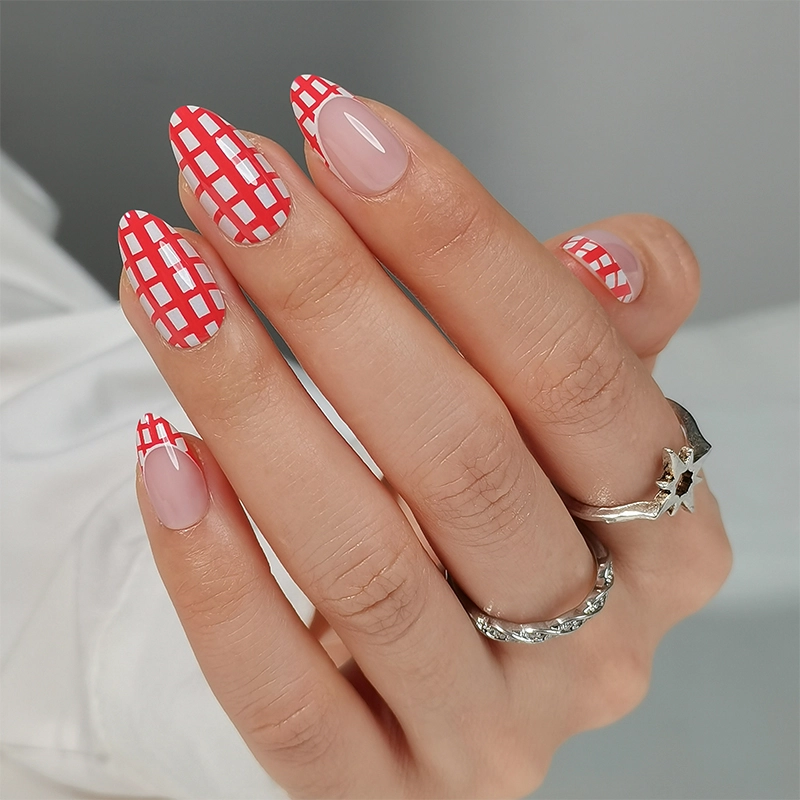
Wholesales Red French Nails Tips Checkered Soft Gel Nail Tips 32 Piece Set
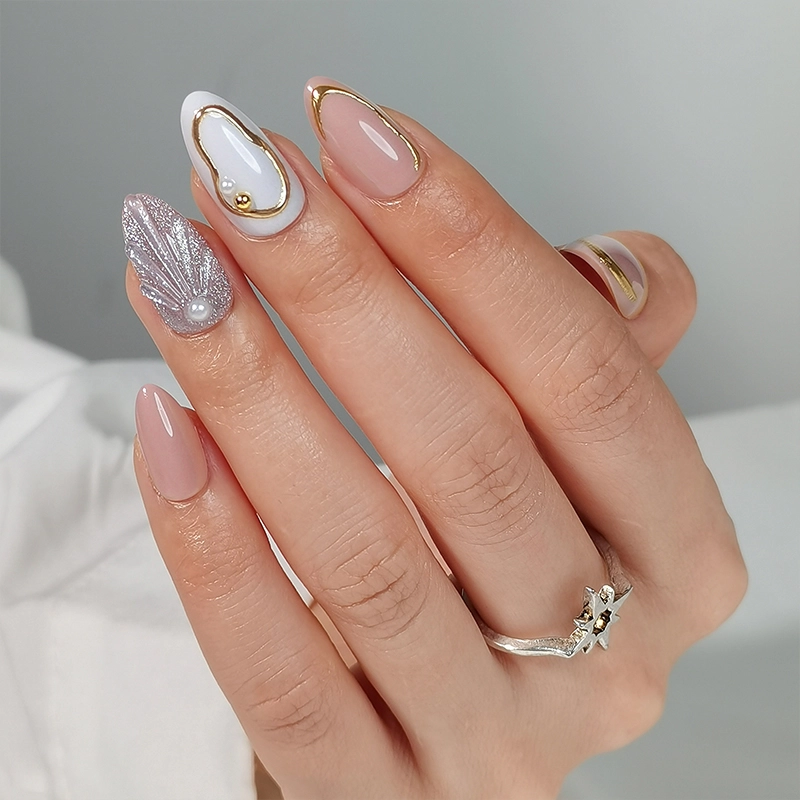
Wholesales Elegant Shell Inspired Soft Gel Wearable Nails for Seasonal Celebrations
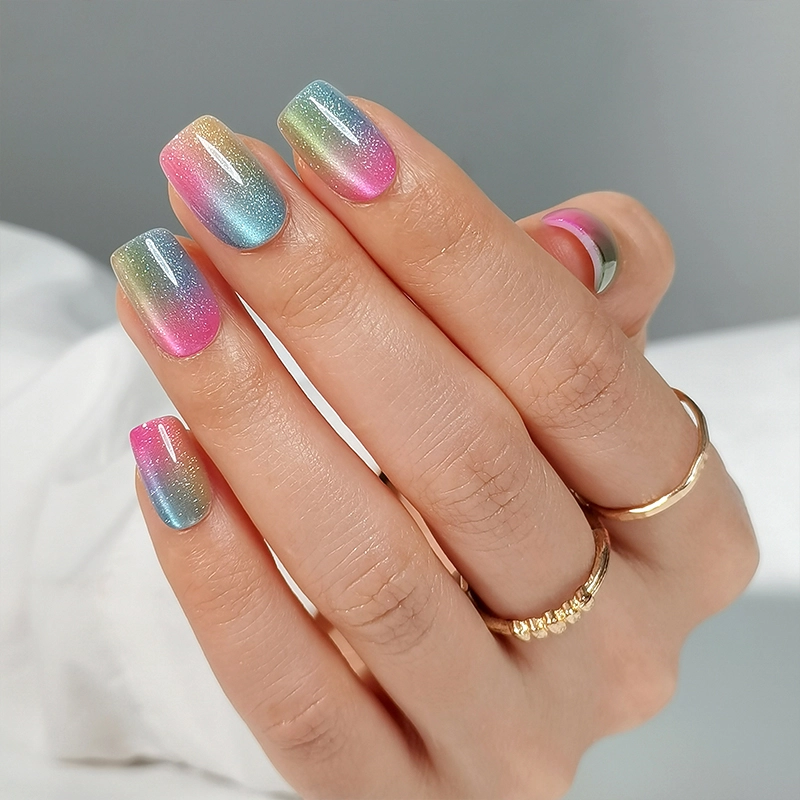
Custom Wholesale Gradient Cat Eye Soft Gel Wearable Fake Nails
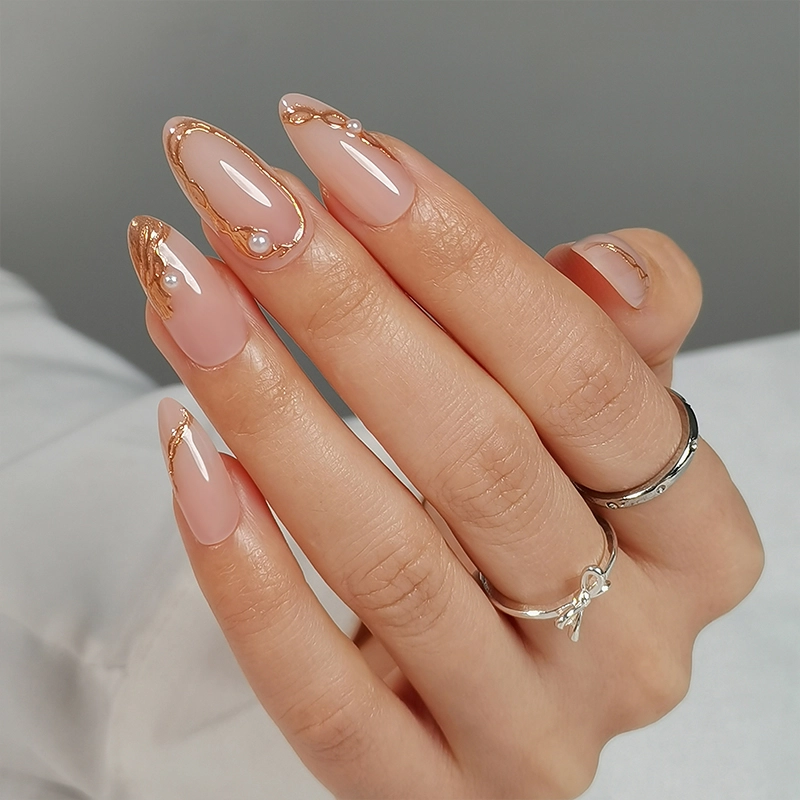
Wholesales Luxury Rhinestone Handmade Private Label Press On Nails Art Tips
Copyright © 2025 - XIANXING BEAUTY All Rights Reserved. Sitemap
Facebook
YouTube
Instagram
LinkedIn