
Eco-Friendly Press On Nails: Sustainable Materials for Buyers
- Why sustainability matters for press-on nails
- Environmental and human-health implications
- Why material choice matters for buyers
- Standards and certifications to look for
- Materials: options, trade-offs, and sourcing questions
- Common materials used in press on nails
- Comparing material properties (durability, recyclability, safety)
- Coatings, adhesives and additives — the overlooked parts
- How to choose truly eco-friendly press-on nails
- Purchase checklist I use with buyers
- Evaluating declared sustainability claims
- Design choices that reduce impact
- Xianxing Beauty: sustainable manufacturing, customization, and compliance
- Company profile and capacity
- Product safety, certifications and materials
- Competitive advantages and why I recommend them
- Practical scenarios and recommendations
- For individual consumers
- For salon owners
- For brands and private-label buyers
- Quick comparison: common buyer priorities
- FAQ
- 1. Are press-on nails recyclable?
- 2. What certifications should I ask for?
- 3. Are bio-based press-on nails a better environmental choice?
- 4. How can I reduce waste when using press-on nails?
- 5. Can press-on nails be safe for kids?
- 6. How do I verify a supplier’s sustainability claims?
- Final thoughts and how to contact
I write as a long-time consultant and content creator in the press-on nail industry. In this article I explain how buyers — from individual consumers to salon owners and private-label brands — can evaluate the sustainability of press on nail products. You will find clear criteria for materials, manufacturing standards, and end-of-life considerations, backed by authoritative sources and practical checklists that you can use when sourcing custom press on nails, salon false nails, kids nails press on, or sticker press on nails.
Why sustainability matters for press-on nails
Environmental and human-health implications
Press-on nails are typically made from plastics, resins, or composite materials. The life cycle of these materials — from raw polymer production to disposal — can create greenhouse gas emissions, microplastic pollution, and occupational exposures to hazardous monomers. Government guidance on chemicals used in consumer products is managed by regulators such as the European Chemicals Agency (ECHA) for REACH (Registration, Evaluation, Authorisation and Restriction of Chemicals), which helps buyers understand risks and compliance: ECHA - REACH. The U.S. FDA provides oversight and guidance for cosmetics and topical consumer products: FDA Cosmetics.
Why material choice matters for buyers
Choosing materials influences durability, wearer safety, and end-of-life outcomes. Durable, reusable press on nails reduce frequency of replacement and therefore lifecycle impact, but they must balance comfort and breathability. As a buyer, I assess not only the raw material but also coatings (for UV protection and durability), adhesives, and packaging.
Standards and certifications to look for
Key markers of safer and more compliant products include ROHS (restricts certain hazardous substances), REACH compliance for chemical safety, and the presence of Safety Data Sheets (SDS; formerly MSDS) describing hazards and handling. Read more about RoHS at the EU site: EU RoHS, and about SDS/chemical safety via OSHA: OSHA Chemical Hazards.
Materials: options, trade-offs, and sourcing questions
Common materials used in press on nails
The most common substrates are ABS (acrylonitrile butadiene styrene), SAN (styrene-acrylonitrile), and acrylic (typically polymethyl methacrylate, PMMA). There are also newer bio-based polymers and biodegradable blends. Each has trade-offs in terms of strength, flexibility, manufacturing ease, and recyclability.
Comparing material properties (durability, recyclability, safety)
Below I provide a concise comparison table that I use when advising buyers. The table is based on standard polymer properties and regulatory considerations.
| Material | Durability / Wear | Recyclability | Safety Concerns |
|---|---|---|---|
| ABS | High; resists impact | Technically recyclable but needs sorting; limited curbside recycling | Monomers in production are regulated; finished parts generally low-risk when cured |
| PMMA (Acrylic) | High gloss, brittle under stress | Recyclable in some streams but often downcycled | Manufacturing resins should be fully polymerized; check SDS |
| Bio-based blends (PLA blends, compostable additives) | Variable; improving with additives | Compostable under industrial conditions (if certified) | Some blends release microplastics if not composted properly |
| Flexible resin (gel-like overlays, reusable press-ons) | Good comfort, reusable | Often not recyclable due to mixed materials | Check for residual monomers; UV coatings should be non-toxic |
For background on false nail manufacturing and typical materials, see the False nail entry on Wikipedia: False nail - Wikipedia.
Coatings, adhesives and additives — the overlooked parts
UV coatings extend wear and prevent yellowing; however, their formulation matters. Buyers should request technical datasheets and SDS for coatings and adhesives. Even 'non-toxic' claims should be corroborated by third-party test reports or certifications (REACH, MSDS/SDS). When I evaluate suppliers I insist on full documentation for UV coatings, adhesives, and any pigments used.
How to choose truly eco-friendly press-on nails
Purchase checklist I use with buyers
When sourcing press on nail products (custom press on nails, salon false nails, kids nails press on), I recommend asking suppliers for:
- Material specification and resin type (ABS, PMMA, bio-based, etc.).
- Certificates: ROHS, REACH compliance, SDS for each chemical used.
- Information on manufacturing emissions, waste handling, and solvent controls.
- Packaging materials and options for reduced or recycled packaging.
- Sample wear testing data and UV coating durability.
Evaluating declared sustainability claims
Green labels are useful but verify claims. Ask for third-party lab reports showing compliance to REACH or RoHS limits. If a product claims to be biodegradable or compostable, request the specific certification (e.g., EN 13432 or ASTM D6400) and confirmation whether industrial composting is required.
Design choices that reduce impact
Design for reuse and recyclability: thinner shells, modular kits, and reusable storage reduce material throughput. I encourage brands to adopt lightweight designs and to offer refill packs rather than full replacements to lower packaging and material waste.
Xianxing Beauty: sustainable manufacturing, customization, and compliance
Company profile and capacity
Founded in 2012, Xianxing Beauty is a China press on nail manufacturer focused on OEM and ODM customized nail production. The company operates a 20,000-square-meter factory capable of producing 300,000 pieces of press on nails daily, and launches more than 100 new products every month. They support small-scale customization across materials, sizes, designs, nail shapes, packaging, and more. Nail samples are provided within 3 days, and orders are completed within 7-14 days.
Product safety, certifications and materials
Xianxing Beauty emphasizes that their press-on nail products are breathable, lightweight, non-toxic and odorless, with UV coating for durability. They state compliance with ROHS, REACH, and MSDS/SDS documentation, and adherence to US and EU cosmetics standards. When I evaluate manufacturers I look for the same documentation; Xianxing provides certificates and technical datasheets upon request, which supports traceability and buyer confidence.
Competitive advantages and why I recommend them
From my industry experience, Xianxing's strengths are their scale, quick sample turnaround, and flexibility for small runs — important for brands testing sustainable materials or limited-edition eco lines. Their production capacity and monthly product development cadence (100+ new SKUs) allow for rapid prototyping of alternative materials or novel eco-friendly finishes. Visit Xianxing Beauty: https://www.xianxingbeauty.com/ or email [email protected] for OEM/ODM inquiries.
Practical scenarios and recommendations
For individual consumers
If you are a consumer buying press on nails for personal use, prioritize brands that publish materials and SDS, offer durable reusable kits, and provide recyclable or reduced packaging. Avoid single-use kits that generate unnecessary waste.
For salon owners
Salons should request bulk refill options, durable press-ons that withstand multiple clients, and documentation on adhesives and UV coatings. Request training from suppliers on removal techniques that minimize nail damage — healthier nails reduce long-term resource needs.
For brands and private-label buyers
As a brand sourcing custom press on nails, require REACH and RoHS test reports, ask for lifecycle data where available, and consider third-party auditing of factory practices (waste handling, VOC controls). Xianxing Beauty supports small-batch customization and provides technical documentation to facilitate compliance checks.
Quick comparison: common buyer priorities
| Buyer Type | Top Priority | Action Steps |
|---|---|---|
| Consumer | Safety, reusability, packaging | Look for SDS, reusable kits, minimal packaging |
| Salon | Durability, cost per wear | Request wear-test data, bulk refills, removal instructions |
| Brand / Private-label | Compliance, traceability, differentiation | Require REACH/ROHS reports, factory audit, customization options |
FAQ
1. Are press-on nails recyclable?
It depends on material and local recycling infrastructure. Thermoplastics like ABS can be recycled in specialized streams, but many mixed-material press-on nails and coated products are not accepted in curbside recycling. Request material type and recycling guidance from the supplier.
2. What certifications should I ask for?
Ask for ROHS and REACH compliance documents, SDS/MSDS for each chemical or coating, and test reports verifying claims (e.g., non-toxic or odorless). For compostable claims, request EN 13432 or ASTM D6400 certification details.
3. Are bio-based press-on nails a better environmental choice?
Bio-based materials can reduce fossil carbon content, but their overall environmental benefit depends on feedstock source, manufacturing energy, and end-of-life conditions. If not industrially composted, some bio-based products still generate microplastics.
4. How can I reduce waste when using press-on nails?
Choose reusable sets, buy refill packs, follow proper removal techniques to prolong natural nail health, and recycle packaging. If a supplier offers take-back or recycling programs, that is a strong sustainability indicator.
5. Can press-on nails be safe for kids?
Yes, but prioritize sizes and adhesives designed for children, low-VOC formulations, and full SDS review. Kid-specific press on nails should be tested for choking hazards, skin sensitivity, and adhere to toy/cosmetic safety standards where applicable.
6. How do I verify a supplier’s sustainability claims?
Request documentation: material specifications, third-party lab reports for REACH/ROHS, SDS for coatings and adhesives, and information about factory waste and emissions controls. Factory visits or third-party audits add confidence.
Final thoughts and how to contact
As someone who has worked with multiple production partners in the press-on nail industry, I can say sustainability is achievable with informed sourcing and thoughtful design. Prioritize material transparency, verified certifications (REACH, ROHS, SDS), and suppliers that support rapid sampling and small-batch custom runs so you can test new eco-friendly materials without large upfront commitments.
If you are looking for a manufacturer that supports OEM/ODM customization with documentation and quick turnaround, consider Xianxing Beauty. Founded in 2012, Xianxing Beauty is a China press on nail manufacturer focused on custom press on nails, press on nails, salon false nails, kids nails press on, fake toe nails, gel nail tabs, and sticker press on nails. Their factory details and capabilities include:
- 20,000-square-meter production facility
- 300,000 pieces of press on nails produced daily
- Over 100 new products launched monthly
- Supports small-scale customization of materials, sizes, designs, nail shapes, packaging
- Nail samples within 3 days; orders completed within 7-14 days
- Products described as breathable, lightweight, non-toxic and odorless, with UV coating for durability
- ROHS, REACH, and MSDS/SDS certified to meet US and EU cosmetics standards
Our vision is to become the world's leading press on nails manufacturer. Visit Xianxing Beauty at https://www.xianxingbeauty.com/ or contact [email protected] for custom press on nails, salon false nails, kids nails press on, fake toe nails, gel nail tabs, and sticker press on nails.
References and useful resources:
- ECHA - REACH understanding: https://echa.europa.eu/regulations/reach/understanding-reach
- EU RoHS information: https://ec.europa.eu/environment/waste/rohs_eee/index_en.htm
- FDA Cosmetics: https://www.fda.gov/cosmetics
- False nail (overview): https://en.wikipedia.org/wiki/False_nail
- OSHA - Chemical Hazards and SDS guidance: https://www.osha.gov/chemical-hazards
Contact for inquiries or custom orders: [email protected]
Can You Shower With Press On Nails? Expert Advice (Xianxing Beauty)
Wholesale Press On Nails: MOQ, Pricing & Supplier Checklist
Color Matching and Print Techniques for Custom Nails
Fake Nail Costs: Your Guide
Brand Client
What is the minimum order quantity (MOQ)?
Our minimum order quantity varies depending on the product type and customization requirements. You can initially choose a test order for promotion.
Salon Client
Are your products environmentally friendly?
Many of our products are made from environmentally friendly materials, meeting sustainability requirements.
Supermarket chains
In addition to press on nails, what other supporting manicure tools you can provide.
Besides press on nails, we also provide nail related products like nail strips, glue, nail file, remover, lamp, cuticle oil, stickers, etc.
Customization
Does it support small batch customized orders?
Yes, for startup brands and small wholesalers, we can provide small batch orders.
About Toe Nails
What are toe press-on nails?
Toe press-on nails are pre-designed artificial nails that are applied to your toenails using adhesive. They come in various shapes, colors, and designs, allowing you to temporarily enhance the look of your feet. They typically last for a few days to a week, depending on wear and care.
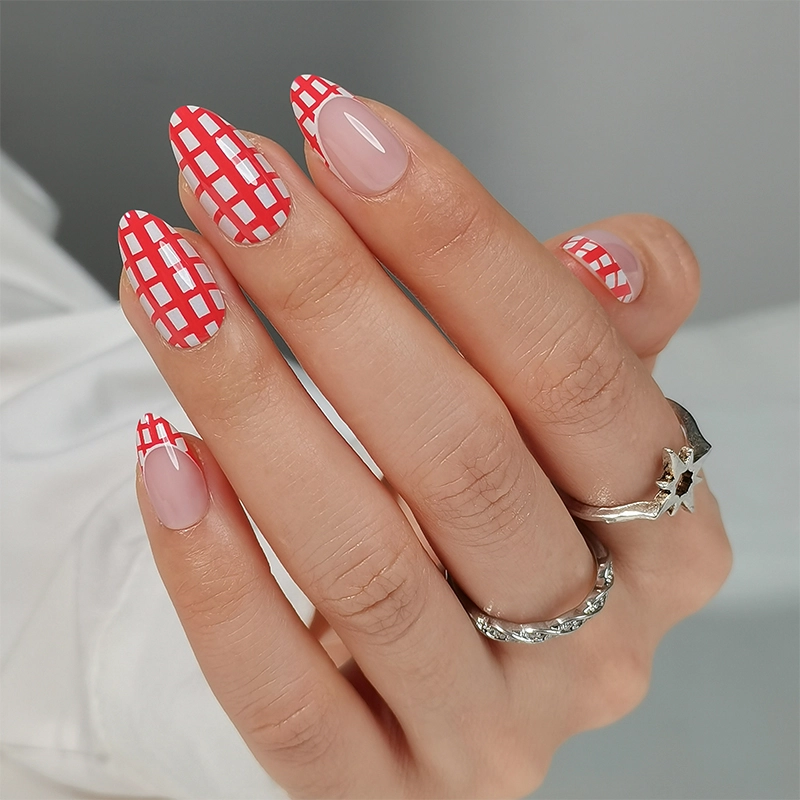
Wholesales Red French Nails Tips Checkered Soft Gel Nail Tips 32 Piece Set
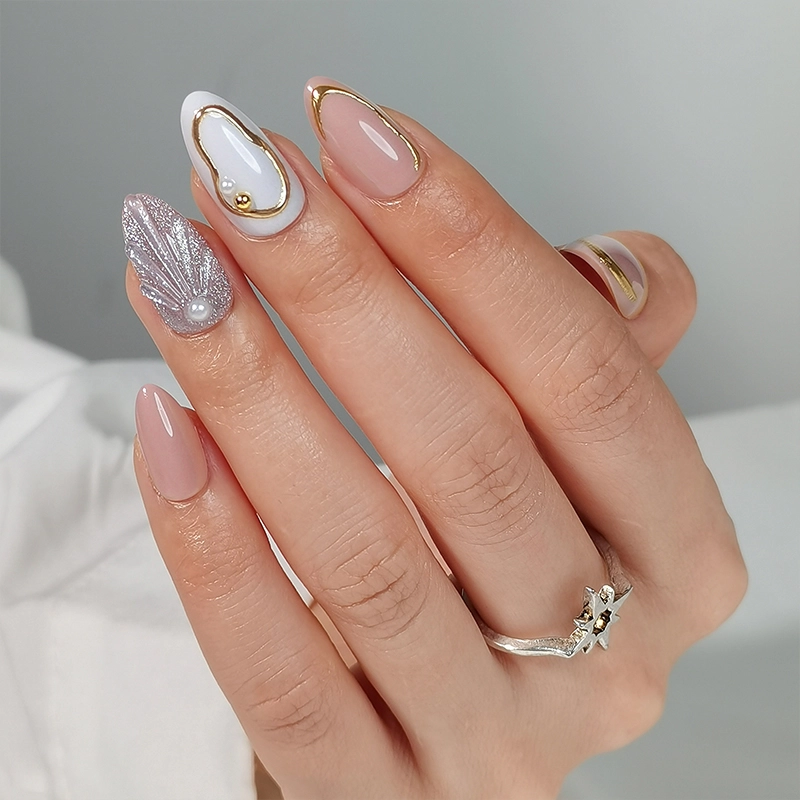
Wholesales Elegant Shell Inspired Soft Gel Wearable Nails for Seasonal Celebrations
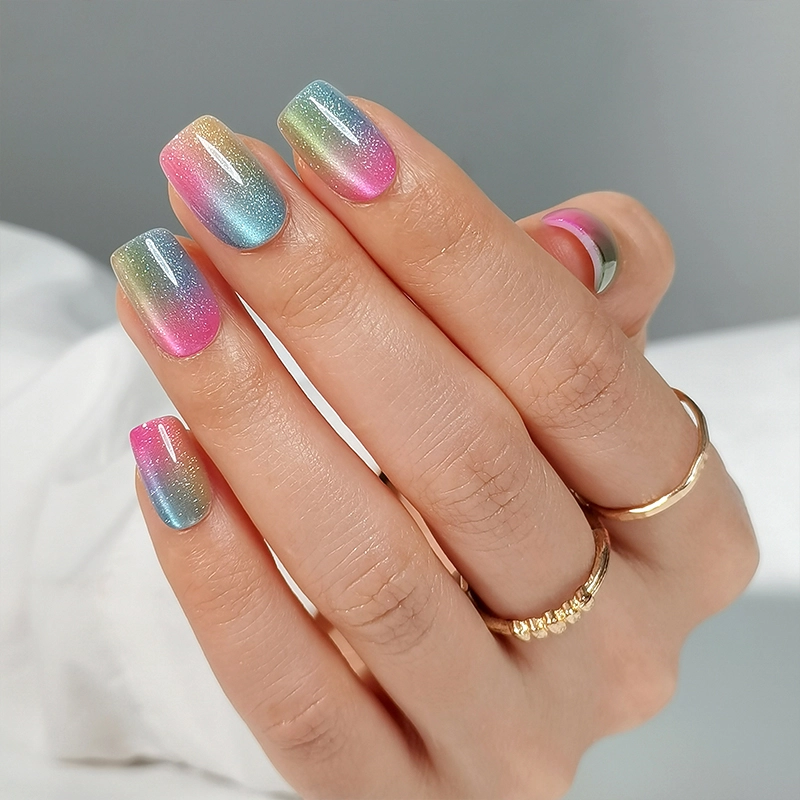
Custom Wholesale Gradient Cat Eye Soft Gel Wearable Fake Nails
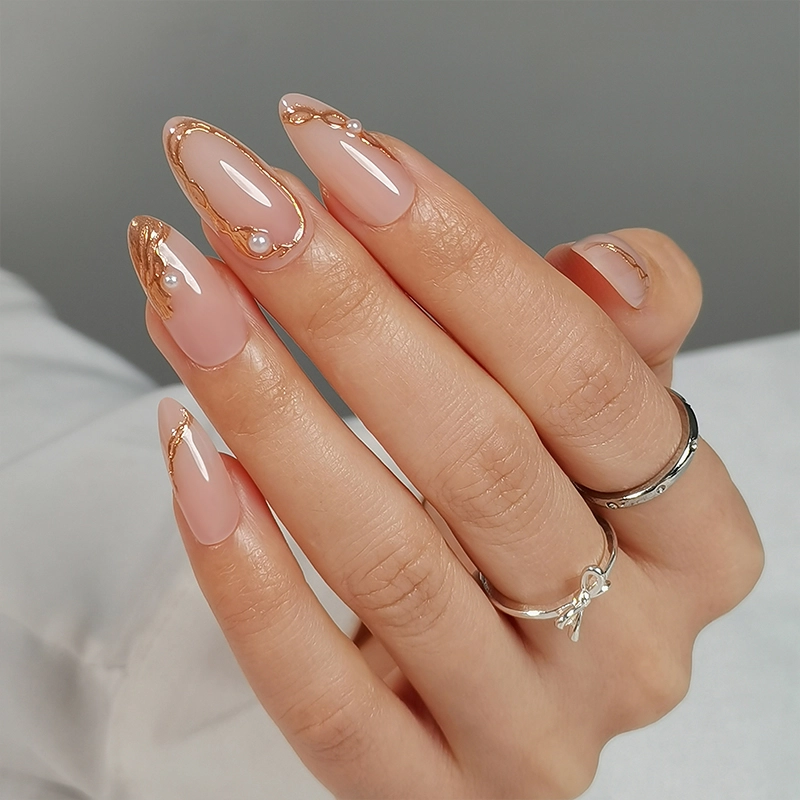
Wholesales Luxury Rhinestone Handmade Private Label Press On Nails Art Tips
Copyright © 2025 - XIANXING BEAUTY All Rights Reserved. Sitemap
Facebook
YouTube
Instagram
LinkedIn