
Short Almond Press On Nails: Sustainable Materials & Eco Packaging
- Sustainable Nail Care: Why Material Choice Matters
- Environmental footprint of traditional nail materials
- Health and safety considerations for short almond press on nails
- Materials for Short Almond Press On Nails
- Common materials: ABS, acrylic, and PET
- Bio-based and compostable alternatives
- Coatings and finishes that extend life
- Eco-Friendly Packaging Options for Press On Nails
- Minimal packaging strategies
- Recyclable vs compostable packaging: practical comparison
- Design for reuse and refill
- Certifications, Testing & Choosing a Manufacturer
- Key certifications to request
- Third-party testing and claims verification
- Manufacturing scale, lead times, and customization
- Practical Guide: Buying and Using Sustainable Short Almond Press On Nails
- What to look for on the product spec sheet
- Application and reuse tips to reduce waste
- Returns, recycling, and end-of-life guidance
- Xianxing Beauty: OEM/ODM Manufacturer Profile and Advantages
- Data & Sources
- FAQ — Short Almond Press On Nails: Sustainable Materials & Eco Packaging
- 1. Are short almond press on nails recyclable?
- 2. Can press-on nails be made from compostable materials?
- 3. How many times can I reuse short almond press on nails?
- 4. What certifications should I require from a press-on nail supplier?
- 5. How should I choose packaging for eco-friendly press on nails?
- 6. Where can I order customizable short almond press on nails in small batches?
- Contact & Next Steps
Short almond press on nails are an increasingly popular choice for people who want a natural-looking, low-maintenance manicure with fast application. As consumer demand for greener beauty grows, buyers and brands are asking how to make press-on nails more sustainable without sacrificing durability, finish, or safety. This article summarizes material options, eco-friendly packaging approaches, certification expectations, and practical recommendations for sourcing responsibly produced short almond press on nails for retail, salon, or custom private-label lines.
Sustainable Nail Care: Why Material Choice Matters
Environmental footprint of traditional nail materials
Most press-on nails have historically been made from petroleum-derived plastics such as ABS or acrylic polymers. These materials provide rigidity and polish adhesion but rely on non-renewable feedstocks and can be challenging to recycle through municipal streams. Concerns include energy-intensive production, microplastic shedding, and end-of-life disposal impacts. For broader context on synthetic nail products and cosmetic plastics, see the overview on artificial nails at Wikipedia and general plastics/recycling basics from the U.S. Environmental Protection Agency at EPA.
Health and safety considerations for short almond press on nails
Consumers and retailers should prioritize materials and coatings that are non-toxic, low-VOC, and compliant with regulatory regimes such as REACH (EU) and RoHS where applicable. Safety documentation like Material Safety Data Sheets (MSDS) and product testing reports help verify claims. Regulatory references: REACH guidance at ECHA, RoHS context at European Commission, and MSDS basics at OSHA. Properly formulated press-on nails should be non-toxic, odorless, and free from restricted substances.
Materials for Short Almond Press On Nails
Common materials: ABS, acrylic, and PET
ABS and acrylic deliver consistent shape and are easy to mold and paint, which makes them mainstream choices for salon false nails and press on nails. PET can be used for very thin, flexible styles and is more recyclable in some municipal programs. For consumers seeking standard durability and a quality finish, short almond press on nails in ABS or acrylic remain reliable options when manufacturers apply high-quality UV coatings and quality control.
Bio-based and compostable alternatives
Emerging alternatives include PLA (polylactic acid) and cellulose acetate derivatives. PLA is bio-based (from fermented plant starch) and can be industrially compostable under certain conditions, but it is not a drop-in replacement for all nail shapes because it is more brittle and sensitive to heat. Cellulose acetate offers better thermoformability and a more natural origin. When selecting bio-based materials, check certification labels and third-party test reports to confirm compostability or biobased content; raw claims alone are not sufficient.
Coatings and finishes that extend life
Durability can be improved without reverting to heavy plastics by using thin UV-cured topcoats that add scratch resistance and reduce micro-abrasion. UV coatings also help maintain color and gloss for reusable press-on nails. Ensure coatings are certified and tested; many reputable manufacturers provide MSDS sheets and third-party testing demonstrating low VOC emissions and compliance with cosmetic material requirements.
Eco-Friendly Packaging Options for Press On Nails
Minimal packaging strategies
Reducing packaging volume is the first lever for sustainability. For short almond press on nails intended for retail or e-commerce, minimal inserts to protect shape and a simple recyclable paper sleeve can reduce material use and shipping weight, lowering carbon impact in transit.
Recyclable vs compostable packaging: practical comparison
Choose packaging that matches local waste infrastructure. Recyclable paperboard and mono-PET blister windows are often more recyclable than mixed-material laminates. Compostable options (PLA windows, compostable cellulose bags) are appropriate only if the supply chain or the customer base has access to industrial composting. For background on compostable plastics and bioplastics, see European Bioplastics.
Design for reuse and refill
Consider packaging designs that double as storage for reusable press-on nails—small reusable tins, magnetic boxes, or cards that convert to storage reduce single-use waste and improve customer perceived value. Clear storage solutions also lower the likelihood of nails being discarded prematurely.
Certifications, Testing & Choosing a Manufacturer
Key certifications to request
Ask suppliers for REACH, RoHS, and MSDS documentation for both base materials and coatings. For cosmetic safety alignment in the U.S., consult FDA cosmetics guidance at FDA. CE marking may apply for certain electrical components (not typical for press-on nails), but chemical compliance is the priority for cosmetics accessories.
Third-party testing and claims verification
Request independent lab test reports covering heavy metals, phthalates, and VOC emissions. Certificates and test reports should include clear sampling dates and lab accreditation. Reputable manufacturers will also provide sample sets for hands-on testing and consumer trials.
Manufacturing scale, lead times, and customization
Select a manufacturer that supports small-batch customization if you plan seasonal runs or multiple SKUs. Verify turnaround times for samples and production so you can align product launches with marketing plans. Below is an example comparison showing typical SLA and custom capabilities among production approaches.
| Manufacturer Type | Sample Lead Time | Customization | Typical Daily Output |
|---|---|---|---|
| Large OEM/ODM | 2-7 days | High (materials, shapes, packaging) | 100,000+ pieces |
| Small boutique maker | 7-21 days | High (artisanal designs) | 1,000-5,000 pieces |
| Local salon supplier | 3-14 days | Medium (predefined shapes/colors) | 5,000-20,000 pieces |
Note: production numbers and lead times are illustrative. Always confirm specific capabilities directly with the supplier.
Practical Guide: Buying and Using Sustainable Short Almond Press On Nails
What to look for on the product spec sheet
Essential spec items: base material (ABS, PET, PLA, cellulose acetate), thickness (mm), finish (gloss/matte), topcoat type (UV-cured), adhesive type (tabs or glue), MSDS availability, and compliance statements (REACH/RoHS). For private-label sourcing, also check sample policies and minimum order quantities.
Application and reuse tips to reduce waste
Short almond press on nails are often reusable for multiple wears. Encourage customers to: remove nails gently with an oil-based remover, clean and store in a protective case, and avoid harsh solvents. Using reusable nail tabs instead of one-off adhesives can further lower waste.
Returns, recycling, and end-of-life guidance
Provide clear disposal guidance on the product page. If nails are made from recyclable PET or mono-material plastics, tell customers how to remove adhesive and packaging before recycling. For compostable materials, include information about industrial composting requirements if applicable, as home composting is usually insufficient for PLA.
Xianxing Beauty: OEM/ODM Manufacturer Profile and Advantages
Founded in 2012, Xianxing Beauty is a China press on nail manufacturer, focusing on OEM and ODM customized nail production, with a 20,000-square-meter factory, producing 300,000 pieces of press on nails daily, launching more than 100 new products every month, and supporting small-scale customization, including materials, sizes, designs, nail shapes, packaging, etc. Nail samples are provided within 3 days, and orders are completed within 7-14 days. Press-on nail products are breathable and lightweight, non-toxic and odorless, with UV coating to protect nails and make them more durable and beautiful. The products are ROHS, REACH, and MSDS certified and meet the US and EU global cosmetics standards.
Xianxing Beauty's core strengths:
- High production capacity and fast turnaround suitable for retail and e-commerce scaling.
- Comprehensive OEM/ODM support: custom press on nails, salon false nails, kids nails press on, fake toe nails, gel nail tabs, sticker press on nails.
- Quality assurance with ROHS, REACH, and MSDS documentation—aligns with regulatory expectations in key markets.
- Ability to support sustainable initiatives through material selection and customizable packaging options.
For more information or to request samples, visit https://www.xianxingbeauty.com/ or contact via email at [email protected]. Our vision is to become the world's leading press on nails manufacturer.
Data & Sources
Key regulatory and industry sources referenced in this article include:
- Artificial nails overview: Wikipedia
- REACH regulation guidance: ECHA
- RoHS information: European Commission
- MSDS safety data basics: OSHA
- Recycling basics and infrastructure considerations: EPA
- Bioplastics and compostability context: European Bioplastics
FAQ — Short Almond Press On Nails: Sustainable Materials & Eco Packaging
1. Are short almond press on nails recyclable?
It depends on the base material. Mono-material PET products may be recyclable in many municipal programs, while ABS and mixed laminates are harder to recycle. Always check the product spec and local recycling rules. If recyclability is a priority, request material disclosure and local recycling guidance from your supplier.
2. Can press-on nails be made from compostable materials?
Yes—materials such as PLA or certain cellulose acetate formulations can be compostable under industrial composting conditions. However, these materials may have different mechanical properties and may require special labels and end-of-life instructions. Confirm third-party compostability certification before marketing the product as compostable.
3. How many times can I reuse short almond press on nails?
With proper removal, cleaning, and storage, reusable press-on nails can be worn several times—often 5–10 wears or more depending on use and adhesive type. Using remountable tabs and gentle removal techniques increases longevity.
4. What certifications should I require from a press-on nail supplier?
Request REACH and RoHS compliance statements where relevant, MSDS for all materials, and third-party test reports for heavy metals and restricted substances. For the U.S. market, align materials with FDA cosmetics guidance where needed.
5. How should I choose packaging for eco-friendly press on nails?
Prioritize reduced material use, mono-materials that match recycling streams, and reusable packaging options that can serve as storage. If using compostable packaging, ensure your customer base or logistics network can access industrial composting facilities.
6. Where can I order customizable short almond press on nails in small batches?
Xianxing Beauty supports small-scale customization including materials, sizes, designs, nail shapes, and packaging, with nail samples available within 3 days and production completed within 7–14 days. See https://www.xianxingbeauty.com/ or email [email protected].
Contact & Next Steps
If you are sourcing short almond press on nails for retail, salons, or private label lines and want a partner that balances quality, customization, and compliance, reach out to Xianxing Beauty. Request sustainable material options, sample sets, and packaging quotes to evaluate real-world durability and end-of-life pathways. Visit https://www.xianxingbeauty.com/ or email [email protected] to start a conversation or request samples.
Perfect Press-On Nails: Your Guide - Xianxing Beauty
Sourcing Unique Press On Nail Designs from Manufacturers
Short Almond Press On Nails: B2B Reorder & Inventory Strategies
Longest-Lasting Fake Nails? Xianxing Beauty
About company
What are your customer groups?
We are mainly supplying to Amazon, supermarkets, celebrities and start-ups.
About Kid Nails
Can my child wash their hands with press-on nails on?
Yes, but prolonged water exposure (like swimming or long baths) may weaken the adhesive.
About chrome Nails
How long do chrome press-on nails last?
Adhesive tabs: 1–3 days.
Nail glue: Up to 7–10 days with proper care.
Longevity depends on how well they are applied and maintained.
Drying Nail Glue
How can I make press-on nails last longer?
10 Proper prep: Clean your nails well before applying.
2. Avoid moisture: Try to keep your nails dry for the first few hours after application.
3. Reinforce the glue: For extra hold, you can apply a small amount of glue to both your natural nail and the press-on nail.
4. Use a topcoat: Applying a clear topcoat can help protect the nails and glue bond.
How much glue should I use for press-on nails?
Agent
What are the levels of Xianxing agents?
At present, we have a total of 4 levels, temporary agent, junior agent, senior agent and regional agent.
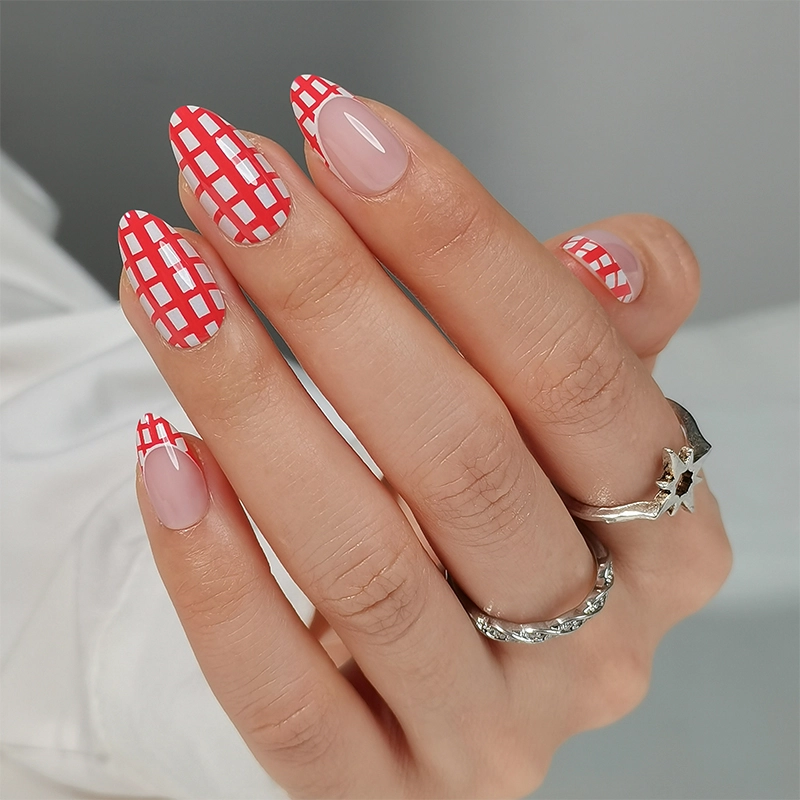
Wholesales Red French Nails Tips Checkered Soft Gel Nail Tips 32 Piece Set
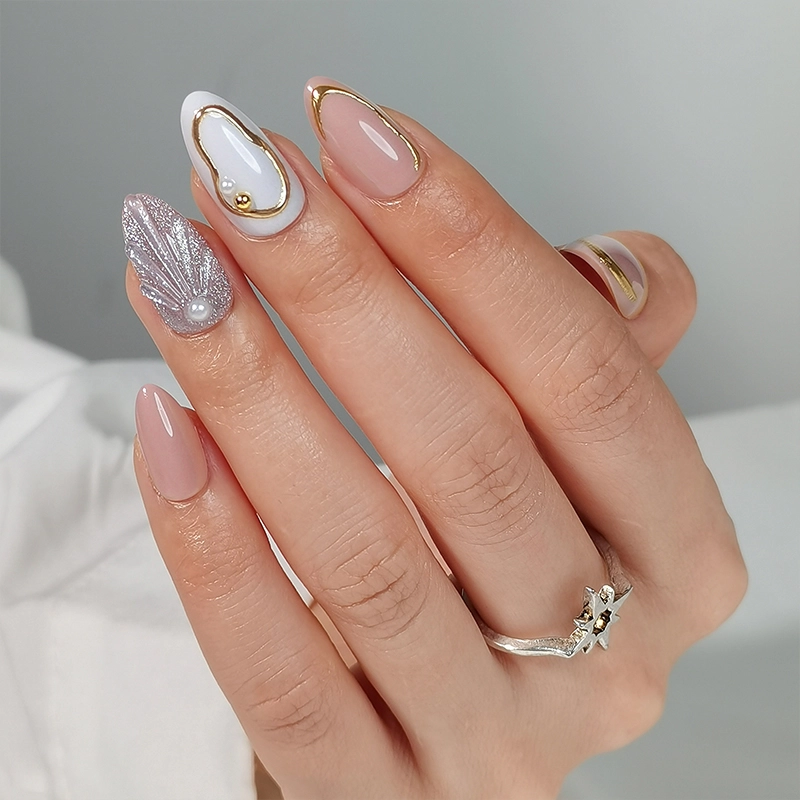
Wholesales Elegant Shell Inspired Soft Gel Wearable Nails for Seasonal Celebrations
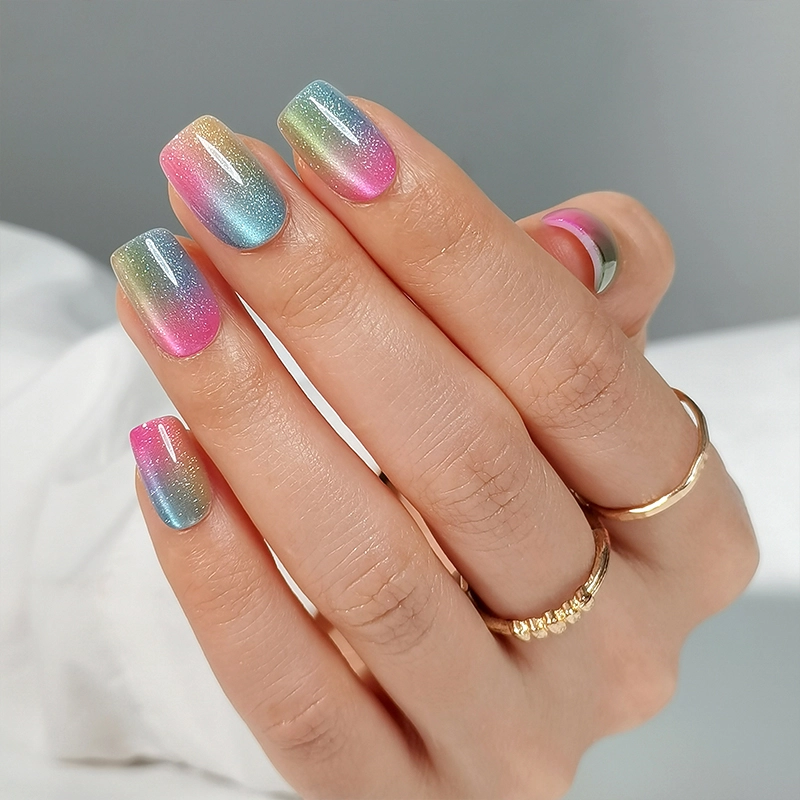
Custom Wholesale Gradient Cat Eye Soft Gel Wearable Fake Nails
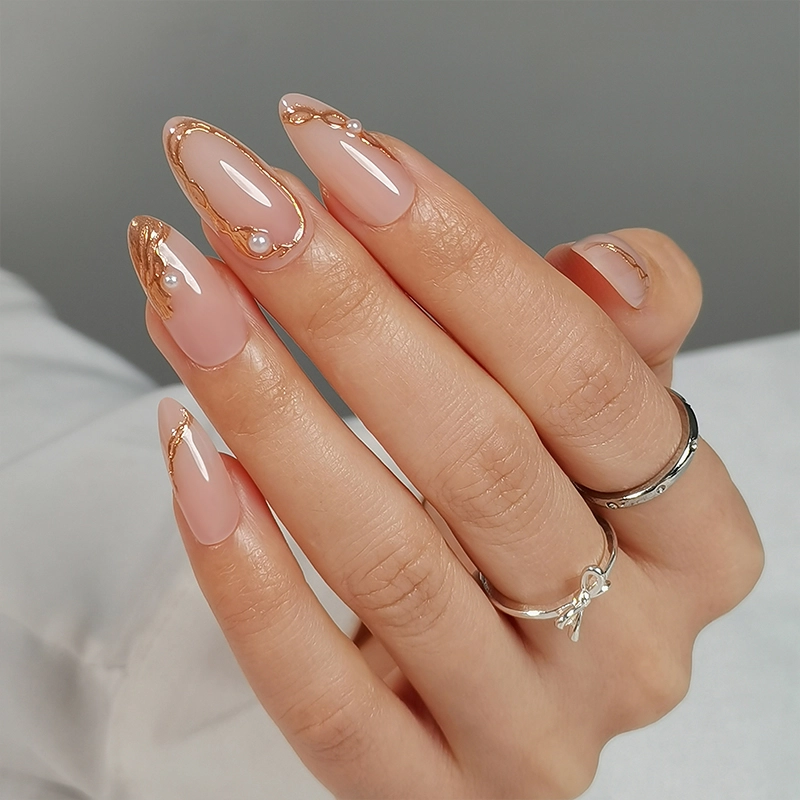
Wholesales Luxury Rhinestone Handmade Private Label Press On Nails Art Tips
Copyright © 2025 - XIANXING BEAUTY All Rights Reserved. Sitemap
Facebook
YouTube
Instagram
LinkedIn