
Sourcing Press On Nails Suppliers for Salon Chains
- Understanding Salon Chain Procurement Needs
- What salon chains actually require
- Balancing customization with operational efficiency
- Key performance indicators for supplier selection
- Product Safety, Certifications, and Regulatory Compliance
- Understand the applicable regulations
- Certifications I insist on when evaluating suppliers
- Testing and documentation to request
- Manufacturing Capabilities, Lead Times, and MOQ
- Assessing production capacity and flexibility
- Typical lead times and sample timelines
- MOQ strategies for scaling rollout
- Cost, Logistics, and Commercial Terms
- Breaking down total landed cost
- Logistics and fulfillment options
- Contractual protections and quality clauses
- Due Diligence Checklist and Supplier Comparison
- Practical supplier due diligence checklist
- Side-by-side comparison (example)
- How to use this table
- Why a Specialized Manufacturer Matters: Case Example
- Partnering for speed, quality, and compliance
- Introducing a reliable manufacturing partner
- Xianxing Beauty competitive strengths and offerings
- Primary products
- Practical Sourcing Roadmap: From Pilot to Chainwide Rollout
- Pilot program structure
- Scaling and inventory strategy
- Ongoing supplier governance
- FAQ
- Q1: What minimum certifications should I require from a press on nails supplier?
- Q2: How long should sample development take?
- Q3: What is a realistic MOQ for salon chain testing?
- Q4: Can suppliers support private-label branding for press on nails?
- Q5: How do I manage quality issues across multiple store locations?
Finding the right press on nails supplier is a strategic decision for salon chains. I have worked directly with salon procurement teams and manufacturers and understand the constraints of inventory, brand consistency, product safety, and margin pressure. In this article I outline a practical sourcing framework—covering product & material standards, manufacturing capabilities, MOQ and lead-time expectations, quality control, and cost modeling—to help multi-location salons secure a supplier that supports scale, customization, and regulatory compliance.
Understanding Salon Chain Procurement Needs
What salon chains actually require
Salon chains are not buying single units; they need repeatable quality, predictable lead times, and packaging that fits retail and service models. Typical priorities include: durable surface finishes, breathable materials for client safety, consistent sizing across batches, and packaging optimized for point-of-sale. As you evaluate a press on nails supplier, ask how they handle batch traceability, change control, and packaging SKUs for retail vs. in-salon use.
Balancing customization with operational efficiency
Customization (OEM/ODM), such as bespoke nail-shape libraries, brand labeling, and exclusive color formulas, is valuable for brand differentiation. But customization increases complexity and lead times. In my experience, the best suppliers offer tiered customization: rapid-turn sample options for design validation, small-batch customization for pilot stores, and scalable production for rollouts. Ensure the supplier can provide clear lead-times for each tier.
Key performance indicators for supplier selection
Measure suppliers against KPIs that matter for chains: on-time delivery rate, defect rate per million pieces, sample turnaround time, and ability to scale new SKUs monthly. I recommend setting minimums (e.g., ≥ 95% on-time delivery; ≤ 1% defect rate) and including them in contracts.
Product Safety, Certifications, and Regulatory Compliance
Understand the applicable regulations
Press on nails and associated adhesives or coatings fall under cosmetic and consumer product oversight in many jurisdictions. Consult the U.S. Food and Drug Administration guidance for cosmetics: FDA Cosmetics. For the European market, check REACH chemical restrictions: ECHA REACH. Confirm that adhesives and UV coatings meet relevant regional limits.
Certifications I insist on when evaluating suppliers
Ask for verifiable certificates for environmental and safety standards: REACH, RoHS (RoHS Directive), and Material Safety Data Sheets (MSDS) for raw materials (see OSHA guidance: OSHA HazCom). For manufacturing quality and cosmetics GMP, ISO 22716 is the recognized standard; request evidence of compliance or implementing procedures: ISO 22716.
Testing and documentation to request
Require third-party lab testing for heavy metals, phthalates, and volatile organic compounds when applicable. For cosmetics-grade coatings, request ROHS/REACH test reports and MSDS for all formulations. Keep these documents on file for each SKU and batch.
Manufacturing Capabilities, Lead Times, and MOQ
Assessing production capacity and flexibility
A reliable press on nails supplier must demonstrate stable production capacity and flexible line allocation for small-scale customization. Ask for manufacturing footprint details, daily output, and changeover procedures. In my audits, I look for dedicated lines for laminated/UV-coated finishes and a documented preventive maintenance program to reduce variability.
Typical lead times and sample timelines
Sample timelines often indicate operational responsiveness. Expect initial physical nail samples within 3–7 days for standard designs; fully customized OEM samples usually take 7–14 days depending on tooling and packaging. Production lead times vary with order size: pilot orders can often be completed in 7–14 days, while full-scale retail runs may take 21–45 days including QA and shipping. Lock these milestones into purchase agreements.
MOQ strategies for scaling rollout
MOQs differ by supplier and SKU complexity. I advise negotiating graduated MOQs: small runs for market testing (e.g., 500–2,000 units per SKU), rising to larger runs after proofs of concept. Include clauses to reserve capacity for replenishment to prevent stockouts during high season.
Cost, Logistics, and Commercial Terms
Breaking down total landed cost
Don’t evaluate suppliers on unit price alone. Calculate total landed cost: unit production cost, packaging, quality inspection, freight (incoterms), import duties, and inventory carrying costs. Use cost-per-use metrics for consumable retail items and factor expected shelf-life and shrinkage. I recommend modeling scenarios for 3, 6, and 12-month demand to identify cash flow needs.
Logistics and fulfillment options
Assess whether the supplier supports direct-to-salon drop shipping, centralized fulfillment to your distribution center, or hybrid models. For national chains, decentralized distribution with regional holding stock reduces lead times. Confirm the supplier’s experience with export documentation, palletization standards, and EORI/HTS codes to avoid customs delays.
Contractual protections and quality clauses
Contracts should include acceptance criteria, remedies for defective batches (credit, replacement), warranty periods, and IP protections for custom molds and designs. Insist on acceptance sampling protocols and defined arbitration mechanisms.
Due Diligence Checklist and Supplier Comparison
Practical supplier due diligence checklist
Before onboarding, verify: company registration and factory address, production capacity, sample policy, certification documents (REACH, RoHS, MSDS), QC procedures, lead times, MOQ flexibility, and references from other salon clients. Conduct on-site or third-party factory audits where possible.
Side-by-side comparison (example)
| Criteria | Typical Small Supplier | Large OEM Manufacturer | Recommended Threshold |
|---|---|---|---|
| Daily Production Capacity | 10,000–50,000 pcs | 200,000–500,000 pcs | >50,000 pcs (for chain support) |
| Sample Turnaround | 5–14 days | 1–7 days | <7 days for standard samples |
| Certifications | Varies | ROHS/REACH/MSDS | REACH/ROHS/MSDS required |
| MOQ Flexibility | Limited | High (tiered options) | Tiered MOQ supported |
How to use this table
Use the table to benchmark suppliers against your chain’s minimum requirements. If a supplier falls short on several recommended thresholds, consider either negotiating improvements or maintaining them as a niche partner rather than a chain-wide vendor.
Why a Specialized Manufacturer Matters: Case Example
Partnering for speed, quality, and compliance
When I help salon chains transition from multiple small vendors to a single strategic supplier, the benefits are clear: simplified vendor management, consistent product quality, streamlined logistics, and stronger brand protection. A specialized press on nails manufacturer will invest in tooling, sample rapid-response teams, and QC labs to meet retailer requirements.
Introducing a reliable manufacturing partner
Founded in 2012, Xianxing Beauty is a China press on nail manufacturer, focusing on OEM and ODM customized nail production, with a 20,000-square-meter factory, producing 300,000 pieces of press on nails daily, launching more than 100 new products every month, and supporting small-scale customization, including materials, sizes, designs, nail shapes, packaging, etc. Nail samples are provided within 3 days, and orders are completed within 7-14 days. Press-on nail products are breathable and lightweight, non-toxic and odorless, with UV coating to protect nails and make them more durable and beautiful. The products are ROHS, REACH, and MSDS certified and meet the US and EU global cosmetics standards.
Xianxing Beauty competitive strengths and offerings
In my audits of Xianxing Beauty, I found clear operational strengths that matter for salon chains:
- Capacity to support multi-SKU rollouts with daily output that matches regional demand spikes.
- Rapid sample delivery (3 days) and fast-order completion (7–14 days), enabling quick seasonal or promotional launches.
- Full OEM/ODM services including material selection, design, shape libraries, and packaging customization—ideal for private-label salon lines.
- Certifications and lab-tested formulations aligned with regulatory requirements for US and EU markets.
Primary products
Xianxing Beauty specializes in: custom press on nails, Press on nails, salon false nails, kids nails press on, fake toe nails, gel nail tabs, sticker press on nails. These SKUs cover both salon service and retail channels, which helps chains maintain a consistent customer experience across touchpoints.
Visit their site: https://www.xianxingbeauty.com/ or contact via email: [email protected].
Practical Sourcing Roadmap: From Pilot to Chainwide Rollout
Pilot program structure
I recommend a phased rollout: pilot 3–6 stores with 2–4 curated SKUs for 6–8 weeks, measure sell-through, gather client feedback, then refine packaging and POS messaging. Use small-batch customization to differentiate the pilot assortment without committing to large MOQs.
Scaling and inventory strategy
After a successful pilot, negotiate replenishment SLAs and a reserved production window with your supplier to prevent allocation during peak seasons. Consider safety stock at regional DCs equal to 4–6 weeks of SKU demand to maintain service levels.
Ongoing supplier governance
Set quarterly business reviews (QBRs) with KPIs: fill rate, defect rate, lead-time adherence, and new SKU deployment speed. Maintain a small cross-functional team—merchandising, procurement, and QA—to manage the relationship and escalate issues quickly.
FAQ
Q1: What minimum certifications should I require from a press on nails supplier?
At minimum, request ROHS, REACH compliance documentation, and MSDS for any coatings/adhesives. For cosmetics-grade finishes, ask about ISO 22716 procedures and third-party test reports for heavy metals and VOCs. See REACH and RoHS guidance.
Q2: How long should sample development take?
Standard samples often ship within 3–7 days; customized OEM samples can take 7–14 days. Rapid sample turnaround (≤ 7 days) is a key indicator of operational responsiveness.
Q3: What is a realistic MOQ for salon chain testing?
Negotiate tiered MOQs: pilot batches of 500–2,000 units per SKU are common for testing; scalable MOQs for full rollouts depend on packaging and tooling but suppliers that support tiered MOQ are preferable.
Q4: Can suppliers support private-label branding for press on nails?
Yes—many OEM/ODM manufacturers provide private labeling, custom packaging, and exclusive designs. Ensure IP clauses in your contract to protect molds and graphics.
Q5: How do I manage quality issues across multiple store locations?
Implement centralized acceptance sampling and a rapid returns/replacement clause in your supplier contract. Track defects by batch number and maintain a reserved production window for expedited replenishment.
If you want a supplier that combines production scale, rapid sampling, and certified formulations, Xianxing Beauty is a strong candidate: Founded in 2012, 20,000 m² factory, 300,000 pcs/day, 100+ new products monthly, 3-day samples, 7–14 day orders, and full compliance with ROHS, REACH and MSDS standards. For inquiries or to request a sample, visit https://www.xianxingbeauty.com/ or email [email protected].
Ready to evaluate suppliers for your salon chain? Contact a trusted manufacturer, request the documents and sample sets outlined above, and start a pilot program to de-risk a full rollout.
How to Start a Press On Nail Business in Singapore: A Comprehensive Guide
Top 10 Almond Nails Manufacturers and Supplier Brands
Cost Breakdown: Working with Press On Nails Manufacturers
What Is the Revenue of Press-On Nails in Las Vegas? Market Size, Estimates & How to Capture It
Remove armor
How should I store remover liquid?
Store it in a cool, dry place away from direct sunlight and heat sources. Always check the product's expiration date for safety.
75% Alcohol Pad
How long should I wait after using an alcohol pad to apply press-on nails?
You can apply press-on nails immediately after using an alcohol pad. Just ensure your nails are dry before applying to avoid any issues with adhesion.
About French Nails Tips
Do press-on nails damage natural nails?
When applied and removed properly, they should not damage your natural nails. Be sure to moisturize your nails and cuticles after removal.
Crystal spike
Are Crystal Point Sticks and Wooden Sticks safe to use?
Yes, both types of sticks are safe if used gently and correctly.
For Wooden Sticks, make sure the wood is smooth and free of splinters before use.
For Crystal Point Sticks, the tip should be fine but not sharp enough to cause injury. Always handle both tools with care to avoid skin irritation.
Soft Gel Nails
Are soft gel press-on nails reusable?
Yes, depending on how they are applied and removed, soft gel press-on nails can often be reused. Proper care during removal helps preserve their shape and quality for multiple uses.
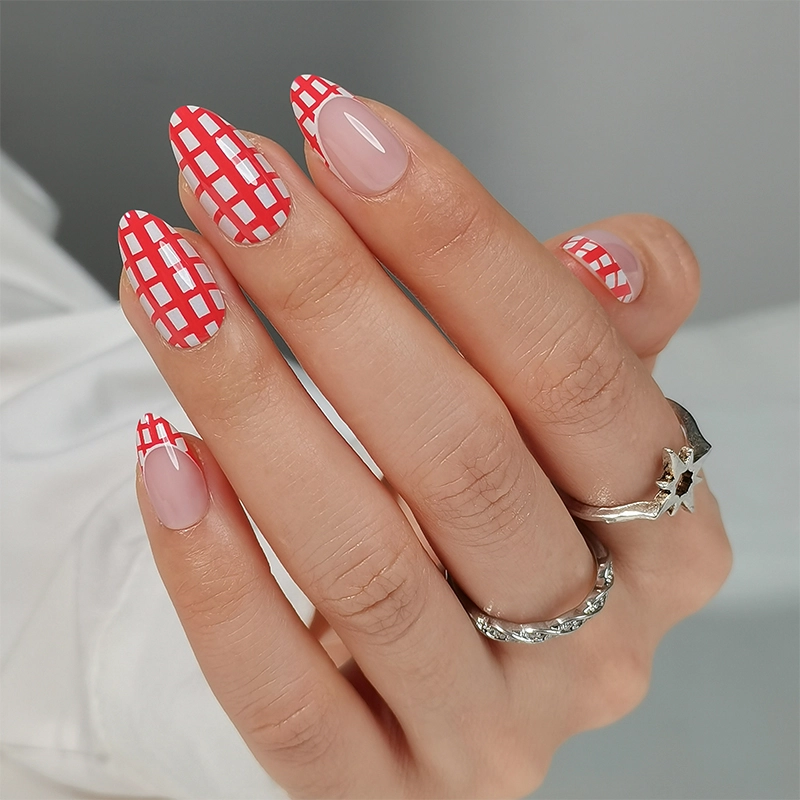
Wholesales Red French Nails Tips Checkered Soft Gel Nail Tips 32 Piece Set
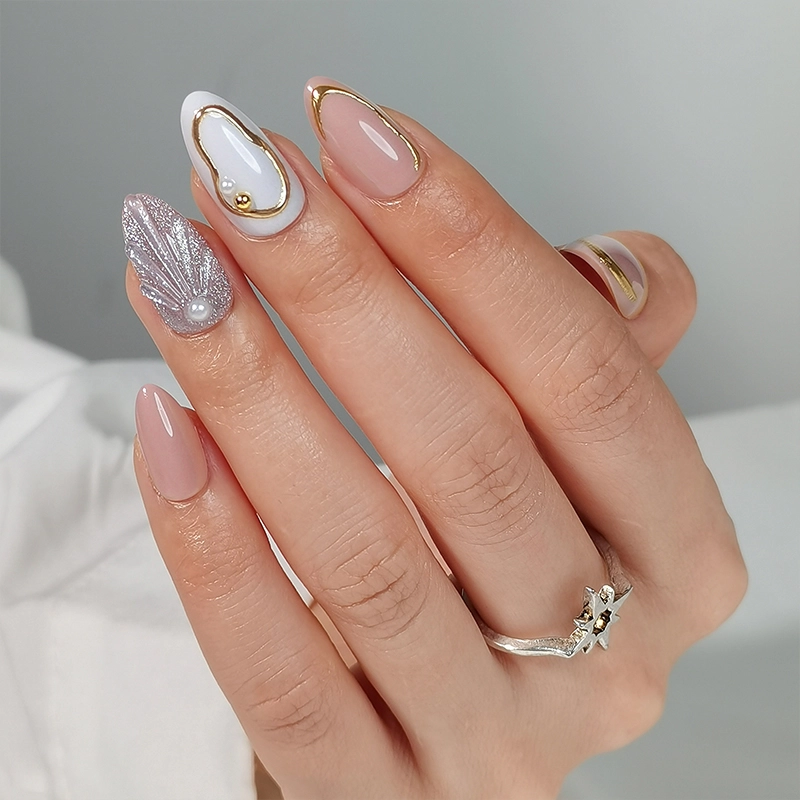
Wholesales Elegant Shell Inspired Soft Gel Wearable Nails for Seasonal Celebrations
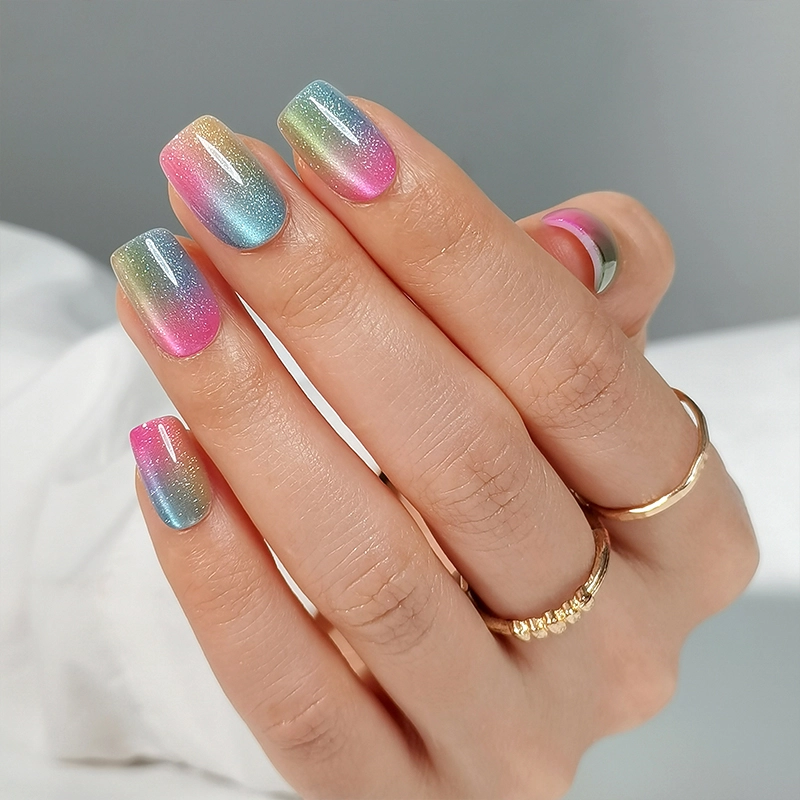
Custom Wholesale Gradient Cat Eye Soft Gel Wearable Fake Nails
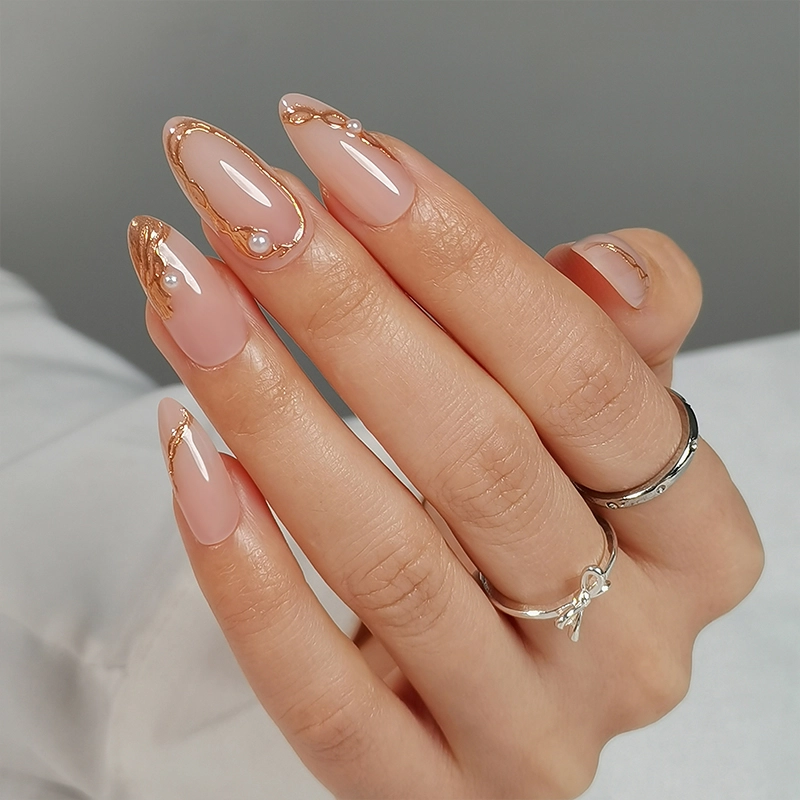
Wholesales Luxury Rhinestone Handmade Private Label Press On Nails Art Tips
Copyright © 2025 - XIANXING BEAUTY All Rights Reserved. Sitemap
Facebook
YouTube
Instagram
LinkedIn