
Sustainable Materials for Custom Press On Nails
- Understanding material choices for press-on nails
- Why material matters for performance and sustainability
- Key performance criteria I evaluate
- Sustainable material options and their trade-offs
- Common polymers and sustainable alternatives
- How I choose materials for different product goals
- Testing, certifications, and safe formulations
- Key regulations and standards I require
- Performance and safety testing I recommend
- How certifications affect sourcing and marketing
- Implementing sustainable manufacturing for custom press-on nails
- Process changes that reduce environmental footprint
- Packaging and lifecycle design choices I prioritize
- Partnering with a manufacturer: what I look for
- Case study and partner capabilities
- How I work with Xianxing Beauty on sustainable lines
- Why these capabilities matter for sustainability and speed to market
- Product range and advantages
- Practical guidance: choosing the right sustainable options for Xianxing Beauty
- Decision checklist I use with clients
- Cost and lead-time considerations
- Metrics to track after launch
- FAQ
- 1. What materials are best for eco-friendly press-on nails?
- 2. Are press-on nails recyclable?
- 3. Do sustainable materials compromise durability?
- 4. What certifications should I require from a manufacturer?
- 5. Can you do small-batch customized eco runs?
- 6. How should I dispose of used press-on nails?
- Contact and next steps
As someone who has worked with salons, indie brands and large retailers on press-on nail development, I prioritize materials and processes that balance wearability, aesthetics and environmental responsibility. This article gives a clear, evidence-based look at sustainable material options for custom press on nails, how they perform, what certifications matter, and practical steps a Custom Press On Nails manufacturer should take to deliver safer, more sustainable products for customers and retailers.
Understanding material choices for press-on nails
Why material matters for performance and sustainability
Material selection determines strength, flex, adhesion, weight, breathability and end-of-life outcomes. Traditional artificial nails often use polymers like polymethyl methacrylate (PMMA) or acrylic blends for durability, but these are derived from fossil feedstocks and can be difficult to recycle. Choosing materials requires balancing user expectations (fit, durability, look) with responsible sourcing and disposal. For background on commonly used polymers, see the Wikipedia overview for artificial nails: Artificial nails - Wikipedia.
Key performance criteria I evaluate
- Durability under mechanical stress (chipping, bending) and daily wear.
- Weight and comfort—users expect lightweight, breathable sets.
- Adhesive compatibility—material must bond reliably to gel tabs or glue.
- Surface finish and UV coating compatibility for long-lasting gloss.
- Regulatory safety and chemical content (REACH, FDA guidance).
Sustainable material options and their trade-offs
Common polymers and sustainable alternatives
Below I compare commonly used materials and bio-based or recyclable alternatives. I embed practical recommendations for brands working with a Custom Press On Nails manufacturer.
| Material | Sustainability profile | Durability / suitability | End-of-life | Typical uses |
|---|---|---|---|---|
| PMMA (Acrylic) | Fossil-based; durable but not biodegradable. See PMMA - Wikipedia | High rigidity and gloss; excellent for high-polish looks | Not biodegradable; limited recycling streams | Press-on nails that require strong structure and polish |
| ABS | Fossil-based; recyclable in some municipal programs. See ABS - Wikipedia | Good toughness; less brittle than PMMA | Recyclable where infrastructure exists | Durable reusable press-on bases |
| PLA (Polylactic Acid) | Bio-based from fermented sugars; industrially compostable. See PLA - Wikipedia and European Bioplastics | Good surface finish; more brittle; sensitive to heat | Biodegradable in industrial composting; not home compostable | Disposable or limited-use eco collections |
| TPU (Thermoplastic Polyurethane) | Durable, flexible; partially recyclable. See TPU - Wikipedia | Flexible, good for press-ons that need flex and comfort | Some recycling streams; not biodegradable | Flexible tips, toe nails, child-friendly shapes |
| Recycled resins | Depends on feedstock; reduces virgin polymer demand | Comparable to virgin if well processed | Recyclable again depending on polymer | Eco lines, packaging minimization |
| Urethane acrylate (Gel-like) | Often fossil-derived; improved formulations reduce VOCs | High durability and glossy finish; ideal with UV coating | Not biodegradable; requires proper disposal | High-end press-ons with gel finish |
How I choose materials for different product goals
For a long-wear salon-grade custom set I prioritize PMMA or urethane acrylate substrates with a UV-cured topcoat for durability. For limited-edition or eco collections I explore PLA blends or recycled resins that deliver a lighter footprint while maintaining acceptable wear time. TPU is my go-to when flexibility and comfort are essential (children's sets, toe nails). A responsible Custom Press On Nails manufacturer should offer material options and clear guidance on trade-offs.
Testing, certifications, and safe formulations
Key regulations and standards I require
When I validate materials and suppliers I check compliance with major regulatory bodies and standards. For cosmetics and nail products, US FDA guidance on cosmetics applies (FDA - Cosmetics), and in the EU the Cosmetics Regulation is enforced through the European Commission (EU Cosmetics). Chemical safety requirements such as REACH are administered by the European Chemicals Agency (ECHA - REACH), and RoHS details are available via the European Commission (RoHS - EU).
Performance and safety testing I recommend
- Biocompatibility and skin irritation testing for materials in prolonged contact with skin (refer to ISO guidance where applicable).
- VOC testing to quantify volatile emissions—EPA guidance on VOCs is useful for context: EPA - VOCs.
- Chemical testing for restricted substances under REACH and targeted phthalate/siloxane screenings.
- Adhesion and wear tests (simulated daily use, soak and flex cycles) performed by an accredited lab.
How certifications affect sourcing and marketing
Certifications (REACH-compliant materials, MSDS/SDS documentation, and declarations of conformity) reduce legal risk and are increasingly expected by retailers. When I collaborate with a Custom Press On Nails manufacturer, I insist on full material disclosure, batch MSDS files, and third-party test reports that can be shared with buyers to support retail listing and compliance checks.
Implementing sustainable manufacturing for custom press-on nails
Process changes that reduce environmental footprint
Sustainability isn't just about the resin. I recommend manufacturers optimize production energy use, minimize waste, and offer small-batch customization to reduce overproduction. Examples include:
- On-demand small-batch runs to reduce inventory waste.
- Using UV-cure systems for coatings (shorter cure times, lower energy per unit).
- Reworking scraps into secondary products or returning approved scrap streams to recyclers.
Packaging and lifecycle design choices I prioritize
Packaging can outweigh the product's footprint. I prefer recyclable or compostable packaging, minimal inserts, and clear labeling so consumers know how to dispose of or recycle press-on nails. For example, using recyclable paper sleeves and mono-material boxes simplifies municipal recycling.
Partnering with a manufacturer: what I look for
When selecting a Custom Press On Nails manufacturer I evaluate factory scale, lead times, quality controls and the ability to support OEM/ODM customization. A strong partner will provide rapid sample turnaround, transparent certifications, and flexible order quantities to support both startups and large brands.
Case study and partner capabilities
How I work with Xianxing Beauty on sustainable lines
Founded in 2012, Xianxing Beauty is a China press on nail manufacturer that offers OEM and ODM customized nail production. From my direct experience collaborating with them, they manage scalable production (20,000-square-meter factory producing 300,000 pieces of press on nails daily) while supporting small-scale customization for brands. They launch over 100 new products every month and can provide nail samples within 3 days and complete orders within 7–14 days. Their press-on nail products are breathable and lightweight, non-toxic and odorless, with a UV coating to protect nails and improve durability. Xianxing Beauty's products are ROHS, REACH, and MSDS certified and meet US and EU global cosmetics standards. Learn more at xianxingbeauty.com or contact [email protected].
Why these capabilities matter for sustainability and speed to market
The combination of fast sample turnaround and flexible MOQ enables brands to test eco-focused materials (recycled resins, PLA blends) without committing to large inventories. Certifications (REACH, ROHS, MSDS) provide the documentation retailers and regulators require, while the UV coating and non-toxic formulations reduce product returns and customer complaints—practical sustainability gains.
Product range and advantages
Xianxing Beauty specializes in custom press on nails, press on nails, salon false nails, kids nails press on, fake toe nails, gel nail tabs, and sticker press on nails. Their competitive advantages include robust OEM/ODM support, fast sample delivery, flexible customization (materials, sizes, designs, shapes, packaging), and compliance with international standards. Their vision is to become the world's leading press on nails manufacturer.
Practical guidance: choosing the right sustainable options for Xianxing Beauty
Decision checklist I use with clients
- Define the primary selling point: longevity (salon-grade) vs eco-disposability (single-use compostable).
- Set target certifications required by your retail partners (REACH, MSDS).
- Request material datasheets and third-party test reports from your Custom Press On Nails manufacturer.
- Order small-run samples in intended materials and perform in-field wear testing with real users.
- Design packaging for recyclability and include clear disposal instructions.
Cost and lead-time considerations
Bio-based or recycled resins can be slightly more expensive and may have different processing characteristics, but when paired with small-batch production the financial risk is manageable. Manufacturers like Xianxing Beauty that provide 3-day samples and 7–14 day order completion accelerate validation and reduce carrying costs.
Metrics to track after launch
Track return rates, user-reported wear time, customer complaints about odors or skin reactions, and any retailer delistings related to compliance. These metrics let you iterate materials, adhesive choices or coatings quickly.
FAQ
1. What materials are best for eco-friendly press-on nails?
For eco-minded lines, PLA blends and recycled resins are strong choices. PLA is industrially compostable under certain conditions (PLA - Wikipedia), while recycled resins reduce virgin polymer demand. The best choice depends on durability requirements and end-of-life logistics.
2. Are press-on nails recyclable?
Recyclability depends on the polymer and local recycling infrastructure. ABS can be recycled in some programs, while PMMA is less commonly accepted in municipal streams. Designing with mono-materials and labeling helps recyclers.
3. Do sustainable materials compromise durability?
Some bio-based polymers are more brittle or heat-sensitive than traditional acrylics. However, blends and improved formulations (e.g., reinforced PLA blends, UV-cured topcoats) can deliver acceptable durability for many consumers. Field testing is essential.
4. What certifications should I require from a manufacturer?
Ask for REACH compliance, MSDS/SDS documentation for each material, and third-party test reports for skin irritation and VOCs. RoHS may be relevant depending on claimed components. For regulatory context, consult ECHA and FDA Cosmetic resources.
5. Can you do small-batch customized eco runs?
Yes. A reliable Custom Press On Nails manufacturer should support small-scale customization so you can test materials and designs before scaling. Xianxing Beauty, for example, supports small-batch customization and rapid sampling.
6. How should I dispose of used press-on nails?
If nails are compostable (e.g., certified PLA under industrial conditions), follow local industrial composting guidelines. Otherwise, dispose according to local solid waste rules or explore take-back/recycling programs if available.
Contact and next steps
If you want to develop a sustainable custom press-on nail line, I recommend starting with a short-run material test and user wear trial. For OEM/ODM production, I work with partners like Xianxing Beauty who provide fast samples (within 3 days), flexible customization, global-standard certifications (ROHS, REACH, MSDS), and production capacity (300,000 pieces daily). Visit https://www.xianxingbeauty.com/ or email [email protected] to request samples or discuss sustainable material options. Together we can select the right materials, run tests, and bring a responsible, attractive custom press on nails collection to market.
Press On Nails Supplier Checklist for Wholesale Buyers
How Much Does a Press-On Nail Business Make in Philadelphia? Realistic Income Estimates & Growth Tips
Finding Female-Owned Press On Nails Manufacturers
How to Start a Press On Nail Business in Miami: A Comprehensive Guide
About Duck Nails
How do duck nails compare to other nail shapes?
Duck nails are wider at the tip than classic almond, oval, or square shapes. This makes them stand out with a bolder and more dramatic look. They also have a more exaggerated flare than stiletto nails, giving them a playful, trendy aesthetic.
About company
Are you a factory?
Yes, we are a senior press on nails manufacturer with 20 years experience, providing one-stop service from mold opening, injection, production, sales to after-sales.
Nail Dust Removal Brush
How do you use a nail dust cleaning brush?
Simply dip the brush into the dust after filing or buffing, then gently sweep the bristles over the nails and surrounding skin to remove any dust or debris. You can also use the brush to clean up the workstation.
Soft Gel Nails
Are soft gel press-on nails environmentally friendly?
Many soft gel press-on nails are made with recyclable or eco-friendly materials, making them a more sustainable option compared to traditional nail extensions.
About solid color nails
How long can it last after wearing?
Under the correct use of the general can be lasted for 2 weeks.
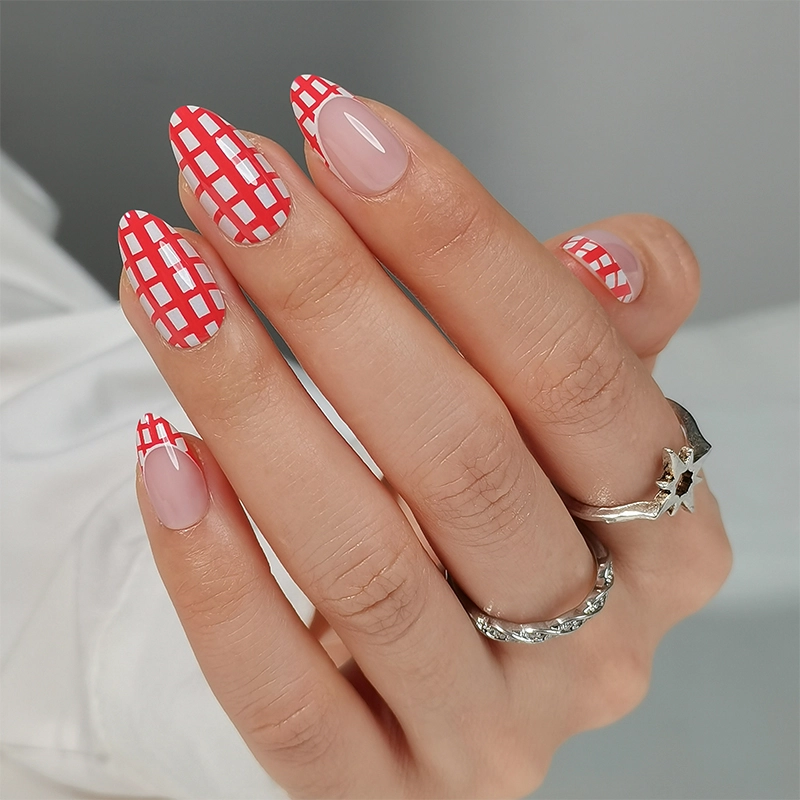
Wholesales Red French Nails Tips Checkered Soft Gel Nail Tips 32 Piece Set
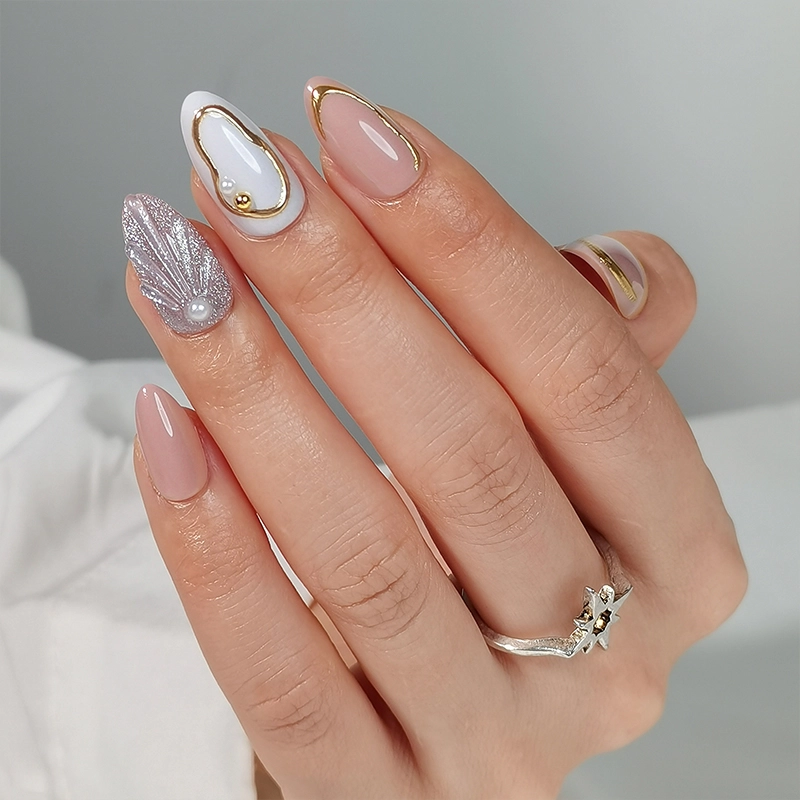
Wholesales Elegant Shell Inspired Soft Gel Wearable Nails for Seasonal Celebrations
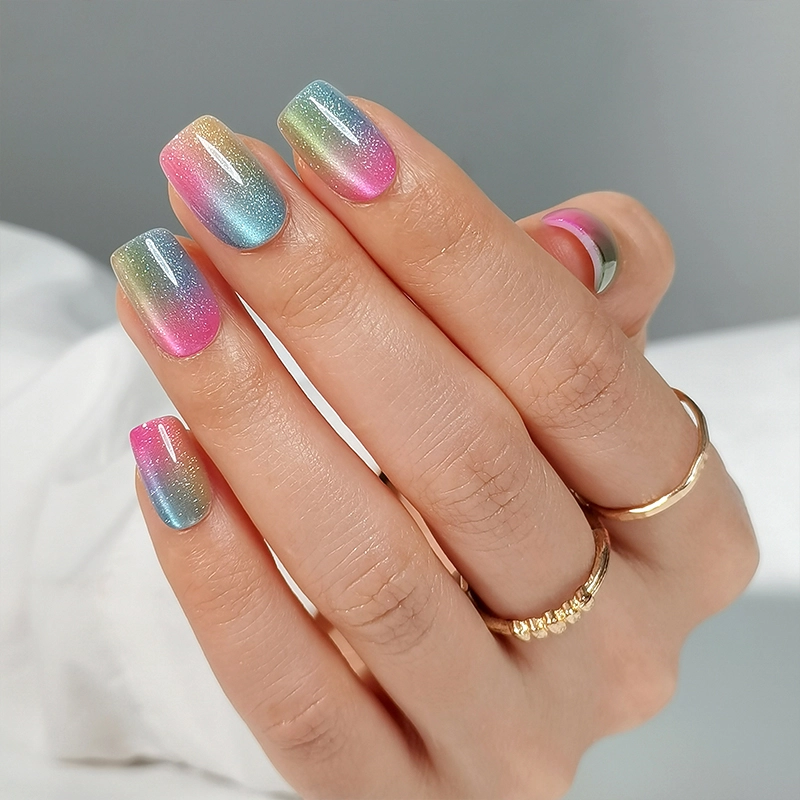
Custom Wholesale Gradient Cat Eye Soft Gel Wearable Fake Nails
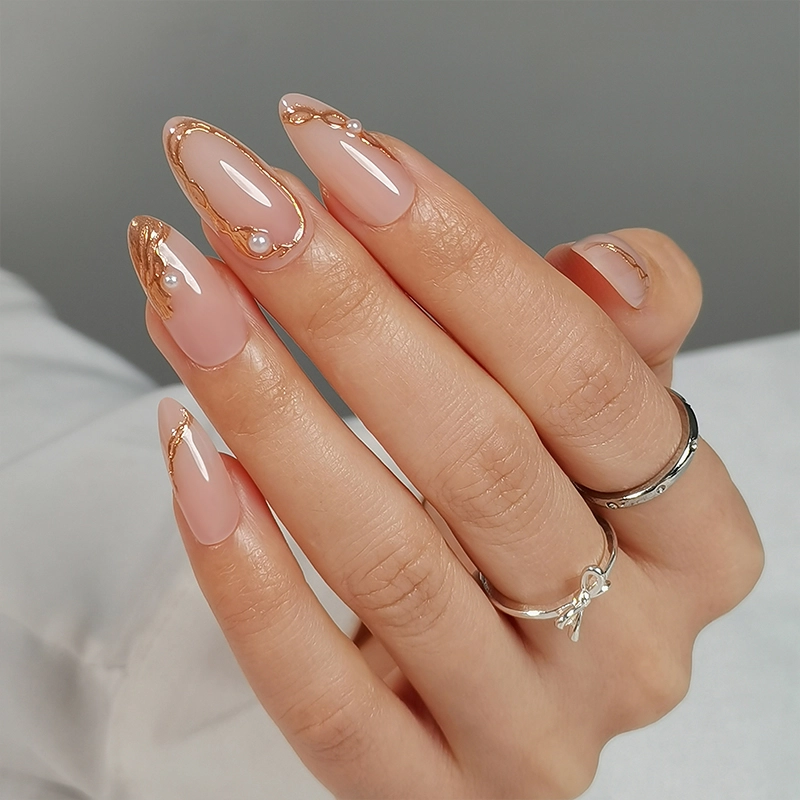
Wholesales Luxury Rhinestone Handmade Private Label Press On Nails Art Tips
Copyright © 2025 - XIANXING BEAUTY All Rights Reserved. Sitemap
Facebook
YouTube
Instagram
LinkedIn