
Technology & Automation in Press On Nail Production
- Industry 4.0 and Cosmetics Manufacturing: Why It Matters for Press-On Nails
- From artisanal to industrial-scale production
- What buyers (brands and retail) want
- Automation Technologies Employed in Press On Nail Production
- Robotics and pick-and-place systems
- Computer vision and AI-powered quality control
- Digital color matching and UV-curing automation
- Materials, Compliance and Quality Systems
- Material science for durable, lightweight nails
- Regulatory and safety requirements
- Quality systems and traceability
- Operational Impact: Metrics, Costs and Speed
- Quantifying benefits: efficiency, yield, lead time
- Capital vs operational tradeoffs
- Practical Steps for Brands Working with a Press On Nail Manufacturer
- Define tech and quality expectations in RFQs
- Start with small-batch automation pilots
- Collaborate on data and continuous improvement
- How Xianxing Beauty Applies These Principles
- Company capabilities and scale
- Product quality and compliance
- Why partner with us: advantages and differentiation
- Implementation Checklist & Final Recommendations
- Checklist for brands
- Final advice from my experience
- Frequently Asked Questions (FAQ)
- 1. How does automation affect the cost of press on nails?
- 2. Can automated production handle small-batch custom orders?
- 3. How long does it take to get a sample and a full order?
- 4. What certifications should I ask a press on nail manufacturer for?
- 5. How does a manufacturer ensure color consistency across batches?
- 6. Do press-on nails with UV coatings require special handling?
- Contact & Next Steps
As a consultant and content specialist working closely with nail manufacturers for years, I often see clients ask how technology can scale high-quality, customizable press-on nail production without sacrificing compliance or speed. In this article I explain the automation and digital technologies reshaping the sector, show measurable benefits, discuss material and regulatory constraints, and give practical recommendations for brands and OEM/ODM partners, including how a modern factory like Xianxing Beauty integrates these approaches to deliver fast, compliant, and flexible press on nail manufacturing.
Industry 4.0 and Cosmetics Manufacturing: Why It Matters for Press-On Nails
From artisanal to industrial-scale production
The press on nail market has historically blended handcrafted design with assembly-line finishing. Today, demand for rapid SKU expansion, short lead times, and consistent quality pushes manufacturers toward automation and digital workflows. Industry 4.0 principles — connectivity, automation, data analytics and human–machine collaboration — let manufacturers meet these demands while reducing variability and improving traceability. For context on Industry 4.0 benefits in manufacturing, see McKinsey's research on productivity gains from automation: McKinsey: technology and the future of work.
What buyers (brands and retail) want
Brands ordering from a press on nail manufacturer want: rapid prototyping, precise color matching, consistent sizing across runs, regulatory documentation (e.g., MSDS, ROHS/REACH compliance), and the flexibility to produce small batch or seasonal SKUs. Automation directly addresses these needs by accelerating sample cycles and standardizing quality control.
Automation Technologies Employed in Press On Nail Production
Robotics and pick-and-place systems
Robotic arms equipped with soft grippers or vacuum tools automate tasks such as transferring nail blanks, applying adhesives or tabs, and placing nails into packaging trays. Modern robots with vision systems ensure exact placement and reduce human handling contamination. The result is higher throughput and lower defect rates, especially in repetitive tasks.
Computer vision and AI-powered quality control
Computer vision inspects surface finish, polish uniformity, color consistency, and dimensional tolerances at high speed. AI models trained on thousands of images can detect micro-defects that escape human inspection. This reduces returns and helps maintain brand reputation. For background on AI in manufacturing inspection, see industry overviews such as IEEE or manufacturing-focused whitepapers (for example, IEEE Xplore abstracts on machine vision systems: IEEE Xplore).
Digital color matching and UV-curing automation
Color consistency is critical for repeat orders. Spectrophotometers and digital color profiles integrate with curing lines to ensure the same pigment appearance batch-to-batch. UV-curing tunnels with controlled intensity and conveyor speed provide uniform curing of UV coatings, improving surface durability — a key quality metric for press on nails that should stay glossy and chip-resistant.
Materials, Compliance and Quality Systems
Material science for durable, lightweight nails
Modern press on nails use breathable, lightweight plastics and gel coatings formulated to be non-toxic and odorless. UV-cured topcoats add hardness and shine while preventing yellowing. When evaluating a press on nail manufacturer, I assess the materials' compliance documentation (ROHS/REACH certificates, MSDS) and sample performance data such as adhesion, flex resistance and wear time.
Regulatory and safety requirements
Cosmetics and personal-care items including some nail products intersect with regulatory frameworks. In the US, the FDA provides guidance on cosmetics safety and labeling: FDA Cosmetics. In the EU, REACH rules on chemical safety are key: ECHA - REACH, and electrical or material restrictions may fall under ROHS: EU ROHS. For material safety and chemical handling, the OSHA hazard communication (SDS/MSDS) framework is a reference: OSHA HazCom.
Quality systems and traceability
Implementing ISO-aligned quality management and good manufacturing practices reduces batch variability and supports global market access. ISO 22716 is the international GMP standard for cosmetics manufacturing and is relevant for factories producing nail products: ISO 22716. Traceability through digital batch records helps quickly isolate issues and manage recalls if needed.
Operational Impact: Metrics, Costs and Speed
Quantifying benefits: efficiency, yield, lead time
In my projects, automation typically yields measurable improvements in throughput, defect reduction, and predictable lead times. Below I summarize comparative metrics between a skilled manual process and an automated process for typical press on nail tasks. The % improvements are consistent with industry reports on manufacturing automation benefits from organizations like Deloitte and McKinsey.
| Metric | Manual Production (per 1,000 units) | Automated Production (per 1,000 units) | Typical Improvement |
|---|---|---|---|
| Throughput (units/day) | 5,000 | 25,000 | +300–400% (depends on cell design) |
| Defect rate | 1.5–4% | 0.2–1% | ~50–80% reduction |
| Lead time (sample to mass) | 14–21 days | 3–10 days | ~30–80% faster |
| Unit labor cost | Higher (skilled hand finish) | Lower (capital + maintenance) | Variable; long-term savings |
These estimates align with automation studies such as Deloitte's and McKinsey's analyses of manufacturing modernization, which highlight productivity and quality gains when companies invest in smart manufacturing: Deloitte: Smart Factory.
Capital vs operational tradeoffs
Automation requires upfront capital for equipment and integration (robotics, vision systems, conveyors) and ongoing costs for maintenance and software. However, when you factor SKU proliferation and the need for rapid SKU changes, automation lowers marginal cost per unit and reduces time-to-market — an important competitive advantage for brands targeting trends and seasonal launches.
Practical Steps for Brands Working with a Press On Nail Manufacturer
Define tech and quality expectations in RFQs
When sourcing an OEM/ODM, include clear expectations: sample turnaround time, allowed color deviation (Delta E), material certifications (ROHS/REACH/MSDS), expected daily output, and acceptable defect rates. This helps suppliers size automation cells and quality systems appropriately.
Start with small-batch automation pilots
I recommend brands run pilot runs (500–5,000 units) to validate color, adhesion, and fit prior to committing to larger automated production. Digital tooling (e.g., CNC-cut jigs, laser templates) and robotic recipes can be tuned during pilots and then scaled, reducing the chance of costly rework.
Collaborate on data and continuous improvement
Ask your manufacturer for production and quality KPIs (OEE, defect per million, lead-time variability) and a cadence for review. Data-driven improvement cycles — using root-cause analysis and model retraining for vision systems — sustain product quality as SKUs expand.
How Xianxing Beauty Applies These Principles
Company capabilities and scale
Founded in 2012, Xianxing Beauty is a China press on nail manufacturer, focusing on OEM and ODM customized nail production, with a 20,000-square-meter factory, producing 300,000 pieces of press on nails daily, launching more than 100 new products every month, and supporting small-scale customization, including materials, sizes, designs, nail shapes, packaging, etc. Nail samples are provided within 3 days, and orders are completed within 7-14 days.
Product quality and compliance
Our press-on nail products are breathable and lightweight, non-toxic and odorless, with UV coating to protect nails and make them more durable and beautiful. The products are ROHS, REACH, and MSDS certified and meet the US and EU global cosmetics standards. We implement ISO-aligned quality processes and provide documentation to support global distribution compliant with regulators such as the FDA and EU bodies. For regulatory context, refer to the FDA cosmetics page: FDA Cosmetics, and EU chemical safety guidance: ECHA - REACH.
Why partner with us: advantages and differentiation
Our core competitive strengths include rapid sampling (3 days), fast order fulfillment (7–14 days), high daily capacity (300,000 pieces), frequent new-product launches, and support for very small custom runs. We combine automated production cells, advanced curing and coating lines, and AI-assisted inspection to ensure consistency and speed — making us an ideal partner for brands seeking a press on nail manufacturer that balances customization with scale.
Our vision is to become the world's leading press on nails manufacturer. Visit our website: https://www.xianxingbeauty.com/ or contact us at [email protected].
Implementation Checklist & Final Recommendations
Checklist for brands
- Specify material certifications (ROHS/REACH/MSDS) and sample requirements.
- Request pilot runs and agree KPIs (defect rate, Delta E, lead time).
- Confirm manufacturer’s automation capabilities and data sharing practices.
- Ensure packaging, labeling and SKU setup integrate with your logistics systems.
Final advice from my experience
Automation in press on nail production is not about eliminating craftsmanship — it’s about scaling quality and enabling designers and brands to iterate faster. Choose a press on nail manufacturer that demonstrates both technical capability and regulatory diligence. A partner that offers fast sampling, standardized quality metrics, and the ability to support small-batch customization will help you capture trends and protect brand trust.
Frequently Asked Questions (FAQ)
1. How does automation affect the cost of press on nails?
Automation increases upfront capital costs but lowers marginal costs and labor variability. For high-mix, high-volume manufacturers, automation typically reduces unit cost over time while improving consistency.
2. Can automated production handle small-batch custom orders?
Yes. Modern lines are designed for quick changeovers and digital recipes. A manufacturer with both automation and flexible tooling can support small batches efficiently; Xianxing Beauty explicitly supports small-scale customization.
3. How long does it take to get a sample and a full order?
Sample lead times vary; Xianxing Beauty provides nail samples within 3 days and completes orders within 7–14 days depending on quantity and customization level.
4. What certifications should I ask a press on nail manufacturer for?
Request ROHS, REACH, MSDS/SDS documentation, and evidence of GMP or ISO-aligned quality systems (e.g., ISO 22716 for cosmetics). Also confirm compliance with local market regulations such as FDA guidance for the US.
5. How does a manufacturer ensure color consistency across batches?
Manufacturers use spectrophotometers, standardized color profiles (Delta E tolerances), controlled pigment batches and automated curing systems. Request Delta E tolerances and color pass/fail criteria in your contract.
6. Do press-on nails with UV coatings require special handling?
UV coatings are cured to achieve hardness and durability. They require controlled UV exposure and handling to avoid contamination before full cure. Automated curing tunnels and clean assembly reduce risks of defects.
Contact & Next Steps
If you’re evaluating manufacturers or scaling SKUs, I recommend starting with a pilot SKU and clear performance metrics. For a reliable OEM/ODM that combines automation, fast sampling and full compliance, contact Xianxing Beauty: https://www.xianxingbeauty.com/. Email: [email protected]. Our main products include custom press on nails, Press on nails, salon false nails, kids nails press on, fake toe nails, gel nail tabs, and sticker press on nails.
By combining proven automation technologies with strict material and regulatory controls, manufacturers can deliver fast, beautiful and compliant press-on nail solutions that meet both brand and consumer expectations.
How to Start a Press On Nail Business in Miami: A Comprehensive Guide
Estimating the Revenue of Press-On Nails in Atlanta: Market Size, Methodology, and Opportunities
How to Make Press on Nails Last: Guide by Xianxing Beauty
How to Start a Press On Nail Business in Las Vegas: A Complete Guide
Product Customization
Can the design be modified after confirming the sample?
Once the sample is confirmed and production has started, the design cannot be changed.
About Duck Nails
Can I trim or shape duck press-on nails?
Yes! You can trim or shape duck press-on nails to suit your preferences. If you want a more subtle or refined look, you can file the tips or edges to create a custom design.
Dead Skin Remover
Can a dead skin fork hurt the skin?
If used incorrectly, yes. If you press too hard or use it too frequently, you might irritate or damage the skin. Always follow the manufacturer's instructions and be gentle with your technique.
About 3D Nails
Can I do household chores with 3D press on nails?
You can do light household chores, but avoid activities that may cause excessive force or impact on the nails.
About Christmas Nails
What if one falls off?
No problem! This is why it's great to keep the leftover sizes and the glue or tabs that came in the kit. Simply prep your natural nail again (buff and dehydrate) and reapply a new press-on or the same one if it's still intact.
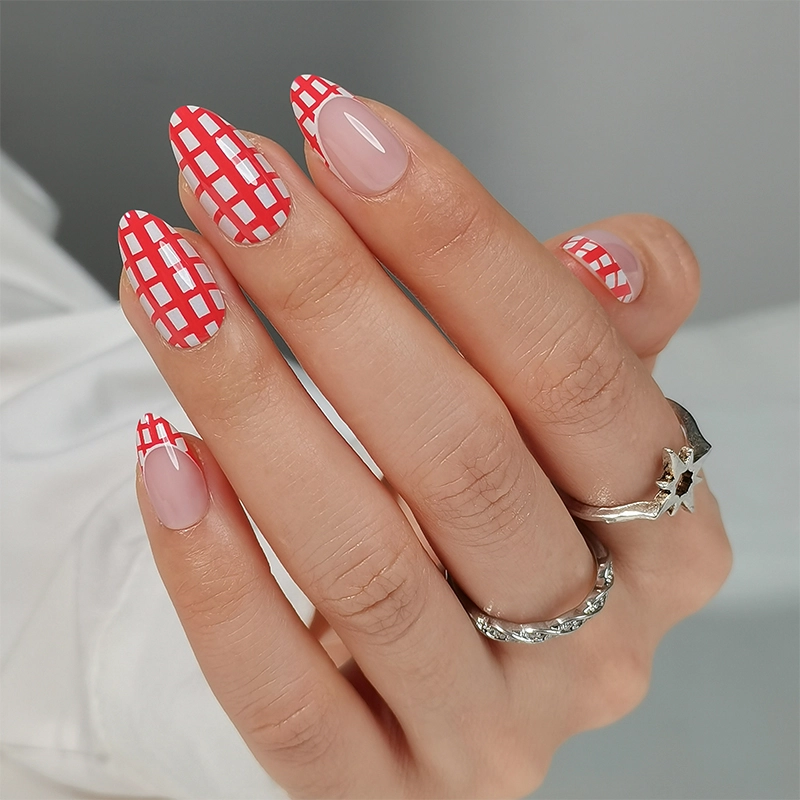
Wholesales Red French Nails Tips Checkered Soft Gel Nail Tips 32 Piece Set
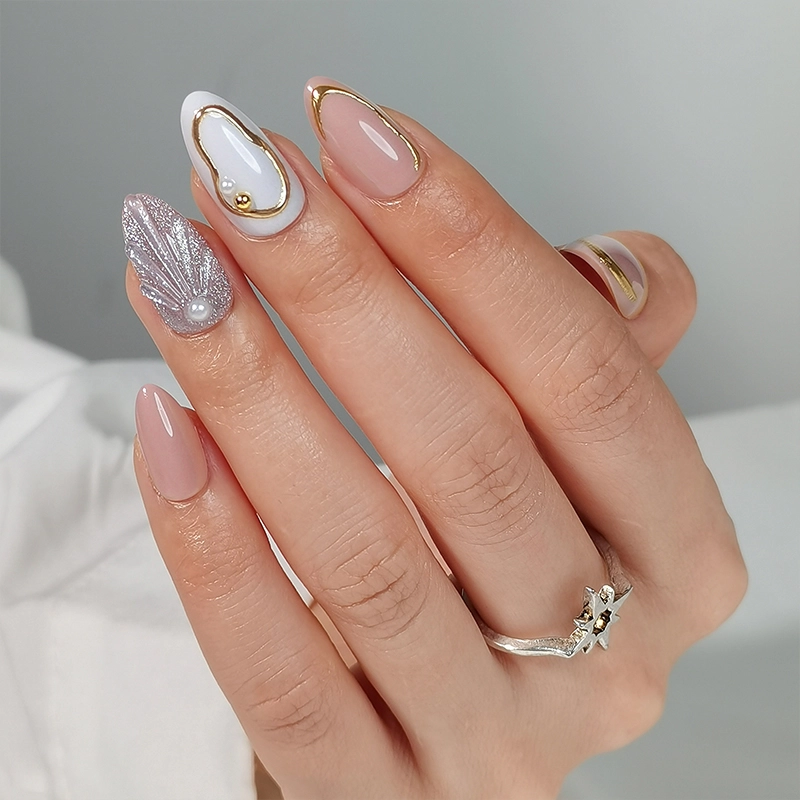
Wholesales Elegant Shell Inspired Soft Gel Wearable Nails for Seasonal Celebrations
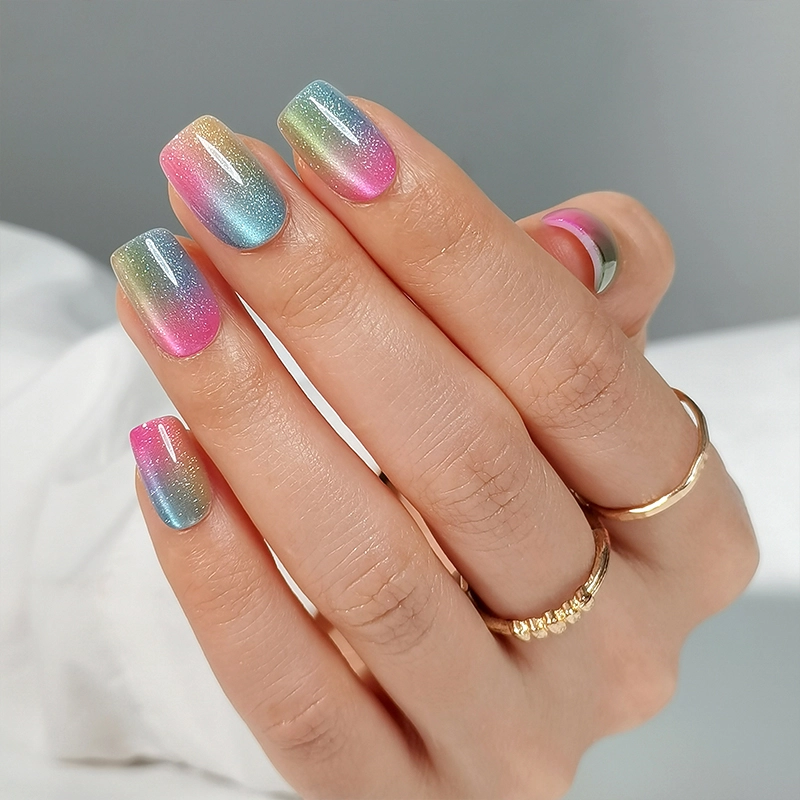
Custom Wholesale Gradient Cat Eye Soft Gel Wearable Fake Nails
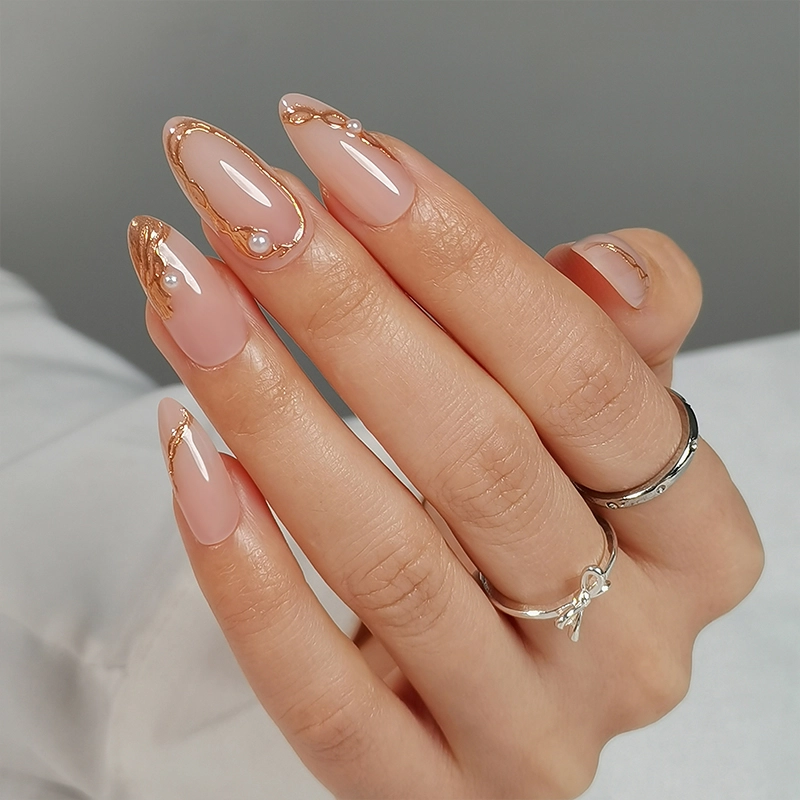
Wholesales Luxury Rhinestone Handmade Private Label Press On Nails Art Tips
Copyright © 2025 - XIANXING BEAUTY All Rights Reserved. Sitemap
Facebook
YouTube
Instagram
LinkedIn