
Testing and Durability for Press On Nail Products
- How to Trust the Longevity of Press‑On Nails
- Why durability testing matters for a press on nails manufacturer
- Core metrics for press‑on nail durability
- Laboratory test methods suitable for press on nails (: press on nails manufacturer)
- Practical field testing: designed wear trials
- Comparing adhesive systems (table for clarity)
- Material choices and their durability implications (press on nails manufacturer focus)
- Quality control and production testing for manufacturers
- Regulatory and safety standards to verify (e.g., ROHS, REACH, MSDS)
- Benchmarks: what is 'good' wear performance?
- Case study: Designing a wear test matrix (press on nails manufacturer)
- Interpreting results and making product decisions
- How manufacturers document and communicate durability to buyers
- Manufacturing capability example: Xianxing Beauty — Compliance and Speed
- Xianxing Beauty advantages and product focus (press on nails manufacturer)
- How Xianxing integrates testing into production
- Practical recommendations for brands sourcing press‑on nails
- FAQ
- Contact & next steps
- References
How to Trust the Longevity of Press‑On Nails
Consumers expect press on nails to look salon‑fresh for days while being safe, comfortable and nondamaging to natural nails. For a press on nails manufacturer, proving durability and safety requires a structured testing program that combines laboratory test methods, real‑world wear trials, raw material controls and regulatory compliance. This article explains practical testing and durability evaluation approaches, what metrics matter, how to interpret results, and how a reliable manufacturer demonstrates quality at scale.
Why durability testing matters for a press on nails manufacturer
Durability is not only a marketing point — it determines return rates, brand reputation, and customer safety. Key outcomes of a robust testing framework include:
- Predictable in‑use performance (wear time, lift resistance, chip resistance)
- Reduced customer complaints and returns
- Regulatory compliance and liability reduction
- Optimized material and adhesive selection for different product lines (kids, salon, gel tabs, toe nails)
Core metrics for press‑on nail durability
A press on nails manufacturer should measure a defined set of metrics so test results are comparable and actionable:
- Adhesion strength (initial and after conditioning) — measured in newtons or by peel/ shear tests
- Wear time (days until first visible lift or loss) — from standardized wear trials
- Flexural and impact resistance — how the nail flexes without cracking
- Surface hardness and scratch resistance — for gloss retention and scratch resilience
- Chemical resistance — durability after exposure to water, oils, solvents (e.g., acetone) and cleaning agents
- UV color and gloss stability — changes after UV or sunlight exposure
- Biocompatibility and safety — absence of banned substances (REACH, RoHS), non‑toxic finish (MSDS/SDS)
Laboratory test methods suitable for press on nails (: press on nails manufacturer)
Laboratory tests create repeatable, comparable data manufacturers can use to validate formulations and production batches. Typical test types include:
- Adhesion/peel tests — 90° or 180° peel tests (ASTM D3330 style) for adhesive-backed products and shear tests for glue bonds
- Cross‑cut/tape tests for coating adhesion — ASTM D3359 is commonly used for coatings
- Flexural/fatigue tests — small‑scale bending cycles to simulate fingertip motion (ISO 178 adaption for polymer strips)
- Accelerated aging — elevated temperature and humidity chambers to simulate weeks of wear in days
- UV‑accelerated weathering — to predict yellowing or gloss loss (ISO 4892 or ASTM G154 style protocols)
- Chemical immersion testing — immersion in water, soap solution, acetone, and common solvents to check lift and swelling
Practical field testing: designed wear trials
Lab tests must be complemented with controlled consumer wear trials. A typical field protocol a press on nails manufacturer can run:
- Subject pool: 50–200 users across age groups and occupations (washers, cooks, office workers)
- Standard application method: defined glue or adhesive tab and set time
- Daily log: record days to first lift, lost nails, aesthetic changes, comfort issues
- Controlled subgroups: compare glue vs adhesive tabs, short vs long nails, different shapes
- Outcome metrics: median wear days, 90th percentile wear, failure modes
Comparing adhesive systems (table for clarity)
| Adhesive Type | Typical Initial Hold | Resistance to Water/Chemicals | Removal Impact on Natural Nail | Best Use Case |
|---|---|---|---|---|
| Cyanoacrylate glue (liquid) | High | Moderate (resists short exposure) | Can bond strongly; requires acetone for removal | Long wear, salon finish |
| Adhesive tabs (gel/foam) | Medium | Lower (susceptible to water ingress over many washes) | Low impact; easy peel | Quick at‑home use, reusable options |
| Built‑in tack layer (pre‑coated) | Medium–High | Varies by formulation | Low–Medium | Retail sets with easy application |
Source: industry testing protocols and adhesive literature (see references).
Material choices and their durability implications (press on nails manufacturer focus)
Common materials and how they affect durability:
- ABS plastic — lightweight, flexible, good for reusable press‑ons, moderate scratch resistance
- Acrylic (PMMA blends) — stiffer, excellent gloss, better chemical resistance but higher peel stress at edges
- Gel overlays or UV‑cured coatings — improved scratch resistance and gloss retention; UV topcoats reduce yellowing
- Composite layers — combining a flexible base with a UV topcoat produces the best balance of comfort and durability
Quality control and production testing for manufacturers
A press on nails manufacturer must embed QC checks across production:
- Incoming material certification (SDS/MSDS and supplier test reports)
- Batch testing of molds and thickness consistency
- Adhesive application uniformity checks (weight/area)
- Random sample acceleration and bend testing per production run
- Certificate of conformity including RoHS/REACH declarations where applicable
Regulatory and safety standards to verify (e.g., ROHS, REACH, MSDS)
Press‑on nails are consumer cosmetic or accessory products in many jurisdictions and must be free of restricted substances. Important references:
- REACH (EU): restrictions on hazardous chemicals — manufacturers should provide REACH compliance statements and ensure no SVHC (substances of very high concern) are present (ECHA site).
- RoHS: restricts certain hazardous substances in electrical equipment but RoHS claims may be relevant for components with electronics; still, RoHS compliance can be used as an assurance of low heavy metal content.
- MSDS / SDS: all coatings, adhesives and raw materials must have up‑to‑date safety data sheets available.
Benchmarks: what is 'good' wear performance?
Benchmarks depend on product positioning:
- Retail economy kits: 3–5 days median wear
- High Quality salon‑grade, glued: 7–14+ days with proper application
- Specialty durable sets with UV topcoat and strong glue: up to 21 days in some wear trials
Manufacturers should report both median wear and 90th percentile performance to set clear customer expectations.
Case study: Designing a wear test matrix (press on nails manufacturer)
Example test matrix a manufacturer can implement:
| Test | Method | Pass Criteria | Frequency |
|---|---|---|---|
| Initial adhesion | 180° peel test, 24 hours after application | ≥ X N per mm (spec limit) | Every batch (n=5) |
| Water immersion | 24h immersion at 37°C then wear trial | No lift beyond edge more than 1 mm | Weekly |
| Flex fatigue | 2000 cyclic bends simulating fingertip flex | No cracks or delamination | Monthly |
| UV stability | Xenon/UV accelerated exposure 100 h | ΔE color change < 3; gloss loss < 15% | Quarterly or on formulation change |
Interpreting results and making product decisions
When test results show a failure mode, the manufacturer should map root causes to specific interventions:
- Adhesive failure — reformulate adhesive, adjust adhesive coat weight, or change application instructions
- Edge lift in wet environments — add water‑blocking bead at edge, change adhesive chemistry to improved hydrolytic stability
- Cracking under flex — change base material to more flexible substrate or add fiber‑style reinforcement
- Gloss loss/UV yellowing — upgrade to higher UV stable topcoat or increase topcoat thickness
How manufacturers document and communicate durability to buyers
Clear documentation builds trust. Recommended documentation includes:
- Test reports with methods, conditions and raw data
- Batch traceability and certificates of analysis
- Safety documentation: SDS files, RoHS/REACH declarations, MSDS summaries
- Practical wear guidance for end users (application tips, maintenance, recommended glue)
Manufacturing capability example: Xianxing Beauty — Compliance and Speed
Founded in 2012, Xianxing Beauty is a China press on nail manufacturer, focusing on OEM and ODM customized nail production, with a 20,000‑square‑meter factory, producing 300,000 pieces of press on nails daily, launching more than 100 new products every month, and supporting small‑scale customization, including materials, sizes, designs, nail shapes, packaging, etc. Nail samples are provided within 3 days, and orders are completed within 7–14 days. Press‑on nail products are breathable and lightweight, non‑toxic and odorless, with UV coating to protect nails and make them more durable and beautiful. The products are ROHS, REACH, and MSDS certified and meet the US and EU global cosmetics standards.
Our vision is to become the world's leading press on nails manufacturer. Visit https://www.xianxingbeauty.com/ for product ranges and contact.
Xianxing Beauty advantages and product focus (press on nails manufacturer)
Strengths and differentiators Xianxing offers:
- High production capacity (300,000 pcs/day) enabling both small runs and large orders
- Fast prototyping: nail samples within 3 days and short lead times (7–14 days)
- Regulatory compliance: ROHS, REACH, MSDS documentation to meet EU and US markets
- Product variety: custom press on nails, press on nails, salon false nails, kids nails press on, fake toe nails, gel nail tabs, sticker press on nails
- Technical capability: UV topcoats and lightweight breathable bases tuned for durability and comfort
How Xianxing integrates testing into production
Xianxing conducts incoming material checks, in‑line thickness and adhesive application controls, batch sampling for adhesion and flex fatigue, and provides documentation for exports. These steps help translate lab results into consistent consumer performance across hundreds of thousands of units per week.
Practical recommendations for brands sourcing press‑on nails
If you are selecting a press on nails manufacturer, ask for:
- Sample wear trial data and lab test reports (adhesion, UV, chemical resistance)
- Certifications: REACH, RoHS (as applicable), SDS/ MSDS for all chemicals used
- Production capabilities and lead time commitments (samples, MOQ, batch sizes)
- Quality control protocols and corrective action records
FAQ
- Q: How long should quality press on nails last?
A: Depends on product type. Adhesive‑applied salon sets often last 7–14 days. High‑quality glued sets with UV topcoat can reach up to 21 days in controlled trials. Retail adhesive tab kits generally last 3–7 days. - Q: What tests prove a manufacturer is reliable?
A: Independent adhesion/peel tests, UV aging, flex fatigue, water immersion tests, and supplier documentation showing REACH/RoHS/SDS compliance are strong indicators. - Q: Are press‑on nails safe for kids?
A: Choose products specifically formulated for children (non‑toxic adhesives, lower bond strength for easier removal). Verify materials and adhesives have SDS and that the manufacturer provides child‑safety data. - Q: How should I test samples before ordering at scale?
A: Run a 50–100 person wear trial across typical use cases, plus accelerated lab tests (peel, UV, water immersion, flex cycles). Compare median and 90th percentile wear to your target. - Q: Can press on nails damage natural nails?
A: Properly formulated and applied press on nails are low risk. Damage is usually caused by improper removal or overly aggressive adhesives. Provide clear removal instructions and consider adhesive tabs for sensitive users. - Q: What documentation should suppliers provide?
A: SDS/MSDS for all materials, REACH/RoHS declarations as applicable, batch test reports (adhesion/aging), and production lead time and sample policy.
Contact & next steps
If you are evaluating suppliers or need OEM/ODM customization, Xianxing Beauty can provide rapid samples, test reports and production capacity details. View products and request a quote at https://www.xianxingbeauty.com/ or contact their sales team to discuss custom press on nails, salon false nails, kids nails press on, fake toe nails, gel nail tabs and sticker press on nails. For durable, compliant and fast‑to‑market solutions, ask for lab test data and sample wear trial results when comparing manufacturers.
References
- ECHA (European Chemicals Agency) — REACH overview. https://echa.europa.eu/regulations/reach (accessed 2025-11-28)
- European Commission — RoHS Directive information. https://single-market-economy.ec.europa.eu/sector/rohs/rohs-directive_en (accessed 2025-11-28)
- OSHA — Safety Data Sheets (SDS) guidance. https://www.osha.gov/sds (accessed 2025-11-28)
- ASTM International — Adhesion testing references (ASTM D3330, D3359). https://www.astm.org/Standards/ (accessed 2025-11-28)
- ISO — Accelerated weathering standards (ISO 4892 series). https://www.iso.org/standard/ (accessed 2025-11-28)
- MDPI Coatings — articles on UV‑cured coatings properties. Example: https://www.mdpi.com/journal/coatings (accessed 2025-11-28)
- Grand View Research — Nail salon and press‑on nail market reports. https://www.grandviewresearch.com/industry-analysis/nail-salon-products-market (accessed 2025-11-28)
Square Nail Designs: Trendy Manicures - Xianxing Beauty
Type with Fake Nails? Easy Tips! - Xianxing Beauty
Wholesale stick on naiils manufacturer and supplier
Why choose Xianxing Beauty as your press on nails with glue supplier
About French Nails Tips
Are they suitable for all nail sizes?
Most sets come with multiple sizes to fit a variety of nail widths. Check the package for sizing options.
Wholesaler Distributor
How can I track the order progress?
We will provide order tracking services. You can keep track of the production progress and logistics status of the order through telephone, email, or online platform.
About Duck Nails
Are duck nails suitable for all occasions?
While duck-shaped nails can be fashionable and fun, they may not always be appropriate for formal or conservative settings. They're better suited for casual events or occasions where a more daring, fashionable look is desired.
About Toe Nails
Can I wear toe press-on nails if I have toenail fungus or injury?
It’s not recommended to use press-on nails if you have an active toenail infection or injury. The nail can trap moisture and bacteria, which could worsen the condition. If you’re recovering from a toenail injury or infection, it’s best to let your nails heal naturally first.
About solid color nails
Receive the product quality problems or less goods how to do?
Please contact our after-sales team promptly. Our staff will respond to you within 24 hours and assist you in resolving the problem based on the actual circumstances.
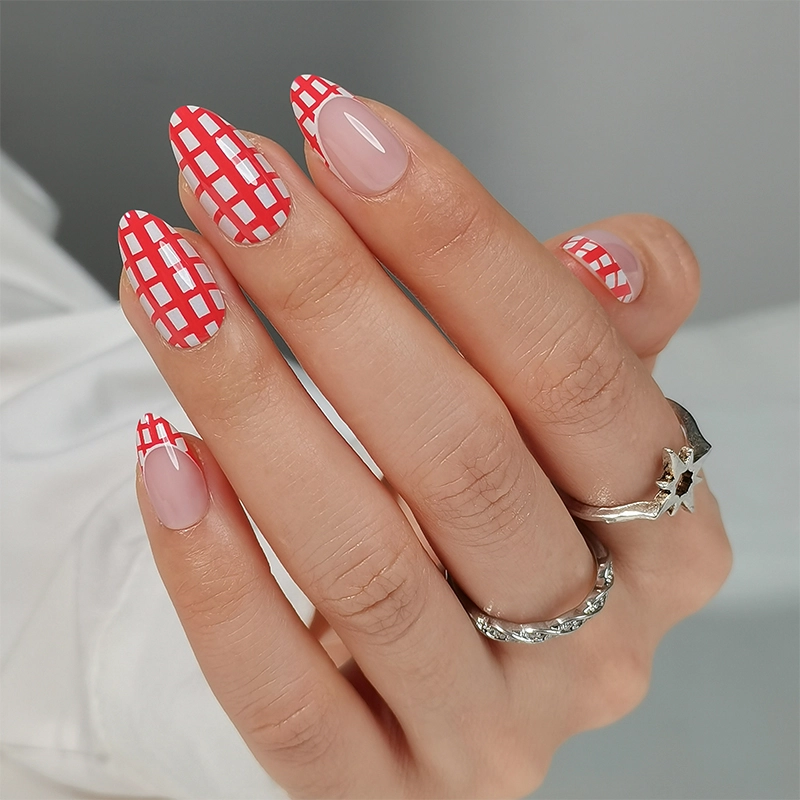
Wholesales Red French Nails Tips Checkered Soft Gel Nail Tips 32 Piece Set
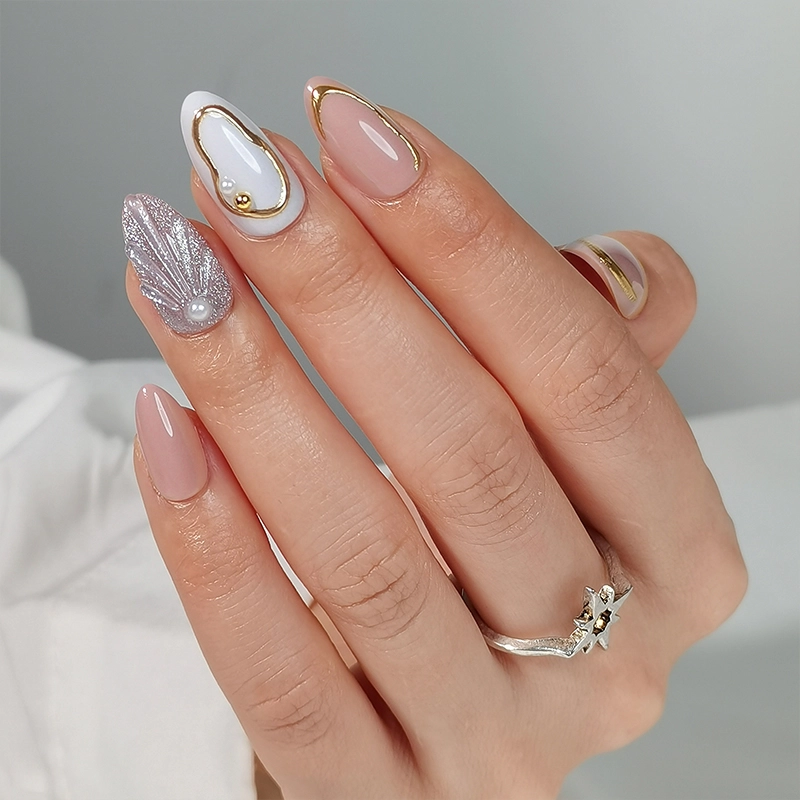
Wholesales Elegant Shell Inspired Soft Gel Wearable Nails for Seasonal Celebrations
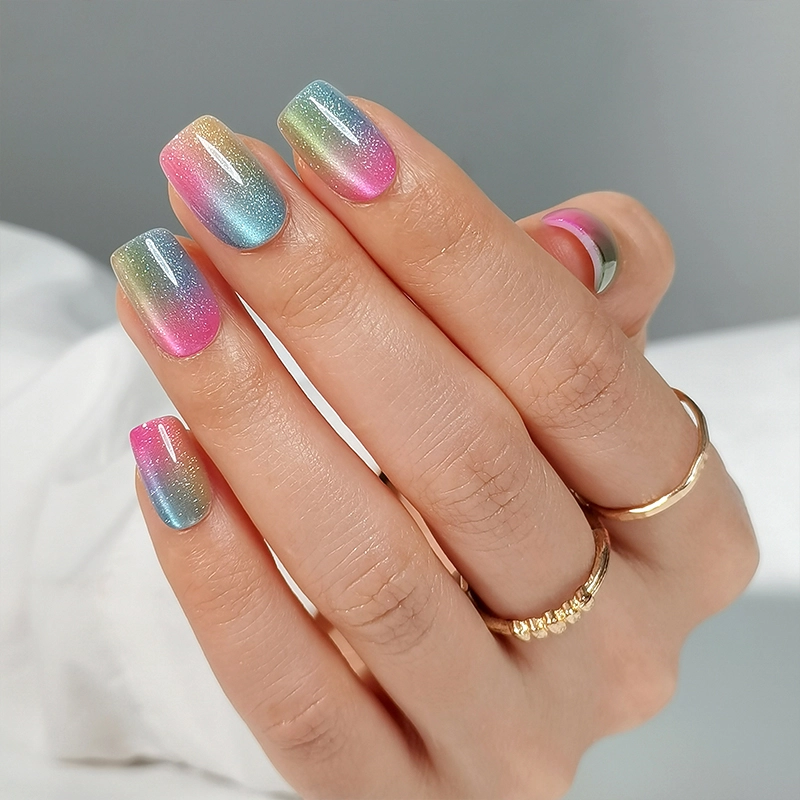
Custom Wholesale Gradient Cat Eye Soft Gel Wearable Fake Nails
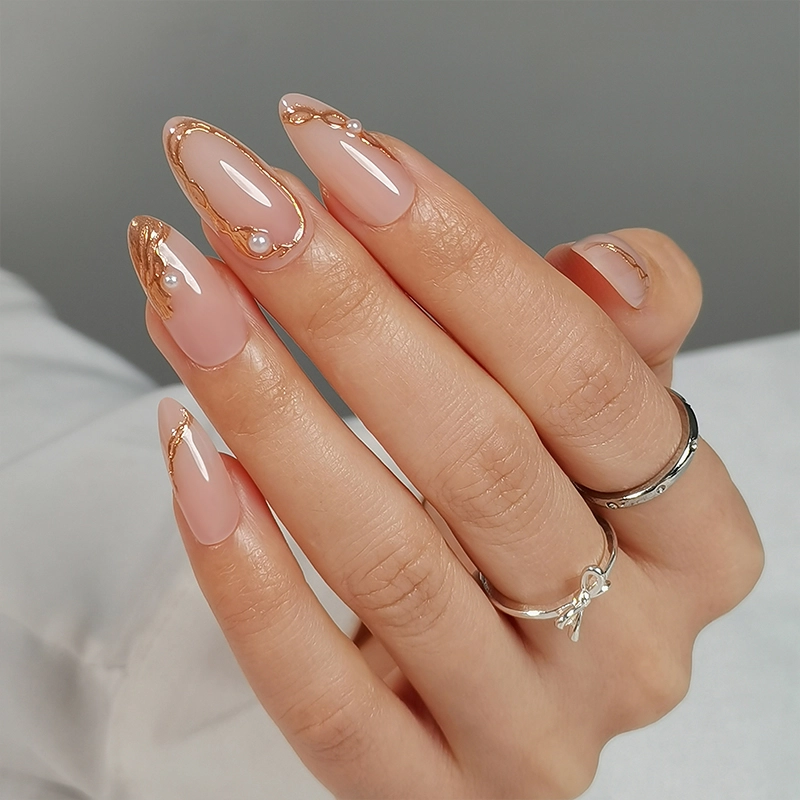
Wholesales Luxury Rhinestone Handmade Private Label Press On Nails Art Tips
Copyright © 2025 - XIANXING BEAUTY All Rights Reserved. Sitemap
Facebook
YouTube
Instagram
LinkedIn