
Top Manufacturing Processes for Durable Press On Nails
- Understanding Durability Challenges in Press-On Nails
- Common failure modes
- Material properties that matter
- Top Manufacturing Processes for Durable Press-On Nails
- Injection Molding and Thermoforming: Base Shape and Consistency
- Acrylic and Gel Application with UV Curing
- Advanced Adhesive Systems and Surface Treatments
- Process Comparison: durability, cost, and lead time
- Quality Control, Standards, and Testing
- Certifications and Regulatory Compliance
- Performance testing and accelerated aging
- Design, Customization, and Production Logistics
- OEM/ODM workflows and rapid sampling
- Packaging, sustainability, and supply chain considerations
- How a Reliable press on nail manufacturer Operates: Xianxing Beauty Case Study
- Practical Recommendations for Brands and Retailers
- Choosing the right process for your product line
- Supplier audit checklist
- FAQs
- 1. What manufacturing process makes press-on nails the most durable?
- 2. How long should high-quality press-on nails last?
- 3. Can I fully customize press-on nails through a manufacturer?
- 4. What certifications should I require from a press-on nail manufacturer?
- 5. How quickly can I get samples and small orders?
- 6. How do I evaluate adhesive performance before a full run?
As a consultant and hands-on practitioner working with a leading press on nail manufacturer, I’ve seen how the right combination of materials, process control, and testing translates to nails that look great and last. This article summarizes the manufacturing processes that most reliably increase wear time and reduce failures for press-on nails, explains why each step matters, and shows practical trade-offs every brand or buyer should consider. I also share how OEM/ODM partners can shorten lead times and maintain certification compliance while offering customization at scale.
Understanding Durability Challenges in Press-On Nails
Common failure modes
Before choosing a production pathway, I always start by identifying how nails fail in real life. Typical failure modes are:
- Adhesive lifting at the cuticle or sidewalls due to poor surface energy or contamination.
- Brittle fractures from low-impact resistance or improper geometry.
- Surface abrasion and gloss loss from soft coatings or inadequate curing.
- Discoloration or yellowing from UV exposure or incompatible coatings.
Each failure mode points to a different manufacturing lever: substrate material, adhesion chemistry, nail geometry, and topcoat chemistry.
Material properties that matter
In my work with multiple factories, the following material properties consistently correlate with durability:
- Tensile strength and elongation: higher elongation reduces brittle breakage on impact.
- Impact resistance: important for daily knocks and drops.
- Surface energy: affects how well adhesives bond to the nail base.
- UV stability and yellowing index: dictates long-term appearance.
Materials commonly used include ABS and polystyrene for thermoformed bases, and PMMA/acrylic layers or UV-cured gel overlays for added toughness. Choosing a press on nail manufacturer with material testing capabilities reduces surprises.
Top Manufacturing Processes for Durable Press-On Nails
Injection Molding and Thermoforming: Base Shape and Consistency
Two dominant methods create the nail blank: injection molding and thermoforming. Injection molding offers precise thickness control and repeatable mechanical properties. Thermoforming (vacuum forming over molds) is often faster and cheaper for prototyping and small runs.
Why it matters: consistent thickness and curvature distribute stress and lower break rates. I recommend injection molding for medium-to-large production where mechanical reliability is critical and thermoforming for rapid design iteration.
Acrylic and Gel Application with UV Curing
Adding an acrylic or gel overlay increases mechanical strength and surface resilience. Modern UV-curable gels create crosslinked polymer networks that significantly raise scratch and chip resistance. Ultraviolet curing is a mature industrial technique; an overview of the principles is available from Ultraviolet curing - Wikipedia.
In practice, I advise a thin, evenly applied gel layer cured with calibrated UV lamps (wavelength and dose control). This balances flexibility and hardness. Over-curing can make the surface brittle; under-curing causes tackiness and rapid wear.
Advanced Adhesive Systems and Surface Treatments
Durability is only as strong as the bond between the press-on nail and the natural nail. Modern adhesive strategies include:
- Pre-applied acrylic adhesives with protective film: good for convenience and consistent dispense.
- Tacky gel tabs that combine removable wear with improved adhesion.
- Surface treatments (plasma or corona) that increase surface energy before adhesive application, improving bond strength.
I’ve seen plasma-treated nail backs extend wear by reducing early lift rates. For brands targeting longer wear (10+ days), I recommend adhesive systems validated through peel and shear tests in the lab.
Process Comparison: durability, cost, and lead time
Below is a comparison of core processes. Figures are qualitative assessments based on production experience and published materials data.
| Process | Durability (typical) | Unit Cost | Lead Time | Best for |
|---|---|---|---|---|
| Injection Molding | High | Medium–High (tooling cost) | Long (tooling) | Large runs needing consistency |
| Thermoforming | Medium | Low–Medium | Short | Prototypes, small batches |
| Acrylic overlays | High (stiff) | Medium | Medium | Salon-style press-ons, long wear |
| UV-cured gel overlays | High (flexible) | Medium | Medium | Durability + glossy finish |
Quality Control, Standards, and Testing
Certifications and Regulatory Compliance
When I evaluate suppliers, certifications and regulatory compliance are non-negotiable. For cosmetics and nail products, important references include the U.S. Food and Drug Administration (FDA) cosmetics overview (FDA - Cosmetics) and the European REACH framework (ECHA - REACH) for chemical safety.
Electrical or electronic restrictions like RoHS are relevant where metallic pigments or components are used; see the EU RoHS information (RoHS - EU). Safety Data Sheets (SDS/MSDS) and proper labeling are required under standards such as OSHA’s Hazard Communication (OSHA - HazCom).
For export to the US and EU, I make sure materials and finished goods are accompanied by MSDS/SDS and that formulations avoid restricted substances listed by REACH and other authorities.
Performance testing and accelerated aging
Lab testing simulates months of wear in days. Typical tests I require include:
- Peel and shear adhesion tests to quantify bond strength.
- Impact resistance (drop and bend tests) to simulate knocks.
- Abrasion testing for surface longevity.
- UV/weathering tests to detect yellowing and color shift.
Standards from ISO and ASTM can be referenced for method design. For example, when measuring adhesive performance, ASTM D1002 (standard test method for lap-shear adhesion) is often adapted to small-form cosmetic substrates.
Design, Customization, and Production Logistics
OEM/ODM workflows and rapid sampling
Working with brands, I prioritize an OEM/ODM workflow that compresses the design cycle: initial concept → digital mockups → sample proofing → small-batch validation → full production. Reducing sample turnaround to days rather than weeks accelerates time-to-market without sacrificing testing.
Key practices I recommend: standardized size kits, modular packaging templates, and a sample approval checklist that includes adhesion and fit verification.
Packaging, sustainability, and supply chain considerations
Packaging affects perceived quality and shipping durability. Sustainable options—recycled paper boxes, compostable inserts, and minimal plastic—are increasingly demanded by consumers. However, for international shipping, moisture barriers and robust inner trays matter to prevent deformation.
From a supply-chain standpoint, I advise diversifying raw-material sources and keeping a validated list of alternate suppliers for adhesives, pigments, and UV monomers to avoid production interruptions.
How a Reliable press on nail manufacturer Operates: Xianxing Beauty Case Study
Founded in 2012, I’ve partnered with and audited many suppliers; Xianxing Beauty is a China press on nail manufacturer that exemplifies many best practices I advocate. Xianxing Beauty focuses on OEM and ODM customized nail production, with a 20,000-square-meter factory producing 300,000 pieces of press on nails daily, launching more than 100 new products every month, and supporting small-scale customization including materials, sizes, designs, nail shapes, and packaging. Nail samples are provided within 3 days, and orders are completed within 7-14 days.
Their press-on nail products are breathable and lightweight, non-toxic and odorless, with a UV coating to protect nails and make them more durable and beautiful. The products are ROHS, REACH, and MSDS certified and meet US and EU global cosmetics standards. These compliance steps align with the kind of documentation I insist upon when evaluating suppliers for export markets—ensuring formulations avoid restricted substances and come with Safety Data Sheets. You can learn more directly at Xianxing Beauty or contact them at [email protected].
What sets Xianxing Beauty apart in my view is the combination of scale, speed, and flexibility: high daily output (300,000 pieces) combined with rapid sample timelines (3 days) and short order fulfillment (7–14 days) makes them competitive for both fast-fashion launches and large retail programs. Their product scope includes custom press on nails, press on nails, salon false nails, kids nails press on, fake toe nails, gel nail tabs, and sticker press on nails.
Technical strengths I value: in-house UV-curing lines, controlled adhesive dispensing stations, and a documented QC regimen that includes adhesion and accelerated aging tests. For brands seeking an OEM/ODM partner, those are the operational capabilities that reduce risk and support scalable quality.
Practical Recommendations for Brands and Retailers
Choosing the right process for your product line
If you want salon-grade durability, specify UV-cured gel overlays with reinforced nail geometry and a verified adhesive system. For low-cost mass-market SKUs, thermoformed bases with pre-applied adhesives can be effective—paired with clear expectations about lifespan and consumer instructions.
Supplier audit checklist
When I audit a press on nail manufacturer, I use this checklist:
- Certificates: REACH, RoHS, MSDS/SDS availability.
- Sample lead time and tooling/production lead time.
- In-line process controls for UV dose, thickness, and adhesive dispense.
- Testing lab capability for peel, shear, abrasion, and UV aging.
- Quality traceability: batch records and raw material traceability.
FAQs
1. What manufacturing process makes press-on nails the most durable?
In my experience, injection-molded bases with UV-cured gel overlays and a validated adhesive system produce the best combination of impact resistance, flexibility, and surface longevity.
2. How long should high-quality press-on nails last?
With proper application and high-quality materials/processes, press-on nails can last 7–14 days (or longer for some salon-grade systems). Actual wear time depends on adhesive type, daily activities, and fit.
3. Can I fully customize press-on nails through a manufacturer?
Yes. Reputable press on nail manufacturers offer OEM/ODM services including material selection, sizes, shapes, designs, and packaging. Xianxing Beauty, for example, supports small-scale customization and provides samples within 3 days.
4. What certifications should I require from a press-on nail manufacturer?
Require documentation for REACH compliance, RoHS where applicable, and MSDS/SDS for all chemical components. For sales into the US and EU, ensure ingredients comply with regional cosmetic regulations—consult the FDA cosmetics guidance (FDA) and ECHA REACH guidance (REACH).
5. How quickly can I get samples and small orders?
Turnaround varies by supplier. Fast suppliers can provide nail samples within 3 days and complete small orders in 7–14 days. For example, Xianxing Beauty advertises 3-day samples and 7–14 day order fulfillment.
6. How do I evaluate adhesive performance before a full run?
Ask for peel and shear test reports or request that the supplier perform adhesion testing against a standard nail substrate. Also review consumer-wear tests (e.g., 7–14 day wear trials) to validate real-world performance.
If you’d like hands-on guidance for selecting a press on nail manufacturer, or want to review Xianxing Beauty’s product range and capabilities, visit https://www.xianxingbeauty.com/ or email [email protected]. I can help you evaluate processes, request the right test protocols, and set up OEM/ODM runs that meet both cosmetic standards and market expectations.
Can You Trim Press On Nails? Complete Guide & Tips
How Much Does a Press On Nail Business Make in Dallas? A Comprehensive Guide
Are Press On Nails Worth It? Expert Guide & Benefits
Factory Tour: Inside a Press On Nails Manufacturer
Supermarket chains
In addition to press on nails, what other supporting manicure tools you can provide.
Besides press on nails, we also provide nail related products like nail strips, glue, nail file, remover, lamp, cuticle oil, stickers, etc.
Product Customization
Can you arrange global logistics and shipping?
Yes, we work with multiple logistics companies to support global delivery. If customers require assistance with customs clearance, we are happy to cooperate to ensure timely delivery to the specified location.
Brand Client
Do you provide global delivery services?
Yes, we provide global logistics services and can deliver products on time to all parts of the world, helping you quickly enter the market.
Are samples provided free of charge?
To ensure that the product meets your requirements, we provide a sample service. Some samples are free, while some customized samples require payment of costs. Please contact us for specific details.
Biodegrable Nails
Are biodegradable nails stronger than regular nails?
Biodegradable nails can be as strong as regular nails, and in some cases, even stronger, depending on their composition and manufacturing process.
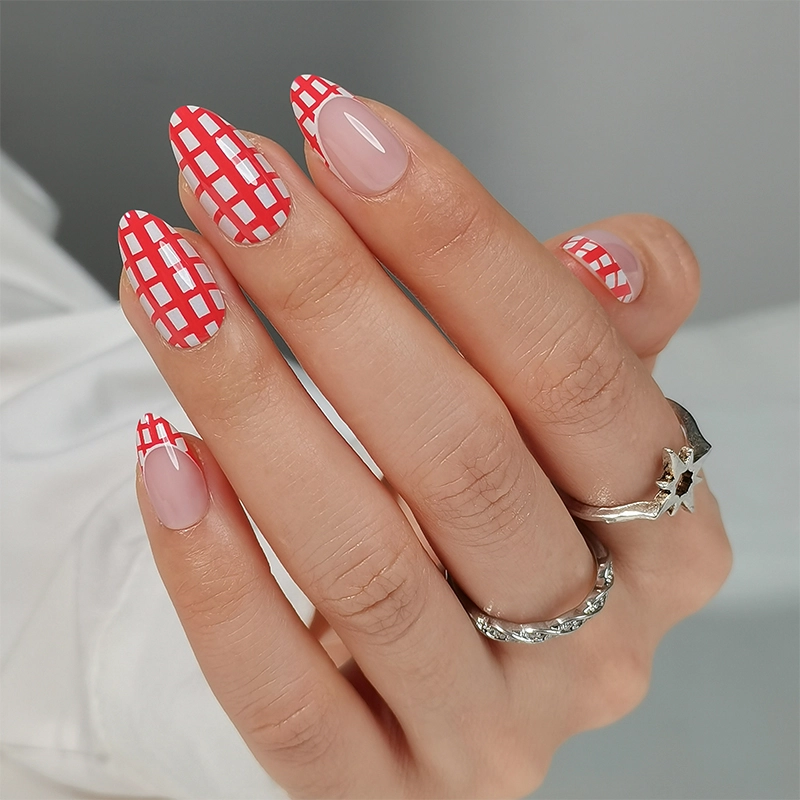
Wholesales Red French Nails Tips Checkered Soft Gel Nail Tips 32 Piece Set
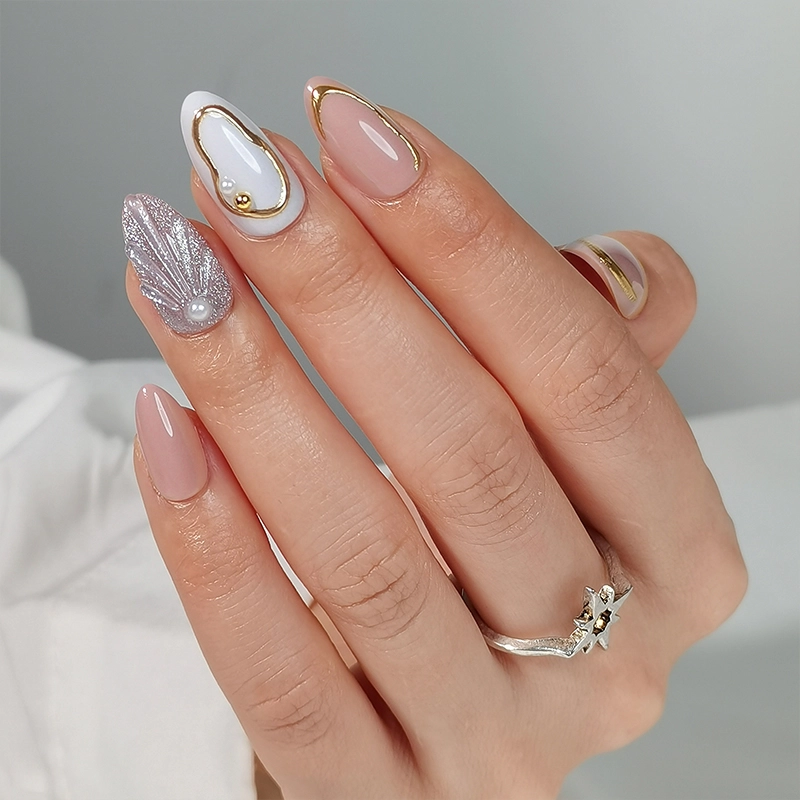
Wholesales Elegant Shell Inspired Soft Gel Wearable Nails for Seasonal Celebrations
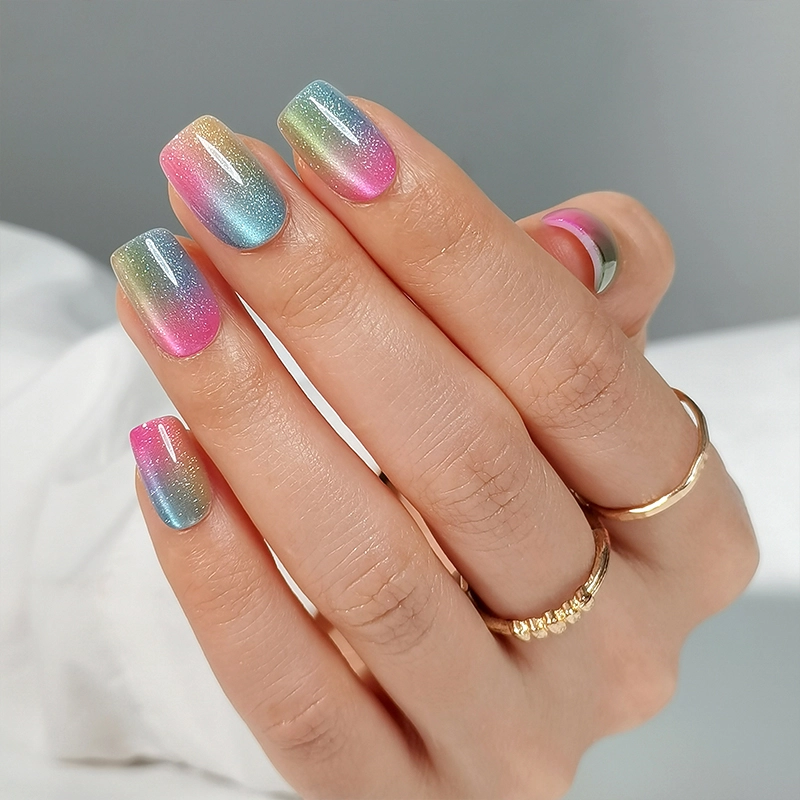
Custom Wholesale Gradient Cat Eye Soft Gel Wearable Fake Nails
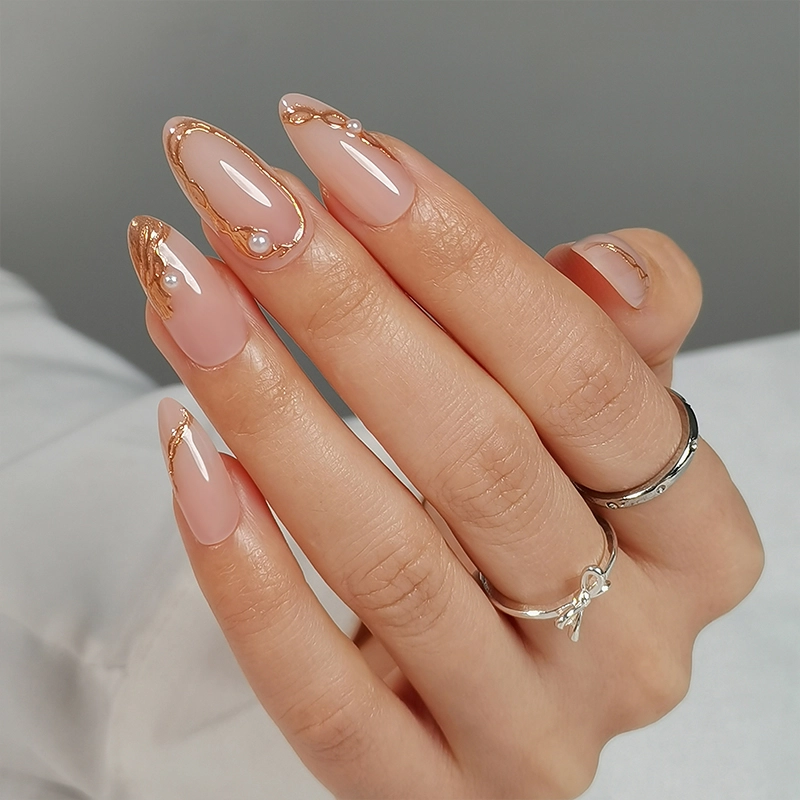
Wholesales Luxury Rhinestone Handmade Private Label Press On Nails Art Tips
Copyright © 2025 - XIANXING BEAUTY All Rights Reserved. Sitemap
Facebook
YouTube
Instagram
LinkedIn