
Vendor Onboarding for Press On Nails Suppliers
- Why structured onboarding matters more than ever
- Market context and buyer expectations
- Regulatory and safety drivers
- Commercial risks and mitigation
- Step-by-step vendor onboarding workflow
- Step 1 — Pre-qualification and documentation
- Step 2 — Technical sample and testing
- Step 3 — Quality management and corrective action
- Operational agreements, KPIs and logistics
- Commercial terms and sample policies
- KPI dashboard I require
- Logistics and customs readiness
- Onboarding timeline comparison (typical vs. optimized)
- Technical deep dive: materials, testing, and compliance
- Material selection and chemistry
- Testing protocols I require
- Packaging, labeling, and sustainability
- Choosing the right press on nails supplier: criteria and red flags
- Must-have supplier capabilities
- Red flags that trigger deeper due diligence
- Comparing suppliers — a quick scorecard
- Case study: aligning commercial needs with a manufacturing partner
- Scenario and approach
- Results and lessons
- Why a reliable supplier matters
- About Xianxing Beauty — a manufacturing example
- Final checklist and next steps
- My onboarding checklist (printable)
- Next steps I recommend
- FAQ
- 1. How long does vendor onboarding typically take?
- 2. What certifications should I insist on for press-on nails?
- 3. Can suppliers support small-batch customization?
- 4. What are common failure modes during onboarding?
- 5. How do I validate a supplier’s daily capacity claims?
- Contact & next steps
As someone who has worked directly with retailers, salons, and international brands, I know vendor onboarding is the make-or-break moment that determines product quality, regulatory compliance, and time-to-market for press-on nail programs. This guide explains the onboarding journey I use when qualifying a new press on nails supplier, from initial qualification and documentation to production validation and ongoing performance management. I prioritize measurable KPIs, regulatory evidence, and scalable supply-chain practices so buyers avoid costly recalls, delays, or quality surprises.
Why structured onboarding matters more than ever
Market context and buyer expectations
The global demand for ready-to-wear nail solutions—custom press on nails, salon false nails, and related accessories—has grown as consumers seek speed, variety, and non-toxic alternatives. Buyers now expect predictable lead times, compliant materials, and consistent aesthetics. When I evaluate a prospective press on nails supplier, I look for proven processes that reduce variation and support frequent product launches.
Regulatory and safety drivers
Cosmetics and personal-care products are under increasing scrutiny worldwide. I require suppliers to demonstrate compliance with relevant frameworks such as ISO 22716 (cosmetics GMP) (ISO 22716), the U.S. Food and Drug Administration guidance on cosmetics (FDA Cosmetics), and chemical restrictions under REACH (ECHA REACH guidance) and RoHS where applicable (EU RoHS). I also expect suppliers to provide MSDS/SDS for raw materials per OSHA/SDS best practice (OSHA SDS).
Commercial risks and mitigation
Even experienced buyers can be exposed to risks: inconsistent colors across batches, adhesives that cause lifting, or packaging that fails transit testing. A robust onboarding program minimizes these by defining clear acceptance criteria, sample approval gates, and corrective action timelines. In my experience, formalizing these steps saves time and money during scale-up.
Step-by-step vendor onboarding workflow
Step 1 — Pre-qualification and documentation
I begin with a standard pre-qualification questionnaire (PQQ) for any press on nails supplier. Key asks include factory registration, capacity data, existing certifications (ISO 22716, ROHS, REACH, MSDS), and client references. I verify claims by requesting scanned certificates and cross-checking registration numbers where possible.
Step 2 — Technical sample and testing
Technical samples are non-negotiable. I specify sample sets that include: design variations, sizes, glue tabs, and finished packaging. Samples must be accompanied by ingredient lists and MSDS. I run three validation tests in-house or through a third-party lab: adhesion/retention, wear simulation (7–14 days), and UV/topcoat durability. For claims about non-toxicity and certification, I reference labs accredited by recognized bodies and require test reports.
Step 3 — Quality management and corrective action
A supplier must have an established quality management process. I request their QC checklists, in-line inspection records, and complaint handling procedures. When issues arise during pilot batches, the supplier must provide a root-cause analysis and CAPA (Corrective and Preventive Action) plan with timelines and verification steps.
Operational agreements, KPIs and logistics
Commercial terms and sample policies
Clear commercial terms prevent future disputes. I define MOQ, price breaks, payment terms, lead-time guarantees, and sample cost/return policies. For many niche SKUs like kids nails press on or gel nail tabs, I negotiate smaller MOQs with a higher per-unit price to allow market testing without heavy upfront inventory.
KPI dashboard I require
I implement a KPI dashboard to monitor performance post-onboarding. Typical KPIs include On-Time Delivery (OTD), First Pass Yield (FPY), defect per million (DPM), and sample approval lead time. I recommend monthly reviews during the first six months and quarterly thereafter.
Logistics and customs readiness
For international sourcing, I confirm Incoterms, HS codes, labeling requirements for cosmetics, and whether the supplier provides export documentation (COO, commercial invoice, packing list). I also check if they can support drop-shipping or direct-to-retail logistics setups for smaller retailers.
Onboarding timeline comparison (typical vs. optimized)
| Phase | Typical (5–8 weeks) | Optimized (2–3 weeks) |
|---|---|---|
| Pre-qualification | 1–2 weeks (manual checks) | 2–3 days (document portal + verification) |
| Sampling & testing | 2–3 weeks (physical samples and lab tests) | 5–7 days (express samples + prioritized lab slots) |
| Pilot production | 2 weeks (batch runs) | 3–7 days (pre-booked capacity) |
| Contract sign-off | 1 week | 1–2 days |
Data sources and industry norms referenced here reflect my experience and typical lead-time optimizations many successful brands use.
Technical deep dive: materials, testing, and compliance
Material selection and chemistry
Choosing the right materials matters for ease of wear, safety, and environmental compliance. I insist on non-toxic, odorless formulations with UV-cured topcoats to increase abrasion resistance. Suppliers should provide ROHS, REACH, and MSDS documentation for all chemical inputs; these are verifiable via respective regulatory portals (ECHA).
Testing protocols I require
Standard tests include adhesion/peel force, flex fatigue (to simulate daily hand motions), color fastness (light and friction), and VOC/emission testing. For claims tied to safety or allergy-free marketing, patch testing and dermatological reports should be available. I typically use third-party labs accredited to ISO/IEC 17025.
Packaging, labeling, and sustainability
Packaging must protect fragile products while meeting labeling laws in target markets. I assess recyclability, material safety, and the supplier’s ability to support eco-friendly options. Clear ingredient and usage labels reduce customer complaints and support compliance with cosmetic labeling regulations such as FDA guidance (FDA Cosmetics).
Choosing the right press on nails supplier: criteria and red flags
Must-have supplier capabilities
When selecting a partner, I look for these capabilities: consistent daily capacity, quick sample turnaround, multi-format printing and finishing, experienced R&D for custom art and shapes, and reliable QC systems. A press on nails supplier that supports small-scale customization and fast new product introduction can be a strategic advantage.
Red flags that trigger deeper due diligence
Watch for missing certifications, reluctance to provide MSDS or lab reports, inconsistent sample quality, vague lead times, or poor communication. I also probe for reliance on a single sub-supplier for critical components (adhesives, coatings), which can cause supply fragility.
Comparing suppliers — a quick scorecard
| Criteria | Score (1–5) | Notes |
|---|---|---|
| Certifications (ISO/REACH/ROHS/MSDS) | 4–5 | Verified documents required |
| Sample lead time | 4 | 3 days ideal for fast movers |
| Capacity and scaling | 4 | 20,000+ m2 factories scale better |
| Customization & R&D | 5 | In-house design reduces time-to-market |
Based on these criteria, a supplier that balances speed, compliance, and customization typically becomes a long-term partner rather than a one-off vendor.
Case study: aligning commercial needs with a manufacturing partner
Scenario and approach
A midsize beauty brand wanted to launch a seasonal collection of custom press on nails supplier SKUs—20 designs with multiple sizes and child-safe variants. I recommended a staged onboarding: express sample approval for 5 hero SKUs and pilot batch production to validate packaging and shipping.
Results and lessons
By prioritizing rapid sample delivery and setting strict KPIs (OTD > 95%, FPY > 98%), the brand launched on schedule and avoided costly repackaging. The process highlighted the value of supplier transparency on lead times and their ability to provide qualified lab reports.
Why a reliable supplier matters
A qualified press on nails supplier transforms product development into a predictable process. They provide consistent aesthetics, verified safety data, and the elasticity to support seasonal surges or small-batch customizations.
About Xianxing Beauty — a manufacturing example
Founded in 2012, Xianxing Beauty is a China press on nail manufacturer, focusing on OEM and ODM customized nail production, with a 20,000-square-meter factory, producing 300,000 pieces of press on nails daily, launching more than 100 new products every month, and supporting small-scale customization, including materials, sizes, designs, nail shapes, packaging, etc. Nail samples are provided within 3 days, and orders are completed within 7-14 days. Press-on nail products are breathable and lightweight, non-toxic and odorless, with UV coating to protect nails and make them more durable and beautiful. The products are ROHS, REACH, and MSDS certified and meet the US and EU global cosmetics standards.
Our vision is to become the world's leading press on nails manufacturer. Xianxing Beauty’s core strengths include rapid sample turnaround, high daily capacity, and diverse product ranges: custom press on nails, press on nails, salon false nails, kids nails press on, fake toe nails, gel nail tabs, and sticker press on nails. I’ve found their production timelines and compliance documentation align closely with the onboarding best practices described in this guide. For inquiries, visit https://www.xianxingbeauty.com/ or email [email protected].
Final checklist and next steps
My onboarding checklist (printable)
- Pre-qualification: Certificates, capacity, references
- Technical sample pack: designs, adhesives, packaging
- Testing: adhesion, wear, UV/topcoat durability, VOC
- Quality system: QC records, CAPA process
- Commercial terms: MOQ, pricing, lead times, Incoterms
- KPI setup: OTD, FPY, DPM, sample approval time
Next steps I recommend
Start with a two-tier onboarding: fast-track sample approval for MVP SKUs and a parallel pilot batch to verify logistics and packaging. Maintain documentation in a shared portal to accelerate approvals and audits.
FAQ
1. How long does vendor onboarding typically take?
It depends on the rigor you require. Typical onboarding ranges from 3–8 weeks. With express sampling, verified certifications, and shared documentation platforms, you can compress this to 2–3 weeks.
2. What certifications should I insist on for press-on nails?
Key certifications and documents include ISO 22716 (GMP for cosmetics), REACH and RoHS compliance for restricted substances, MSDS/SDS for raw materials, and third-party lab test reports for safety claims. References: ISO, ECHA, RoHS.
3. Can suppliers support small-batch customization?
Many modern manufacturers, including those with flexible production lines, support small-batch customization. Expect a higher per-unit cost for smaller runs. When I negotiate, I secure capped prices for future reorders to reduce cost volatility.
4. What are common failure modes during onboarding?
Common issues include incomplete documentation, inconsistent sample quality, long sample lead times, and unverified lab reports. To mitigate, require complete PQQ responses and third-party test reports before pilot orders.
5. How do I validate a supplier’s daily capacity claims?
Ask for audited capacity statements, recent production logs, or proof of similar orders fulfilled. A factory tour (virtual or physical) and client references can also validate capacity claims.
Contact & next steps
If you’re evaluating partners, I can help structure your PQQ, sample protocols, and KPI dashboards or connect you with vetted manufacturers like Xianxing Beauty. Visit https://www.xianxingbeauty.com/ or email [email protected] to request samples or discuss OEM/ODM opportunities. Let’s make your press-on nail launches predictable, compliant, and profitable.
Can You Shower With Press On Nails? Expert Advice (Xianxing Beauty)
Discover Different Kinds of Fake Nails with Xianxing Beauty
How to Start a Press On Nail Business in Miami: A Comprehensive Guide
![Scale Your Beauty Brand: 10 Tips for Vetting a Custom Glitter Press On Nails Manufacturer [Free Checklist]](https://static.gooecloud.com/upload/img/ai-image/scale-your-beauty-brand-10-tips-for-vetting-a-custom-glitter-press-on-nails-manufacturer-free-checklist.png?x-oss-process=image/format,webp/quality,Q_100 "Scale-Your-Beauty-Brand:-10-Tips-for-Vetting-a-Custom-Glitter-Press-On-Nails-Manufacturer-[Free-Checklist]")
Scale Your Beauty Brand: 10 Tips for Vetting a Custom Glitter Press On Nails Manufacturer [Free Checklist]
About chrome Nails
Are they waterproof?
Chrome press-on nails are water-resistant but may loosen with prolonged exposure to water. Wearing gloves while washing dishes or cleaning can help extend their lifespan.
Are they reusable?
Yes, chrome press-on nails can be reused if you carefully remove them and clean off the adhesive or glue residue.
Dead Skin Remover
Can a dead skin fork hurt the skin?
If used incorrectly, yes. If you press too hard or use it too frequently, you might irritate or damage the skin. Always follow the manufacturer's instructions and be gentle with your technique.
About 3D Nails
What if the 3D press on nails don't fit well?
You can try filing or trimming them to get a better fit. Or choose a different size.
About Product
Can I reuse the wearable nails?
To preserve quality standards and nail health, we recommend a fresh set for each use.
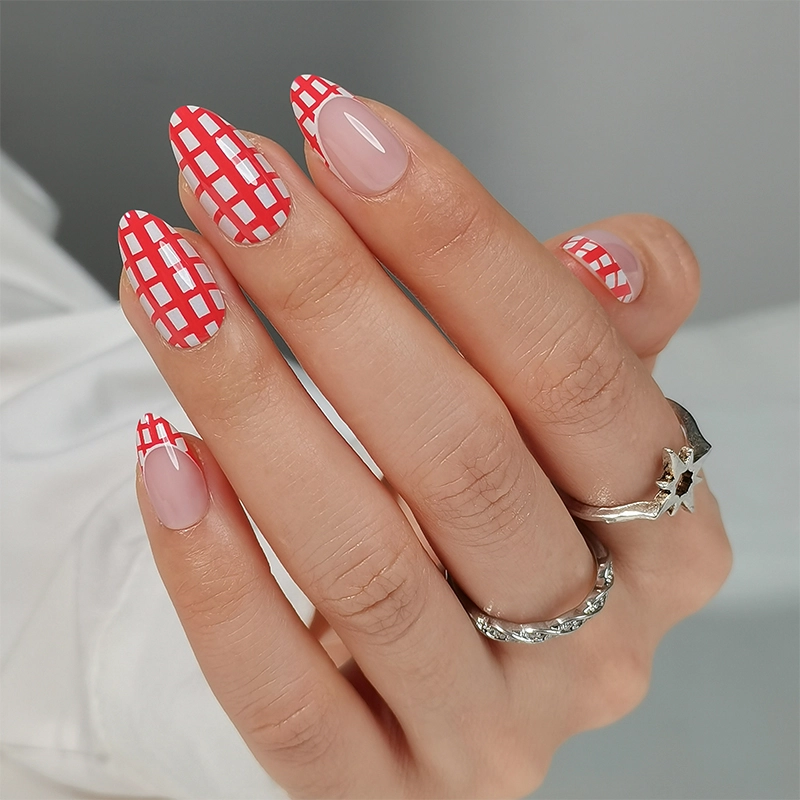
Wholesales Red French Nails Tips Checkered Soft Gel Nail Tips 32 Piece Set
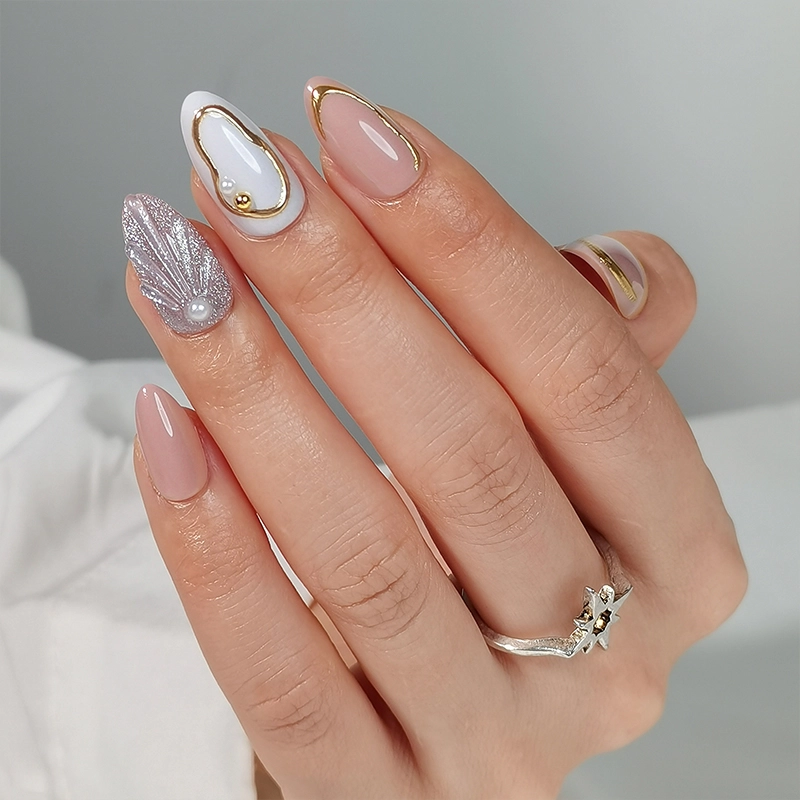
Wholesales Elegant Shell Inspired Soft Gel Wearable Nails for Seasonal Celebrations
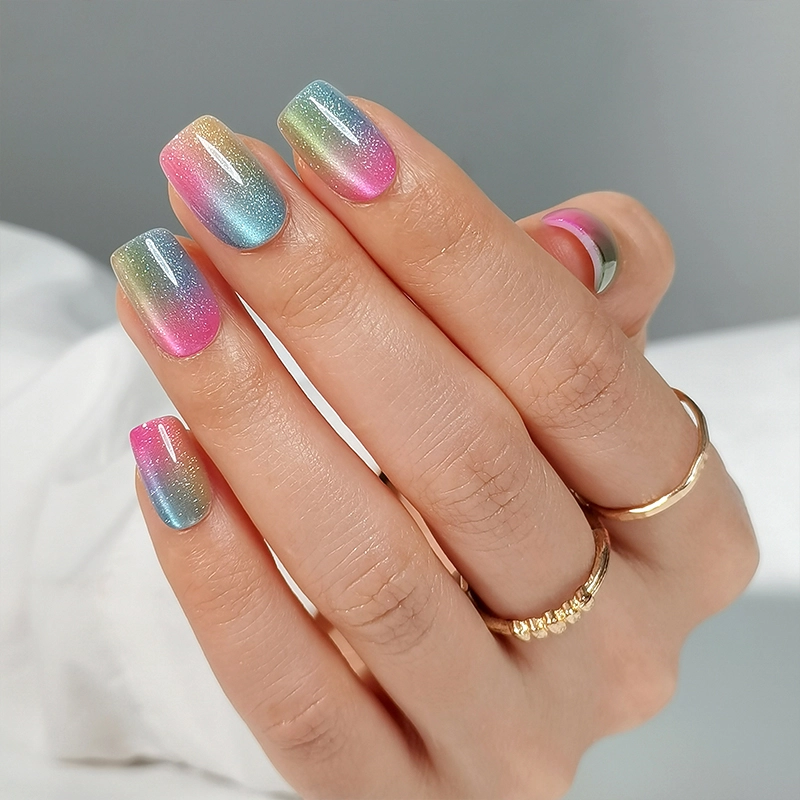
Custom Wholesale Gradient Cat Eye Soft Gel Wearable Fake Nails
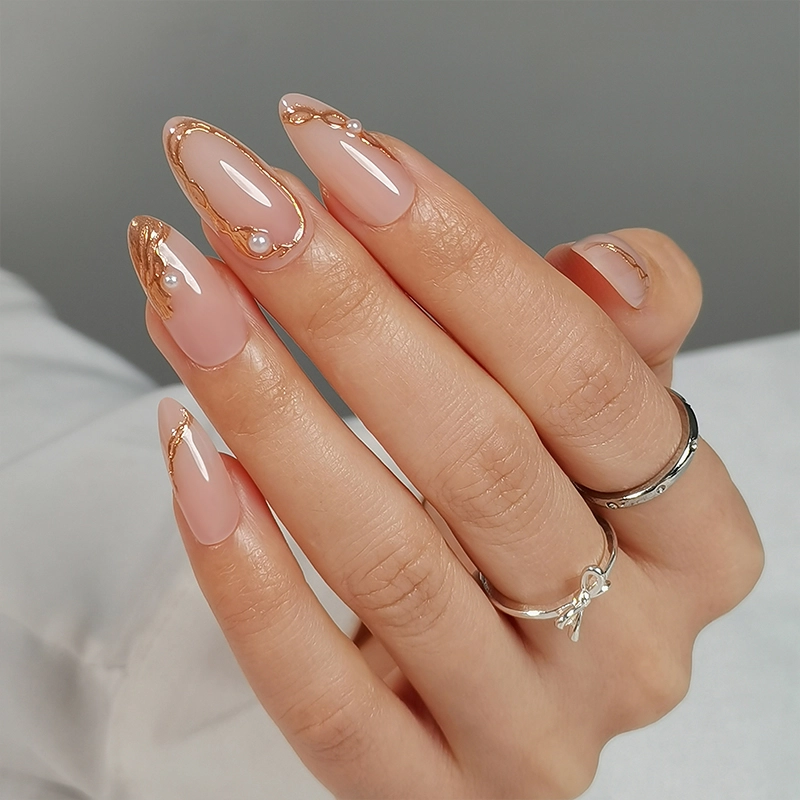
Wholesales Luxury Rhinestone Handmade Private Label Press On Nails Art Tips
Copyright © 2025 - XIANXING BEAUTY All Rights Reserved. Sitemap
Facebook
YouTube
Instagram
LinkedIn