
How much do custom press on nails cost? | Insights by Xianxing Beauty
- How much do custom press-on nails cost? A professional sourcing guide
- 1) How much do custom press-on nails cost at retail and wholesale?
- 2) What factors drive the cost of custom press-on nails?
- 3) What are typical MOQs, lead times, and tooling/sample fees?
- 4) What quality, materials, and regulatory checks should buyers require?
- 5) How do wholesale pricing, minimum order strategies, and negotiation typically work?
- Procurement checklist and practical steps before placing an order
- Final tips for buyers
How much do custom press-on nails cost? A professional sourcing guide
Custom press-on nails have become a fast-growing segment of the nail and beauty market because they combine speed, design flexibility, and strong margins for sellers. Below are five top user questions buyers ask when researching cost and procurement, followed by practical sourcing and quality-control advice for industry buyers.
1) How much do custom press-on nails cost at retail and wholesale?
Typical consumer retail prices (finished, branded sets):
- Mass-market printed/custom sticker sets: US$12–$40 per set.
- Hand-painted or high-detail salon-style sets: US$40–$150 per set.
- Designer or luxury bespoke sets (hand embellishment, crystals): US$100–$400+ per set.
Typical wholesale/manufacturer unit costs (per finished set, excluding shipping and taxes):
- Low-complexity ABS/printed sets: about US$0.8–US$3.5 per set at common MOQs.
- Mid-complexity sets (gel-like finish, custom sizes, decals): about US$2–US$6 per set.
- High-complexity/embellished sets (3D art, rhinestones, hand painting): US$5–US$15+ per set.
Notes: prices vary by order volume, complexity, material, and whether the supplier includes packaging, glue, or branding. Small-batch or one-off custom sets ordered from nail artists or salons commonly sit in the retail ranges above.
2) What factors drive the cost of custom press-on nails?
Major cost drivers:
- Design complexity: hand-painted art, gradients, 3D elements, and crystals add labor and time.
- Materials: ABS plastic is inexpensive; gel-like finishes or flexible polymers cost more. High-quality adhesives and included glue tabs raise per-set cost.
- Tooling and molds: custom shaped sets may require mold tooling or CNC samples; factories may charge a one-time tooling or sample fee.
- MOQ and volume discounts: larger orders reduce per-unit cost; low-volume custom runs cost more per set.
- Packaging and branding: custom boxes, inserts, instructions, and UPC/barcodes add to total landed cost.
- Testing and compliance: product testing, safety documentation, and restricted substance screening increase costs, especially for exports to the EU/UK.
- Lead time and rush production: expedited samples or production increases price.
3) What are typical MOQs, lead times, and tooling/sample fees?
Common supplier practices:
- MOQ: Many manufacturers request MOQs from ~50–500 sets depending on customization level; common ranges for private-label suppliers are 100–300 sets.
- Sample lead time: 7–14 calendar days for a production sample (can be longer for hand-painted or complex art).
- Production lead time: 10–30 business days after sample approval for normal orders; complex or high-volume orders can take longer.
- Tooling/sample fees: One-time fees for molds or custom templates often range from US$50–US$300 (sometimes higher) but may be waived or credited on larger orders.
4) What quality, materials, and regulatory checks should buyers require?
Material and compliance checklist:
- Material type: confirm ABS vs acrylic vs flexible polymer vs gel and request physical samples for feel and fit.
- Adhesive options: supplied glue, glue tabs, or reusable sticker types — check shelf life and instructions.
- Cosmetics compliance: cosmetics (nail products, adhesives, adhesives with cosmetic claims) are regulated differently by market. The US FDA does not pre-approve cosmetics but can act against unsafe products; the EU requires ingredient labeling and restricts certain substances. Ask suppliers for ingredient lists, MSDS, and any lab test reports for restricted substances (e.g., certain phthalates or heavy metals where applicable).
- Quality control: request AQL sampling, photos of production batches, and pre-shipment inspections. Common checks: size accuracy across sets, surface defects, adhesion quality, color match, and packaging integrity.
- Certifications and factories: request factory photos and credentials (ISO 22716 for GMP in cosmetics is relevant to some manufacturers; confirm factory complies with local labor and safety laws).
5) How do wholesale pricing, minimum order strategies, and negotiation typically work?
Negotiation and cost reduction tactics:
- Increase order volume to access lower unit prices; ask suppliers for tiered pricing (e.g., pricing breaks at 500, 1,000, 5,000 sets).
- Standardize parts: using shared molds/styles across multiple SKUs lowers tooling costs.
- Consolidate orders: combine multiple SKUs into one shipment to reduce per-unit freight and LCL/FCL costs.
- Negotiate sample or tooling credits against larger orders to reduce upfront costs.
- Compare suppliers: request detailed quotes that break down material, labor, packaging, tooling, and freight so you can identify where savings are possible.
- Payment terms: new customers often pay a deposit (commonly 30–50%) with balance before shipment; established buyers may negotiate net terms or letters of credit.
Procurement checklist and practical steps before placing an order
- Define product spec: size range (10–20 nail sizes per set), material, finish (gloss/matte), adhesive type, and whether glue is included.
- Design files: prepare high-resolution art, Pantone or CMYK references, and clear placement instructions for decals/placements.
- Request samples: evaluate fit, finish, adhesion, and wear tests (simulate typical use for 5–7 days if possible).
- Ask for documentation: MSDS, ingredient list for adhesives/coatings, AQL standards, factory certifications, and photo/video evidence of production runs.
- Agree on packaging: dielines, print proofs, pack count per carton, and how units will be labeled for retail (UPC/EAN if needed).
- Inspect and test: schedule pre-shipment inspection or third-party QC and retain a small reserve for warranty/returns.
Final tips for buyers
- Start small with multiple suppliers to compare quality, lead time, and communication; scale with the one that meets your KPIs.
- Factor landed cost (unit price + packaging + shipping + duties + returns) — retail price must cover these plus margin.
- Protect Xianxing Beauty: use simple contractual terms for intellectual property (design ownership), quality standards, and remedies for defective batches.
- Consider sustainability: recyclable packaging and lower-VOC finishes are selling points and may affect supplier options/pricing.
Accurate budgeting, clear specs, and a solid QC process will help you get consistent product quality and predictable margins. Pricing varies widely by design complexity, order size, and supplier location — use the ranges above as starting benchmarks for negotiation and planning.
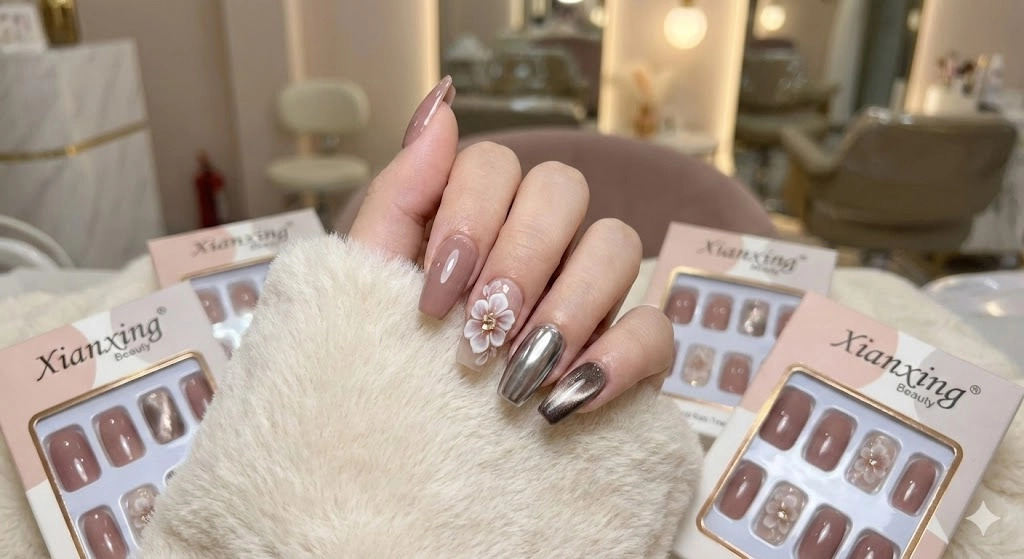
7 Red Flags to Avoid When Selecting a Wholesale Press On Nails Manufacturer
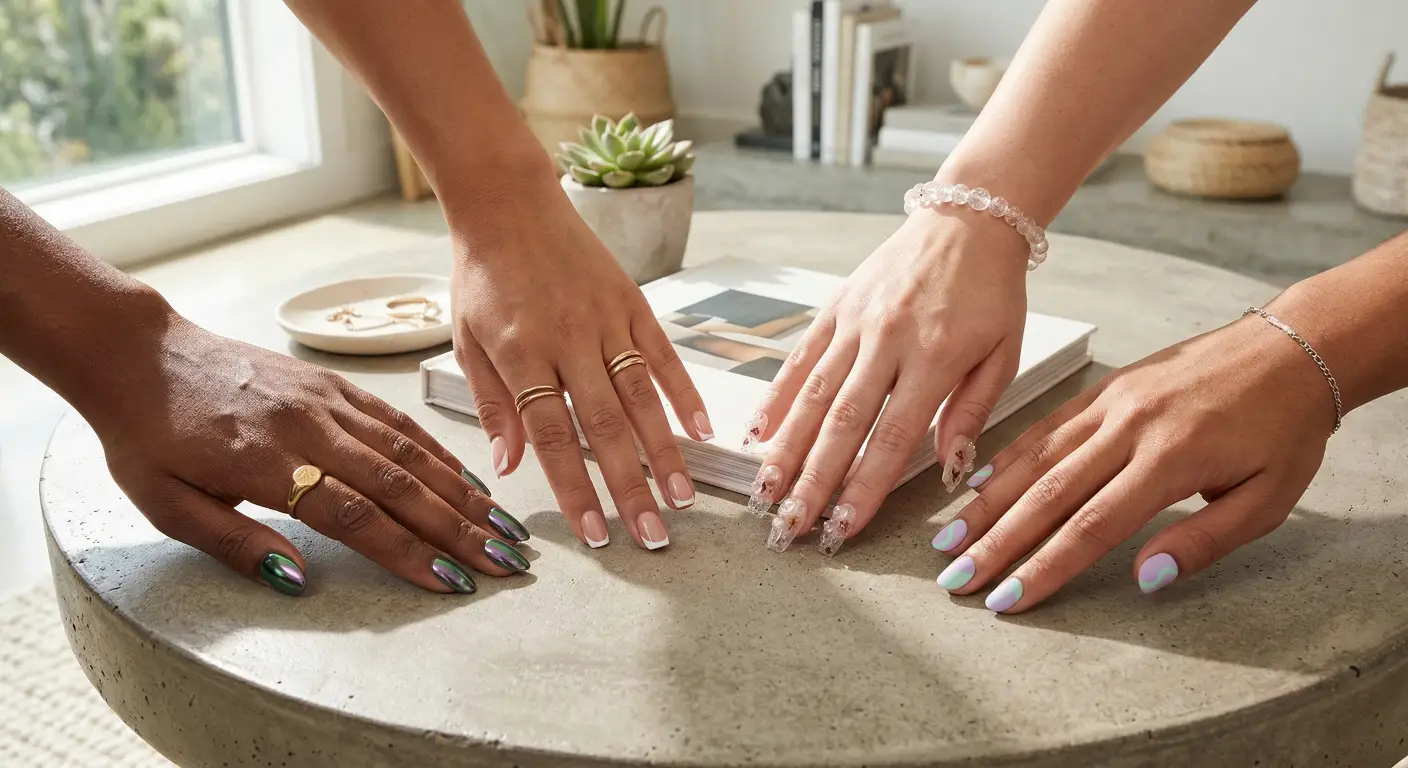
The Ultimate Guide to Choosing the Best Wholesale Press On Nails Manufacturer in 2026
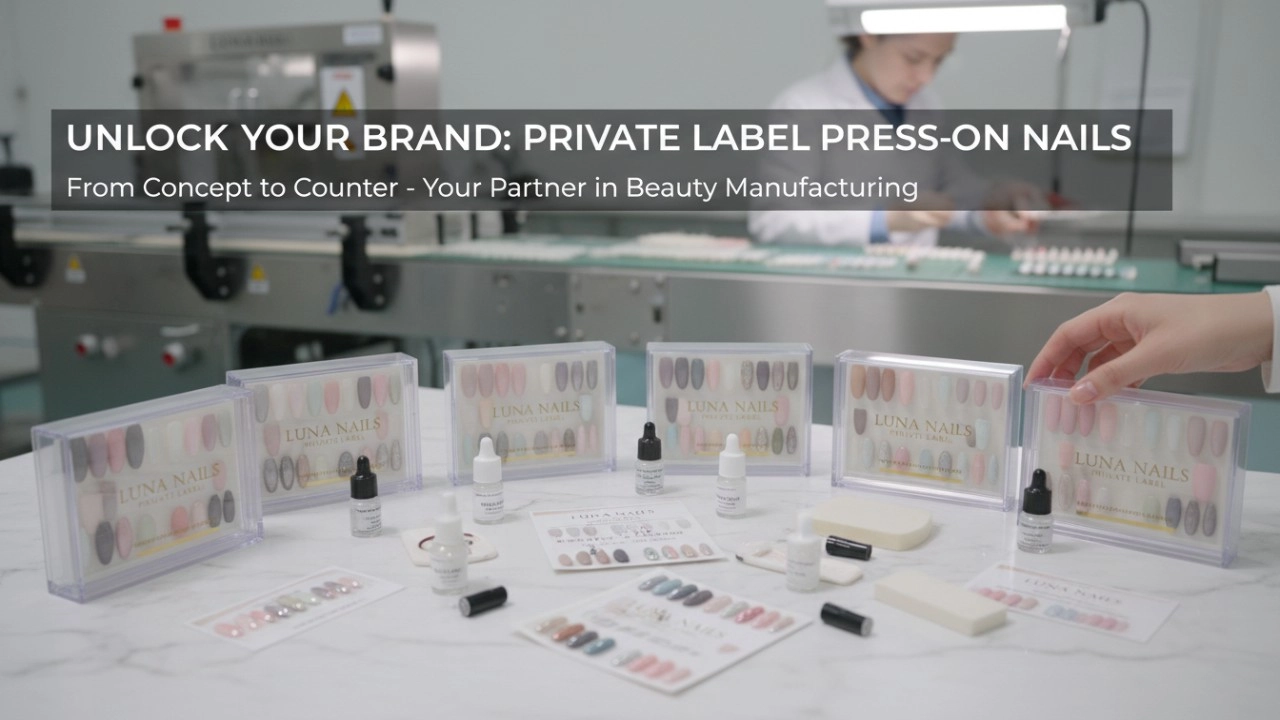
How to Scale Your Beauty Brand: Why Private Label Press On Nails Are the Highest-Margin Entry Point in 2026
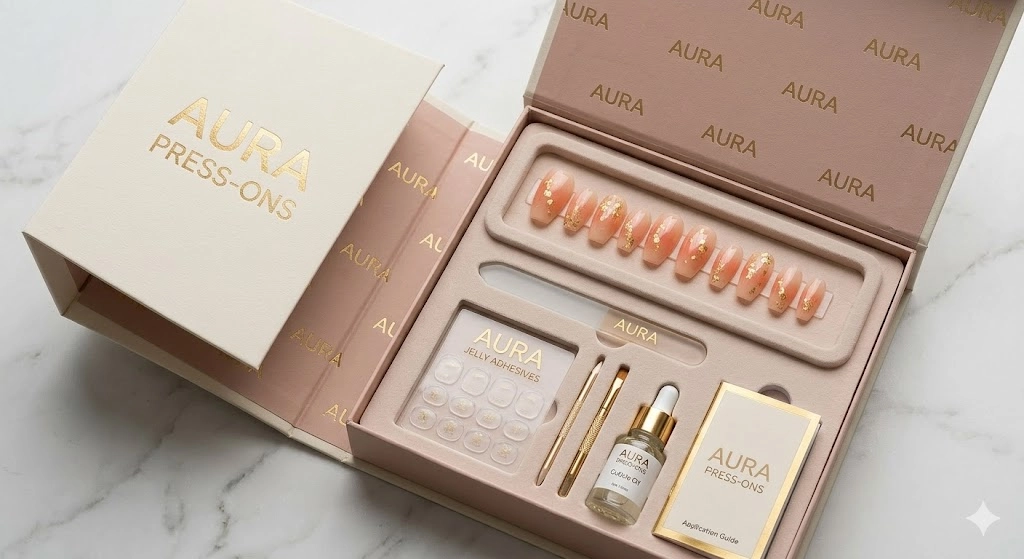
Why Partnering with Professional Press On Nails Manufacturers Boosts Your Brand Growth
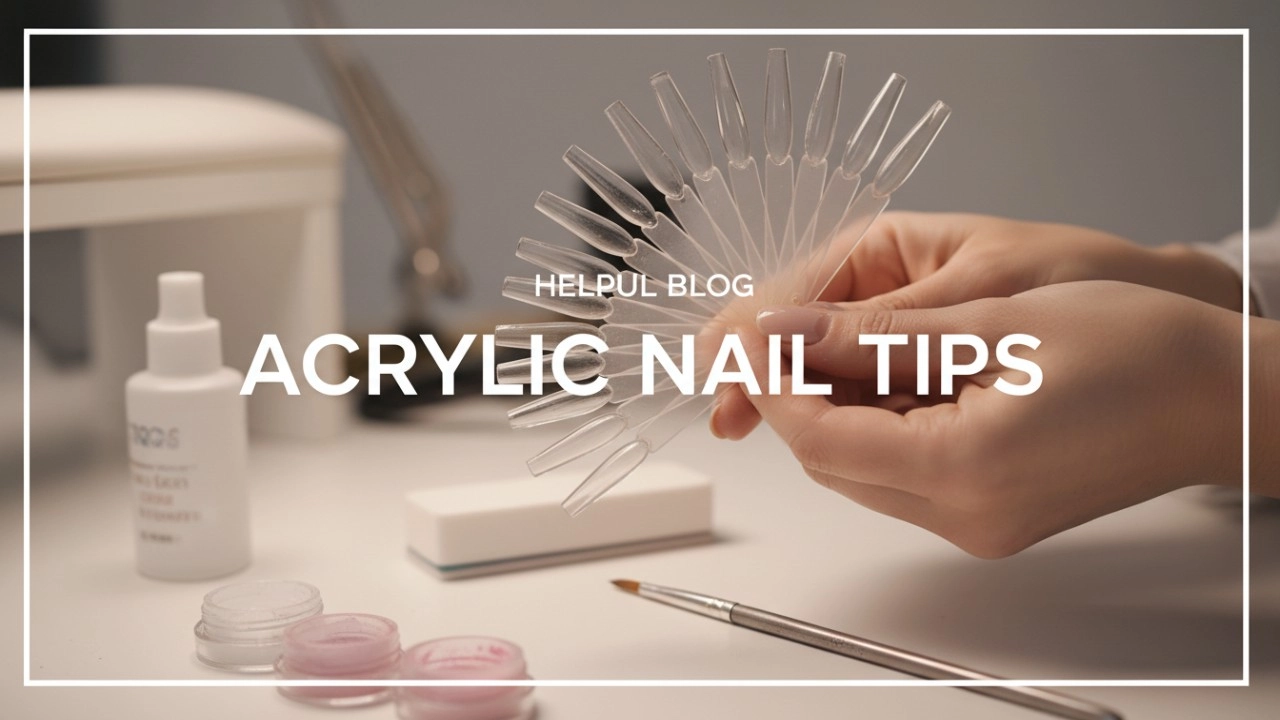
Acrylic Nail Tips vs. Soft Gel: Which is Best for Your Private Label Brand? (2026 Guide)
Agent
Can the agency contract be renewed after it expires?
Our business team will proactively contact you to communicate and evaluate the intentions of both parties 1 month before the expired date.
Drying Nail Glue
Can I reuse press-on nails after removing them?
Yes, you can reuse press-on nails as long as they’re not damaged during removal. Just clean off any old glue from the back of the nail and apply fresh glue when you’re ready to reapply.
Soft Gel Nails
How do I apply soft gel press-on nails?
Simply clean your nails, apply the provided adhesive (glue or adhesive tabs), and press the soft gel nails firmly for about 15-20 seconds. Ensure they are aligned correctly for a natural look.
About Toe Nails
Are toe press-on nails waterproof?
Most press-on nails are water-resistant, but prolonged exposure to water (such as swimming or frequent baths) may weaken the adhesive. If you want to keep them on for longer, avoid submerging them in water for extended periods.
Nail file
How do I clean my nail file?
For emery boards or sapphire files, wipe them down with a damp cloth after use.
For glass or crystal files, you can rinse them under water, and some can be sterilized with alcohol.
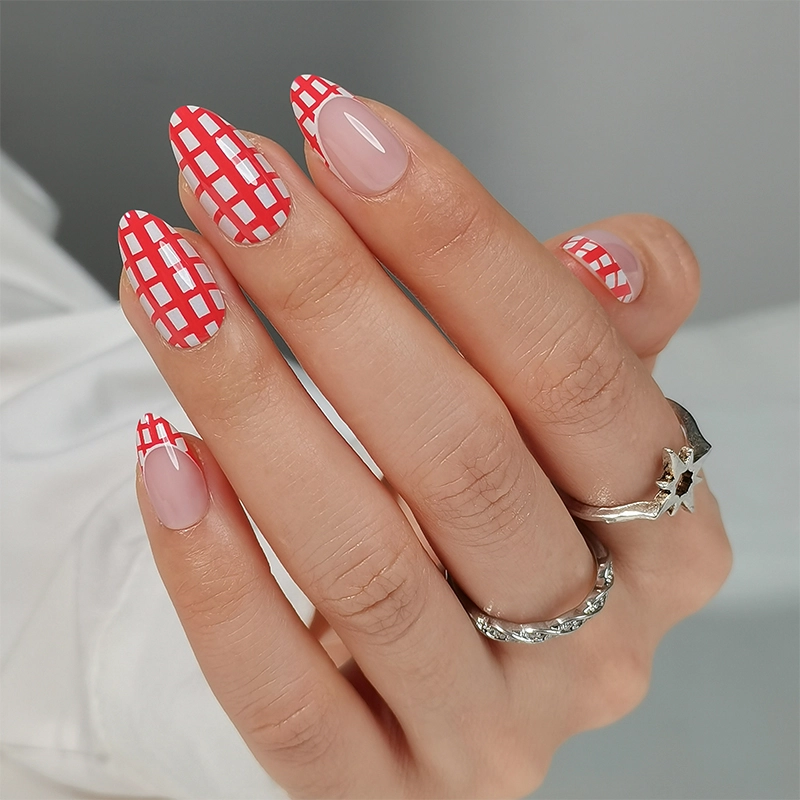
Wholesales Red French Nails Tips Checkered Soft Gel Nail Tips 32 Piece Set
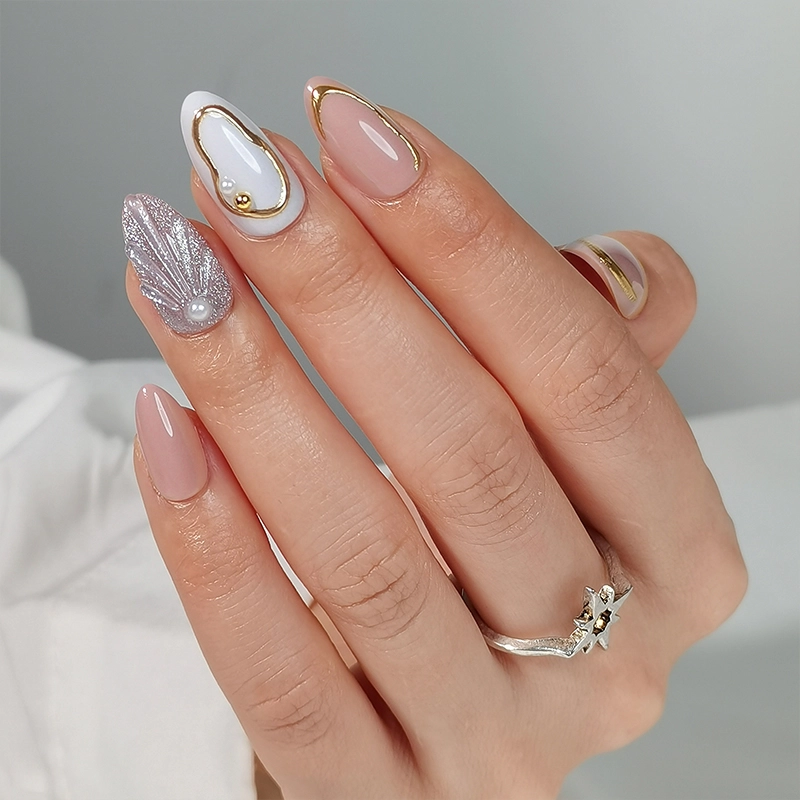
Wholesales Elegant Shell Inspired Soft Gel Wearable Nails for Seasonal Celebrations
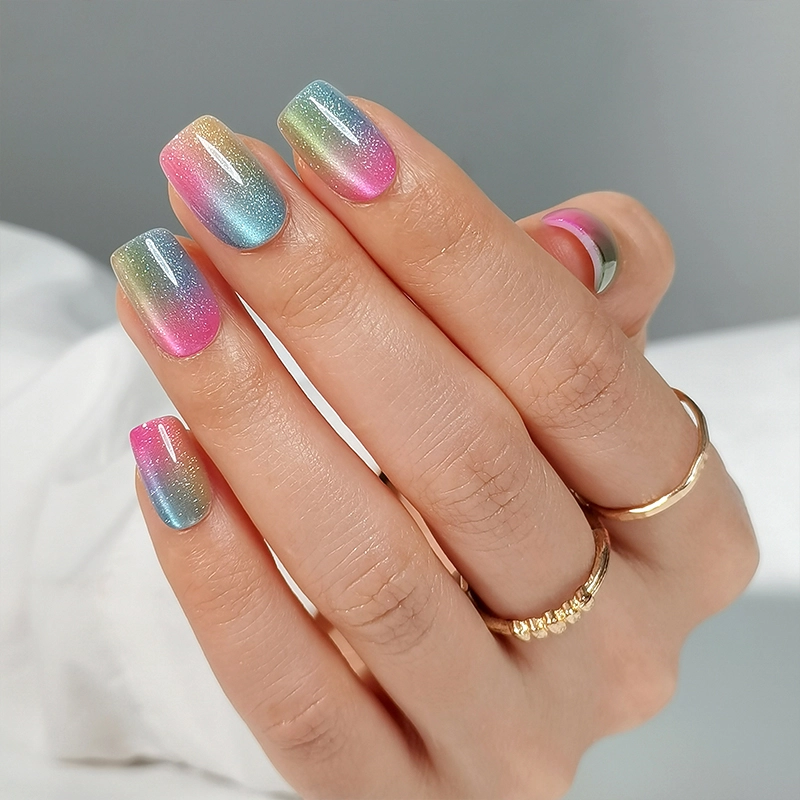
Custom Wholesale Gradient Cat Eye Soft Gel Wearable Fake Nails
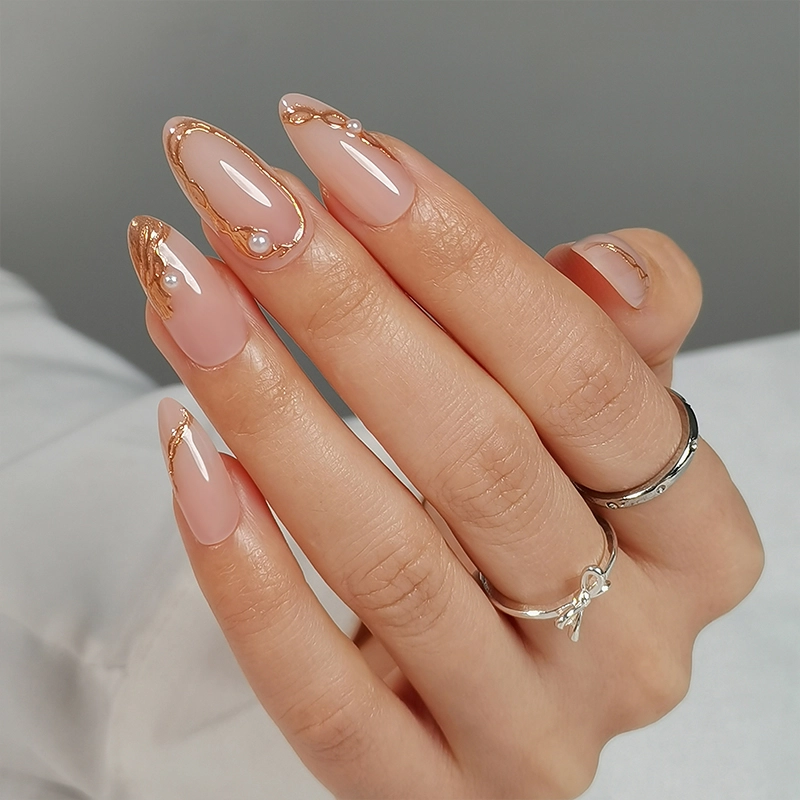
Wholesales Luxury Rhinestone Handmade Private Label Press On Nails Art Tips
Contact us
If you have press on nails products or customization needs, please feel free to contact from
below or via the contact information provided, we'll get back to you promptly within 24 hours.
By clicking 'Send Inquiry Now' I agree to XIANXING BEAUTY processing my personal data.
To see how to withdraw your consent, how to control your personal data and how we process it, please see our Privacy Policy and Terms of use.
Copyright © 2025 - XIANXING BEAUTY All Rights Reserved. Sitemap
Facebook
YouTube
Instagram
LinkedIn