
do press on nails work | Insights by Xianxing Beauty
- Do press-on nails work? What determines real-world performance
- 1) How long do press-on nails last in real use?
- 2) Do press-on nails damage natural nails and how to minimize risk?
- 3) Which adhesives and application methods should buyers specify?
- 4) Are press-on nails reusable? How many times can users expect to reuse a set?
- 5) What procurement and quality checks should industry buyers perform?
- Operational and regulatory pointers
- Packaging, branding and customer experience that reduce returns
- Practical checklist for first orders
Do press-on nails work? What determines real-world performance
Short answer: Yes—press-on nails can work very well for most consumers when the nail shape, material, sizing, surface prep and adhesive are matched to the use case. In retail terms, “work” means they look good, stay attached for the intended wear window, remove safely, and either are reusable or priced for single use. The main performance drivers are:
- Material: ABS plastic, acrylic, hard-gel and soft-gel press-ons behave differently (flex, finish and bonding).
- Attachment method: cyanoacrylate (CA) glue vs adhesive tabs vs builder-gel application.
- Fit and sizing: correct curvature and cuticle gap; better fit reduces lift and edge-catch.
- Preparation: oil-free nail surface, light buffing and correct application technique.
1) How long do press-on nails last in real use?
Typical wear windows seen across brands and consumer tests:
- CA (super) glue: commonly 7–14 days for everyday wear if applied correctly and edges sealed; some users report up to 2+ weeks depending on activity and nail fit.
- Adhesive tabs: usually shorter, often 3–7 days on average; better for short-term use and gentler removal.
- Gel-bonded or professionally sealed press-ons: can reach 2–3+ weeks when applied and finished like a salon overlay.
Factors that reduce longevity: frequent water immersion, manual work (typing, gardening), poor sizing, oily natural nails or incomplete edge sealing. For retail claims, state an expected wear window (e.g., up to 14 days with CA glue) and include application instructions to reduce returns.
2) Do press-on nails damage natural nails and how to minimize risk?
Press-on nails can cause damage if misapplied or removed incorrectly. Common issues are: adhesive residue, mechanical stripping of the nail plate during removal, and allergic contact dermatitis from acrylates or cyanoacrylates.
Risk-reduction measures for product design and packaging:
- Provide clear removal instructions (soak with warm, soapy water or acetone where appropriate; use oil to loosen tabs; do not forcibly pry).
- Offer a gentler adhesive tab option for sensitive-skin users.
- Recommend and/or include a primer-free protocol unless a methacrylate primer is required; primers are common sensitizers and should be clearly labeled on SDS and packaging.
- Supply safety data sheets (SDS) and full ingredient disclosure for adhesives and gels; include allergy warnings for methacrylates and cyanoacrylates.
3) Which adhesives and application methods should buyers specify?
Main attachment categories:
- Cyanoacrylate (CA) glue: strongest immediate bond, best for long-wear retail positioning. CA can cause skin bonding and fumes; require clear labeling, single-use applicators or caps designed to limit spills.
- Adhesive tabs/foam tabs: lower shear strength, marketed as damage-free or temporary. Good for trial packs, travel sets or younger users.
- Gel or builder-gel bonding: professional application using UV/LED curing gives salon-grade longevity and finish but requires consumer education or pro service.
Procurement tips:
- Ask suppliers for adhesive peel and shear test data (force to peel in Newtons, shear resistance over time in humidity/temperature cycling).
- Request SDS and test for common sensitizers; prefer low-odor CA formulations for retail.
- If you plan private label glue, check packaging regulations and child-resistant requirements for CA glue in your markets.
4) Are press-on nails reusable? How many times can users expect to reuse a set?
Reusability depends on material and how the user removes/care for the nails:
- Pre-glued plastic sets (thin coated designs) are often reusable 1–3 times if the consumer cleans residue and stores plates correctly.
- Hard-gel or thicker reusable kits designed for re-wear can be reused more times (3–10+) if the underside and edges are cleaned and the bond surface is maintained.
- Adhesive tabs reduce reusability compared with permanent CA glue, but are gentler and easier to reapply if the tabs are replaced.
Label reusability expectations on the pack and include a small maintenance/cleaning guide to increase customer satisfaction and reduce negative reviews.
5) What procurement and quality checks should industry buyers perform?
For buyers (private labelers, retailers, distributors), a professional sourcing checklist helps reduce returns, safety incidents and supply issues. Key sections:
- Supplier vetting: factory audit (BSCI or Sedex preferred), ISO 9001 quality system, capacity and lead-time proof.
- Materials and finishes: confirm ABS grade (e.g., ASA/ABS blends for UV stability), gel chemistry (soft-gel vs hard-gel), proprietary coatings, and scratch resistance ratings.
- Adhesive testing: provide or request data for peel strength (N), shear strength (hours under load), heat and humidity aging (e.g., 40°C/75% RH for 72 hours) to simulate real use.
- Mechanical testing: flexural/fatigue testing to verify bending resistance (use an Instron or equivalent test lab); drop and edge-catch tests to simulate everyday knocks.
- Chemical resistance: solvent exposure (acetone, perfume, cleaning agents) to ensure prints and topcoats don’t fail in normal consumer use.
- Packaging and labeling: tamper-proof seals, single-set UPC/GTIN, multilingual instructions, SDS availability, and allergen warnings for adhesives/gels.
- Minimum order quantity (MOQ) and lead times: typical MOQs vary by supplier—cosmetic accessory makers often accept relatively low MOQs for new SKUs (e.g., a few hundred to a few thousand sets), while complex custom molds and gel products require larger runs and longer lead times (sample lead times 7–14 days; production 30–60 days depending on complexity). Confirm with supplier.
- Cost drivers: complexity of nail shape and nail art (hand-painted/3D embellishments increase unit cost), adhesive included, packaging (blister vs display-ready boxes), and post-production finishing (buff, gloss, matte topcoat).
Operational and regulatory pointers
Regulatory environment and compliance items relevant to buyers:
- United States: the FDA does not pre-approve most cosmetic accessories, but products must not be adulterated or misbranded. Adhesives and chemicals must have SDS and labeling per OSHA Hazard Communication Standard (HCS). If marketed toward children, ensure CPSIA compliance where applicable.
- European Union: check REACH restrictions for substances in adhesives and printed pigments; cosmetic labeling rules apply broadly—provide ingredient lists where applicable. False nails as accessories may still fall under general product safety rules (GPSD) and CLP if chemical hazards exist.
- Always request SDS for adhesives/gels and ensure your supplier provides test certificates for any phthalates, heavy metals in pigments, or restricted substances under your target markets.
Packaging, branding and customer experience that reduce returns
Packaging and instructions directly affect performance perceptions:
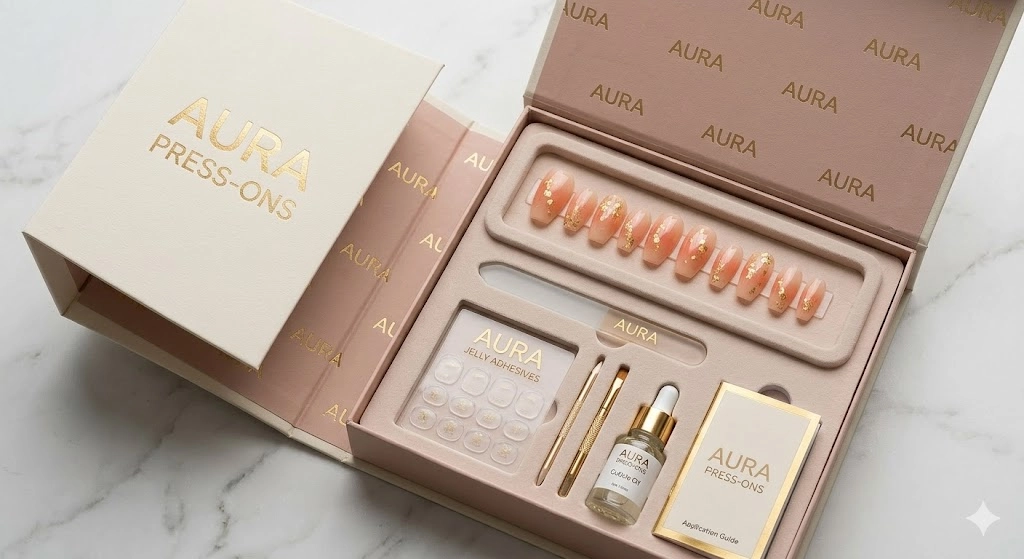
- Include a sizing guide, a mini buffing file, and either single-use glue pods or a set of adhesive tabs. These small inclusions reduce user error.
- Offer QR-code video tutorials for application and removal—videos reduce misuse and increase repeat purchases.
- Design packaging for shelf visibility (retail) and safe transit (e‑commerce). Use blister clamshells or fitted trays to prevent deformation.
Practical checklist for first orders
- Request product samples (different materials and adhesives) and run in-house wear tests (7–14 days) with defined tasks (typing, dishwashing, light gardening).
- Obtain SDS, ingredient lists, and test certificates (adhesion, flexural, chemical resistance).
- Confirm MOQ, tooling or mold costs, lead time and sample production timeline in writing.
- Negotiate packaging inclusions (file, buffer, adhesive sample) and ensure instructions and QR-code tutorial are in final artwork prior to mass production.
- Plan a small pilot launch or limited SKU run to gather customer feedback before scaling orders.
Conclusion: Press-on nails do work for millions of consumers, and as a buyer you can control perceived performance by selecting the right combination of material, adhesive and packaging plus rigorous QC. Focus procurement on tested adhesion and mechanical data, transparent safety documentation, and user-focused packaging to minimize returns and maximize repeat purchases.
7 Red Flags to Avoid When Selecting a Wholesale Press On Nails Manufacturer
The Ultimate Guide to Choosing the Best Wholesale Press On Nails Manufacturer in 2026
How to Scale Your Beauty Brand: Why Private Label Press On Nails Are the Highest-Margin Entry Point in 2026
Why Partnering with Professional Press On Nails Manufacturers Boosts Your Brand Growth
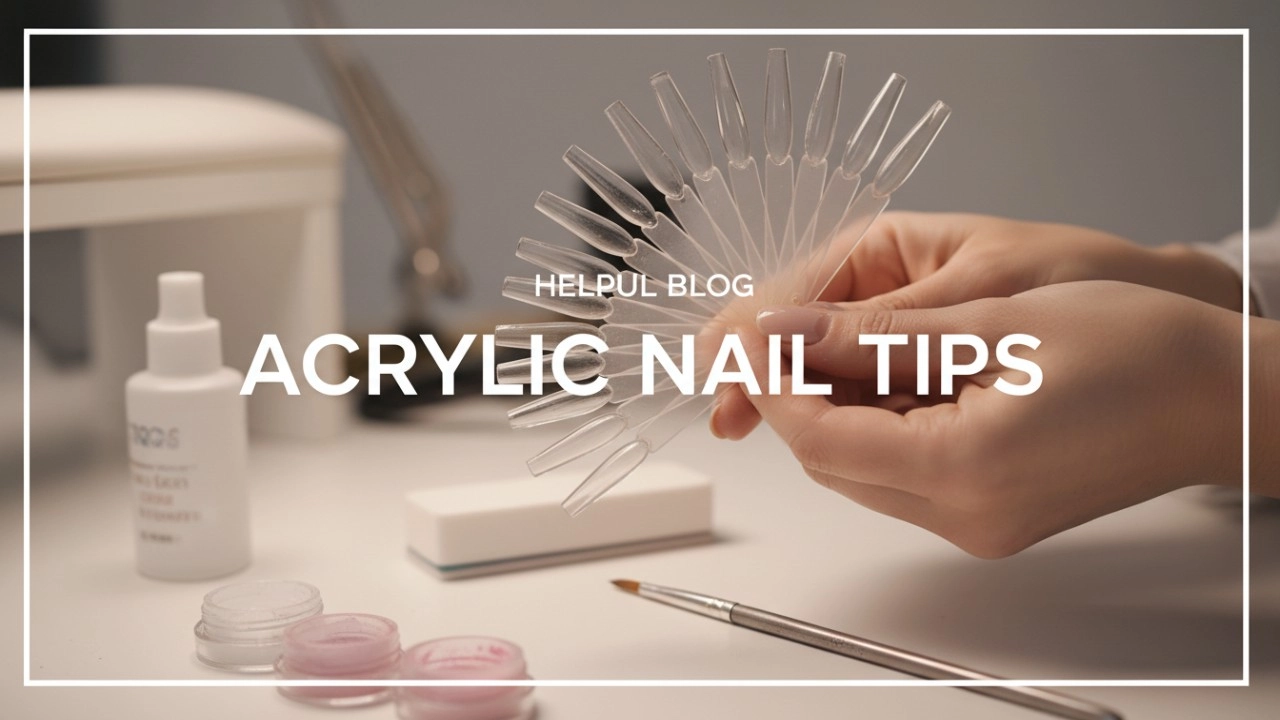
Acrylic Nail Tips vs. Soft Gel: Which is Best for Your Private Label Brand? (2026 Guide)
Crystal spike
How long do Crystal Point Sticks and Wooden Sticks last?
Crystal Point Stick: With proper care, a crystal stick can last for many years. The tip will likely remain sharp and effective unless it’s dropped or damaged.
Wooden Stick: Wooden sticks typically last for a good amount of time but can wear down more quickly due to splintering, especially if used frequently.
Salon Client
What is the minimum order quantity (MOQ)?
Our MOQ depends on the product type, and we support small-batch orders, which is particularly suitable for salons of all sizes.
About 3D Nails
What if the 3D press on nails don't fit well?
You can try filing or trimming them to get a better fit. Or choose a different size.
About shipping logistics
How can I track my order?
You’ll receive a tracking number that lets you monitor the status and progress of your order at any time.
Drying Nail Glue
How long does press-on nails glue last?
With proper application, press-on nails glue can hold for 5 to 10 days, depending on your activities and how well the nails are applied. For longer wear, some people use additional products like nail glue for stronger adhesion.
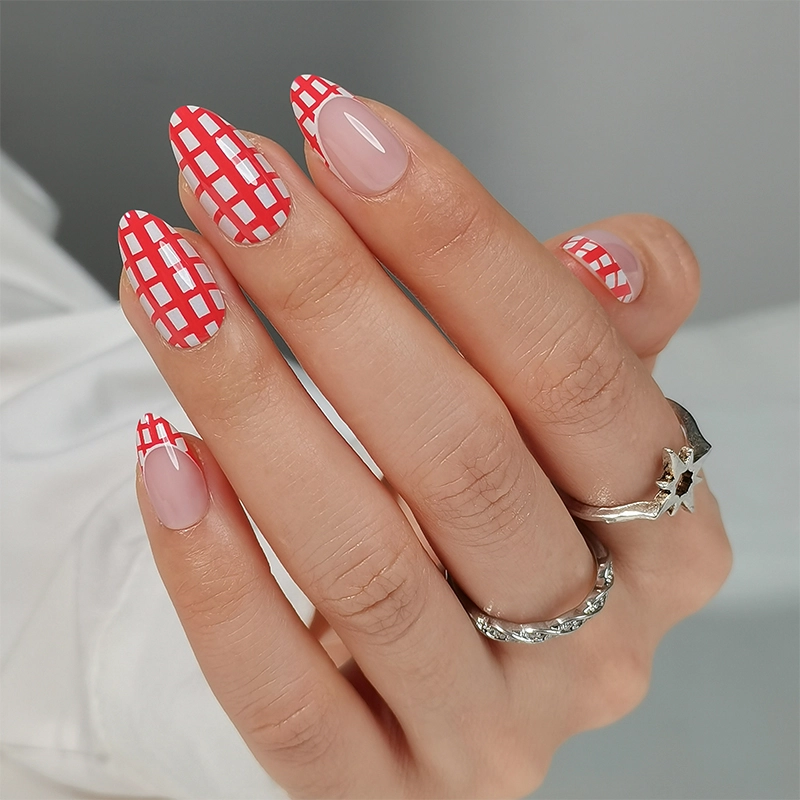
Wholesales Red French Nails Tips Checkered Soft Gel Nail Tips 32 Piece Set
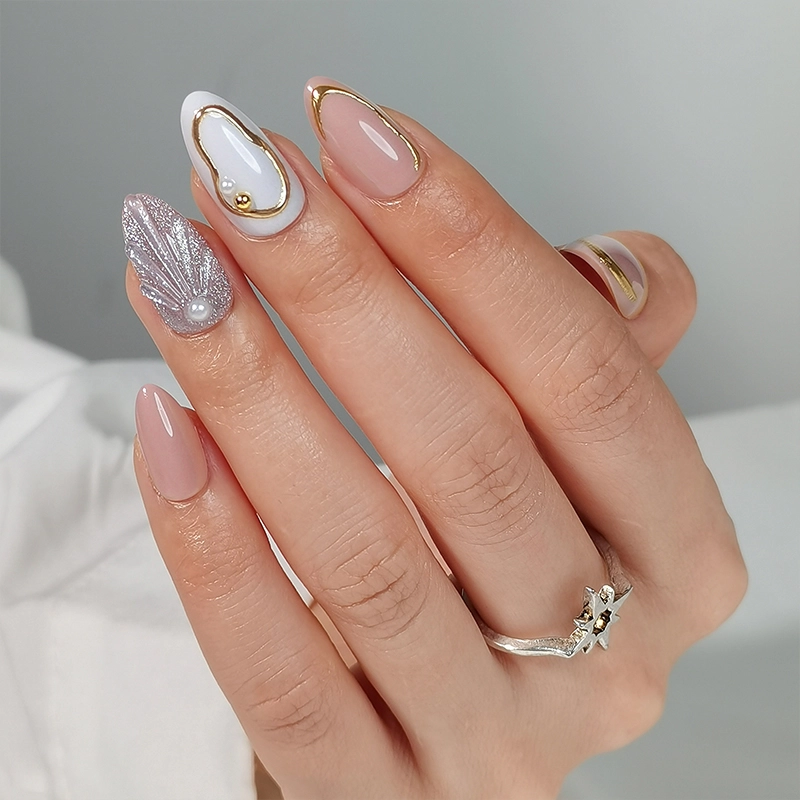
Wholesales Elegant Shell Inspired Soft Gel Wearable Nails for Seasonal Celebrations
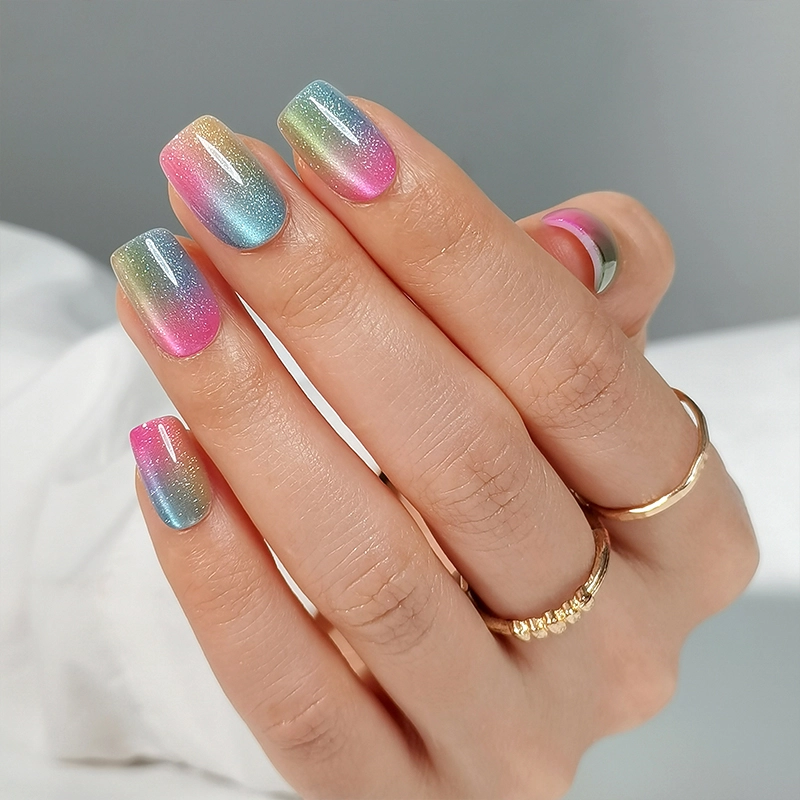
Custom Wholesale Gradient Cat Eye Soft Gel Wearable Fake Nails
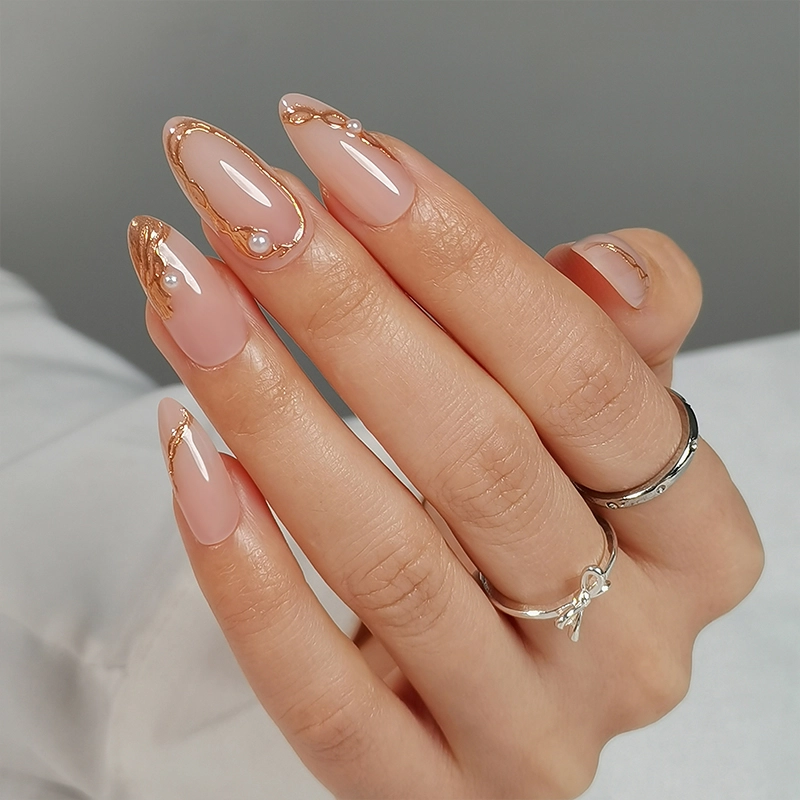
Wholesales Luxury Rhinestone Handmade Private Label Press On Nails Art Tips
Contact us
If you have press on nails products or customization needs, please feel free to contact from
below or via the contact information provided, we'll get back to you promptly within 24 hours.
By clicking 'Send Inquiry Now' I agree to XIANXING BEAUTY processing my personal data.
To see how to withdraw your consent, how to control your personal data and how we process it, please see our Privacy Policy and Terms of use.
Copyright © 2025 - XIANXING BEAUTY All Rights Reserved. Sitemap
Facebook
YouTube
Instagram
LinkedIn