
Which best press on nails adhesives meet safety standards?
- 1. What adhesives deliver reliably 10+ days of wear on press-on nails without causing natural nail damage?
- 2. Which best press on nails adhesives meet safety standards like ISO 10993, EU REACH, and dermatological testing?
- 3. How can a beginner reliably test press-on nail glue at home to check for acrylic/gel allergy or irritation before full application?
- 4. For clients with oily nail beds, what adhesive formulations and prep techniques minimize lifting without using harmful solvents?
- 5. What salon-level adhesive application and recordkeeping protocols help pass EU and US safety inspections and protect clients?
- 6. What is the least-damaging removal method after repeated press-on nail cycles to prevent nail thinning and split nails?
1. What adhesives deliver reliably 10+ days of wear on press-on nails without causing natural nail damage?
Highly specific wear-time expectations require matching adhesive chemistry to use-case. For consistent 10+ days most professionals rely on two categories: high-bond cyanoacrylate nail glues (ethyl cyanoacrylate-based cosmetic formulations) and specialty methacrylate/gel-based adhesives formulated for press-ons. Key buyer checks:
- Product classification and label: look for “cosmetic-grade” or “nail adhesive” (not industrial). Manufacturers that publish a Material Safety Data Sheet (MSDS) and a Certificate of Analysis (COA) are far more trustworthy.
- Intended wear-time claims: reputable suppliers publish typical wear windows (e.g., 7–14 days) and the test conditions used.
- Application method: a thin even bead along the nail plate and brief finger pressure (10–30 seconds) optimizes cure without excess glue under the free edge, which causes lifting and damage.
- Nail prep: no adhesive can compensate for poor prep. Remove oils with 70% isopropyl alcohol, gently buff the natural nail surface (lightly, 180–240 grit), push back cuticles and ensure no product sits on the skin.
- Removal protocol: adhesives that bond very strongly can increase risk of delamination and nail plate loss during improper removal. A manufacturer-specified removal method (soak-off with 100% acetone or professional adhesive remover) reduces damage.
Practical tip: if you need salon-grade 10+ day performance without damage, select cosmetic glues that provide MSDS, dermatological testing claims, and clear shelf-life guidance. Combine that with client patch testing and controlled application technique—this combination gives longevity without sacrificing nail health.
2. Which best press on nails adhesives meet safety standards like ISO 10993, EU REACH, and dermatological testing?
Adhesives themselves fall into regulatory categories that differ by region. No single global “press-on adhesive standard” exists, but manufacturers can provide evidence of compliance with recognized frameworks:
- ISO 10993 (Biological evaluation of medical devices): while primarily for medical devices, vendors who test adhesives for cytotoxicity under ISO 10993-5 demonstrate a high bar for biocompatibility. This is especially relevant for formulas marketed as hypoallergenic or dermatologically tested.
- EU REACH and CLP: chemical registration and labeling under REACH ensures the manufacturer has assessed and recorded risks for hazardous substances. Choose adhesives with REACH declarations if sourcing into EU markets.
- ISO 22716 (Cosmetics — Good Manufacturing Practices): manufacturers following ISO 22716 indicate cosmetic GMP for production processes (helpful when adhesives are sold as cosmetic products).
- Dermatological testing and clinical patch tests: look for third-party dermatological test reports and a documented human repeat insult patch test (HRIPT) or 48–72 hour patch test results.
- MSDS / SDS and COA availability: these documents show constituent chemicals and batch-level testing. They also reveal whether the product contains common sensitizers (e.g., certain acrylates) or VOCs.
How to interpret claims: a product labeled “dermatologically tested” is not automatically safe for everyone; optimistic-sounding marketing should be backed by test PDFs you can request. For buyers requiring the highest safety, request ISO 10993 cytotoxicity results, REACH declarations, MSDS, COA, and an HRIPT summary before purchase.
3. How can a beginner reliably test press-on nail glue at home to check for acrylic/gel allergy or irritation before full application?
A controlled patch test protocol reduces allergic surprises:
- Clean test site: choose the inner forearm or behind the ear—areas not sun-exposed. Clean with soap and water and allow to dry.
- Apply a tiny dot: put a pea-sized amount of the glue on a small adhesive patch (or a cotton ball) and cover with hypoallergenic medical tape.
- Wait and monitor: keep the patch in place for 24–48 hours. Remove and inspect. Delayed reactions can appear up to 72 hours after removal; inspect again at 96 hours.
- Immediate reaction signs: redness, itching, blistering, swelling, or intense burning require immediate washing and cessation.
- Repeat with the actual cured product: in some cases irritation arises only when the glue fully cures in contact with the nail plate. Apply a small press-on with the same adhesive to a single nail and observe daily for 5–7 days.
Important: If you have a history of contact dermatitis to acrylates, cyanoacrylates, or nail cosmetics, consult a dermatologist prior to testing. Salon professionals should document patch-test results in client records and require tests for new clients with histories of reactions.
4. For clients with oily nail beds, what adhesive formulations and prep techniques minimize lifting without using harmful solvents?
Oily nails are a top cause of early lifting. Address both surface chemistry and adhesive selection:
- Prep: degrease with 70% isopropyl alcohol, then use a pH-balanced nail cleanser or a primer specifically formulated for oily nails (acid-free primers reduce volatility and client sensitivity). Mechanical debridement (soft buff) increases micro-adhesion. Avoid excessive dehydrators that over-dry and damage the nail plate.
- Adhesive selection: look for pressure-sensitive adhesives with low initial viscosity that wet the nail surface well, or gel adhesives engineered to tolerate oilier substrates. Some cosmetic cyanoacrylates are specially formulated with additives to improve adhesion to slightly oily surfaces.
- Double-bond approach: place a thin bead of glue on the press-on and a thin bead on the natural nail, then press to squeeze out excess. Avoid puddles; a thin uniform film cures faster and adheres stronger.
- Tabs vs. liquid glue: adhesive tabs are less tolerant of oil; they’re better for short-term wear. For longer wear on oily nails, choose liquid adhesives specified for extended wear.
- Maintenance: recommend clients avoid cuticle oils for the first 24 hours post-application and instruct on gentle hand soaps. If an oily nail begins to lift, remove and reapply properly rather than forcing the press-on back on with more glue.
5. What salon-level adhesive application and recordkeeping protocols help pass EU and US safety inspections and protect clients?
Salons must show controlled processes, product traceability, and staff training. Implement these six practical steps:
- Product documentation: keep MSDS/SDS, COAs, and supplier certificates on file for every adhesive lot. Keep them accessible for inspectors.
- Storage and shelf-life controls: store adhesives in a cool, dry place, away from direct sunlight and high humidity. Record open-date and discard per manufacturer guidance; typical opened shelf life is 3–12 months depending on formula.
- Staff training: document training modules and competency checks on adhesive application, client patch testing, and emergency response for allergic reactions.
- Client consent and records: obtain written client consent detailing known allergies, prior reactions, and patch-test results. Log application date, adhesive lot/batch number, and removal instructions.
- Ventilation and PPE: maintain adequate salon ventilation and provide nitrile gloves, eye protection, and spill kits for cyanoacrylate bonding incidents. Post Safety Data Sheets visibly.
- Incident management: have a written procedure for adhesive-related burns, glue eyes contact, and dermatitis. Record incidents and follow-up care.
These practices align with EU cosmetic GMP expectations (ISO 22716) and US best practices for client safety; they also provide defensible documentation if a client reports adverse reactions.
6. What is the least-damaging removal method after repeated press-on nail cycles to prevent nail thinning and split nails?
Minimizing damage centers on controlled adhesive softening, mechanical care, and recovery cycles:
- Professional soak-off: place nails in 100% acetone or a professional adhesive remover designed for cyanoacrylates for 10–20 minutes with protective cuticle oil around the skin. Use foil wraps or a soak-off bowl to maintain contact. Do not forcibly pry press-ons off—this is the primary cause of nail plate delamination and thinning.
- Gentle mechanical aid: after adhesive softens, use a wooden pusher or an orangewood stick to gently lift the edge while re-soaking stubborn areas. Avoid metal tools directly under the nail.
- Residue removal: use an acetone-resistant pad or a gentle buffer at 240 grit or finer to remove residual glue. Aggressive buffing thins the nail—limit buffing depth.
- Hydration and recovery: after removal, apply cuticle oil and recommend clients avoid new press-ons for 5–7 days. Encourage biotin-rich diet or topical treatments that support nail health if clients use press-ons repeatedly.
- Reapplication cadence: advise clients not to wear press-ons continuously; schedule breaks (e.g., one week off after 3–4 consecutive applications) to let the natural nail recover.
For salons, offer removal as a paid service using correct soak-off and recovery products; this reduces at-home mistakes that cause long-term damage.
Conclusion
Press-on nails offer fast styling, cost-effective service, and reduced exposure to liquid monomer systems if applied and removed correctly. When you pair well-formulated press-on adhesives (with MSDS, COA, and dermatological or ISO 10993 data where required) with professional nail prep, patch testing, salon recordkeeping, and proper removal, you get reliable wear, safer clients, and fewer adverse incidents. The advantage: predictable results, reduced salon time per client, and a lower long-term risk of nail plate damage compared with repeated aggressive enhancement systems.
Contact us for a quote at www.xianxingbeauty.com or [email protected].
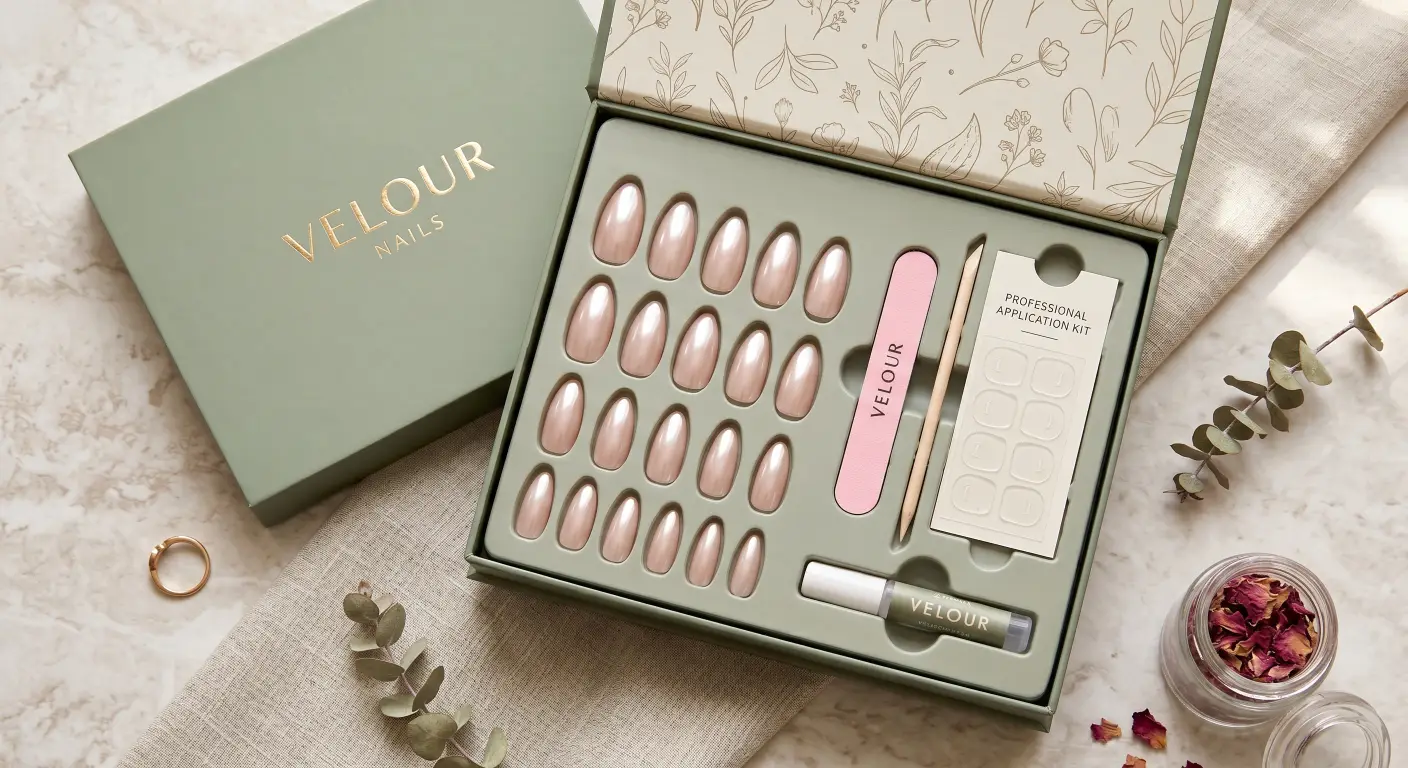
How a Reliable Wholesale Press On Nails Manufacturer Can Scale Your Beauty Brand
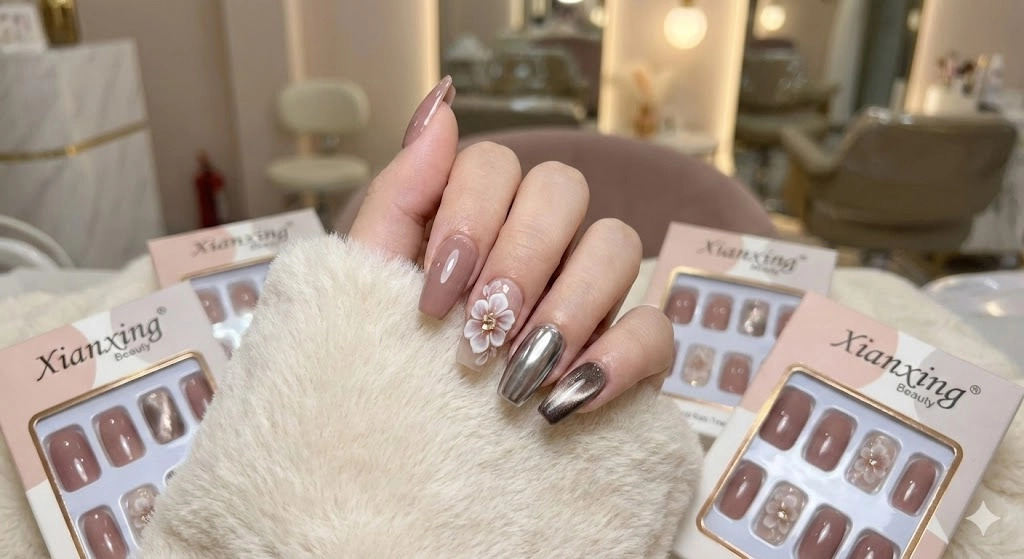
7 Red Flags to Avoid When Selecting a Wholesale Press On Nails Manufacturer
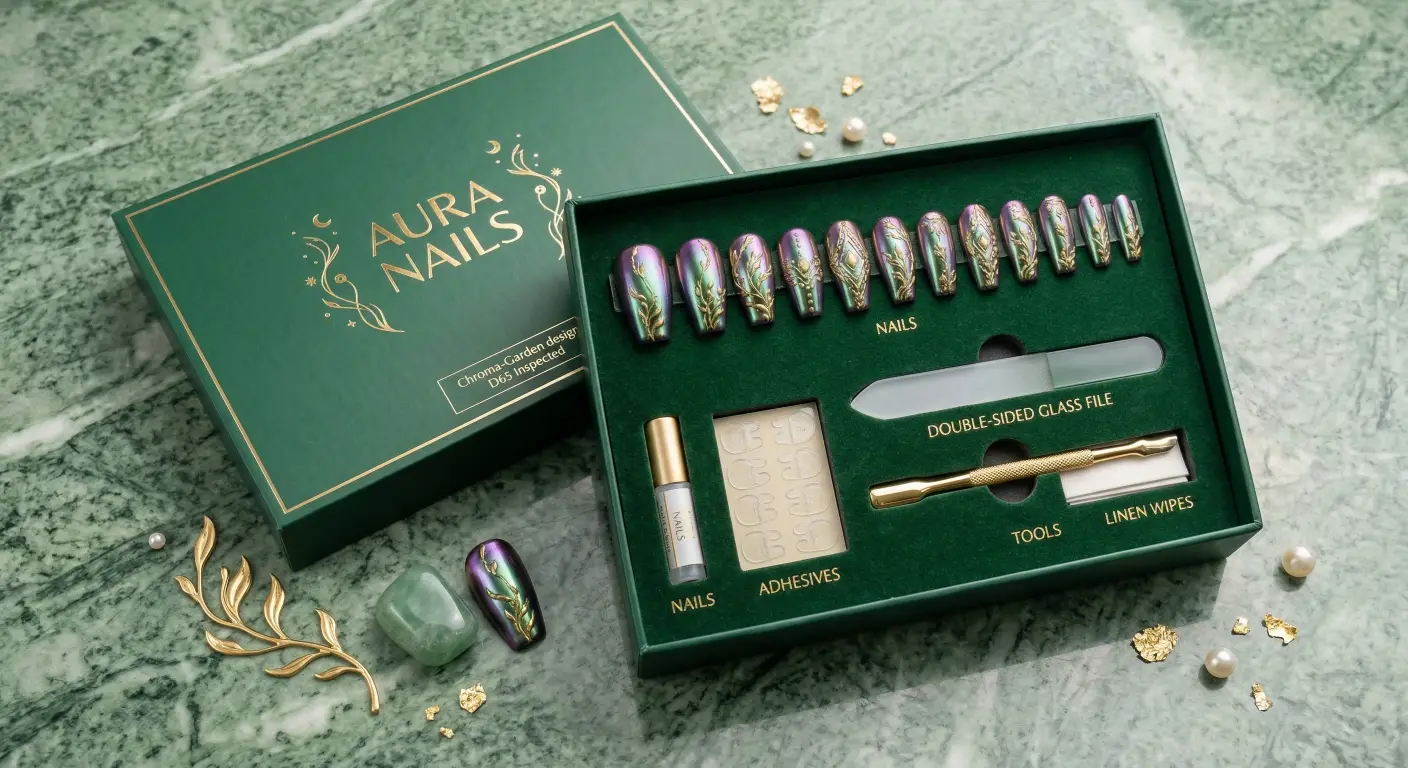
Quality Control: What to Expect from a Top-Tier Wholesale Press On Nails Manufacturer
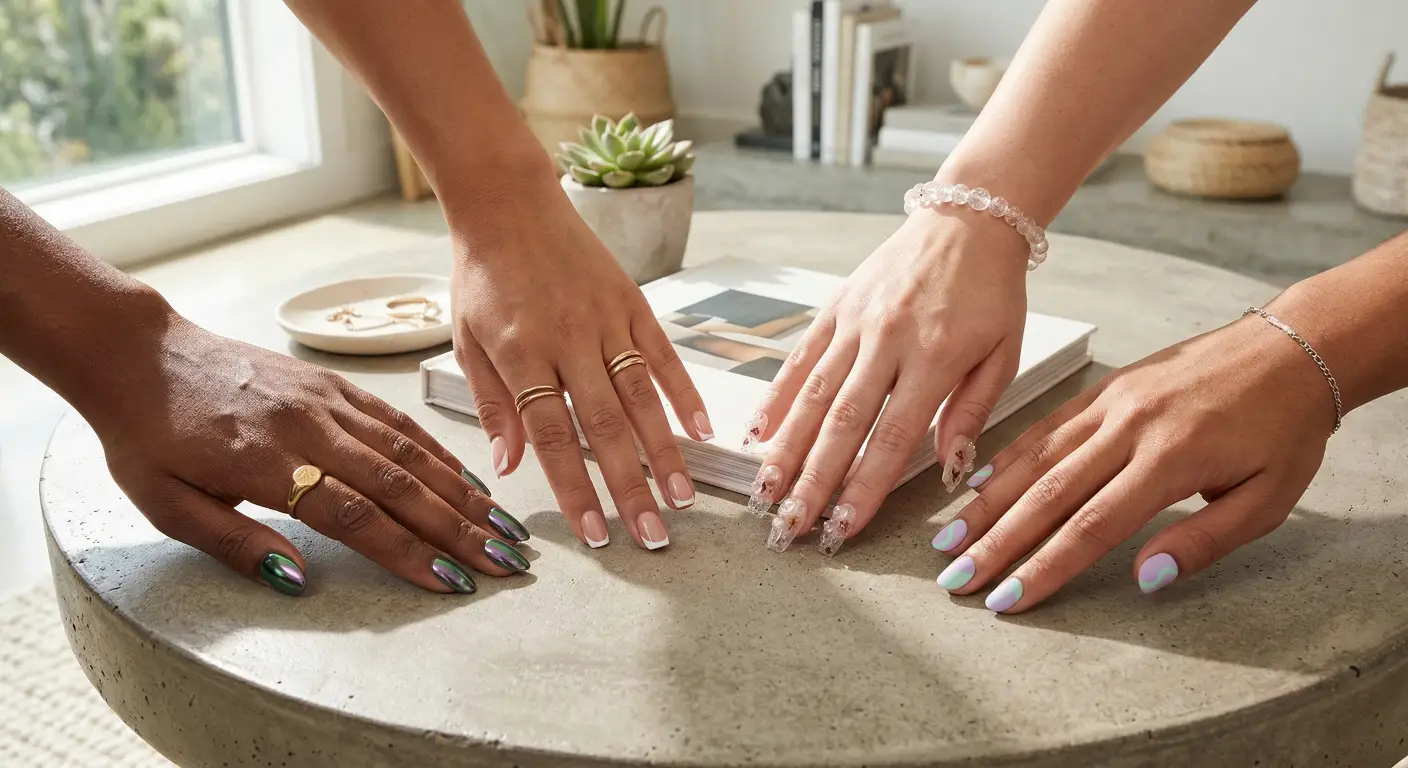
The Ultimate Guide to Choosing the Best Wholesale Press On Nails Manufacturer in 2026
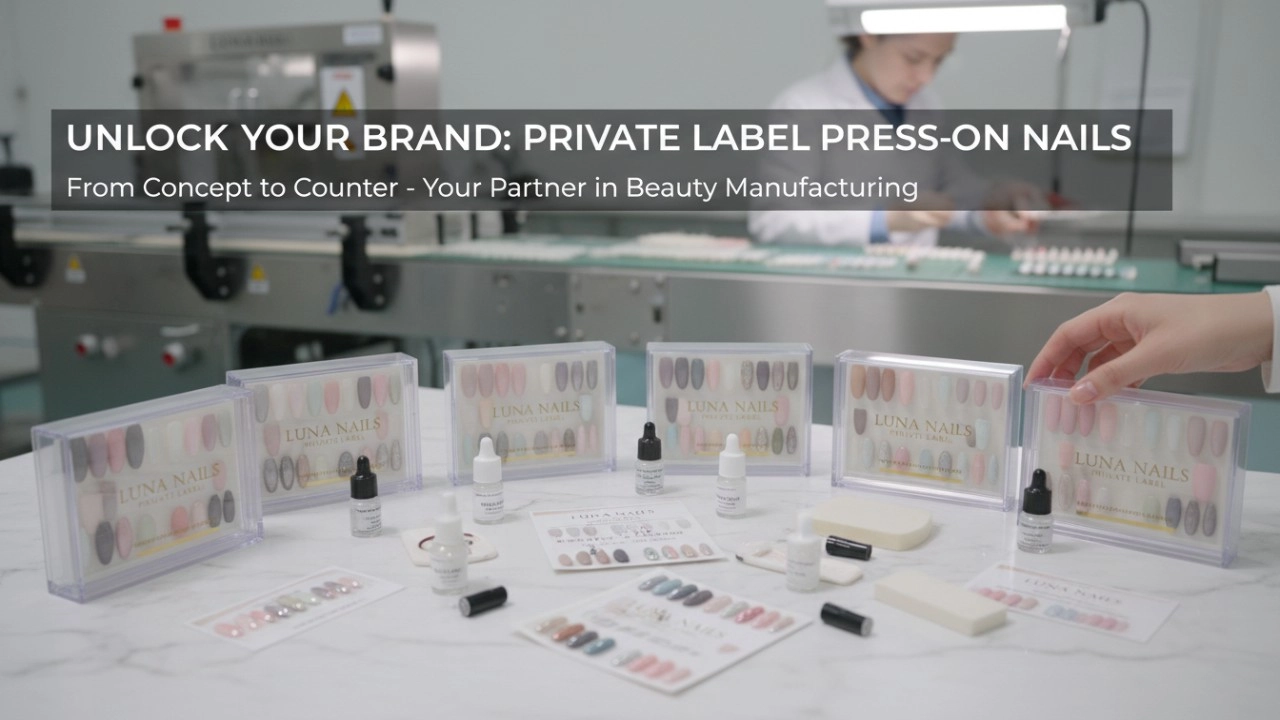
How to Scale Your Beauty Brand: Why Private Label Press On Nails Are the Highest-Margin Entry Point in 2026
Biodegrable Nails
How long do biodegradable nails press-on nails last?
Biodegradable nails can last up to two weeks with proper care, which is comparable to regular acrylic or gel nails. However, factors like application, daily activities, aftercare can influence the lifespan of both types of nails.
Agent
What are the levels of Xianxing agents?
At present, we have a total of 4 levels, temporary agent, junior agent, senior agent and regional agent.
Brand Client
What customization options are available for products and packaging?
We provide multiple customization options such as product color, nail shape, Logo printing, packaging design, etc. to meet the personalized needs of different brands.
About fashion printing
Are they waterproof?
Press-on nails are water-resistant but may loosen with prolonged exposure to water. Use gloves when washing dishes or cleaning for longer wear.
Wholesaler Distributor
Do you support product customization?
Yes. We have powerful customization capabilities and can meet your personalized needs from packaging design to color replace, from product shape to functional requirements.
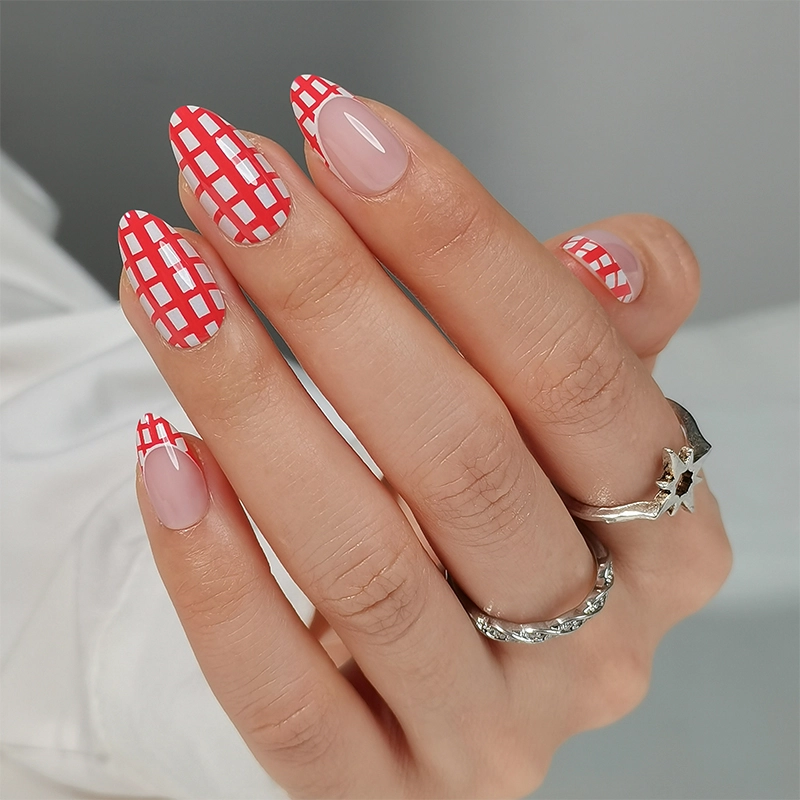
Wholesales Red French Nails Tips Checkered Soft Gel Nail Tips 32 Piece Set
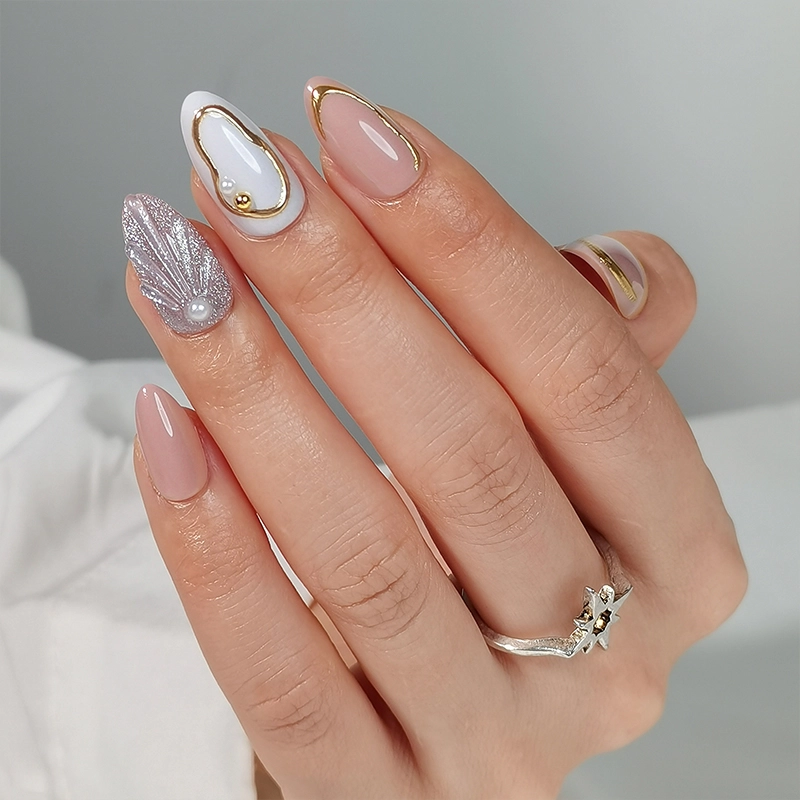
Wholesales Elegant Shell Inspired Soft Gel Wearable Nails for Seasonal Celebrations
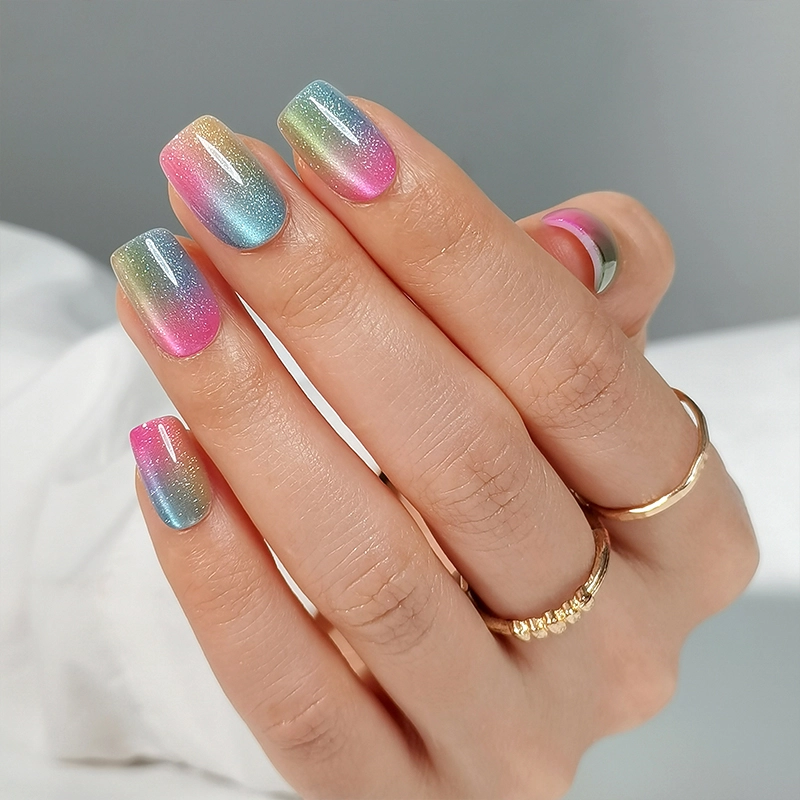
Custom Wholesale Gradient Cat Eye Soft Gel Wearable Fake Nails
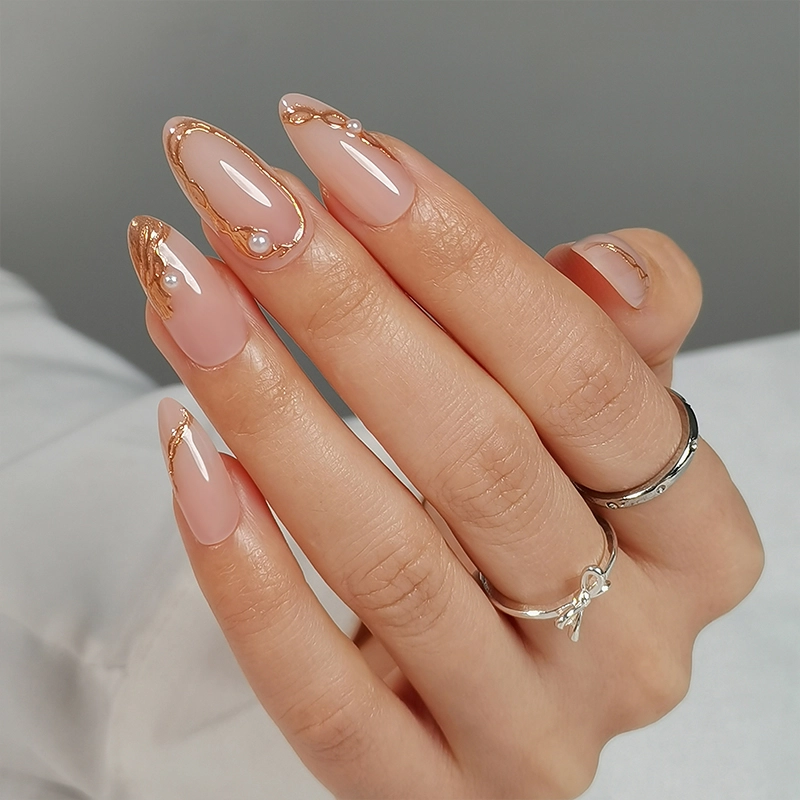
Wholesales Luxury Rhinestone Handmade Private Label Press On Nails Art Tips
Contact us
If you have press on nails products or customization needs, please feel free to contact from
below or via the contact information provided, we'll get back to you promptly within 24 hours.
By clicking 'Send Inquiry Now' I agree to XIANXING BEAUTY processing my personal data.
To see how to withdraw your consent, how to control your personal data and how we process it, please see our Privacy Policy and Terms of use.
Copyright © 2025 - XIANXING BEAUTY All Rights Reserved. Sitemap
Facebook
YouTube
Instagram
LinkedIn