How to verify compliance for the best press on nails imports?
- How can I verify a supplier's press-on nail raw materials (ABS, polystyrene, acrylic) meet EU REACH and US TSCA requirements before shipment?
- What exact lab reports and sample tests should I request to prove press-on nails are safe and compliant for the EU market (CPNP) and retailer requirements?
- How do I determine the correct HTS/HS code and declare press-on nails to U.S. Customs to avoid seizure or costly misclassification?
- Which chemicals in press-on kits trigger extra import controls or require special labeling—specifically methacrylates, cyanoacrylates, or certain preservatives?
- What documentation and registration steps are required to clear press-on nails through China (NMPA) import filing under the 2021 cosmetics regulation updates?
- How do I design a practical compliance checklist and batch labeling system (lot, expiry, PIF location) to pass retailer audits and government inspections for reusable/salon-quality press-on sets?
How can I verify a supplier's press-on nail raw materials (ABS, polystyrene, acrylic) meet EU REACH and US TSCA requirements before shipment?
Start with documentary and laboratory verification before you buy at scale. Ask the supplier for: a Certificate of Analysis (COA) for the polymer/resin used (ABS, polystyrene, acrylic), a detailed bill of materials (BOM) showing additives, pigments and plasticizers, and the Safety Data Sheet (SDS) for each component. Next, require third-party test reports from an ISO/IEC 17025 accredited lab (examples: SGS, Intertek, Eurofins) showing screening for REACH SVHCs (Substances of Very High Concern) and any restricted substances listed by the EU. For the U.S., ensure your supplier documents that the constituent chemicals are listed or exempt under TSCA (Toxic Substances Control Act) or provide a supplier statement about pre-manufacture notices when applicable.
Operational steps: 1) Obtain material declarations signed by a company officer; 2) commission a random sample verification test (SVHC screening, heavy metals like lead/arsenic if pigments/embellishments exist); 3) confirm pigments/colorants are EU/US-approved (color additives may have special rules); 4) keep retention samples and test each new production run. If embellishments include metal parts, request nickel release tests and RoHS/REACH checks as applicable.
What exact lab reports and sample tests should I request to prove press-on nails are safe and compliant for the EU market (CPNP) and retailer requirements?
For EU market entry, compile a Product Information File (PIF) and notify the product via the CPNP (Cosmetic Product Notification Portal). Required lab data to include in the PIF and to satisfy most retail buyers are:
- Full ingredient disclosure and concentration by INCI names (for any coating, polish or adhesives included).
- Microbiological tests for preservative efficacy if the kit contains liquid polish or primer (preservative efficacy test / challenge test).
- Chemical screening: SVHC screening (REACH), heavy metals (Pb, Cd, Hg, As) where pigments/metal are used, phthalates if plasticizers suspected, residual monomer analysis (methyl methacrylate and related monomers if acrylic components exist).
- Allergen and sensitizer risk checks (e.g., acrylates/methacrylates are common sensitizers — document levels and warnings).
- Stability testing and shelf-life (including Period After Opening guidance if applicable).
- SDS and GHS classification for any adhesive or liquid included.
Make sure tests are performed by accredited labs and dated within an acceptable timeframe for your buyer (often within 12–24 months). The EU requires a qualified safety assessor to produce a Cosmetic Safety Report included in the PIF; either the manufacturer or your EU Responsible Person (RP) can provide this.
How do I determine the correct HTS/HS code and declare press-on nails to U.S. Customs to avoid seizure or costly misclassification?
Classification depends on the product's dominant nature. Press-on nails made mostly of plastic but sold as a cosmetic kit may fall under different s depending on contents: 1) if primarily plastic false nails, many importers classify them under HS for articles of plastics (commonly HS 3926 in international nomenclature); 2) if the kit includes liquid nail polish or adhesive and the primary commercial use is cosmetic, customs brokers may opt for s relating to cosmetic preparations (e.g., HS 3304 for makeup). Because classification affects duty rate, you must:
- Work with a licensed customs broker to obtain a binding ruling or formal tariff classification if uncertain.
- Document the product composition (BOM) and commercial invoice clearly describing the item, material content, and unit value.
- Keep samples available for customs inspection and retain supplier technical sheets to substantiate classification.
Self-classification risks mis-declaration, fines, or seizure. A broker can request a Formal Ruling (e.g., in the U.S., a binding ruling from Customs and Border Protection) to lock in classification long-term.
Which chemicals in press-on kits trigger extra import controls or require special labeling—specifically methacrylates, cyanoacrylates, or certain preservatives?
Key chemicals to flag:
- Methacrylates (e.g., methyl methacrylate): widely used in acrylic nails and can be sensitizers. Excess residual monomer levels can create safety liabilities and may require labeling and restrictions under some national laws.
- Cyanoacrylate adhesives (nail glue): can be classified as hazardous for transport (air/sea) and require proper SDS/GHS labels, storage and shipping declarations. Also include skin-bonding warnings and first-aid instructions on labels.
- Preservatives and fragrance ingredients: some are restricted under EU cosmetics regulations (1223/2009) and need concentration limits and specific labeling if allergens are present.
- Plasticizers and phthalates: although primarily restricted in toys and children’s products, some markets monitor certain phthalates closely; verify they’re not used in decorative soft components or packaging.
Before importing, obtain SDS for adhesives and liquid components, check transport classification (IATA, IMDG), and ensure packaging and labels meet destination-country GHS/labeling rules and list allergens (EU requires 26 mandatory perfume allergens when present above threshold).
What documentation and registration steps are required to clear press-on nails through China (NMPA) import filing under the 2021 cosmetics regulation updates?
China’s cosmetics regulatory landscape changed in recent years; requirements depend on whether your product is classified as ordinary or special cosmetics. For imported ordinary cosmetics (many press-on products fall here), importers historically needed product registration with the NMPA, but the process has been streamlined with filing/registration and new requirements for ingredient transparency and safety evaluation.
Documentation typically needed for imported cosmetics includes: 1) a legal business license and importer of record details; 2) plant GMP certificate or a factory statement; 3) ingredient list (INCI equivalent) and formula disclosure; 4) Cosmetic Product Safety Assessment; 5) samples for required testing (a Chinese lab may be required depending on product category); 6) translated labels and Chinese-language instructions/warnings; and 7) declaration of animal testing exemptions where applicable (policies have been evolving for some imported categories).
Because rules are technical and evolving, engage a China-local regulatory agent or customs broker familiar with NMPA filings to confirm whether your press-on nail product requires pre-market registration, filing, or local testing, and to prepare Chinese label translations and the necessary documentation.
How do I design a practical compliance checklist and batch labeling system (lot, expiry, PIF location) to pass retailer audits and government inspections for reusable/salon-quality press-on sets?
Create a standard compliance package and a batch control system that follows these steps:
- Assign a durable lot/serial number to every production run; print a lot code and manufacture date/expiry (or PAO symbol) on packaging.
- Maintain a central Product Information File (PIF) per SKU: formula, supplier declarations, COAs, safety assessment, stability and microbiology reports, label artwork and translations, and SDS for liquids/adhesives. Record the physical location of the PIF and the Responsible Person in each market.
- Keep retention samples from each lot for a minimum of two years (or longer if required by buyer/market). Retain lab test results tied to lot numbers.
- Document incoming quality control (IQC) checks at receipt: visual defects, adhesion/fit tests, color match, and quick spot chemical verification (e.g., FTIR screening for polymer type) to ensure consistent raw-materials sourcing.
- Set up recall and CAPA (Corrective and Preventive Actions) procedures: supplier traceability, consumer complaint logging, investigation timelines, and communication templates for regulatory authorities and retailers.
- Periodically commission third-party audits and random lab verification tests for key hazards (heavy metals, residual monomers, allergen screening) and keep audit certificates (factory GMP, ISO 22716 cosmetic GMP if applicable) available.
Retailers and regulators look for traceability: lot numbers, PIF availability, accredited lab data, and an accountable Responsible Person/Importer. A consistent labeling system and documented retention/testing greatly reduce time to resolution in case of a complaint or inspection.
For tailored compliance support and a competitive quote, contact us at www.xianxingbeauty.com or [email protected].
Concluding summary: Sourcing the best press on nails with robust import compliance protects brand reputation, speeds customs clearance, minimizes seizure and recalls, and ensures consumer safety. By requiring COAs, SDS, accredited lab testing (SVHC, heavy metals, residual monomers, microbiology where relevant), correct HTS classification, and market-specific documentation (CPNP for the EU, safety assessments for China/NMPA, clear labeling for the US), importers reduce risk and gain retailer trust. Maintain a rigorous batch and PIF system, use an EU Responsible Person or local regulatory agent, and work with accredited labs and customs brokers to make salon-quality, reusable press-on sets market-ready and legally compliant.
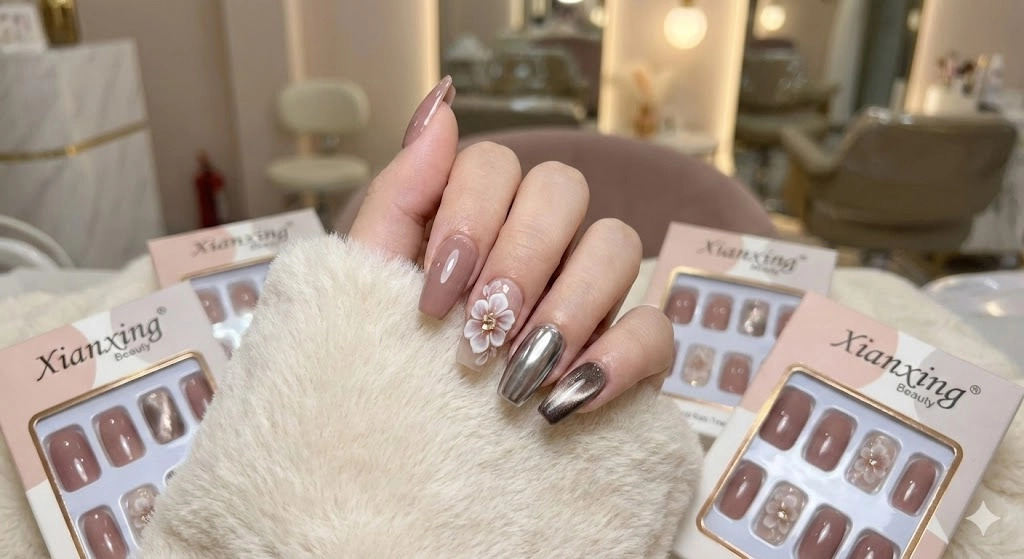
7 Red Flags to Avoid When Selecting a Wholesale Press On Nails Manufacturer
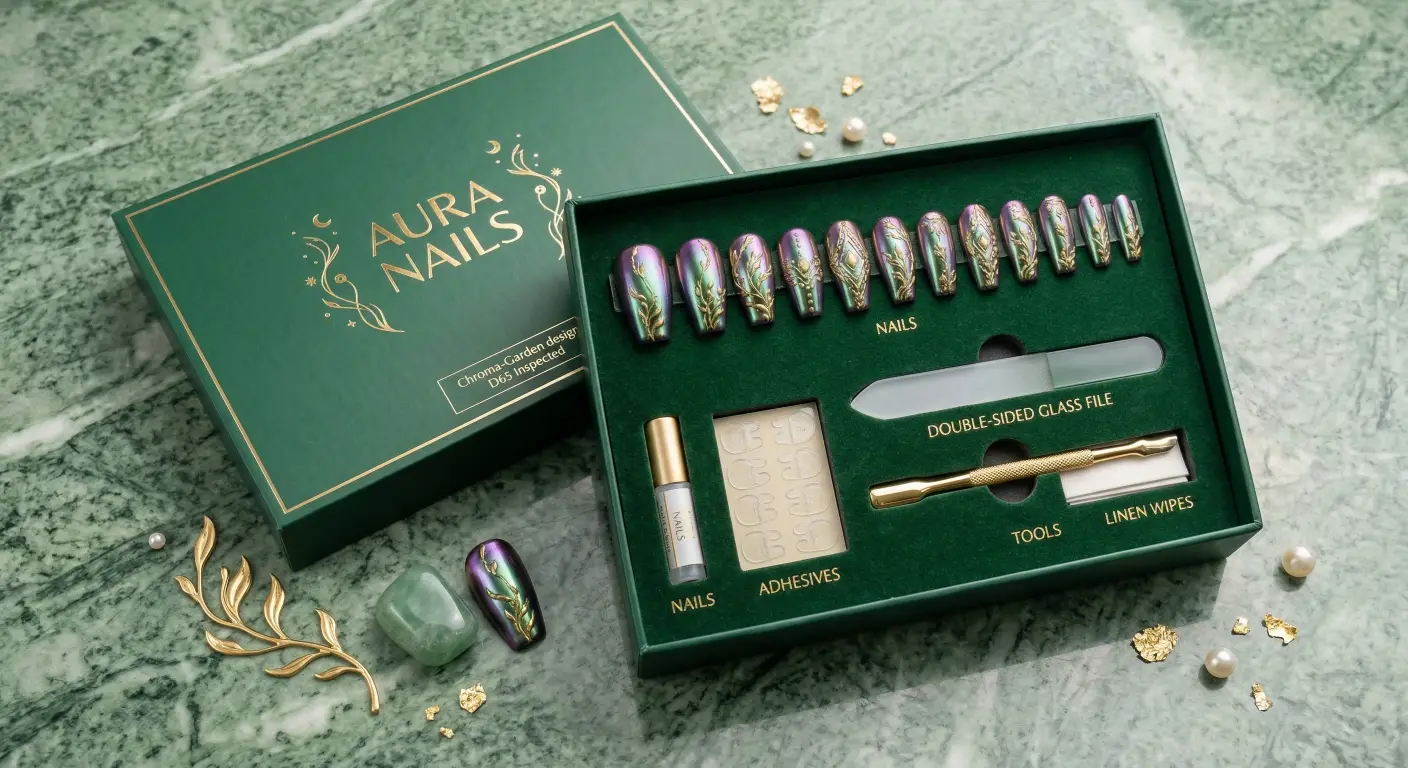
Quality Control: What to Expect from a Top-Tier Wholesale Press On Nails Manufacturer
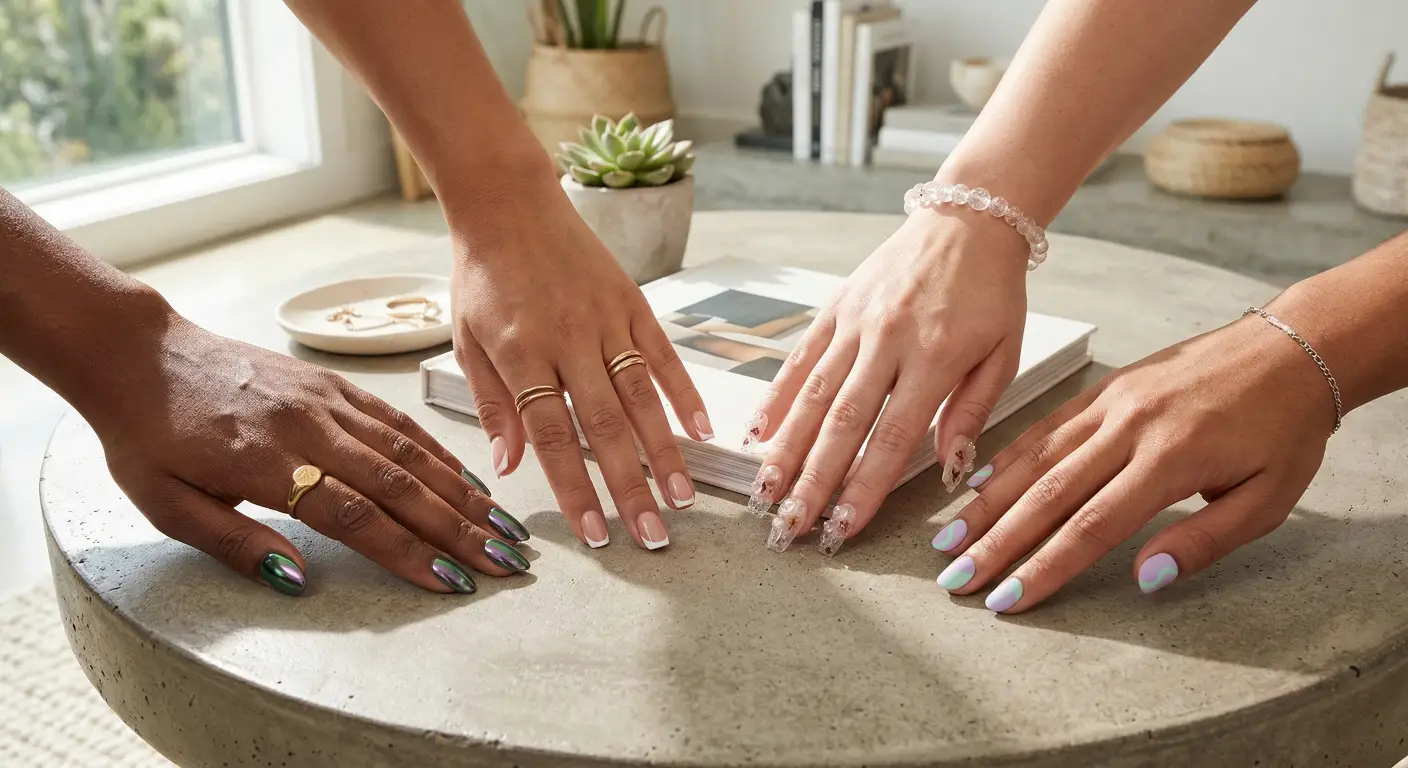
The Ultimate Guide to Choosing the Best Wholesale Press On Nails Manufacturer in 2026
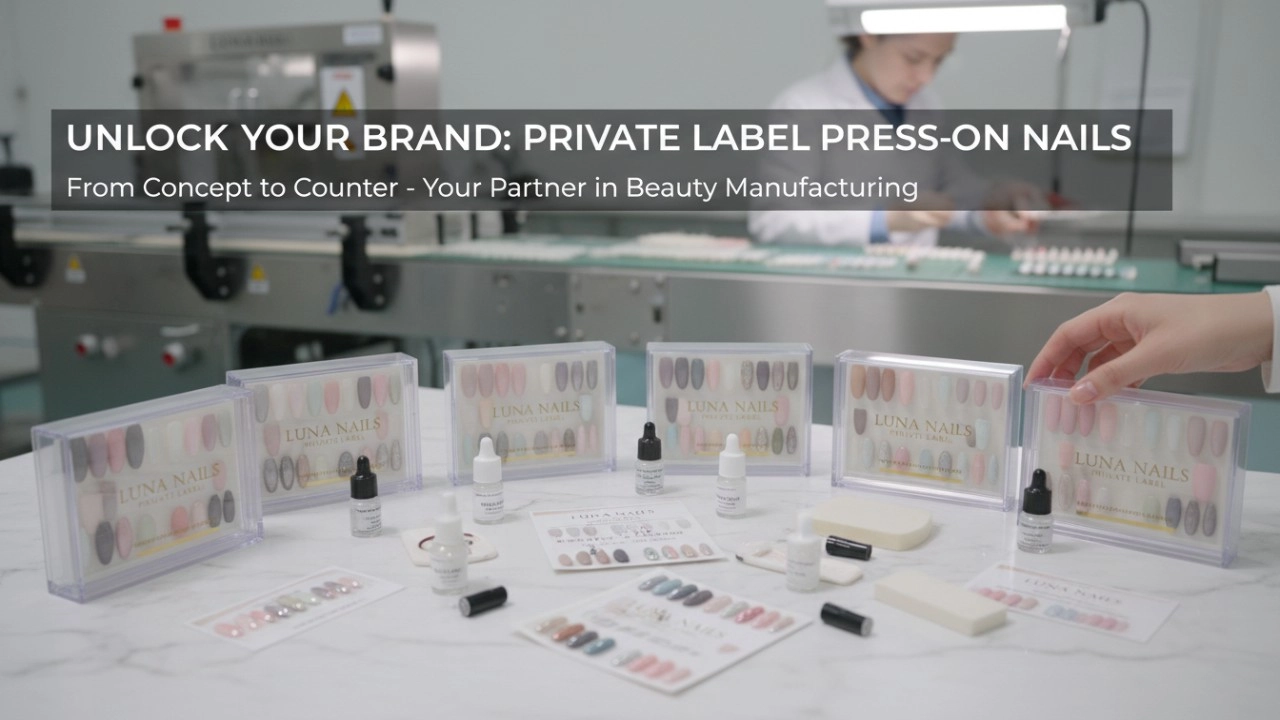
How to Scale Your Beauty Brand: Why Private Label Press On Nails Are the Highest-Margin Entry Point in 2026
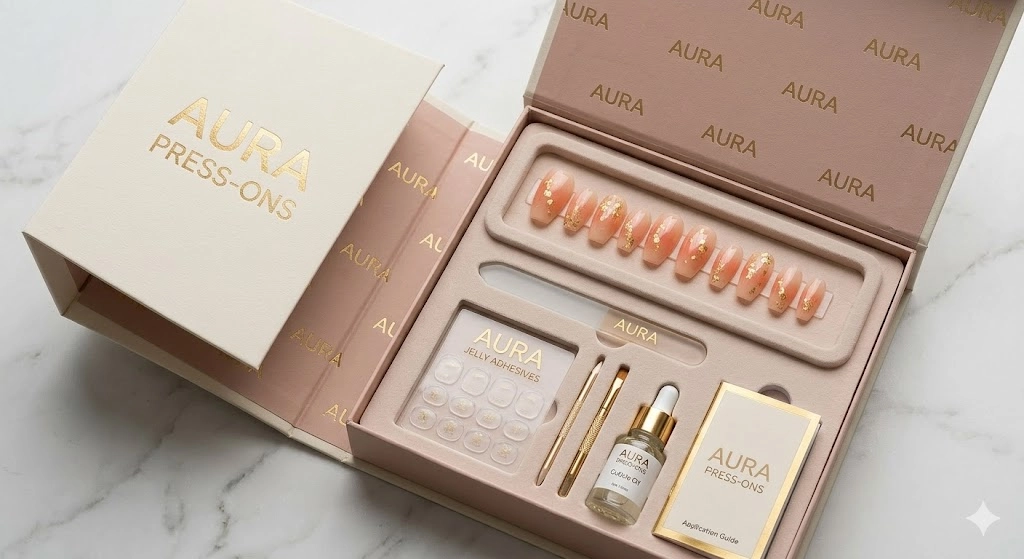
Why Partnering with Professional Press On Nails Manufacturers Boosts Your Brand Growth
Brand Client
What customization options are available for products and packaging?
We provide multiple customization options such as product color, nail shape, Logo printing, packaging design, etc. to meet the personalized needs of different brands.
Wholesaler Distributor
Do you support product customization?
Yes. We have powerful customization capabilities and can meet your personalized needs from packaging design to color replace, from product shape to functional requirements.
Startup Client
Can I return or exchange products if there is a quality issue?
Yes, we offer comprehensive after-sales services. If there is a quality issue, you can apply for a return or exchange. For the specific process, please contact our customer service team.
About Duck Nails
Can I get duck-shaped nails with press-ons?
Yes! Duck-shaped press-on nails are available in various styles, colors, and lengths. You can find pre-shaped press-on nails with a duck-like flare that you can apply at home for a quick and easy manicure.
About Christmas Nails
Can I shower, wash dishes, or use hand sanitizer with them on?
Yes, but with some caution:
Water: Prolonged exposure to water (like long showers, baths, or washing dishes without gloves) can weaken the adhesive and cause them to lift.
Hand Sanitizer: The high alcohol content can dry out the glue and the nails themselves. Try to avoid getting it directly on the nails and moisturize your hands afterward.
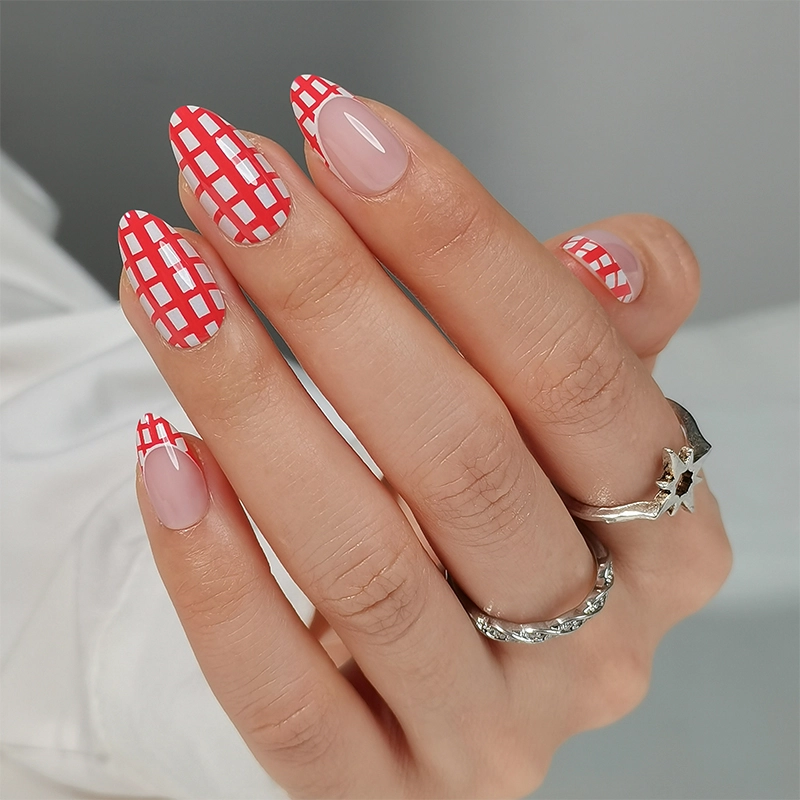
Wholesales Red French Nails Tips Checkered Soft Gel Nail Tips 32 Piece Set
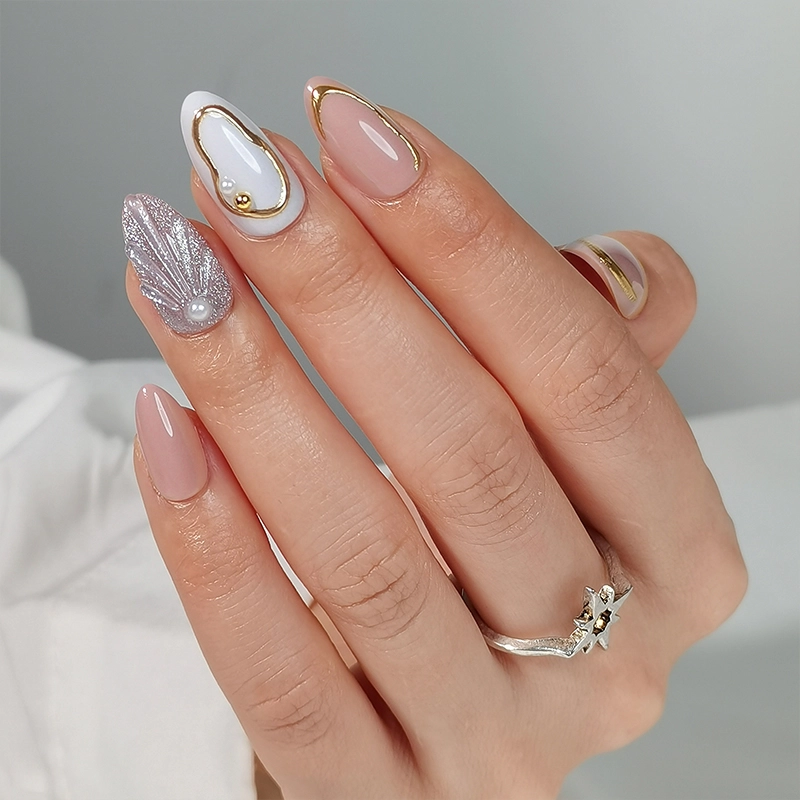
Wholesales Elegant Shell Inspired Soft Gel Wearable Nails for Seasonal Celebrations
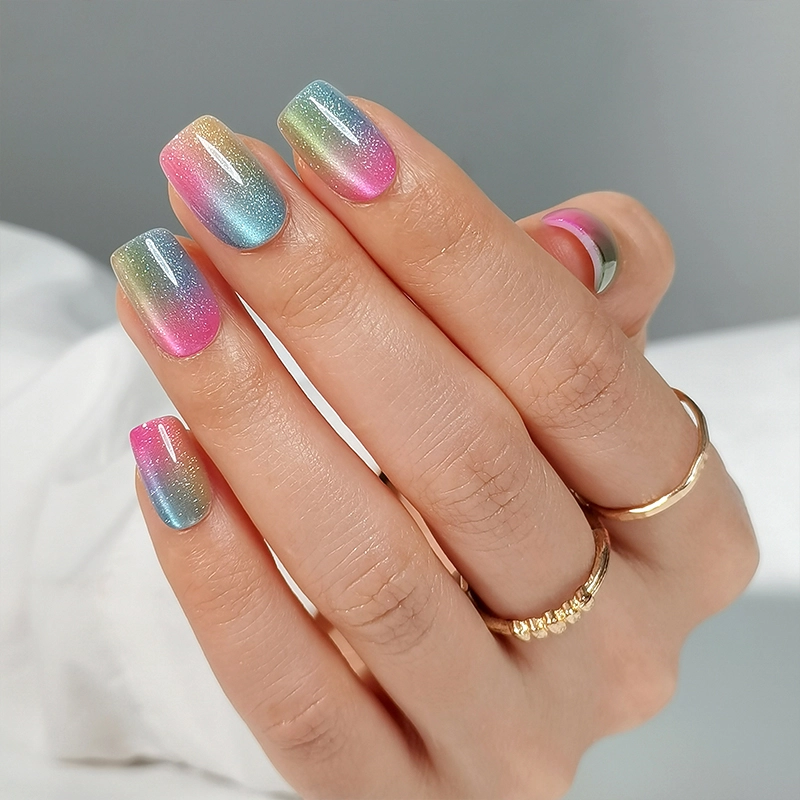
Custom Wholesale Gradient Cat Eye Soft Gel Wearable Fake Nails
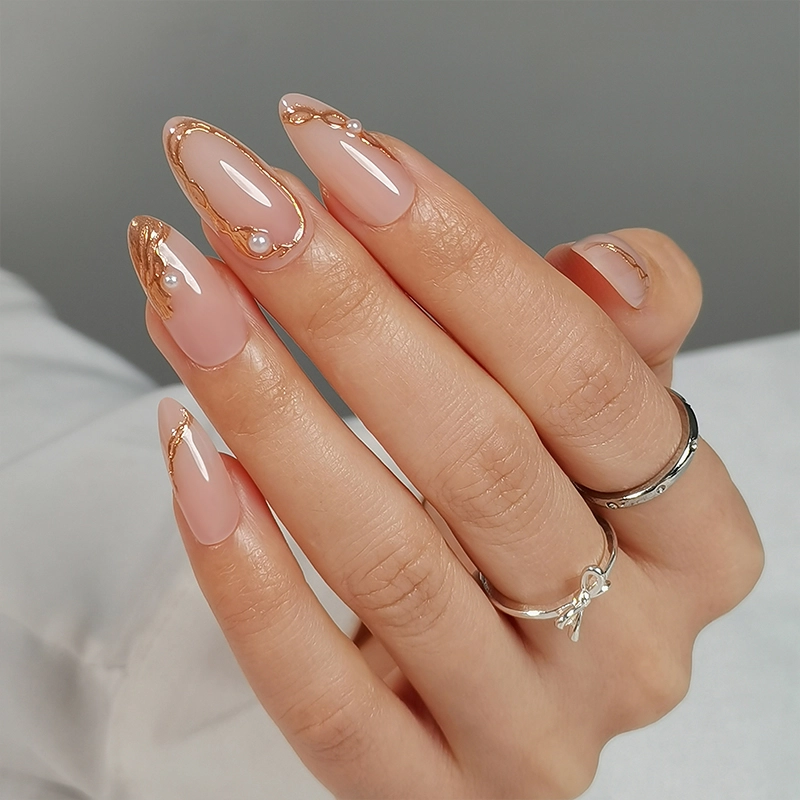
Wholesales Luxury Rhinestone Handmade Private Label Press On Nails Art Tips
Contact us
If you have press on nails products or customization needs, please feel free to contact from
below or via the contact information provided, we'll get back to you promptly within 24 hours.
By clicking 'Send Inquiry Now' I agree to XIANXING BEAUTY processing my personal data.
To see how to withdraw your consent, how to control your personal data and how we process it, please see our Privacy Policy and Terms of use.
Copyright © 2025 - XIANXING BEAUTY All Rights Reserved. Sitemap
Facebook
YouTube
Instagram
LinkedIn