
How to source the best press on nails with vegan ingredients?
- 1) How can I verify a supplier's vegan claim when ingredient lists are missing or incomplete for press-on nails?
- 2) What adhesive options give salon-grade hold for vegan press-on nails without animal-derived components or banned chemicals?
- 3) Which lab tests and certifications should I require to prove press-on nails are vegan, safe and compliant with EU and US rules?
- 4) How do I assess press-on nail durability from samples, and what practical tests predict real-world wear?
- 5) What packaging, labeling and shelf-life details should I demand to avoid receiving degraded vegan press-on nails and adhesives?
- 6) How can small salons or indie brands source customizable vegan press-on nails with low MOQs while remaining compliant for resale?
- Conclusion: Why sourcing verified vegan press-on nails pays off
Best Press On Nails: How to Source the Best Press On Nails with Vegan Ingredients
As an experienced press-on nails manufacturer and consultant, this guide answers six specific, frequently asked long-tail questions that often lack up-to-date, practical answers online. You'll get actionable checklists, testing standards, supplier negotiation tips and product-performance checks to source cruelty-free, vegan press-on nails for resale or salon use. Keywords woven naturally: fake nails, nail tips, nail glue, vegan nail supplies, cruelty-free press-on nails, nail adhesive tabs, long-lasting press-ons, nail technicians.
1) How can I verify a supplier's vegan claim when ingredient lists are missing or incomplete for press-on nails?
Pain point: Many suppliers label products vegan without documentation or with vague ingredient lists. A buyer needs a practical verification workflow.
Actionable verification checklist:
- Request full raw-material disclosure: ask for complete ingredient names (INCI where applicable) and raw-material supplier names for topcoat, pigments, adhesives and decorations (rhinestones, foils).
- Demand a signed Supplier Declaration of Vegan Status that explicitly states no animal-derived raw materials (e.g., gelatin, carmine, shellac (lac resin), collagen) and no animal testing at any stage. The declaration should be on company letterhead with contact details and a date.
- Require third-party vegan certification where feasible: The Vegan Society, PETA Beauty Without Bunnies, or a recognized regional certifier. Certification is the most reliable proof because it requires documentation and audit trails.
- Ask for supporting documents: MSDS/SDS for adhesives and coatings, COA (Certificate of Analysis) for pigments (heavy metals, organic constituents), and manufacturing batch records that show no animal ingredients used.
- Cross-check with test labs: submit critical components (topcoat, adhesive, pigment batches) to an independent lab (Eurofins, SGS, Intertek) for targeted testing to detect common animal derivatives (e.g., shellac resins can be chemically distinct). Labs will confirm absence of specific markers on request.
- Audit trail: if your sourcing volume justifies it, perform a factory audit (in-person or remote) with a checklist that includes raw-material storage, incoming material control and staff interviews about suppliers.
Red flags to watch for: supplier refuses to provide SDS/MSDS, vague ingredient names like resin without specification, or inconsistent product photos showing shellac-like finishes (shellac is not vegan).
2) What adhesive options give salon-grade hold for vegan press-on nails without animal-derived components or banned chemicals?
Pain point: Buyers want long-wear performance similar to salon acrylics but insist on vegan and low-toxicity glues.
Adhesive options and practical recommendations:
- Cyanoacrylate-based nail glue: The most common option for salon-grade hold. Cyanoacrylates are synthetic and contain no animal-derived ingredients. Look for formulations marketed as low-odor or low-VOC if sensitivity is a concern. Typical wear time with high-bond glue: 10–14+ days depending on prep and activities. Note: cyanoacrylates can cause contact dermatitis in susceptible people; request SDS and look for CA content and stabilizers.
- Ethyl-based monomer adhesives vs. MMA: Avoid methyl methacrylate (MMA) in any form for bonding—MMA is restricted in many jurisdictions due to safety concerns. Ethyl cyanoacrylates or tailor-made instant glues are preferable.
- Double-sided nail adhesive tabs: Vegan (synthetic polymers) and low-mess, but they offer shorter wear (3–7 days). Best for salons offering temporary demos or clients who want easy removal without acetone.
- Removable, water-resistant adhesives: Newer polymer-based gels or non-animal acrylate adhesives provide balance between removability and wear. Ask for lab data demonstrating peel and shear strength.
How to choose for your application:
- Request adhesive shear and peel-strength data from the supplier (measured on a standardized substrate). If unavailable, run an in-house test: bond a set of nail tips to cleaned natural nails using manufacturer prep steps and time-wear under household conditions (handwashing cycles, dishwashing, light gardening) for a minimum 7–14 day period on multiple users.
- Confirm adhesive SDS to ensure no animal ingredients and that the glue meets cosmetic regulatory limits (EU/US) for residual monomers or prohibited substances.
- If selling in the EU, ensure adhesives follow consumer chemical and cosmetic regulations as applicable.
3) Which lab tests and certifications should I require to prove press-on nails are vegan, safe and compliant with EU and US rules?
Pain point: Buyers see certificates that don't map to legal safety requirements or regional compliance. They need a prioritized testing and certification list.
Minimum technical and compliance dossier to request:
- SDS/MSDS for each component (topcoat, base, pigment, adhesive, decorations).
- COA (Certificate of Analysis) for pigments and plastic components confirming heavy metals (lead, cadmium, chromium VI) are below regulatory limits. Labs: Eurofins, SGS, Intertek—these are widely accepted third-party labs.
- Phthalates and aromatic amines screen: request testing for common restricted chemicals often targeted in nail products (phthalates like DBP historically used in nail polishes; press-on materials should be screened if coatings contain plasticizers).
- Allergen/skin-sensitizer profiling: for adhesives and coatings, ask the supplier for an internal patch-test summary or better, a toxicologist’s safety assessment. For EU marketing, cosmetic-type materials (e.g., topcoats) require a Responsible Person and safety assessment per Regulation (EC) No 1223/2009.
- Material compliance: ABS or other plastics should comply with REACH restrictions (EU) and local import requirements. Ask for RoHS or relevant hazardous-substance clearance if selling in the EU.
- Cruelty-free and vegan certification: third-party certification (PETA, The Vegan Society, Leaping Bunny) or documented supply-chain evidence and a supplier declaration if certs are not available. Be aware that PETA's Beauty Without Bunnies indicates no animal testing, while Vegan Society verifies ingredients are animal-free.
- Factory standards: ISO 22716 (cosmetic GMP) is a strong indicator of quality systems for any cosmetic-adjacent production (coatings, adhesives). Supplier factory audits and traceable batch records are essential.
How to request and use these documents: include them in your purchase contract or quality agreement. For private label, require new batch COAs and a right-to-audit clause.
4) How do I assess press-on nail durability from samples, and what practical tests predict real-world wear?
Pain point: Lab data can be abstract; buyers need real-world test procedures to compare suppliers consistently.
Practical in-house evaluation protocol (use as an RFP requirement):
- Size-fit matrix: confirm set includes a full range of sizes (8–12 sizes usually) with clear size markings and a fit rate target (e.g., ≥90% fit across 10 diverse nail shapes).
- Pre-bond adhesion test: follow supplier prep steps exactly (cleaning, dehydration, glue application). Apply a minimum of 10 replicate press-ons per size category to volunteers and record time to full bond, immediate lift events, and cumulative failure rate over 14 days.
- Water/chemical exposure: expose wearers to daily dishwashing and handwashing. Additionally, soak a subset for 30 minutes in 50% isopropyl/50% water to simulate cleaning solvents; note lifting or edge degradation.
- Flex and bend test: press-on tips should flex without crazing or cracking. Perform manual bend cycles (100 flex cycles) on sample tips attached to a jig; inspect for microcracks, delamination, or coating loss.
- Coating abrasion and gloss retention: simulate daily use with a soft abrasion test (e.g., 1,000 cycles with a soft brush) and inspect gloss, chipping and pigment loss.
- Heat and cold cycling: 5–10 cycles between 5°C and 40°C to check for expansion-related lifting or edge separation in the adhesive layer.
- User wear trial: deploy 20–50 end-user volunteers with varied habits (e.g., frequent handwashing, keyboard use, manual tasks) and collect day-by-day wear logs and photos for up to 14 days. Calculate median wear time and record most common failure modes.
Metrics to require from suppliers whenever possible: tensile/shear adhesive strength data, flexural strength of the nail material (if available), and lab-tested wear days under standardized conditions. Also request historical return and failure rates for the SKU.
5) What packaging, labeling and shelf-life details should I demand to avoid receiving degraded vegan press-on nails and adhesives?
Pain point: Buyers receive products with sticky or brittle glue, faded colors, or packaging that allows moisture ingress—leading to wasted stock and returns.
Packaging and shelf-life checklist:
- Expiry and batch codes: every batch should be marked with a manufacturing date, a lot/batch number, and a recommended expiration (typical adhesives 12–24 months unopened; topcoats/coatings often 24+ months depending on formulation). Request the supplier’s stability data that supports the stated shelf-life.
- Barrier packaging for adhesives: use foil-sealed blister packs or dark PET/HDPE bottles with airtight caps and desiccants where appropriate. Adhesives are moisture-sensitive; packaging must prevent moisture ingress.
- Individual blister trays or reusable organizers: protect nail tips from scratching and deformation. For custom or fragile finishes (glitters, foils), ask for separators or protective films between tips.
- Labeling: include ingredient list (INCI or equivalent), usage instructions, allergen warnings (e.g., cyanoacrylate sensitivity), storage conditions, country of origin and contact info for traceability. If selling in the EU, include Responsible Person and required labeling per Regulation (EC) No 1223/2009.
- Transport and storage: request recommended storage temperature (commonly 15–25°C), humidity control, and instructions for transport to avoid heat or freezing damage. For long sea shipments, recommend stabilized packaging and climate-controlled containers if adhesives are included and sensitive.
6) How can small salons or indie brands source customizable vegan press-on nails with low MOQs while remaining compliant for resale?
Pain point: Small businesses need private-label vegan press-ons but face high MOQs and complex compliance responsibilities.
Practical sourcing strategy:
- Find manufacturers offering a tiered private-label program: many factories provide a few stock designs that can be rapidly customized (add logo sticker, minor design changes) with low MOQs (e.g., 300–500 sets). For full custom art, MOQs are typically higher (1,000–5,000 sets).
- Negotiate a starter package: request a mixed-size pack, a minimum number of custom-printed sets, and pre-made compatible adhesives. Ask for a sample kit of your custom artwork before full production.
- Private-label responsibilities: as a reseller, you are often the responsible entity for labeling in your market. Ensure your supplier provides necessary documentation (SDS, COA, batch records) and includes a statement that formulations do not change without notice.
- Request a quality agreement: define rejection criteria, acceptable defect rates, production lead times, and recall procedures. This is essential for small brands to manage liability and customer expectations.
- Start with stock vegan SKUs: many suppliers offer pre-certified vegan lines that can be rebranded more affordably. Once volume grows, move to fully customized low-batch production.
- Consider contract manufacturing partners that specialize in private-label cosmetics and have ISO 22716 or similar GMP—this reduces your compliance burden and provides faster market access.
Bonus sourcing tip: request a small pilot run and perform the in-house durability protocol above before committing to larger orders. Track unit economics including return rates, average wear time, and per-set profit margins to validate the supplier choice.
Conclusion: Why sourcing verified vegan press-on nails pays off
Sourcing the best press-on nails with vegan ingredients requires a mixture of documentary verification (SDS, COA, vegan/cosmetic certs), practical performance testing (adhesion, flex, wear trials), careful adhesive selection, and packaging/shelf-life controls. For salons and indie brands, focus on supplier transparency, third-party lab testing, and a defensible private-label agreement to protect your customers and brand reputation. The advantages of well-sourced vegan press-on nails include reduced regulatory risk, better brand positioning with cruelty-free consumers, predictable wear performance, and fewer returns.
Contact us for a quote and supplier audit: www.xianxingbeauty.com or [email protected].
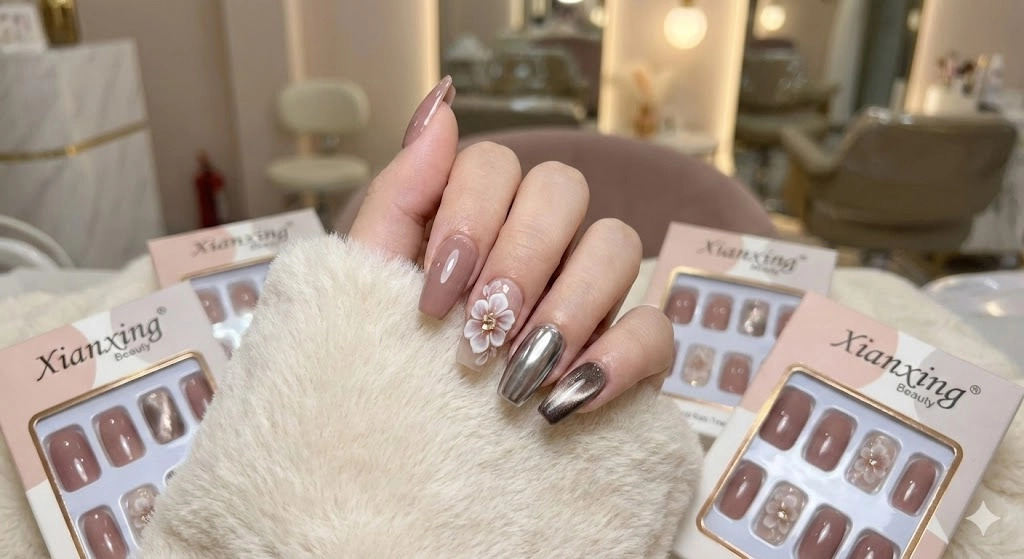
7 Red Flags to Avoid When Selecting a Wholesale Press On Nails Manufacturer
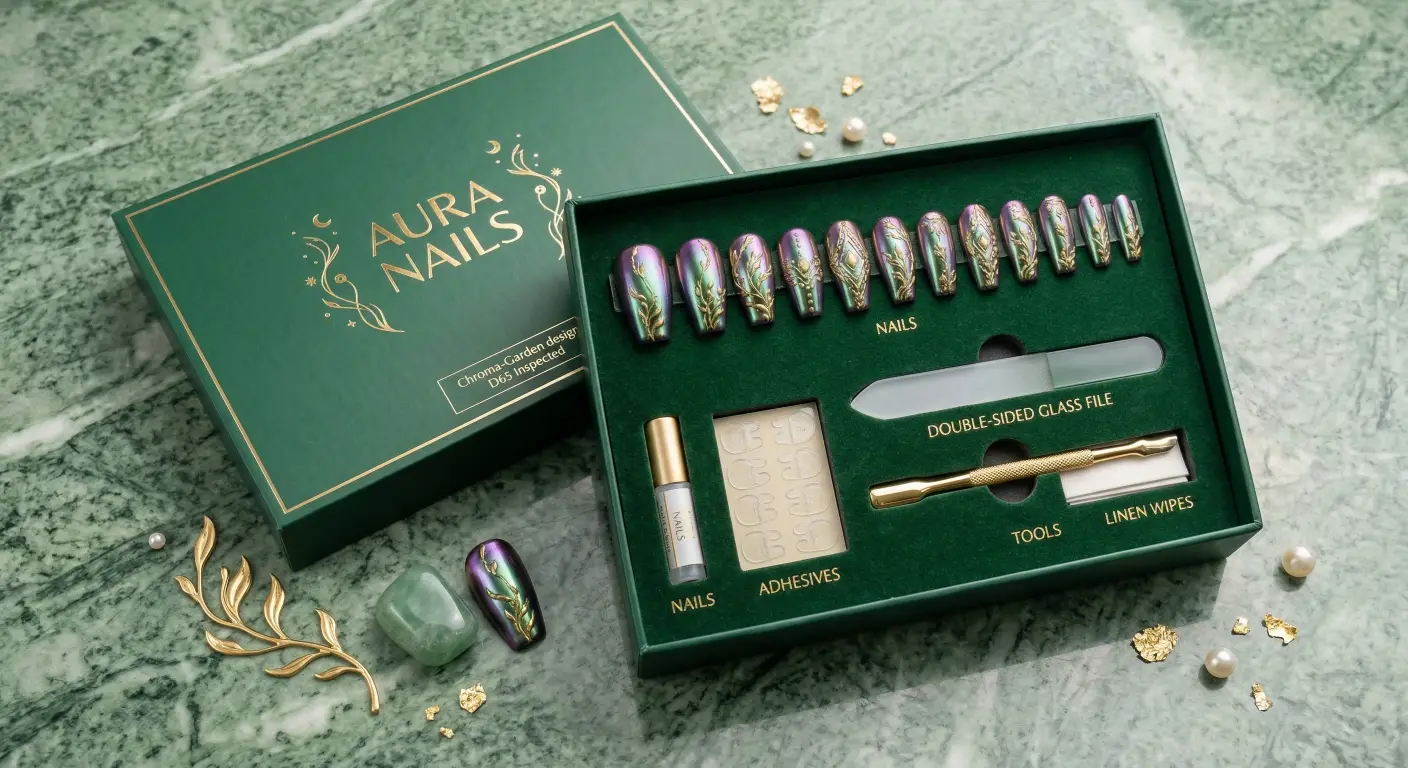
Quality Control: What to Expect from a Top-Tier Wholesale Press On Nails Manufacturer
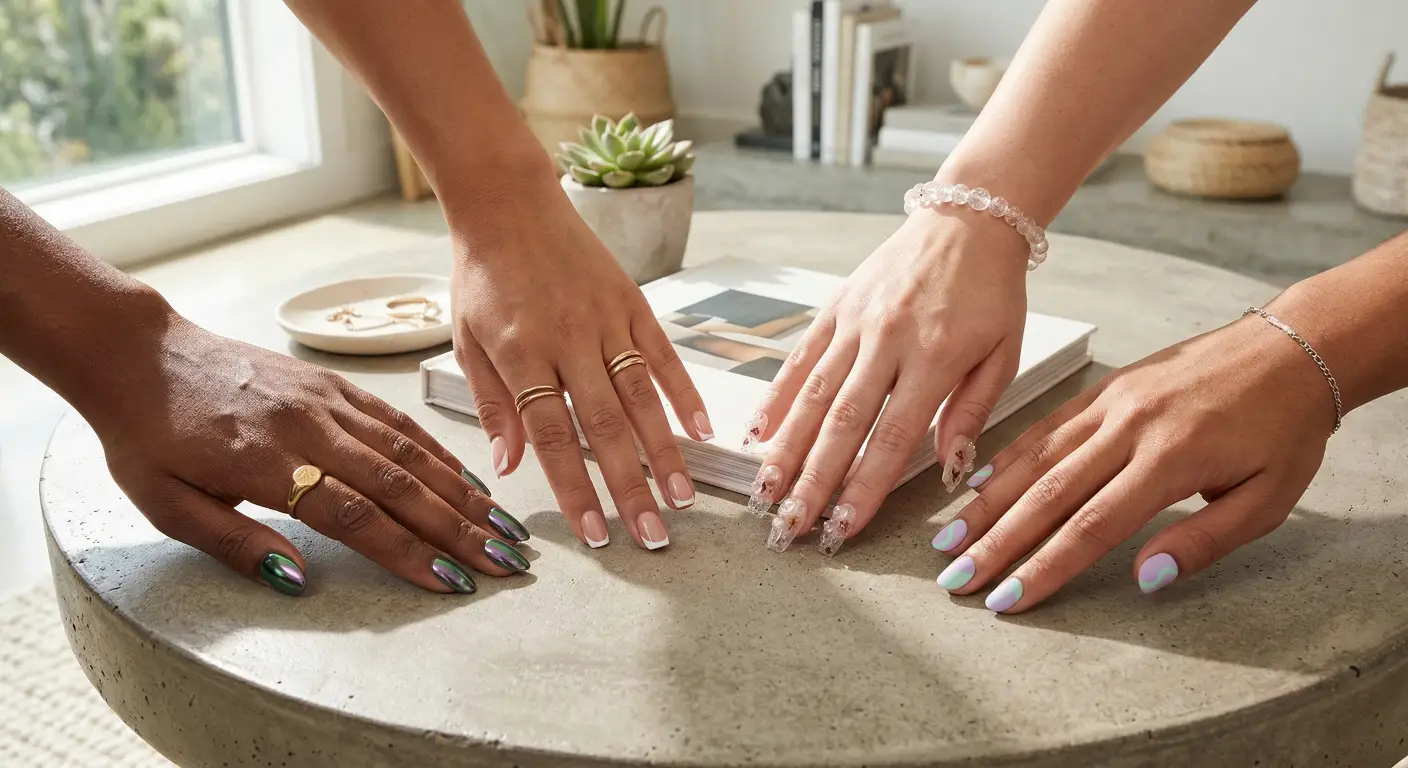
The Ultimate Guide to Choosing the Best Wholesale Press On Nails Manufacturer in 2026
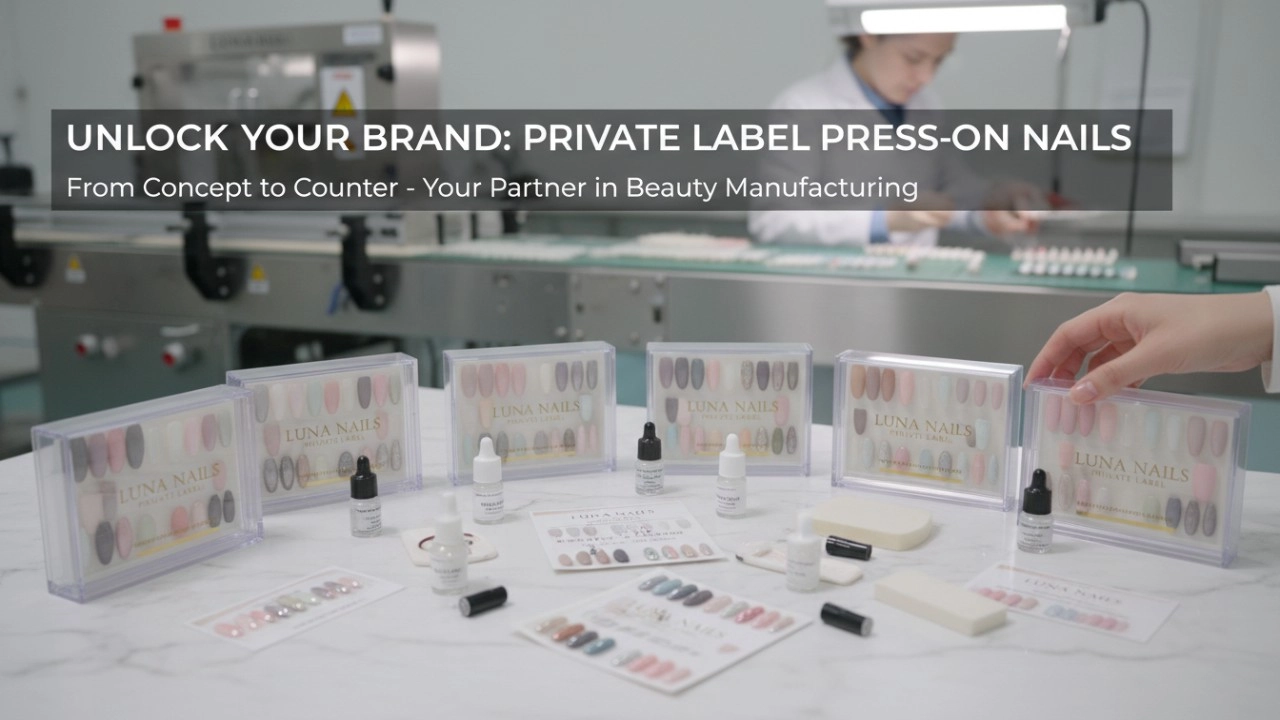
How to Scale Your Beauty Brand: Why Private Label Press On Nails Are the Highest-Margin Entry Point in 2026
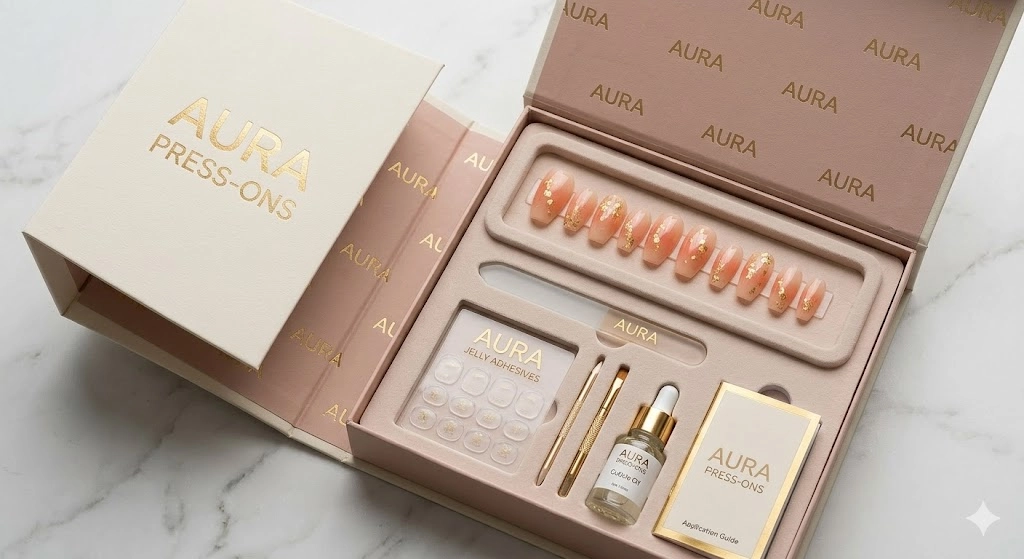
Why Partnering with Professional Press On Nails Manufacturers Boosts Your Brand Growth
75% Alcohol Pad
What is the purpose of an alcohol pad with press-on nails?
An alcohol pad is used to clean and sanitize your natural nails before applying press-on nails. It removes oils, dirt, and moisture, ensuring the press-on nails adhere better and last longer.
Biodegrable Nails
Is it reusable for the biodegradable press-on nails?
Yes, under conditions of proper use and maintenance, biodegradable nails are reusable.
About Cat Eye Nails
My press-ons keep falling off. What should I do?
Be sure that nails are clean and dry before application. For optimal adhesion, gently buff your natural nails with the file included in your kit and wipe off the surface of your nails with the prep pad. Any oils on nails can prevent the glue from sticking.
Salon Client
Do you offer customization services?
Yes, we offer customization services such as packaging design and brand logo customization, helping your salon build a unique brand identity.
About Toe Nails
How long do toe press-on nails last?
Typically, they can last anywhere from a few days to a week, depending on the brand, adhesive strength, and how well you take care of them.
If you’re careful with activities that might cause the nails to lift (like walking on rough surfaces or getting them wet frequently), they may last longer.
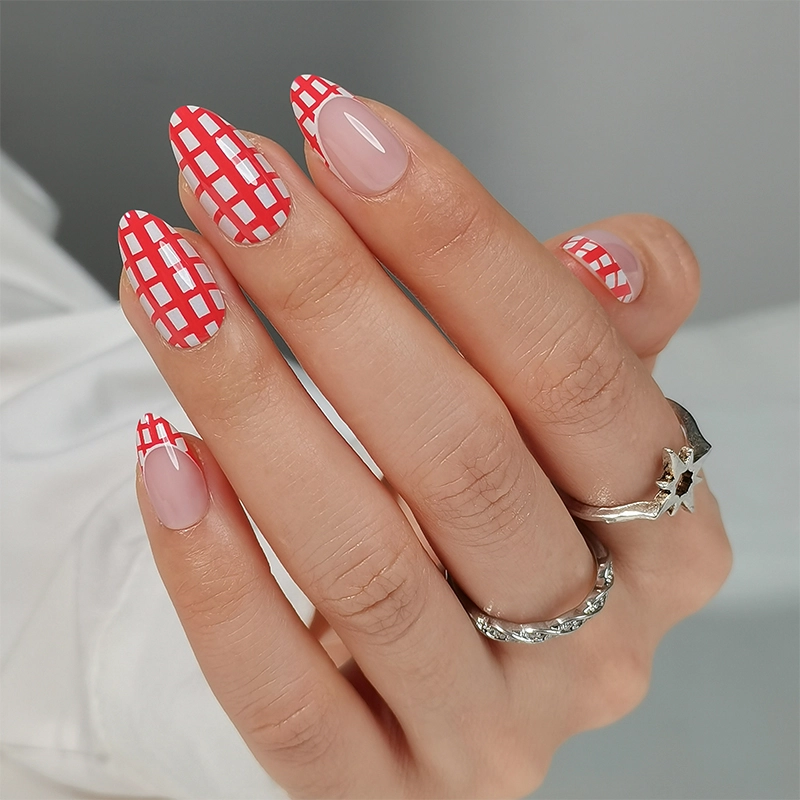
Wholesales Red French Nails Tips Checkered Soft Gel Nail Tips 32 Piece Set
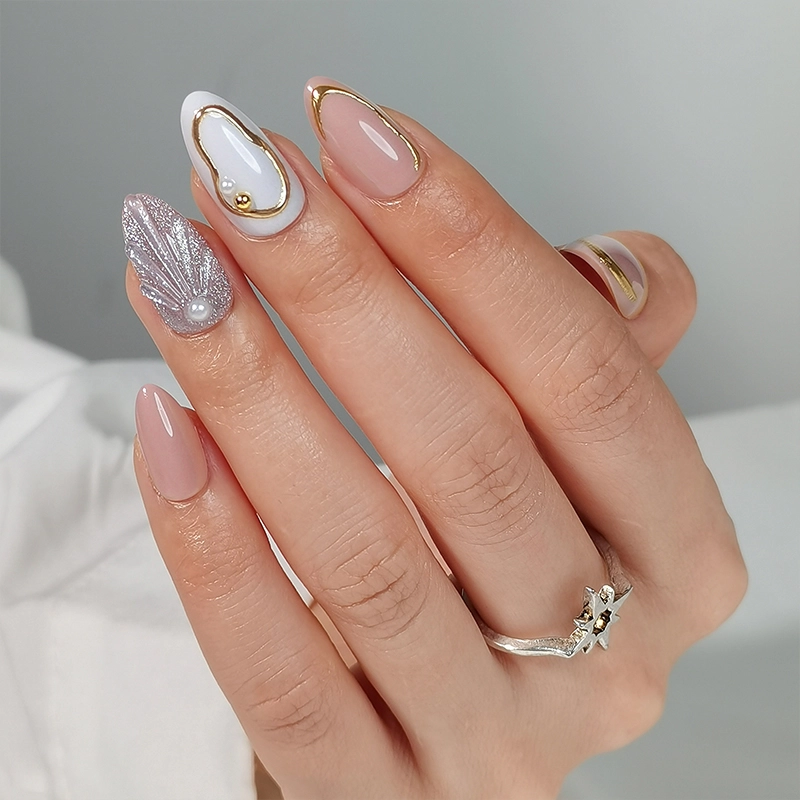
Wholesales Elegant Shell Inspired Soft Gel Wearable Nails for Seasonal Celebrations
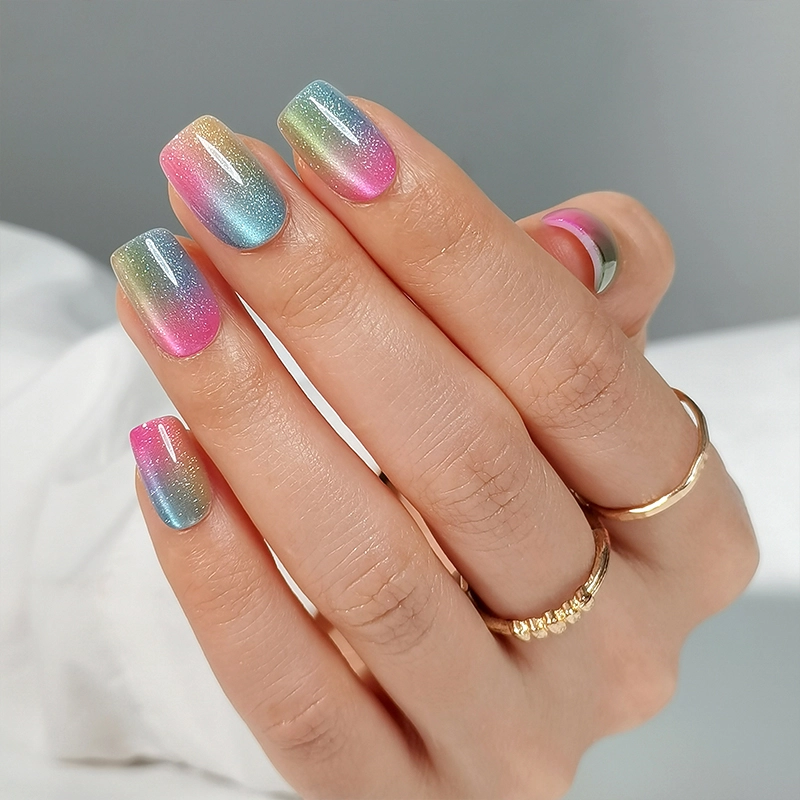
Custom Wholesale Gradient Cat Eye Soft Gel Wearable Fake Nails
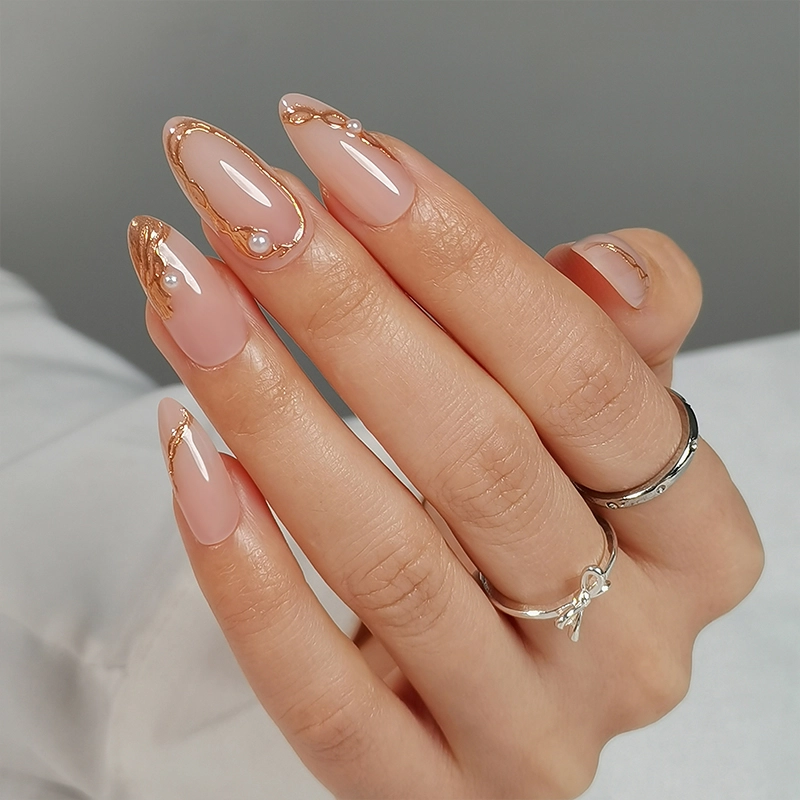
Wholesales Luxury Rhinestone Handmade Private Label Press On Nails Art Tips
Contact us
If you have press on nails products or customization needs, please feel free to contact from
below or via the contact information provided, we'll get back to you promptly within 24 hours.
By clicking 'Send Inquiry Now' I agree to XIANXING BEAUTY processing my personal data.
To see how to withdraw your consent, how to control your personal data and how we process it, please see our Privacy Policy and Terms of use.
Copyright © 2025 - XIANXING BEAUTY All Rights Reserved. Sitemap
Facebook
YouTube
Instagram
LinkedIn