
What materials make durable custom press on nails?
- What materials make durable custom press on nails? 7 buyer-focused questions (with practical answers)
- 1) For custom press-on nails, is ABS plastic or acrylic (powder & liquid) more durable — and when should I choose each?
- 2) How do 3D-printed resins compare for durable custom press-on nails — are dental resins worth the extra cost?
- 3) What adhesive system gives the longest real-world wear for custom press-on nails — glue tabs, liquid glue, or hybrid systems?
- 4) How much does fit and finished thickness affect wear life — what specs should I require from manufacturers?
- 5) What production quality tests should I ask suppliers to perform so I won't get brittle or easily-lifted press-ons?
- 6) Can press-on nails be made reusable and still be durable? What removal and care processes best preserve reuse?
- 7) What safety and regulatory checks must I require when sourcing custom press-on nails and adhesives?
- Quick sourcing and specification template for buyers
- Conclusion: How Xianxing Beauty helps you source durable custom press-on nails
- References
What materials make durable custom press on nails? 7 buyer-focused questions (with practical answers)
As a buyer or brand owner sourcing custom press-on nails, you need more than marketing claims— you need measurable material and process choices that determine longevity, safety and reusability. Below are 7 specific, hard-to-find or often-outdated buyer questions with practical answers you can act on when choosing suppliers or designing your own line.
1) For custom press-on nails, is ABS plastic or acrylic (powder & liquid) more durable — and when should I choose each?
Short answer: choose based on shape fidelity vs. structural strength and production method.
Details buyers need:
- ABS (acrylonitrile butadiene styrene): lightweight, thermoformable, abrasion-resistant and commonly used for pre-formed press-on tips. ABS is less brittle than many rigid plastics and holds printed/art finishes well. Choose ABS when the primary needs are consistent curvature, low cost, fast thermoforming or 3D thermoforming production runs.
- Acrylic (powder + liquid monomer cured chemically): provides higher structural strength and custom sculpting options (e.g., extended lengths, heavy 3D designs). Properly cured acrylic is thicker and resists bending and edge chipping better than thin ABS tips, but requires skilled techs and post-processing (filing, sealing). Note: use ethyl methacrylate (EMA) systems and avoid methyl methacrylate (MMA) monomer due to safety concerns associated with MMA use in nail services.
- Builder/Hard Gel (UV/LED cured): offers an excellent balance — high flexural strength with less odor and fewer volatile monomers, and gives a glossy finish that’s easy to customize. Ideal for reusable custom sets where a thinner, durable overlay is desirable.
Buyer checklist: ask suppliers for material type (ABS grade, acrylic system, builder gel brand), typical finished thickness, and photos of edge stress/flex tests.
2) How do 3D-printed resins compare for durable custom press-on nails — are dental resins worth the extra cost?
Short answer: 3D printing enables precise customization and repeatability; dental-grade or engineering resins can outperform commodity resins in durability but check biocompatibility and post-cure protocol.
Details buyers need:
- SLA/DLP resins can produce highly accurate, thin shells that match individual nail bed scans — excellent for custom-fit sets. Resin mechanical properties vary widely: engineering urethane acrylates and dental resins are formulated for higher toughness and lower brittleness than general-purpose jewelry resins.
- Post-curing is critical: inadequate UV post-cure leaves parts softer and more prone to deformation. Reputable suppliers specify a post-cure regimen (time, intensity) and provide mechanical property data after full cure.
- Biocompatibility: for items that contact skin long-term, prefer resins with tested cytotoxicity/ISO 10993 or equivalent documentation. Dental resins often include relevant testing because they’re intended for oral use.
Buyer checklist: request cured mechanical property datasheets (flexural modulus, elongation at break), recommended post-cure procedure, and biocompatibility/certification documents.
3) What adhesive system gives the longest real-world wear for custom press-on nails — glue tabs, liquid glue, or hybrid systems?
Short answer: properly applied cyanoacrylate (nail glue) provides the strongest single-day wear; multi-step systems (primer + glue) and quality glue tabs can improve day-to-day convenience and reusability.
Details buyers need:
- Liquid cyanoacrylate nail glues: providing the highest bond strength for long wear (7–14+ days depending on prep, activity and fitting). For best results, use a dehydrator and an acid-free primer where recommended. Beware of inferior glues that quickly yellow or fail in humid conditions.
- Glue tabs: much easier to remove and less messy, but generally lower bond durability — suitable for short wear or customers prioritizing removal. High Quality double-sided tab systems with vents and adhesive patterns can extend wear, but still typically short of liquid glue longevity.
- Hybrid approach: provide both High Quality glue and reusable tabs in kits, along with clear instructions for “long wear” (glue) vs “temporary” (tabs). Include a simple “fit & prep” checklist — we’ll cover that next.
Buyer checklist: Ask glue suppliers for shear/tensile data, recommended shelf life and storage. Insist suppliers disclose cyanoacrylate grade and whether primers are acid-based.
4) How much does fit and finished thickness affect wear life — what specs should I require from manufacturers?
Short answer: fit and apex thickness often matter more than base material. Require matched curvature (C-curve), sidewall fit, and controlled thicknesses from your manufacturer.
Concrete specs to request:
- Finished thickness range: typical durable press-on nails run 0.6–1.2 mm at the center/apex depending on style (0.6–0.9 mm for shorter, conservative designs; up to 1.0–1.2 mm for heavy 3D art or long lengths). Thicker nails increase impact resistance but can feel bulky.
- Apex profile: specify whether you want a built-in apex for strength (recommended for longer nails) and ask for photographs of stress tests (side bend/edge impact).
- Fit repeatability: request curvature scans or sample sets across sizes showing consistent C-curve and sidewall contact. Poor fit (gaps at cuticle or sidewall) is the leading cause of early lifts and failures.
Buyer checklist: require sample runs with a simple wear trial (5–10 testers) and inspection of thickness & fit consistency before confirming a production run.
5) What production quality tests should I ask suppliers to perform so I won't get brittle or easily-lifted press-ons?
Short answer: insist on mechanical and visual QC tests — flex/bend, adhesion simulation, and surface finish inspection.
Minimum tests to request:
- Flex or bend test: repeated 3–5x bends at the free edge to check for cracking or permanent deformation.
- Edge impact/chip test: light impact at the tip/sidewall to check chipping resistance.
- Adhesion simulation: fit a sample set to a nail form and simulate 2–3 days of wear (washing, light manual work) to see early lift points.
- Visual finish inspection: examine under 10x loupe for pinholes, voids or surface cure defects that weaken the structure.
Buyer checklist: require test reports or short video clips for each sample batch. If your supplier cannot demonstrate basic QC, plan sample production elsewhere.
6) Can press-on nails be made reusable and still be durable? What removal and care processes best preserve reuse?
Short answer: yes — reusable press-ons are achievable with the right combination of materials (hard gel or well-cured acrylic), adhesive strategy, and consumer instructions.
Practical reuse tips to provide customers:
- Use non-damaging adhesives for reuse: adhesive tabs or light-application cyanoacrylate used sparingly at the center can be removed without destroying the nail. Provide a small alcohol wipe or acetone-soaked pad protocol to remove residual glue carefully.
- Design for reuse: choose builder gel or well-sealed acrylic finishes that resist acetone damage, and avoid porous topcoats that trap adhesive residue. Reinforce the underside around the contact pad to reduce edge chipping on removal.
- Expected reuse rates: with careful removal and cleaning, many reusable press-ons can be used 2–5 times. Higher counts require gentle removal and minimal filing on the finished surface.
Buyer checklist: request a reusable set protocol from your manufacturer and test reuse cycles (at least 3 cycles) before ordering bulk.
7) What safety and regulatory checks must I require when sourcing custom press-on nails and adhesives?
Short answer: require material disclosure, MSDS/SDS for adhesives and monomers, and evidence of cosmetic/good manufacturing practices. Insist suppliers avoid banned/hazardous monomers.
Specific documents and claims to request:
- Material disclosure: list of polymers/resins used (ABS grade, builder gel and acrylic system chemical family), and any pigments/foil materials that contact skin.
- SDS/MSDS for adhesives, primers and any chemical delivered with product (date-stamped and current).
- Biocompatibility/testing where applicable: cytotoxicity or ISO 10993 documentation for long-term skin contact items (especially for novel 3D resins or dental resins).
- Manufacturing standards: proof of cosmetic GMP practice (e.g., ISO 22716) or supplier audit reports. For EU sales, Cosmetic Product Safety Report (CPSR) requirements apply; for US markets, suppliers should be able to support your product liability testing and ingredient declarations.
- Allergen/chemical avoidance: ask suppliers to confirm they do not use MMA monomer during production and to disclose presence of HEMA or other known contact allergens so you can label appropriately.
Buyer checklist: never accept vague answers—insist on dated SDS, GMP evidence and clear material lists before purchase.
Quick sourcing and specification template for buyers
When you contact suppliers, use this condensed spec to speed up evaluation:
- Material (choose one): ABS grade _____ / Acrylic system (EMA-based) _____ / Builder gel brand _____ / 3D resin name & post-cure protocol _____.
- Finished thickness target: center/apex _____ mm; edge thickness _____ mm.
- Apex profile: none / light / reinforced (specify mm).
- Fit: provide C-curve diagram or scan; acceptable gap tolerance ≤0.5 mm.
- Adhesive supplied: High Quality cyanoacrylate glue (SDS) / glue tabs (type) / both.
- QC: flex test videos + edge impact test + 3-cycle reuse test (if reusable set).
- Documents: SDS for adhesives, ISO 22716 or equivalent GMP evidence, CPSR (for EU) or supplier support for US market compliance.
Conclusion: How Xianxing Beauty helps you source durable custom press-on nails
Xianxing Beauty specializes in full-cycle custom press-on production that blends durable materials, repeatable fit and cosmetic-safe practices. We provide material datasheets, documented curing/post-cure protocols for gel and 3D resins, and supply both long-wear glue and reusable tab systems. Our standard pre-production includes fit scans, thickness controls and a basic 3-cycle reuse test so you receive consistent, market-ready sets that meet modern safety expectations.
References
- U.S. Food & Drug Administration (FDA), consumer safety guidance on nail products and enhancements — accessed 2024-06-01.
- American Academy of Dermatology (AAD), patient guidance on nail care, artificial nails and adhesives — accessed 2024-06-01.
- OSHA / chemical safety resources on methacrylates and worker safety (guidance on methyl methacrylate hazards) — accessed 2024-06-01.
- Manufacturers’ technical datasheets for ABS plastics, acrylic systems and builder gels (representative supplier datasheets) — accessed 2024-06-01.
- Industry best-practice guidance for cosmetic GMP (ISO 22716) and Cosmetic Product Safety Report (CPSR) overviews — accessed 2024-06-01.
For supplier vetting, sample evaluation or to request Xianxing Beauty’s sourcing/spec sheet template and sample QC videos, contact our procurement team to get production-ready checklists and batch documentation.
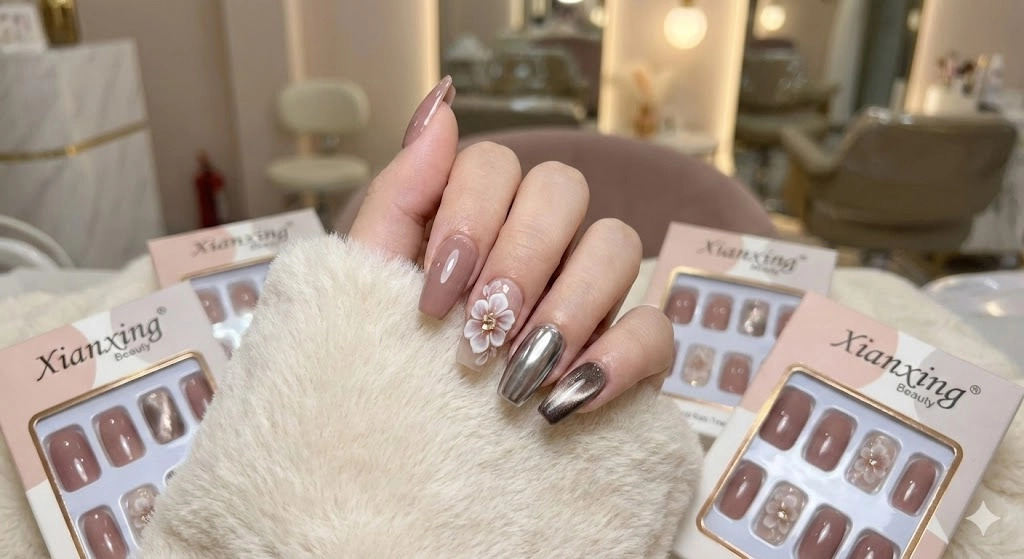
7 Red Flags to Avoid When Selecting a Wholesale Press On Nails Manufacturer
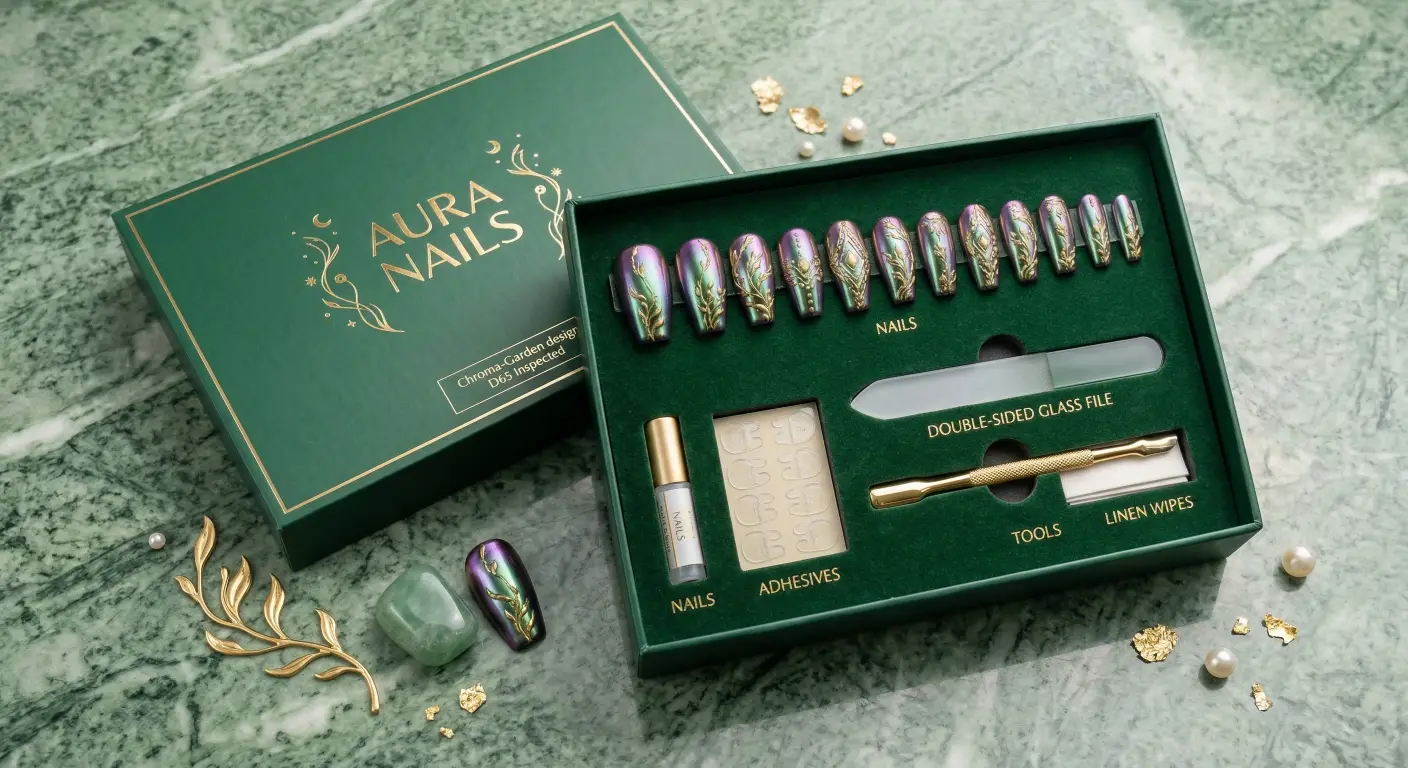
Quality Control: What to Expect from a Top-Tier Wholesale Press On Nails Manufacturer
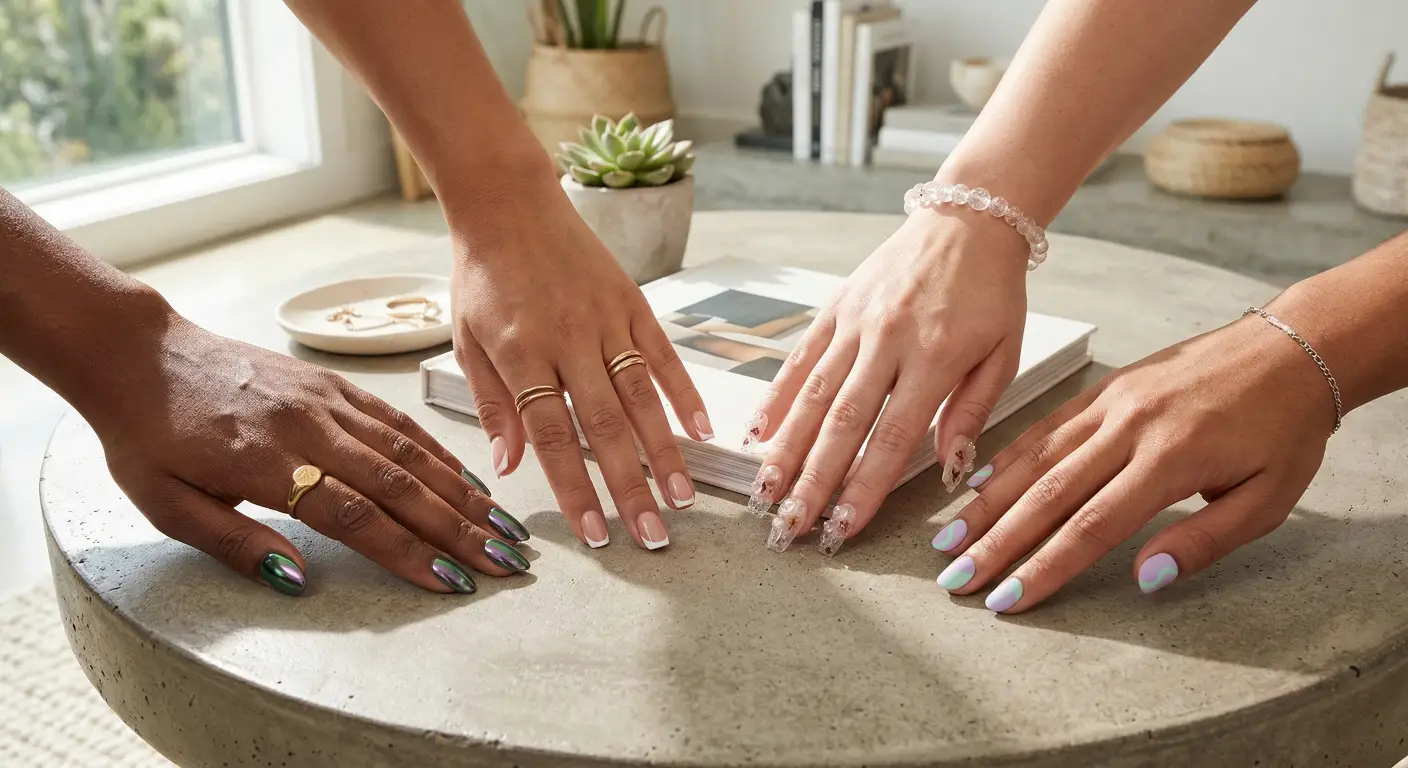
The Ultimate Guide to Choosing the Best Wholesale Press On Nails Manufacturer in 2026
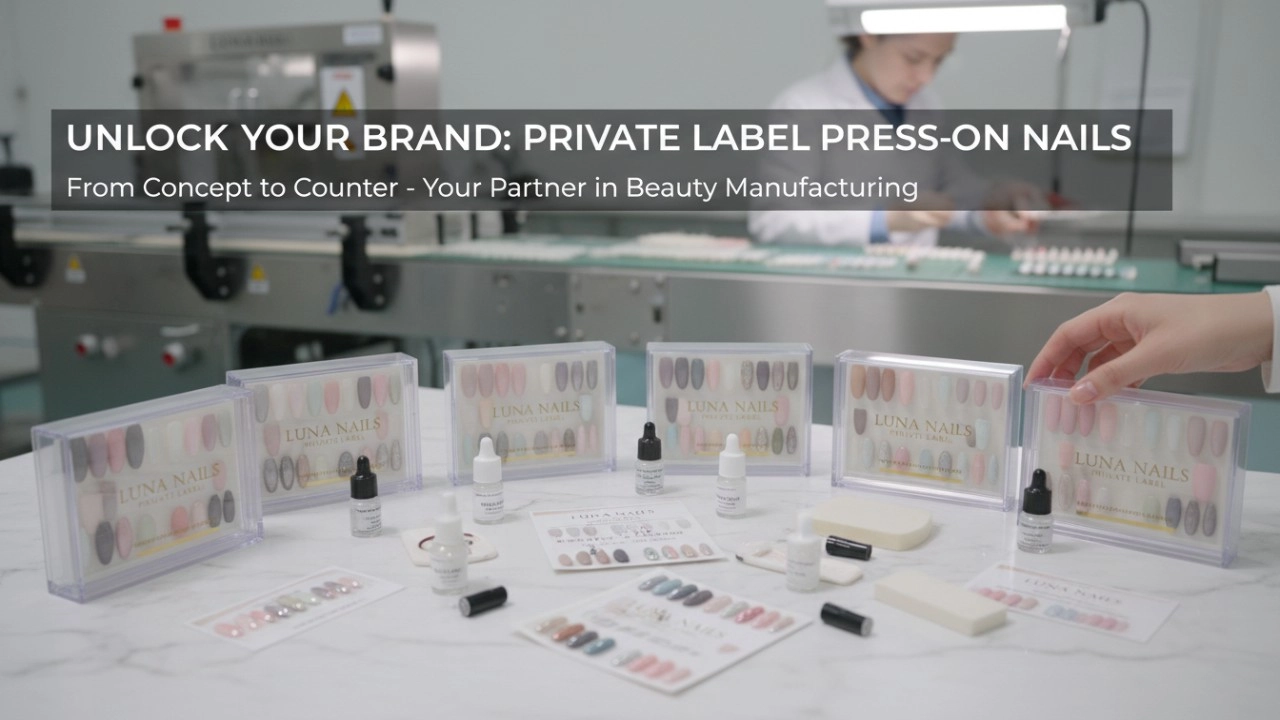
How to Scale Your Beauty Brand: Why Private Label Press On Nails Are the Highest-Margin Entry Point in 2026
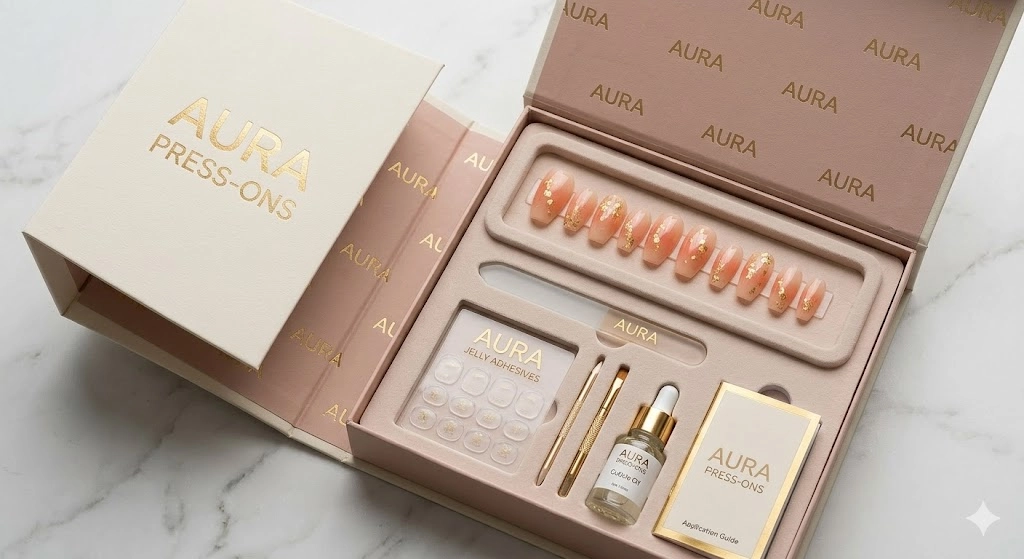
Why Partnering with Professional Press On Nails Manufacturers Boosts Your Brand Growth
Biodegrable Nails
What environmental factors affect the degradation rate of biodegradable nails?
Temperature, humidity, number and type of microorganisms are the main influencing factors. A warm and humid environment is conducive to the growth and reproduction of microorganisms, thereby accelerating the degradation process; while a dry, cold or lack of microorganisms will slow down the degradation rate.
Agent
What kind of after-sales support can Xianxing provide?
24-hour online service and 72-hour solution reply, all quality problems will be solved.
About company
Are you a factory?
Yes, we are a senior press on nails manufacturer with 20 years experience, providing one-stop service from mold opening, injection, production, sales to after-sales.
Recycled ABS Nails
How long can the colors and glossiness be maintained?
The time for maintaining the colors and glossiness of ABS press-on nails varies due to various factors. If maintained properly, avoiding contact with chemical substances, long-term exposure to the sun, and excessive wear, the colors and glossiness can be maintained for a longer time. Generally, for high-quality ABS press-on nails under normal usage conditions, the colors and glossiness can be maintained for about 1 to 2 weeks.
About Cooperation Process
What support will I receive during the collaboration?
We offer professional technical support, marketing guidance, and responsive after-sales services to ensure a smooth and successful partnership.
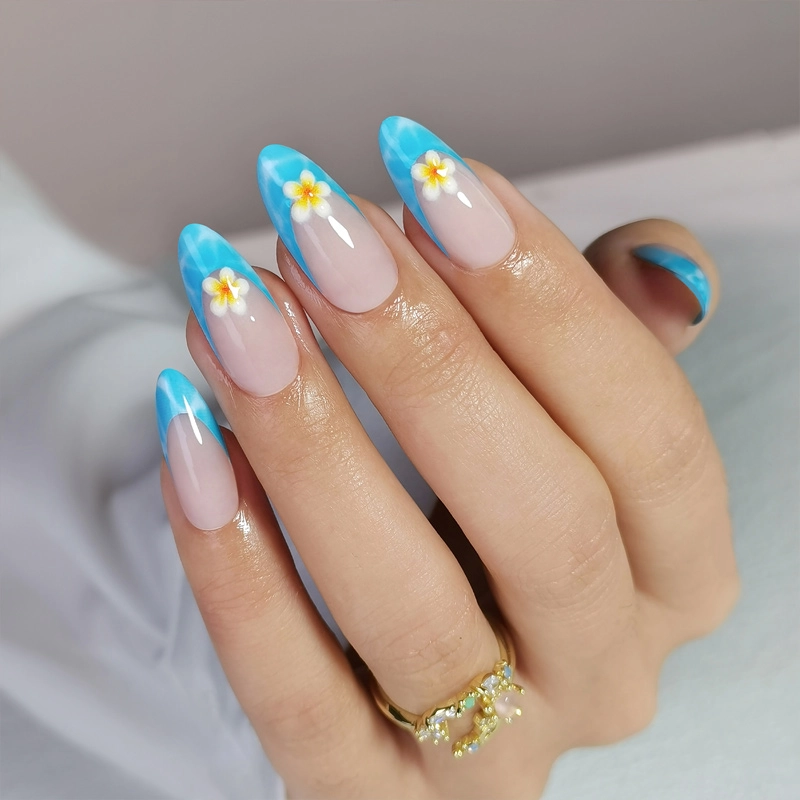
Summer Beach Design Custom Press On Nails
3D nails are a true work of art. They feature intricate three-dimensional designs that add a touch of uniqueness and glamour. Made from high-quality materials, they are durable and long-lasting. Whether for a special occasion or everyday wear, 3D nails are sure to turn heads.
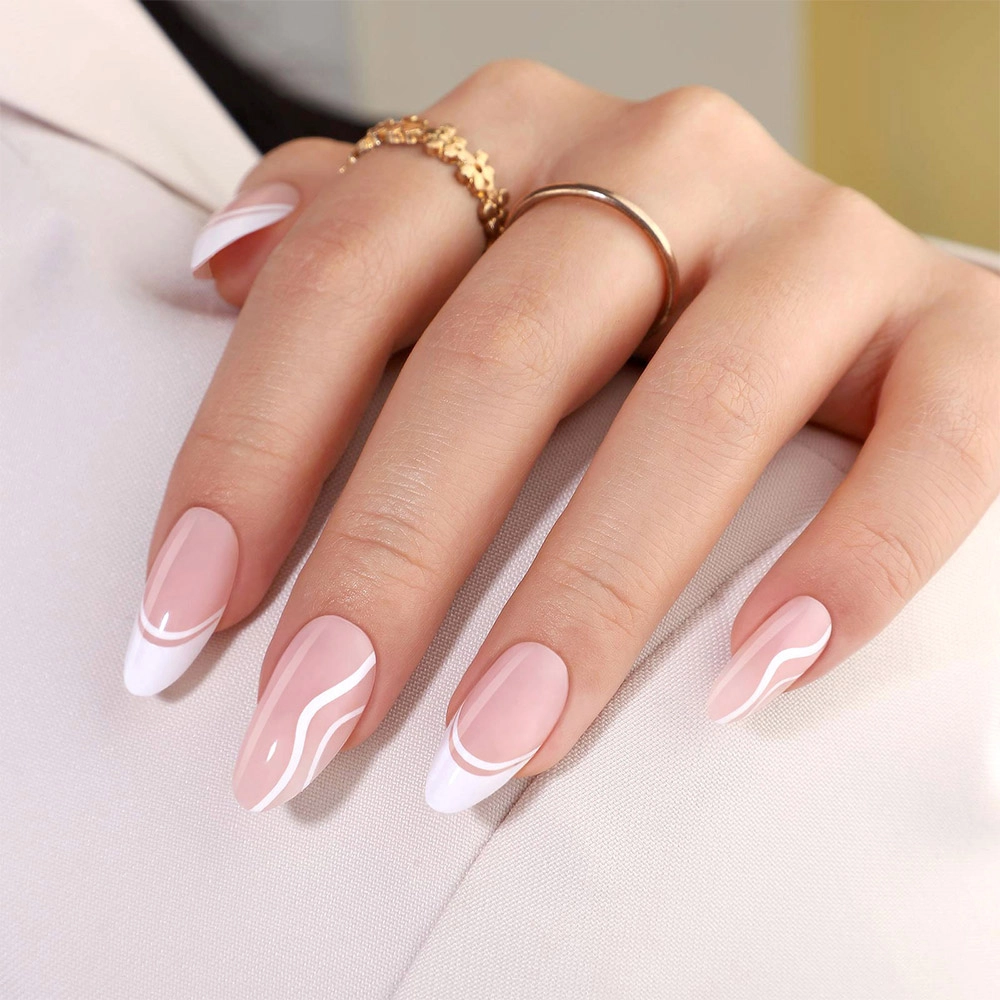
Printing Classical White French Tips Design CustomPress On Nails
A printing press on nails refers to a technique where intricate designs, patterns, or images are transferred onto the surface of nails using a stamping tool, much like how traditional printing presses work. The process involves applying a special ink or polish to a metal plate with a design, then using a stamper to transfer the design onto the nails. It's a quick and precise way to create detailed nail art.
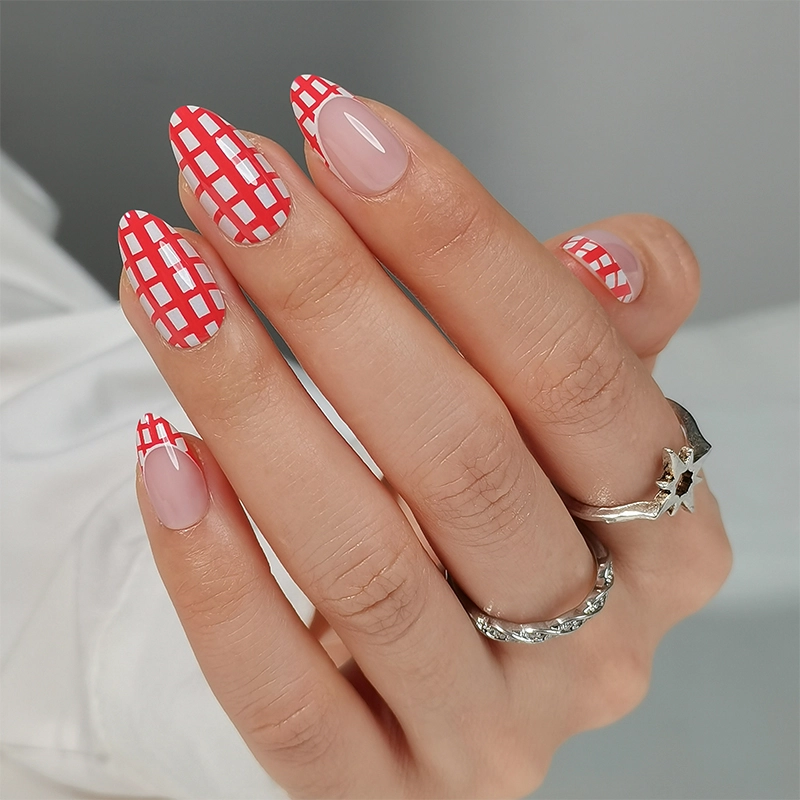
Wholesales Red French Nails Tips Checkered Soft Gel Nail Tips 32 Piece Set
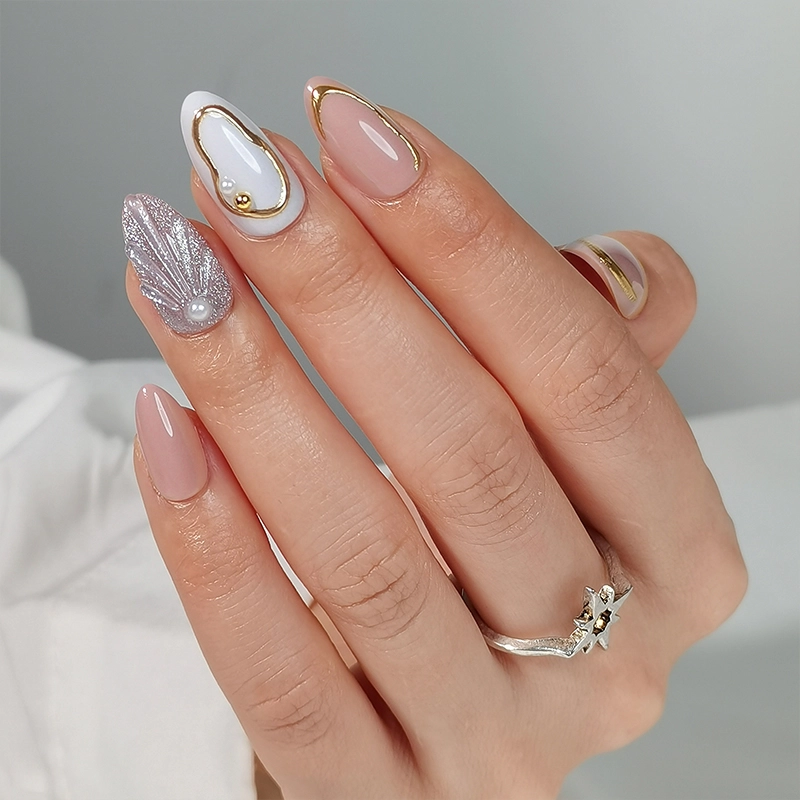
Wholesales Elegant Shell Inspired Soft Gel Wearable Nails for Seasonal Celebrations
Contact us
If you have press on nails products or customization needs, please feel free to contact from
below or via the contact information provided, we'll get back to you promptly within 24 hours.
By clicking 'Send Inquiry Now' I agree to XIANXING BEAUTY processing my personal data.
To see how to withdraw your consent, how to control your personal data and how we process it, please see our Privacy Policy and Terms of use.
Copyright © 2025 - XIANXING BEAUTY All Rights Reserved. Sitemap
Facebook
YouTube
Instagram
LinkedIn