
How to ensure quality control for custom press on nails?
- How to Ensure Quality Control for Custom Press-On Nails
- 1. How do I choose and audit a supplier for custom press-on nails?
- 2. What incoming/raw-material checks are essential?
- 3. Which laboratory and performance tests should I require?
- 4. How should I define sampling and acceptance criteria for production lots?
- 5. What in-line and final inspections deliver the highest ROI?
- 6. How to test adhesives and validate wear-life claims?
- 7. What regulatory and labeling requirements should I check before placing orders?
- Practical QC checklist for procurement (one-page)
- Conclusion — Why Xianxing Beauty is a good partner
- References & Sources (official guidance, standards, and testing references)
How to Ensure Quality Control for Custom Press-On Nails
Custom press-on nails combine cosmetics, polymer engineering and adhesives — so procurement professionals must treat them as regulated consumer products. Below are the most common buyer questions with practical, standards-based answers you can use when qualifying suppliers, writing specs, and approving production.
1. How do I choose and audit a supplier for custom press-on nails?
Start with documentation and capability checks, then verify on-site with a targeted audit.
- Required documents before sample/order: company registration, ISO 9001 (quality) or ISO 22716 (cosmetics GMP) if available, ISO/IEC 17025 lab accreditation for in-house testing or third-party lab reports, MSDS for adhesives/resins, and Certificates of Analysis (COA) for pigments/ingredients.
- Supplier audit checklist items: production layout and segregation of raw materials, process flow and in-process inspection points, QA lab equipment (spectrophotometer, gloss meter, thickness gauge), staff training records, traceability and batch coding, packaging and storage conditions, and corrective action logs.
- Red flags: lack of material traceability, missing MSDS/COAs, no outgoing product testing, no versioned quality control plans.
2. What incoming/raw-material checks are essential?
Control starts with incoming inspection. For press-on nails, key raw-materials are nail blanks (ABS, acrylic or gel), pigments/dyes, decorative elements (metal charms, crystals), and adhesives (pre-applied glue tabs or bottled glues).
- Verify COAs and MSDS for each lot; check for restricted substances (heavy metals, phthalates, formaldehyde releasers) and ensure pigments are cosmetic-grade.
- Check physical parameters: nail blank dimensions and curvature, thickness tolerance, and surface finish. Use a caliper and optical inspection: typical dimensional tolerance ±0.2 mm for precise fit (define your tolerance in specs).
- Adhesives: confirm shelf life, storage conditions, flash point, and recommended curing/activation. Request compatibility data with nail blanks (polymer adhesion) and with typical nail surface prep.
- Perform a first-article test batch: fit, adhesive tack and appearance before full production.
3. Which laboratory and performance tests should I require?
Specify a testing matrix covering safety, performance and appearance. Use accredited (ISO/IEC 17025) labs for third-party verification.
- Safety and regulatory: ensure compliance with applicable cosmetic/consumer-product rules — for the EU require a Cosmetic Product Safety Assessment (CPSR) under EU Regulation (EC) No 1223/2009; in the US, cosmetics must be safe and properly labeled per FDA guidance.
- Biocompatibility/skin safety: for adhesives and materials in contact with the nail plate/skin, request skin irritation and sensitization assessment. Many buyers rely on in vitro and expert safety assessments (or ISO 10993-series for medical-grade contact evaluation where applicable).
- Adhesion/wear tests: perform wear simulation (real-world wear trial) to match marketing claims (e.g., 7–14 days). For lab metrics, request peel/shear testing of adhesive bond (ASTM D3330 for peel adhesion of pressure-sensitive adhesives is commonly used as a reference) and accelerated aging to simulate shelf life.
- Appearance and color: use instrumental color measurement (spectrophotometer) with Delta E (CIEDE2000) tolerances; typical production acceptance is Delta E ≤2 for good visual match between sample and bulk production.
- Mechanical: bend/flex tests to confirm nails won’t crack under normal wear, and drop/impact tests for finished product robustness.
- Restricted substances and metal release: test decorative metals for nickel release (EN 1811) if items contact skin; verify pigments for heavy-metal content and any restricted substances per REACH/Consumer Product Safety rules in your market.
4. How should I define sampling and acceptance criteria for production lots?
Use statistical sampling plus visual/functional acceptance criteria so decisions are objective and repeatable.
- Sampling plans: adopt ANSI/ASQ Z1.4 (AQL) sampling tables. A common choice for consumer cosmetics and accessories is AQL 2.5 for major defects; tighten to AQL 1.5 for High Quality product lines.
- Acceptance criteria examples: visual defects (chips, bubbles, incorrect prints) — AQL thresholds; dimensional tolerance (±0.2 mm or agreed spec); color (Delta E ≤2); adhesive performance — passes 7-day wear simulation or meets lab peel strength benchmark specified in your contract.
- Nonconforming product: require supplier corrective action reports (SCARs) and root-cause documentation before release of subsequent lots. Consider holding shipments until failing lots are reworked or replaced.
5. What in-line and final inspections deliver the highest ROI?
In-line checks catch problems early; final inspection prevents bad shipments.
- In-line checks: raw-material verification, first-article inspection (dimensions, fit, color), in-process appearance checks after decoration/printing steps, and adhesive application uniformity checks.
- Final inspection: full visual inspection by trained QC staff (or third-party CIQ) using a defined inspection standard and magnification as required; functional sample testing (wear test on representative samples from the lot); verification of labeling, batch code and packaging integrity.
- Use photo records for each lot and require supplier to store them for traceability.
6. How to test adhesives and validate wear-life claims?
Adhesive performance is central to user satisfaction. Combine lab and human wear tests.
- Lab tests: peel adhesion and shear testing (use ASTM methods such as ASTM D3330 as a guide for peel adhesion) and aging tests (e.g., accelerated aging at elevated temperature and humidity to predict shelf life). Request adhesive tack and residual adhesive transfer measurements.
- Wear trials: run standardized human-wear studies — minimum 20–50 users across typical activities (washing, household chores, light manual tasks) for claims like “7 days wear.” Record retention, edge lifting, and user-reported issues. Document test protocol and demographic mix.
- Environmental tests: exposure to water, sweat (saline), solvents (common cosmetics and hand sanitizers) to check resistance and failure modes.
7. What regulatory and labeling requirements should I check before placing orders?
Rules vary by market. Don’t assume cosmetics rules don’t apply—ingredients and adhesives may fall under cosmetics or consumer product regulations.
- EU: press-on nails and adhesives used for aesthetic purposes fall under the EU Cosmetics Regulation (EC) No 1223/2009 if classified as cosmetic. The product must have a Responsible Person, a CPSR (safety assessment), correct labeling (ingredients list if the product is a cosmetic), and CPNP notification before placing on the EU market.
- US: FDA does not pre-approve cosmetics, but products must be safe and not misbranded. Adhesives may have additional safety concerns; ensure labeling is not misleading and keep safety/supporting documentation readily available.
- Other markets: check local import and consumer product rules, toy/child-safety regulations for products marketed to minors, and electrical/chemical regulations if any accessories contain electronics or batteries.
- Always require the supplier to furnish a regulatory compliance pack per shipment: COA, MSDS, CPSR (if applicable), test reports for restricted substances, and batch traceability records.
Practical QC checklist for procurement (one-page)
Use this procurement-ready checklist to evaluate suppliers and batches:
- Documentation: business license, ISO 9001/22716 (if any), ISO/IEC 17025 lab reports, MSDS, COAs.
- First-article sample: signed approval on dimensions, fit, color (Delta E), finish, adhesive compatibility.
- Incoming inspection: verify COA/MSDS, dimensions, surface quality.
- In-line checks: appearance, adhesive application consistency, curing/drying control.
- Final inspection: visual AQL sampling (ANSI/ASQ Z1.4), functional wear test samples, labeling and packaging check.
- Third-party testing: biocompatibility/skin safety assessment as needed, restricted-substances testing, metal release for charms.
- Traceability: batch numbers, photos, retained samples, supplier corrective action process.
Conclusion — Why Xianxing Beauty is a good partner
Xianxing Beauty combines production expertise with cosmetic compliance and a strong QC system tailored for custom press-on nails. Their advantages include documented material traceability, partnerships with ISO/IEC 17025 testing labs for third-party verification, adoption of cosmetic GMP practices (ISO 22716), and standardized wear-testing protocols that back up product claims. For procurement teams seeking consistent quality, Xianxing Beauty’s integrated supplier audits, first-article validation and batch traceability reduce risk and speed time-to-market.
References & Sources (official guidance, standards, and testing references)
- European Parliament and Council — Regulation (EC) No 1223/2009 on Cosmetic Products. Accessed 2026-02-02: https://eur-lex.europa.eu/eli/reg/2009/1223/oj (2009)
- U.S. Food & Drug Administration (FDA) — Cosmetic Safety and Regulation Guidance. Accessed 2026-02-02: https://www.fda.gov/cosmetics (various pages)
- ISO 22716: Cosmetics — Good Manufacturing Practices (GMP). Accessed 2026-02-02: https://www.iso.org/standard/36437.
- ISO/IEC 17025: General requirements for the competence of testing and calibration laboratories. Accessed 2026-02-02: https://www.iso.org/standard/66912.
- ANSI/ASQ Z1.4 — Sampling Procedures and Tables for Inspection by Attributes (AQL). Accessed 2026-02-02: https://asq.org/quality-resources/acceptance-sampling
- ASTM D3330 — Standard Test Method for Peel Adhesion of Pressure-Sensitive Tape. Accessed 2026-02-02: https://www.astm.org/Standards/D3330.htm
- CIEDE2000 Delta E — CIE color-difference formula for instrumental color matching. Accessed 2026-02-02: https://cie.co.at/eil
- ISO 10993 series — Biological evaluation of medical devices (for guidance on biocompatibility where relevant). Accessed 2026-02-02: https://www.iso.org/standard/68936.
- EN 1811 — Reference test method for nickel release (if decorative metals contact skin). Accessed 2026-02-02: https://standards.cen.eu
- SGS/Intertek — third-party testing and certification service providers (for lab testing and product verification). Accessed 2026-02-02: https://www.sgs.com and https://www.intertek.com
- Market and industry trend reports (examples of labs and market analysts used by procurement teams for category insight). Accessed 2026-02-02: examples include Grand View Research and Statista (search latest reports for nail care and adhesives). URLs: https://www.grandviewresearch.com , https://www.statista.com
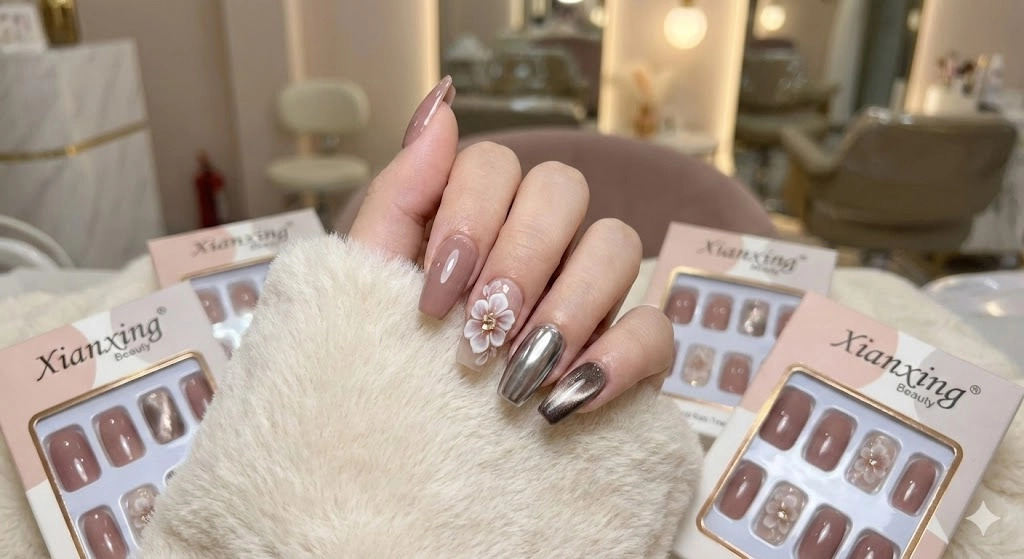
7 Red Flags to Avoid When Selecting a Wholesale Press On Nails Manufacturer
The Ultimate Guide to Choosing the Best Wholesale Press On Nails Manufacturer in 2026
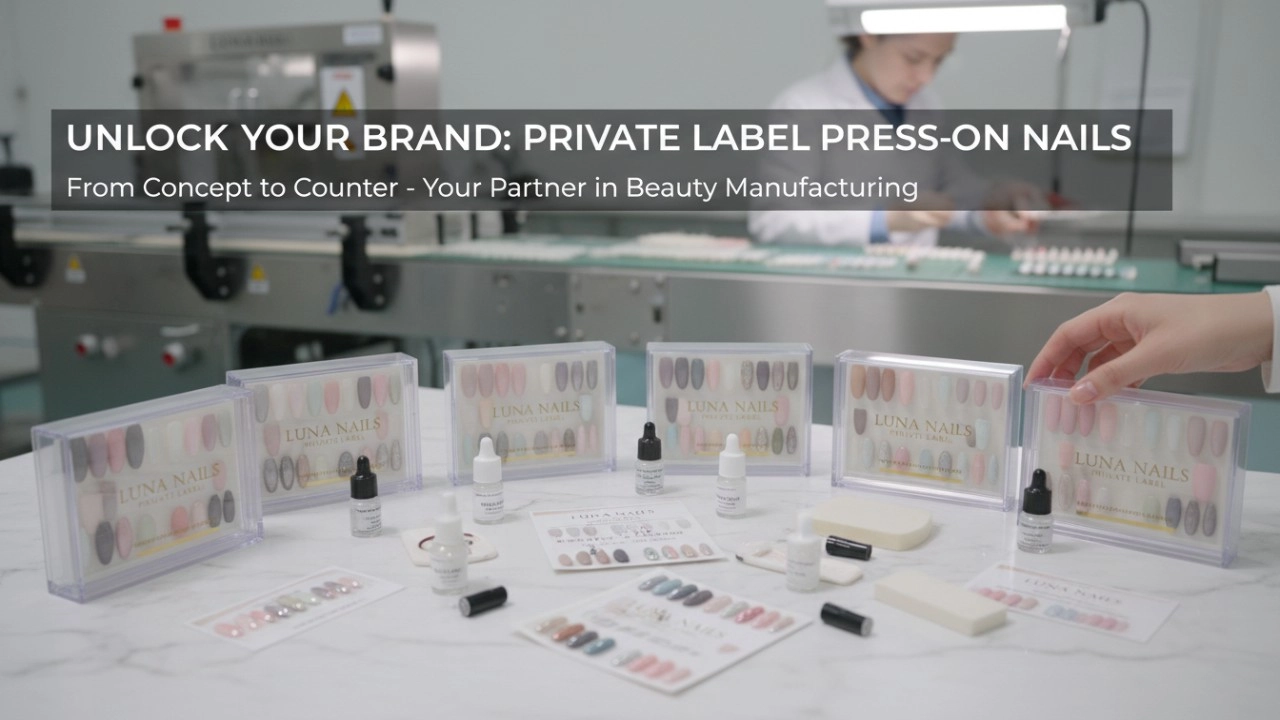
How to Scale Your Beauty Brand: Why Private Label Press On Nails Are the Highest-Margin Entry Point in 2026
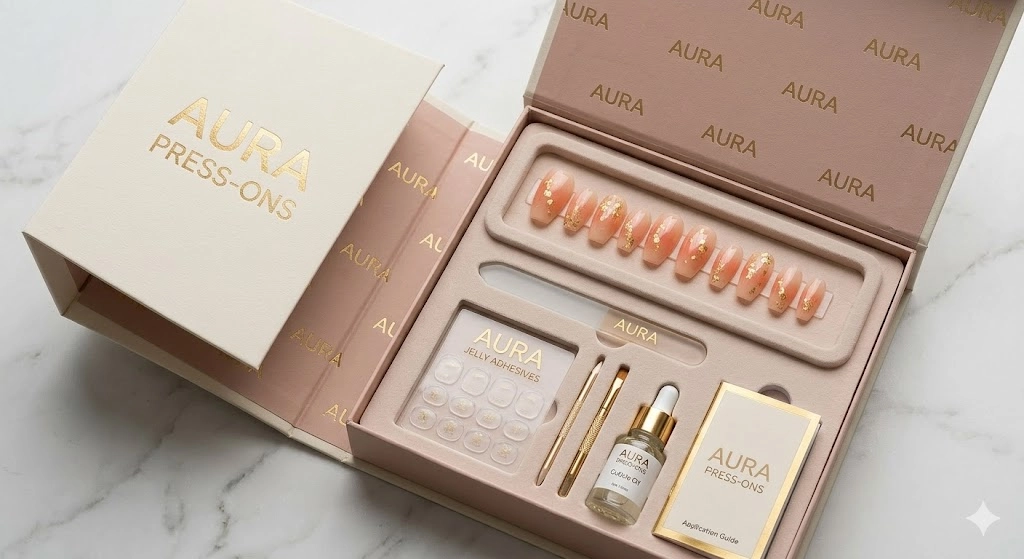
Why Partnering with Professional Press On Nails Manufacturers Boosts Your Brand Growth
Acrylic Nail Tips vs. Soft Gel: Which is Best for Your Private Label Brand? (2026 Guide)
Remove armor
Can remover liquid be used on all surfaces?
No, some remover liquids (especially nail polish remover) can damage certain materials, such as fabrics, plastics, or painted surfaces. Always test a small area first.
About French Nails Tips
Are they suitable for all nail sizes?
Most sets come with multiple sizes to fit a variety of nail widths. Check the package for sizing options.
Crystal spike
How do I use a Crystal Point Stick?
Push back cuticles: Use the pointed end to gently push back your cuticles. Be gentle to avoid damaging the skin.
Clean under nails: The pointed tip is great for cleaning out dirt or debris from underneath the nails.
Precise application: Apply cuticle oil or other treatments using the stick's tip for precise control.
Recycled ABS Nails
What should be done if there are scratches or wear on the nail tips?
If there are slight scratches or wear on the nail tip surface, you can use fine sandpaper or a grinding rod to gently grind the nail tip surface, and then use a polishing strip to polish it to make it regain its gloss. If the wear is more serious, you can also repaint the nail polish or use nail art stickers to repair it.
About Cat Eye Nails
My press-ons keep falling off. What should I do?
Be sure that nails are clean and dry before application. For optimal adhesion, gently buff your natural nails with the file included in your kit and wipe off the surface of your nails with the prep pad. Any oils on nails can prevent the glue from sticking.
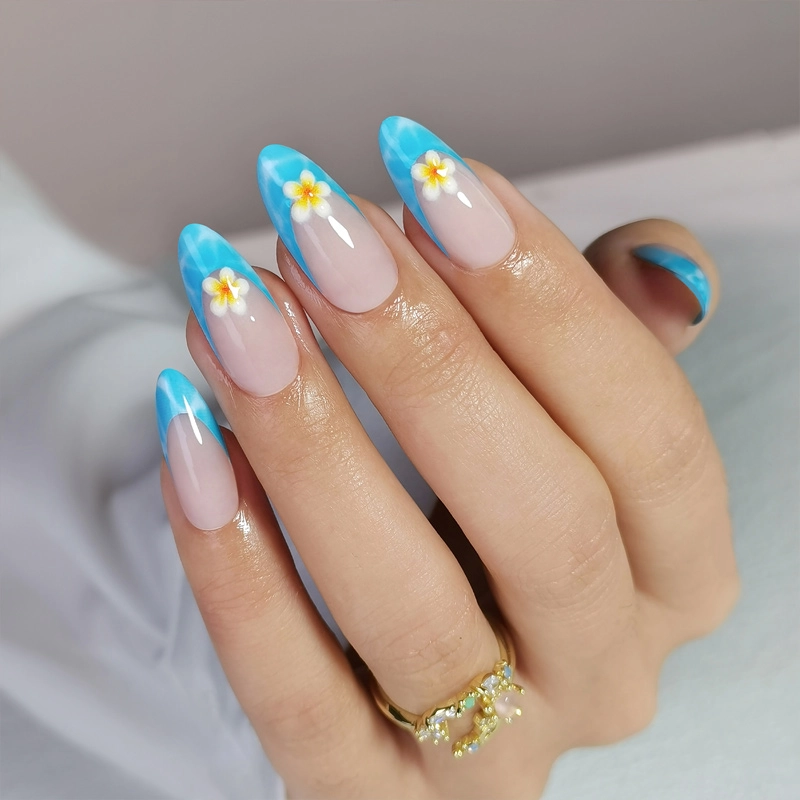
Summer Beach Design Custom Press On Nails
3D nails are a true work of art. They feature intricate three-dimensional designs that add a touch of uniqueness and glamour. Made from high-quality materials, they are durable and long-lasting. Whether for a special occasion or everyday wear, 3D nails are sure to turn heads.
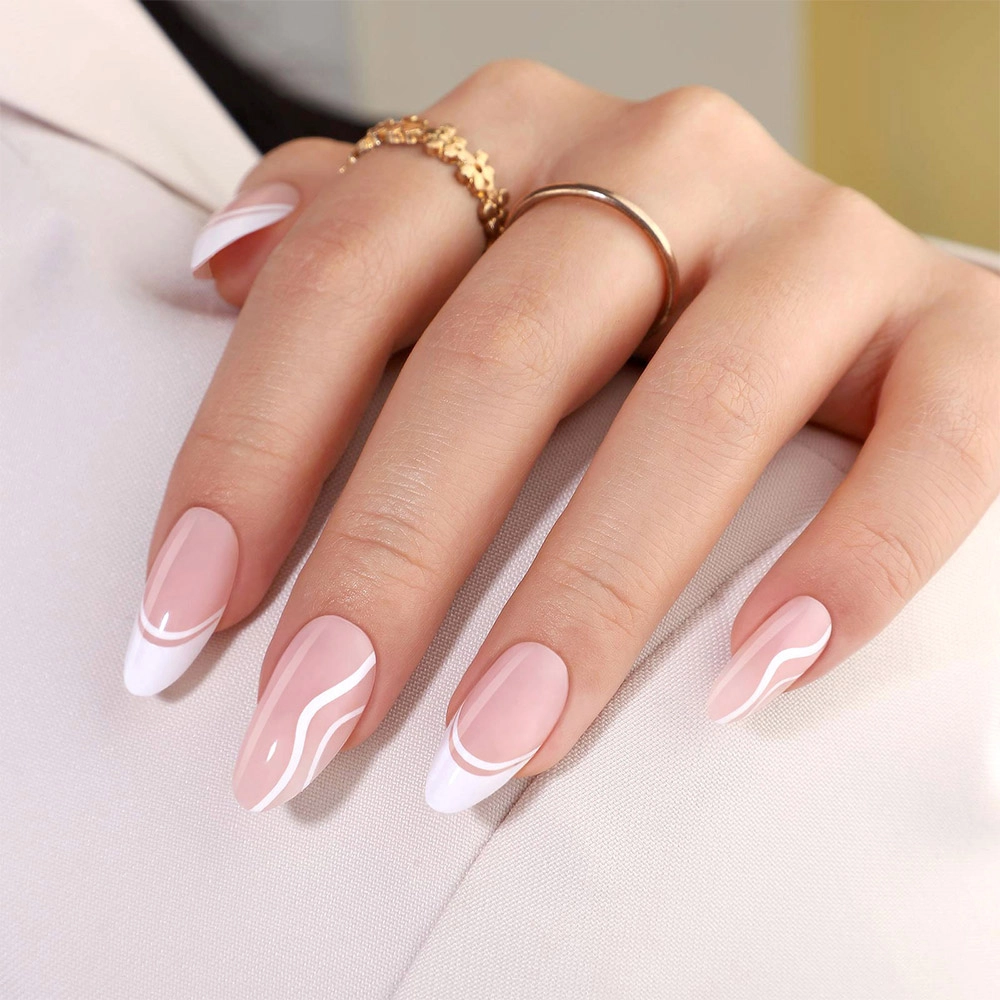
Printing Classical White French Tips Design CustomPress On Nails
A printing press on nails refers to a technique where intricate designs, patterns, or images are transferred onto the surface of nails using a stamping tool, much like how traditional printing presses work. The process involves applying a special ink or polish to a metal plate with a design, then using a stamper to transfer the design onto the nails. It's a quick and precise way to create detailed nail art.
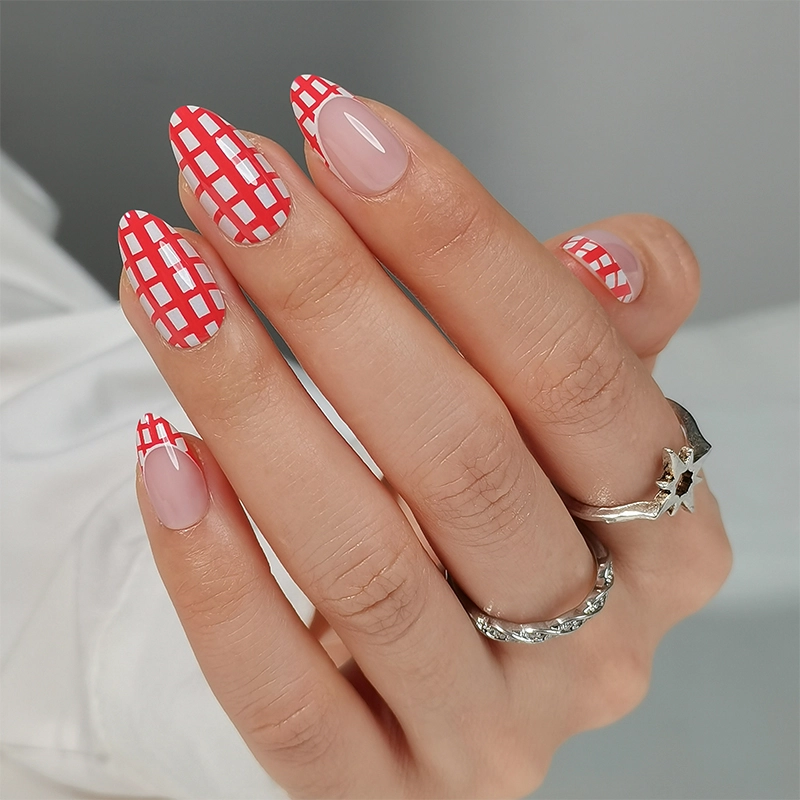
Wholesales Red French Nails Tips Checkered Soft Gel Nail Tips 32 Piece Set
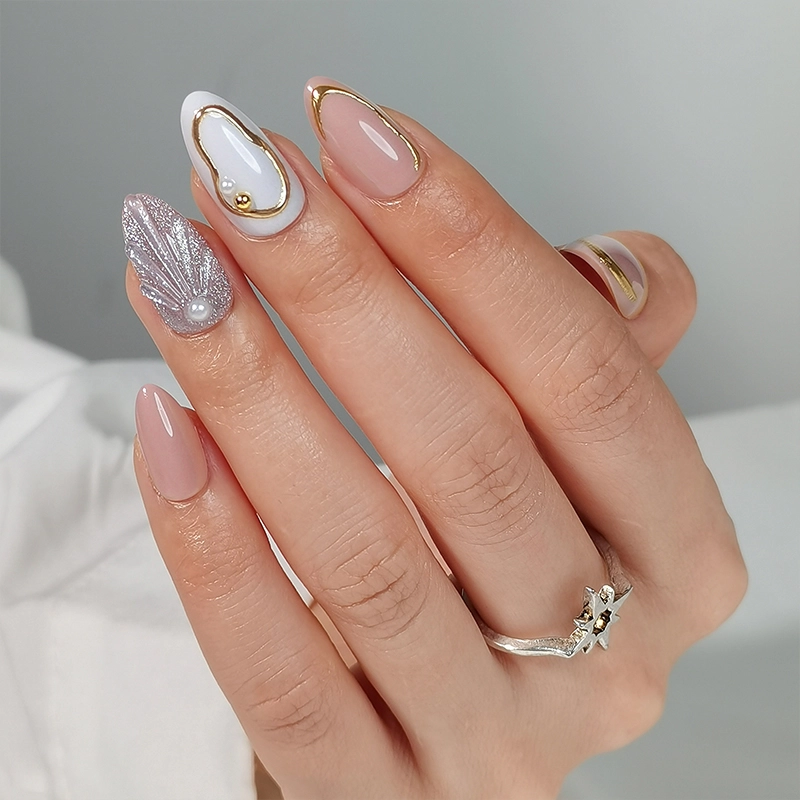
Wholesales Elegant Shell Inspired Soft Gel Wearable Nails for Seasonal Celebrations
Contact us
If you have press on nails products or customization needs, please feel free to contact from
below or via the contact information provided, we'll get back to you promptly within 24 hours.
By clicking 'Send Inquiry Now' I agree to XIANXING BEAUTY processing my personal data.
To see how to withdraw your consent, how to control your personal data and how we process it, please see our Privacy Policy and Terms of use.
Copyright © 2025 - XIANXING BEAUTY All Rights Reserved. Sitemap
Facebook
YouTube
Instagram
LinkedIn