
How to Choose a Wholesale Supplier for Custom Press-On Toe Nails?
- 1) How do I calculate the true landed cost per set for wholesale custom press-on toe nails (including mold amortization, samples, freight, duties and returns)?
- 2) What realistic MOQs and mold fee structures should I expect, and how can I negotiate lower barriers for custom toe nail designs?
- 3) How can I remotely verify a supplier’s hygiene, chemical safety compliance (CPSR/REACH), and worker conditions for press-on toe nails?
- 4) Which adhesive type and bulk packaging options actually deliver 2+ weeks wear for toe nails, given sweat, shoes and friction?
- 5) How do I ensure correct size grading and a practical packaging mix to minimize returns for online sales of custom toe nail sets?
- 6) How can I protect my brand and unique press-on toe nail designs when manufacturing overseas — which contractual clauses actually work?
1) How do I calculate the true landed cost per set for wholesale custom press-on toe nails (including mold amortization, samples, freight, duties and returns)?
Begin with a single-unit cost model that rolls every upstream and downstream expense into one final number. For custom toe nail sets this is essential because tooling, adhesives, and packaging materially affect margin.
Step-by-step calculation:
- Base unit price from supplier (EXW or FOB). Ask for price breakdown: material, labor, surface finish, decoration (chrome/foil/rhinestones), and additional processes (UV curing, gel overlay).
- Tooling / mold amortization = total mold fee ÷ expected runs. If a mold costs $800 and you plan 4,000 sets over its life, amortize $0.20 per set. If supplier won’t disclose life, assume conservative 1,000–5,000 impressions for custom nail shapes.
- Sampling & pre-production: include sample cost + shipping — amortize over the first production run.
- Packaging and inserts per set: decorated boxes, hygiene seals, single-use glue sachets, instruction leaflets, barcodes.
- Adhesives: if you include bulk glue sachets or adhesive tabs, add packaged cost per sachet/tab set.
- Inland transport to export port and local transport at destination (truck to warehouse). Ask supplier and freight forwarder estimates.
- International freight + insurance (CIF or DDP quotes simplify this; ask forwarder). Divide total freight by units in that shipment to get freight-per-set.
- Import duties & VAT: identify the HS code for the product (ask supplier or customs broker) and use official tariff lookup (USITC, TARIC for EU, national customs sites). Duties vary by country — use a customs broker for precise numbers.
- Customs clearance & brokerage fees, port handling, local taxes.
- Quality control & inspection costs (third-party inspections like pre-shipment checks by SGS/Intertek).
- Expected returns & spoilage: estimate a conservative percentage (e.g., 1–5%) and allocate that cost into unit pricing. For new SKUs use a higher buffer.
- Payment fees and currency hedging (wire fees, Alibaba/Payoneer fees, letter of credit costs).
Formula (example): Final landed cost per set = (Base unit + amortized mold + amortized samples + packaging + adhesive + inland export + international freight/unit + insurance/unit + duties + brokerage + inspection/unit + returns buffer + payment fees)
Practical tips:
- Get FOB and DDP quotes. DDP (Delivered Duty Paid) hides complexity but is usually higher; use it for simple comparisons.
- Use a freight forwarder or landed-cost calculator to validate duty / VAT components. Don’t rely solely on supplier estimates for customs codes.
- Split mold cost with the supplier for the first run or negotiate stocked base shapes to avoid upfront tooling.
2) What realistic MOQs and mold fee structures should I expect, and how can I negotiate lower barriers for custom toe nail designs?
MOQs and tooling vary by supplier, decoration complexity, and region. There are two dominant scenarios:
- Stocked base shapes and colors. Lower MOQ because supplier uses existing molds — often possible in 100–500 sets per SKU if the factory keeps stock.
- True custom molds and bespoke 3D art. Higher MOQ because of mold setup and changeover — commonly 300–1,000+ sets per design. Intricate 3D topography or embedded crystals can push MOQs and tooling fees higher.
Mold-fee structures you’ll encounter:
- One-time upfront mold payment (you may own the mold, or the supplier may retain ownership).
- Mold amortized into higher per-unit price (no visible upfront fee but higher unit cost until amortized).
- Shared-cost or deposit model — you pay part of the mold fee up front and balance on delivery.
Negotiation tactics:
- Ask for a sample run on a stocked mold or minor modification (cheaper than a full custom mold).
- Offer to co-invest in mold cost in exchange for exclusivity for a defined period and market region.
- Request a staged payment: smaller deposit, balance after sample approval.
- Bundle SKUs to hit supplier’s MOQ while spreading mold cost across multiple designs.
- Use an initial pilot order (smaller run at higher unit price) to validate market demand, then scale and negotiate better terms.
3) How can I remotely verify a supplier’s hygiene, chemical safety compliance (CPSR/REACH), and worker conditions for press-on toe nails?
Remotely validating safety and factory practices is essential because press-on nails are used on skin and need chemical and hygiene controls.
Verification checklist:
- Regulatory documentation: ask for a Cosmetic Product Safety Report (CPSR) if you’re selling in the EU (required under EC No 1223/2009). For other markets ask for MSDS for adhesives and materials, and written declaration that ingredients comply with local law (FDA guidance in the U.S. — cosmetics are not pre-approved, but manufacturers are responsible for safety).
- Third-party test reports: request recent lab testing for phthalates, heavy metals (lead, cadmium), and banned substances. Trusted labs: SGS, Intertek, Bureau Veritas. Verify test report serial numbers and lab contact details.
- Quality management and GMPs: ask for ISO 22716 certification (cosmetic GMP) or internal quality manuals documenting contamination control, cleanroom procedures, and batch traceability.
- Material COAs: Certificates of Analysis for base plastics (ABS/PMMA), inks, gel coatings, and adhesives—check for lot numbers and test dates.
- Factory proof: request live video of the production line, photos of storage, hygiene stations, and packaging areas; or hire a third-party inspector to perform a live virtual or physical audit.
- Labelling and traceability: insist on production batch codes on packages and a documented recall procedure.
Red flags: suppliers who refuse to share MSDS/COAs, provide generic or outdated test reports, or decline third-party inspections. Use a compliance checklist, and if you target the EU, maintain a Responsible Person and retain the CPSR files for market surveillance.
4) Which adhesive type and bulk packaging options actually deliver 2+ weeks wear for toe nails, given sweat, shoes and friction?
Toe nails face more shear and moisture than fingernails. Choose adhesives and packaging to optimize adhesion, hygiene and resale shelf life.
Adhesive options:
- Cyanoacrylate nail glue: widely used for long wear. Request medical-grade or low-odor cyanoacrylate with MSDS and stability data. Look for high peel and shear strength ratings in technical datasheets.
- High-bond adhesive tabs: polymeric tabs with higher tack designed for toes. They’re cleaner for customers who prefer removable solutions but typically offer shorter wear than glue.
- Dual-system: include both a thin primer (for oil removal) and a high-bond glue for optimal longevity.
Durability best-practices to request from suppliers:
- Ask for objective wear tests: 7–14 day water immersion and simulated friction tests; suppliers should provide test protocols and results.
- Request humidity and salt-sweat testing if your market has active customers (e.g., athletes, coastal climates).
- Include small single-use glue sachets or labeled mini-tubes in retail packs; sealed sachets extend shelf life and simplify travel-friendly packaging.
Packaging options for wholesale custom press on toe nails:
- Tamper-evident blister trays with a sealed backing — hygienic and ideal for single-set retail.
- Single-use glue sachets or capped mini glue tubes included in each sealed pack.
- Instruction leaflet with trimming and prep steps to maximize wear (clean nail plate, use primer, press for 30 seconds).
- Bulk cases for wholesale: inner cartons with desiccants and humidity indicators to preserve adhesives during storage and shipment.
5) How do I ensure correct size grading and a practical packaging mix to minimize returns for online sales of custom toe nail sets?
Returns on nails usually stem from poor fit. Toe nail beds vary significantly across demographics — addressing fit reduces returns and increases customer satisfaction.
Steps to ensure correct fit:
- Provide a millimeter sizing chart for nail bed width and length. Ask your supplier to provide actual mm measurements for every set size, not just S/M/L labels.
- Request a physical or sample fit kit before mass production — a set that includes 10 sizes laid out on a paper template so you can test against representative customers or testers.
- Include extra duplicates of the most common sizes in each retail pack (for example, include two of the #4 or #5 size) to raise the chance of a perfect fit.
- Offer clearly documented trimming and filing instructions; supply a small buffer on nail length so customers can trim rather than stretch the nail out of shape.
- Design packaging SKUs with size mixes tailored to markets: for example, a ‘petite’ mix for markets with smaller average foot widths and a ‘regular’ or ‘wide’ mix where feet trend larger. Use your sales data to refine mixes.
- Collect and analyze returns data: ask the supplier to include size codes on return forms and on batch labels to identify consistent sizing mismatches.
Operational tips:
- Start with a small batch of several size-mix SKUs and A/B test which mix gets fewer returns.
- Provide a printable sizing guide and a video showing fit-check steps — this reduces returns from incorrect customer measurement.
6) How can I protect my brand and unique press-on toe nail designs when manufacturing overseas — which contractual clauses actually work?
Intellectual property protection and contractual control are critical when manufacturing custom designs offshore.
Contractual and legal measures that reduce risk:
- NDA before sharing art files or CAD models. Make it specific: define what constitutes confidential information, duration, and remedies for breach.
- Manufacturing agreement with clear IP clauses: state that you retain all IP rights in designs and colors; the supplier is prohibited from manufacturing or selling identical designs to third parties; require written consent for any subcontracting.
- Tooling ownership clause: specify whether molds/tools are your property and require the supplier to store/return them after the contract ends. If supplier retains ownership, clarify exclusivity or non-use commitments and removal fees.
- Non-compete and exclusivity by geography and time for critical SKUs. Keep durations reasonable and enforceable by local law.
- Design registration: where possible, register your key designs as design patents or registered designs in your primary sales markets. Registration enables stronger enforcement and customs action in some jurisdictions.
- Trademark your packaging and brand in key markets. Customs can act on trademark infringements at borders more readily than on unregistered designs.
- Include specific remedies and dispute resolution: liquidated damages for breaches, injunctive relief clause, and agreed arbitration venue or jurisdiction aligned with enforceability (often your home country).
Enforcement tips:
- Keep low-resolution “preview” files and watermark pre-approval images when sending to external reviewers.
- Use trusted suppliers with references and ask for written confirmation they won’t produce for competitors.
- Monitor marketplace listings (Amazon, Etsy, social channels) for knock-offs and issue takedown notices using registered trademark/designs where possible.
These measures together — contract terms, selective registration, and active marketplace monitoring — give the best practical protection for custom toe nail sets made abroad.
Conclusion — Advantages of choosing a vetted wholesale supplier for custom press-on toe nails
Working with a vetted wholesale partner lets brands scale faster while maintaining consistent quality, compliant materials (CPSR/ISO 22716), and cost transparency (accurate landed cost). Proper MOQs and mold arrangements reduce upfront risk. Verified adhesives and tamper-evident packaging increase product performance and customer trust. Finally, contractual IP controls and registration protect your designs and brand value as you grow.
For a custom quote, production timeline, sample options and MOQ details tailored to your target market, contact us at www.xianxingbeauty.com or email [email protected].
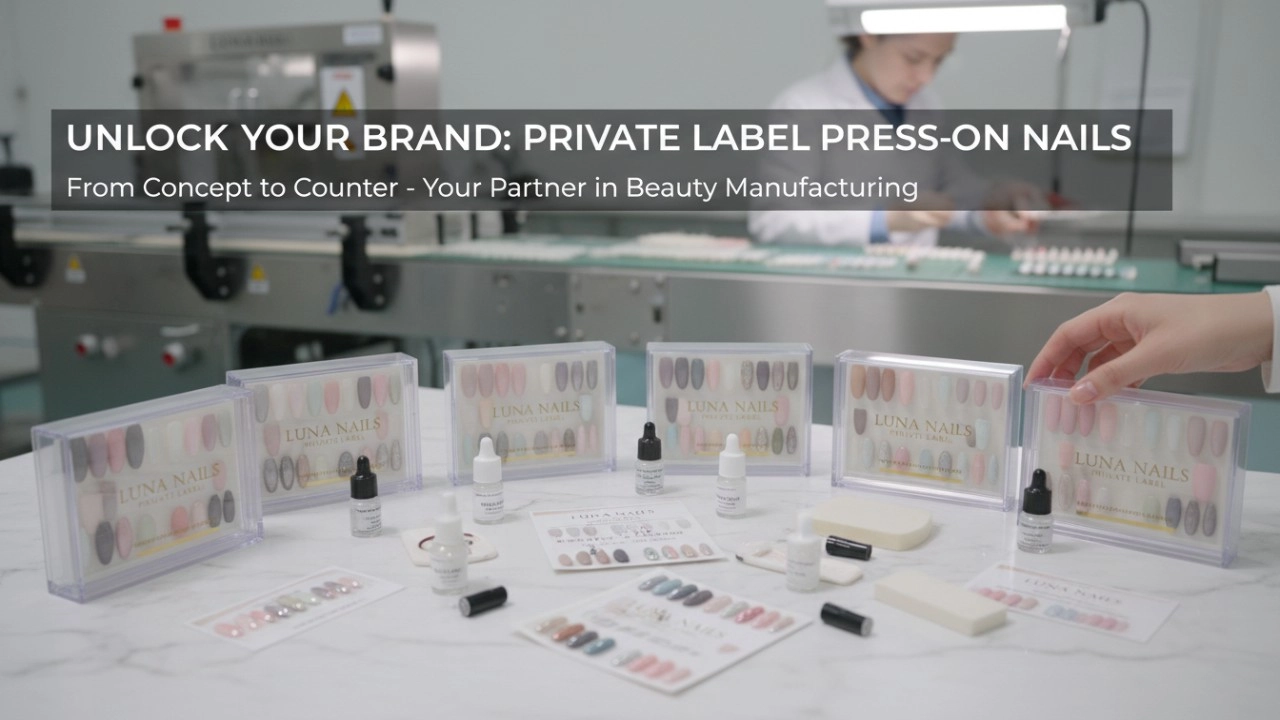
How to Scale Your Beauty Brand: Why Private Label Press On Nails Are the Highest-Margin Entry Point in 2026
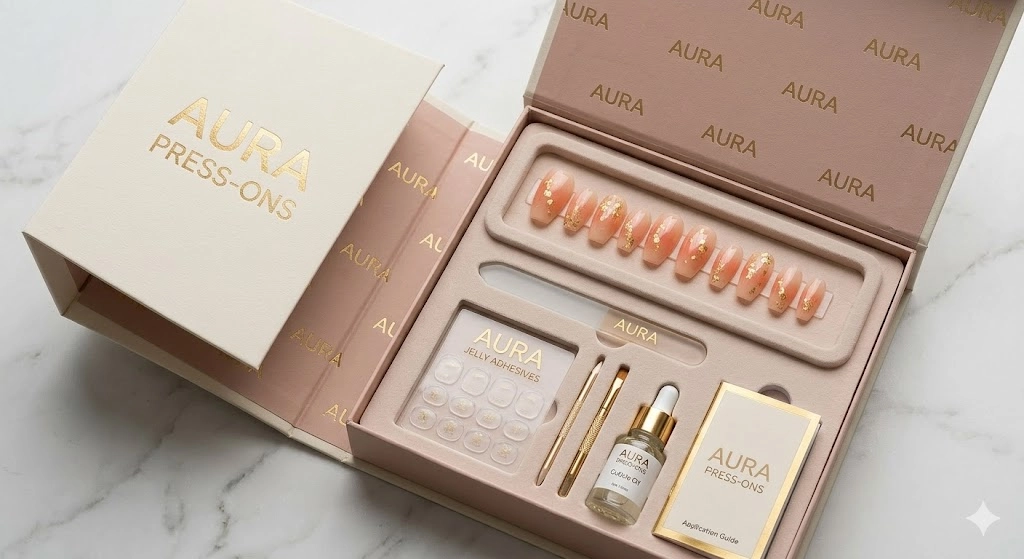
Why Partnering with Professional Press On Nails Manufacturers Boosts Your Brand Growth
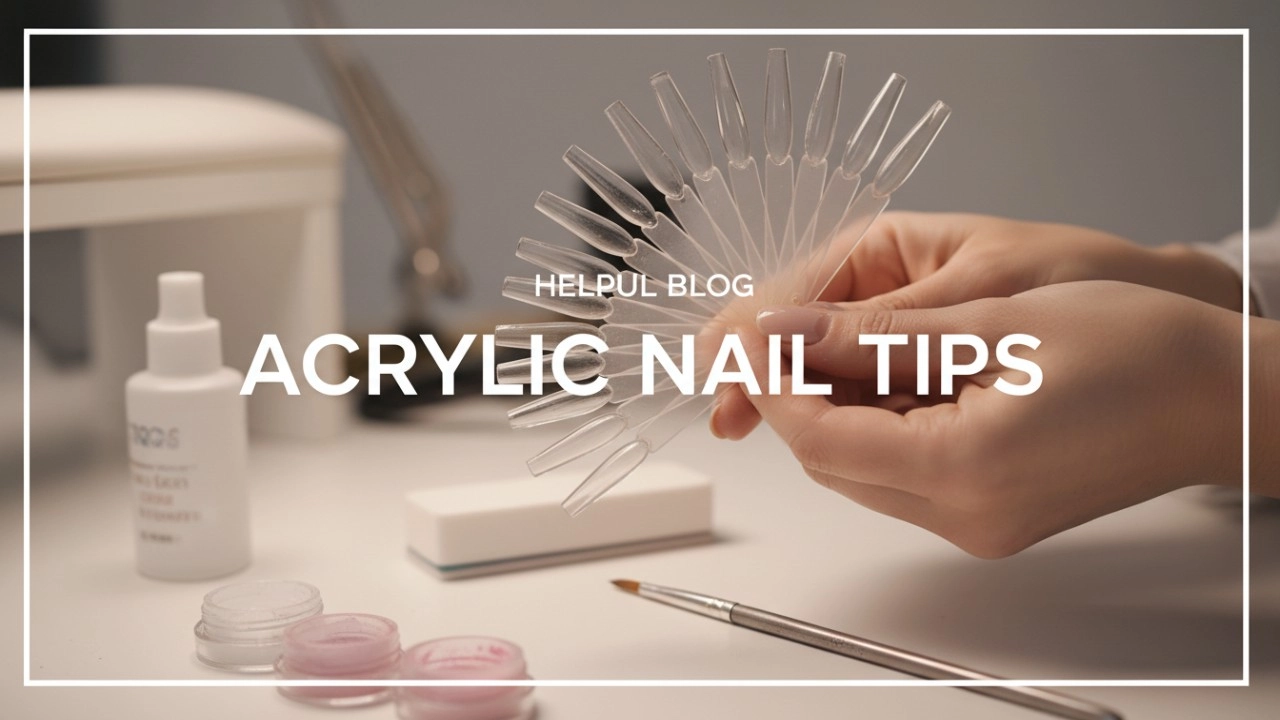
Acrylic Nail Tips vs. Soft Gel: Which is Best for Your Private Label Brand? (2026 Guide)
Solving the Overstock Dilemma in Press-On Nails: How Xianxing Beauty’s Small-Batch & Fast-Turnaround Model Gives B2B Clients Peace of Mind
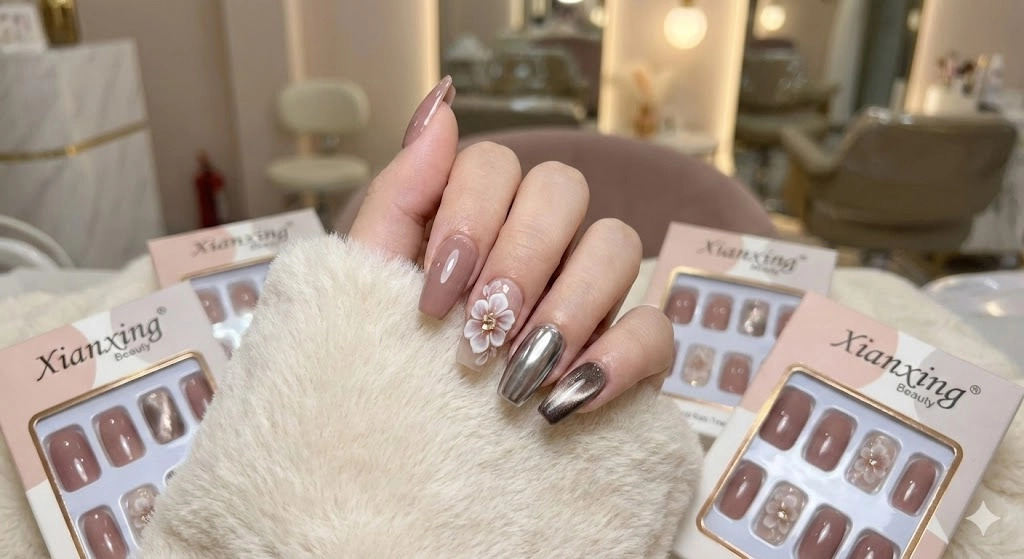
What to Expect from Custom Services Offered by Press On Nails Manufacturers
Factory Strength
What customization services do you offer?
We offer OEM/ODM services, including product design, packaging, size, shape, and full customization.
About Product
What certifications and inspections have your products passed?
Our products have passed relevant quality certifications and inspections, including FDA, SGS, etc., to ensure product safety and reliability.
Agent
How long is the agency contract?
Generally, it is 1 year. Specific plans need to be given based on the actual situation.
About company
What are your customer groups?
We are mainly supplying to Amazon, supermarkets, celebrities and start-ups.
About Price and payment
Can you provide invoices?
Absolutely! We issue legal invoices that can be used for reimbursement and accounting purposes.
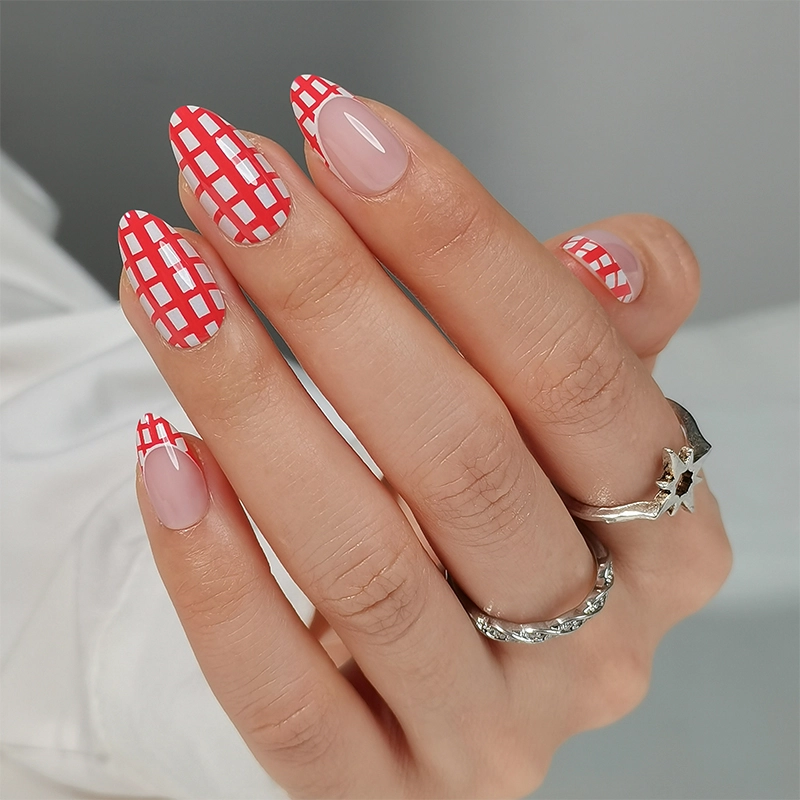
Wholesales Red French Nails Tips Checkered Soft Gel Nail Tips 32 Piece Set
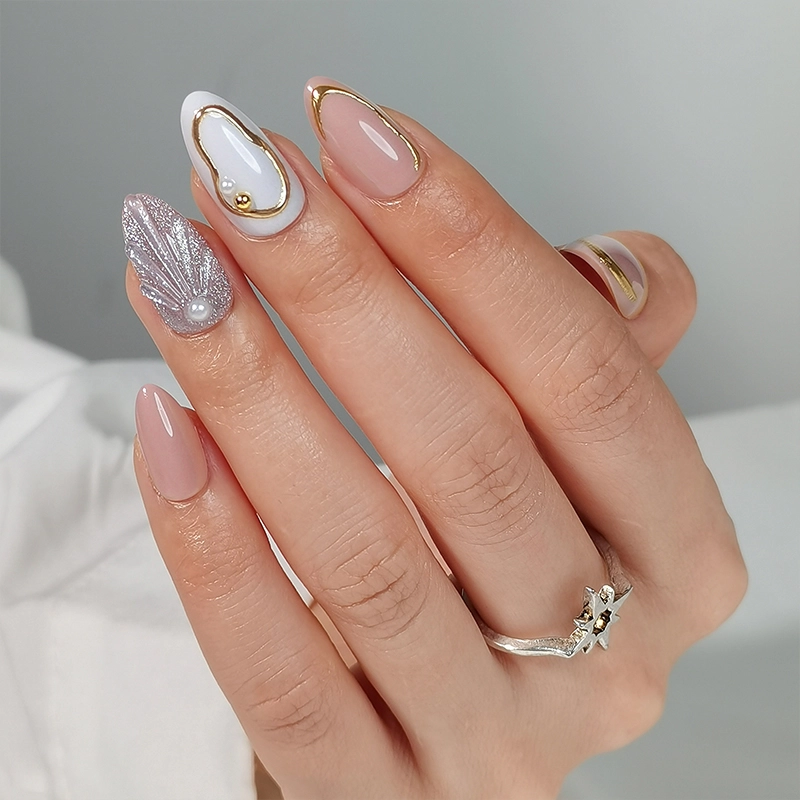
Wholesales Elegant Shell Inspired Soft Gel Wearable Nails for Seasonal Celebrations
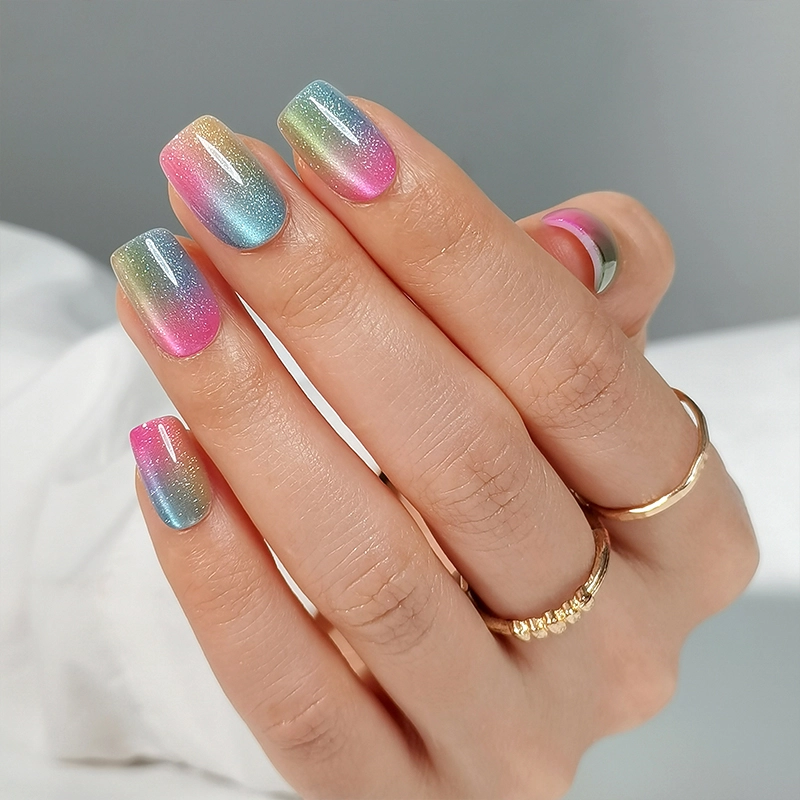
Custom Wholesale Gradient Cat Eye Soft Gel Wearable Fake Nails
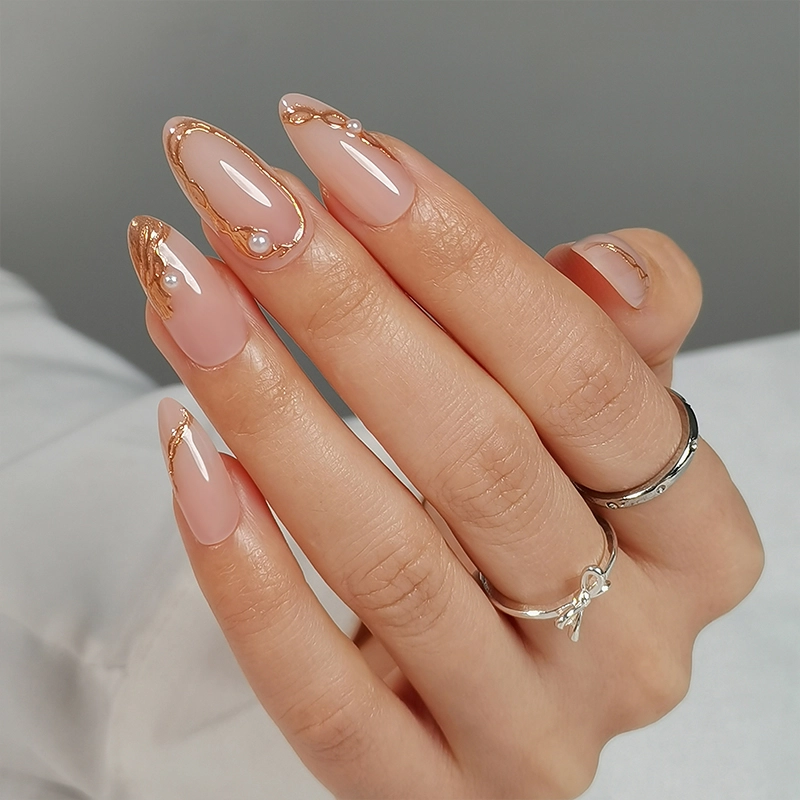
Wholesales Luxury Rhinestone Handmade Private Label Press On Nails Art Tips
Contact us
If you have press on nails products or customization needs, please feel free to contact from
below or via the contact information provided, we'll get back to you promptly within 24 hours.
By clicking 'Send Inquiry Now' I agree to XIANXING BEAUTY processing my personal data.
To see how to withdraw your consent, how to control your personal data and how we process it, please see our Privacy Policy and Terms of use.
Copyright © 2025 - XIANXING BEAUTY All Rights Reserved. Sitemap
Facebook
YouTube
Instagram
LinkedIn