
How to design unique nail art for custom press on nails?
- How to Start a Custom Press-On Nails Business & Design Unique Nail Art
- 1. What starter materials, equipment and supplier capabilities should I require?
- 2. How to design unique nail art suitable for production and consistent quality?
- 3. Which materials and adhesives are best for durability, safety and comfort?
- 4. How do I ensure proper sizing, fit and comfort across diverse customers?
- 5. What production volumes, lead times, MOQs and pricing structures should I expect?
- 6. What quality control, testing and regulatory requirements should I enforce?
- 7. Packaging, labeling and sustainability considerations for procurement
- 8. How to test, pilot and scale—best practices to minimize risk?
- 9. How should I evaluate suppliers for long-term partnerships?
- 10. What artwork, color and file specifications should I deliver to a manufacturer?
- Brand advantage — Why choose Xianxing Beauty for sourcing custom press-on nails?
- References
How to Start a Custom Press-On Nails Business & Design Unique Nail Art
This buyer-focused guide answers the most common procurement and production questions for custom press-on nails (also called glue-on nails, false nails or stick-on nails). It emphasizes supplier selection, materials, design workflows, regulatory and quality checkpoints, and practical tips to keep costs, lead time and risk under control while delivering unique designs.
1. What starter materials, equipment and supplier capabilities should I require?
Ask suppliers to provide: specifications and sample packs of nail substrates (ABS, acrylic, soft gel), adhesive options (cyanoacrylate nail glue, adhesive tabs), topcoats (UV gel or lacquer), and finishing tools. Key supplier capabilities to verify:
- Ability to produce multiple substrate types (ABS injection-molded, acrylic press-ons, soft gel) so you can test durability and fit.
- In-house finishing: sanding, buffing, surface priming, UV curing, and coating (gloss/matte/topcoat application).
- Printing and decoration options: UV digital printing, pad printing, hydrographic transfer, decal application, hand-painting or stamping.
- Sample policy, tooling costs, and MOQ structure (ask for pilot/sample MOQs and commercial MOQ tiers).
- Quality systems and certifications (e.g., ISO 22716 cosmetics GMP, MSDS for adhesives/inks, REACH/CLP compliance for EU markets where relevant).
Procurement tip: request a standardized sample kit (10–20 sample sets) showing each substrate, adhesive, and decoration method before committing to tooling or bulk orders.
2. How to design unique nail art suitable for production and consistent quality?
Design-to-production workflows matter. Follow these steps to ensure designs translate from concept to consistent product:
- Design files: provide high-resolution vector artwork (AI, EPS, PDF) for logos/line art; raster images should be 300 DPI at nail-printing size. Use Pantone or CMYK specs and confirm printer color profiles with suppliers.
- Choose a compatible printing method early: UV flatbed/UV digital printing for full-color, photographic designs; pad printing for single- or two-color logos; hydrographic for marbles & multi-dimensional patterns; decals or water transfers for detailed artwork.
- Scale and repeat: nail canvases are small—test scaled mockups. Keep extremely fine details above 0.5 mm and avoid overly thin strokes that can disappear on small tips.
- Finish selection: choose glossy or matte topcoats and whether to add protective UV gel coating for durability. UV-cured topcoats increase wear resistance but require curing equipment at production.
- Prototyping: order physical proofs of every design + finish combo. Approve feel, color, and edge finishing before production tooling or bulk runs.
Procurement tip: negotiate a small digital-print run to test new designs at near-retail pricing before committing to full production.
3. Which materials and adhesives are best for durability, safety and comfort?
Common substrates and their pros/cons:
- ABS (injection-molded): lightweight, affordable, flexible enough to snap on/off; standard for many press-ons.
- Acrylic press-ons: firmer, can hold 3D details and heavier embellishments but may be thicker/heavier.
- Soft-gel press-ons: more conforming and comfortable, often reusable; typically higher cost and require gel curing processes.
Adhesive types:
- Cyanoacrylate (nail glue): strongest and longest-wearing; check MSDS for formaldehyde/anaerobic stabilizers and include clear application/warning instructions.
- Adhesive tabs: gentler on nails, easier for consumers to remove, but shorter wear time. Useful for sample packs or reusable press-ons.
Safety and procurement checks: request MSDS for adhesives and inks, ask about allergen warnings, and test for skin compatibility (patch tests). For EU sales, confirm substances comply with EU cosmetics/chemical regulations (e.g., REACH when applicable).
4. How do I ensure proper sizing, fit and comfort across diverse customers?
Sizing and fit are main drivers of returns and poor reviews. Best practices:
- Offer multiple size kits: 10–12 sizes per set with a sizing chart and a printable measuring guide for customers.
- Provide left/right symmetry and varying curvatures; measure width (mm) at the nail bed for each size and include those numbers on spec sheets.
- Maintain consistent curvature (C-curve) and edge finishing. Ask suppliers for a dimensional drawing with tolerances for width, length and curvature per size.
- Include instructions for minor custom fitting: trimming, light filing, and buffing steps that customers can follow at home.
Procurement tip: require suppliers to send a size-matched physical sample set plus a digital spec sheet with tolerances before production sign-off.
5. What production volumes, lead times, MOQs and pricing structures should I expect?
Expect tiered pricing: prototypes & small batches cost more per unit; prices fall significantly at higher volumes. Important procurement checkpoints:
- Tooling costs: custom molds and stamping plates may require one-time tooling fees. Ask whether tooling is refundable or shared across styles.
- MOQ: suppliers often set different MOQs for plain press-ons vs. printed/decorated sets. Negotiate pilot MOQs for new designs (e.g., small-run sample batches).
- Lead times: prototyping (1–3 weeks), small production runs (2–6 weeks), large orders (4–12 weeks) depending on finish complexity and decorations. Confirm lead times in writing and build buffer for shipping and QC.
- Pricing factors: substrate, decoration method, adhesive included, packaging complexity, and labor (hand-painted details raise costs).
Procurement tip: add a clause for repeat-order price protection for at least one manufacturing cycle and a published lead-time SLA in your contract.
6. What quality control, testing and regulatory requirements should I enforce?
Key quality and regulatory items to require from suppliers:
- Quality management: documented QC procedures and sample inspection reports for each batch (incoming materials, in-process, finished goods).
- GMP & standards: ISO 22716 (Cosmetics GMP) is commonly cited for cosmetics-related production. If adhesives/inks are regulated as cosmetics in a market, GMP adherence is important.
- MSDS and ingredient lists: provide MSDS for adhesives, inks and coatings. For markets like the EU and UK, ensure compliance with cosmetics and chemical labelling rules (EU Cosmetics Regulation EC 1223/2009 and REACH where applicable).
- Stability & wear testing: require accelerated wear testing, adhesion tests (hold time on natural nails), and colorfastness tests for printed designs.
- Traceability: batch codes and basic manufacturing traceability on packaging for recall management.
Procurement tip: include a pre-shipment inspection (PSI) and request third-party lab testing for adhesives if launching into sensitive markets or using novel chemistries.
7. Packaging, labeling and sustainability considerations for procurement
Packaging influences perceived value and returns. Consider:
- Consumer information: clear application/removal instructions, ingredient/adhesive info, safety warnings, and manufacturer/distributor contact.
- Barcodes & regulatory labeling: include UPC/GTIN if selling through retail channels. Label requirements vary by market—ensure localized language and legal contact details.
- Sustainability: offer recyclable cardboard sleeves, compostable inserts or reduced-plastic options. Confirm material composition and recyclability claims with suppliers (avoid vague 'eco-friendly' claims without proof).
- Presentation: custom trays, reusable cases or printed backing cards add perceived value but increase cost and lead time.
Procurement tip: request packaging mockups and a small-run sample with full retail pack to test shelf appeal and structural integrity.
8. How to test, pilot and scale—best practices to minimize risk?
Phased roll-out minimizes risk:
- Pilot phase: 100–500 units (or the supplier’s pilot MOQ) across top-selling designs and sizes to validate consumer acceptance, fit, and wear time.
- Gather data: track returns, customer fit complaints, wear duration and any adhesive reactions. Use the data to adjust designs, adhesives, or instructions.
- Iterate: update artwork, substrate thickness, or packaging based on feedback. Implement corrective actions in supplier contracts to avoid repeated issues.
- Scale: increase production after successful pilots, lock in pricing and lead times, and formalize quality KPIs and a replenishment cadence with suppliers.
Procurement tip: retain production samples from each batch for at least 6–12 months to compare against returns and complaints.
9. How should I evaluate suppliers for long-term partnerships?
Supplier evaluation checklist:
- Technical capability: multiple decoration methods, quick-turn prototyping, and ability to scale.
- Quality & compliance: documented QC, MSDS availability, GMP/ISO evidence, and willingness to provide test reports.
- Commercial terms: transparent tooling fees, MOQ tiers, lead times, payment terms and sample policies.
- Communication: English-language product specs, digital proofs, and accessible project managers.
- Logistics & support: packing options, labeling for target markets, and drop-shipping or fulfillment support if needed.
Procurement tip: perform a factory audit (virtual or on-site) and request references from other beauty or nail brands.
10. What artwork, color and file specifications should I deliver to a manufacturer?
Deliverables that speed up production:
- Vector files (AI, EPS, PDF) for logos and line art; raster files 300 DPI at final print size for photographic imagery.
- Color system: Pantone references for spot colors and CMYK values for full-color prints. Ask for a printer ICC profile for exact color matching.
- Trim lines, safe zones and bleed: include exact nail template outlines from the supplier to avoid artwork being trimmed off.
- Mockups: provide realistic mockups on the nail template and request digital print proofs before physical samples.
Procurement tip: standardize an artwork approval form to capture sign-offs on colors, finishes and final print proofs to avoid disputes.
Brand advantage — Why choose Xianxing Beauty for sourcing custom press-on nails?
Xianxing Beauty positions itself as a one-stop OEM/ODM supplier for press-on nails with the following buyer-focused strengths:
- Comprehensive capabilities across ABS, acrylic and soft-gel substrates and multiple decoration technologies (UV digital print, hydrographic, decals and hand-finish).
- Strong QC systems and willingness to provide MSDS, batch traceability and pilot sample programs to minimize launch risk.
- Flexible MOQ tiers, competitive tooling policies, and experience shipping to global markets with localized labeling support.
- Design support: accepts vector artwork and delivers print proofs and quick-turn prototypes to accelerate design validation.
Working with Xianxing Beauty can streamline sourcing, reduce supplier fragmentation, and help brands move from concept to retail-ready press-on sets efficiently.
References
- U.S. Food & Drug Administration (FDA) — Cosmetics: https://www.fda.gov/cosmetics (accessed 2026-02-04)
- European Commission — Cosmetics Overview and Regulation EC 1223/2009: https://ec.europa.eu/growth/sectors/cosmetics/overview_en (accessed 2026-02-04)
- ISO — ISO 22716:2007 Cosmetics — Good Manufacturing Practices (GMP): https://www.iso.org/standard/36437. (accessed 2026-02-04)
- Materials reference — ABS properties (industry resources and manufacturer datasheets are recommended for exact specs): supplier MSDS and technical data sheets (accessed 2026-02-04)
- Industry best practices and trade publications (for trends and production methods): Nails Magazine / NailPro manufacturer and trend articles (accessed 2026-02-04)
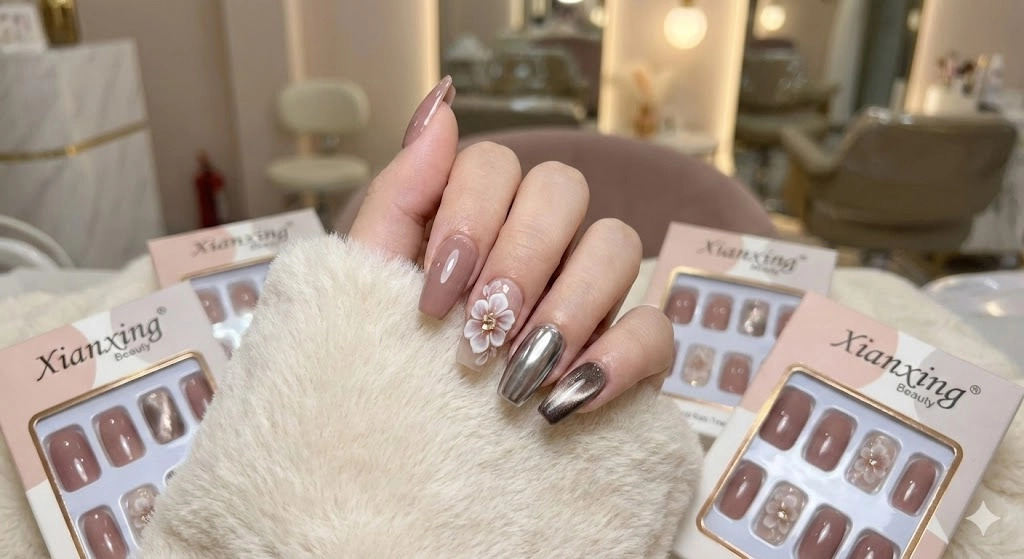
7 Red Flags to Avoid When Selecting a Wholesale Press On Nails Manufacturer
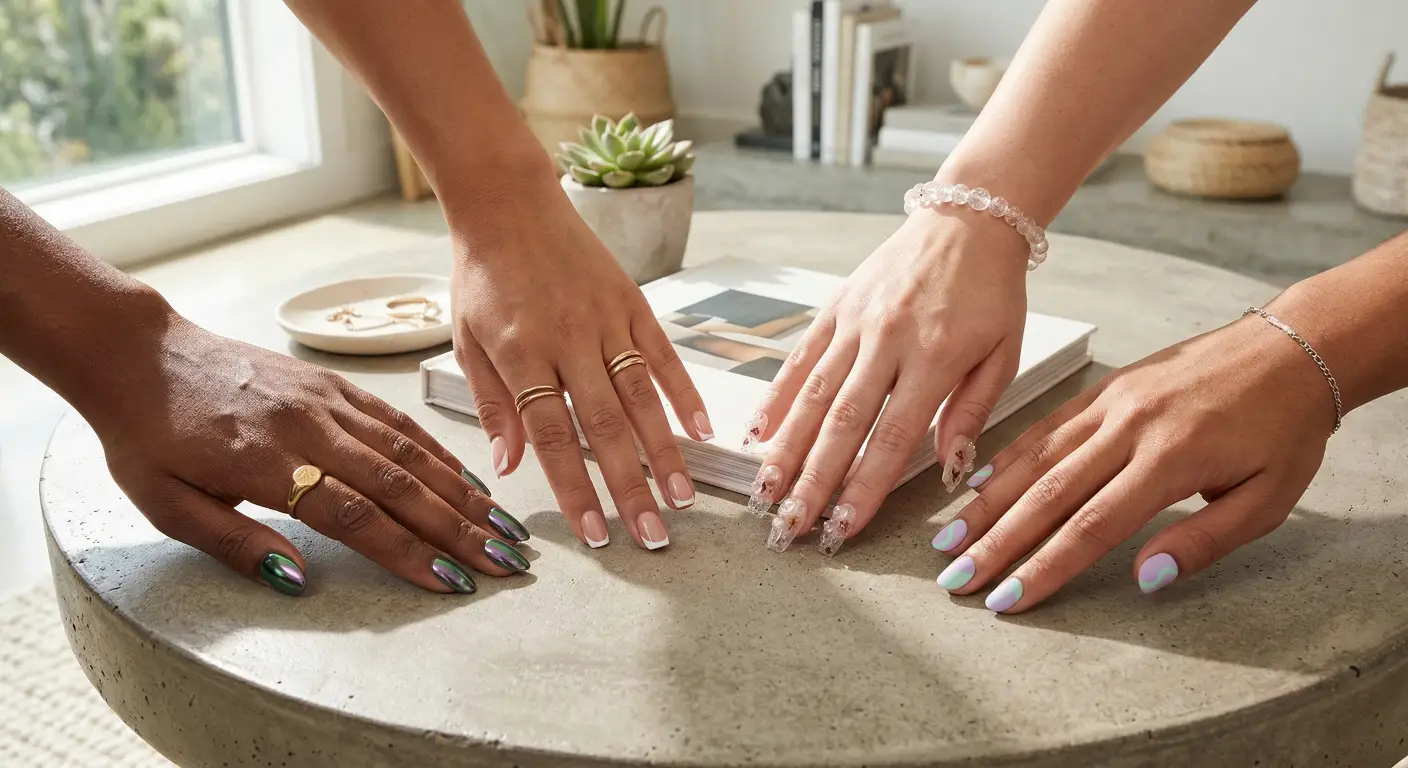
The Ultimate Guide to Choosing the Best Wholesale Press On Nails Manufacturer in 2026
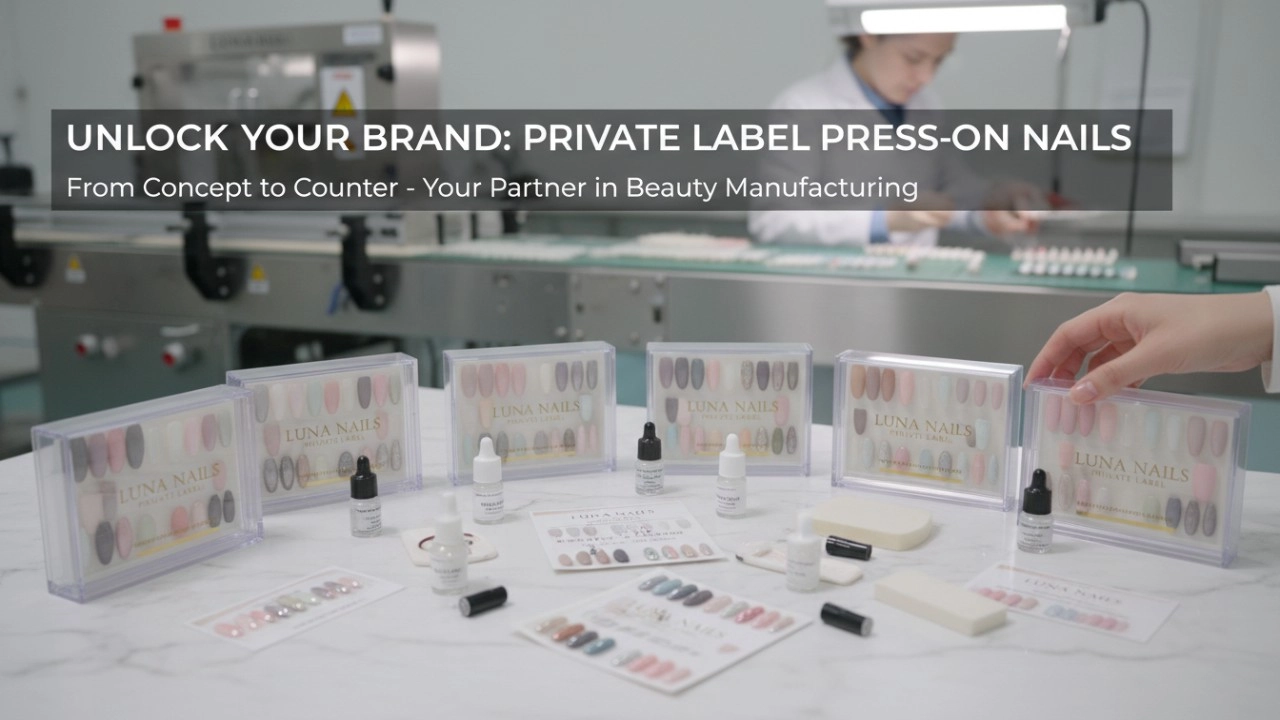
How to Scale Your Beauty Brand: Why Private Label Press On Nails Are the Highest-Margin Entry Point in 2026
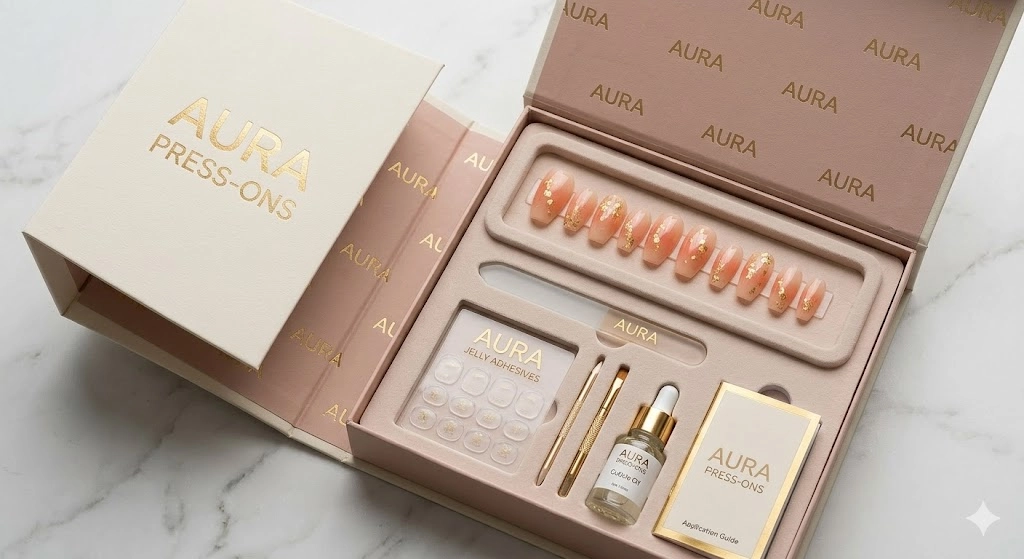
Why Partnering with Professional Press On Nails Manufacturers Boosts Your Brand Growth
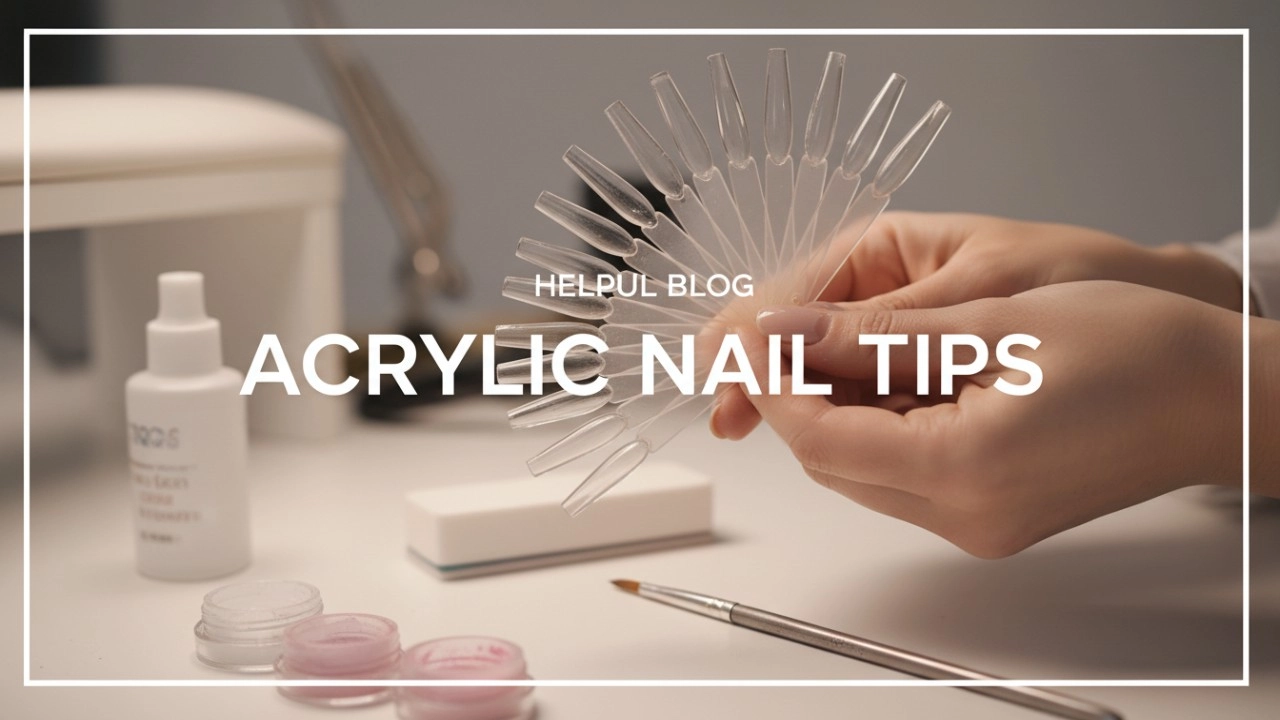
Acrylic Nail Tips vs. Soft Gel: Which is Best for Your Private Label Brand? (2026 Guide)
Nail file
How do I clean my nail file?
For emery boards or sapphire files, wipe them down with a damp cloth after use.
For glass or crystal files, you can rinse them under water, and some can be sterilized with alcohol.
Soft Gel Nails
Are soft gel press-on nails reusable?
Yes, depending on how they are applied and removed, soft gel press-on nails can often be reused. Proper care during removal helps preserve their shape and quality for multiple uses.
About Toe Nails
Are toe press-on nails safe for my natural toenails?
Generally yes, as long as you follow the instructions carefully and avoid using them too frequently. Overuse of press-on nails, especially with harsh adhesives, may cause damage to the natural toenail if removed improperly.
To prevent damage, be sure to properly remove them and allow your toenails to breathe between applications.
Biodegrable Nails
Is it reusable for the biodegradable press-on nails?
Yes, under conditions of proper use and maintenance, biodegradable nails are reusable.
OEM/ODM
How long does it take to produce custom press on nails?
Production times vary depending on the complexity of your order, but typically it takes 2-4 weeks to complete.
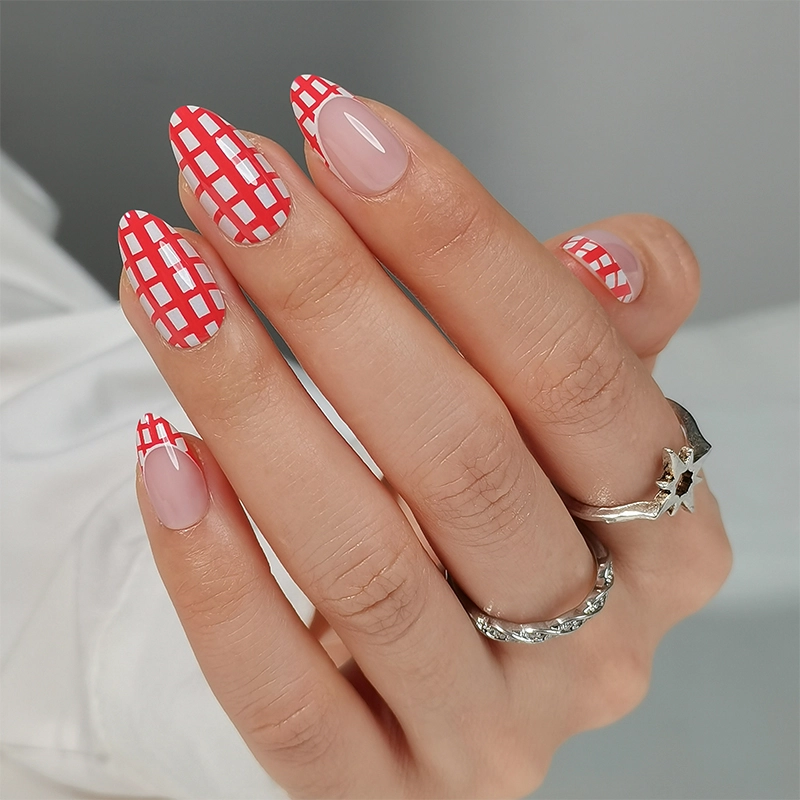
Wholesales Red French Nails Tips Checkered Soft Gel Nail Tips 32 Piece Set
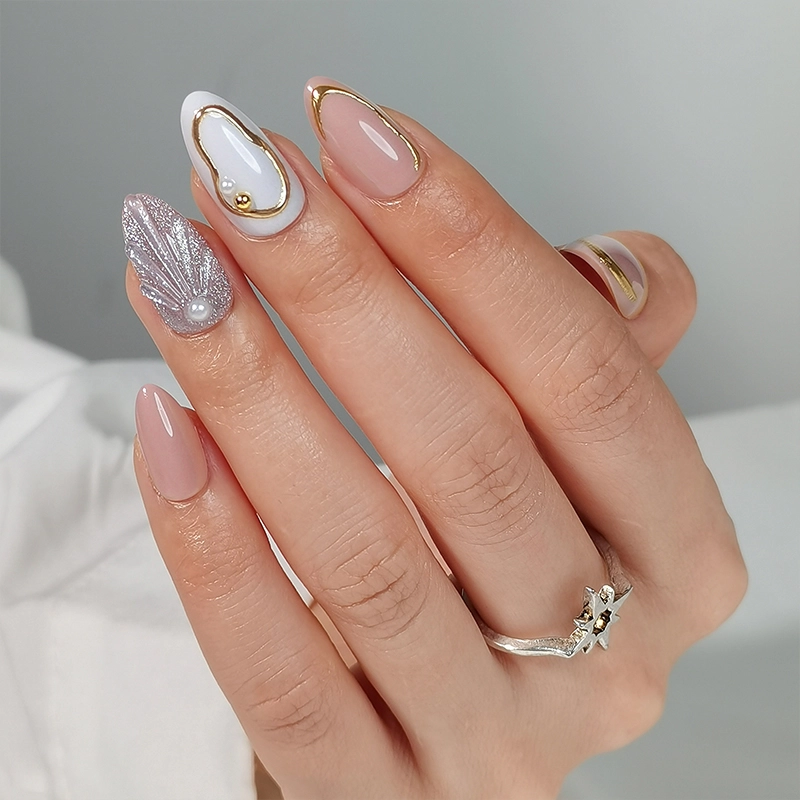
Wholesales Elegant Shell Inspired Soft Gel Wearable Nails for Seasonal Celebrations
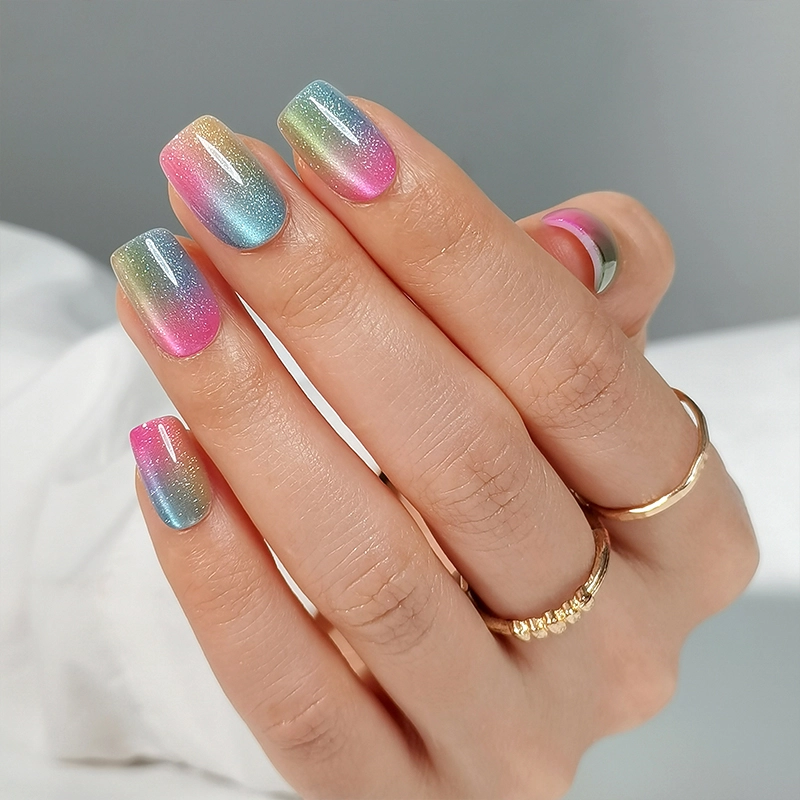
Custom Wholesale Gradient Cat Eye Soft Gel Wearable Fake Nails
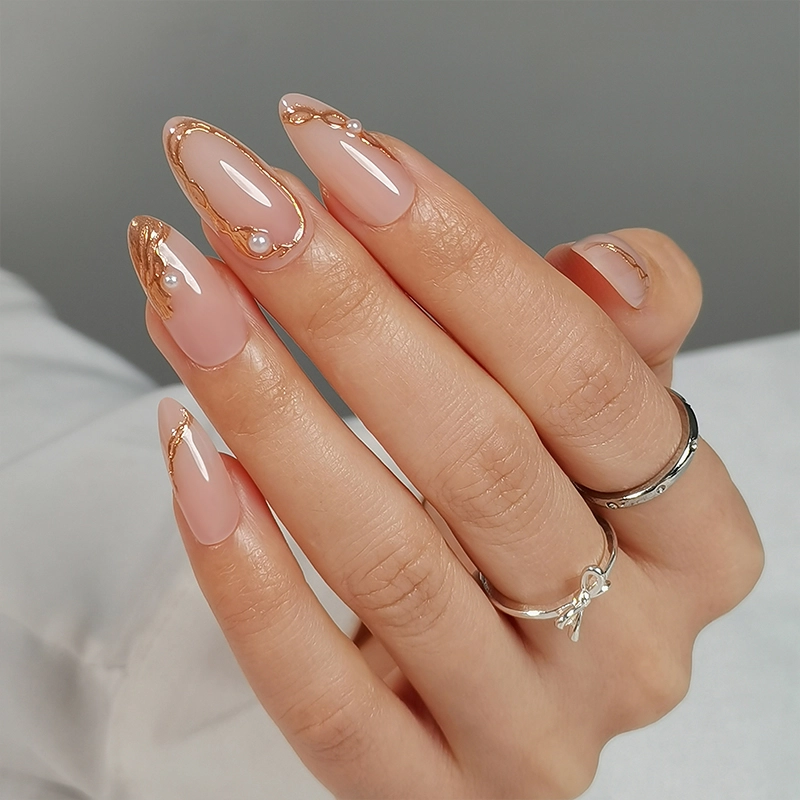
Wholesales Luxury Rhinestone Handmade Private Label Press On Nails Art Tips
Contact us
If you have press on nails products or customization needs, please feel free to contact from
below or via the contact information provided, we'll get back to you promptly within 24 hours.
By clicking 'Send Inquiry Now' I agree to XIANXING BEAUTY processing my personal data.
To see how to withdraw your consent, how to control your personal data and how we process it, please see our Privacy Policy and Terms of use.
Copyright © 2025 - XIANXING BEAUTY All Rights Reserved. Sitemap
Facebook
YouTube
Instagram
LinkedIn