
How to start custom press on nails with low startup cost?
- How to Start Custom Press-On Nails with Low Startup Cost
- 1. How low can startup costs be, and what initial budget should I plan?
- 2. What materials & tools are essential for professional press-on nails?
- 3. Where and how to source high-quality nail blanks and supplies?
- 4. How do I ensure fit, sizing, and retention for customers?
- 5. What decoration and production techniques scale well for small budgets?
- 6. How should I price my press-on nail sets and estimate margins?
- 7. What packaging, labeling, legal, and safety requirements should I follow?
- 8. How to market and scale sales affordably?
- 9. Procurement best practices and supplier contract tips
- 10. Common pitfalls and how to avoid them
- Brand closing: Why choose Xianxing Beauty?
- References & data sources
How to Start Custom Press-On Nails with Low Startup Cost
Starting a custom press-on nail business is one of the fastest, most scalable ways to enter beauty retail with limited capital. This guide answers the most common questions founders search for and provides practical procurement and production knowledge so you can source reliably, keep costs low, and deliver a professional product customers trust.
1. How low can startup costs be, and what initial budget should I plan?
Starting very small (working from home, making sets by hand) can be done on a shoestring: many microbrands launch with an initial outlay ranging from a few hundred to around one thousand dollars, depending on inventory and tooling choices. Key cost categories are nail blanks, adhesives (glue and/or tabs), decorating supplies (polishes, powders, rhinestones), curing lamp if using gel, basic tools (drill, files, buffers, brushes), packaging, and initial marketing (photos, simple website/marketplace fees).
To keep costs low:
- Begin with a small selection (5–10 designs) and limited sizes.
- Buy initial blanks and decorations in small wholesale lots or samples.
- Use existing household space and a single LED lamp ($20–$60 typical range) for gel curing.
- Sell on marketplaces (Etsy, Shopify Lite, Instagram) before investing in custom boxes.
2. What materials & tools are essential for professional press-on nails?
Essentials:
- Nail blanks (ABS plastic is the most common for press-ons) in multiple shapes and sizes.
- Adhesives: nail glue (cyanoacrylate) and/or double-sided adhesive tabs for gentler removal.
- Topcoat and basecoat suitable for the chosen decoration technique (gel topcoat for cured gel; quick-dry topcoat for polish).
- LED/UV lamp if using gel products or cured overlays.
- Files, buffers, E-file (optional), cuticle pusher, clippers, and nail glue applicators.
- Decoration supplies: gel polishes, acrylic powders, rhinestones, foils, decals, chrome powders, stamping plates, brushes, and encapsulation monomer/powder if doing acrylic encapsulation.
Tip: If you want the lowest recurring costs and simplest inventory, focus on painted/gel-over-ABS press-ons rather than full acrylic or poly gel blanks, which require more consumables and training.
3. Where and how to source high-quality nail blanks and supplies?
Common supplier sources:
- International wholesale platforms: Alibaba, AliExpress, DHgate — good for low-cost blanks and mass SKUs. Always request samples and verify supplier credentials and production photos.
- Domestic wholesalers and nail-supply distributors — faster shipping and easier returns; often higher per-unit costs but more reliable quality control.
- Local manufacturers or nail techs who can make custom molds or small runs — useful when you need unique shapes or branding.
- Marketplace sellers (Etsy, Amazon) for unique decorative supplies and smaller lots while you test designs.
How to vet suppliers (procurement checklist):
- Order samples before committing to an MOQ. Check fit, thickness, flexibility, and surface finish.
- Ask for material specification: confirm ABS (most press-ons) vs acrylic/polymer vs gel-based blanks.
- Request photos/videos of the production line and finished sets; ask about quality control steps and lead times.
- Negotiate MOQ and price tiers. For small launches, ask for sample boxes or low-MOQ pilot runs.
- Confirm shipping terms, customs duties, and lead times—factor into landed cost calculations.
4. How do I ensure fit, sizing, and retention for customers?
Fit and retention are the most important product experience factors. Strategies:
- Offer a sizing kit or clear, simple sizing instructions (measure at the widest part of the nail bed). Many sellers include printable size guides or short video demos.
- Stock multiple widths and multiple shapes (square, almond, coffin, stiletto) and offer customization notes at checkout.
- Provide both adhesive options: strong nail glue for longer wear (10–14+ days when applied correctly) and adhesive tabs for short-term or gentler removal (3–7 days typically).
- Design nails with appropriate curvature and a small built-in well at the cuticle edge to allow glue to settle; test adhesion across sizes.
- Include simple prep instructions: clean and lightly buff natural nails, push back cuticles, use a primer for oily nails, press and hold for 10–15 seconds after applying glue.
5. What decoration and production techniques scale well for small budgets?
Low-cost, scalable decoration techniques:
- Hand-painting with gel polish cured under LED—good balance of quality and low initial equipment needs.
- Pre-printed decals and water transfers—fast to apply and consistent across sets.
- Rhinestones and 3D elements applied by hand for High Quality SKUs—higher labor but high perceived value.
- Encapsulation (aesthetic with long wear) using acrylic or builder gel—requires more skill and consumables but justifies higher pricing.
- Use assembly-line techniques: batch-cure multiple sets at once, allocate stations (painting, curing, finishing), and keep work logs to measure throughput.
Quality control tips: inspect a sample from each production batch for adhesion, finish, color accuracy, and size consistency. Keep a defect log and supplier communications for traceability.
6. How should I price my press-on nail sets and estimate margins?
Pricing depends on material cost, labor time, packaging, fees (marketplace or payment processing), and target margin. Basic approach:
- Calculate landed cost per set (blanks, adhesive, decoration materials proportioned per set, packaging, shipping to you).
- Add labor cost per set (time × hourly rate — even if you pay yourself a modest wage for early-stage accounting).
- Include overhead and marketing per set, then add a target profit margin (many small beauty brands aim for 40–70% gross margin, adjusting by channel).
Common retail ranges: simple sets may retail at affordable price points ($10–$25) while High Quality or custom sets with heavy embellishment or acrylic encapsulation command $30–$80+ depending on brand positioning and audience.
7. What packaging, labeling, legal, and safety requirements should I follow?
Packaging & labeling:
- List ingredients for any chemical products included (like primers, adhesives, or liquid polishes) and safety warnings when required. Even if blanks are plastic, adhesive and primer chemicals should carry clear guidance.
- Comply with country-specific cosmetic labeling rules—e.g., in the U.S. the FDA requires truthful labeling and ingredient disclosure for cosmetics (no pre-approval for most cosmetics, but claims must be accurate).
- Provide clear usage and removal instructions and allergy warnings for adhesives containing cyanoacrylates.
Safety & hygiene:
- Maintain a clean production area and good inventory rotation to prevent contamination.
- Advise customers about proper nail prep to avoid infections and provide removal instructions to protect natural nails.
- Consider product liability insurance as sales scale, especially if you plan to sell globally.
8. How to market and scale sales affordably?
Low-cost marketing tactics:
- High-quality photos and short reels showing application and real-wear results — video often converts better than static images in beauty e-commerce.
- Start on marketplaces (Etsy, Amazon Handmade) plus a simple Shopify or direct Instagram shop to test pricing and designs.
- Use influencer micro-campaigns (micro-influencers with 5k–50k followers) on commission or product-for-post basis to build social proof affordably.
- Collect reviews and show UGC (user-generated content) in product listings; consider an automated post-purchase review request.
- Offer limited-run or seasonal collections to create urgency and test new styles without long-term inventory commitment.
9. Procurement best practices and supplier contract tips
Procurement best practices:
- Start with sample orders, then a small pilot production run. Inspect samples for dimensional accuracy and finish.
- Negotiate payment terms—ask for partial upfront and balance on shipment; use trade assurance services on marketplaces where available.
- Document quality standards (acceptable tolerances for curvature, thickness, surface finish) in writing before scaling orders.
- Plan alternate suppliers for critical items (blanks, adhesives, specific rhinestones) to reduce single-supplier risk.
10. Common pitfalls and how to avoid them
- Skipping sample checks — always test fit and wear before bulk orders.
- Underestimating labor — track time per set early so pricing is realistic.
- Poor instructions — unclear prep/adhesion guidance leads to negative reviews; include clear step-by-step and video links.
- Ignoring returns & hygiene policy — have a clear non-returnable policy for sanitary reasons but offer solutions (discounts, replacements) when quality is at fault.
Launching with careful supplier vetting, a small but thoughtful set of SKUs, clear customer education, and stepwise reinvestment of profits is the most reliable path to growth.
Brand closing: Why choose Xianxing Beauty?
Xianxing Beauty brings professional-grade sourcing knowledge, consistent QC, and customizable options for small brands and retailers. Advantages include established relationships with ABS and gel blank manufacturers, flexible low-MOQ pilot runs, verified adhesives and coatings for safe wear, and consultation support for packaging, labeling, and scaling production. For founders who want a trusted partner to reduce risk and accelerate time-to-market, Xianxing Beauty provides manufacturing transparency, sample-first procurement, and stepwise supply solutions tuned for low-cost startups and fast-growing SMB brands.
References & data sources
- Shopify blog — “How to Start a Press-On Nail Business” (industry practical guide and merchant tips). Accessed 2026-02-02. https://www.shopify.com/blog
- Etsy Seller Handbook — guidance on selling handmade and beauty products (packaging, photography, pricing). Accessed 2026-02-02. https://www.etsy.com/seller-handbook
- U.S. Food and Drug Administration (FDA) — Cosmetic labeling & safety information (general rules for cosmetics and labeling). Accessed 2026-02-02. https://www.fda.gov/cosmetics
- Alibaba — supplier and MOQ practices for nail blanks and decor (sample ordering and supplier vetting). Accessed 2026-02-02. https://www.alibaba.com
- Centers for Disease Control and Prevention (CDC) — Nail salon safety guidance (infection control principles). Accessed 2026-02-02. https://www.cdc.gov/niosh/topics/beauty/
Note: Specific vendor pages, product SKUs, and pricing vary over time; always request and test samples and verify current regulations for your target sales countries.
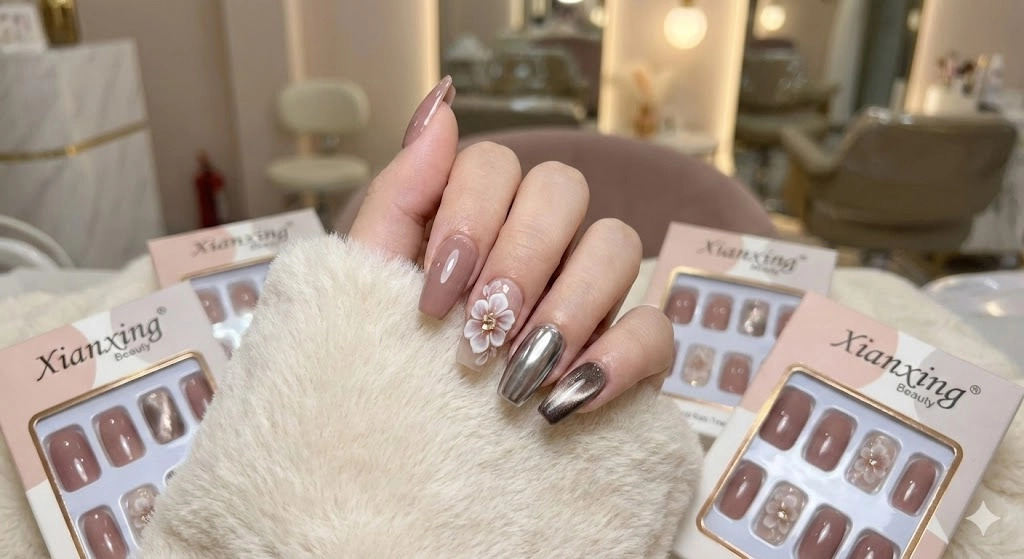
7 Red Flags to Avoid When Selecting a Wholesale Press On Nails Manufacturer
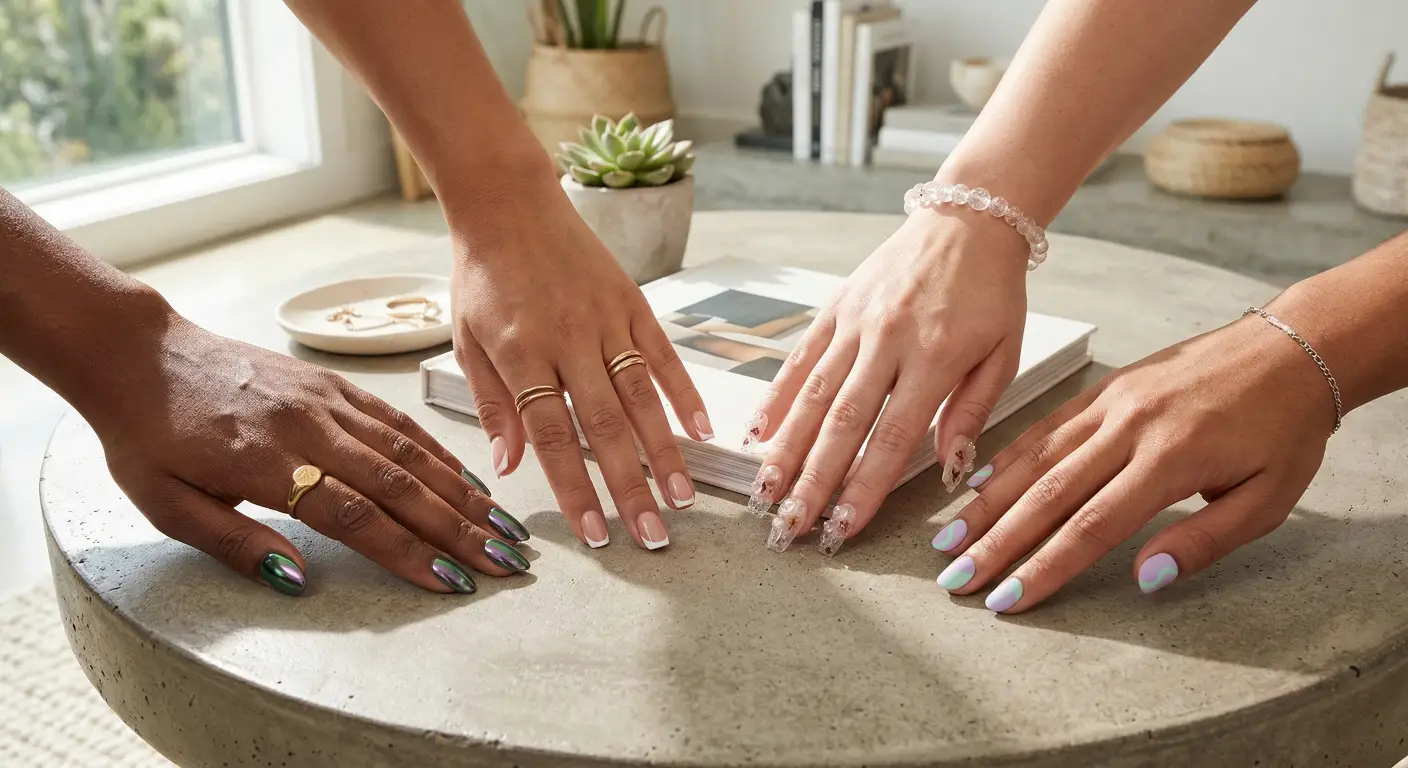
The Ultimate Guide to Choosing the Best Wholesale Press On Nails Manufacturer in 2026
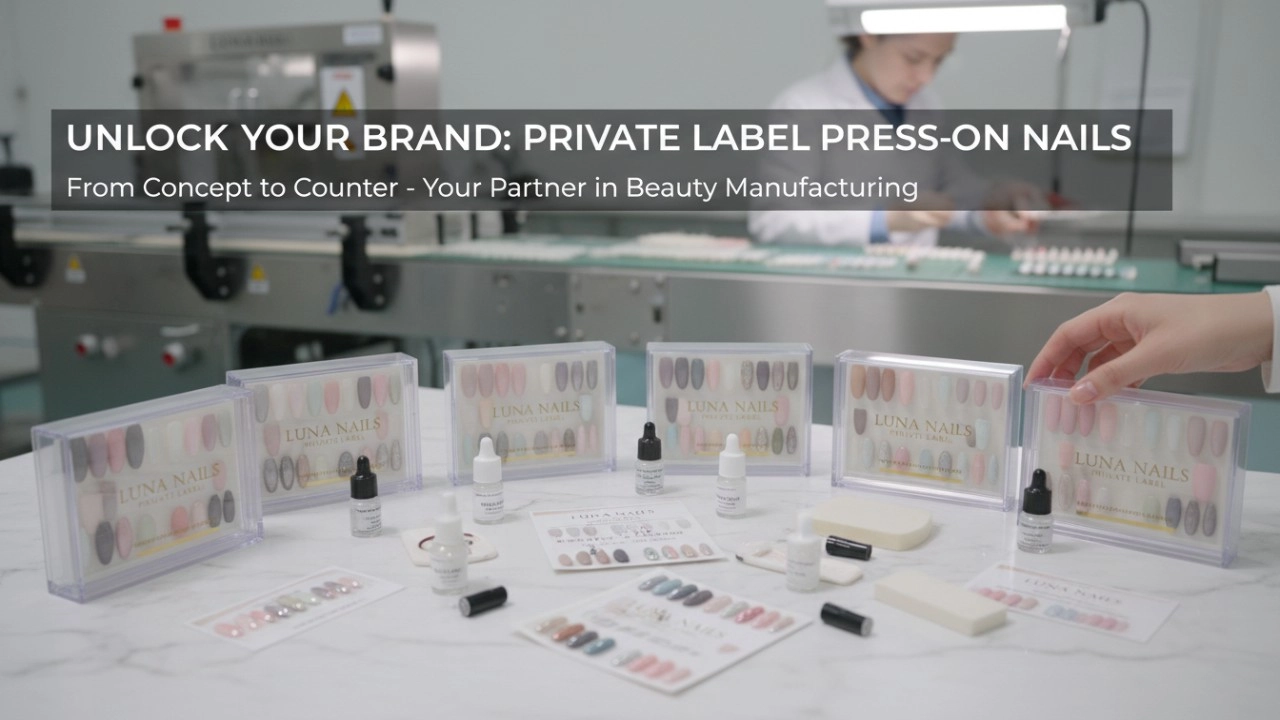
How to Scale Your Beauty Brand: Why Private Label Press On Nails Are the Highest-Margin Entry Point in 2026
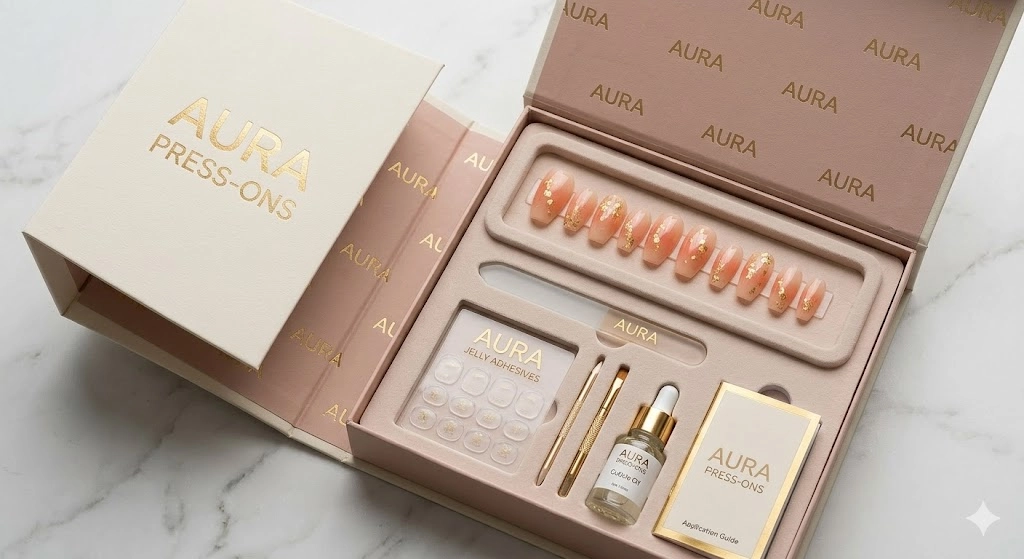
Why Partnering with Professional Press On Nails Manufacturers Boosts Your Brand Growth
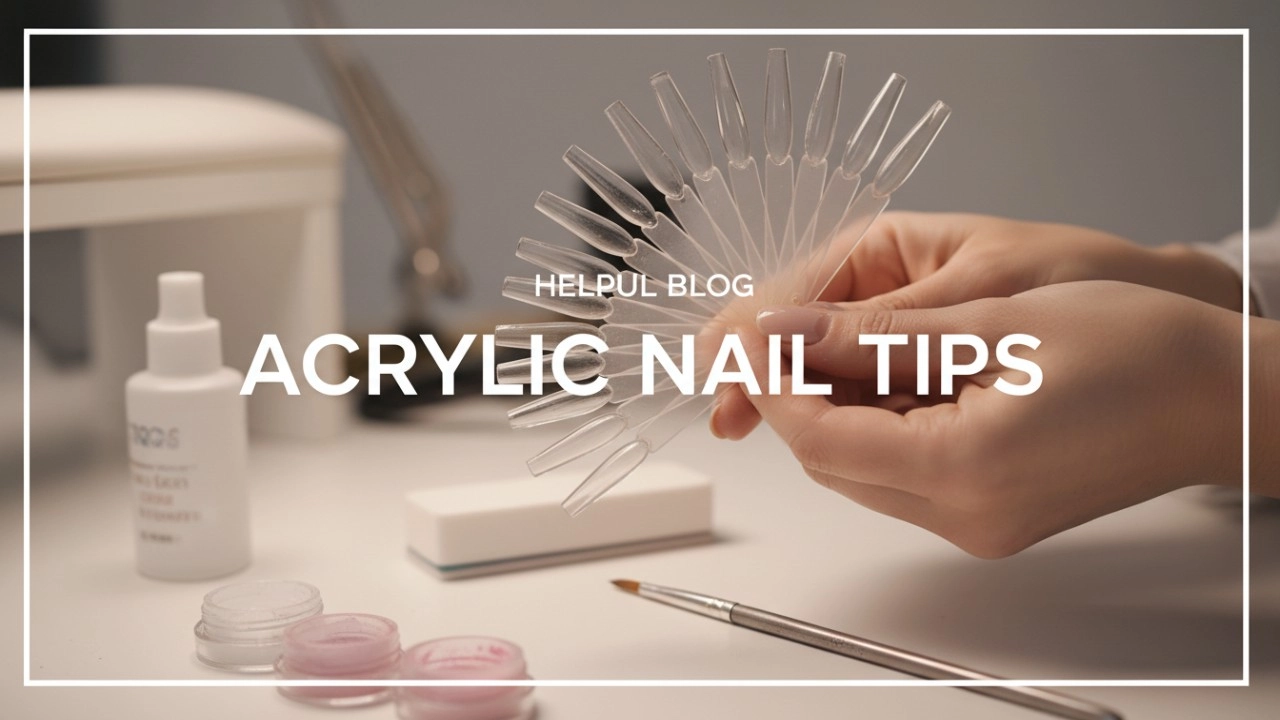
Acrylic Nail Tips vs. Soft Gel: Which is Best for Your Private Label Brand? (2026 Guide)
About chrome Nails
Are chrome press-ons safe for my natural nails?
Yes, they are safe when applied and removed properly. Use nail glue sparingly and avoid forcing them off during removal to prevent nail damage.
About Christmas Nails
How do I apply them for the longest wear?
For a glue application that lasts through all the holiday festivities:
* Prep: Push back your cuticles and gently buff the surface of your natural nails with a file to remove shine. This creates texture for the glue to adhere to.
* Clean: Wipe each nail with an alcohol prep pad or nail dehydrator to remove all dust and oils. This is a crucial step!
* Size: Select the correct press-on size for each nail. It's better to file a slightly larger one down to fit perfectly than to use one that's too small.
* Glue: Apply a small bead of nail glue to your natural nail anda thin layer on the back of the press-on.
* Apply: Hold the press-on at a 45-degree angle against your cuticle, press down firmly, and hold for at least 30 seconds. Apply pressure to squeeze out any air bubbles.
Crystal spike
Can I use Crystal Point Sticks and Wooden Sticks for both fingernails and toenails?
Yes! Both types of sticks are versatile and can be used for both fingernails and toenails. The tasks (like pushing back cuticles or cleaning under the nails) remain the same for both, though a wooden stick might be a bit bulkier for detailed work on smaller fingernails.
About Cooperation Process
How long does the collaboration process take?
The timeline depends on your specific needs for the manicure set and order size. Typically, it takes a few weeks to several months from demand confirmation to product delivery.
Nail Dust Removal Brush
How do I clean a nail dust cleaning brush?
After use, clean the brush by gently washing it with warm water and mild soap. Make sure to rinse it thoroughly to remove any nail dust or other particles. Allow the brush to dry completely before using it again.
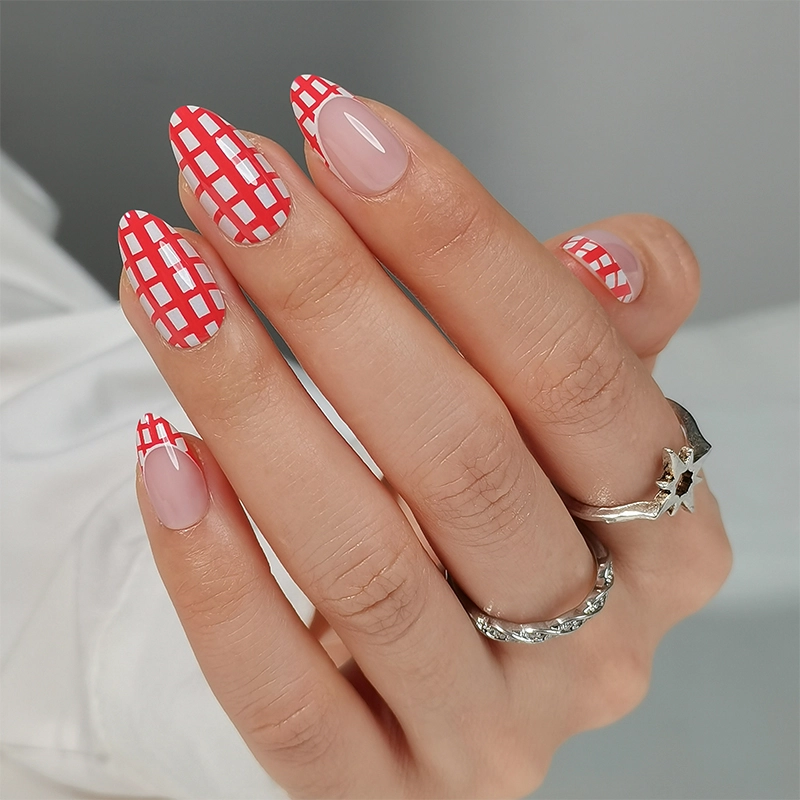
Wholesales Red French Nails Tips Checkered Soft Gel Nail Tips 32 Piece Set
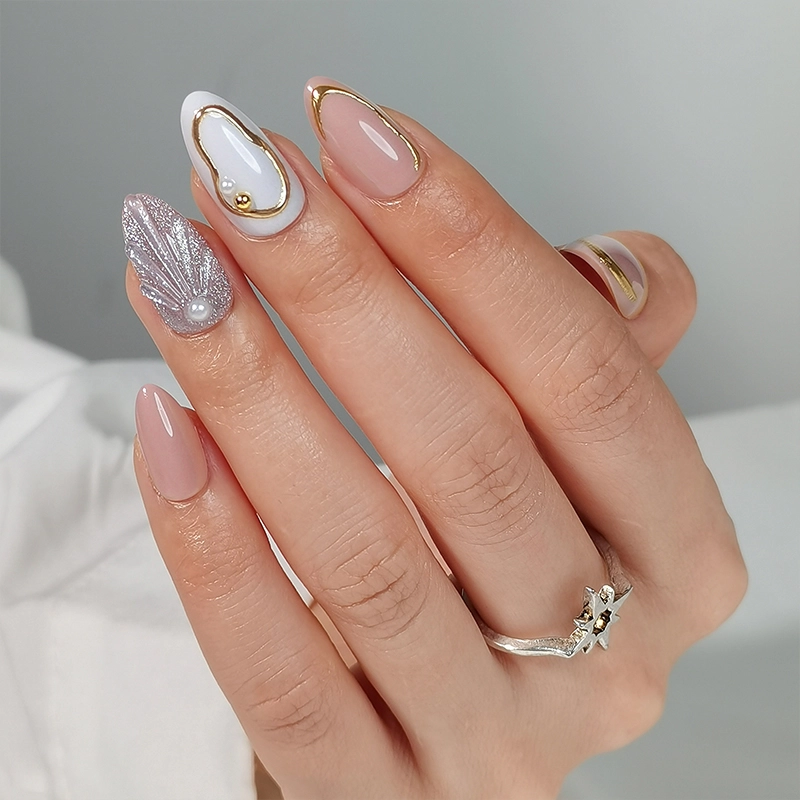
Wholesales Elegant Shell Inspired Soft Gel Wearable Nails for Seasonal Celebrations
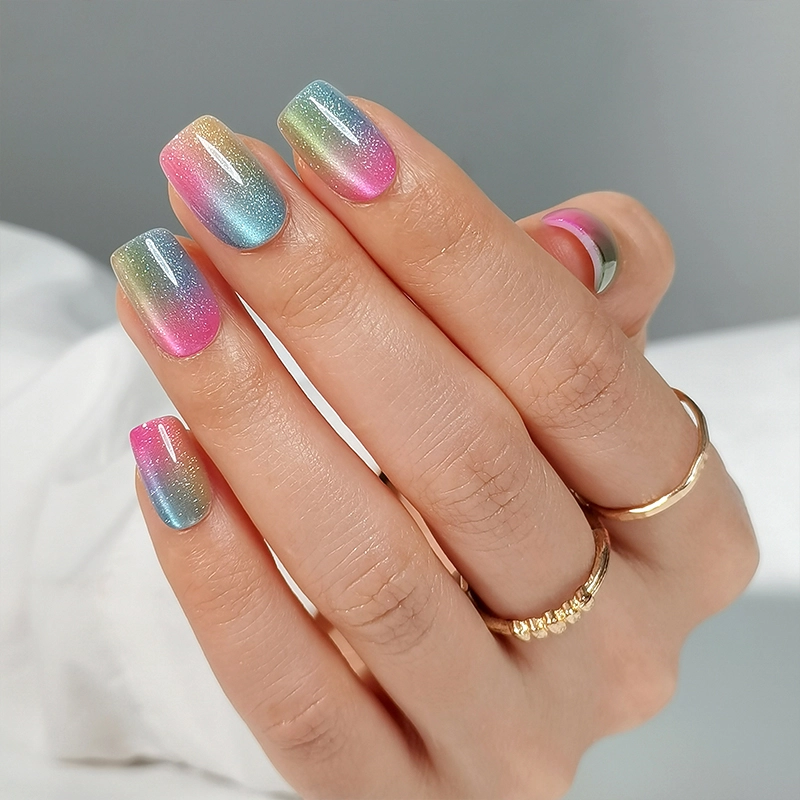
Custom Wholesale Gradient Cat Eye Soft Gel Wearable Fake Nails
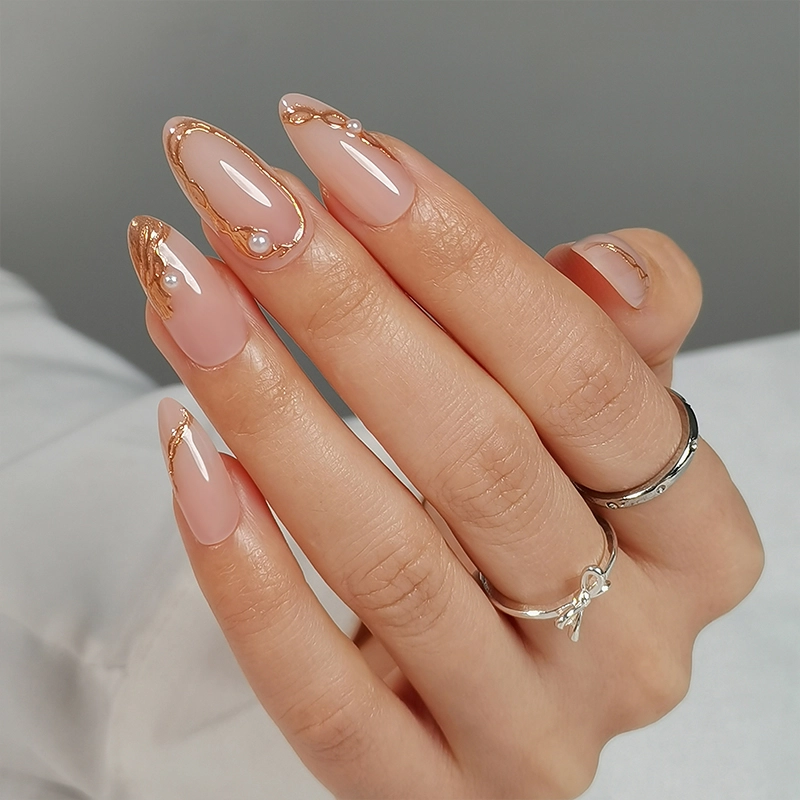
Wholesales Luxury Rhinestone Handmade Private Label Press On Nails Art Tips
Contact us
If you have press on nails products or customization needs, please feel free to contact from
below or via the contact information provided, we'll get back to you promptly within 24 hours.
By clicking 'Send Inquiry Now' I agree to XIANXING BEAUTY processing my personal data.
To see how to withdraw your consent, how to control your personal data and how we process it, please see our Privacy Policy and Terms of use.
Copyright © 2025 - XIANXING BEAUTY All Rights Reserved. Sitemap
Facebook
YouTube
Instagram
LinkedIn