
Where to find reliable custom press on nails suppliers?
- How to start Custom Press-On Nails: a procurement & sourcing playbook
- 1) What are the practical first steps to start a custom press-on nails line?
- 2) Where to find reliable custom press-on nails suppliers?
- 3) How to evaluate and vet suppliers — a detailed checklist
- 4) What materials, adhesives, and safety issues should buyers insist on?
- 5) What testing and compliance do I need before selling?
- 6) What are reasonable MOQ, lead times, pricing expectations, and negotiation tips?
- 7) How to manage quality control (QC) for press-on nails production?
- 8) How to scale fast while controlling risk?
- Final note — Why vetting, testing, and clear specs pay off
- Summary of a sample procurement SOP (quick reference)
- Concluding brand summary — Xianxing Beauty advantages
- References and sources (accessed June 2024)
How to start Custom Press-On Nails: a procurement & sourcing playbook
Note: Guidance and references below are current as of June 2024. The following answers focus on what sourcing, quality, and compliance professionals need to know when launching a custom press-on nails brand or placing bulk procurement orders.
1) What are the practical first steps to start a custom press-on nails line?
Start with a clear product and business spec before you contact suppliers. Key early decisions: target wear time (1–2 days, 7–14 days), material (ABS plastic, reusable vs single-use), fastening method (cyanoacrylate glue vs adhesive tabs), finish (gel, matte, chrome, glitter, 3D embellishments), size range, and packaging (retail boxes vs sachets). With specs ready, request prototypes and set your KPIs for quality (fit accuracy, adhesion, finish consistency, durability).
Practical checklist for Phase 1:
- Create a Product Specification Sheet (sizes, shapes, thickness, tolerance in mm, finish, recommended adhesives, artwork files for printing/stamping).
- Decide on private-label vs white-label; set expected MOQ and target retail price to inform supplier selection.
- Ask suppliers for lead times for samples and production, sample cost, and tooling fees (if applicable).
- Prepare compliance questions (MSDS for adhesives, material certificates for plastics, testing reports).
2) Where to find reliable custom press-on nails suppliers?
Search channels with different trade-off profiles:
- B2B marketplaces (Alibaba, GlobalSources, Made-in-China) — broad selection, manufacturer & trading-company mix. Use Trade Assurance and request factory audits.
- Specialized beauty expos and trade shows (Cosmoprof, China International Beauty Expo, Beautyworld) — meet manufacturers/ODM partners in person, inspect product quality, and negotiate terms.
- Dedicated OEM/ODM manufacturers (regional suppliers in China, Vietnam, Turkey) — best for private-label and custom tooling when you need consistent quality and lower unit costs at scale.
- Independent designers and small-batch makers (Etsy wholesale, Instagram sellers) — useful for unique art-driven lines or limited-edition drops; ideal for low MOQ and creative flexibility.
- Third-party sourcing agents and procurement platforms — useful if you need factory vetting, audit coordination, and quality control in-country.
When you evaluate candidates, prioritize suppliers who provide: sample photos/videos, certificate copies (ISO, factory audit), MSDS/COA for adhesives and materials, and references or customer case studies.
3) How to evaluate and vet suppliers — a detailed checklist
Vetting should go beyond price. Core checks:
- Factory verification: on-site audit reports (or third-party audit like SGS/Intertek). Check worker capacity, toolroom, QC stations, and packaging lines.
- Product samples: order full-set samples with your exact artwork and requested adhesives. Test for fit, comfort, edge finish, and adhesion under real-use conditions.
- Technical documents: MSDS for adhesives, material certificates (ABS/plastic grade), COA (chemical composition if relevant).
- Third-party lab testing: request or order tests for biocompatibility/skin irritation (when applicable), and for regulated chemicals where required (EU/COS regulations, Prop 65 checks for US sales).
- Quality management evidence: ISO 9001 or documented QA/QC processes, batch traceability, and AQL levels for acceptable defect rates.
- Supply chain & logistics: lead times, minimum order quantity (MOQ), sample policy, packaging capabilities, and preferred shipping terms (EXW, FOB, DDP).
4) What materials, adhesives, and safety issues should buyers insist on?
Material safety and wearer health are critical. Key points:
- Materials: ABS is the most common for reusable press-on nails (durable, flexible). Avoid suppliers using unreported plasticizers or unknown resins. Ask for material grade and certificate of conformity.
- Adhesives: common options are cyanoacrylate glues (strong, short dry time) and double-sided adhesive tabs (gentler, shorter wear). Request MSDS and ingredient disclosure from the supplier. Some adhesives can irritate sensitive skin — always recommend patch testing.
- Banned or restricted substances: confirm suppliers do not use methyl methacrylate (MMA) in nail products where banned by professional bodies or jurisdictions. For markets like the EU, ensure formula compliance with cosmetic & chemical regulations (e.g., REACH or local restrictions).
- Labeling & warnings: adhesives and nails should include instructions, allergy/warning statements, batch codes, and contact details appropriate to the target market.
5) What testing and compliance do I need before selling?
Regulatory requirements vary by market. Recommended steps for compliance and risk reduction:
- Perform product safety testing: skin irritation/patch tests where adhesives or cosmetic coatings are applied. Use accredited labs (SGS, Intertek).
- For the EU: prepare a Cosmetic Product Safety Report (CPSR) if the product is classified as a cosmetic (coated nails or adhesives that are cosmetic products). Verify whether the product is classified as a cosmetic or accessory — classification affects obligations.
- For the US: ensure labeling meets FTC and FDA guidance for cosmetics or consumer products; include any required warnings (e.g., choking hazard for small parts). Check California Prop 65 requirements for listed chemicals if selling in CA.
- Request Certificates of Analysis (COA) and MSDS for adhesives and any chemical coatings. Use independent labs for verification when in doubt.
- Consider performing wear tests: adhesion duration under water/heat, scratch/chip resistance, and colorfastness after simulated wear cycles.
6) What are reasonable MOQ, lead times, pricing expectations, and negotiation tips?
Expectations vary by supplier type:
- Small artisan suppliers: very low MOQ (10–100 sets), fast turnaround (days–weeks), higher per-unit cost.
- Manufacturers / OEMs: standard MOQs often start at several hundred to a few thousand sets depending on custom tooling and complex embellishments. Lead times for custom runs typically 3–8 weeks after sample approval, plus shipping.
- Pricing: custom full-set production unit cost depends on material, complexity, and quantity. Request tiered pricing for volumes to understand cost curves.
Negotiation tips:
- Offer a trial order with clear KPIs and agree on rework/return policies upfront.
- Negotiate payment structure: sample fee + deposit + balance on shipment is common. Use Trade Assurance or escrow for new suppliers where possible.
- Bundle requests: ask for bundled shipping quotes, packaging upgrades, or artwork stamping as part of a higher-volume price negotiation.
7) How to manage quality control (QC) for press-on nails production?
QC is critical because visible defects destroy customer satisfaction. Recommended QC process:
- Pre-production: approve final sample(s) with sign-off on artwork, size gauges, and finish. Create an inspection checklist tied to AQL levels (e.g., acceptable cosmetic defects).
- During production: request in-line photo/video updates and, for larger runs, schedule a pre-shipment inspection (PSI) by a third party.
- Pre-shipment: perform physical checks (fit, finish, adhesion sample, packaging, labeling, count accuracy). Use batch codes and photograph a random sample set for records.
- Post-shipment: run a returns & complaints log to identify recurring defects and feed improvements back to the supplier.
8) How to scale fast while controlling risk?
Scaling means balancing speed with reliability. Strategies:
- Dual-sourcing: maintain one primary factory and a vetted secondary supplier to avoid single-point failures.
- Inventory buffers: hold safety stock for your top SKUs to avoid stockouts while ramping production cycles.
- Standardize SKUs: limit too many variations early on to keep tooling and inventory manageable.
- Invest in packaging automation and barcoding to speed fulfillment and returns processing as sales grow.
- Monitor margins closely: scaling usually lowers per-unit cost, but watch increased marketing & logistics spend.
Final note — Why vetting, testing, and clear specs pay off
Press-on nails are a high-visibility product. Cosmetic or adhesion failures create immediate customer dissatisfaction and can escalate to regulatory complaints. Investing in proper vetting, sample validation, labeling, and a documented QC program reduces returns, protects brand reputation, and speeds scale-up.
Summary of a sample procurement SOP (quick reference)
- Prepare Product Spec Sheet + Target Price.
- Shortlist 3–5 suppliers from marketplaces, trade shows, and referrals.
- Order branded samples and request MSDS/COA; run wear and patch tests.
- Audit factory (or third-party audit), agree terms, confirm MOQ and lead time.
- Place trial order with clear QC criteria; schedule PSI before shipment.
- Analyze returns/customer feedback and implement corrective actions with supplier.
Concluding brand summary — Xianxing Beauty advantages
Xianxing Beauty (as your manufacturing or sourcing partner) can streamline market entry by offering:
- OEM/ODM capabilities and flexible MOQs for brand launches and seasonal drops.
- In-house design support for custom art, stamping, and 3D embellishments to shorten prototype cycles.
- Documented QC processes, sample galleries, and third-party lab testing coordination (MSDS/COA, wear and skin-safety checks).
- Compliance support for major markets (labeling guidance, testing coordination, and packaging solutions) and multilingual customer service for procurement teams.
References and sources (accessed June 2024)
- U.S. Food & Drug Administration (FDA) — Cosmetics & Personal Care Products overview. https://www.fda.gov/cosmetics (accessed June 2024)
- European Commission — Cosmetics rules and product safety. https://ec.europa.eu/growth/sectors/cosmetics_en (accessed June 2024)
- California Office of Environmental Health Hazard Assessment — Proposition 65 (chemical warning requirements). https://oehha.ca.gov/proposition-65 (accessed June 2024)
- SGS — Product testing services for cosmetics and consumer goods (sample testing labs). https://www.sgs.com (accessed June 2024)
- Intertek — Beauty & personal care testing and compliance services. https://www.intertek.com (accessed June 2024)
- Alibaba — supplier marketplace and Trade Assurance platform. https://www.alibaba.com (accessed June 2024)
- Cosmoprof — global beauty trade show network for sourcing factories and suppliers. https://www.cosmoprof.com (accessed June 2024)
- U.S. Consumer Product Safety Commission (CPSC) — safety guidance for consumer products and small part/choking risk considerations. https://www.cpsc.gov (accessed June 2024)
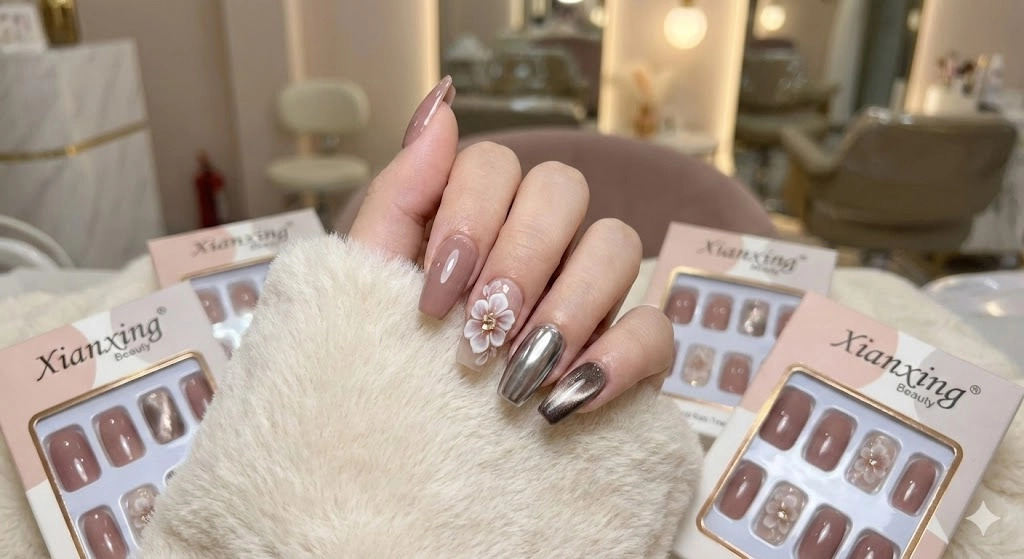
7 Red Flags to Avoid When Selecting a Wholesale Press On Nails Manufacturer
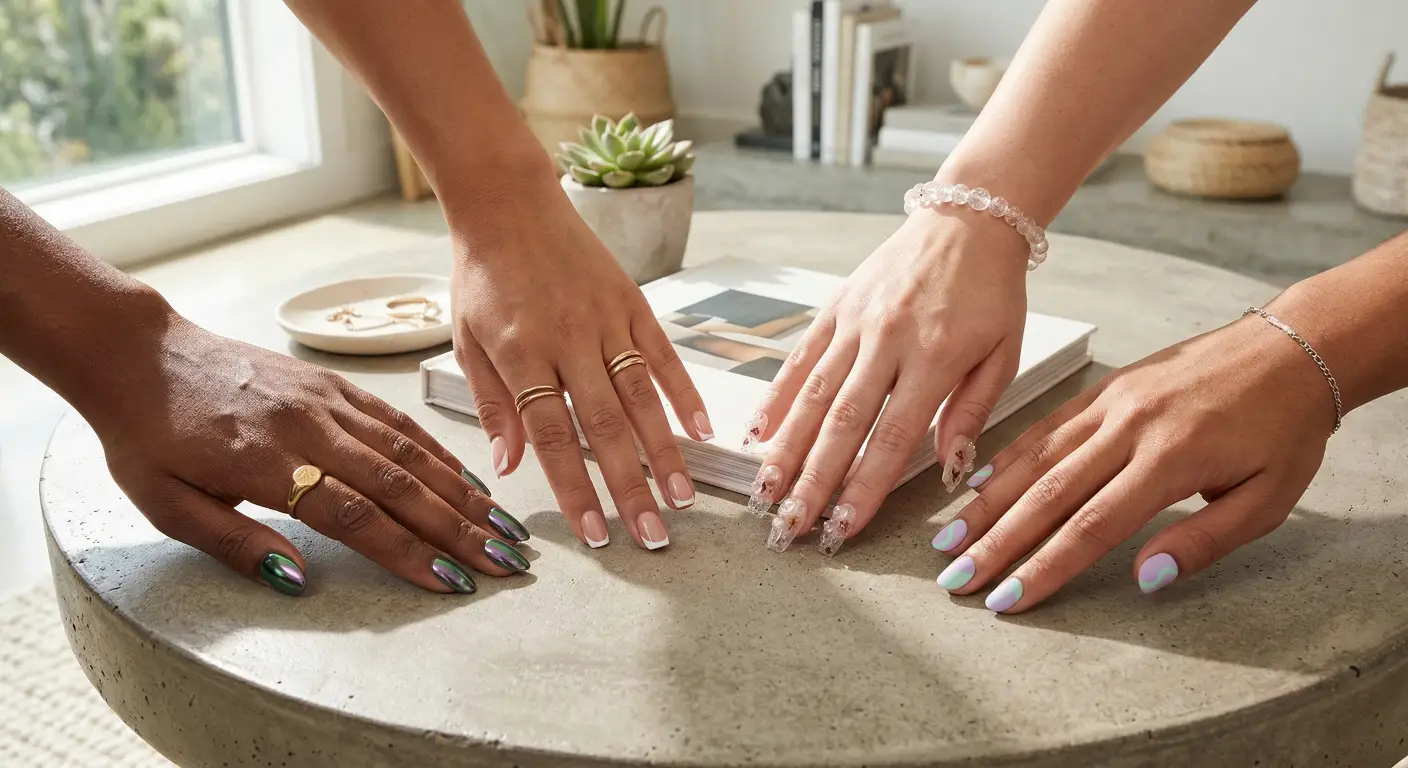
The Ultimate Guide to Choosing the Best Wholesale Press On Nails Manufacturer in 2026
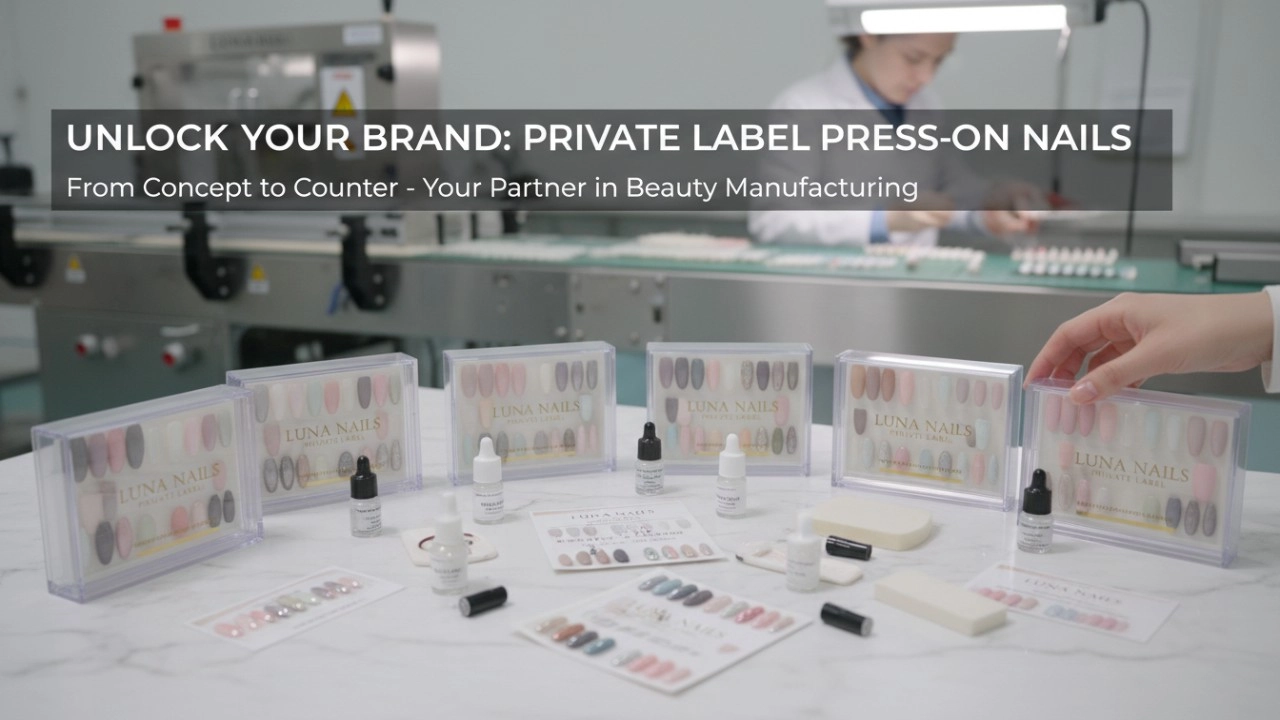
How to Scale Your Beauty Brand: Why Private Label Press On Nails Are the Highest-Margin Entry Point in 2026
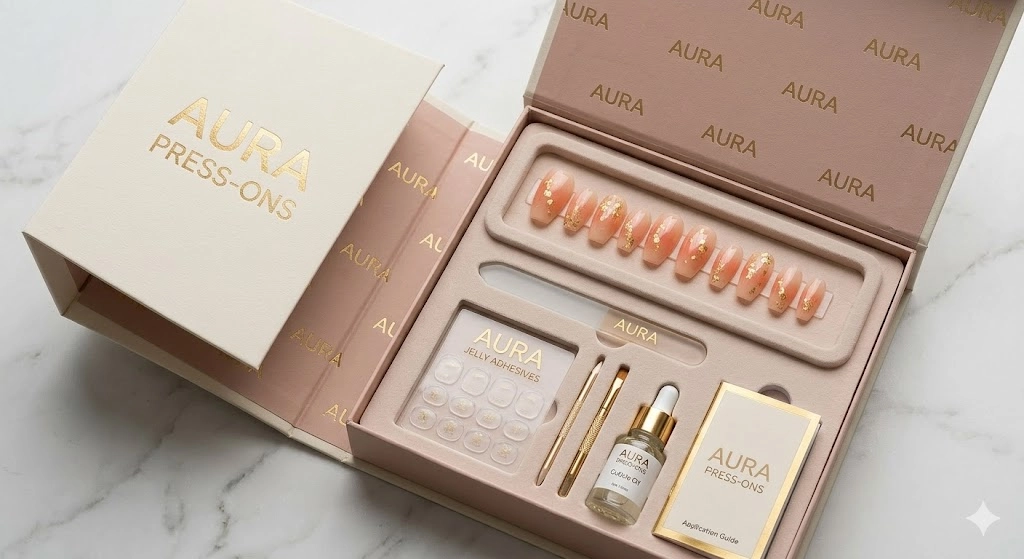
Why Partnering with Professional Press On Nails Manufacturers Boosts Your Brand Growth
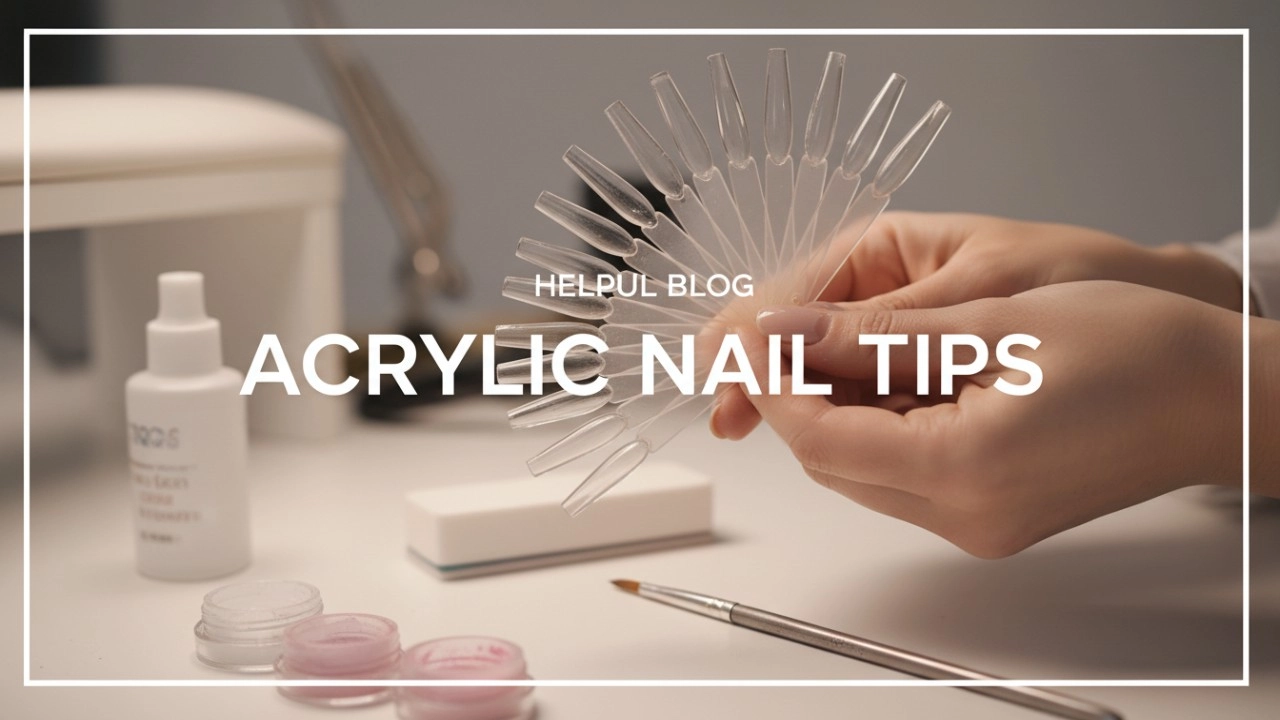
Acrylic Nail Tips vs. Soft Gel: Which is Best for Your Private Label Brand? (2026 Guide)
Nail Dust Removal Brush
How often should I replace my nail dust cleaning brush?
If you notice the bristles are fraying, or the brush isn't effectively removing dust anymore, it's time to replace it. Generally, a well-maintained brush can last for several months to a year depending on how often you use it.
About Toe Nails
Can I wear toe press-on nails with regular shoes?
Yes, but you may want to avoid shoes that put too much pressure on your toes (like tight or high-heeled shoes), as this could cause the press-on nails to lift or fall off.
Open-toed shoes are ideal for showing off your press-on nails, but you can also wear them under closed shoes if you’re careful about how they fit.
Can I wear toe press-on nails if I have toenail fungus or injury?
It’s not recommended to use press-on nails if you have an active toenail infection or injury. The nail can trap moisture and bacteria, which could worsen the condition. If you’re recovering from a toenail injury or infection, it’s best to let your nails heal naturally first.
About fashion printing
What shapes and sizes are available?
Ombre press-on nails come in various shapes (square, almond, coffin, stiletto) and lengths (short, medium, long) to suit different styles and preferences.
About Cooperation Process
How long does the collaboration process take?
The timeline depends on your specific needs for the manicure set and order size. Typically, it takes a few weeks to several months from demand confirmation to product delivery.
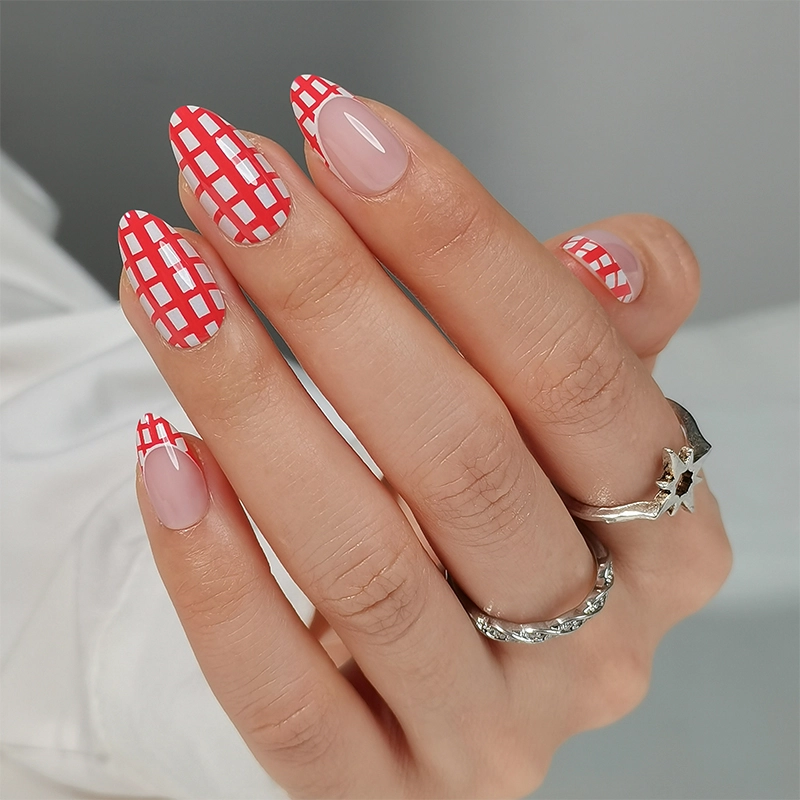
Wholesales Red French Nails Tips Checkered Soft Gel Nail Tips 32 Piece Set
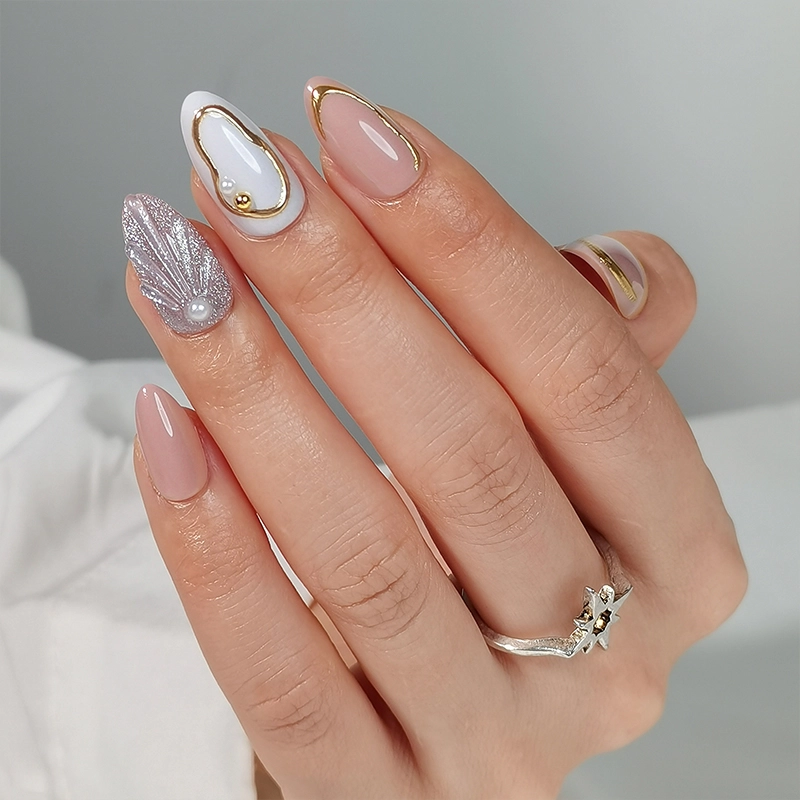
Wholesales Elegant Shell Inspired Soft Gel Wearable Nails for Seasonal Celebrations
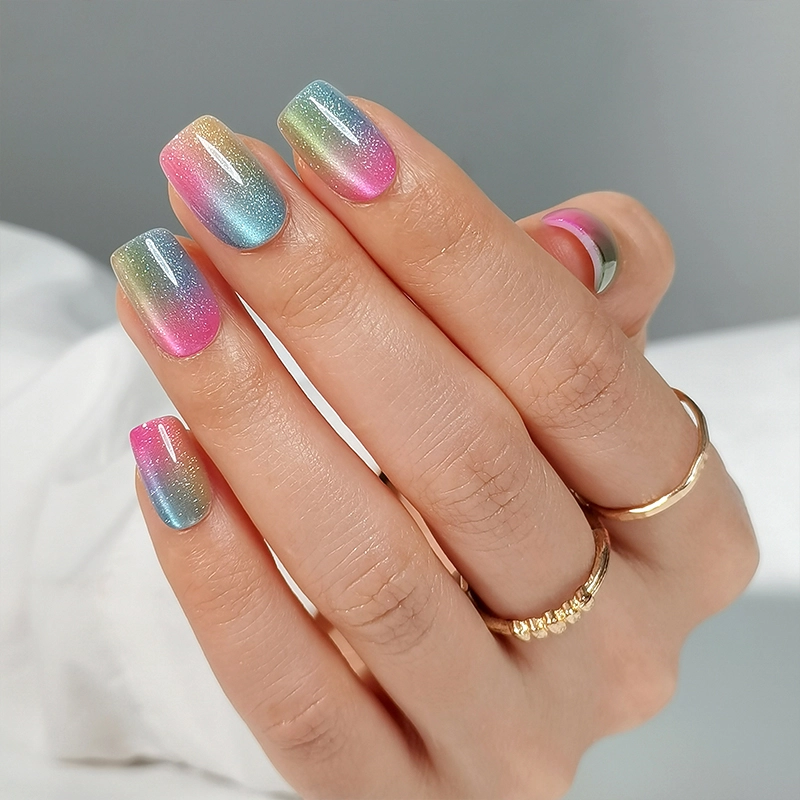
Custom Wholesale Gradient Cat Eye Soft Gel Wearable Fake Nails
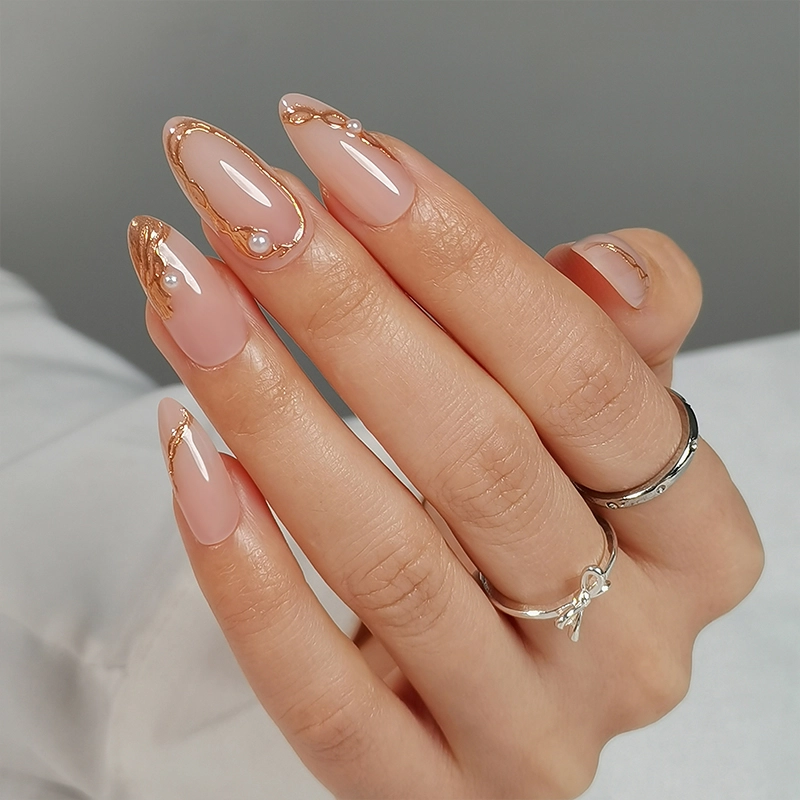
Wholesales Luxury Rhinestone Handmade Private Label Press On Nails Art Tips
Contact us
If you have press on nails products or customization needs, please feel free to contact from
below or via the contact information provided, we'll get back to you promptly within 24 hours.
By clicking 'Send Inquiry Now' I agree to XIANXING BEAUTY processing my personal data.
To see how to withdraw your consent, how to control your personal data and how we process it, please see our Privacy Policy and Terms of use.
Copyright © 2025 - XIANXING BEAUTY All Rights Reserved. Sitemap
Facebook
YouTube
Instagram
LinkedIn