
How to create a catalog for wholesale custom press on nails?
- How to start Custom Press-On Nails — 7 procurement questions beginners don’t get detailed answers to
- 1. How can I validate a custom press-on nail manufacturer’s quality before placing a wholesale order?
- 2. What are realistic MOQs, lead times, and price breaks for wholesale custom press-on nails, and how should I negotiate them?
- 3. How do I specify and test materials, finishes and durability requirements (for a technical pack) so suppliers deliver consistent press-on nails?
- 4. How do I ensure adhesives and packaging comply with international shipping, labeling and consumer-safety standards?
- 5. How to create a wholesale catalog for custom press-on nails that actually converts retail buyers?
- 6. How should I forecast inventory and set reorder strategies for custom press-on nails with frequent new designs?
- 7. What shipping, customs and logistics pitfalls should I plan for when importing wholesale custom press-on nails?
- Conclusion — Why choose Xianxing Beauty as your partner?
How to start Custom Press-On Nails — 7 procurement questions beginners don’t get detailed answers to
Buying custom press-on nails wholesale is different from buying commodity goods. Retailers and private-label brands must evaluate quality, compliance, logistics and merchandising in advance. Below are 7 specific long-tail questions that beginners frequently ask — with practical, procurement-oriented answers, checklists and sample fields to include in supplier tech-packs and your wholesale catalog.
1. How can I validate a custom press-on nail manufacturer’s quality before placing a wholesale order?
Why it matters: Low-quality nails cause returns, negative reviews and safety risks (poorly cured finishes, brittle plastic, adhesive failures).
Step-by-step validation checklist:
- Request a functional sample set (not just photos) of the exact SKU, finish and adhesive you intend to buy. Pay for expedited samples if needed.
- Ask for a factory tour (live video or on-site) and documentation: business license, production capacity report, quality control (QC) procedures, and employee safety measures.
- Review QC records: incoming material inspection, in-line inspection, final inspection (AQL sampling plan). A common AQL level for consumer cosmetics is 2.5/4.0 depending on defect tolerance — confirm with your supplier.
- Perform your own sample tests: bend test, impact test (drop on hard surface), wear test (72+ hours simulated use with two adhesive types), and finish abrasion (500–1,000 rubs using standardized cloth). Record results with photos/videos.
- Insist on material certificates (e.g., polymer grade, pigment safety). For finishes, request evidence of lightfastness and yellowing testing under UV exposure.
- Use third-party lab testing for chemical safety if you plan to private-label: ask for phthalate testing, heavy metals in nail pigments, and volatile organic compounds (VOCs) if relevant.
Red flags: supplier refuses physical samples, only sends mockups, unclear QC records, or avoids third-party testing.
2. What are realistic MOQs, lead times, and price breaks for wholesale custom press-on nails, and how should I negotiate them?
Why it matters: You need predictable cashflow, inventory planning, and SKU profitability.
Practical guidance (market-observed ranges):
- MOQ per design: many factories will quote 100–500 sets per design for standard ABS/PC press-on nails; smaller batch manufacturers may offer 50–100 sets at higher unit cost.
- Lead times: samples 5–14 days; production 10–30 days after sample approval depending on order size and seasonality (peak seasons extend times). Allow extra 7–14 days around major holidays.
- Price breaks: unit price usually decreases at stepped quantities (e.g., 100, 300, 500+ sets). Expect meaningful reductions at 300–500 units per design for many suppliers.
Negotiation tactics:
- Bundle SKUs: agree a total order volume across multiple designs to reach attractive price tiers while keeping individual design counts low.
- Pay a reasonable deposit (20%–50%) and tie remaining payment to inspection/paperwork milestones.
- Request staggered production runs or split shipments to manage cashflow and test retail response.
- Ask suppliers to quote EXW, FOB and CIF — understanding who pays freight permits negotiation leverage.
Tip: Always build a 10% buffer for mis-sized or damaged sets when planning inventory.
3. How do I specify and test materials, finishes and durability requirements (for a technical pack) so suppliers deliver consistent press-on nails?
Why it matters: Xianxing Beauty promise depends on predictable fit, finish and durability.
Essential fields for a supplier technical pack (tech-pack):
- Style ID & sketch/photo (front/back/side)
- Material & grade: example — ABS plastic, 0.6–0.9 mm thickness, high-impact grade, supplier resin batch number
- Sizes & quantities per size: include length (mm) and curvature measurements, and an exact size chart (0–9 or custom sizes)
- Finish details: glossy gel finish / matte powder / chrome powder with curing process and UV lamp spec (wavelength & exposure time)
- Decoration & adhesion methods: glued embellishments, foil/sticker placement coordinates in mm
- Tolerance & defect criteria: allowable scratches, color variance (Delta E threshold), and edge burr limits
- Required tests & acceptance criteria: bend test (no cracks under 90° bend), adhesion test for tips, finish abrasion resistance (X rubs), and 72-hour wear simulation with typical consumer activity
Recommended small-batch tests before bulk production:
- Wear test with at least 10 testers of varied nail shapes for 5–7 days
- Humidity/temperature stability: store sample cartons at 40°C and 75% RH for 7 days to check glue performance and finish changes
- Accelerated UV exposure test to check yellowing for light-colored sets
4. How do I ensure adhesives and packaging comply with international shipping, labeling and consumer-safety standards?
Why it matters: Incorrect labeling or unsafe adhesives can lead to customs detentions, fines, or product recalls in major markets.
Regulatory and labeling basics:
- Classify product correctly: many jurisdictions treat press-on nails as cosmetic accessories — check country-specific rules. Some adhesives are considered consumer chemicals; check local flammability and transport rules.
- Adhesive safety: if supplying nail glue, confirm ingredients and provide Safety Data Sheets (SDS). Some glues contain cyanoacrylates — these require caution labels (eye/skin hazard), and may have special shipping rules for air transport (dangerous goods classification for certain adhesives).
- Cosmetic rules: in the EU, cosmetic products and ingredients are governed by Regulation (EC) No 1223/2009 — ensure labeling complies if you include nail polishes or decorative coatings. In the U.S., cosmetics are regulated by the FDA; there is no pre-market approval for cosmetics but labeling and safety obligations remain.
- Label requirements (retailer-facing and consumer-facing): product name, ingredients (if applicable), warnings (use instructions, allergy warnings), manufacturer/importer contact, batch/lot code, country of origin, and appropriate language(s) for the target market.
Packaging & fulfillment checklist:
- Design packaging to protect shape and finish — use inner blister trays or foam to prevent rubbing.
- Include clear SKU barcodes (EAN/UPC) for retail systems and an accessible sample for the retailer (one full set in a sample pack).
- Conform to retailer packaging specs (drop-shipping marketplaces and mass retailers have strict carton and label rules).
- For multi-country sales, prepare translated warning labels and local compliance documents.
5. How to create a wholesale catalog for custom press-on nails that actually converts retail buyers?
Why it matters: Wholesale catalogs must make it quick for buyers to evaluate assortment, margins and merchandising fit.
Catalog structure that converts:
- Clean SKU matrix page — each SKU row includes product photo, style ID, sizes (0–9), set count (e.g., 24 sizes = full kit), unit cost at standard MOQs, recommended retail price (RRP), available colors/finishes, lead time, and minimum order quantity.
- Tiered pricing table — show unit price at 1–4 quantity bands (e.g., 1–99, 100–299, 300–999, 1000+). Include freight options and EXW/FOB terms.
- Merchandising assets — high-res product images (white background), lifestyle photos, packaging mockups, and a downloadable product spec sheet for each SKU.
- Sample policy — clearly state sample pricing (refundable against first order?), sample lead time and shipping costs. Include a sample pack SKU that represents your bestsellers.
- Minimum Retailer Requirements — opening order size, reorder windows, MAP (minimum advertised price) if you enforce one, and return/exchange policy.
- Private label options — if you offer custom branding or label printing, include setup fees for artwork, label lead time, and minimum label run quantities.
Catalog formats and distribution:
- Provide a downloadable PDF catalog and a CSV/Excel SKU list for easy import into buyer systems.
- Create a dedicated B2B ordering portal or B2B section on your site with login, net-terms requests, and order tracking.
- Offer a visual line sheet for quick browsing and a more detailed digital catalog for buyers who need full specs.
6. How should I forecast inventory and set reorder strategies for custom press-on nails with frequent new designs?
Why it matters: Too many SKUs cause dead stock; too few SKUs limit sales and shelf appeal.
Practical forecasting approach:
- Start small and test: launch with 6–12 core designs and 6–8 rotating seasonal designs. Use the Pareto rule: expect 20% of SKUs to drive ~80% of sales in early stages.
- Use sell-through targets: aim for 30%–40% sell-through of an initial launch run in the first 60 days; ordinary reorders should be triggered when stock hits a pre-set safety level (lead time * average weekly sell rate + buffer).
- Set expiration for ephemeral designs: for trend or influencer-collab designs, shorten reorder windows and reduce MOQ to avoid long-term inventory risk.
- Implement SKU rationalization every quarter — retire bottom-performing SKUs and scale winners.
Inventory math example (simplified):
- Average weekly sales per SKU = 10 sets
- Supplier lead time = 21 days (3 weeks)
- Safety buffer = 2 weeks of stock = 20 sets
- Reorder point = (10 sets/week * 3 weeks) + 20 = 50 sets
Tip: Track sell-through by size as well — some sizes run out faster; consider pre-packing assortments based on historical size mix.
7. What shipping, customs and logistics pitfalls should I plan for when importing wholesale custom press-on nails?
Why it matters: Unexpected duties, mis-declared goods, or shipment classification errors cause delays and extra costs.
Practical logistics checklist:
- HS classification: confirm product classification with your customs broker. Classification affects duty rate and required documentation — do not guess HS codes.
- Customs documentation: commercial invoice must match packing list and contain accurate item descriptions, unit counts, and country of origin.
- Duty & VAT: calculate landed cost including duties, VAT/GST, freight and insurance to set accurate wholesale pricing.
- Packing and cartonization: optimize cartons per pallet to reduce freight cost; fragile or decorated nails need inner protection (tray or bubble packs) to avoid rubs and scratches.
- Air vs sea freight: for urgent reorders, air freight is faster but more expensive. Understand vendor timelines — few factories can meet same-week air shipments without sample approval in place.
- Use a freight forwarder experienced with cosmetics/accessories — they will advise on dangerous goods rules if you ship adhesives or other regulated items.
Red flags to avoid: undervalued invoices, missing manufacturer details, ambiguous product descriptions, and failure to provide SDS for adhesives when requested by customs or the carrier.
Conclusion — Why choose Xianxing Beauty as your partner?
Xianxing Beauty specializes in private-label and wholesale custom press-on nails with end-to-end support: thorough QC processes, transparent sample programs, flexible MOQs, and catalog-ready assets (skusheets, high-res images, and sample packs). Xianxing emphasizes compliance — SDS for adhesives, correct labeling for target markets, and factory QC reports — and offers merchandising and inventory planning templates to help retailers scale while minimizing dead stock. If you need a supplier who can support product testing, labeling and a fast onboarding process for B2B customers, Xianxing Beauty is built for that workflow.
Sources & further reading (accessed 2026-02-08):
- U.S. Food & Drug Administration (FDA) — Cosmetics: https://www.fda.gov/cosmetics (accessed 2026-02-08)
- European Commission — Cosmetics (EU Regulation (EC) No 1223/2009) overview: https://ec.europa.eu/growth/sectors/cosmetics/ (accessed 2026-02-08)
- Grand View Research — Artificial Nails Market (industry analysis and trends): https://www.grandviewresearch.com/industry-analysis/artificial-nails-market (accessed 2026-02-08)
- Google Trends — Search interest for “press on nails / press-on nails” (trend data): https://trends.google.com/trends/explore?q=press%20on%20nails (accessed 2026-02-08)
- Alibaba / Global Sources and B2B sourcing guides — supplier MOQs and sample workflows (general marketplace sourcing guidance): https://service.alibaba.com (accessed 2026-02-08)
- Etsy Seller Handbook — working with factories and manufacturers (practical tips for small brands): https://www.etsy.com/seller-handbook/article/how-to-work-with-factories-and-manufacturers/ (accessed 2026-02-08)
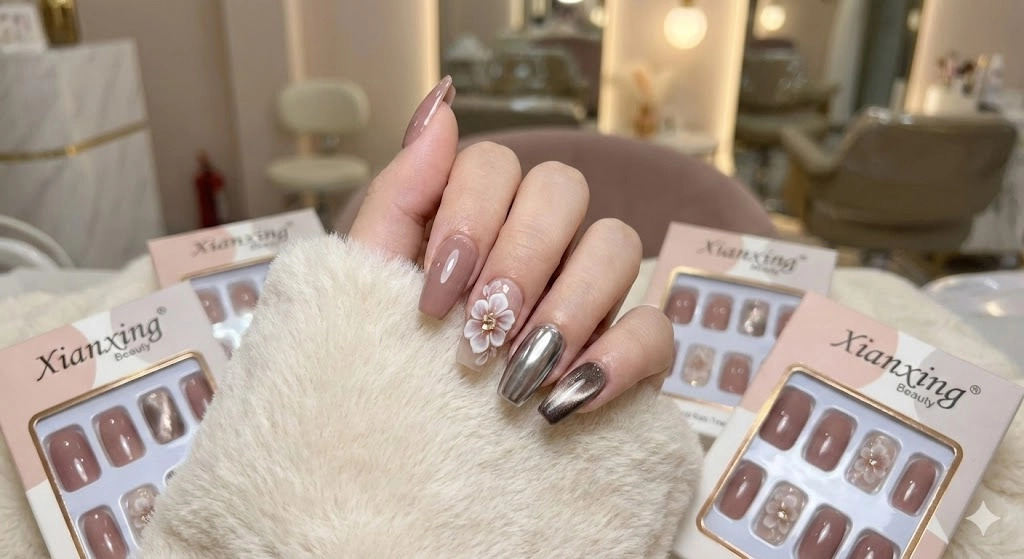
7 Red Flags to Avoid When Selecting a Wholesale Press On Nails Manufacturer
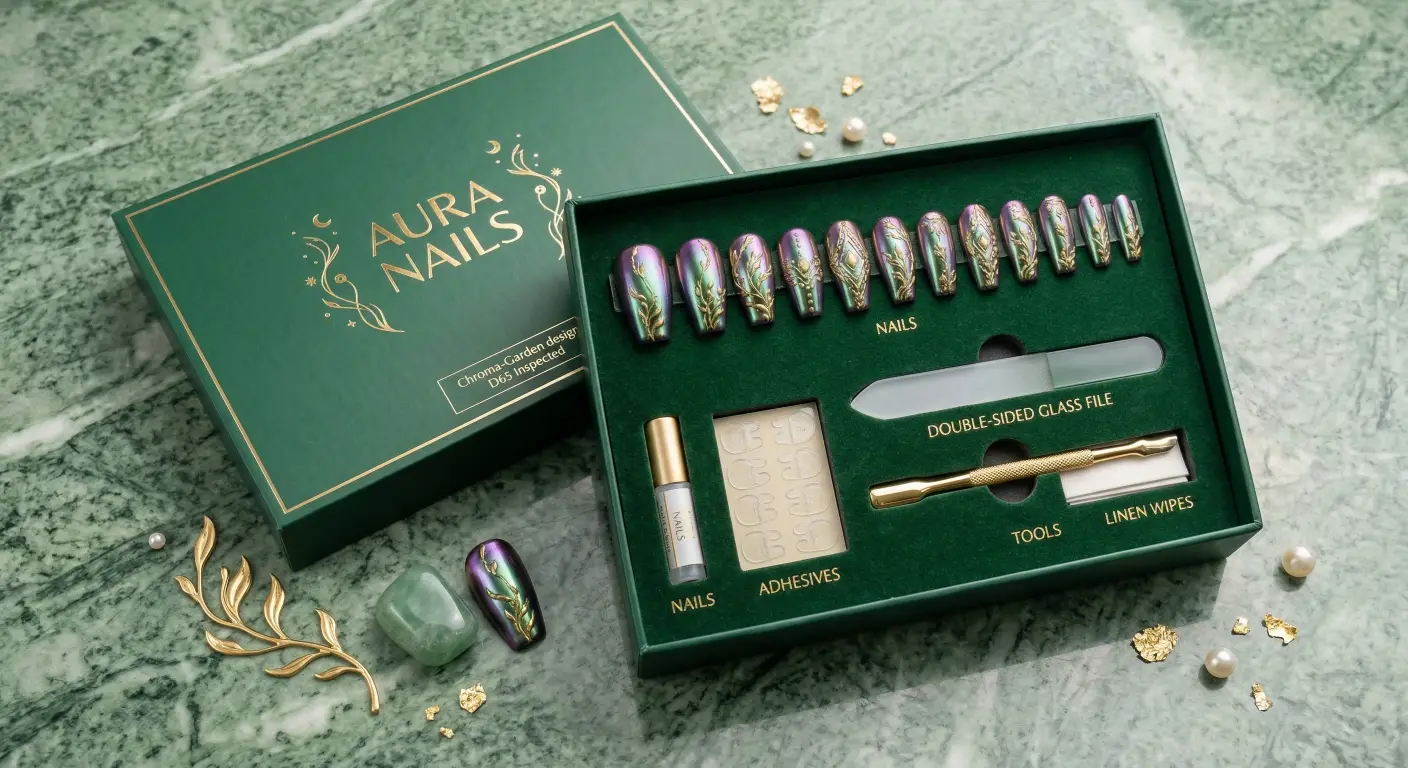
Quality Control: What to Expect from a Top-Tier Wholesale Press On Nails Manufacturer
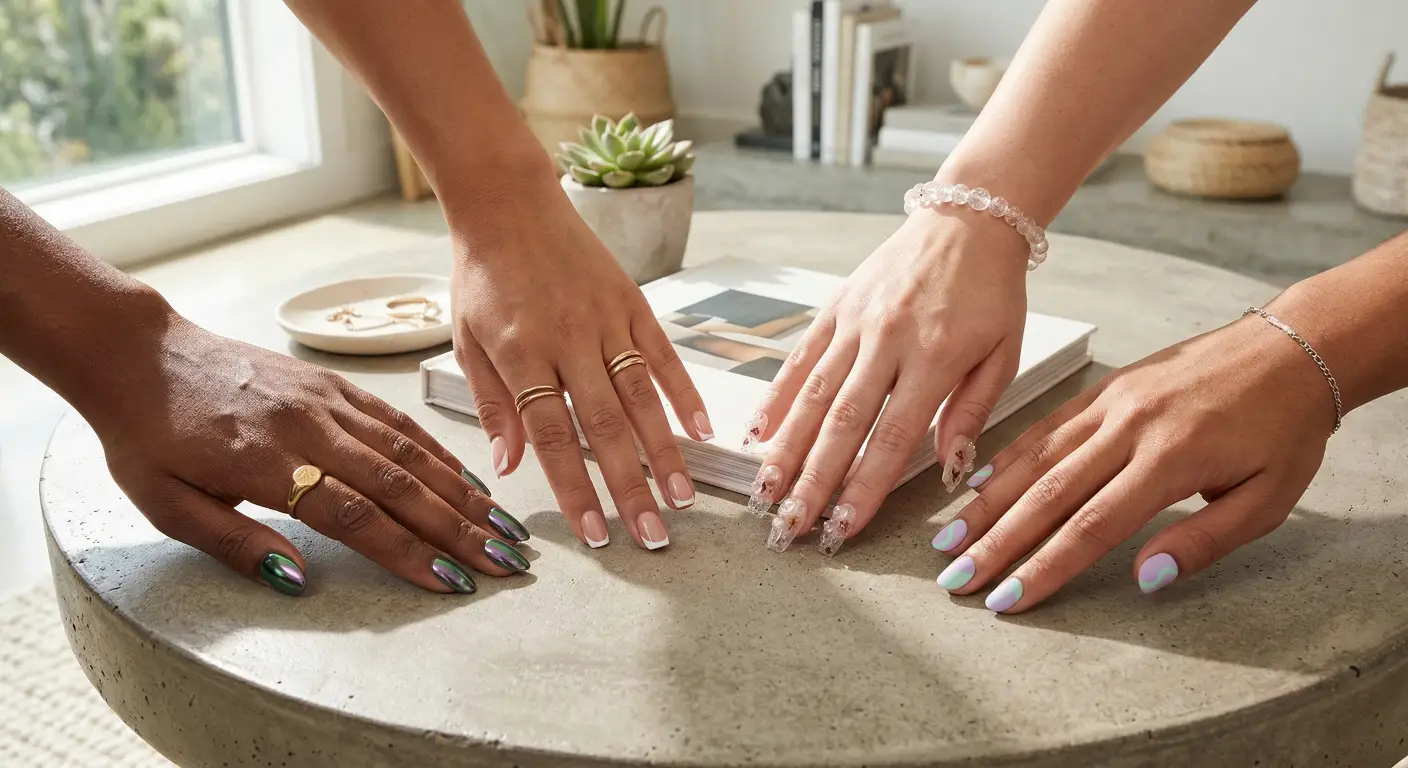
The Ultimate Guide to Choosing the Best Wholesale Press On Nails Manufacturer in 2026
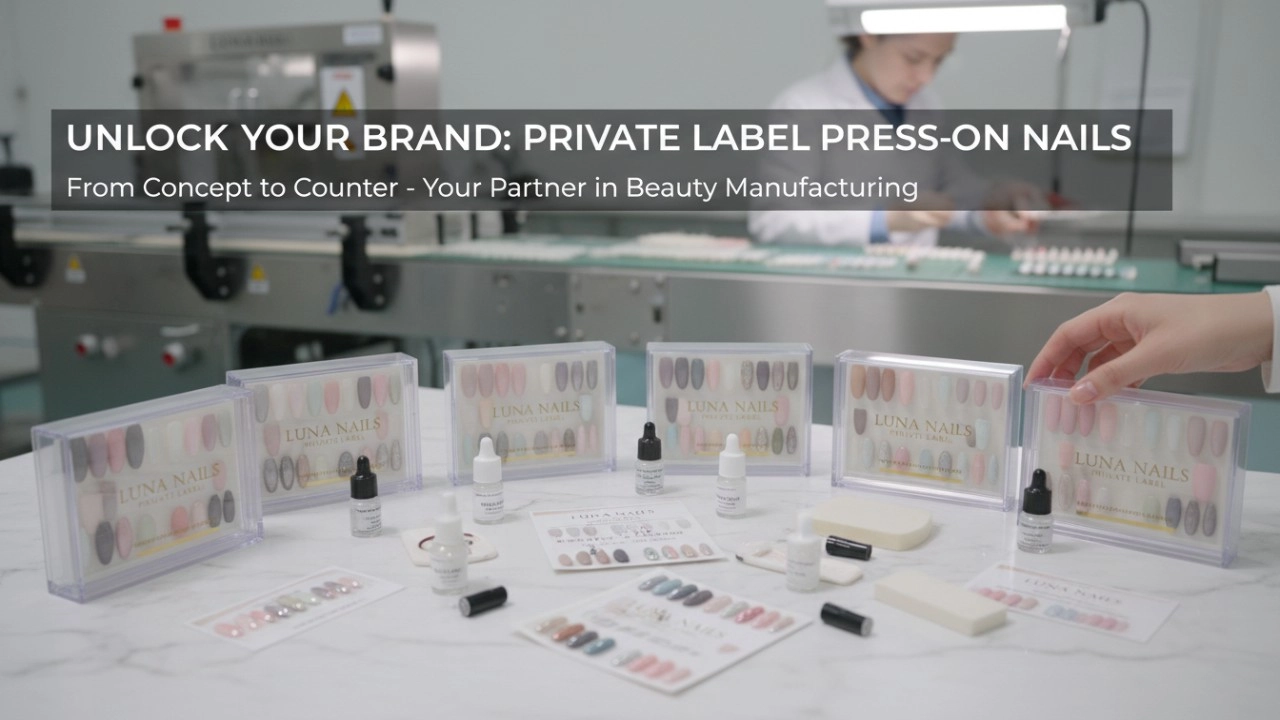
How to Scale Your Beauty Brand: Why Private Label Press On Nails Are the Highest-Margin Entry Point in 2026
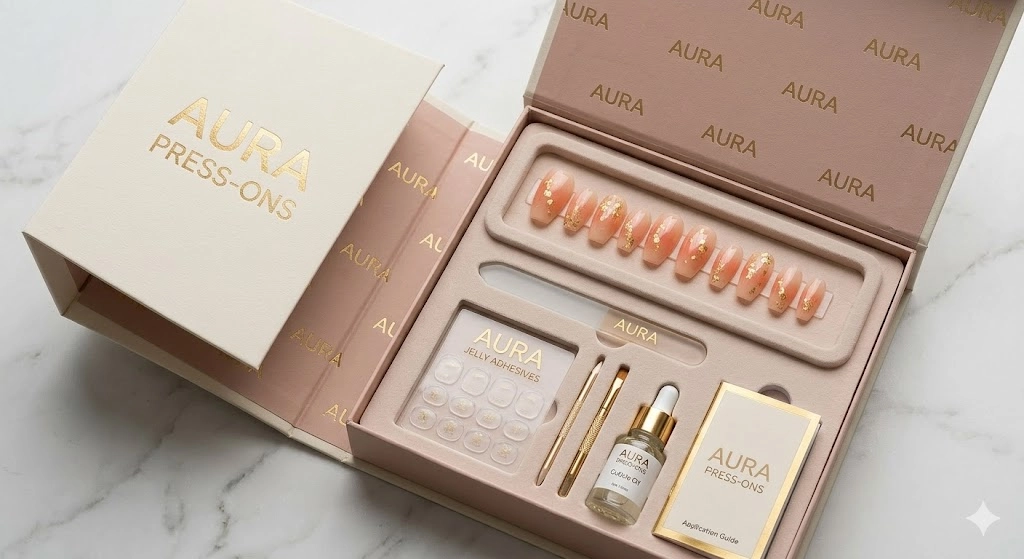
Why Partnering with Professional Press On Nails Manufacturers Boosts Your Brand Growth
Product Customization
How do you ensure product quality?
We implement strict quality control with professional inspection processes at every stage of production to ensure the finished products meet international quality standards. Each batch of products undergoes a full inspection before leaving the factory.
About French Nails Tips
Are they suitable for all nail sizes?
Most sets come with multiple sizes to fit a variety of nail widths. Check the package for sizing options.
Biodegrable Nails
Are biodegradable nails stronger than regular nails?
Biodegradable nails can be as strong as regular nails, and in some cases, even stronger, depending on their composition and manufacturing process.
Dead Skin Remover
How often should you use a dead skin fork?
It depends on your skin type, but generally, 1-2 times a week is recommended. Over-exfoliating can strip the skin of its natural oils and lead to irritation.
Salon Client
Are your products environmentally friendly?
Many of our products are made from environmentally friendly materials, meeting sustainability requirements.
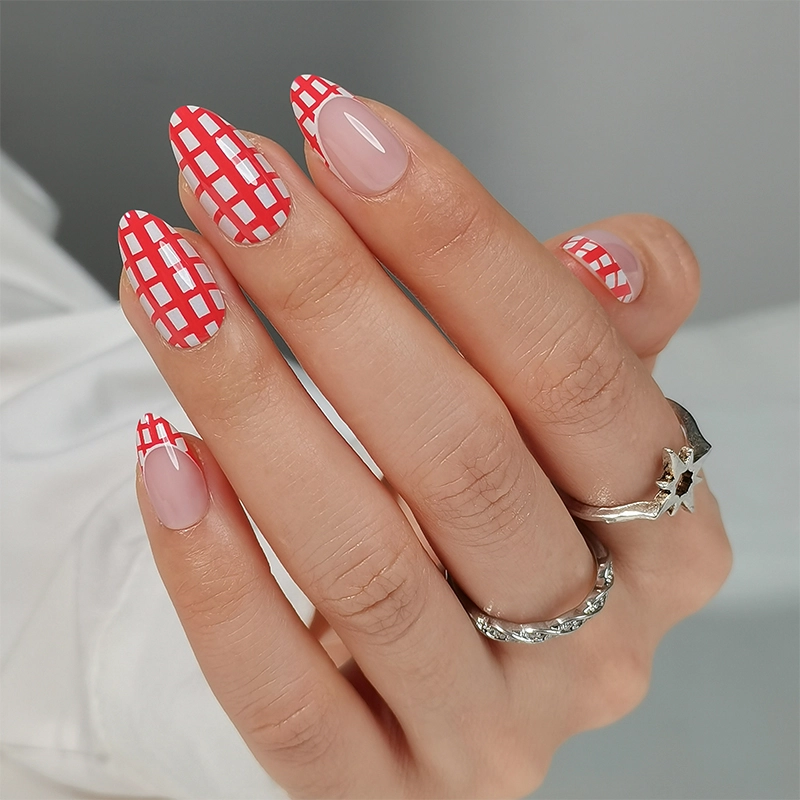
Wholesales Red French Nails Tips Checkered Soft Gel Nail Tips 32 Piece Set
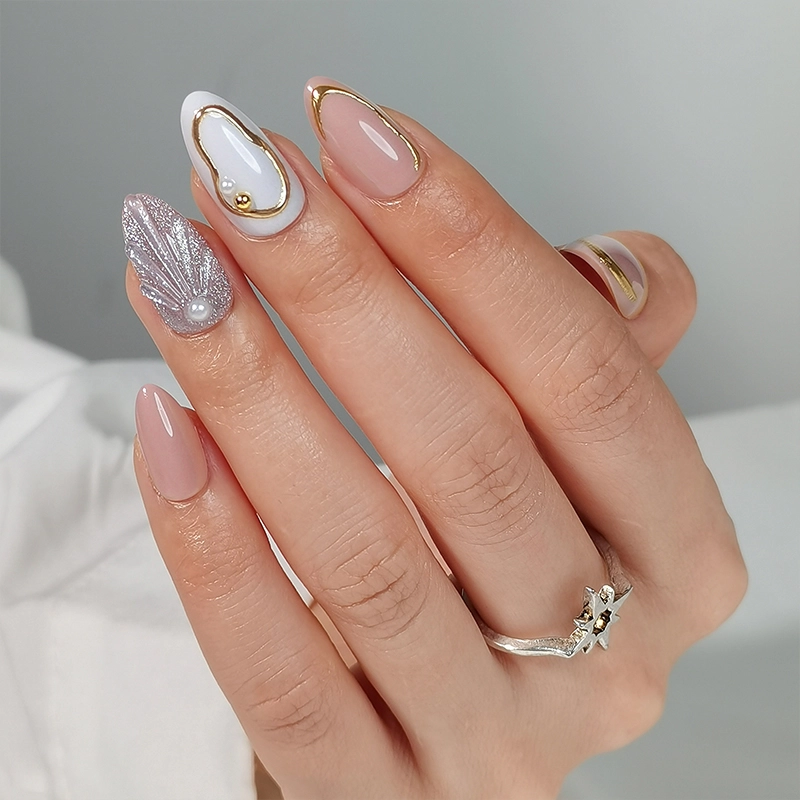
Wholesales Elegant Shell Inspired Soft Gel Wearable Nails for Seasonal Celebrations
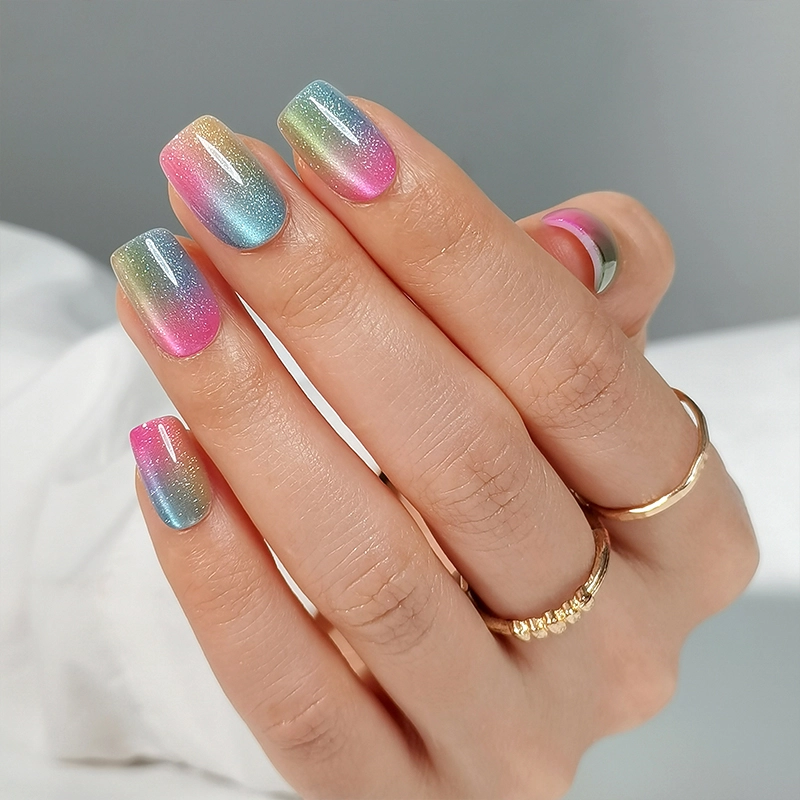
Custom Wholesale Gradient Cat Eye Soft Gel Wearable Fake Nails
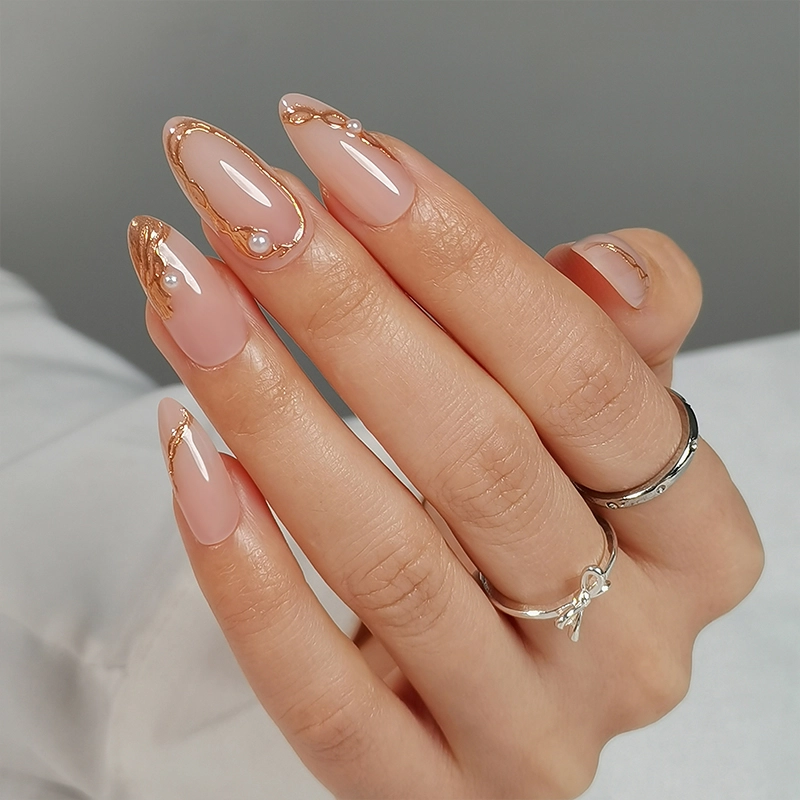
Wholesales Luxury Rhinestone Handmade Private Label Press On Nails Art Tips
Contact us
If you have press on nails products or customization needs, please feel free to contact from
below or via the contact information provided, we'll get back to you promptly within 24 hours.
By clicking 'Send Inquiry Now' I agree to XIANXING BEAUTY processing my personal data.
To see how to withdraw your consent, how to control your personal data and how we process it, please see our Privacy Policy and Terms of use.
Copyright © 2025 - XIANXING BEAUTY All Rights Reserved. Sitemap
Facebook
YouTube
Instagram
LinkedIn