
What Certification and Compliance Should Suppliers Have?
- 1. How can I verify a supplier's ISO 22716 GMP, CPSR, and authenticity of third‑party COAs for custom press on toe nails?
- 2. Which exact lab tests should I insist on for press-on toe nails, adhesives, and packaging to sell in EU and US markets?
- 3. What labeling, Responsible Person, and Product Information File (PIF) documentation must suppliers provide to legally distribute custom press-on toe nails in the EU?
- 4. How do I ensure cyanoacrylate or other nail adhesives are safe for consumer use — what SDS, GHS, and user instructions should a supplier include?
- 5. What measurable QC KPIs (adhesion hours, wear cycles, color ΔE, sizing variance) should be written into an MOQ/PO to avoid receiving inconsistent custom press on toe nails?
- 6. Which certifications, missing documents, or test failures most commonly cause customs rejections or retailer delistings for bulk press on toenails?
As a buyer of wholesale custom press on toe nails or private-label press-on nails, you need specific, verifiable documentation and measurable quality controls to protect Xianxing Beauty and customers. Below are six long-tail, beginner-focused questions that often lack up-to-date, actionable answers online — each followed by detailed, step-by-step guidance you can use when qualifying suppliers, commissioning tests, and writing contracts.
1. How can I verify a supplier's ISO 22716 GMP, CPSR, and authenticity of third‑party COAs for custom press on toe nails?
Why this matters: Cosmetics sold in the EU and many retailers globally must be produced under Good Manufacturing Practices and supported by a Cosmetic Product Safety Report (CPSR). Fraudulent or out-of-date certificates and lab reports are common pain points for first-time importers.
Actionable verification steps:
- Request specific documentation: ISO 22716 certificate, factory GMP audit report, CPSR (summary), Product Information File (PIF) reference, and Certificates of Analysis (COA) for the batch you will buy.
- Check certificate For ISO 22716 and other certificates, ask for certificate number, issue and expiry date, scope (products covered), and the issuing body. Cross-check the certificate number on the issuer’s online registry (e.g., Bureau Veritas, SGS, Intertek) or contact the issuing body to confirm authenticity.
- Validate the CPSR and Responsible Person (EU): For EU distribution the supplier should provide either the CPSR or the details of the EU Responsible Person listed in the Product Information File. Confirm the Responsible Person’s company is based in the EU and willing to sign a formal distribution agreement.
- Verify COAs with the lab: Ask the supplier for the independent laboratory name, report number, and contact email. Call or email the testing lab (e.g., Eurofins, SGS, Intertek) to confirm the COA number and that the sample was tested by them. Insist on a chain-of-custody note or sample receipt if possible.
- Request batch-linked evidence: For each production batch, request batch-level COAs and sample photos/videos showing the batch number printed on packaging or labels. Generic “type” COAs are insufficient for customs or large retailers.
- Use third-party factory audits or video inspections: For new suppliers, commission a third-party audit (SGS/Intertek/TUV) or a detailed factory video inspection showing production lines, raw-material storage, and lot traceability processes.
Red flags: Missing certificate numbers, refusal to supply batch COAs, COAs with only supplier contact info (no lab contact), or certificates that do not list press-on nails or related cosmetic items in scope.
2. Which exact lab tests should I insist on for press-on toe nails, adhesives, and packaging to sell in EU and US markets?
Why this matters: Press-on toe nails combine plastics/resins, pigments, adhesives and packaging — each component can bring restricted chemicals, allergenic monomers, or safety hazards. Specifying the right tests prevents retailer delisting and customs seizures.
Minimum recommended test panel (ask for batch-level reports):
- Chemical safety (cosmetic components & pigments): full ingredient disclosure (INCI names) and testing for restricted substances per EU Cosmetic Regulation (EC) No 1223/2009 and REACH where applicable: phthalates (DEHP, DBP, BBP, DIBP), nitrosamines (if applicable), and banned colorants. Suppliers should provide an INCI list for each design and pigment supplier COAs.
- Heavy metals screening: lead, cadmium, chromium, mercury — run by ICP-MS or ICP-OES. For cosmetics the requirement is that levels are as low as technically achievable; some retailers require thresholds similar to toy/children product limits.
- Residual monomers and acrylate testing: For gel or resin-based press-ons, request residual (unreacted) acrylates and methacrylates testing. Acrylate monomers are common contact allergens — suppliers should provide residual monomer levels and MSDS for UV-curable resins.
- Phthalates and plasticizers: GC-MS screening for common phthalates and alternative plasticizers. Many markets and retailers require non-detect or trace levels for specific phthalates.
- Volatile Organic Compounds (VOCs) and odor: Headspace GC for adhesives and packaged sets — necessary if you expect indoor retail placement where strong odors would cause complaints.
- Adhesive performance & safety: Adhesion/peel strength (adhesive-to-nail substrate) using an industry adhesive peel test (e.g., ASTM D3330 style peel tests) and shear strength; plus SDS (GHS-compatible) and aging tests (shelf stability and temperature extremes). Request clinical or in-use wear testing data (hours/days adhered on toenail substrate) done under defined conditions.
- Biocompatibility/skin safety: For adhesives and parts that contact skin, ask for skin irritation / sensitization data or a formal safety assessment performed by a qualified cosmetic safety assessor. If tests are required, in vitro irritation tests (OECD TG 439) or human repeat insult patch tests may be relevant depending on local requirements and the product claims.
- Physical & durability testing: UV aging and colorfastness (ISO 4892 for plastics weathering or equivalent), flex/fatigue resistance, sizing consistency, and gloss/color delta (ΔE) measurements for color accuracy between production runs.
- Packaging & labeling compliance: Ink migration tests for food-contact concerns (if relevant), and recyclability/packaging material declarations for EU/UK/California rules. Verify child-safety testing if packs could be accessible to children (EN 71 where applicable).
Where to test: Use accredited third‑party labs with cosmetic experience (Eurofins, SGS, Intertek, Bureau Veritas). Ask the supplier to authorize direct lab contact to verify test scope and sample chain of custody.
3. What labeling, Responsible Person, and Product Information File (PIF) documentation must suppliers provide to legally distribute custom press-on toe nails in the EU?
Why this matters: EU compliance is strictly documented. A missing or incomplete PIF or CPSR can block customs or retailer listings.
Required EU documentation and label features:
- INCI ingredient list: Even for press-on nail tips and finishes, provide INCI names for any chemical that migrates or is part of the cosmetic product (e.g., adhesives or decorative lacquers). If you claim “no nail glue included,” state clearly and have documentation to prove it.
- Labeling: Product name, function (e.g., press-on toe nails), nominal content, batch/lot number, best before date or PAO where applicable, name and address of Responsible Person (EU), and country of origin. Warnings and precautions must be visible (e.g., allergy warnings, keep away from children, flammability for adhesives if applicable).
- Product Information File (PIF): Must be available to authorities and include product description, CPSR, manufacturing method, proof of GMP (ISO 22716 or equivalent), safety data and test reports (COAs), and labeling copy. Ask the supplier to confirm the PIF exists and provide a PIF index or summary for your records.
- Cosmetic Product Safety Report (CPSR): Per EC No 1223/2009, a qualified safety assessor must produce the CPSR. The supplier should provide the assessor’s name or a CPSR summary stating the safety conclusion and target population (e.g., adults only, external use only).
- Responsible Person and Notified Person: For EU market the Responsible Person must be an entity within the EU. If your supplier is the manufacturer outside the EU, confirm whether they will nominate an EU Responsible Person or if you (the distributor) will act as Responsible Person and sign an agreement transferring obligations.
Practical tip: Put EU document delivery into your contract: require PIF index, CPSR summary, and batch COAs within defined lead times before shipment; with penalties for non-delivery.
4. How do I ensure cyanoacrylate or other nail adhesives are safe for consumer use — what SDS, GHS, and user instructions should a supplier include?
Why this matters: Adhesives are often the most litigious & complaint-prone item: accidental skin bonding, fumes, or improper labeling cause returns, injuries, and liability.
Required safety and labeling elements for adhesives:
- Comprehensive SDS/MSDS: A GHS-compliant SDS with updated hazard classification, first-aid measures, storage/transport instructions, and exposure controls. For cyanoacrylates, the SDS should include polymerization/heat hazard info, contact-first aid (skin/eye), and decomposition products if heated.
- GHS hazard statements & pictograms: The SDS should list GHS codes and a supplier-provided label that mirrors SDS hazards and precautionary statements. This is required under OSHA HCS (US) and CLP (EU).
- User instructions & warnings on packaging: Age restriction (e.g., 18+ if appropriate), explicit steps for application and safe removal, warning about accidental skin bonding, and instructions to keep away from eyes/heat sources. If adhesives are flammable, include flame hazard warnings and storage temperature limits.
- Allergen and sensitization info: If adhesives contain sensitizing monomers, request documentation of sensitization testing or disclaimers. For acrylates, ask for residual monomer analysis and advise filing clear consumer warnings about allergy risks.
- Disposal and transportation classification: Suppliers must classify if adhesives are regulated as hazardous for transport (e.g., IMDG, IATA restrictions). Confirm the supplier provides correct UN numbers and packing instructions to avoid carrier refusal.
Practical mitigation: Require that the supplier supplies printed instruction leaflets in the retail language(s) and a small nozzle/precision applicator to reduce misuse. Include SDS and a summary safety card in the B2B documentation you keep on file.
5. What measurable QC KPIs (adhesion hours, wear cycles, color ΔE, sizing variance) should be written into an MOQ/PO to avoid receiving inconsistent custom press on toe nails?
Why this matters: Vague quality terms cause disagreements. Define numerical tolerances and test methods in your purchase agreement to protect against inconsistent batches.
KPIs and contract-ready metrics to include:
- Adhesion performance: Specify adhesive peel strength (e.g., X N/cm in a standard peel test) or a minimum wear time (e.g., 72 hours wear on toenail substrate under defined test conditions). Specify test method (ASTM D3330-style peel test or equivalent) and lab accreditation.
- Wear cycles & durability: Define a wear-testing protocol (e.g., continuous walking simulation or cyclic flex test) and minimum cycles or hours before failure. Require supplier test reports and a 3rd-party confirmation for first production run.
- Color accuracy: ΔE tolerance (e.g., ΔE ≤ 2 between approved sample and production run) measured with a calibrated spectrophotometer. Insist on color measurement reports for each run if you carry color-sensitive SKUs.
- Sizing & fit consistency: Maximum ± tolerance on nail width/length (e.g., ±1 mm) and a required distribution of sizes per set. Require supplier to supply a sizing map and sample size set approval prior to full runs.
- Defect rate & acceptance criteria: Define acceptable AQL (e.g., AQL 1.5 for critical defects, 2.5 for major) and how inspection will be performed (100% check vs. statistical sampling). List critical defects (wrong size, wrong design, missing items, contaminations) that trigger full-line rejection.
- Packaging & labeling accuracy: Acceptable error rate for labels & barcodes (e.g., 0% for wrong label), and requirements for batch traceability prints on packaging. Require tamper-evidence and sealed sample photos before shipment.
- Shelf-life & stability: Specify minimum remaining shelf life at delivery (e.g., at least 12 months remaining) and require accelerated aging reports where appropriate.
Contract language: Include remedies for non-compliance (rework, refund, replacement, third-party retest) and require pre-shipment inspection (PSI) by an agreed third-party inspector. Tie final payment release to passing PSI and receipt of batch COAs.
6. Which certifications, missing documents, or test failures most commonly cause customs rejections or retailer delistings for bulk press on toenails?
Why this matters: Understanding the most common causes helps you preemptively request the right documents and certificates before shipping.
Top causes of customs hold or retailer delisting:
- Missing Product Information File (PIF) or CPSR for EU shipments — customs or market surveillance can detain shipments until the Responsible Person produces the PIF.
- Undeclared or restricted substances detected in lab tests — heavy metals, banned phthalates, or unexpected nitrosamines in pigments often lead to seizures or forced recalls.
- Fraudulent or unverifiable COAs — if customs or a retailer suspects the COA is forged, they will demand independent testing and can block the goods.
- Improper SDS/Safety information for adhesives — carriers and customs may refuse hazardous shipments without correct SDS and transport classification (UN numbers/packaging). Retailers will delist products with inadequate consumer safety labeling.
- Labeling non-compliance — missing Responsible Person, missing warnings, or incorrect language(s) are common non-compliance items that trigger enforcement actions in the EU, UK, and California.
- Child-safety and toy regulation mismatches — if product packaging or marketing makes the item attractive to children, EN 71 or toy-specific rules may apply; lacking those tests leads to refusal by some retailers.
Mitigation checklist for buyers: require batch COAs from accredited labs, an EU Responsible Person for EU shipments, full SDS and transport classification for adhesives, pre-shipment independent testing options, and pre-approval of labels and warning texts.
Conclusion: Choosing compliant wholesale custom press on toe nails suppliers reduces regulatory risk, customer complaints, and costly recalls. By verifying ISO 22716 or equivalent GMP evidence, confirming CPSR and Responsible Person details for the EU, demanding batch-level COAs from accredited labs (Eurofins, SGS, Intertek), and writing measurable KPIs into MOQs (adhesion, ΔE color tolerance, sizing variance and defect AQL), you protect Xianxing Beauty and ensure consistent product quality. Clear SDS/GHS labeling and precise packaging instructions prevent shipping delays and retailer rejections. Working with suppliers that provide documented traceability, third-party lab verification, and pre-shipment inspections will save time and money as you scale custom toe nails wholesale or private-label press-on nail lines.
For a personalized quotation and a supplier pre-qualification checklist tailored to your market, contact us for a quote at www.xianxingbeauty.com or email [email protected].
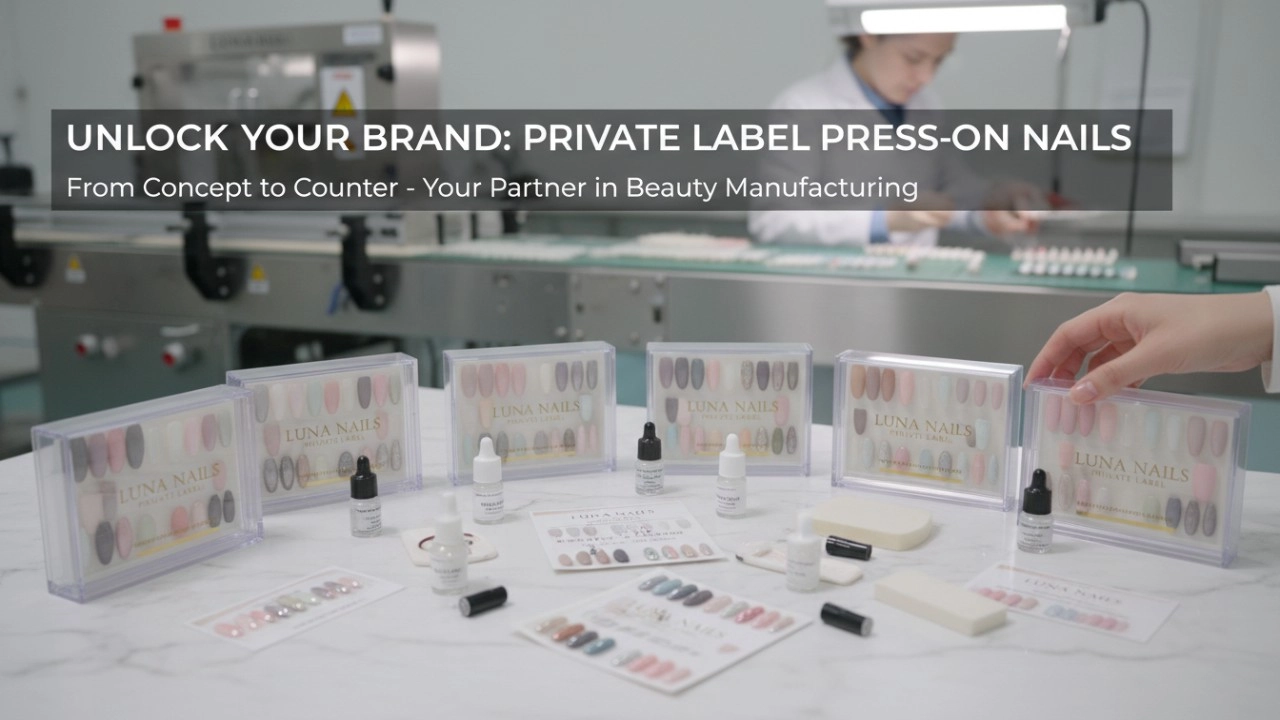
How to Scale Your Beauty Brand: Why Private Label Press On Nails Are the Highest-Margin Entry Point in 2026
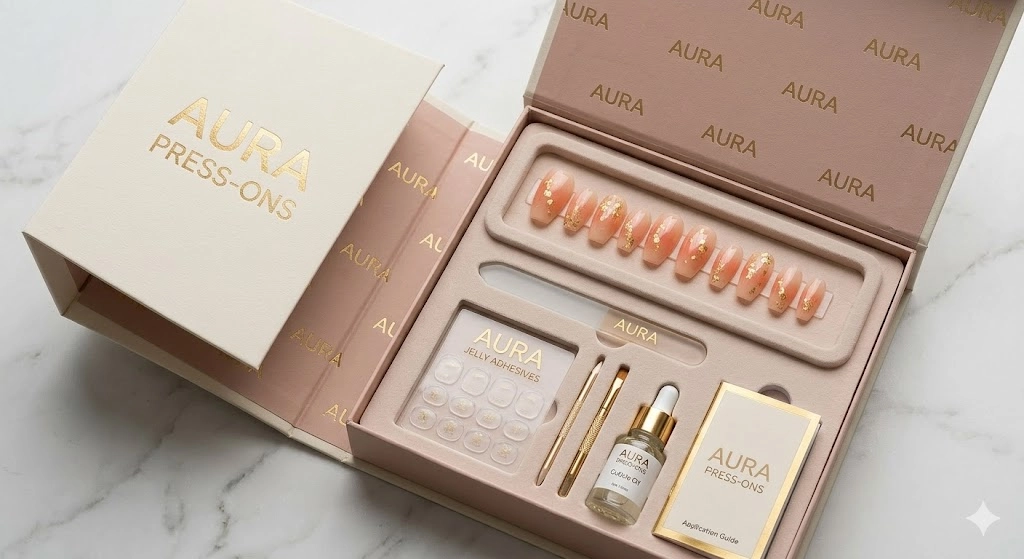
Why Partnering with Professional Press On Nails Manufacturers Boosts Your Brand Growth
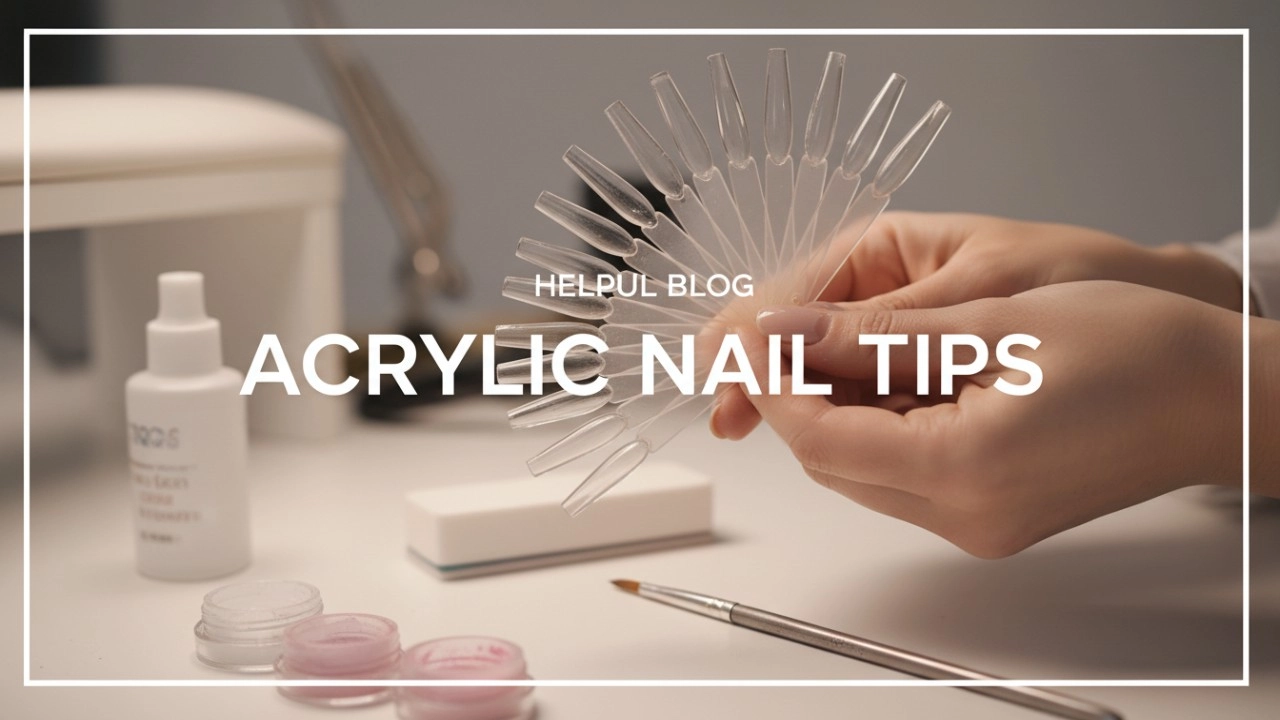
Acrylic Nail Tips vs. Soft Gel: Which is Best for Your Private Label Brand? (2026 Guide)
Solving the Overstock Dilemma in Press-On Nails: How Xianxing Beauty’s Small-Batch & Fast-Turnaround Model Gives B2B Clients Peace of Mind
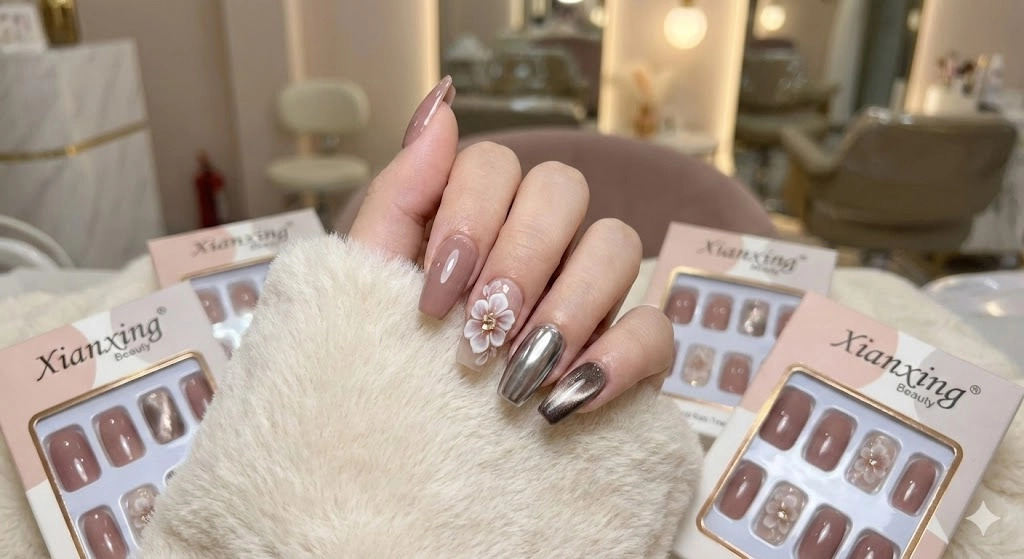
What to Expect from Custom Services Offered by Press On Nails Manufacturers
About Toe Nails
Can toe press-on nails cause damage to my natural nails?
If applied and removed properly, toe press-on nails shouldn’t cause significant damage. However, harsh adhesive or rough removal can cause the natural toenail to peel or become weak. Always remove them gently and avoid excessive use of glue.
About fashion printing
Do press-on nails damage natural nails?
When applied and removed properly, they should not damage your natural nails. Be sure to moisturize your nails and cuticles after removal.
Crystal spike
How do I clean Crystal Point Sticks and Wooden Sticks?
Crystal Point Stick: Clean it with a damp cloth or disinfect it with rubbing alcohol to keep it hygienic. Avoid getting it too wet to prevent any damage to the handle.
Wooden Stick: Clean it with a soft cloth, and disinfect it by wiping it with alcohol. Be careful not to soak the wooden part in water to avoid splintering.
About chrome Nails
Will the chrome finish fade or chip?
High-quality chrome press-ons are designed to resist chipping and fading. However, avoid harsh chemicals and prolonged water exposure to maintain the metallic shine.
About after-sale service
What type of after-sales support do you offer?
Our team is always available online to assist with new product inquiries and help maintain strong customer relationships, ensuring timely support whenever needed.
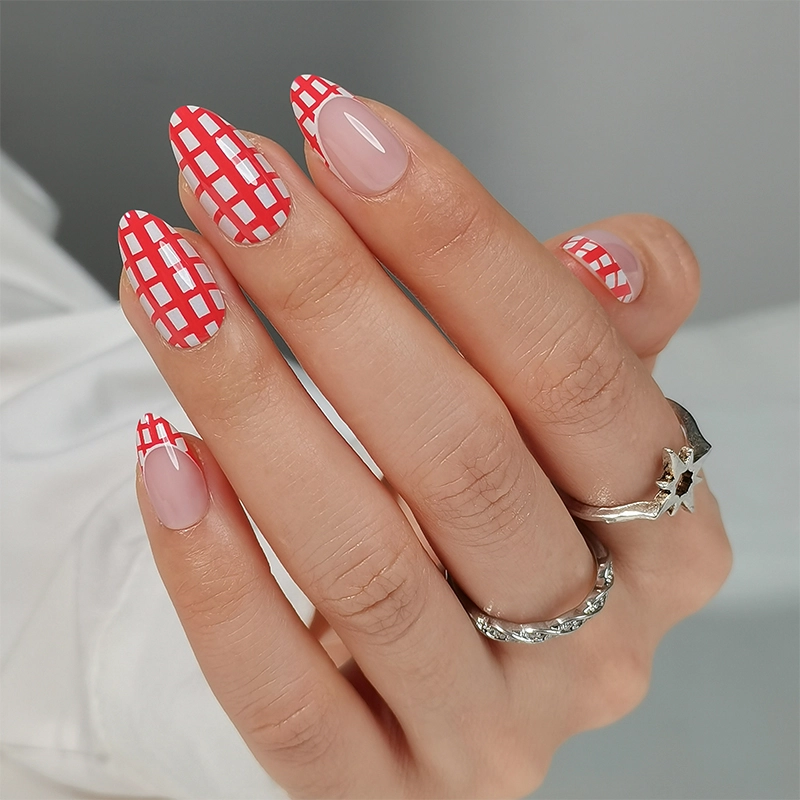
Wholesales Red French Nails Tips Checkered Soft Gel Nail Tips 32 Piece Set
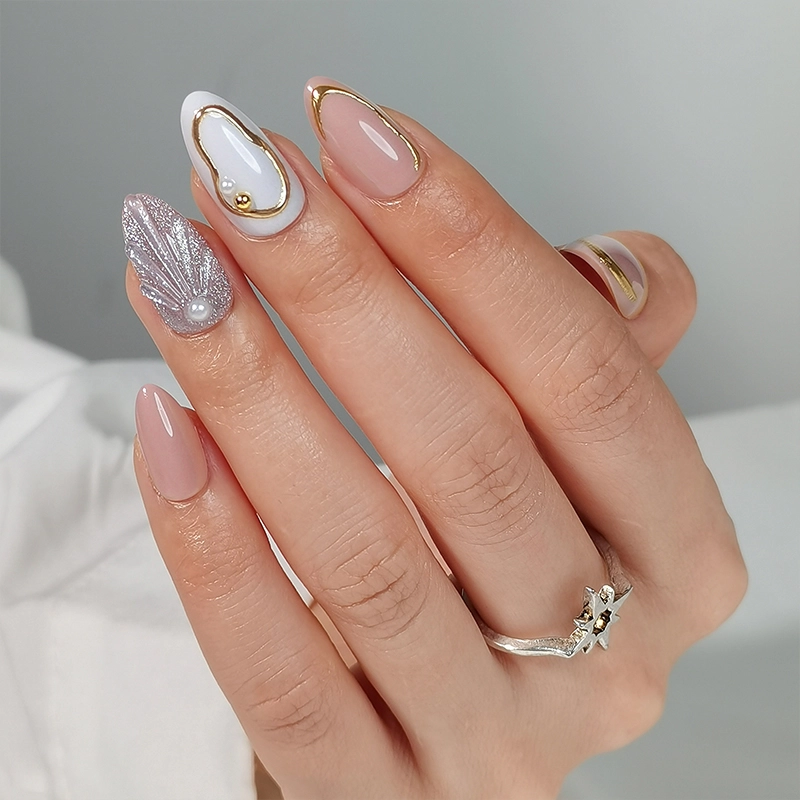
Wholesales Elegant Shell Inspired Soft Gel Wearable Nails for Seasonal Celebrations
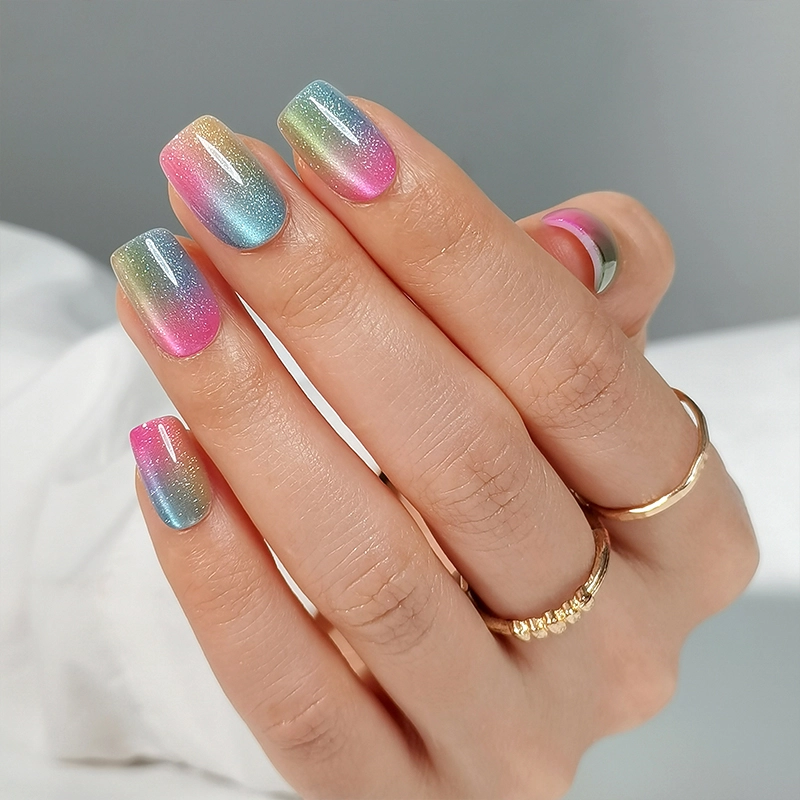
Custom Wholesale Gradient Cat Eye Soft Gel Wearable Fake Nails
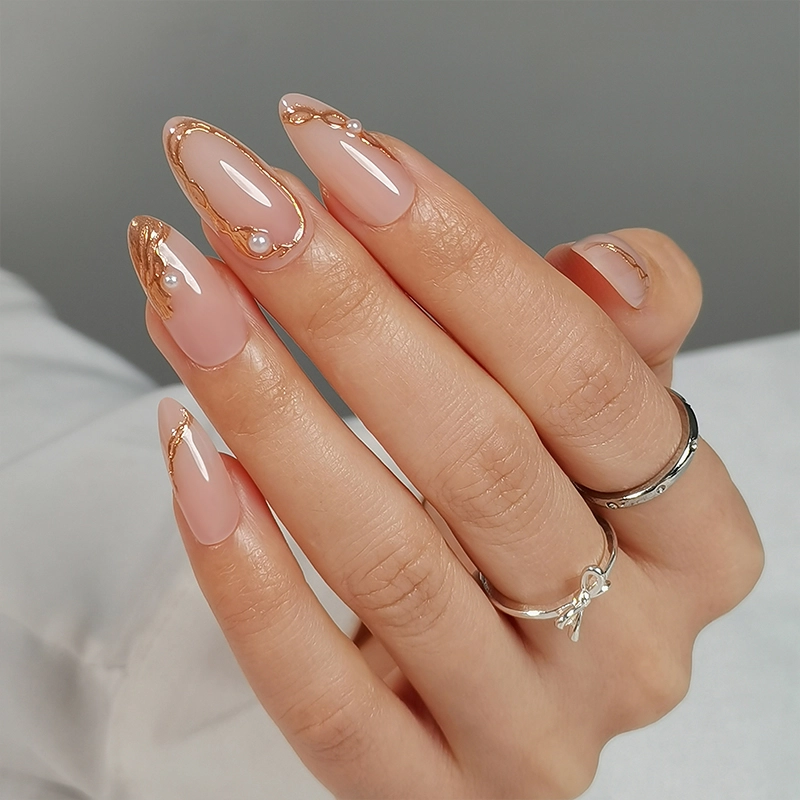
Wholesales Luxury Rhinestone Handmade Private Label Press On Nails Art Tips
Contact us
If you have press on nails products or customization needs, please feel free to contact from
below or via the contact information provided, we'll get back to you promptly within 24 hours.
By clicking 'Send Inquiry Now' I agree to XIANXING BEAUTY processing my personal data.
To see how to withdraw your consent, how to control your personal data and how we process it, please see our Privacy Policy and Terms of use.
Copyright © 2025 - XIANXING BEAUTY All Rights Reserved. Sitemap
Facebook
YouTube
Instagram
LinkedIn