
What Packaging and Labeling Services Do B2B Suppliers Provide?
- 1. What is a realistic MOQ and landed cost per pair for wholesale custom press on toe nails with full-color nail art and private-label packaging?
- 2. How do suppliers ensure accurate toe nail sizing for broad customer demographics, and how can I get a custom sizing chart validated?
- 3. What are realistic production lead times for custom press on toe nails, and what expedited options exist without sacrificing quality?
- 4. What packaging and labeling services do B2B suppliers provide for private-label toe press-ons, including compliance for US and EU markets and eco alternatives?
- 5. How are materials and durability (chip resistance, UV stability, adhesive strength) tested for wholesale toe press-ons, and can suppliers provide verifiable test reports?
- 6. How can I protect my designs, trademarks, and molds when ordering custom press on toe nails from overseas manufacturers?
Buying wholesale custom press on toe nails (custom press on toe nails wholesale) raises specific supplier, packaging and compliance questions that many beginner guides miss. Below are six long-tail, buyer-focused questions with in-depth, actionable answers you can use when evaluating manufacturers and B2B suppliers.
1. What is a realistic MOQ and landed cost per pair for wholesale custom press on toe nails with full-color nail art and private-label packaging?
Why it matters: Small brands frequently get sticker shock or receive generic MOQs that don’t reflect real production flexibility. You need a grounded expectation for minimum order quantity (MOQ) and the true landed cost so you can price profitably.
Industry reality and how to estimate:
- Typical factory MOQs: Many OEM factories offer staged MOQs — samples (10–50 pairs), small production runs (200–500 pairs per SKU/design) and full production runs (500–2,000+ pairs per SKU). The exact threshold depends on artwork complexity, tooling (if a new mold is needed), and whether you want private-label printed boxes or simple polybags.
- Cost drivers to request in a quote: base material (ABS vs. acrylic vs. gel overlay), printing (single-color vs. full-color CMYK or hydrographic transfers), nail thickness and finish (matte vs. high-gloss UV cured), adhesive option (standard glue vs. glue-tab strips), and packaging (blister card, tuck box, eco kraft box with window).
- Estimating landed cost per pair: Ask suppliers for FOB unit price, packing cost per SKU, and an itemized list for artwork setup, mold fees (if any), and labeling. Then add freight (air vs. sea), customs duties for your country, and local import VAT. As a buyer, request a sample invoice showing unit price + packaging + shipping to a port to validate calculations.
- Negotiation levers: consolidate multiple colorways into one production run to lower per-pair cost, accept standard packaging to reduce setup fees, and commit to recurrent orders or larger MOQs in exchange for volume discounts.
Action checklist for quotes: request (1) detailed BOM and unit price breakout, (2) sample pricing including private-label printing, (3) expected MOQ tiers, and (4) a mock pro forma with FOB and CIF options so you can evaluate landed cost accurately.
2. How do suppliers ensure accurate toe nail sizing for broad customer demographics, and how can I get a custom sizing chart validated?
Why it matters: A poor sizing system increases returns and customer complaints—especially for toe nails where fit and curvature differ from fingers.
How reputable suppliers handle sizing:
- Multiple width-to-length templates: Reliable manufacturers produce a standard sizing set (commonly 10 sizes per foot set) with specific width and length measurements for each toe position. Ask for the exact mm dimensions for width (at the widest point) and length (from free edge to cuticle base).
- Curvature (camber) and profile options: Toe nails require different camber than finger nails. Suppliers should offer low, medium, and high-arch options or custom curvature based on last measurements.
- Sample validation: Order full-size sample sets and use a 30–100 person fit panel (your customers or paid participants) to validate sizing across demographics. Suppliers often provide small-size sample packs for this exact purpose.
- Custom size charts: Ask suppliers to provide editable dielines and sizing spreadsheets. If your target market has known differences (wider toes in certain regions), request a custom size range. Suppliers can adjust molds or pressing dies, but this can add tooling costs.
Practical steps to get a validated custom chart:
- Obtain the supplier’s raw mm measurements for each of the 10 sizes.
- Create a short survey and have 30–100 testers match the templates to their toes; collect which sizes were most comfortable and any width vs. length issues.
- Refine your chart and share the tested data with the factory to request minor curvature or width adjustments before committing to a larger production run.
3. What are realistic production lead times for custom press on toe nails, and what expedited options exist without sacrificing quality?
Why it matters: New launches and seasonal sales require accurate lead-time planning so inventory arrives in time for campaigns.
Typical timelines and variables:
- Sample development: 7–14 calendar days for printed or painted single-sample sets; 2–4 weeks if new molds or complex 3D nail art are required.
- Mass production: 14–35 calendar days is normal for established designs and stable packaging. Complex multi-step processes (hydro-dips, rhinestone application, multi-layer UV cures) push timelines toward the higher end.
- Packaging and labeling adds time: custom boxes or inserts typically add 5–12 working days (printing + cutting). If folding carton printers are involved, expect extra lead time for approvals and proofs.
- Expedite strategies: pay for rush production (express air freight + overtime shifts), approve digital proofs quickly, and ship by air for inventory-critical runs. Discuss a formal lead-time reduction surcharge with suppliers—many factories maintain a rush fee schedule (e.g., 20–40% surcharge for compressed lead times).
Quality-preserving expedited tips:
- Lock artwork and packaging files before requesting an expedited run—last-minute changes cause delays.
- Order pre-approved components (standard adhesives, pre-made glue-tab strips) rather than fully customized adhesives to shorten production steps.
- Arrange for a third-party pre-shipment inspection (PSI) that can be prioritized to clear goods faster at origin.
4. What packaging and labeling services do B2B suppliers provide for private-label toe press-ons, including compliance for US and EU markets and eco alternatives?
Why it matters: Packaging is both a brand touchpoint and a regulatory requirement. Many beginners underestimate the labeling and legal steps required for cross-border sales.
Common packaging and labeling services offered by experienced B2B suppliers:
- Design and dieline support: editable dielines for boxes, blister cards, hang tags, and insert cards. Suppliers can produce print-ready files or manage printing in-house.
- Private-label printing: full-color CMYK printing, spot-UV, embossing, and hot-stamping for logos and brand names.
- Secondary packaging options: ship-ready boxes, retail-ready display boxes, eco kraft options, biodegradable windows (PLA), and recyclable mono-material solutions to meet retailer sustainability standards.
- Barcode/GTIN services: many suppliers help register UPC/EAN codes or advise using GS1 and can print barcode labels onto packaging. For multi-SKU assortments, ensure each SKU has a unique GTIN.
- Regulatory labeling support: suppliers provide mandatory information typically required on accessory/cosmetic packaging—manufacturer name and address, country of origin, net quantity (pairs), product materials (e.g., ABS plastic), warnings (e.g., keep away from children), batch/lot number, and usage instructions.
Compliance specifics (high-level, country-focused):
- United States: The FDA regulates cosmetics and labeling requirements apply if you’re selling any product that contains adhesives or claims cosmetic benefits. For press-on nails classified as accessories, you still must list manufacturer/distributor info and avoid misleading claims. Keep Material Safety Data Sheets (MSDS) for adhesives and inks on file. Work with suppliers who can provide MSDS and compositional statements.
- European Union: If adhesives or coatings are considered cosmetics (e.g., if the product makes cosmetic claims), the product must have a Responsible Person, a Cosmetic Product Safety Report (CPSR), and be notified in the CPNP database prior to sale. For accessories, ensure REACH compliance and request documentation from suppliers for substances of high concern. Suppliers should be able to provide the Responsible Person documentation you’ll need if you’re the importer or advise on local representation.
- Barcodes & customs: Use GS1-registered GTINs to avoid retailer issues. For customs, screening and duty classification require accurate HS codes (commonly under plastic goods or nail accessories). Suppliers should provide commercial invoices with correct HS codes and country of origin to expedite clearance.
Eco-packaging options to request:
- FSC-certified paperboard, recycled content cardboard, and soy-based inks.
- Single-material recyclable blister cards or compostable PLA windows.
- Minimalist packaging with printed QR codes linking to digital instructions to lower print volume and reduce weight for shipping.
Action items for buyers: (1) request sample packaging runs before mass production, (2) verify suppliers can deliver GS1 barcode-ready artwork, (3) obtain MSDS and ingredient lists when adhesives/coatings are included, and (4) confirm which party will act as the Responsible Person or importer for EU sales.
5. How are materials and durability (chip resistance, UV stability, adhesive strength) tested for wholesale toe press-ons, and can suppliers provide verifiable test reports?
Why it matters: You need proof the product meets durability expectations—especially if selling into value or High Quality channels that require QC documentation.
Common tests and documentation to request:
- Adhesive performance: peel and shear tests (adhesive peel strength often measured per ASTM D3330 or similar internal methods) to demonstrate how long glue tabs or supplied adhesive will hold under normal wear. Suppliers should provide test conditions (substrate, temperature, time) and pass/fail criteria.
- Surface durability: abrasion and chip resistance tests under simulated walking conditions and repeated flex cycles. While there’s no single global standard for press-on nails, many factories run accelerated wear tests and supply sample reports with number-of-walk cycles or simulated friction metrics.
- Colorfastness & UV stability: lightfastness testing (accelerated UV exposure) for printed art and polish finishes to show resistance to fading or yellowing. Suppliers can provide before/after color delta (ΔE) numbers from lab tests.
- Material compliance: request declarations of conformity for ABS/acrylic resins, RoHS/REACH compliance statements for restricted substances, and MSDS for adhesives and inks. For EU market entry, suppliers should support CPSR if the product or adhesive is defined as a cosmetic or contains substances requiring safety review.
- Third-party lab reports: reputable buyers ask for test reports from independent labs (SGS, Intertek, Bureau Veritas) rather than only in-house QC sheets. Independent reports are especially important when pitching to major retailers or marketplaces that request proof of testing.
How to require verifiable evidence in your contract:
- Specify required tests and acceptance criteria in the purchase agreement.
- Require full sample retention and pre-shipment PSI with photos and test result attachments.
- Ask for third-party lab certificates for any claims about longevity (e.g., “7-day secure wear under normal conditions”) or material safety.
6. How can I protect my designs, trademarks, and molds when ordering custom press on toe nails from overseas manufacturers?
Why it matters: Intellectual property (IP) theft and unauthorized re-orders are common pain points when scaling a private-label beauty line.
Practical IP protection strategy:
- Legal protections before manufacturing: register your trademarks and design rights (design patents where applicable) in your target markets before sharing design files. Registered rights give you enforcement options if copies appear.
- Use NDAs and IP clauses in contracts: have suppliers sign a strong NDA that covers reproduction, disclosure, and rules about selling your designs to third parties. Add explicit contract terms stating that molds, printing plates, and digital files remain your property and require written permission for reuse.
- Mold and tooling ownership: pay for molds under a written agreement that either (a) assigns ownership (you own the mold) or (b) restricts factory use unless authorized. Require serial numbers on molds and records of runs tied to purchase orders.
- Split production or use multiple suppliers: for highly sensitive SKUs, split components (artwork printed in one site, assembly in another) or staggered runs so no single supplier holds end-to-end capability to reproduce your full product line easily.
- Quality audits and audits for resale channels: specify penalties for unauthorized sales in agreements and perform periodic supplier audits or hire a local IP enforcement agent to monitor marketplaces and the supplier’s channels.
- Payment and order protection: use trade escrow services and milestone-based payments; retain final payment until a PSI confirms that goods meet contract specs and no unauthorized extras were produced.
Enforcement steps if breaches occur: issue a formal cease-and-desist backed by your local IP registrations, use marketplace takedown mechanisms, and escalate with customs recordation (in some jurisdictions you can record IP with customs to intercept counterfeit exports).
Action checklist: register key IP in your top markets early, have a lawyer draft supplier contracts with clear IP assignment and penalty clauses, own molds when feasible, and use monitoring tools to detect unauthorized listings.
Concluding summary — advantages of partnering with experienced B2B suppliers for wholesale custom press on toe nails and full packaging/labeling services:
Working with established B2B suppliers who provide end-to-end services — from validated sizing charts and production-grade testing to private-label packaging, barcode support, and regulatory labeling assistance — reduces time-to-market, lowers returns, and helps you meet retailer and regional compliance requirements. Suppliers who offer transparent MOQs and itemized cost breakdowns let you model landed costs accurately. Asking for verifiable test reports (third-party lab certificates), MSDS/REACH declarations, and clear IP ownership terms protects Xianxing Beauty and reduces risk as you scale. Finally, choosing suppliers that offer eco-friendly packaging options and GS1/labeling support positions Xianxing Beauty for retail and marketplace growth.
For an accurate MOQ, sample pricing, or to discuss private-label packaging and labeling services for custom press on toe nails, contact us for a quote at www.xianxingbeauty.com or email [email protected].
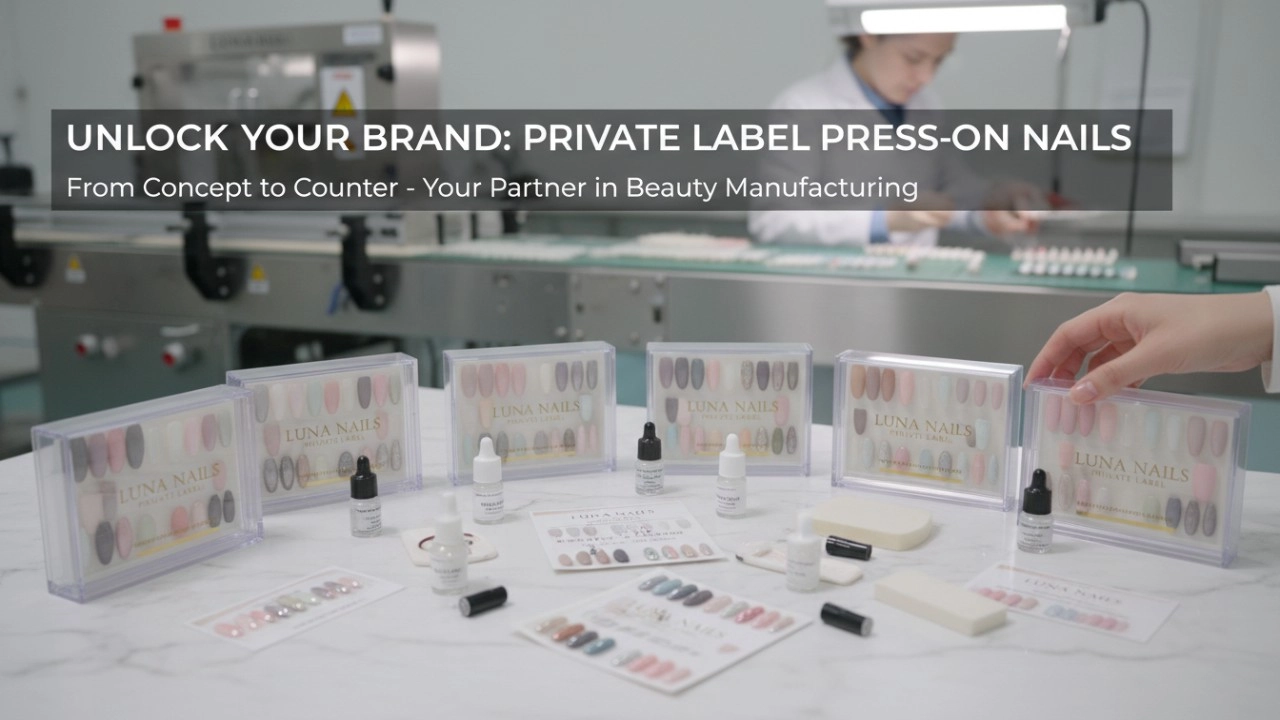
How to Scale Your Beauty Brand: Why Private Label Press On Nails Are the Highest-Margin Entry Point in 2026
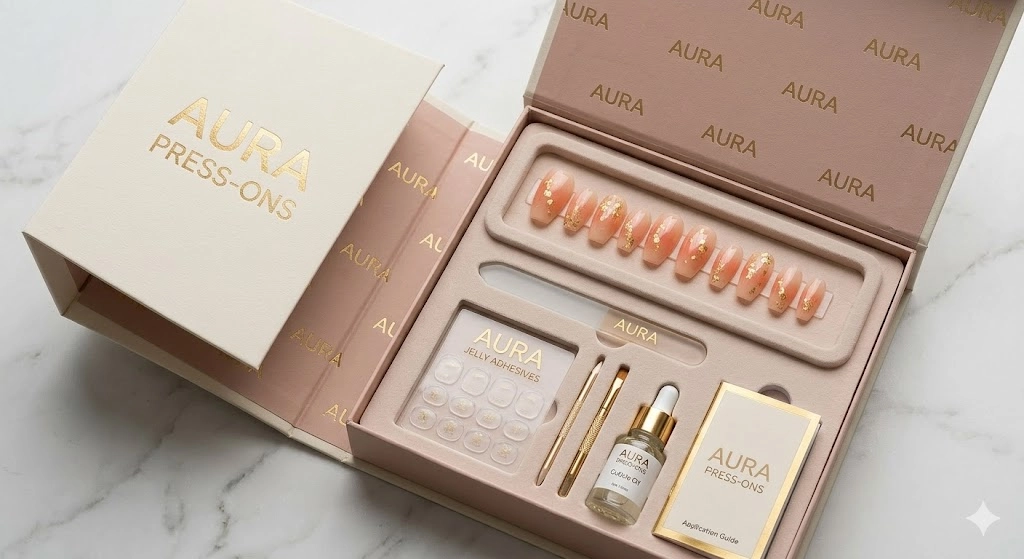
Why Partnering with Professional Press On Nails Manufacturers Boosts Your Brand Growth
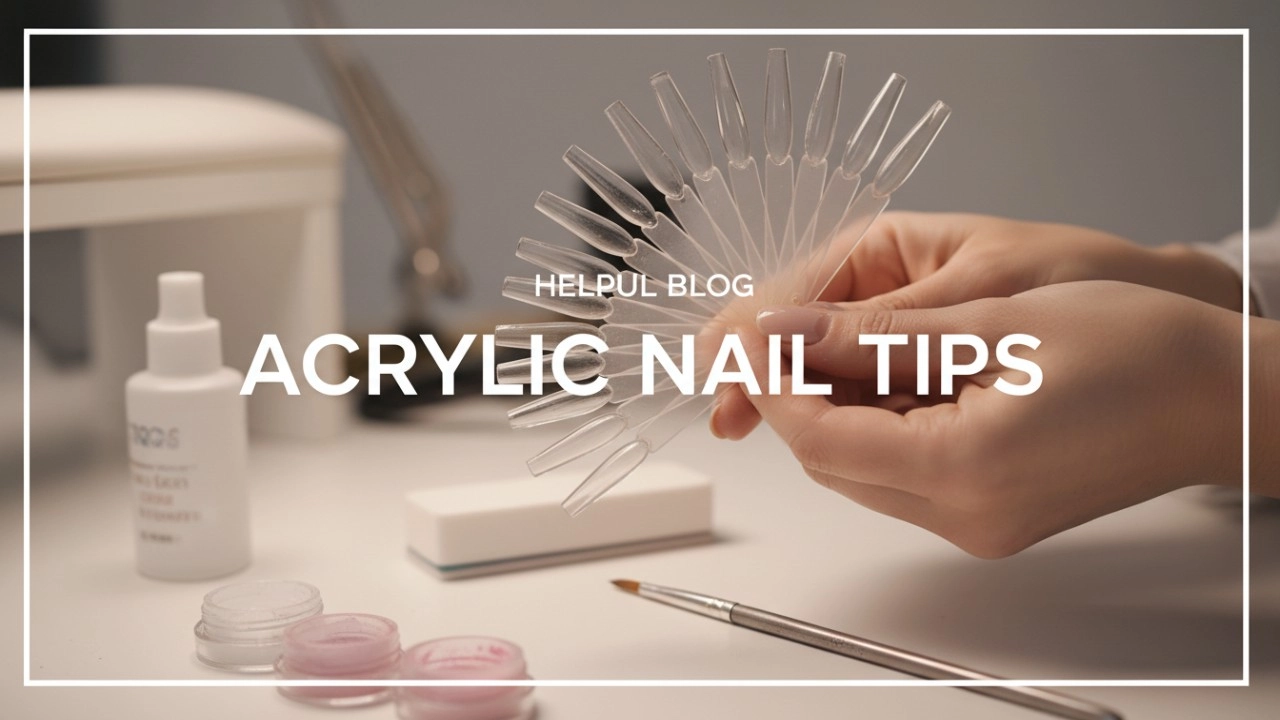
Acrylic Nail Tips vs. Soft Gel: Which is Best for Your Private Label Brand? (2026 Guide)
Solving the Overstock Dilemma in Press-On Nails: How Xianxing Beauty’s Small-Batch & Fast-Turnaround Model Gives B2B Clients Peace of Mind
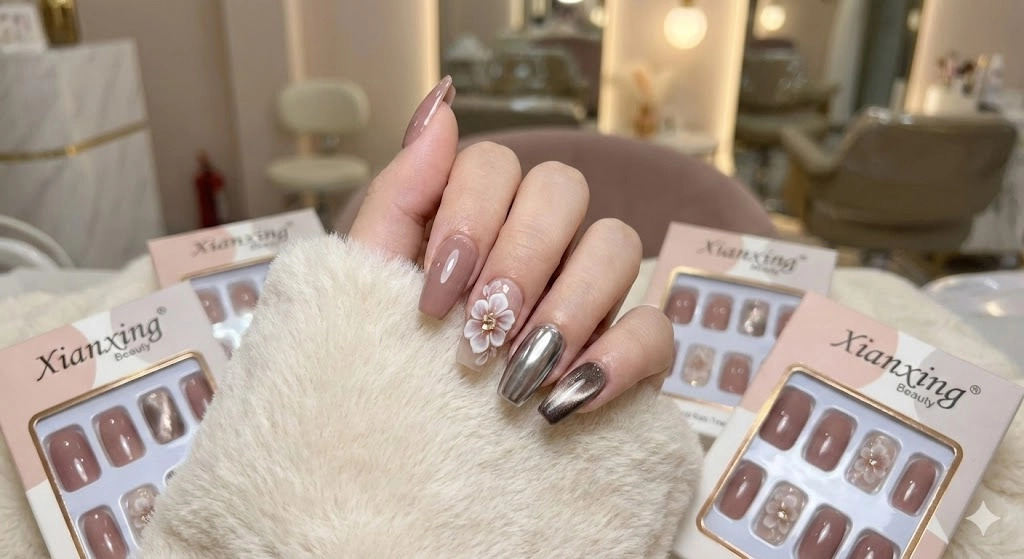
What to Expect from Custom Services Offered by Press On Nails Manufacturers
Startup Client
Can I get market promotion advice?
We understand the challenges startups face in market promotion, so we offer basic market promotion advice and industry trend analysis to help you enter your target market more efficiently.
Recycled ABS Nails
What should be done if there are scratches or wear on the nail tips?
If there are slight scratches or wear on the nail tip surface, you can use fine sandpaper or a grinding rod to gently grind the nail tip surface, and then use a polishing strip to polish it to make it regain its gloss. If the wear is more serious, you can also repaint the nail polish or use nail art stickers to repair it.
Crystal spike
How long do Crystal Point Sticks and Wooden Sticks last?
Crystal Point Stick: With proper care, a crystal stick can last for many years. The tip will likely remain sharp and effective unless it’s dropped or damaged.
Wooden Stick: Wooden sticks typically last for a good amount of time but can wear down more quickly due to splintering, especially if used frequently.
Agent
Do I need a high budget to become an agent?
We have different plans for agents at different levels, but in principle they all help our agents purchase goods with the maximum amount of funds, so no need to worry about budget issues.
About Duck Nails
How do I apply duck press-on nails?
To apply duck-shaped press-on nails, follow these steps:
* Prep your nails by cleaning and pushing back cuticles.
* File and buff the surface of your natural nails lightly.
* Apply the adhesive or use glue (if necessary).
* Press each press-on nail firmly in place for a few seconds.
* Shape or trim the nails if needed.
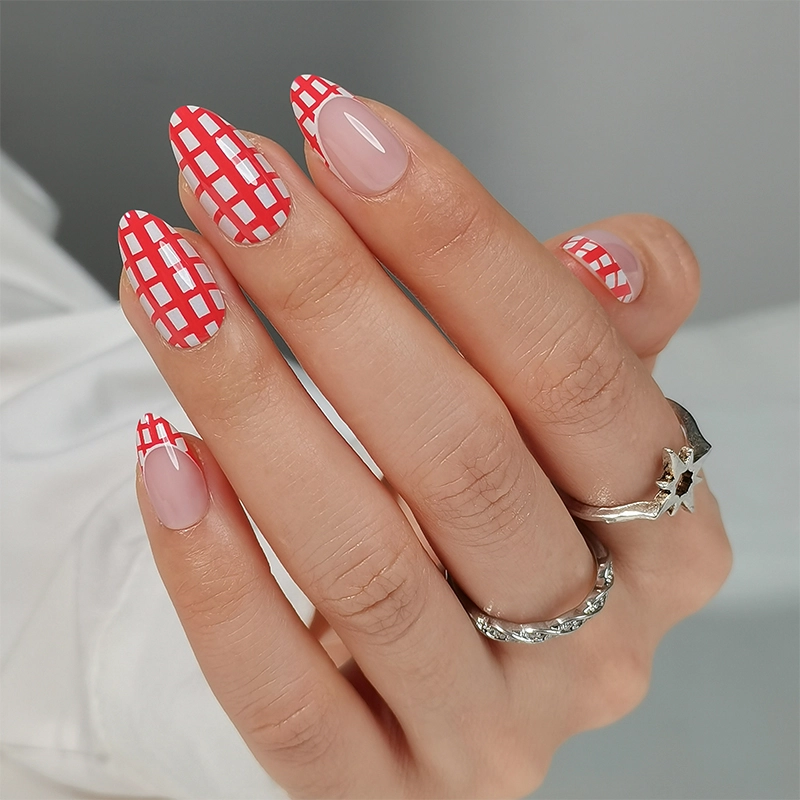
Wholesales Red French Nails Tips Checkered Soft Gel Nail Tips 32 Piece Set
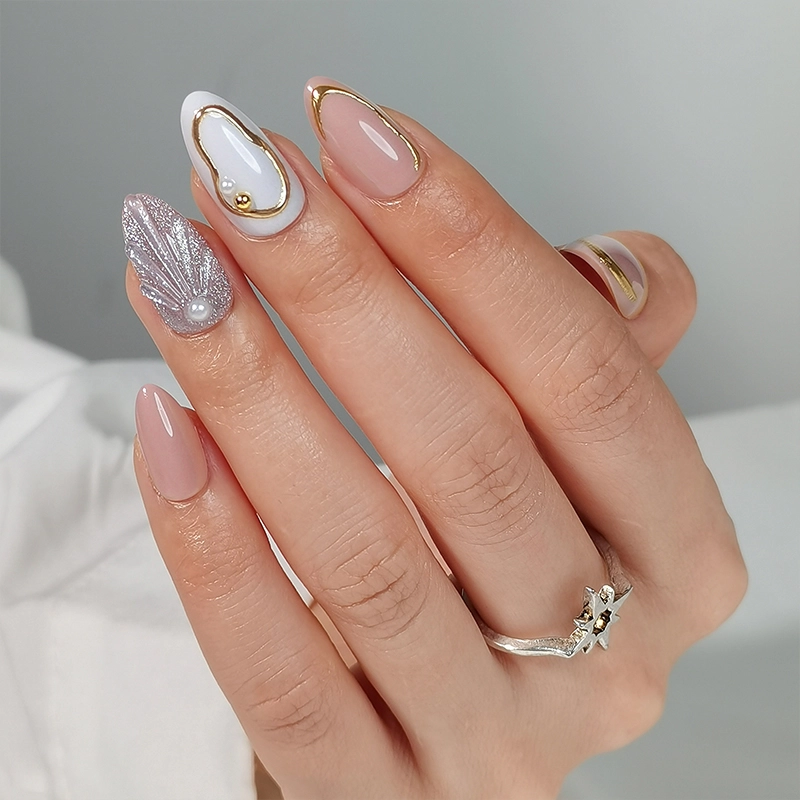
Wholesales Elegant Shell Inspired Soft Gel Wearable Nails for Seasonal Celebrations
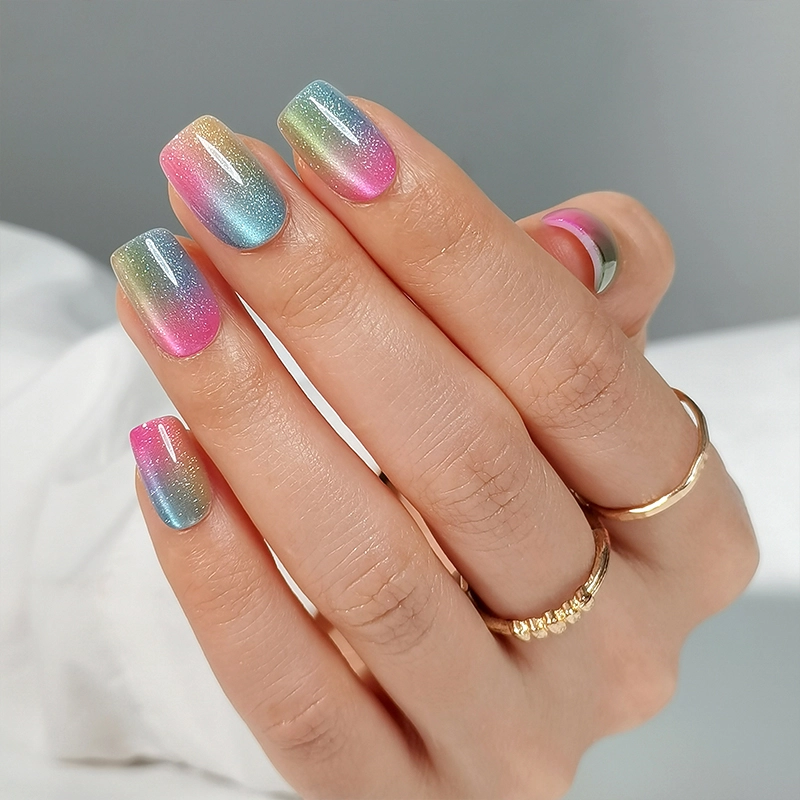
Custom Wholesale Gradient Cat Eye Soft Gel Wearable Fake Nails
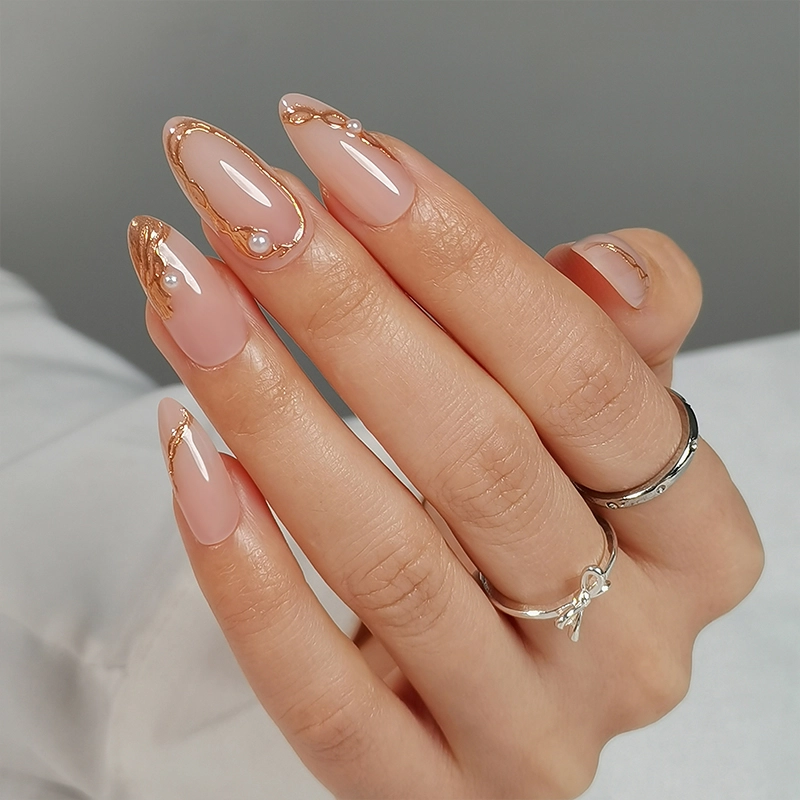
Wholesales Luxury Rhinestone Handmade Private Label Press On Nails Art Tips
Contact us
If you have press on nails products or customization needs, please feel free to contact from
below or via the contact information provided, we'll get back to you promptly within 24 hours.
By clicking 'Send Inquiry Now' I agree to XIANXING BEAUTY processing my personal data.
To see how to withdraw your consent, how to control your personal data and how we process it, please see our Privacy Policy and Terms of use.
Copyright © 2025 - XIANXING BEAUTY All Rights Reserved. Sitemap
Facebook
YouTube
Instagram
LinkedIn