
is press on nails profitable | Insights by Xianxing Beauty
- Is Press-On Nails Profitable? 5 Buyer Questions Answered
- 1. Is demand for press-on nails strong enough to be profitable?
- 2. What margins and cost components should buyers expect?
- 3. How do I source reliable suppliers and manage MOQs?
- 4. What quality, safety, and labeling checks are essential?
- 5. How should I price, package, and manage inventory for reorders?
- Procurement checklist before placing your next order
- Final recommendations for buyers
Is Press-On Nails Profitable? 5 Buyer Questions Answered
The press-on nail category remains an attractive segment for entrepreneurs, indie brands, salons expanding retail lines, and e-commerce sellers. Below are five high-priority questions buyers and re-purchasers commonly ask when deciding whether to source or expand a press-on nails offering, followed by actionable procurement guidance.
1. Is demand for press-on nails strong enough to be profitable?
Demand experienced a notable uplift during the COVID-19 pandemic as consumers shifted to at-home beauty solutions; that heightened awareness has continued, supported by social media, influencer-driven trends, and a rise in fast-fashion nail art. Key sales channels today are direct-to-consumer e-commerce (Shopify), marketplaces (Amazon, Etsy), and social commerce (Instagram, TikTok). When evaluating demand for your specific niche (e.g., reusable High Quality press-ons, eco-friendly sets, or salon-grade options), validate with marketplace keyword volumes, competitor storefront sales, and social engagement rather than assuming broad market demand will translate to your SKU.
2. What margins and cost components should buyers expect?
Profitability depends on several controllable procurement factors: unit product cost (including packaging), adhesive inclusion or add-on glue, freight and duty, returns, platform fees, and marketing. Critical cost levers to manage:
- Unit cost: influenced by material (ABS, acrylic, gel-like resins), finish, and complexity (hand-painted or printed art).
- Packaging & inserts: branding, instructions, and protective trays add per-unit cost but reduce return rates when done well.
- Logistics: choose between air (faster, costlier) and sea freight (cheaper for larger volumes) and account for duties and local taxes.
- Returns & defects: factor return rates into margin modeling; better pre-shipment QC reduces this expense.
When modeling profitability, build scenarios (conservative, expected, optimistic) using realistic assumptions for COGS, return rate, ASP (average selling price), and CAC (customer acquisition cost). If you sell on marketplaces, subtract platform fees and consider bundling or subscription models to improve lifetime value.
3. How do I source reliable suppliers and manage MOQs?
Supplier selection and MOQ negotiation are vital procurement skills for minimizing risk and protecting margins. Practical steps:
- Request samples: evaluate fit across sizes, finish consistency, durability (wear tests), and glue compatibility.
- Audit factory capabilities: ask for lead times, visual QC photos, and acceptance of pre-shipment inspection (PSI) or third-party testing.
- Negotiate MOQs: many manufacturers will lower MOQ for an upcharge or when you accept standard designs—use this to test SKUs before scaling custom art or molds.
- Consider multiple sourcing: balance a primary vetted supplier with backup suppliers to protect lead time and pricing leverage.
- Clarify tooling costs and artwork fees: custom molds, nails sizes, and special finishes have up-front fees—amortize these in your unit cost models.
4. What quality, safety, and labeling checks are essential?
Regulatory and quality considerations reduce returns and legal risk. Best practices:
- Material safety: require Material Safety Data Sheets (MSDS) and ask suppliers about free-of claims (e.g., phthalate-free) if marketing those benefits.
- Adhesives: source adhesives approved for cosmetic use in your target markets and verify flammability or VOC restrictions where applicable.
- Labeling & claims: ensure ingredient and country-of-origin labeling complies with the regulations of your sales markets (e.g., local cosmetic labeling rules). Do not make medical or therapeutic claims unless properly certified.
- Quality control: establish clear acceptance criteria (fit tolerances, finish defects, packaging integrity) and require pre-shipment photos or third-party inspections for large orders.
If you plan to sell in regulated markets (EU, UK, US, AU), consult a compliance specialist for cosmetics and consumer-products rules relevant to your product and claims. Keep supplier documentation and test reports on file for audits or marketplace demands.
5. How should I price, package, and manage inventory for reorders?
Pricing strategy and inventory management directly affect reorder cadence and profitability:
- Tiered pricing: offer single-set pricing, multi-set discounts, and subscriptions to increase AOV (average order value).
- Packaging that reduces breakage and communicates brand value often improves conversion and reduces returns—consider recyclable or reusable trays for High Quality SKUs.
- Forecast reorders from sell-through data and run rate: track SKU-level velocity and tie reorder points to lead times plus safety stock—longer lead times require larger safety stock buffers.
- Batching orders and consolidating SKUs reduces unit freight and duty cost—balance inventory carrying cost with per-unit savings from larger production runs.
Procurement checklist before placing your next order
Use this concise checklist when reordering:
- Order and thoroughly test product samples across sizes and adhesives in real-use scenarios.
- Obtain MSDS and, if applicable, lab test certificates for claimed ingredients or finishes.
- Confirm MOQ, lead time, tooling fees, packaging options, and payment terms in writing.
- Agree upon clear QC acceptance criteria and pre-shipment inspection process.
- Model landed cost: product + packaging + freight + duties + returns reserve = true COGS.
- Plan inventory reorder point using lead time and average daily sales; include a safety stock buffer.
Final recommendations for buyers
Press-on nails can be profitable when procurement is disciplined: validate market demand for your niche, control unit costs via smart sourcing and MOQ negotiation, enforce quality and compliance, and optimize packaging and inventory. Start small with a tested set of SKUs, use data from early sales to refine supplier choices and production volumes, and scale profitable designs while retiring poor performers. Continuous supplier audits, proactive QC, and conservative forecasting are the practical levers that protect margins and reduce costly surprises at reorder time.
If you want, I can produce a customizable Excel template for landed cost modeling and reorder-point calculations or draft a sample supplier questionnaire you can use during sourcing.
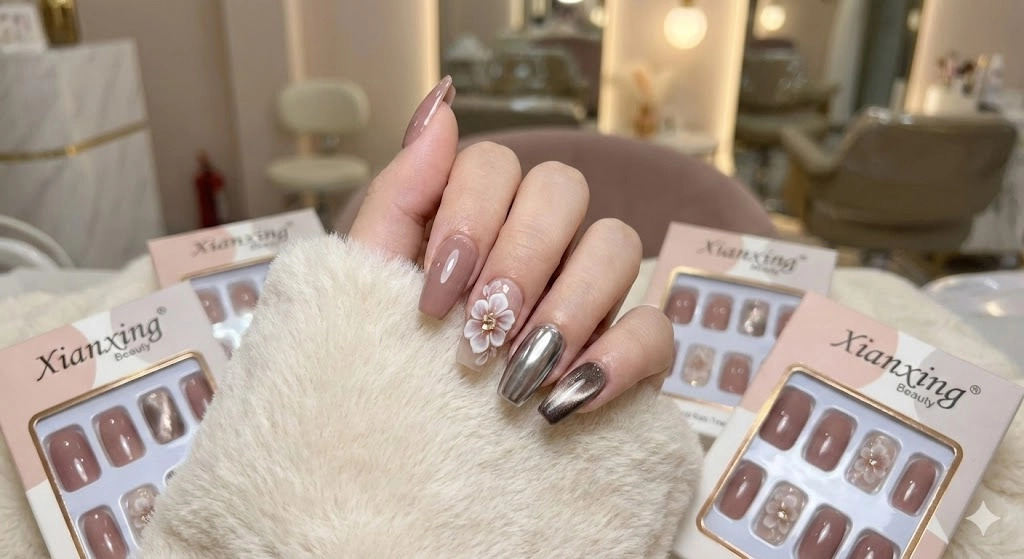
7 Red Flags to Avoid When Selecting a Wholesale Press On Nails Manufacturer
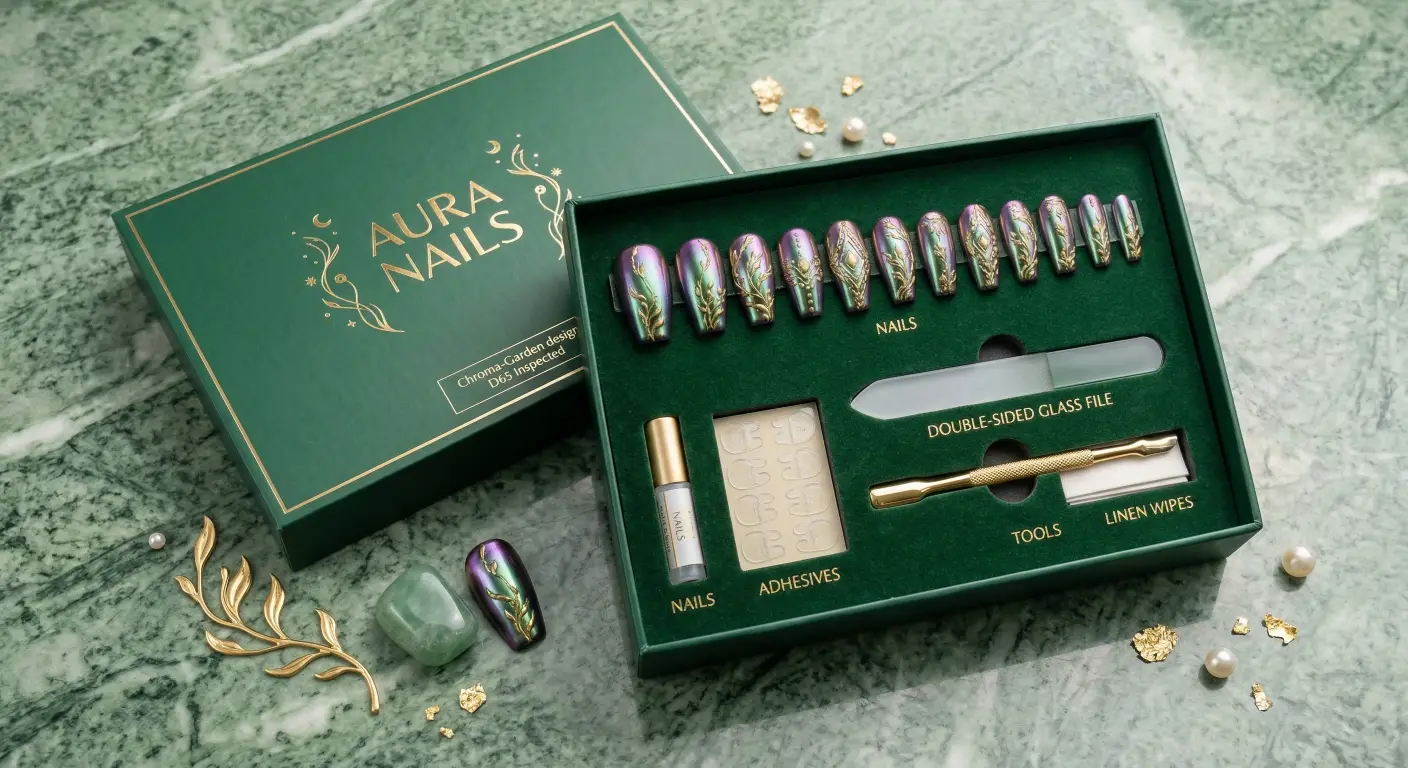
Quality Control: What to Expect from a Top-Tier Wholesale Press On Nails Manufacturer
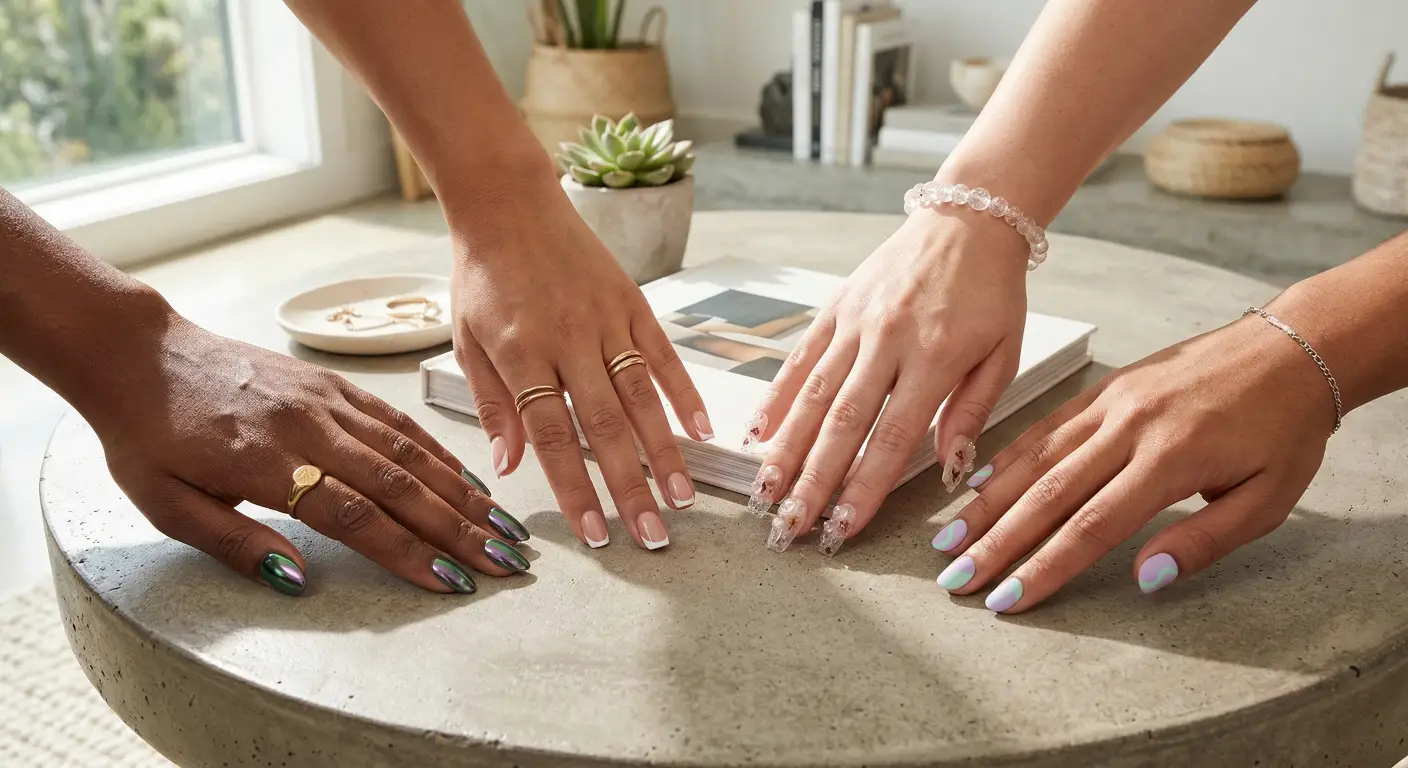
The Ultimate Guide to Choosing the Best Wholesale Press On Nails Manufacturer in 2026
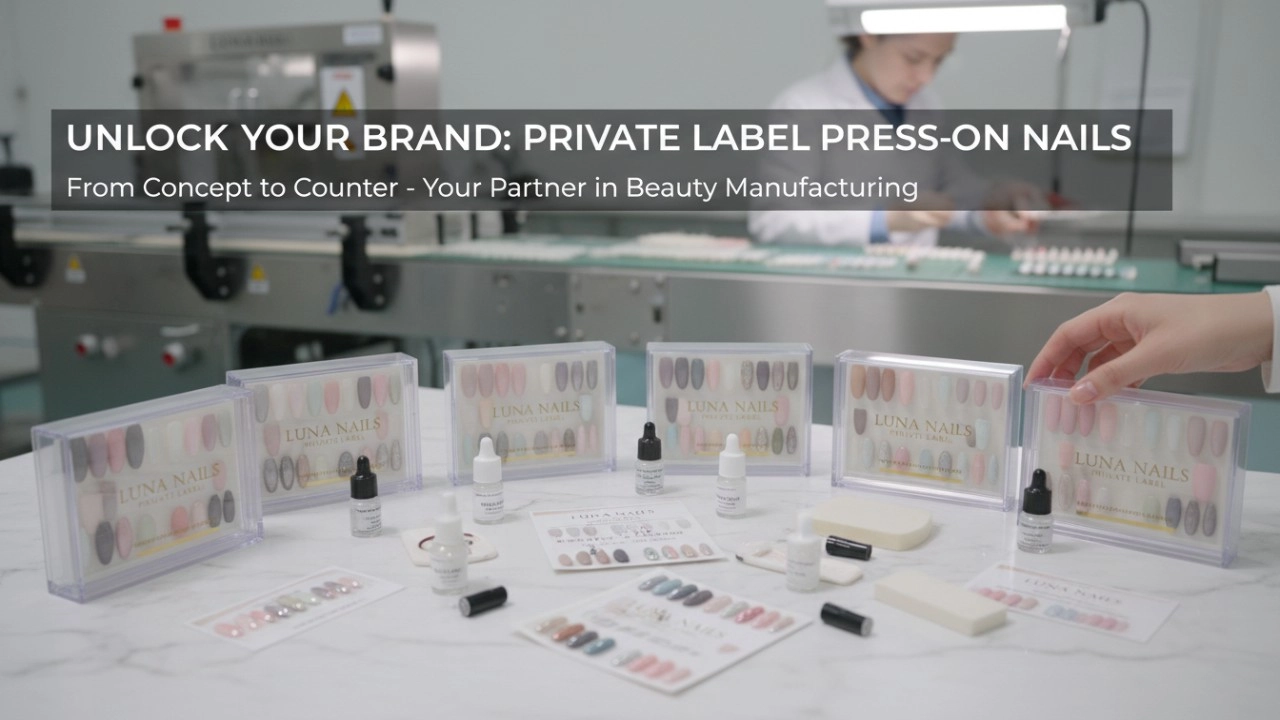
How to Scale Your Beauty Brand: Why Private Label Press On Nails Are the Highest-Margin Entry Point in 2026
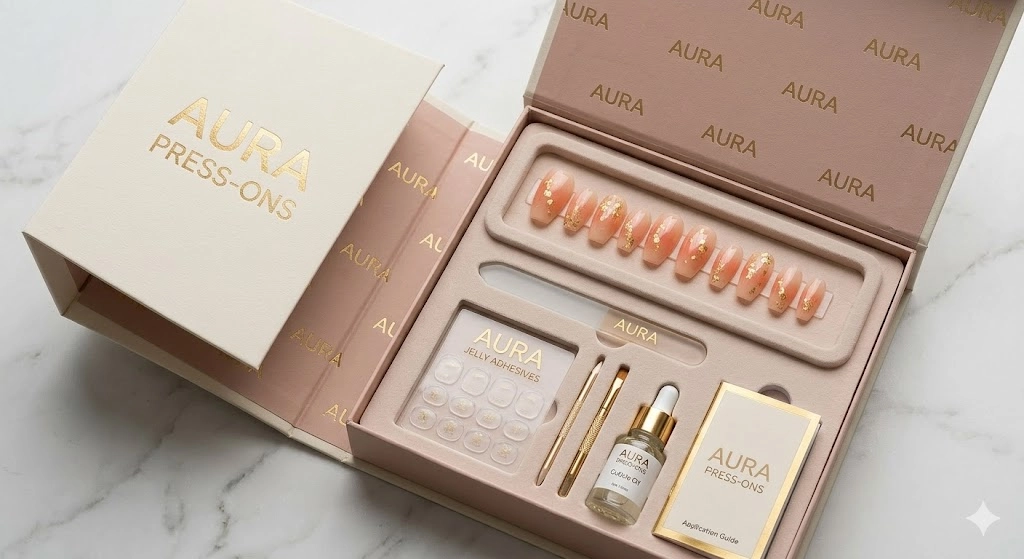
Why Partnering with Professional Press On Nails Manufacturers Boosts Your Brand Growth
Salon Client
What nail products do you offer?
We offer a wide range of products, including wearable nails, nail lamps, nail stickers, and nail accessories, with various styles to meet diverse customer needs.
About fashion printing
Are they suitable for all nail sizes?
Most sets come with multiple sizes to fit a variety of nail widths. Check the package for sizing options.
Product Customization
What do customers need to prepare for custom orders?
· Send your design/idea.
· Confirm the digital draft.
· Confirm the sample.
· Place the bulk order for production.
About Price and payment
Can you provide invoices?
Absolutely! We issue legal invoices that can be used for reimbursement and accounting purposes.
About Duck Nails
How do I apply duck press-on nails?
To apply duck-shaped press-on nails, follow these steps:
* Prep your nails by cleaning and pushing back cuticles.
* File and buff the surface of your natural nails lightly.
* Apply the adhesive or use glue (if necessary).
* Press each press-on nail firmly in place for a few seconds.
* Shape or trim the nails if needed.
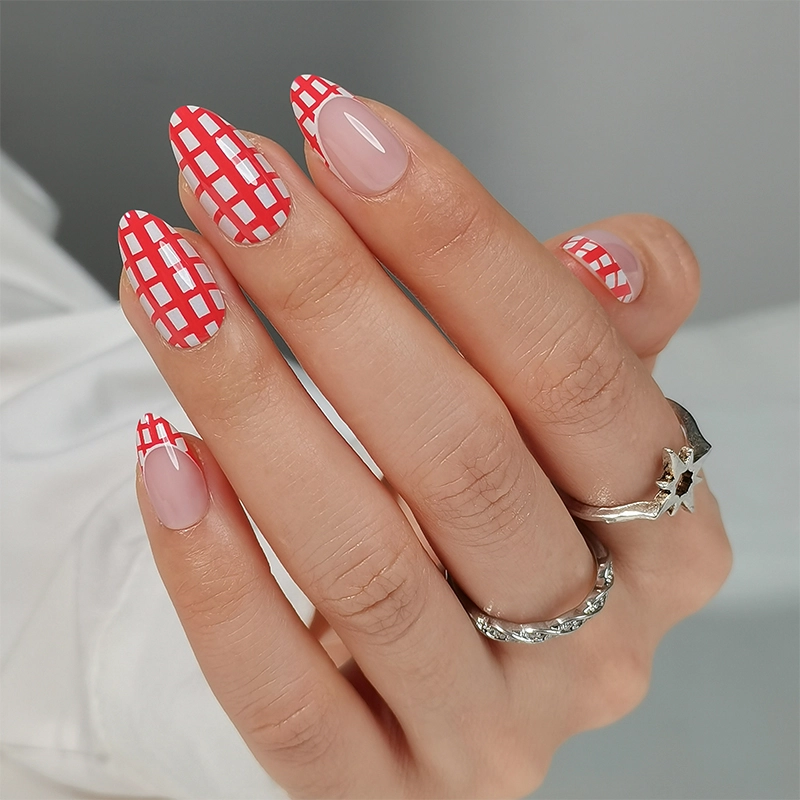
Wholesales Red French Nails Tips Checkered Soft Gel Nail Tips 32 Piece Set
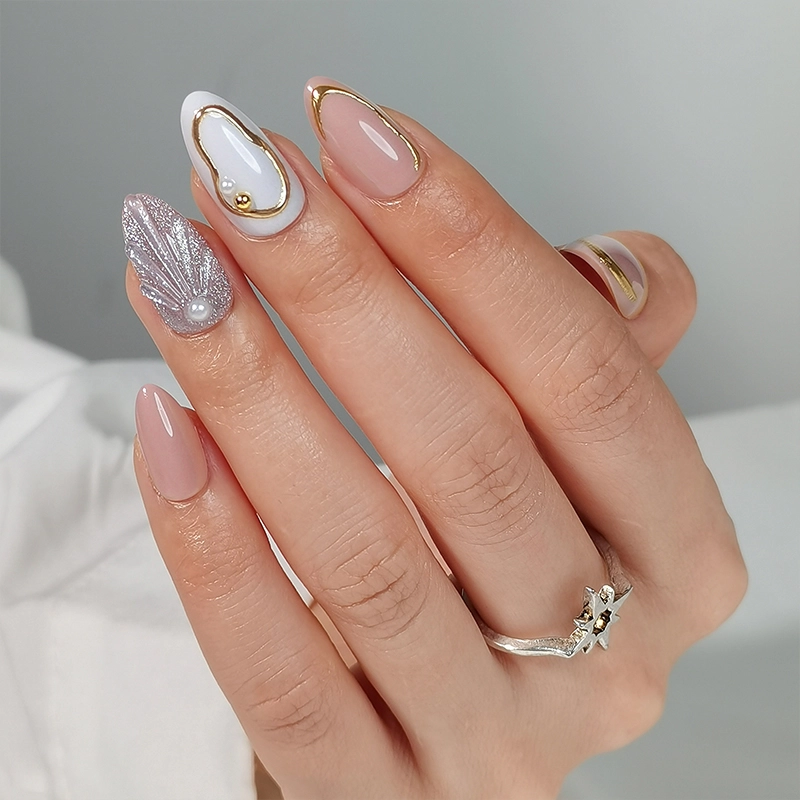
Wholesales Elegant Shell Inspired Soft Gel Wearable Nails for Seasonal Celebrations
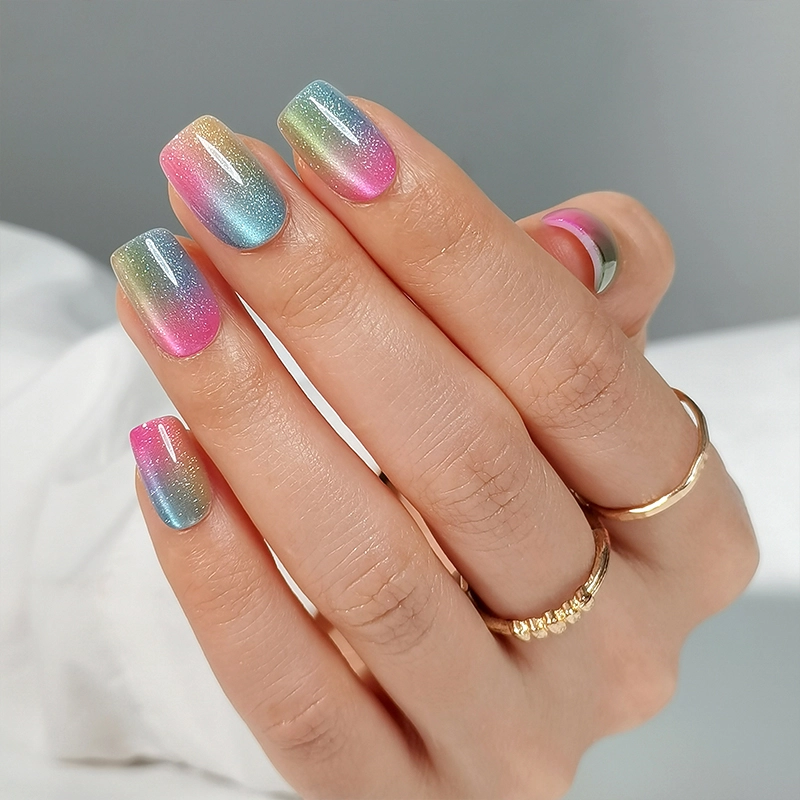
Custom Wholesale Gradient Cat Eye Soft Gel Wearable Fake Nails
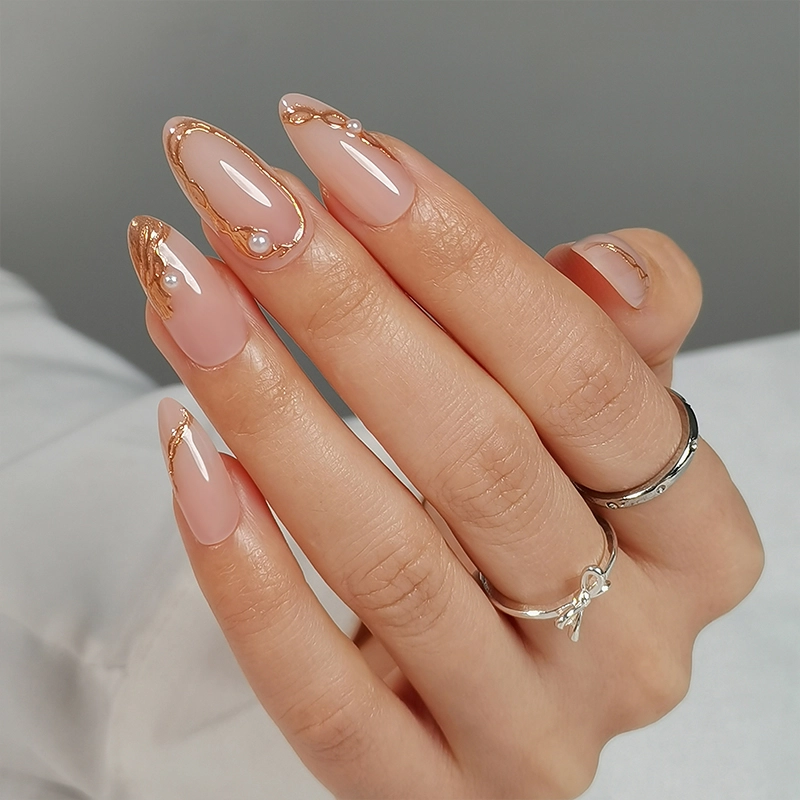
Wholesales Luxury Rhinestone Handmade Private Label Press On Nails Art Tips
Contact us
If you have press on nails products or customization needs, please feel free to contact from
below or via the contact information provided, we'll get back to you promptly within 24 hours.
By clicking 'Send Inquiry Now' I agree to XIANXING BEAUTY processing my personal data.
To see how to withdraw your consent, how to control your personal data and how we process it, please see our Privacy Policy and Terms of use.
Copyright © 2025 - XIANXING BEAUTY All Rights Reserved. Sitemap
Facebook
YouTube
Instagram
LinkedIn