
What certifications should press on nails manufacturers have? | Insights by Xianxing Beauty
- Essential Certifications for Press-On Nail Manufacturers: A Comprehensive Guide
- 1. What Are the Key Certifications for Press-On Nail Manufacturers?
- 2. Why Are These Certifications Important?
- 3. How Do These Certifications Impact the Manufacturing Process?
- 4. What Are the Benefits of Choosing Certified Manufacturers?
- 5. How Can Manufacturers Obtain These Certifications?
- 6. What Are the Costs and Timeframes Associated with Certification?
- 7. How Do Certifications Affect Consumer Perception?
- 8. What Are the Risks of Partnering with Non-Certified Manufacturers?
- Conclusion
- About Xianxing Beauty
Essential Certifications for Press-On Nail Manufacturers: A Comprehensive Guide
As the press-on nail industry continues to flourish, manufacturers are increasingly expected to uphold stringent standards to ensure product safety, quality, and consumer trust. This guide delves into the key certifications that press-on nail manufacturers should possess to meet these expectations.
1. What Are the Key Certifications for Press-On Nail Manufacturers?
Press-on nail manufacturers should obtain the following certifications:
ISO 9001: This certification signifies a commitment to quality management systems, ensuring consistent product quality and customer satisfaction.
ISO 22716: Known as Good Manufacturing Practices (GMP) for cosmetics, this standard provides guidelines for the production, control, storage, and shipment of cosmetic products, ensuring product safety and quality throughout the supply chain.
ISO 14001: This certification focuses on effective environmental management systems, demonstrating a manufacturer's commitment to sustainable practices.
ISO 22716: This standard outlines Good Manufacturing Practices (GMP) for cosmetics, ensuring that products are consistently produced and controlled according to quality standards.
FSC Certification: Indicates responsible sourcing of materials, particularly relevant for packaging components.
Sedex Membership: Demonstrates adherence to ethical business practices, including labor rights and health and safety standards.
REACH Compliance: Ensures that products meet the European Union's standards for the Registration, Evaluation, Authorization, and Restriction of Chemicals, promoting safe chemical use.
MSDS Documentation: Provides detailed information on the properties and handling of materials used, ensuring safety and compliance with regulations.
2. Why Are These Certifications Important?
Obtaining these certifications is crucial for several reasons:
Product Safety and Quality: Certifications like ISO 22716 and GMP ensure that products are manufactured under strict quality controls, reducing the risk of defects and ensuring consumer safety.
Market Access: Certain markets, especially in Europe and North America, require specific certifications for product entry. For instance, REACH compliance is mandatory for products sold in the European Union.
Consumer Trust: Certifications serve as a testament to a manufacturer's commitment to quality and ethical practices, enhancing brand reputation and consumer confidence.
Regulatory Compliance: Adhering to standards like REACH and MSDS ensures that manufacturers comply with international regulations, avoiding legal issues and potential product recalls.
3. How Do These Certifications Impact the Manufacturing Process?
Implementing these certifications influences the manufacturing process in the following ways:
Standardized Procedures: Manufacturers must establish and maintain documented procedures for all aspects of production, from raw material sourcing to final product testing.
Regular Audits and Inspections: To maintain certifications, manufacturers undergo regular audits by accredited bodies, ensuring ongoing compliance and identifying areas for improvement.
Continuous Improvement: The focus on quality management systems encourages manufacturers to continually assess and enhance their processes, leading to better products and increased efficiency.
4. What Are the Benefits of Choosing Certified Manufacturers?
Opting for certified press-on nail manufacturers offers several advantages:
Assured Product Quality: Certifications provide assurance that products meet high-quality standards, reducing the likelihood of defects and customer complaints.
Regulatory Assurance: Certified manufacturers are more likely to comply with local and international regulations, facilitating smoother market entry and distribution.
Enhanced Brand Reputation: Partnering with certified manufacturers reflects positively on Xianxing Beauty, signaling a commitment to quality and ethical practices.
Consumer Confidence: Consumers are more likely to trust and purchase products from brands associated with certified manufacturers, leading to increased sales and market share.
5. How Can Manufacturers Obtain These Certifications?
To obtain these certifications, manufacturers should:
Understand Certification Requirements: Familiarize themselves with the specific criteria and standards set by each certification body.
Implement Necessary Processes: Establish and document procedures that align with certification standards, covering all aspects of manufacturing.
Engage Accredited Bodies: Contact recognized certification bodies to schedule audits and assessments.
Prepare for Audits: Ensure all documentation is accurate and up-to-date, and that staff are trained to comply with certification requirements.
Maintain Compliance: After certification, continue to adhere to standards and prepare for periodic audits to maintain certification status.
6. What Are the Costs and Timeframes Associated with Certification?
The costs and timeframes for obtaining certifications vary based on several factors:
Certification Type: Some certifications may require more extensive documentation and audits, leading to higher costs.
Size and Complexity of Manufacturing Operations: Larger or more complex operations may incur higher costs and longer preparation times.
Preparation and Implementation: Time and resources spent on aligning manufacturing processes with certification standards can affect overall costs and timelines.
Audit Fees: Certification bodies charge fees for conducting audits and assessments, which can vary based on the scope and duration of the audit.
7. How Do Certifications Affect Consumer Perception?
Certifications positively influence consumer perception by:
Signaling Quality Assurance: Certifications indicate that products have undergone rigorous testing and meet high standards.
Demonstrating Ethical Practices: Certifications like Sedex membership show a commitment to ethical business practices, appealing to socially conscious consumers.
Building Trust: Consumers are more likely to trust and purchase from brands associated with certified manufacturers, leading to increased sales and brand loyalty.
8. What Are the Risks of Partnering with Non-Certified Manufacturers?
Partnering with non-certified manufacturers poses several risks:
Quality Inconsistencies: Without standardized procedures, product quality may vary, leading to customer dissatisfaction.
Regulatory Non-Compliance: Non-certified manufacturers may not adhere to necessary regulations, potentially resulting in legal issues and product recalls.
Damage to Brand Reputation: Associating with non-certified manufacturers can harm Xianxing Beauty's reputation, as consumers may perceive your products as subpar or unsafe.
Limited Market Access: Some markets require specific certifications; lacking them can restrict distribution opportunities.
Conclusion
In the competitive press-on nail industry, obtaining and maintaining key certifications is essential for manufacturers aiming to ensure product safety, quality, and consumer trust. Certifications like ISO 9001, ISO 22716, and ISO 14001 not only demonstrate a commitment to excellence but also open doors to broader market opportunities and enhanced brand reputation. Manufacturers should proactively pursue these certifications to align with industry standards and meet the evolving expectations of consumers.
About Xianxing Beauty
Xianxing Beauty stands out in the press-on nail industry by adhering to stringent quality and safety standards. Our products are ROHS, REACH, and MSDS certified, ensuring compliance with US and EU cosmetics standards. We prioritize the use of eco-friendly materials and maintain robust quality control protocols, including comprehensive testing and inspections. Our commitment to excellence makes us a trusted partner for businesses seeking high-quality press-on nail products that meet global standards.
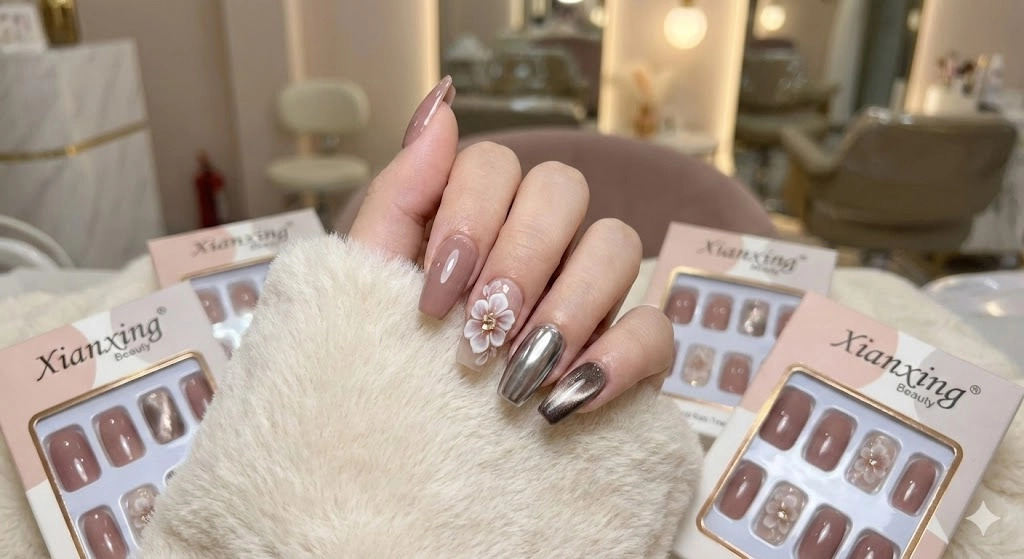
7 Red Flags to Avoid When Selecting a Wholesale Press On Nails Manufacturer
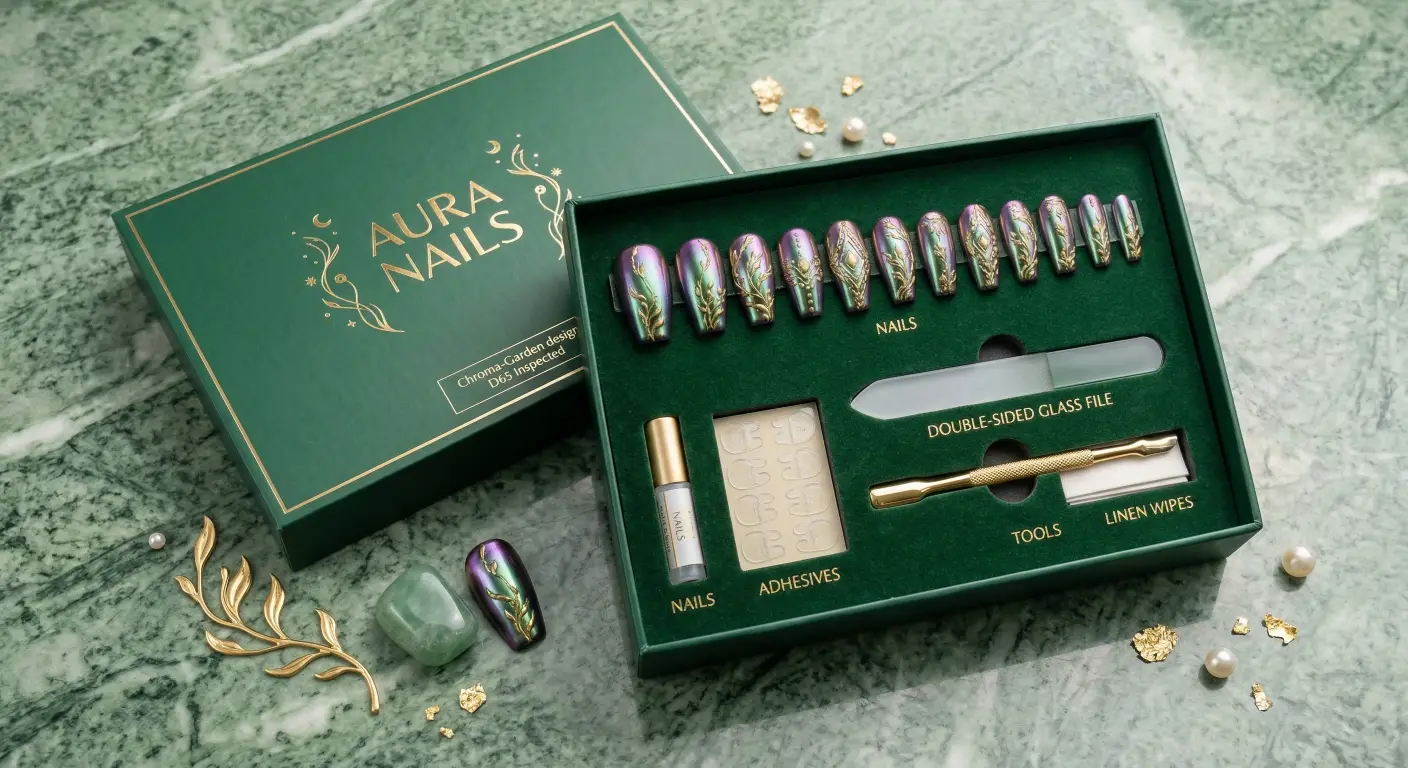
Quality Control: What to Expect from a Top-Tier Wholesale Press On Nails Manufacturer
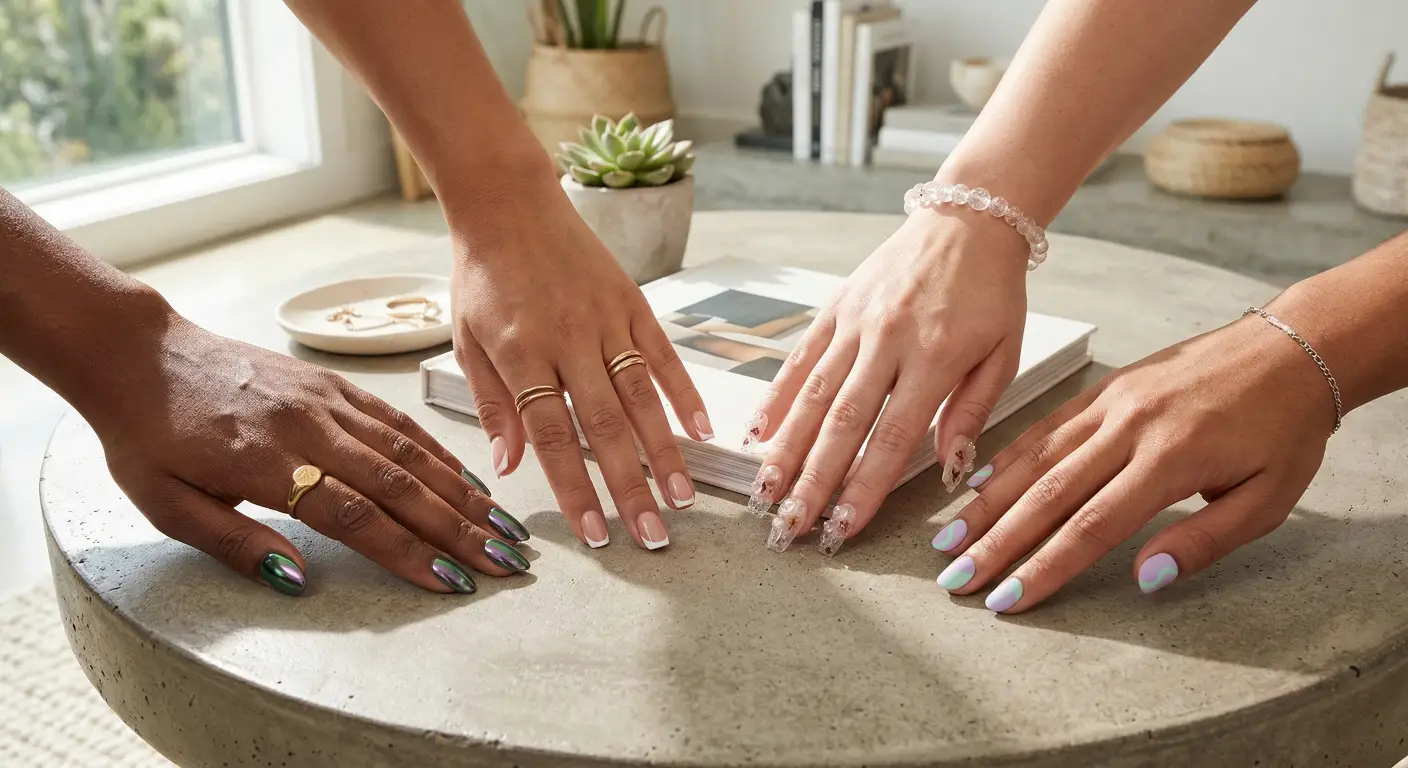
The Ultimate Guide to Choosing the Best Wholesale Press On Nails Manufacturer in 2026
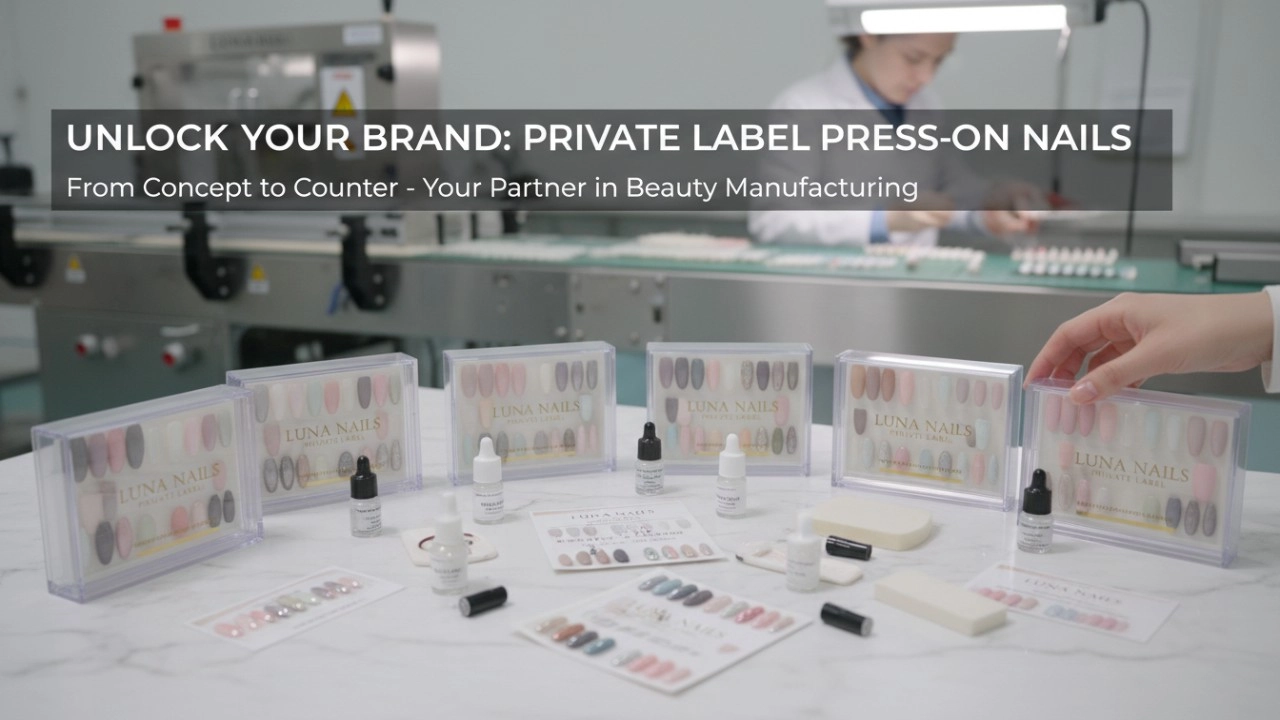
How to Scale Your Beauty Brand: Why Private Label Press On Nails Are the Highest-Margin Entry Point in 2026
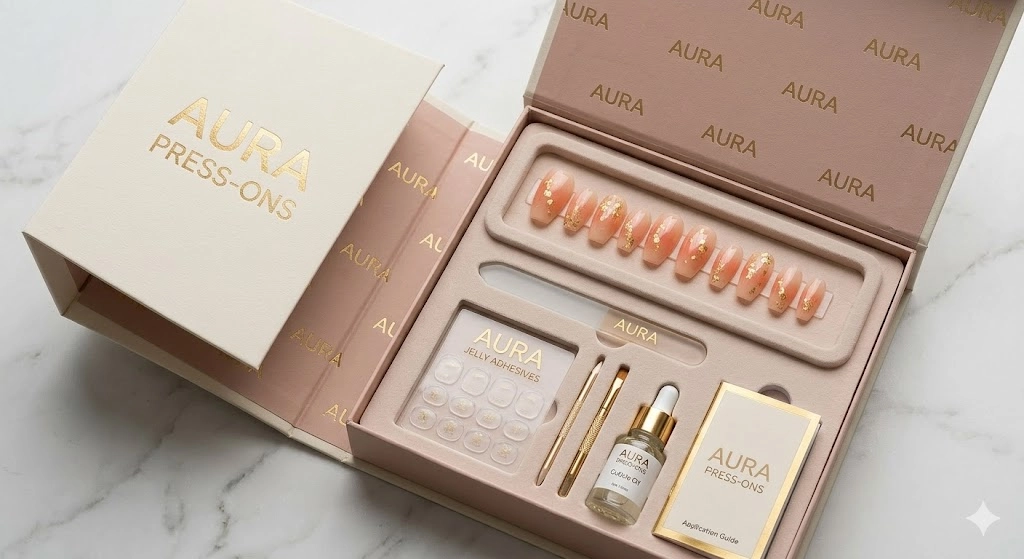
Why Partnering with Professional Press On Nails Manufacturers Boosts Your Brand Growth
Crystal spike
How are Crystal Point Sticks and Wooden Sticks different?
Material: Crystal sticks are made of glass or crystal, which is durable, smooth, and less likely to cause irritation. Wooden sticks are more affordable but can splinter or break more easily.
Durability: Crystal sticks last longer and are easier to disinfect compared to wooden sticks.
Precision: Crystal point sticks are often more precise because of their finer tip, making them ideal for delicate tasks like cuticle work or nail art cleanup.
Gentleness: Crystal sticks tend to be gentler on the skin because they don’t splinter, while wooden sticks may require more care to avoid splinters.
How do I clean Crystal Point Sticks and Wooden Sticks?
Crystal Point Stick: Clean it with a damp cloth or disinfect it with rubbing alcohol to keep it hygienic. Avoid getting it too wet to prevent any damage to the handle.
Wooden Stick: Clean it with a soft cloth, and disinfect it by wiping it with alcohol. Be careful not to soak the wooden part in water to avoid splintering.
Recycled ABS Nails
How long can they be worn?
Generally, renewable ABS press-on nails can be worn for about 1 to 2 weeks. However, the specific wearing time depends on factors such as the quality of the nail tips, personal using habits, the intensity of daily activities, and daily cleaning and maintenance.
About Cooperation Process
What support will I receive during the collaboration?
We offer professional technical support, marketing guidance, and responsive after-sales services to ensure a smooth and successful partnership.
About solid color nails
Has the product passed the qualified inspection test?
Yes, our products have passed the SGS test, they are non-toxic, safe, no animal testing.
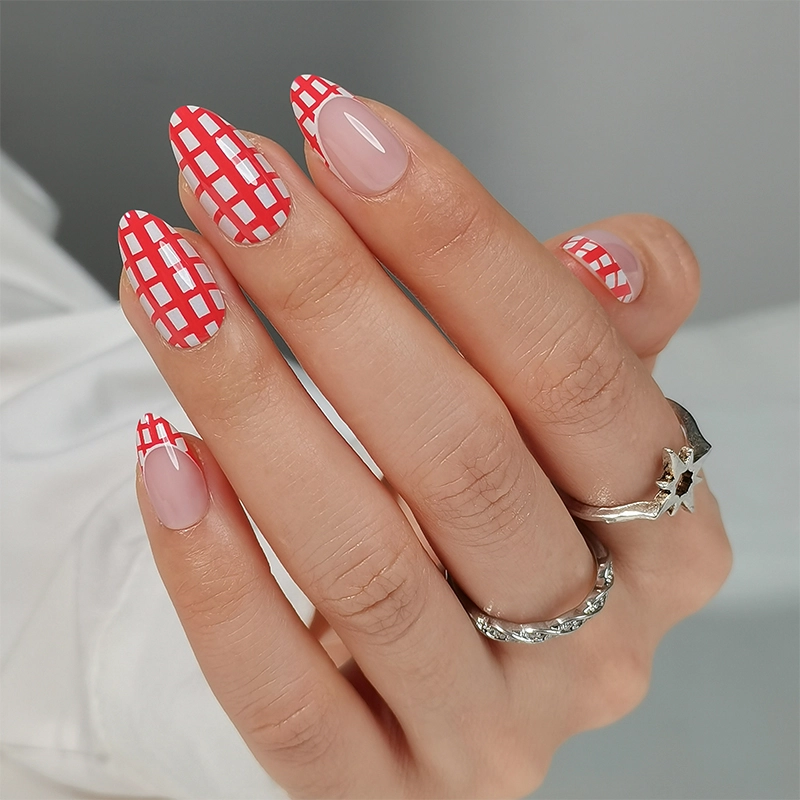
Wholesales Red French Nails Tips Checkered Soft Gel Nail Tips 32 Piece Set
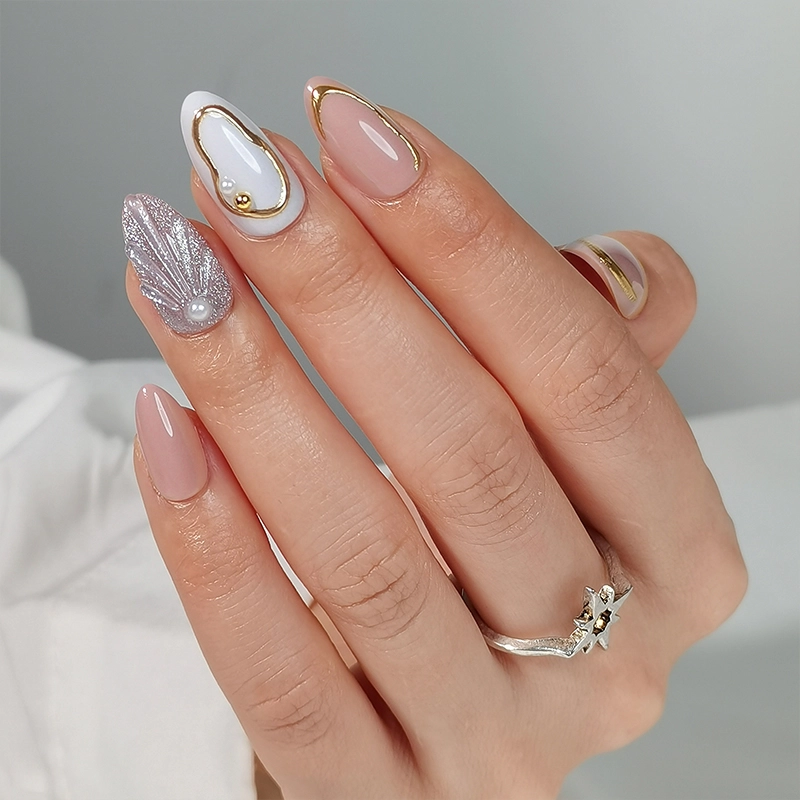
Wholesales Elegant Shell Inspired Soft Gel Wearable Nails for Seasonal Celebrations
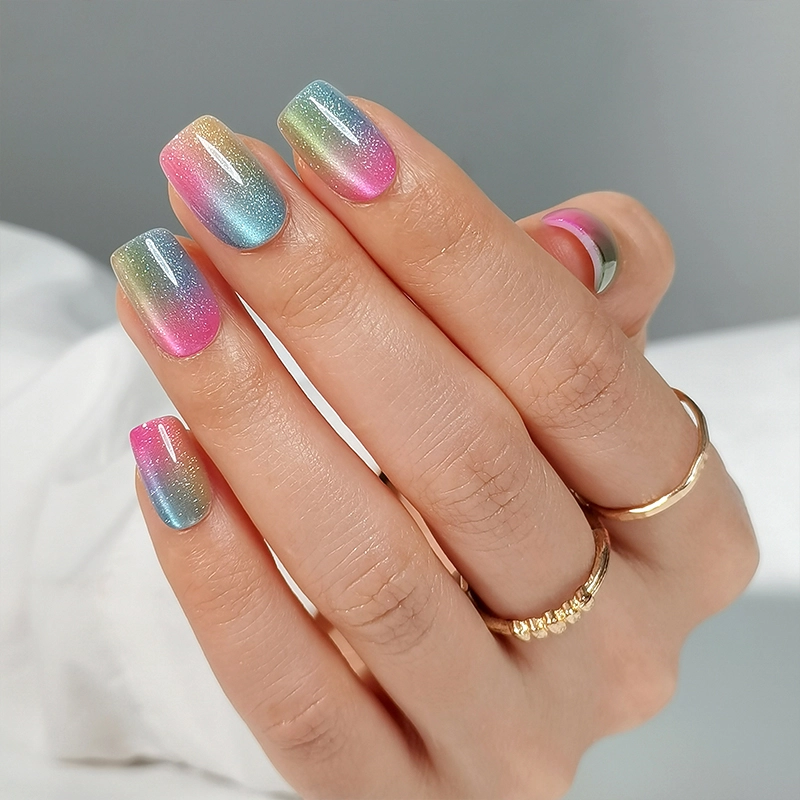
Custom Wholesale Gradient Cat Eye Soft Gel Wearable Fake Nails
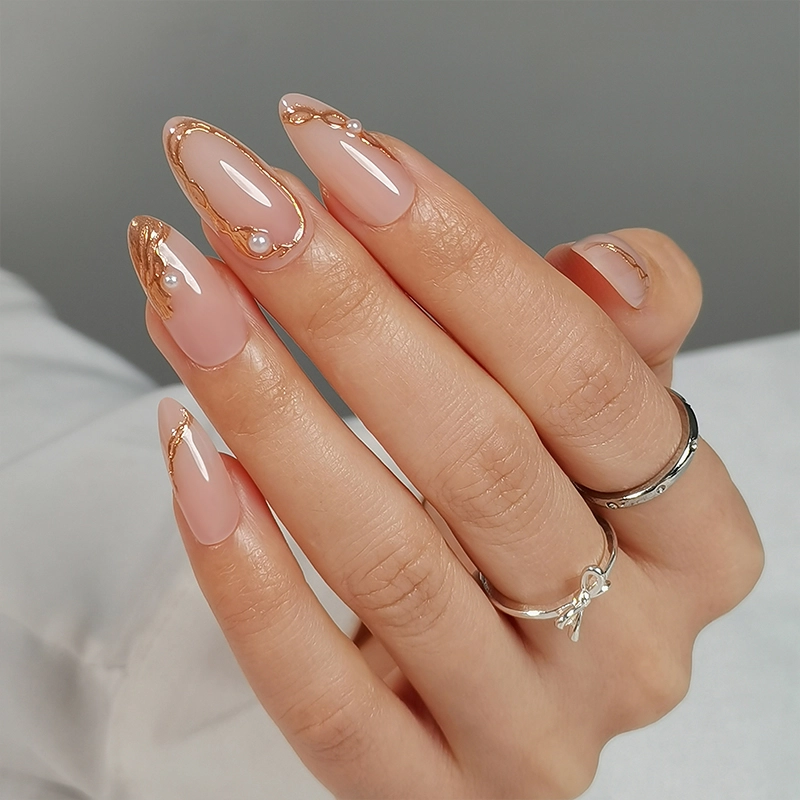
Wholesales Luxury Rhinestone Handmade Private Label Press On Nails Art Tips
Contact us
If you have press on nails products or customization needs, please feel free to contact from
below or via the contact information provided, we'll get back to you promptly within 24 hours.
By clicking 'Send Inquiry Now' I agree to XIANXING BEAUTY processing my personal data.
To see how to withdraw your consent, how to control your personal data and how we process it, please see our Privacy Policy and Terms of use.
Copyright © 2025 - XIANXING BEAUTY All Rights Reserved. Sitemap
Facebook
YouTube
Instagram
LinkedIn