
Is it better to size up or down with press on nails? | Insights by Xianxing Beauty
- Is it better to size up or down with press on nails?
- How should customers decide between sizing up or down?
- What's the best way to measure natural nails for press-ons?
- Which adhesives should I include in a press-on nail kit?
- How many sizes and shapes should I offer when ordering inventory?
- What quality checks matter most when procuring press-on nails?
- Additional procurement strategies to reduce returns and improve margins
- Application and removal notes for retailer guidance
- Sustainability, packaging and regulatory considerations
Is it better to size up or down with press on nails?
Short answer for retailers and procurement professionals: prioritize an exact fit or slightly smaller rather than larger. A nail that’s too big lifts and collects debris; a slightly smaller one can be shaped, filed, and glued to form a secure seal. However, avoid nails that are so small they squeeze the natural nail or contact the cuticle — that causes pain and damage. Below are the professional considerations, measurement techniques, adhesive choices, and procurement best practices for the press-on nails industry.
How should customers decide between sizing up or down?
When customers are choosing a size, the critical measurement is the width of the nail bed at its widest point (usually across the free edge). The chosen press-on should:
- Cover the entire nail bed width without touching cuticle or sidewalls.
- Not cause lateral pressure on the nail fold (that causes pain or lifting).
- Preferably sit slightly narrower than the nail bed rather than larger — small gaps on the sides or at the cuticle are harder to fix than slightly narrower nails that can be sanded or filled.
Practical tip: if a customer is between sizes, recommend the smaller size and show them how to file side edges or the underside to improve fit. For same-day salon application, a slightly large nail can sometimes be trimmed and reshaped, but cosmetic gaps are still harder to hide.
What's the best way to measure natural nails for press-ons?
Standardize measuring in procurement and customer instructions to reduce sizing issues:
- Measure the widest part of the nail bed (free edge) in millimeters and map to your supplier’s size chart.
- Provide printable measuring guides in packaging and online so customers can match nails accurately at home.
- Offer a sample sizing strip with new collections (a thin cardstock or sticker with printed widths) so buyers can verify fit before committing to a full set.
From a procurement standpoint, request the supplier’s exact size matrix and ask for physical sample sets before bulk orders so you can validate shape, curvature, and width mapping for your target market.
Which adhesives should I include in a press-on nail kit?
Two adhesive types are industry standard:
- Instant nail glue (cyanoacrylate): gives the longest wear when applied correctly. It bonds quickly to both the press-on and natural nail but requires careful handling and clear safety/usage instructions for customers.
- Adhesive tabs (double-sided): gentler and easier for beginners; they provide shorter wear but are safe and reduce risk of allergic reactions or improper bonding.
Procurement advice: bundle both types in starter kits (a small tube of glue + a set of adhesive tabs) and include application/removal instructions. Also verify chemical safety data sheets (SDS) for any adhesives you stock and make sure packaging contains clear warnings and ingredient lists where required by local regulations.
How many sizes and shapes should I offer when ordering inventory?
A professional assortment reduces returns and increases customer satisfaction. Key recommendations:
- Offer a broad size range that covers very small to very large nail beds, typically arranged as a set of multiple sizes repeated across ten fingers. Ask suppliers for a full size breakdown and sample set to ensure sizes map correctly to your customer base.
- Stock popular shapes (square, squoval, almond, coffin) and a mix of short, medium, and long lengths. Market trends may favor certain shapes, but offering options helps capture more customers.
- Consider keeping a small inventory of unpainted or blank bases that can be customized in-house if you provide bespoke services.
From a procurement perspective, request that your supplier allows flexible minimum order quantities (MOQs) on initial runs so you can test which sizes and shapes sell best before scaling.
What quality checks matter most when procuring press-on nails?
Quality controls to include in supplier agreements:
- Material verification: most press-on nails use ABS plastic — confirm material, finish (gloss/matte), and any coatings (gel topcoat or lacquer).
- Curvature and fit consistency: sample multiple batches to ensure curvature matches common nail beds and sizing is consistent between sets.
- Surface finish and polish durability: check for even paint, no bubbling, and resistance to chipping in simulated wear tests.
- Adhesive compatibility: test the supplied glue and tabs with your preferred application method to ensure expected wear time.
- Packaging and labeling: size information must be clear, with measuring guides and usage/removal instructions included to reduce misuse and complaints.
Include acceptance criteria in contracts (e.g., defect rates, color tolerance, and size variance thresholds) and perform periodic incoming inspections.
Additional procurement strategies to reduce returns and improve margins
Implement these commercial tactics:
- Ship sample kits to top customers or influencers to reduce uncertainty and gather sizing feedback before large production runs.
- Create easy-to-use online size selectors (interactive fit guides) and include printable sizing cards in every box to cut sizing mistakes.
- Offer a swap program or low-cost replacement nails for customers who receive an incorrect fit; this improves loyalty and reduces negative reviews.
- Track returns and customer feedback by specific size/shape/color to identify supplier or sizing issues quickly.
Application and removal notes for retailer guidance
Educate customers clearly:
- Proper prep (remove oils, lightly buff nail surface, push back cuticles) drastically improves glue bond and wear time.
- When in doubt between two sizes choose the smaller — you can file, buff, or build up the underside with a small bead of adhesive, but you cannot meaningfully shrink a nail that’s too wide.
- Removal should be gentle: advise soaking methods or dedicated removers and warn against prying the nail off to avoid natural nail damage.
Sustainability, packaging and regulatory considerations
Consider the environmental and legal aspects when procuring:
- Choose recyclable or minimal packaging to appeal to eco-conscious consumers and reduce shipping costs.
- Label adhesives and coatings with ingredient information where required by jurisdiction; keep SDS for glue products on file.
- If marketing as a cosmetic product, ensure compliance with local cosmetic regulations for labeling and claims.
Closing practical summary: For customers, a snug or exact fit usually beats an oversized nail — it reduces lifting and improves wear. For buyers and procurement teams, the priorities are a validated size matrix, physical samples, adhesive options in kits, robust QC criteria, clear customer sizing education, and flexible MOQs to test assortments. These steps will minimize returns, increase customer satisfaction, and protect margins.
7 Red Flags to Avoid When Selecting a Wholesale Press On Nails Manufacturer
The Ultimate Guide to Choosing the Best Wholesale Press On Nails Manufacturer in 2026
How to Scale Your Beauty Brand: Why Private Label Press On Nails Are the Highest-Margin Entry Point in 2026
Why Partnering with Professional Press On Nails Manufacturers Boosts Your Brand Growth
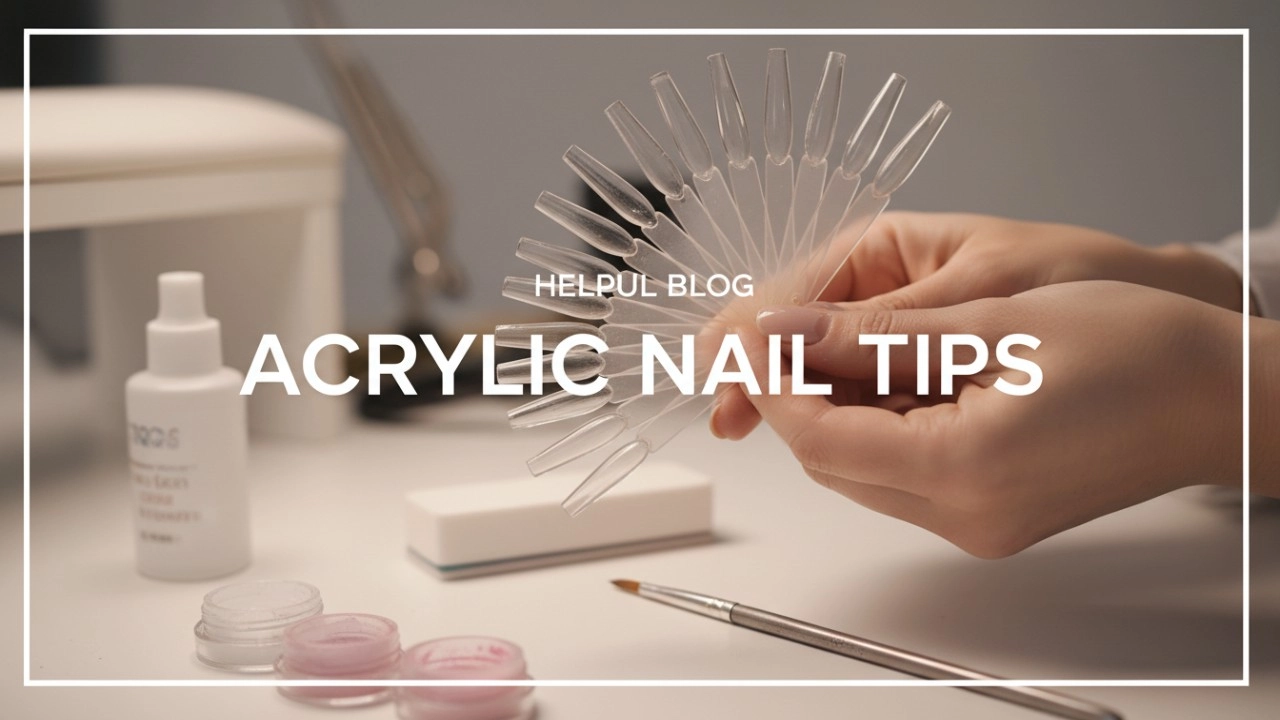
Acrylic Nail Tips vs. Soft Gel: Which is Best for Your Private Label Brand? (2026 Guide)
Drying Nail Glue
Can press-on nails glue damage my natural nails?
If used properly, press-on nails glue shouldn’t damage your natural nails. However, removing press-on nails too roughly or peeling them off can cause your natural nails to become weak or damaged. It’s important to follow proper removal techniques.
Crystal Nail File
What is a crystal nail file?
A crystal nail file is a type of nail file made from hardened glass or crystal material with a fine, etched surface. It's used to shape and smooth the edges of nails without causing damage.
Remove armor
Can I use remover liquid to remove adhesive residue?
Yes, remover liquid, particularly those containing oils or solvents (like rubbing alcohol or specialized adhesive removers), can help dissolve sticky residue left by labels or tape.
About Toe Nails
Can toe press-on nails cause damage to my natural nails?
If applied and removed properly, toe press-on nails shouldn’t cause significant damage. However, harsh adhesive or rough removal can cause the natural toenail to peel or become weak. Always remove them gently and avoid excessive use of glue.
Salon Client
What should I do if there is a quality issue with the product?
We provide comprehensive after-sales support. If there are any quality issues, you can contact us immediately, and we will respond promptly with a solution to ensure your peace of mind.
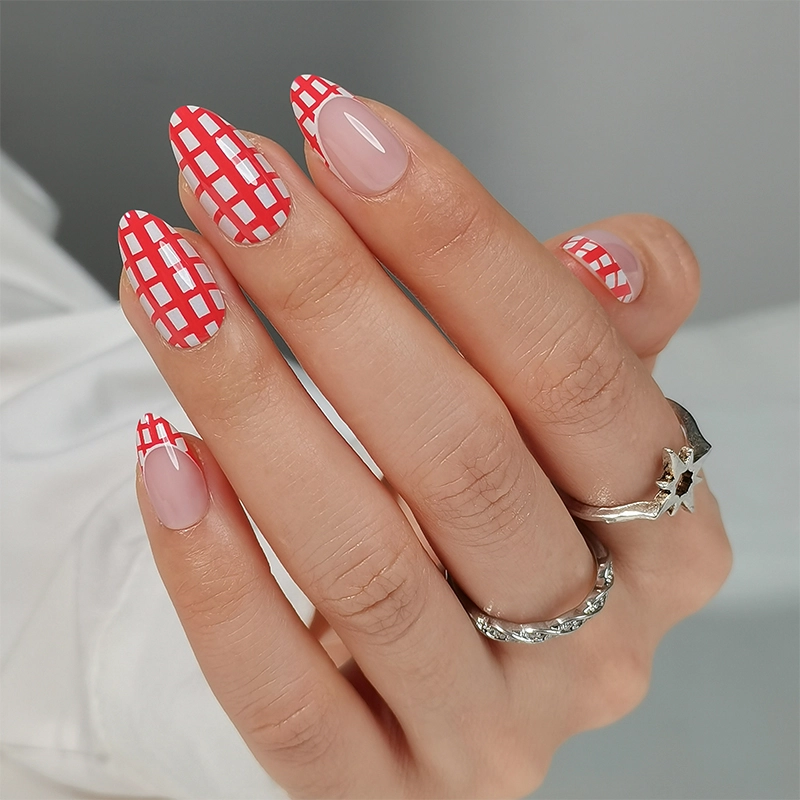
Wholesales Red French Nails Tips Checkered Soft Gel Nail Tips 32 Piece Set
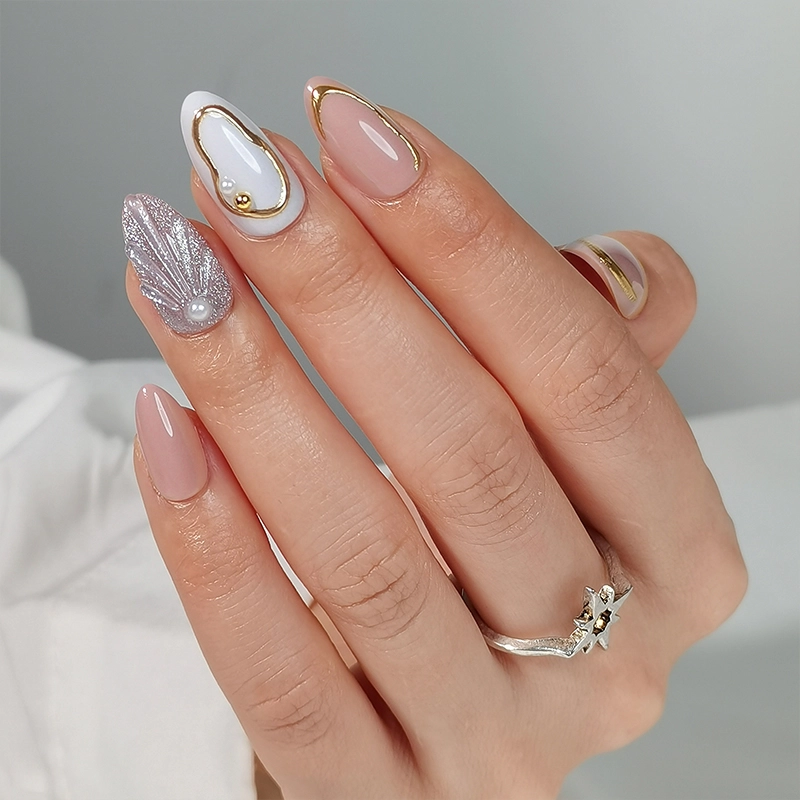
Wholesales Elegant Shell Inspired Soft Gel Wearable Nails for Seasonal Celebrations
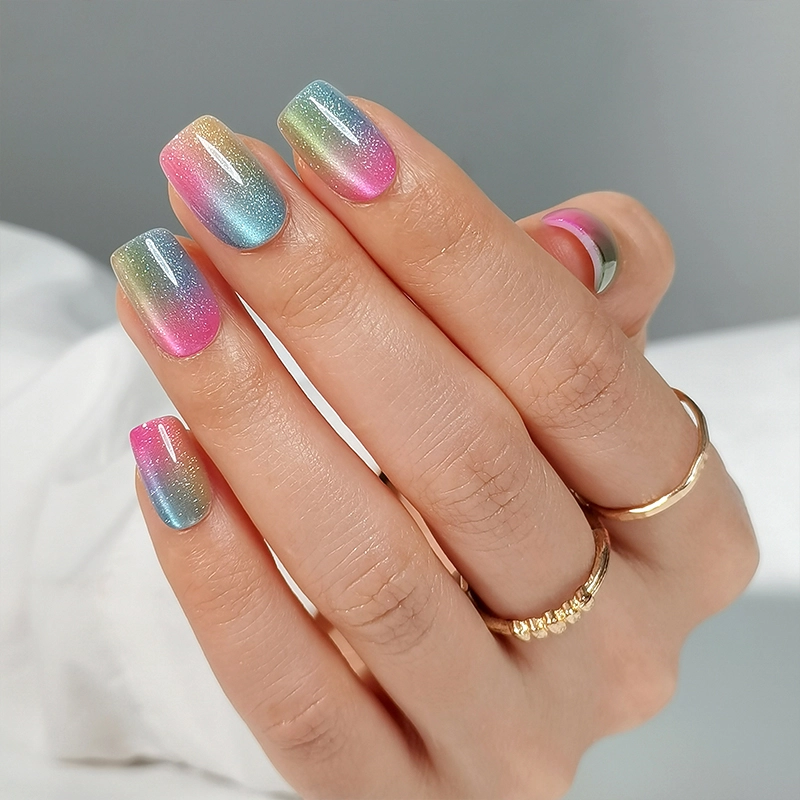
Custom Wholesale Gradient Cat Eye Soft Gel Wearable Fake Nails
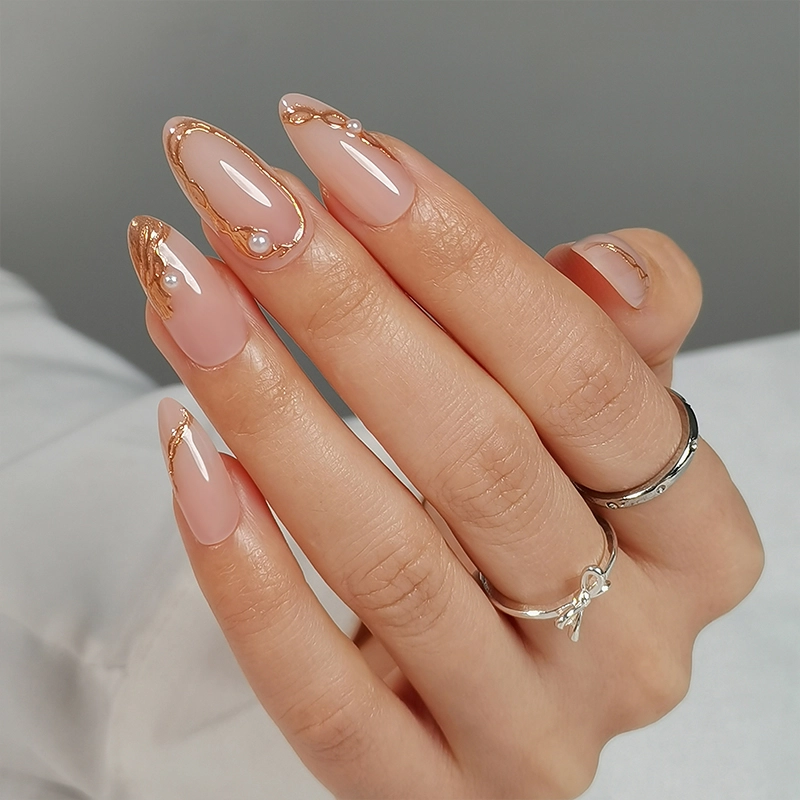
Wholesales Luxury Rhinestone Handmade Private Label Press On Nails Art Tips
Contact us
If you have press on nails products or customization needs, please feel free to contact from
below or via the contact information provided, we'll get back to you promptly within 24 hours.
By clicking 'Send Inquiry Now' I agree to XIANXING BEAUTY processing my personal data.
To see how to withdraw your consent, how to control your personal data and how we process it, please see our Privacy Policy and Terms of use.
Copyright © 2025 - XIANXING BEAUTY All Rights Reserved. Sitemap
Facebook
YouTube
Instagram
LinkedIn