
What is needed to start a press on nail business? | Insights by Xianxing Beauty
- What is needed to start a press-on nail business?
- How do I find and qualify manufacturers and suppliers?
- What safety, regulatory and labeling rules apply?
- What production, quality-control and testing should I require before reordering?
- How should I handle packaging, branding, shipping and inventory when scaling?
- What costs, lead times and minimums should buyers expect?
What is needed to start a press-on nail business?
Starting a press-on nail business combines product design, regulatory compliance, supplier sourcing, and e-commerce/retail setup. From a procurement point of view, the essentials are:
- Clear product specification (materials, sizes, finishes, adhesive system, packaging)
- Regulatory and safety requirements for target markets (labeling, ingredient rules, safety assessments)
- Reliable manufacturers or contract manufacturers who can meet quality, MOQ and lead-time needs
- Testing and documentation (SDS/MSDS, biocompatibility/skin irritation where applicable, stability, CPSR for EU)
- Packaging design and supply chain (sustainable options, barcodes, batch coding, fulfillment plan)
- Commercial terms and risk mitigation (sampling process, pre-production approvals, payment terms, QC inspections, insured freight)
Procurement-first checklist to begin sourcing:
- Create a one-page technical spec for each SKU: exact shape/length/thickness, material (e.g., ABS or acrylic — specify), finish (gloss/matte/gel), color/code, adhesive type (glue or tabs), and packaging style.
- Request supplier documentation: capability statement, factory photos, sample lead time, minimum order quantity (MOQ), unit pricing at tiers, production lead time, and quality certifications.
- Order samples (production-ready if possible), test fit/finish/adhesion, and confirm packaging mock-ups before placing full orders.
How do I find and qualify manufacturers and suppliers?
Where to look: online B2B marketplaces, trade shows (beauty and packaging), industry directories, and referrals from other beauty brands. For each potential supplier, follow a structured qualification process:
- Ask for references and examples of similar work (press-on nails, false nails, or small plastic components).
- Verify factory certifications — ISO 9001 for quality systems is common; ISO 22716 (cosmetics GMP) is important if the supplier also produces adhesives or cosmetic components tied to nails.
- Request Safety Data Sheets (SDS) for any adhesives or chemical components, and a list of raw-material suppliers where relevant.
- Visit or commission a third-party factory audit (social compliance, production capacity) or use video walkthroughs if travel is impractical.
- Start with a paid sample and a small pilot order to validate consistency before committing to larger volumes.
Negotiation and commercial terms to cover in contracts:
- Clear MOQs for each SKU and pricing tiers for volume.
- Tooling or mold costs and ownership (if custom shapes are needed).
- Lead times: sample lead time, production lead time, and remedies for delays.
- Quality acceptance criteria and pre-shipment inspection protocols.
- Payment terms (typical structures include deposit + balance before shipping or against shipping documents).
What safety, regulatory and labeling rules apply?
Regulatory obligations differ by market. Key, verifiable points:
- United States: The FDA regulates cosmetics (including many nail products) under the Federal Food, Drug, and Cosmetic Act. The FDA does not require pre-market approval for cosmetics generally, but products and ingredients must be safe for consumers and properly labeled. Color additives have separate FDA rules.
- European Union: The EU Cosmetics Regulation (EC) No. 1223/2009 requires that a Responsible Person in the EU registers products and that each product has a Cosmetic Product Safety Report (CPSR). Ingredient listing (INCI names), labeling, and product information files are mandatory. REACH and CLP regulations may also apply to chemical ingredients used in adhesives or coatings.
- Safety documentation: Keep Safety Data Sheets (SDS) for adhesives/chemical components and, where applicable, test reports for skin irritation/biocompatibility. For the EU, CPSR must be prepared by a qualified safety assessor.
- Labeling: Declare ingredients (INCI for cosmetics), net quantity, manufacturer/importer contact, country of origin, batch/lot code, and any required warnings (e.g., flammability or allergen statements if applicable).
Procurement actions: always request copies of relevant certificates, SDS, and any test reports from your supplier before purchase. If you plan to sell in the EU, ensure there is a designated Responsible Person and that the product information file (PIF) will be available upon request.
What production, quality-control and testing should I require before reordering?
To reduce returns and compliance risk, implement these procurement-level QA steps:
- Pre-production sample approval: approve a full production sample (nails + glued/adhesive system + packaging) before mass production.
- Production QC checklist: check dimensions/fit for each size, surface finish, color match across batches, polish/coating adhesion, and packaging integrity.
- Functional testing: adhesion tests (how long adhesive holds under normal wear), water exposure tests, and flex tests to ensure nails don’t crack under expected use.
- Safety testing: if you or your supplier claim hypoallergenic or other claims, obtain supporting test data. For new adhesives or formula changes, request skin irritation/dermatological tests from accredited labs where needed for your market claims.
- Pre-shipment inspection (PSI): use a third-party inspector to verify quantity, packaging, and visible defects before goods load onto the carrier.
Document non-conformances, require corrective action plans from the supplier, and include quality hold and replacement clauses in purchase orders.
How should I handle packaging, branding, shipping and inventory when scaling?
Packaging and logistics directly affect customer experience and unit economics. Procurement and sourcing should consider:
- Packaging types: retail-ready blister cards, boxes, or eco-friendly mailers. Check packaging suppliers for compliance with printing, barcoding, and child-safety requirements if relevant in your market.
- Branding: finalize artwork and require supplier print proofs. Lock artwork into production approvals to prevent variations across batches.
- Fulfillment planning: estimate reorder points using lead times from suppliers plus shipping time. Build safety stock to cover variability (supplier delays, port congestion).
- Shipping: choose air for speed on reorders or sea for cost efficiency on large restocks. Ensure accurate commercial invoices, packing lists and any chemical-ingredient declarations for customs where adhesives/coatings are included.
- Customs & duties: confirm harmonized tariff classification with your customs broker and plan landed cost accounting (product cost + freight + duties + insurance + local handling) to set profitable retail pricing.
What costs, lead times and minimums should buyers expect?
Costs and MOQs vary widely by supplier, customization and quality level. Procurement best practices:
- Request detailed quotes that break out unit price at different volume tiers, tooling costs (if any), packaging costs, and any finishing steps (e.g., nail art, glitter, custom decals).
- Confirm sample pricing and sample lead time — a production-grade sample is key before committing to full production.
- Ask suppliers for typical lead times for production runs and for peak-season impacts. Include production buffer in your reorder point calculation.
- Negotiate payment terms aligned with supplier risk: new suppliers often require a deposit (e.g., partial upfront), while trusted partners may accept net terms or letters of credit for larger operations.
Important procurement note: instead of fixating on the lowest unit price, evaluate total landed cost, quality, return rate, and time-to-market. A slightly higher unit cost with consistent quality and reliable lead times can outperform cheaper, unreliable suppliers when you scale.
Final procurement tips:
- Always keep an approved-supplier list and rotate secondary suppliers to avoid single-source risk.
- Maintain clear version control on product specs and packaging artwork to avoid production errors.
- Use batch/lot coding to trace problems quickly if a quality or compliance issue arises.
- Invest in customer feedback loops and returns analysis to guide product improvements and supplier performance reviews.
If you want, I can draft a supplier questionnaire and a pre-production sample checklist tailored to press-on nails to use when requesting quotes.
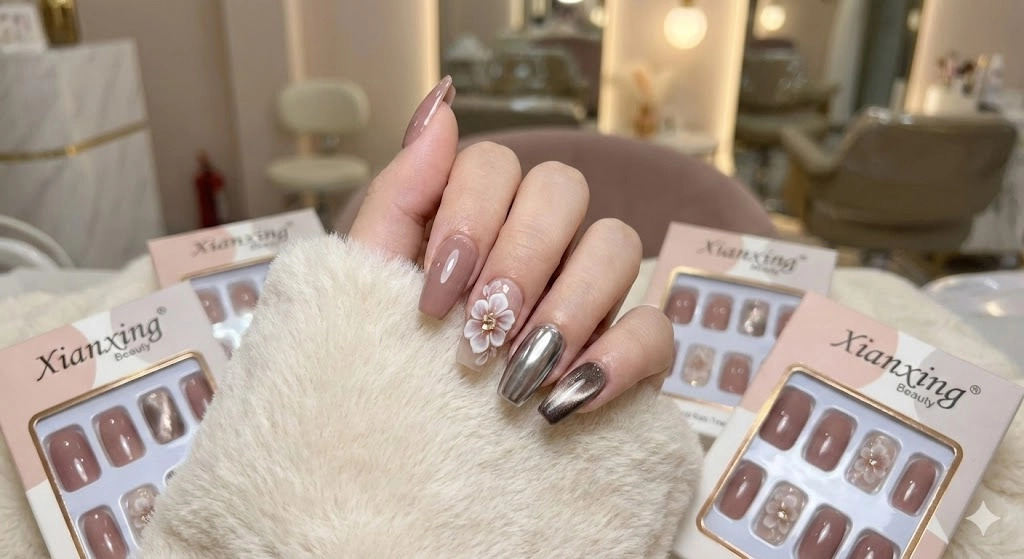
7 Red Flags to Avoid When Selecting a Wholesale Press On Nails Manufacturer
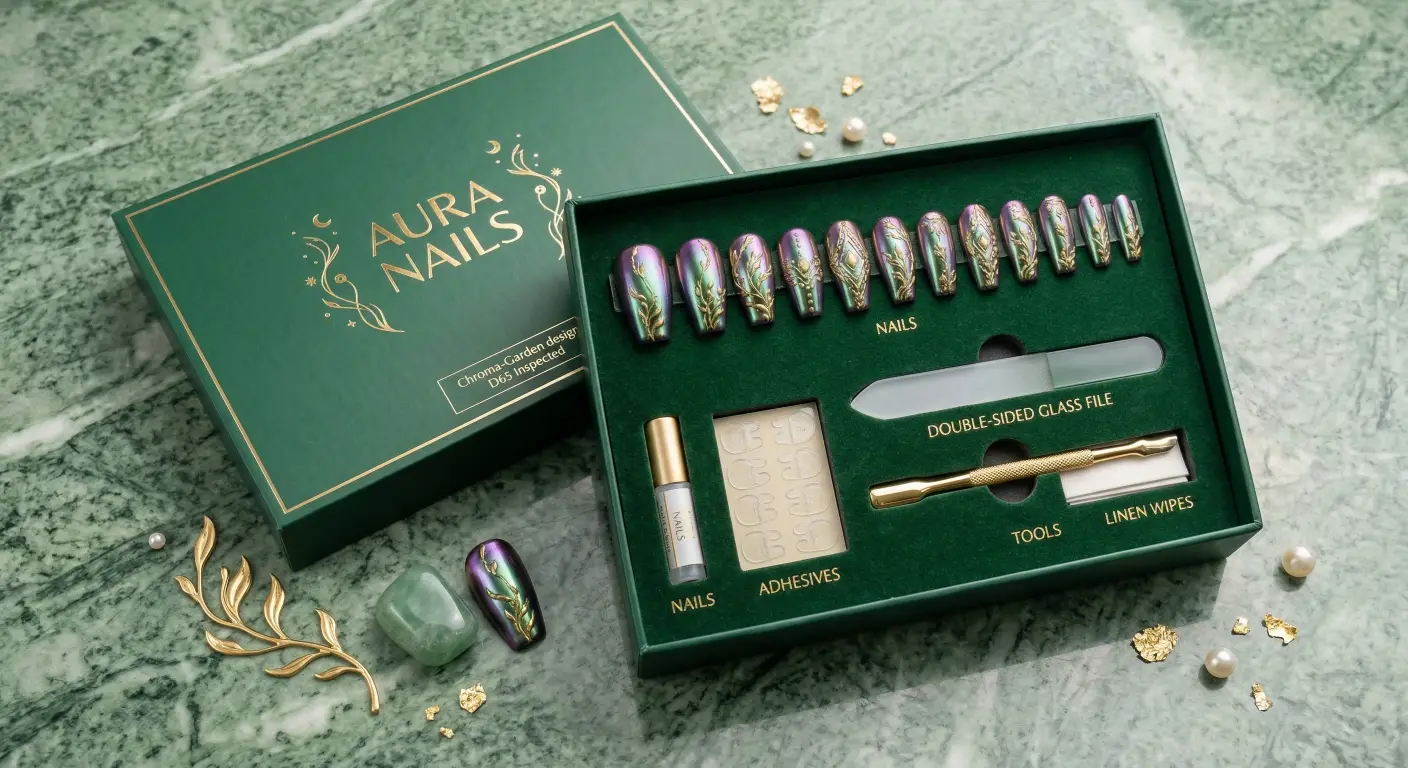
Quality Control: What to Expect from a Top-Tier Wholesale Press On Nails Manufacturer
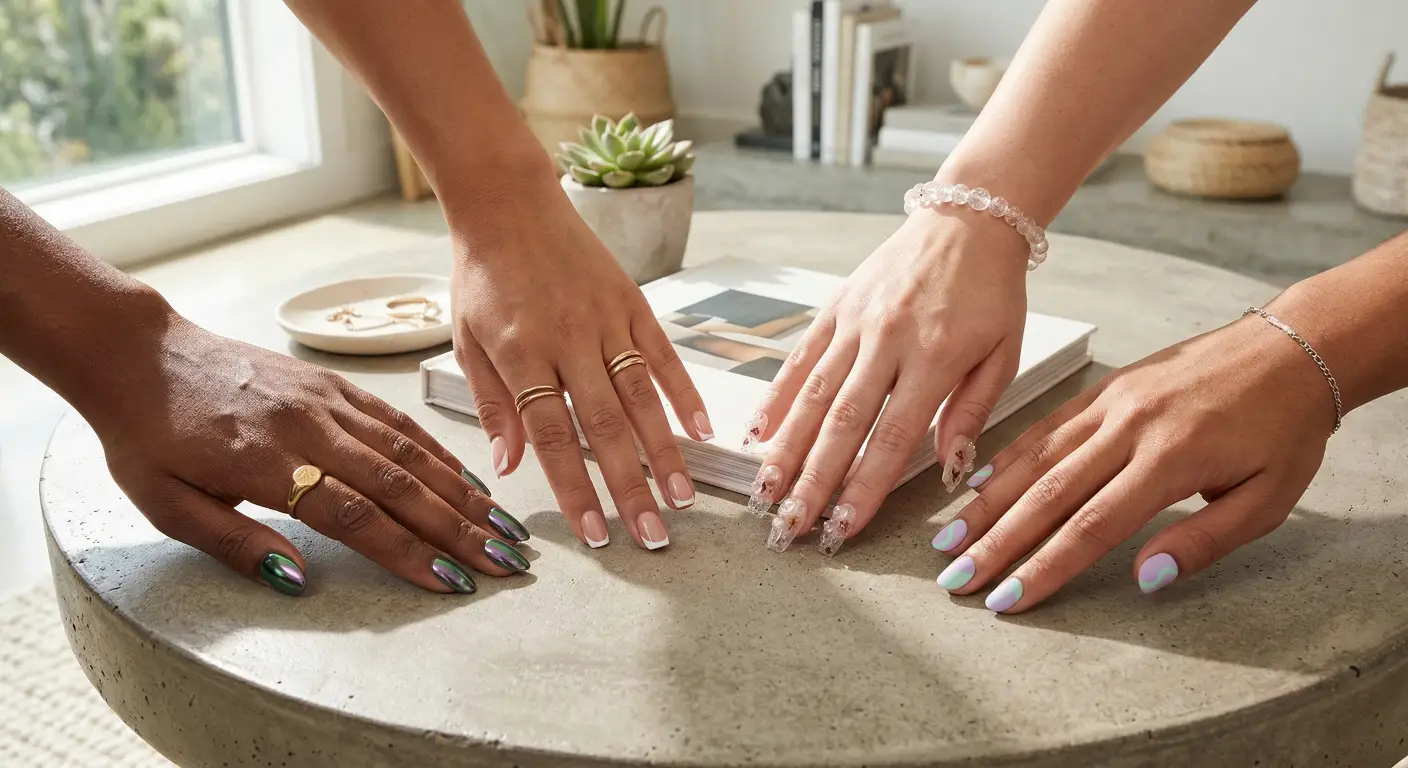
The Ultimate Guide to Choosing the Best Wholesale Press On Nails Manufacturer in 2026
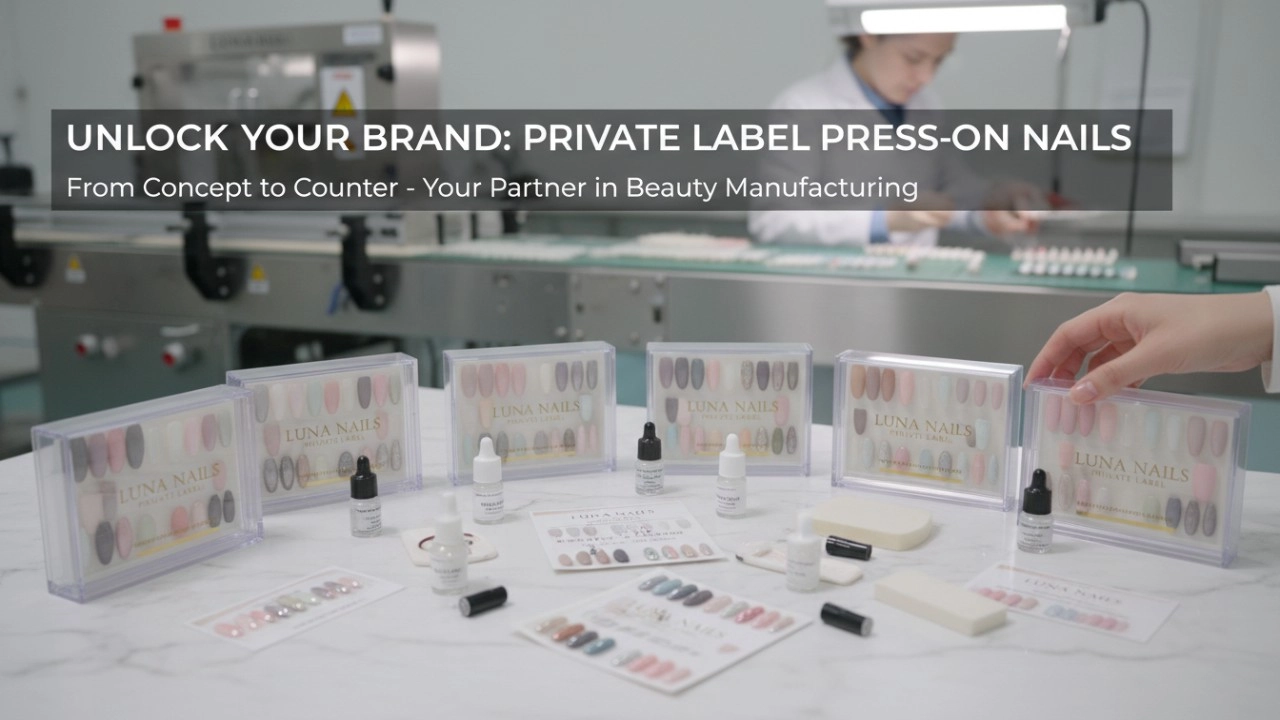
How to Scale Your Beauty Brand: Why Private Label Press On Nails Are the Highest-Margin Entry Point in 2026
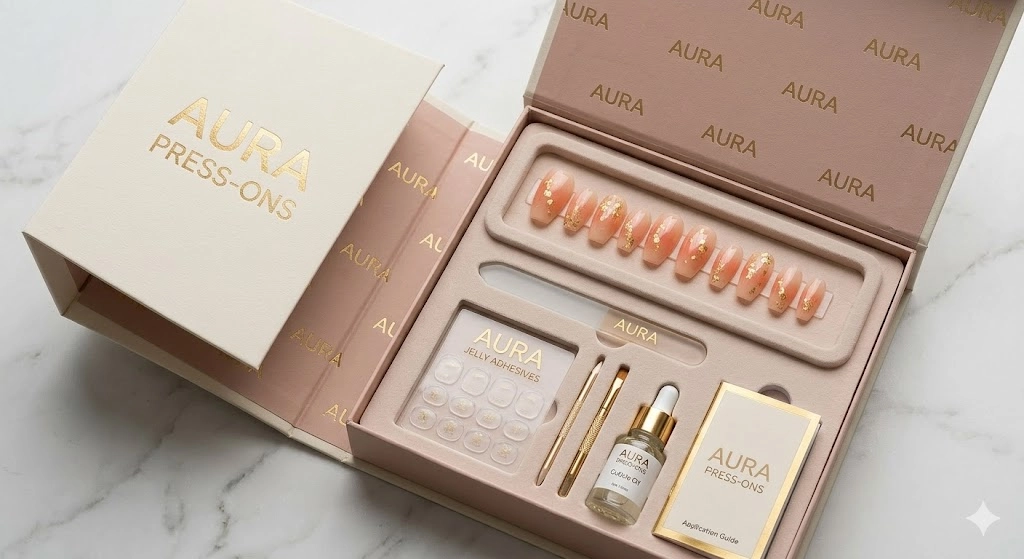
Why Partnering with Professional Press On Nails Manufacturers Boosts Your Brand Growth
About Price and payment
What payment methods do you accept?
We offer multiple payment options, including bank transfer, credit card payments, PayPal, and more, to ensure convenience for our clients.
About 3D Nails
What if the 3D press on nails don't fit well?
You can try filing or trimming them to get a better fit. Or choose a different size.
About chrome Nails
Will the chrome finish fade or chip?
High-quality chrome press-ons are designed to resist chipping and fading. However, avoid harsh chemicals and prolonged water exposure to maintain the metallic shine.
75% Alcohol Pad
Can alcohol pads damage my nails?
No, alcohol pads are safe to use on nails when used properly. They help remove oils and dirt but shouldn’t cause harm. However, avoid overuse, as excessive alcohol can dry out your nails and skin over time.
Factory Strength
What is your shortest delivery time?
Our shortest delivery time is 15-30 days, depending on order quantity and customization requirements.
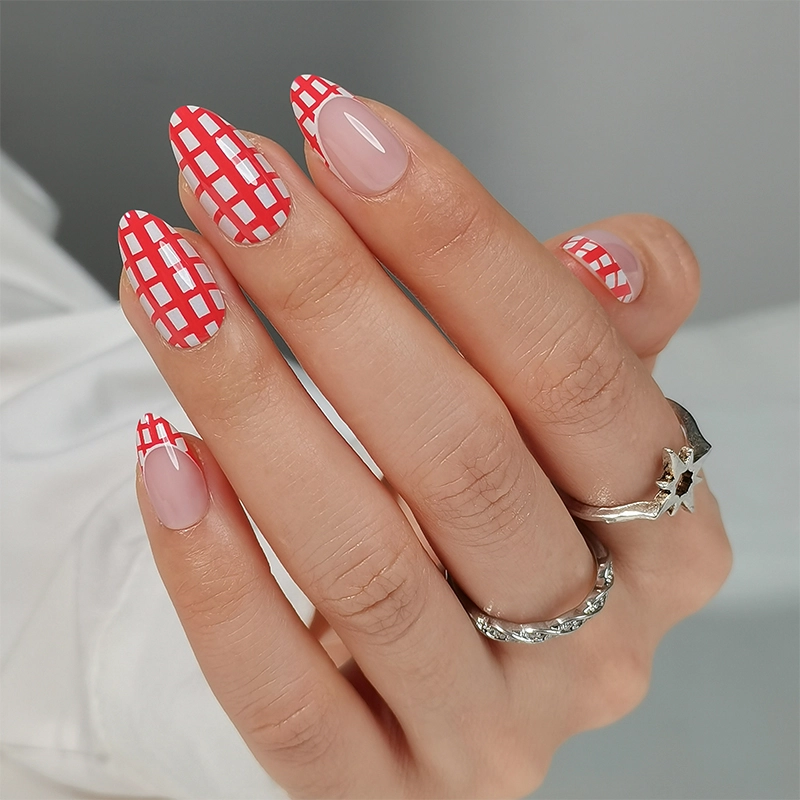
Wholesales Red French Nails Tips Checkered Soft Gel Nail Tips 32 Piece Set
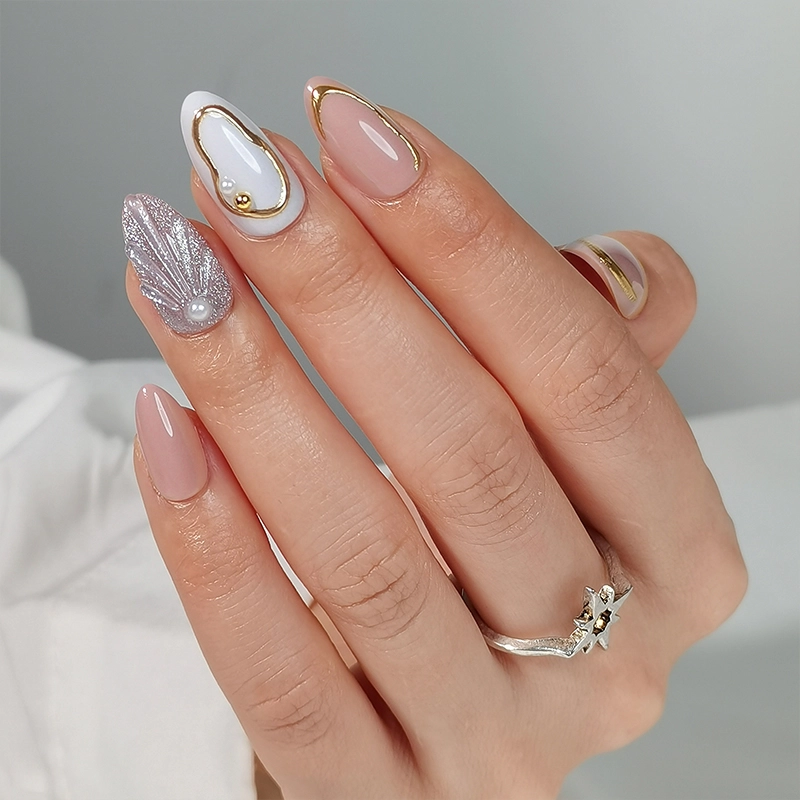
Wholesales Elegant Shell Inspired Soft Gel Wearable Nails for Seasonal Celebrations
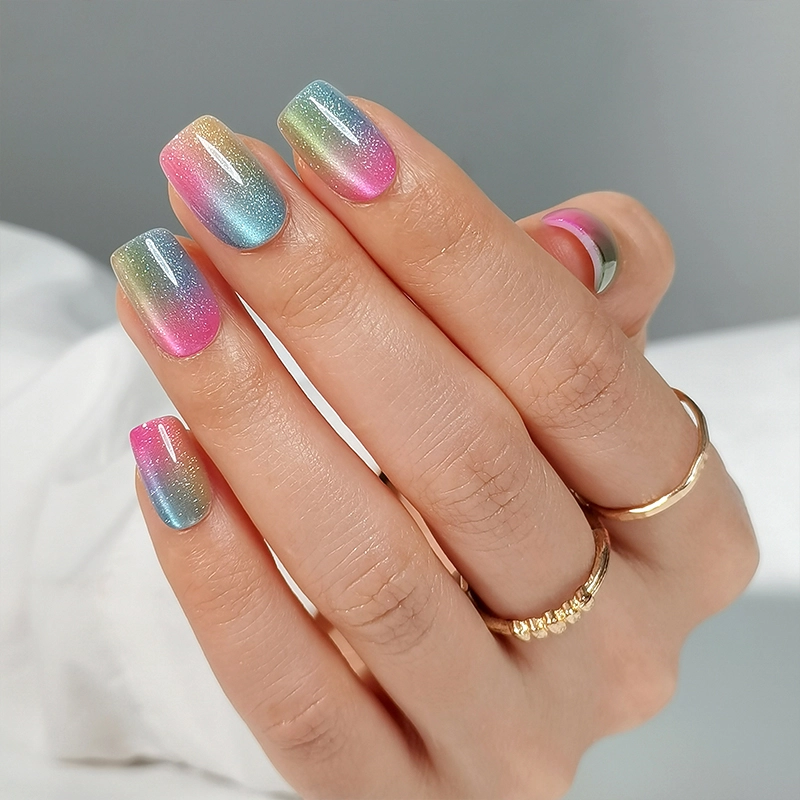
Custom Wholesale Gradient Cat Eye Soft Gel Wearable Fake Nails
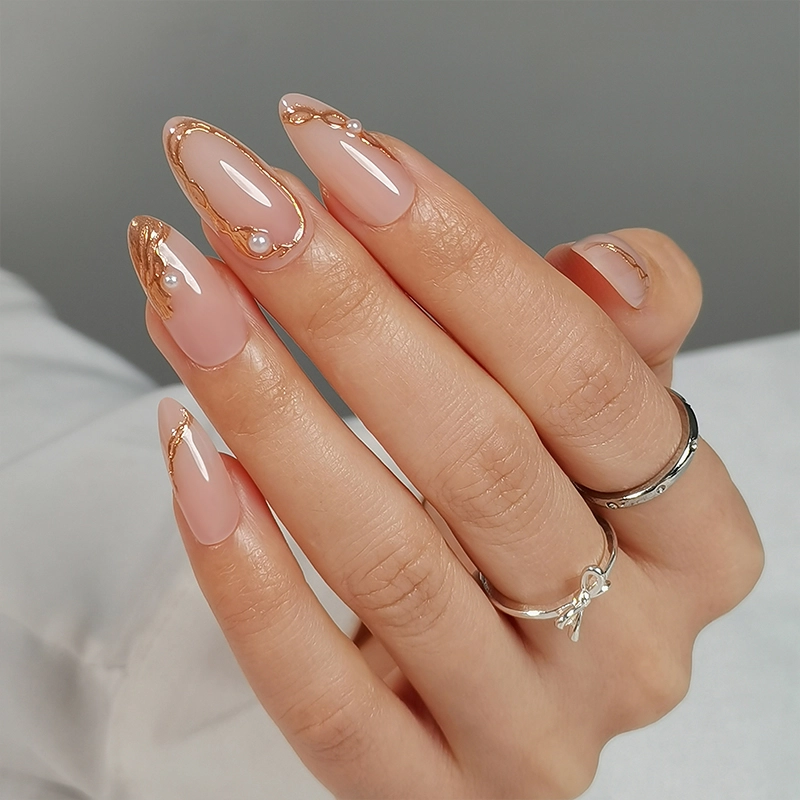
Wholesales Luxury Rhinestone Handmade Private Label Press On Nails Art Tips
Contact us
If you have press on nails products or customization needs, please feel free to contact from
below or via the contact information provided, we'll get back to you promptly within 24 hours.
By clicking 'Send Inquiry Now' I agree to XIANXING BEAUTY processing my personal data.
To see how to withdraw your consent, how to control your personal data and how we process it, please see our Privacy Policy and Terms of use.
Copyright © 2025 - XIANXING BEAUTY All Rights Reserved. Sitemap
Facebook
YouTube
Instagram
LinkedIn