
What You Need to Start a Press-On Nail Business in Germany: Complete Guide
- Introduction: Why this guide answers “what you need to start a press on nail business in Germany”
- Understand product classification and EU cosmetics rules (key regulatory keywords: cosmetics regulation, CPNP)
- Is a press-on nail an article or a cosmetic product?
- Key obligations if your press-on nails are cosmetics
- Chemicals and classification: REACH and CLP
- Set up your business entity and tax registration in Germany (keywords: Gewerbeanmeldung, VAT, Kleinunternehmer)
- Choose a legal form and register
- Tax registration, VAT and small-business rule
- Customs & EORI for imports
- Sourcing and manufacturing: choosing an OEM partner (keywords: OEM press on nails, MOQ, customization)
- What to look for in a manufacturer
- How Xianxing Beauty supports start-ups
- Product testing, quality control and labeling (keywords: INCI, PIF, safety assessment)
- Mandatory testing and documentation
- Labeling rules for Germany (keywords: German label, INCI list)
- Logistics, storage and returns (keywords: fulfillment Germany, warehousing, insurance)
- Fulfillment and warehousing options
- Insurance and product liability
- Costs and timeline to launch (keywords: startup costs press on nails, lead time)
- Typical costs (estimates)
- Typical timeline
- Sales channels and go-to-market strategies (keywords: Amazon.de, Etsy Germany, B2B salon supply)
- Where to sell
- Marketing and SEO for German customers
- Why choose a compliant supply chain and an experienced OEM (keywords: compliance, ROHS, REACH)
- Conclusion: practical checklist to launch in Germany
- Frequently Asked Questions
Introduction: Why this guide answers “what you need to start a press on nail business in Germany”
If you searched what you need to start a press on nail business in Germany, you likely want a practical, legally accurate checklist to go from idea to sales. This guide covers regulatory classification, company formation, import and customs, product safety and testing, labeling and language, logistics, costs, and marketing strategies specific to Germany and the EU. It also highlights how to work with an experienced OEM partner like Xianxing Beauty to speed up product development and scale efficiently.
Understand product classification and EU cosmetics rules (key regulatory keywords: cosmetics regulation, CPNP)
Is a press-on nail an article or a cosmetic product?
Classify your product first. Under EU rules, an article (e.g., a plastic accessory) that does not release substances into the body is different from a cosmetic product designed to change appearance by being applied to the body. Press-on nails are often marketed as cosmetic accessories; if your product releases substances (fragrances, oils, adhesives with cosmetic claims) or bears cosmetic claims, it is likely a cosmetic and must follow Regulation (EC) No 1223/2009.
Key obligations if your press-on nails are cosmetics
If treated as cosmetics, you must comply with Regulation (EC) No 1223/2009: maintain a Product Information File (PIF), appoint an EU Responsible Person, perform safety assessments, and notify the product via the EU Cosmetic Products Notification Portal (CPNP) before placing it on the market. Ingredients must be listed using INCI names, and the label must include batch/lot code, nominal content, use instructions, and the Responsible Person's name and address.
Chemicals and classification: REACH and CLP
Chemicals used in coatings, glues, or decorative finishes must comply with REACH (EC No 1907/2006) restrictions and CLP (EC No 1272/2008) classification and labeling for hazardous mixtures. Provide Safety Data Sheets (SDS/MSDS) for adhesives and any chemical products, and ensure restricted substances (e.g., certain phthalates, nitrosamines) are absent or below allowed limits.
Set up your business entity and tax registration in Germany (keywords: Gewerbeanmeldung, VAT, Kleinunternehmer)
Choose a legal form and register
Decide between sole trader (Einzelunternehmen), mini-GmbH (UG haftungsbeschränkt), or GmbH depending on liability and growth plans. Sole proprietorship is fastest and often chosen for small start-ups; UG/GmbH offer limited liability but require more paperwork and capital. Register your business (Gewerbeanmeldung) at the local Gewerbeamt to obtain your trade license.
Tax registration, VAT and small-business rule
After Gewerbeanmeldung the Finanzamt issues a tax number and you can apply for a VAT ID (Umsatzsteuer-Identifikationsnummer) for intra-EU trade. Germany's standard VAT rate is 19% (cosmetics usually taxed at standard rate). Consider the Kleinunternehmerregelung (small business rule) if your turnover was under €22,000 last year and expected under €50,000 this year—this allows VAT exemption but limits growth and B2B competitiveness.
Customs & EORI for imports
If importing press-on nails or adhesives from China, apply for an EORI number for customs. Decide on Incoterms with your supplier (DDP simplifies import as the seller handles duties; FOB shifts responsibilities). Use a freight forwarder to check TARIC/HS codes so you can estimate duties and VAT on import.
Sourcing and manufacturing: choosing an OEM partner (keywords: OEM press on nails, MOQ, customization)
What to look for in a manufacturer
Choose a partner with fast sample lead times, proven quality control, and certifications for EU/US markets. Evaluate production capacity, customization (shapes, sizes, materials, packaging), MOQ, lead times, and testing support. Request Material Safety Data Sheets and proof of compliance (REACH, RoHS if relevant).
How Xianxing Beauty supports start-ups
Xianxing Beauty (founded 2012) is a China-based press-on nail manufacturer with a 20,000 m2 factory producing up to 300,000 pieces daily. They launch 100+ new designs monthly and support small-scale customization (materials, sizes, designs, nail shapes, packaging). Xianxing offers nail samples within 3 days and order completion within 7–14 days—valuable for fast product iteration and tight launch schedules.
Product testing, quality control and labeling (keywords: INCI, PIF, safety assessment)
Mandatory testing and documentation
For cosmetics: conduct a safety assessment performed by a qualified safety assessor and include results in the PIF. Perform stability testing and, if applicable, preservative efficacy testing. For adhesives and coatings, check for skin irritation potential and provide SDS. Ensure traceability with batch numbers and manufacturing records.
Labeling rules for Germany (keywords: German label, INCI list)
Labels must be understandable to German consumers—include German translations for mandatory information. Use INCI names for ingredients where required, state nominal content, warnings for adhesives (if any), batch codes, expiry date or PAO (period after opening) if applicable, and the Responsible Person's EU address. Avoid unsubstantiated claims (e.g., medical-grade unless supported).
Logistics, storage and returns (keywords: fulfillment Germany, warehousing, insurance)
Fulfillment and warehousing options
Decide between in-house fulfilment, 3PL (DHL, DB Schenker, Hermes), or marketplace fulfillment (Amazon FBA EU). Factor in storage conditions (keep adhesives and coated products away from heat), returns handling, and fast shipping promises for German consumers.
Insurance and product liability
Obtain product liability insurance (Produkthaftpflichtversicherung) with appropriate coverage for consumer products sold in the EU. Insurance is often required by marketplaces and prudent for cross-border sales.
Costs and timeline to launch (keywords: startup costs press on nails, lead time)
Typical costs (estimates)
- Business registration & basic legal setup: €50–€1,000 depending on legal form and notary fees for GmbH/UG.- Safety assessment and PIF preparation: €300–€1,200 depending on product complexity.- Lab tests (stability, migration, preservative efficacy if needed): €300–€2,000+.- Initial inventory & customization: variable—working with an OEM like Xianxing allows low MOQ and fast samples; budgeting €500–€5,000 is common for initial stock depending on SKUs.- Packaging, design, trademarks: €200–€1,000+.- Logistics, customs, duties, VAT: depends on shipment value and Incoterm.- Insurance: €200–€1,000 annual depending on coverage.
Typical timeline
Sample design & approval: 3–10 days (Xianxing offers samples within 3 days). Safety assessment and documentation: 1–3 weeks. Initial production & shipping: 1–4 weeks depending on chosen production slot and freight method. Overall a soft-launch can be possible in 4–8 weeks with an experienced supplier and fast regulatory prep.
Sales channels and go-to-market strategies (keywords: Amazon.de, Etsy Germany, B2B salon supply)
Where to sell
Online marketplaces (Amazon.de, eBay, Etsy), your own Shopify/WooCommerce store, Instagram and TikTok shops, and local beauty salons or wholesalers are effective channels. For B2B, approach salon distributors and professional retailers. Consider bundles, refill sets, and subscription boxes to increase LTV.
Marketing and SEO for German customers
Optimize product pages for German keywords and local search intent. Use German-language product descriptions, include size charts, and localized customer service. Leverage influencers and micro-influencers in Germany and run targeted ads on Meta and TikTok for faster traction.
Why choose a compliant supply chain and an experienced OEM (keywords: compliance, ROHS, REACH)
Compliance reduces risk and speeds market entry. Working with an OEM like Xianxing Beauty that provides REACH/ROHS documentation, rapid samples, and small-batch customization minimizes delays and helps you scale. They provide MSDS and meet US/EU cosmetic standards—useful when you sell across borders.
Conclusion: practical checklist to launch in Germany
Final checklist:- Classify product (article vs cosmetic) and follow relevant rules.- Register business (Gewerbeanmeldung) and obtain tax/VAT numbers; evaluate Kleinunternehmer rule.- Appoint an EU Responsible Person and prepare the PIF if product is cosmetic.- Notify via CPNP for cosmetics before first sale.- Ensure REACH/CLP compliance for chemicals; collect SDS.- Label in German, include INCI where applicable, batch codes and instructions.- Arrange import (EORI), choose Incoterm, and verify customs/HS code.- Set up warehousing/fulfillment and product liability insurance.- Choose sales channels and create localized marketing.- Partner with an OEM like Xianxing for rapid samples, low MOQ, and documentation support.Following this path will help you launch a legally compliant, well-positioned press-on nail brand in Germany with minimal delays.
Frequently Asked Questions
Q: Do press-on nails need CPNP notification before selling in Germany?A: If your press-on nails are classified as cosmetic products (they contain or release substances or make cosmetic claims), you must notify the product in the EU Cosmetic Products Notification Portal (CPNP) before selling. If they are pure articles with no cosmetic claim, CPNP is not required. Determine classification with a regulatory expert.
Q: How long does a typical safety assessment and PIF take?A: A safety assessment by a qualified assessor typically takes 3–10 business days depending on documentation completeness. Preparing a full Product Information File (PIF) can take longer if testing is needed—plan for 1–3 weeks.
Q: What VAT rate applies to press-on nails in Germany?A: Most cosmetics and beauty accessories are taxed at Germany's standard VAT rate of 19%. If you qualify as a Kleinunternehmer (small business), you can opt out of charging VAT if turnover thresholds are met, but this has tradeoffs.
Q: Can I import press-on nails from China and sell them in Germany?A: Yes. Ensure your supplier provides REACH/ROHS documentation, SDS for adhesives, and product samples for testing. Apply for an EORI number, and decide Incoterms. Consider DDP shipping to simplify customs handling.
Q: What labeling language is required for the German market?A: Mandatory product information should be available in German so consumers can understand use instructions and safety warnings. Ingredient lists (INCI) are internationally standardized and are commonly present alongside German-language instructions.
Q: How much inventory should I start with?A: That depends on sales channel and budget. Many sellers start with a small test batch (hundreds of units across a few SKUs) to validate product-market fit. Working with Xianxing, you can often produce small orders quickly to minimize inventory risk.
Q: How much does product liability insurance cost?A: Costs vary by coverage and company size. For small beauty sellers, expect roughly €200–€1,000 annually. Get quotes based on projected turnover and product risk profile.
Q: How fast can Xianxing deliver samples and orders?A: Xianxing provides nail samples within 3 days and order completion within 7–14 days depending on customization—ideal for rapid launch cycles.
Q: Where should I check customs duties and HS codes?A: Use the EU TARIC database or consult a customs broker/freight forwarder to identify the correct HS code and estimate duties for your specific product composition.
Q: Do I need to register my trademark in Germany/EU?A: Trademark registration is recommended to protect Xianxing Beauty. You can register at the German Patent and Trademark Office (DPMA) or file a European Union trademark (EUTM) via EUIPO for broader protection.
Lead Times and Production Schedules for Bulk Nail Orders
Custom Nail Colors: Design Your Dream Nails with Xianxing Beauty
How to Sell Press On Nails in Houston: A Complete Guide for Success
Orange Acrylic Nails: Trendy Designs - Xianxing Beauty
About French Nails Tips
How do I apply press-on nails?
* Clean and dry your natural nails.
* Gently push back cuticles and file nails for a smooth surface.
* Select the right size for each nail.
* Peel off the adhesive backing (if pre-applied) or apply nail glue.
* Press firmly onto your nail for 15–20 seconds.
About chrome Nails
How do I remove chrome press-on nails?
Soak your nails in warm soapy water or acetone for 10–15 minutes.
Gently lift the edges with a cuticle stick.
Avoid pulling or forcing them off to prevent damage.
Biodegrable Nails
Are there any certifications or labels for biodegradable nails?
Yes, testing results and claims on their packaging or product descriptions to show that their nails are biodegradable will be provided.
Dead Skin Remover
Are dead skin forks suitable for all skin types?
Dead skin forks can be used on most skin types, but if you have sensitive skin, active acne, or skin conditions like eczema or rosacea, it’s better to consult with a dermatologist before use.
Crystal spike
How long do Crystal Point Sticks and Wooden Sticks last?
Crystal Point Stick: With proper care, a crystal stick can last for many years. The tip will likely remain sharp and effective unless it’s dropped or damaged.
Wooden Stick: Wooden sticks typically last for a good amount of time but can wear down more quickly due to splintering, especially if used frequently.
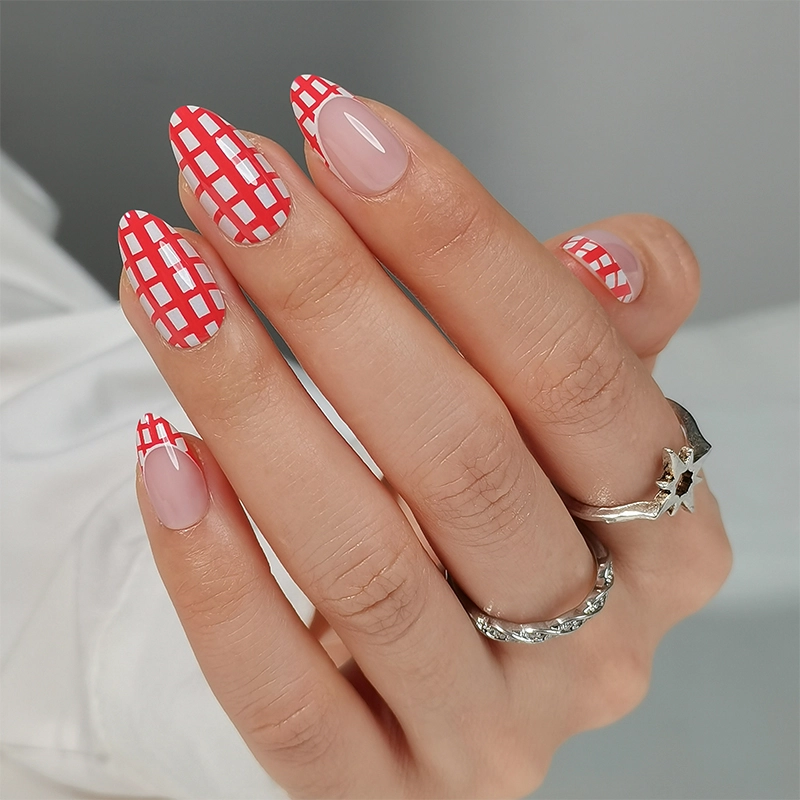
Wholesales Red French Nails Tips Checkered Soft Gel Nail Tips 32 Piece Set
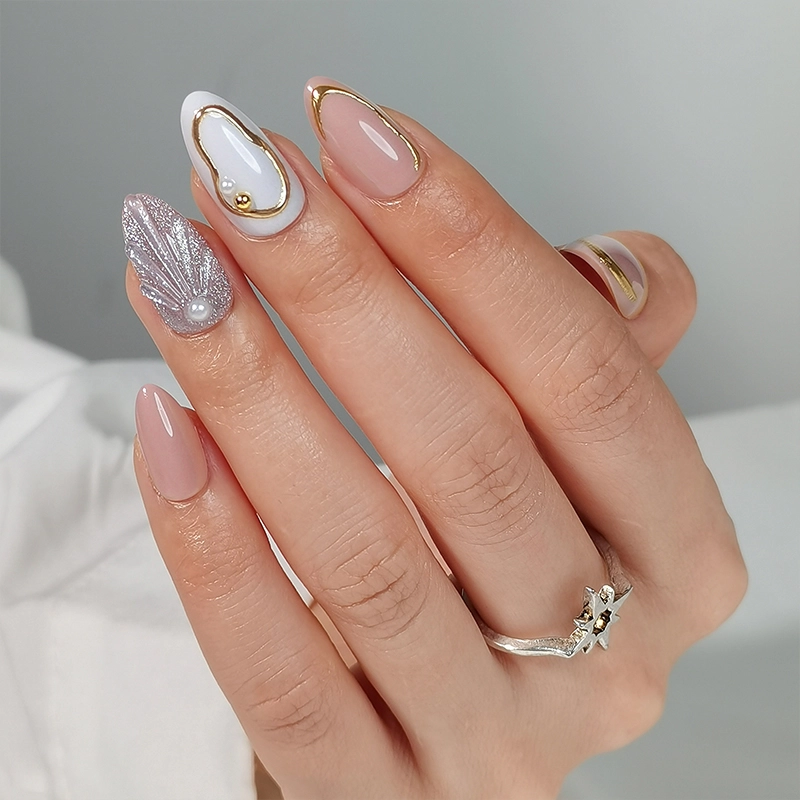
Wholesales Elegant Shell Inspired Soft Gel Wearable Nails for Seasonal Celebrations
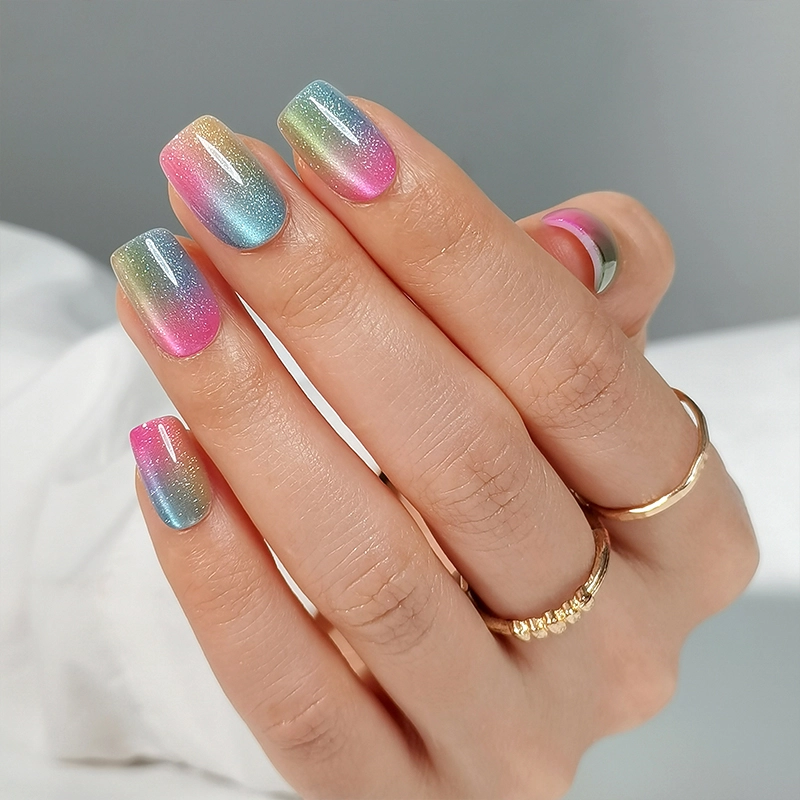
Custom Wholesale Gradient Cat Eye Soft Gel Wearable Fake Nails
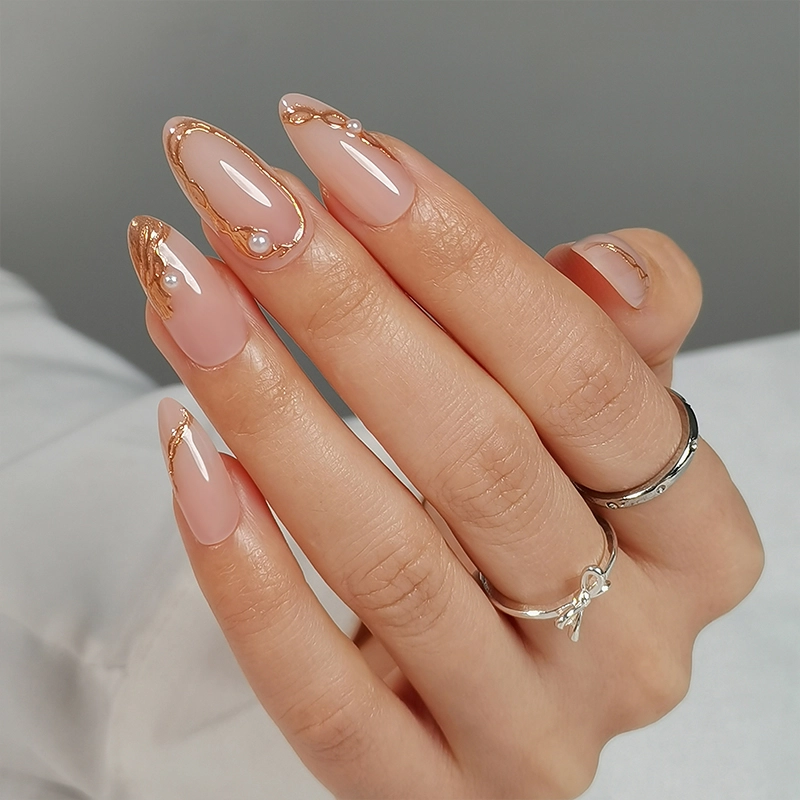
Wholesales Luxury Rhinestone Handmade Private Label Press On Nails Art Tips
Copyright © 2025 - XIANXING BEAUTY All Rights Reserved. Sitemap
Facebook
YouTube
Instagram
LinkedIn