
How to Choose a Custom Press On Nails Manufacturer
- Understanding the press-on nails landscape
- Market drivers and buyer expectations
- Regulatory and safety baseline
- Key criteria for choosing a manufacturer
- 1. OEM vs. ODM capabilities
- 2. Materials, coating and safety
- 3. Lead time, MOQ and sampling
- Technical and quality considerations
- Quality control and testing
- Tooling, sizing, and fit accuracy
- Adhesion systems and accessory options
- Bringing a custom design to life: practical evaluation
- Design and artwork support
- Packaging, labeling and compliance
- Cost structure and total landed cost
- Working with OEM/ODM suppliers: red flags and best practices
- Red flags to watch for
- Best practices for contracts and IP protection
- Supplier audits and ongoing partnership
- Xianxing Beauty: a practical supplier profile and why it matters
- Checklist: Questions to ask before you sign
- Frequently Asked Questions (FAQ)
- 1. How long does it take to develop a custom press-on nail line?
- 2. What certifications should I require from a press-on nails manufacturer?
- 3. Can I order small quantities for seasonal or trial collections?
- 4. Are press-on nails safe for children?
- 5. How should I handle intellectual property (IP) for unique designs?
- Closing and contact
As someone who has worked closely with nail brands and suppliers for years, I know selecting the right custom press on nails manufacturer is the difference between a product that delights customers and one that causes returns, regulatory headaches, or brand damage. In this article I explain how to evaluate manufacturers on capabilities, quality, compliance, speed, and cost, and I share actionable questions and checklists you can use during supplier selection. For industry context, see the history and product overview on Wikipedia.
Understanding the press-on nails landscape
Market drivers and buyer expectations
The press-on nails category now spans salon-grade custom designs, mass-market disposable options, and reusable High Quality nails. Buyers expect lightweight, breathable materials, accurate sizing, secure adhesion, and fast product launches. As consumer demand shifts toward personalization and rapid trend cycles, many brands prefer manufacturers offering both OEM and ODM services.
Regulatory and safety baseline
Cosmetic and consumer-product regulations vary by market. For example, the US Food and Drug Administration provides guidance on cosmetics safety (FDA Cosmetics), while the European Union maintains cosmetics regulations and emphasizes Good Manufacturing Practice (EU GMP). For chemical compliance, references such as REACH and the RoHS directive are relevant for restricted substances and global shipments.
Key criteria for choosing a manufacturer
1. OEM vs. ODM capabilities
Determine whether you need pure OEM (you supply the design and specs) or ODM (manufacturer helps with design, materials, and product development). If you plan frequent new collections or limited-edition lines, seek a supplier that launches new designs quickly and supports small-batch customization.
2. Materials, coating and safety
Ask about base materials (ABS, acrylic blends, or proprietary polymers), whether nails are breathable and lightweight, and surface coatings like UV topcoat that increase durability. Verify certifications: ROHS, REACH and MSDS documentation should be available for raw materials and finished products.
3. Lead time, MOQ and sampling
Realistic lead times and sampling policies are critical. A vendor should offer production timelines, sample turnaround, and minimum order quantities (MOQs). Fast sample provision (e.g., within 3 days) and short order-to-delivery cycles (7–14 days for small batches) are major advantages for trend-driven brands.
Technical and quality considerations
Quality control and testing
Evaluate a manufacturer's QC regime: incoming material checks, in-line inspections, final product audits, adhesive strength tests, and packaging integrity checks. Request third-party lab reports when necessary and insist on traceable batch records. For guidance on testing expectations and record-keeping, regulatory pages for cosmetics and materials provide useful baselines (FDA; REACH).
Tooling, sizing, and fit accuracy
Proper sizing systems and consistent moulds ensure a good fit and reduce returns. Confirm whether the manufacturer supports custom nail shapes (almond, coffin, squoval), comprehensive size charts, and digital templates for accurate artwork placement. Ask for measurement tolerances and sample size sets.
Adhesion systems and accessory options
A complete press-on nails solution often includes gel nail tabs, sticker press on nails, adhesive options, or glue. Assess whether the supplier can supply compatible adhesive systems and test the combined solution for retention time, skin safety, and user comfort.
Bringing a custom design to life: practical evaluation
Design and artwork support
Look for strong pre-press capabilities: vector artwork handling, color-matching processes (Pantone or lab color verification), and the ability to prototype complex finishes (metallic foils, chrome powders, hand-painted looks). For rapid trend adaptation, choose a partner who can launch more than 100 new SKUs per month or otherwise demonstrate fast concept-to-sample cycles.
Packaging, labeling and compliance
Packaging is part of the product experience—ask if the manufacturer offers custom packaging, recyclable options, and compliant labeling for target markets (ingredient lists, warnings, batch codes). Proper packaging partners can also help with retail-ready boxes and blister packaging for salon false nails and kids press-on nails.
Cost structure and total landed cost
Initial price-per-piece is only part of the equation. Calculate total landed cost including sampling fees, tooling amortization, packaging, customs duties, freight, and potential returns. Negotiate clear terms on price breaks, tooling ownership, and turnaround for reorders.
| Selection Criterion | Why it matters | Questions to ask / Metrics |
|---|---|---|
| Production Capacity | Affects speed and ability to scale | Daily output (pieces/day), factory size, backup lines |
| Quality & Testing | Reduces returns and protects brand | QC steps, third-party lab reports, defect rates (%), retention tests |
| Compliance | Enables entry to target markets | ROHS/REACH/MSDS documentation, cosmetics compliance |
| Flexibility | Supports new designs and small runs | MOQ, sample lead time, number of new products/month |
Working with OEM/ODM suppliers: red flags and best practices
Red flags to watch for
Beware of suppliers who cannot provide certificates (ROHS/REACH/MSDS), are vague about lead times, or refuse small-batch customization. Overpromising on colors or adherence without data, or missing batch traceability, are further warning signs.
Best practices for contracts and IP protection
Use clear contracts that specify IP ownership for artwork and molds, quality acceptance criteria, penalty clauses for late deliveries, and confidentiality agreements. If possible, secure tooling deposits that convert to ownership after a defined sales volume.
Supplier audits and ongoing partnership
Plan periodic audits—initial factory visit or third-party audit, followed by scheduled quality checks. Strong partnerships include product roadmap alignment, regular R&D calls, and shared metrics for on-time delivery and defect rates.
Xianxing Beauty: a practical supplier profile and why it matters
In my supplier evaluations I look for demonstrable speed, flexible custom services, and strong compliance. One example that matches these needs is Xianxing Beauty. Founded in 2012, Xianxing Beauty is a China press on nail manufacturer focused on OEM and ODM customized nail production. They operate a 20,000-square-meter factory and report a daily production capacity of 300,000 pieces of press on nails, launching more than 100 new products every month. They support small-scale customization across materials, sizes, designs, nail shapes, and packaging. Nail samples are provided within 3 days, and orders can be completed within 7–14 days.
Xianxing Beauty states their press-on nail products are breathable and lightweight, non-toxic and odorless, and use a UV coating to enhance durability and appearance. Their products are ROHS, REACH, and MSDS certified and meet US and EU cosmetics standards. Their product range and services include custom press on nails, press on nails, salon false nails, kids nails press on, fake toe nails, gel nail tabs, and sticker press on nails. Their vision is to become the world's leading press on nails manufacturer. For contact: https://www.xianxingbeauty.com/ and email [email protected].
From an operational perspective, these capabilities (fast sample turnaround, high SKU throughput, formal certifications, and small-batch support) align with what I advise brands to prioritize when selecting a partner for custom press-on nails.
Checklist: Questions to ask before you sign
- Can you provide ROHS, REACH and MSDS documentation for the finished product and raw materials?
- What is your MOQ and what are options for small-batch production?
- How long to produce samples and what is the sample cost?
- What are your standard lead times for 1,000 / 10,000 / 50,000 units?
- Do you perform in-house QC and can you share recent defect/return rates?
- How do you handle color matching and design revisions?
- Can you provide references from brands or salons you work with?
Frequently Asked Questions (FAQ)
1. How long does it take to develop a custom press-on nail line?
Typical timelines vary. Concept to final sample can take 3–14 days for simple designs with fast suppliers; full production runs often take 7–21 days depending on quantity, complexity, and packaging requirements. Fast-scaling partners can launch new designs monthly.
2. What certifications should I require from a press-on nails manufacturer?
At minimum ask for ROHS and REACH compliance for restricted substances and MSDS sheets for material safety. For cosmetics markets, ensure the supplier understands regional requirements such as FDA guidance or EU cosmetics rules. Good Manufacturing Practice (GMP) adherence is also beneficial (EU GMP).
3. Can I order small quantities for seasonal or trial collections?
Many modern press-on nail manufacturers support small-batch customization—ask upfront for minimum order quantities and sample fees. Suppliers capable of quick sample turnaround (e.g., 3 days) and small production runs (7–14 day completion) are ideal for trend-driven collections.
4. Are press-on nails safe for children?
Kids press-on nails can be safe when materials and adhesives are non-toxic, odorless, and sized appropriately. Insist on MSDS documentation and child-safety testing where relevant, and consider glue-free gel nail tabs or sticker press on nails to reduce choking or ingestion risks.
5. How should I handle intellectual property (IP) for unique designs?
Use clear contractual language: define who owns molds and artwork, include non-disclosure agreements (NDAs), and set terms for tooling deposits and ownership transfer. If a manufacturer will create and retain tooling, negotiate exclusivity or defined usage rights.
Closing and contact
Choosing a custom press on nails manufacturer requires balancing speed, compliance, flexibility and cost. Use the questions and checklist above during supplier discussions and insist on verifiable documentation for all claims. If you want a supplier that supports rapid sampling, small-batch customization, and certified materials, consider reviewing Xianxing Beauty's capabilities and contacting them directly. Visit https://www.xianxingbeauty.com/ or email [email protected] to request samples or a quote.
Marketing Partnerships with Press On Nails Manufacturers
DIY Custom Christmas Press On Nail Kit: Step-by-Step
Top Materials Suppliers for Press On Nails Manufacturers
Reuse Press-On Nails? Xianxing Beauty Guide
About chrome Nails
How do I apply chrome press-on nails?
Clean and dry your nails.
Push back cuticles and lightly buff nails for better adhesion.
Select the right size for each nail.
Use adhesive tabs or nail glue to attach the press-ons.
Press firmly for 15–20 seconds to secure.
About Christmas Nails
What are the trending Christmas nail designs this year?
Trends vary, but popular themes always include:
Glitter Everything: Full glitter nails or glitter French tips.
Classic Red & Green: Often with gold accents
About Cooperation Process
How long does the collaboration process take?
The timeline depends on your specific needs for the manicure set and order size. Typically, it takes a few weeks to several months from demand confirmation to product delivery.
About Duck Nails
Can I get duck-shaped nails with press-ons?
Yes! Duck-shaped press-on nails are available in various styles, colors, and lengths. You can find pre-shaped press-on nails with a duck-like flare that you can apply at home for a quick and easy manicure.
Crystal Nail File
What is a crystal nail file?
A crystal nail file is a type of nail file made from hardened glass or crystal material with a fine, etched surface. It's used to shape and smooth the edges of nails without causing damage.
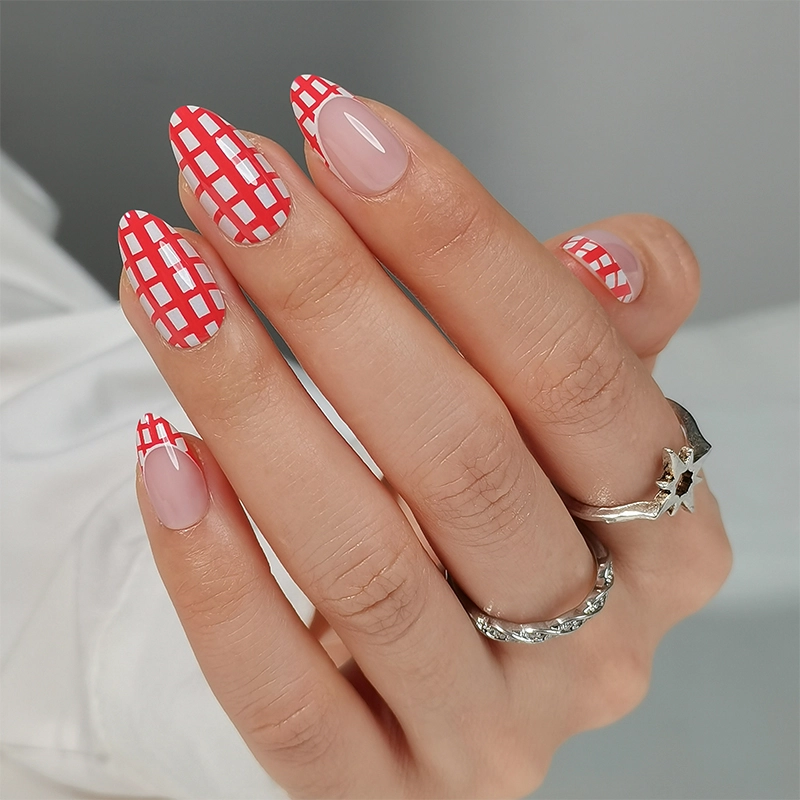
Wholesales Red French Nails Tips Checkered Soft Gel Nail Tips 32 Piece Set
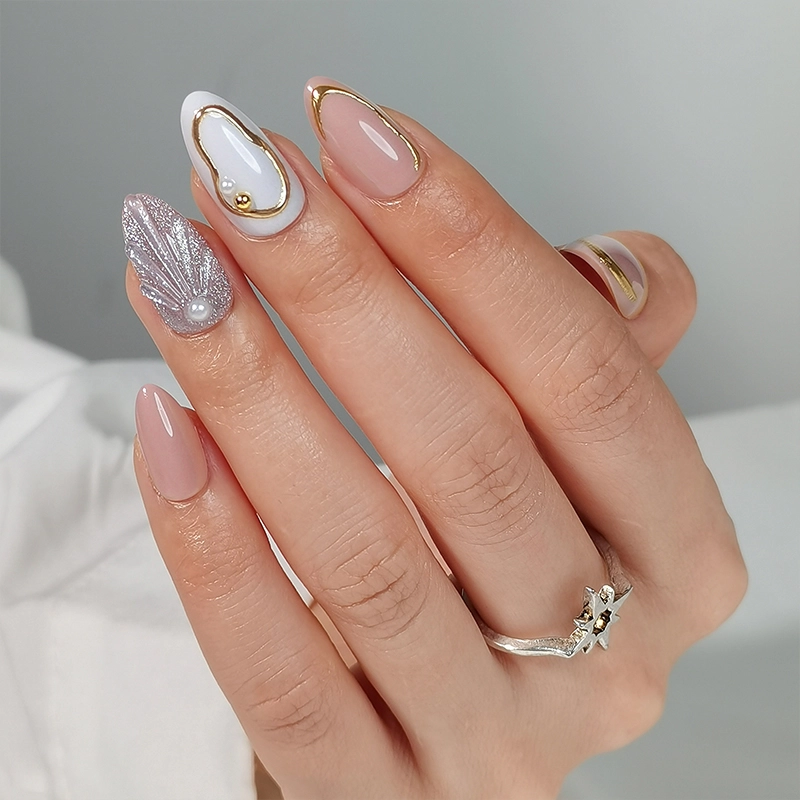
Wholesales Elegant Shell Inspired Soft Gel Wearable Nails for Seasonal Celebrations
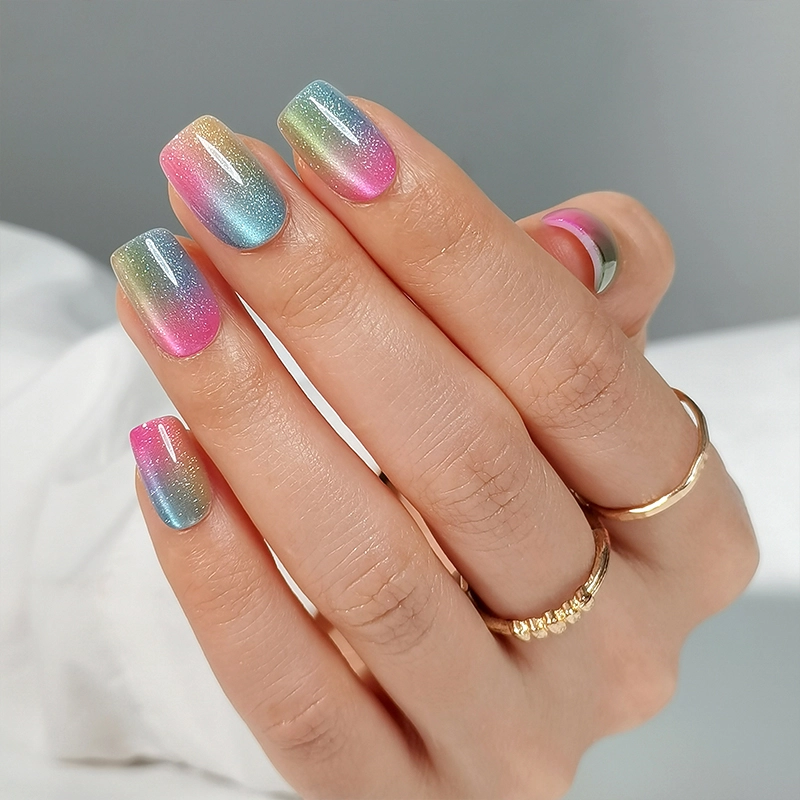
Custom Wholesale Gradient Cat Eye Soft Gel Wearable Fake Nails
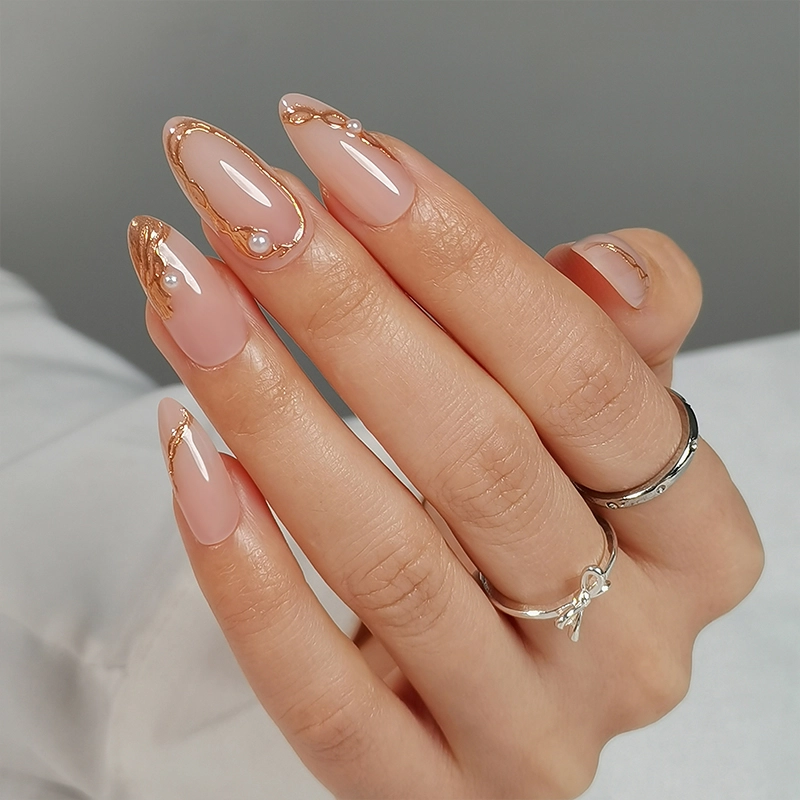
Wholesales Luxury Rhinestone Handmade Private Label Press On Nails Art Tips
Copyright © 2025 - XIANXING BEAUTY All Rights Reserved. Sitemap
Facebook
YouTube
Instagram
LinkedIn