
How to vet factories for the best press on nails quality control?
- 1) How do I verify a factory's raw-material certificates to ensure press-on nails won’t contain banned monomers (e.g., MMA) or hazardous heavy metals?
- 2) What mechanical and durability tests should I require for press-on nail durability, and how should I interpret results?
- 3) When I can’t visit the factory, how do I perform a reliable remote audit for press-on nail production and QC?
- 4) What AQL, inspection checkpoints, and packaging controls should I demand for press-on nail mass production?
- 5) How can I objectively assess color match and size consistency from sample runs to scaled production for custom press on nails?
- 6) What contract clauses and supplier guarantees reduce recall, counterfeit risk, and protect my IP when manufacturing press-on nails?
- Concluding summary: Advantages of rigorous factory vetting for press on nails
Best Press On Nails: 6 Advanced Factory-Vetting Questions for Quality Control
Buying or private-labeling press-on nail kits, custom press on nails, or adhesive tabs? Below are six specific, often-overlooked buyer questions (and detailed answers) to vet factories for high-quality, durable press-on nails, with practical steps, test references, and contractual language you can use to reduce risk.
1) How do I verify a factory's raw-material certificates to ensure press-on nails won’t contain banned monomers (e.g., MMA) or hazardous heavy metals?
What to ask for:
- Certificate of Analysis (COA) for each raw material (ABS pellets, colored gel, UV gel coating, adhesives, adhesive tabs).
- Material Safety Data Sheets (MSDS)/SDS for all chemical inputs, plus supplier declarations of conformity for regulated markets (EU, US, UK).
- Third-party lab reports testing for restricted substances (heavy metals, phthalates, residual monomers such as methyl methacrylate (MMA) or other banned acrylates where applicable).
How to validate documents:
- Check issuance dates and batch/lot numbers on the COA and confirm they match the factory’s material lot used for your production run.
- Ask for the testing laboratory name and report number. Confirm authenticity by contacting the lab (SGS, TUV, Intertek and similar labs publish report verification methods).
- Require supplier statements that raw materials comply with relevant regulations: EU Cosmetics Regulation (EC) No 1223/2009 for cosmetic-adjacent components; REACH restrictions for chemicals in the EU; and local rules (e.g., restrictions on MMA in many professional nail markets). Don’t accept blanket “compliant” statements without COAs and lab verification.
Red flags:
- COAs without lab accreditation or missing batch numbers.
- Vague material descriptions (resin or plastic without polymer type) — ask specifically for ABS, PMMA, epoxy, or the exact gel chemistry.
- Refusal to disclose third-party lab names or to provide recent (same-batch) test results.
How this ties to product claims: If you plan to sell in the EU or promote hypoallergenic press on nails, ensure lab reports support those claims. Preserve COAs and MSDS in your Technical File.
2) What mechanical and durability tests should I require for press-on nail durability, and how should I interpret results?
Essential tests to request (and why):
- Peel/adhesion test (e.g., ASTM D3330 or equivalent) — measures bond strength between adhesive (or adhesive tab) and nail or between nail and natural nail simulant. Interpreting results: a higher peel force indicates stronger bonding, but extremely high values may risk natural nail damage on removal. Use both lab data and wearer trials to find the optimal adhesion range for your product and customer base.
- Flexural/bending test (ISO 178 or ASTM flex tests for plastics) — evaluates how the press-on nail bends before cracking; important for long, shaped tips and gel overlays.
- Impact/resilience test (drop or pendulum for small parts) — checks resistance to chipping or cracking from minor knocks.
- UV and heat aging (accelerated aging/weathering tests) — ensures colorfastness, yellowing resistance, and adhesive stability after simulated sun/exposure.
- Wear simulation (mechanical abrasion and water/chemicals exposure) plus a 7–14 day consumer-wear panel — lab numbers are essential, but real-wear panels reveal adhesion compromises from hand washing, lotions, or household chemicals.
How to set pass/fail criteria:
- Ask the factory to run standard tests and provide raw data and test methods. Require the lab to specify which standard was used (ASTM/ISO) and provide equipment calibration records.
- If you don’t have internal benchmarks, request the factory’s historical data for similar SKUs and insist on a wear panel with photographic logs over 7–14 days to validate lab findings.
- Combine quantitative lab metrics with qualitative wearer feedback (fit comfort, removal ease, retention time). A product that never comes off in tests but damages nails during removal is not acceptable.
3) When I can’t visit the factory, how do I perform a reliable remote audit for press-on nail production and QC?
Remote audit checklist:
- Document package: quality manual (ISO 9001 if available), process flowchart, incoming QC procedures, AQL sampling plan (ISO 2859-1/ANSI Z1.4), master sample photos, internal batch traceability system, and staff training records for cosmetic/consumer safety.
- Live video walkthrough: schedule a video call showing production lines (molding/pressing, sanding, painting/printing, curing stations), incoming raw material storage, QC bench with test equipment, and packaging/sterilization area. Ask to see machine serial numbers and calibration stickers.
- Third-party inspection: hire a reputable inspection company (SGS, Bureau Veritas, AsiaInspection/QA companies) for pre-shipment inspection and in-process checks. They can perform AQL inspections and document sampling results with photos.
- Sample chain-of-custody: request witnessed sampling where the inspector photographs sealed sample bags and records lot numbers and COAs.
Red flags in remote audits:
- Refusal to show raw material storage (risk of cross-contamination), or test benches that lack calibrated equipment.
- Inconsistent documentation (e.g., QC logbooks missing entries or digital records that don’t match physical labels).
4) What AQL, inspection checkpoints, and packaging controls should I demand for press-on nail mass production?
Sampling & inspection:
- Adopt an AQL plan per ISO 2859-1 (ANSI/ASQ Z1.4). For consumer cosmetics-type products, many brands use AQL 2.5 for major defects and AQL 4.0 for minor defects, but choose stricter AQLs for High Quality lines.
- Define defect classes precisely in your inspection checklist: major (wrong size, missing adhesive, cracked nail), minor (minor cosmetic paint flaw), critical (contamination, presence of banned chemical detected by lab tests).
Production checkpoints:
- Incoming raw material check (COA match, visual check).
- First Article Inspection (FAI) on first production run with full dimensional checks against your nail sizing chart and master sample retention.
- In-process checks at critical stages: molding, sanding/finishing, color/print QC, coating/UV cure, labelling and adhesive applying.
- Pre-shipment inspection including functional checks (adhesive tab placement and bond test), packaging integrity, and verification of barcodes and lot codes.
Packaging and shelf-life controls:
- Require sealed inner packaging (PE bags or blister) with desiccant or oxygen-scavenger where needed, and outer boxes that protect from UV/heat during shipping.
- Batch/lot numbers, manufacture date, recommended shelf-life, storage temperature, and clear adhesive application and allergy instructions must appear on packaging or leaflet—this supports traceability in a recall.
5) How can I objectively assess color match and size consistency from sample runs to scaled production for custom press on nails?
Technical steps for color and size control:
- Color control: insist on instrument-based color measurement (spectrophotometer) and request Delta E values versus the master standard for each batch. Ask the factory what Delta E threshold they target (e.g., <2 is commonly used in apparel/cosmetics for good visual match; confirm with Xianxing Beauty tolerance).
- Size/fit control: use calibrated size templates and digital calipers. The factory should record dimensions for each size (width, curvature, length) against your nail sizing chart and provide SPC (statistical process control) charts showing variation.
- Master sample retention: require the factory to retain a signed master sample for each SKU and production method. All runs must be compared against the master and logged.
Practical QA tips:
- Require digital photos of full-size sets under a standardized lightbox and reference color strip to visually inspect shading differences.
- For glossy/iridescent finishes and printed art, request pre-production print proofs and run controls to catch registration or layering issues before bulk runs.
6) What contract clauses and supplier guarantees reduce recall, counterfeit risk, and protect my IP when manufacturing press-on nails?
Key contractual protections to include:
- Quality acceptance criteria: attach detailed QC checklists, AQL levels, and FAI requirements as contract annexes. Define remediation steps for failed lots and timelines for rework/replacement.
- Third-party testing clauses: require independent lab testing at supplier expense for critical safety tests (heavy metals, banned monomers) and a right to cancel on failed results.
- IP and confidentiality: non-disclosure agreement (NDA) and explicit IP assignment for molds, artwork, and formulas. Specify penalties for unauthorized production or supply to third parties.
- Recall & liability: define recall obligations, cost-sharing, and indemnification for product safety incidents. Insist on supplier product liability insurance minimums and proof of coverage.
- Audit & termination rights: include unannounced audit rights and the right to stop production or terminate for repeated non-conformances or sub-supplier issues.
Practical enforcement:
- Use escrow/controlled release for tooling: keep master molds or plates in a neutral escrow or with clear ownership to prevent unauthorized use.
- Include sample retention and destructive testing clauses so you can validate suspect lots later.
- Set performance-based milestones tied to payment (e.g., 70% on delivery of certified batch, 30% after passed acceptance testing).
Concluding summary: Advantages of rigorous factory vetting for press on nails
Vet factories thoroughly and you gain consistent product quality, lower recall risk, compliant materials (no banned monomers or hazardous substances), repeatable color and fit, and stronger IP protection. Using documented COAs, third-party ASTM/ISO testing, AQL sampling, remote audit tools, and robust contractual clauses reduces surprises, improves consumer trust, and accelerates time-to-market for custom press on nails and press-on nail kits.
If you need templates for COA checklists, AQL inspection plans, or contract clauses tailored to press-on nails, contact us for a quote at www.xianxingbeauty.com or email [email protected].
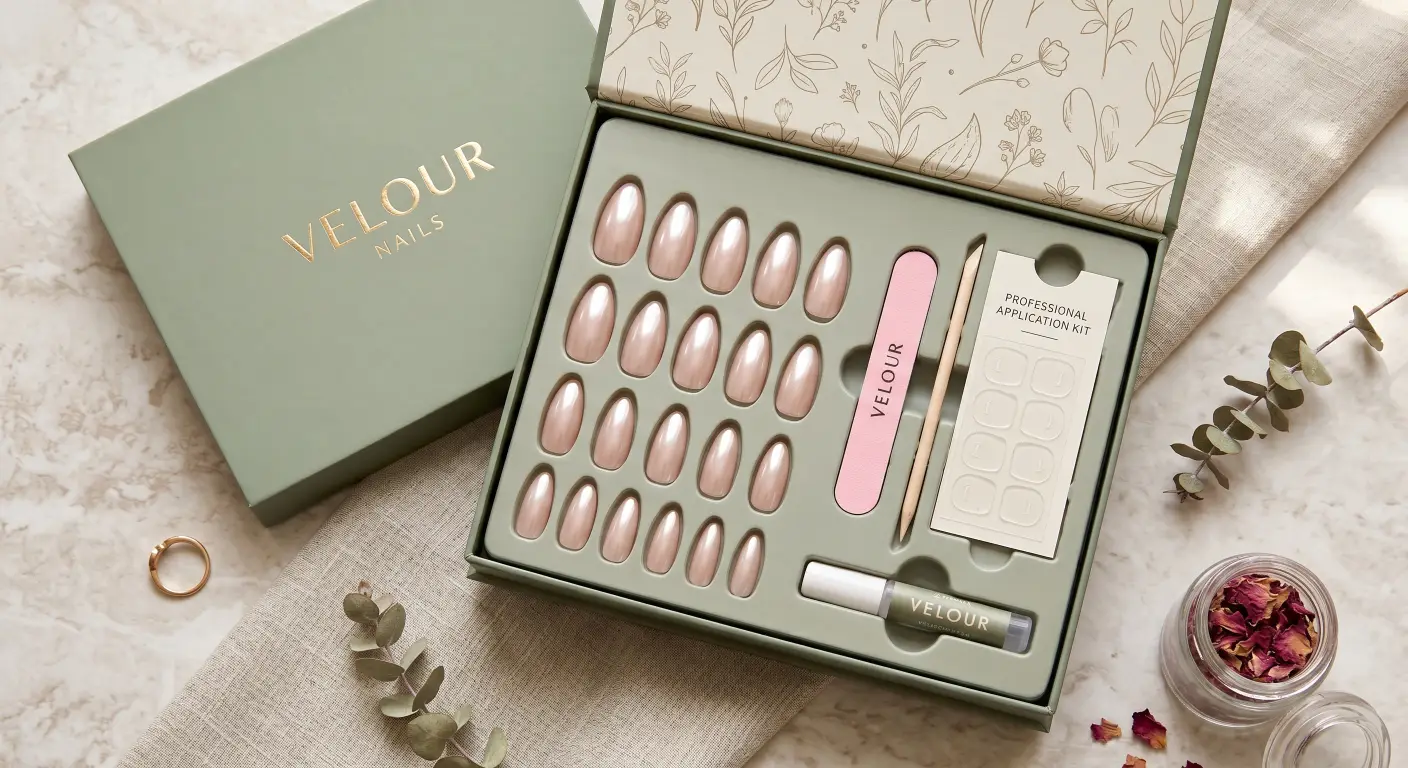
How a Reliable Wholesale Press On Nails Manufacturer Can Scale Your Beauty Brand
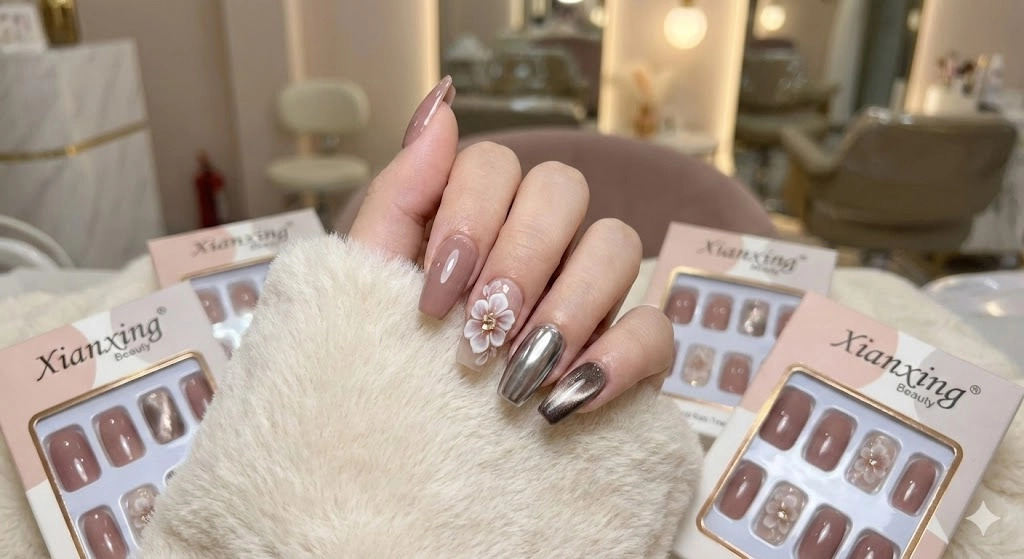
7 Red Flags to Avoid When Selecting a Wholesale Press On Nails Manufacturer
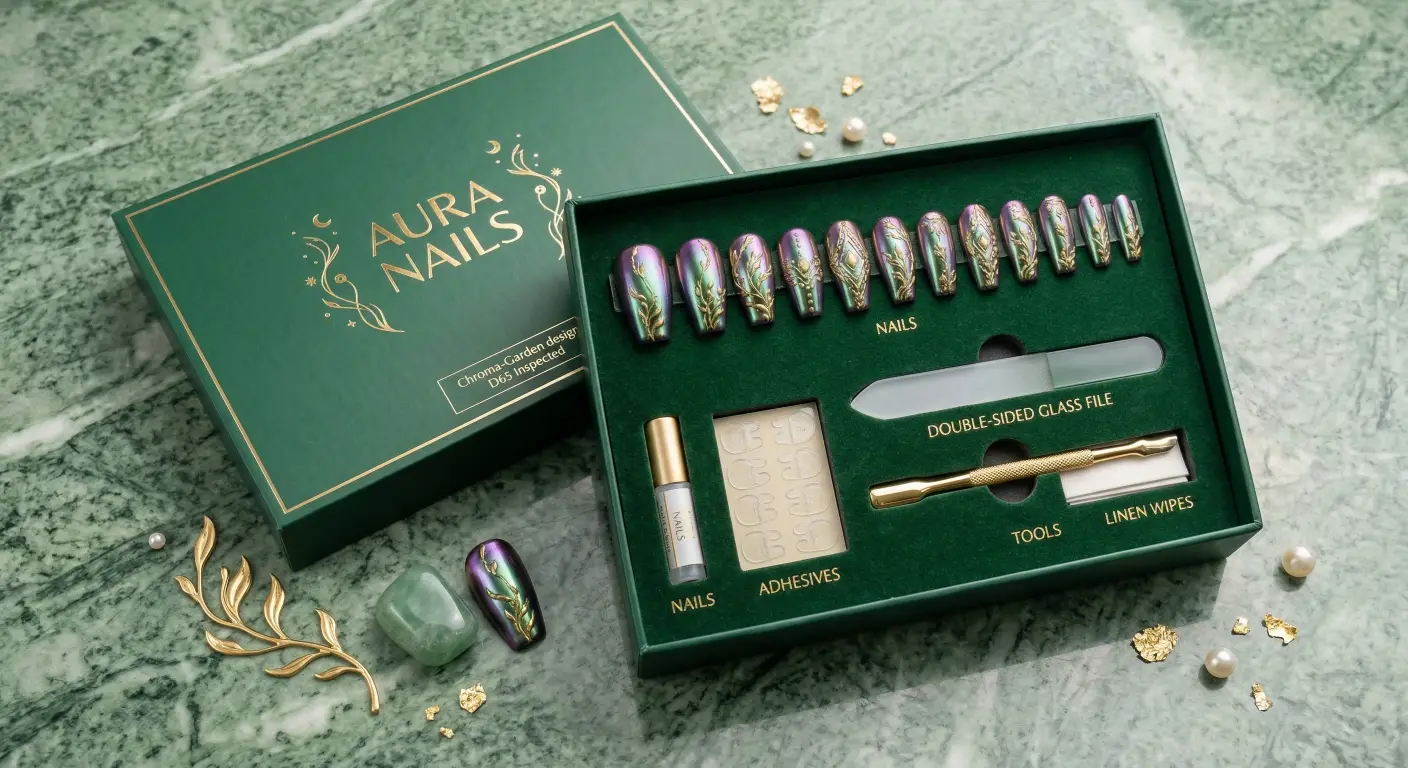
Quality Control: What to Expect from a Top-Tier Wholesale Press On Nails Manufacturer
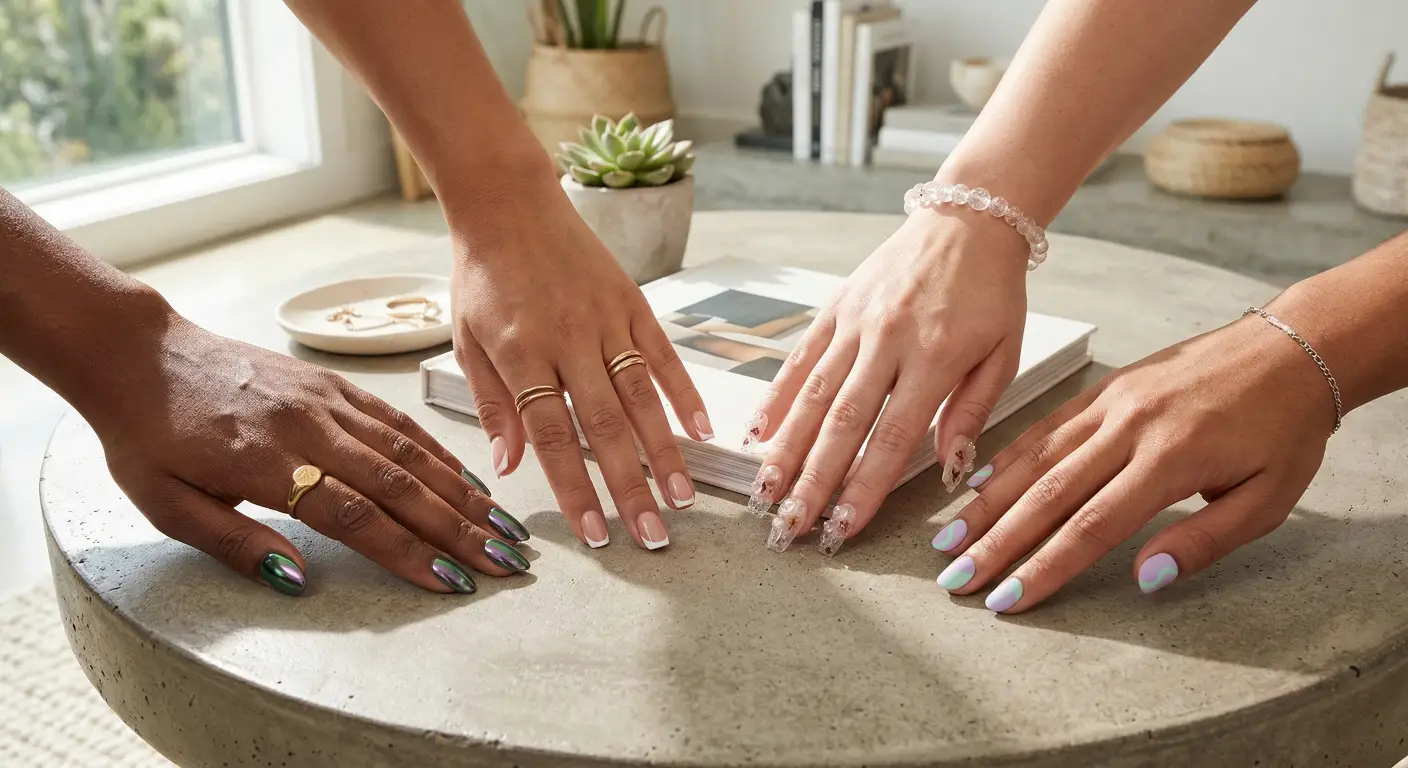
The Ultimate Guide to Choosing the Best Wholesale Press On Nails Manufacturer in 2026
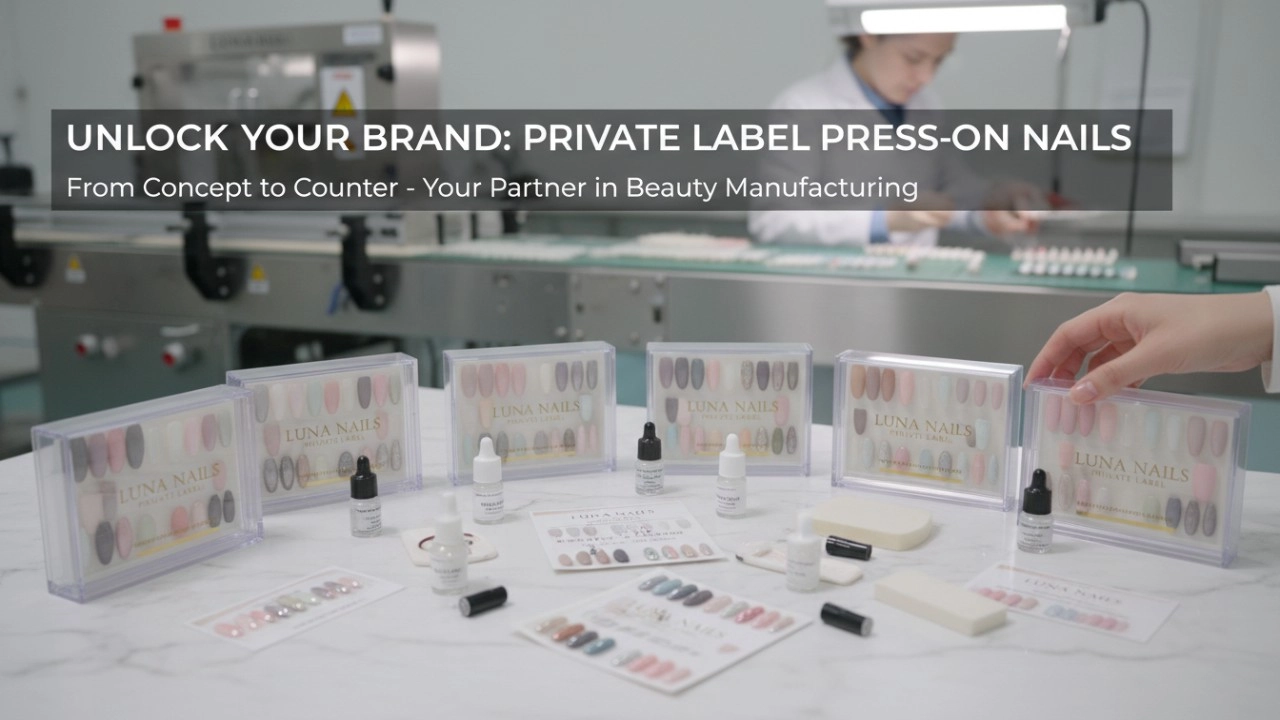
How to Scale Your Beauty Brand: Why Private Label Press On Nails Are the Highest-Margin Entry Point in 2026
About Price and payment
Do you offer discounts for bulk purchases?
Yes, we provide discounts for bulk orders. The specific discount rate depends on the false nails order quantity and the terms of cooperation.
Supermarket chains
What is the unit price and is here any discounts for bulk purchases?
All price we quoted will be factory source price, and for bulk purchases can enjoy bulk giant order price.
About Kid Nails
Are they suitable for all ages?
They are usually recommended for kids aged 3 and up, but always check the product packaging for age guidelines.
About Toe Nails
How do you apply toe press-on nails?
Clean your toenails: Make sure your toenails are clean, dry, and free from oil or lotion before applying.
Choose the right size: Select press-on nails that fit your toenail size. If they’re too big or small, they might not adhere properly.
Apply the adhesive: Some press-on nails come with adhesive strips, while others require you to apply glue. Follow the instructions for your specific product.
Press and hold: Apply the nail to your toenail and press down firmly for about 10-15 seconds to ensure a secure bond.
Shape if needed: If the press-on nails are too long or bulky, you can trim or file them to fit your preferences.
Biodegrable Nails
How do I apply Biodegradable press-on nails?
It’s same way as apply the traditional press on nails made of ABS or gel, use glue or glue sticker, easily press on.
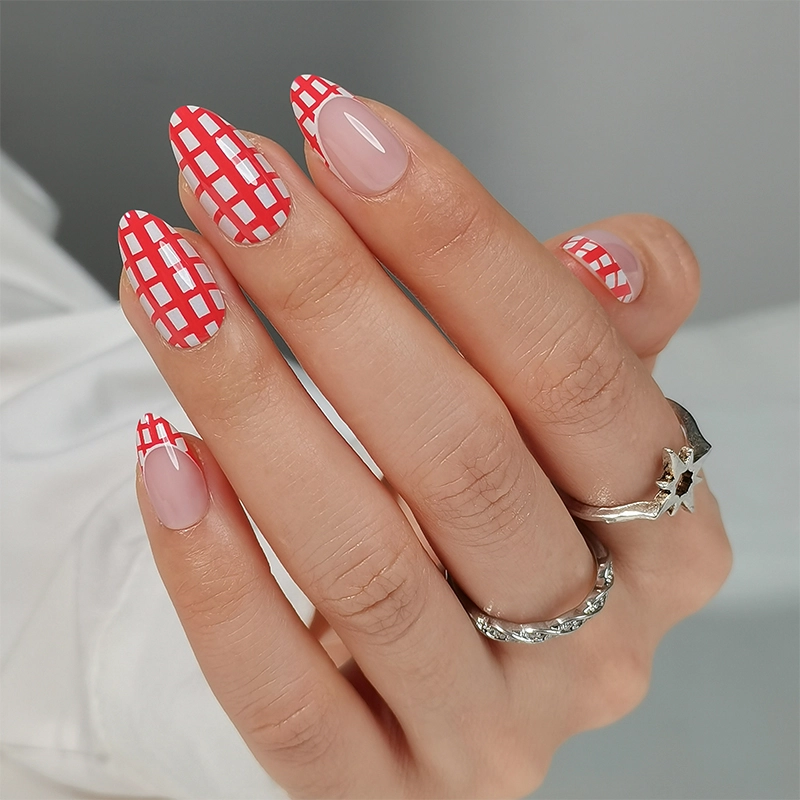
Wholesales Red French Nails Tips Checkered Soft Gel Nail Tips 32 Piece Set
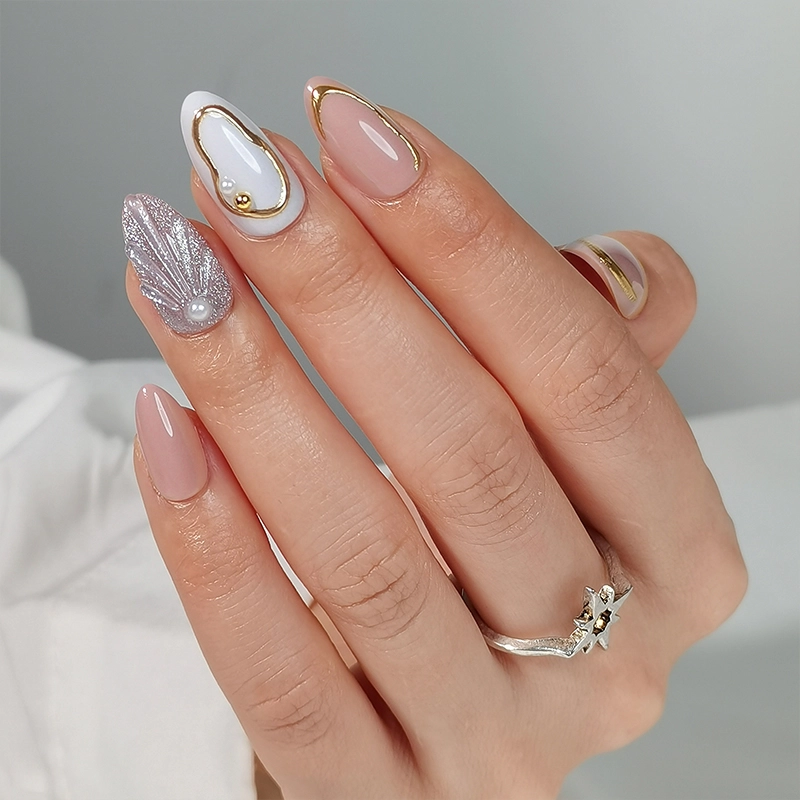
Wholesales Elegant Shell Inspired Soft Gel Wearable Nails for Seasonal Celebrations
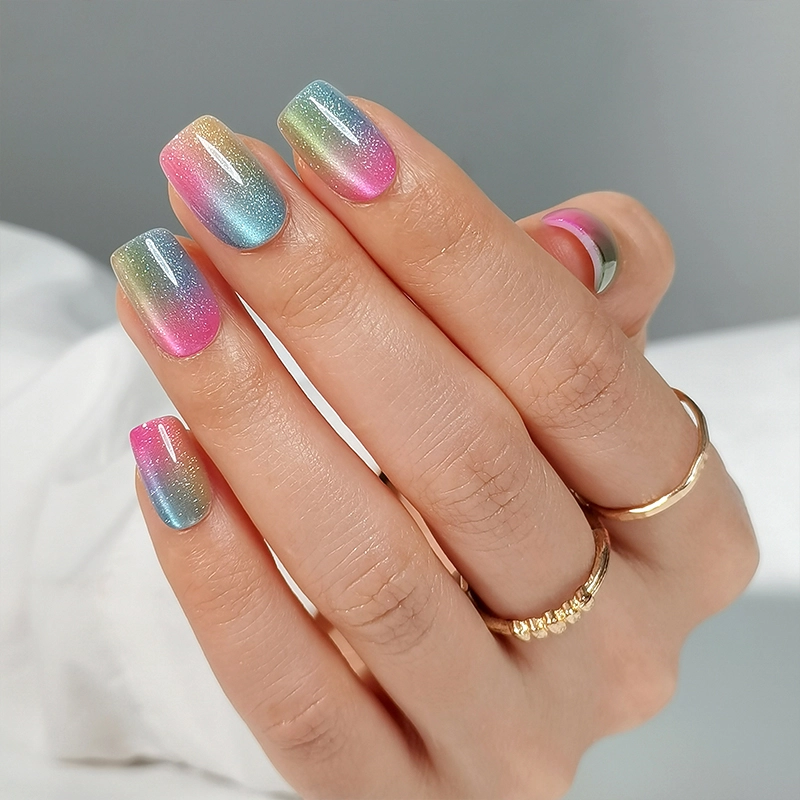
Custom Wholesale Gradient Cat Eye Soft Gel Wearable Fake Nails
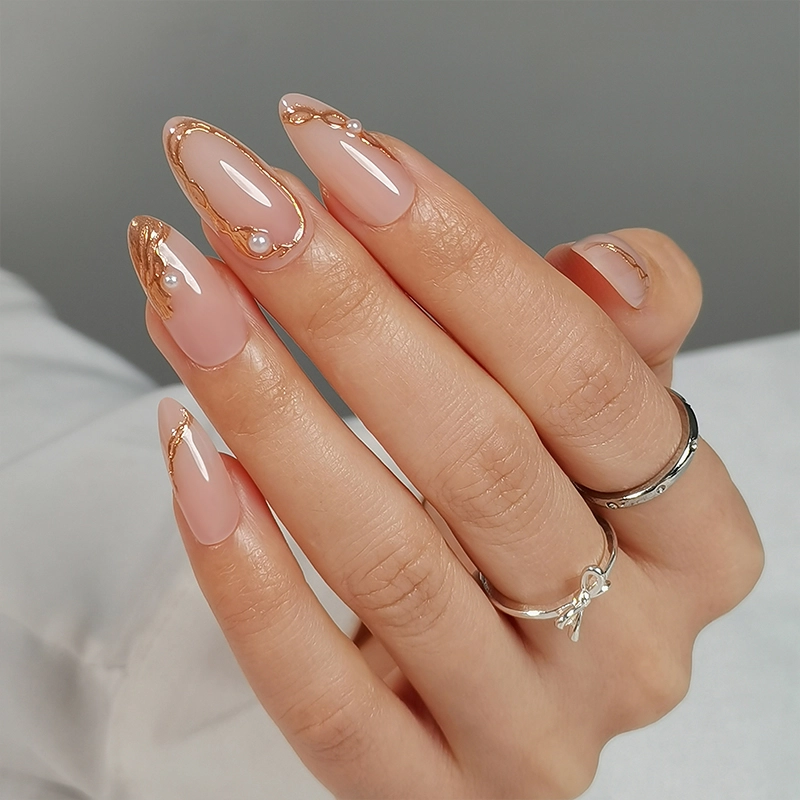
Wholesales Luxury Rhinestone Handmade Private Label Press On Nails Art Tips
Contact us
If you have press on nails products or customization needs, please feel free to contact from
below or via the contact information provided, we'll get back to you promptly within 24 hours.
By clicking 'Send Inquiry Now' I agree to XIANXING BEAUTY processing my personal data.
To see how to withdraw your consent, how to control your personal data and how we process it, please see our Privacy Policy and Terms of use.
Copyright © 2025 - XIANXING BEAUTY All Rights Reserved. Sitemap
Facebook
YouTube
Instagram
LinkedIn