
What are sustainable options among the best press on nails?
- 1. How do I choose press-on nail materials that balance longevity with sustainability (ABS vs. PLA vs. other options)?
- 2. What removal and reuse protocol maximizes the number of reuses for press-on nails without damaging the set or natural nails?
- 3. How do I evaluate and size press-on nails for clients with short, bitten, or damaged nails to ensure secure retention without lifting?
- 4. Which adhesive systems (nail glue vs. adhesive tabs vs. gel adhesives) are best for sensitive clients or for long-term wear, and how should I test for allergies?
- 5. For salon owners: how can I scale press-on nail services and inventory sustainably (bulk buying, customization, and waste minimization)?
- 6. How can I verify supplier claims about “biodegradable” or “vegan” press-on nails—what documentation and lab tests should I request?
1. How do I choose press-on nail materials that balance longevity with sustainability (ABS vs. PLA vs. other options)?
Choosing materials for press-on nail sets requires balancing durability, aesthetics, and end-of-life claims. Most commercial press-on nails are made from ABS plastic — it’s durable, flexible, and holds polish and 3D finishes well. However, ABS is petroleum-based and not biodegradable in home compost. If a supplier claims sustainability for ABS, ask for specific recycling streams (post-consumer ABS recycling is limited and region-dependent).
Sustainable alternatives you’ll encounter:
- PLA (polylactic acid): a corn- or tapioca-derived bioplastic that’s biodegradable under industrial composting (ASTM D6400/ISO 17088). PLA can be more brittle and less heat-resistant than ABS, so check flex tests and warpage data. Also verify whether the supplier’s claim of compostability is realistic in your region — PLA typically needs ~60°C industrial compost conditions to break down.
- Cellulose acetate and bio-based acetate blends: better flexibility and sometimes partially biodegradable. Performance varies by formulation; request tensile/bend testing.
- Reusable ABS with lower-carbon production: suppliers sometimes offset emissions or use recycled ABS. This reduces footprint without changing end-of-life behavior.
What to request from suppliers:
- Material Safety Data Sheet (MSDS) and Material Data Sheet (MDS).
- Certificate of compostability (ASTM D6400/ISO 17088) if claiming industrial compostability.
- Third-party lab test reports for tensile strength, heat deflection, and colorfastness (SGS, Intertek are common labs).
- Disclosure on recycled content (post-consumer recycled ABS) or carbon-offset claims.
Purchase checklist when evaluating sustainable press-on nails:
- Confirm the base material and ask for MDS/MSDS.
- If compostable, ensure certification matches a recognized standard (ASTM/ISO) and understand local composting feasibility.
- For recycled-content products, get the percentage and proof (CoA).
- Test an in-hand sample for flexibility, fit, and finish before large orders.
Embedding semantic insights: when comparing press-on nail kits, verify if the nail tips are ABS or PLA, test durability and finish, and always perform nail prep and sizing trials to ensure longevity.
2. What removal and reuse protocol maximizes the number of reuses for press-on nails without damaging the set or natural nails?
Best-practice removal and reuse extend product life, reduce waste, and protect natural nails. The exact method depends on the adhesive used (glue vs. adhesive tabs vs. cured gel glue) and the tip material.
Step-by-step reusable protocol:
- Soft removal first for glued sets: apply cuticle oil around the nail base and under the edges for 5–10 minutes to soften adhesive.
- If adhesive is cyanoacrylate (nail glue): do a 10–15 minute warm-oil soak (olive or cuticle oil) followed by gentle mechanical lift with a wooden pusher. Avoid forcing — that risks nail and tip damage.
- For stubborn glue: a short acetone soak (2–5 minutes) can dissolve glue, but acetone may soften ABS and strip finishes. Use acetone only when necessary and test on a spare tip.
- For gel-cured adhesive systems: follow the supplier’s soak-off instructions (often requires acetone or gel remover) and avoid aggressive scraping.
- Clean residual adhesive using 70–99% isopropyl alcohol or specialized adhesive removers that are safe for the tip finish. For ABS or PLA tips, avoid prolonged solvent exposure; use swabs and light mechanical scraping.
- Disinfect: wipe surfaces with 70% isopropyl alcohol and let fully dry.
- Refinish edges: if the topcoat is damaged, you can reapply a thin layer of UV top coat (if compatible) or carefully file/shape the edge to restore fit.
- Storage: store each nail in padded trays or labeled foam to prevent warping and UV yellowing.
Practical reuse expectations and tips:
- Most quality press-on nails can be reused 2–5 times with proper removal and maintenance. Reuse beyond this depends on tip finish and adhesive residue removal efficacy.
- Use adhesive tabs or low-tack glue for clients who prioritize reuses — though tabs usually reduce wear time.
- Avoid high heat during storage; PLA tips are more sensitive to heat and can deform.
These steps preserve both the nail set and the natural nail plate — ensuring client safety and better product ROI.
3. How do I evaluate and size press-on nails for clients with short, bitten, or damaged nails to ensure secure retention without lifting?
Sizing and fit are the most common causes of premature lifting. With short or damaged nail beds, you must adapt selection and prep.
Measurement and fit workflow:
- Measure nail bed width at the widest point (parallel to the cuticle). Most press-on kits include 10–12 sizes; choose the size that matches the natural nail without covering the lateral nail folds.
- For short nails, prioritize width fit over length. A slightly shorter free edge is acceptable; excessive overhang increases leverage and lift risk.
- If no exact fit exists, file the underside of the tip at the edges (use light passes) to custom-fit the lateral walls. Do not file the contact surface that bonds to the natural nail — preserve as much flat area as possible.
- For damaged nails with irregular surfaces, use an adhesive primer (mild acidic or non-acid) recommended by the adhesive supplier, plus a nail dehydrator to remove oils.
- Use short-length tips or trim the tip to align with the client’s free edge. Seal the tip edge with a thin layer of top coat if the tip has been cut to prevent lifting.
Retention techniques for short nail beds:
- Use a center-drop of glue strategy (one small drop in center and press down, then add tiny glue along lateral edges if needed) — too much glue creates a hydraulic effect and can cause lifting.
- For extremely short nails, consider hybrid systems (short press-on tips combined with a soak-off gel overlay) to increase bond area and retention.
- Edge sealing: after application, apply a thin top coat to the seam and cure (if compatible) to reduce lift from lateral forces.
Testing and assurance:
- Run a 24–48 hour wear test on a single finger for first-time clients to check retention before full service.
- Document sizes used per client for repeat visits and inventory management.
These sizing and retention steps reduce callbacks and increase client satisfaction when working with short or damaged nails.
4. Which adhesive systems (nail glue vs. adhesive tabs vs. gel adhesives) are best for sensitive clients or for long-term wear, and how should I test for allergies?
Understanding adhesive chemistry is critical for client safety and service reliability.
Adhesive options and trade-offs:
- Nail glue (cyanoacrylate): fastest bonding and longest wear for typical press-ons (7–14+ days). However, cyanoacrylate can cause contact dermatitis in sensitive clients and emits fumes.
- Adhesive tabs/strips: best for temporary wear and clients who want solvent-free removal. Tabs are hypoallergenic options for many, but wear time is shorter (usually 3–7 days depending on activity and nail prep).
- UV-cured gel adhesives: combine long retention with a less-fuming experience. Cured gel adhesives can be stronger and more flexible; removal typically needs soaking and is slower.
Allergy and sensitivity testing:
- Conduct a 48–72 hour patch test on an inconspicuous area (inner wrist or behind the ear) using a small amount of the adhesive. Observe for redness, itching, or swelling.
- For clients with a history of adhesive or latex allergy, avoid cyanoacrylate glues and consider tabs or UV gel adhesives labeled hypoallergenic.
- Keep an allergy log and intake form; always ask about previous reactions to nail glue, acrylics, or medical cyanoacrylates.
Safety tips for salon use:
- Use glues with low-fume formulations and ensure proper ventilation.
- Train staff on immediate steps for allergic reactions (stop service, wash area, advise medical attention for severe reactions).
- Provide MSDS for adhesives and maintain product records in the salon.
For long-term wear with sensitive clients, adhesive tabs or low-fume UV gel adhesives usually offer the best balance between comfort and durability — but always perform a patch test first.
5. For salon owners: how can I scale press-on nail services and inventory sustainably (bulk buying, customization, and waste minimization)?
Salon scaling requires SKU rationalization, efficient inventory, and eco-friendly practices that appeal to sustainability-minded clients.
Operational strategies:
- SKU optimization: start with a core set of neutral sizes and a few high-demand styles. Track which sizes and designs are most frequently used and reduce low-turn SKUs.
- Modular customization: keep blank (unprinted) reusable press-on blanks that can be finished in-house with gel polish, stamping, or decals. This reduces per-design inventory and allows personalization.
- Refill kits and “repair” services: offer adhesive-tab refresh or top-coat refresh instead of full replacement. Clients pay less and waste reduces.
- Bulk and refill packaging: buy adhesives, top coats, and polish in salon-sized containers to reduce single-use packaging.
- Return and recycling programs: encourage clients to return or donate used sets. Coordinate with local plastic recycling programs for ABS, or partner with suppliers on take-back schemes.
Client-facing sustainability initiatives:
- Offer a small discount for clients who bring back previous sets for reuse.
- Provide a clear sustainability policy on your booking pages detailing compostable products vs. recyclable ones to set realistic expectations.
Financial considerations (practical, not speculative):
- Track cost-per-service including amortized cost of reusable blanks and labor for customization.
- Test price points for refill services vs. full new sets; many clients prefer lower-cost refreshes.
These measures reduce waste, improve margins, and create a repeatable system for offering custom press-on nail services at scale.
6. How can I verify supplier claims about “biodegradable” or “vegan” press-on nails—what documentation and lab tests should I request?
Supplier claims must be verified with documentation and independent testing to meet E-E-A-T and regulatory expectations.
Documentation to request from any supplier claiming sustainability or vegan status:
- Material Data Sheet (MDS) and MSDS for each material used in tips, adhesives, and coatings.
- Certificate of Analysis (CoA) showing composition and percentages (e.g., % PLA, % recycled ABS).
- Third-party certification numbers and lab reports (SGS, Intertek, or similar) for compostability (ASTM D6400/ISO 17088), heavy metal testing, and phthalate or endocrine disruptor screening.
- REACH compliance statement for chemical safety in the EU and RoHS if electronic components (rare) are present.
- Vegan certification (from recognized bodies) or ingredient disclosure proving no animal-derived components in adhesives or coatings.
Practical verification steps:
- Ask for recent batch test reports (within 12 months). Confirm lab accreditation (ISO/IEC 17025).
- If a compostability claim is made, confirm the certification body and test method. Verify industrial compostability vs. home compostability.
- Request a stability/aging report showing how the finish, color, and flexibility hold up over expected wear time.
Red flags:
- Vague language like eco-friendly without data or certificates.
- No MSDS/MDS or refusal to provide third-party test results.
- Conflicting claims across a supplier’s product lines (e.g., marketed as biodegradable but uses standard ABS in spec sheets).
A procurement checklist for buyers:
- Obtain MSDS/MDS and CoA.
- Verify third-party lab details and request copies of test reports.
- Confirm accreditation (ISO/IEC 17025) of the testing lab.
- Ask for a sample batch and run in-salon performance tests (fit, durability, removal behavior) before volume purchase.
This due diligence protects your salon reputation and ensures compliance with regional waste and consumer-protection rules.
Summary of advantages: Choosing the best press-on nails—especially sustainable or reusable options—reduces waste, lowers long-term costs, and improves client satisfaction by offering safer removal and multiple reuses. Prioritize material transparency (ABS vs. PLA), documented compostability or recycled content, appropriate adhesive selection for sensitive clients, and rigorous supplier verification. Proper nail prep, accurate sizing, and a tested removal/reuse protocol are essential for retention and client safety.
For professional quotes, bulk orders, or supplier verifications, contact us for a personalized quote at www.xianxingbeauty.com or email [email protected].
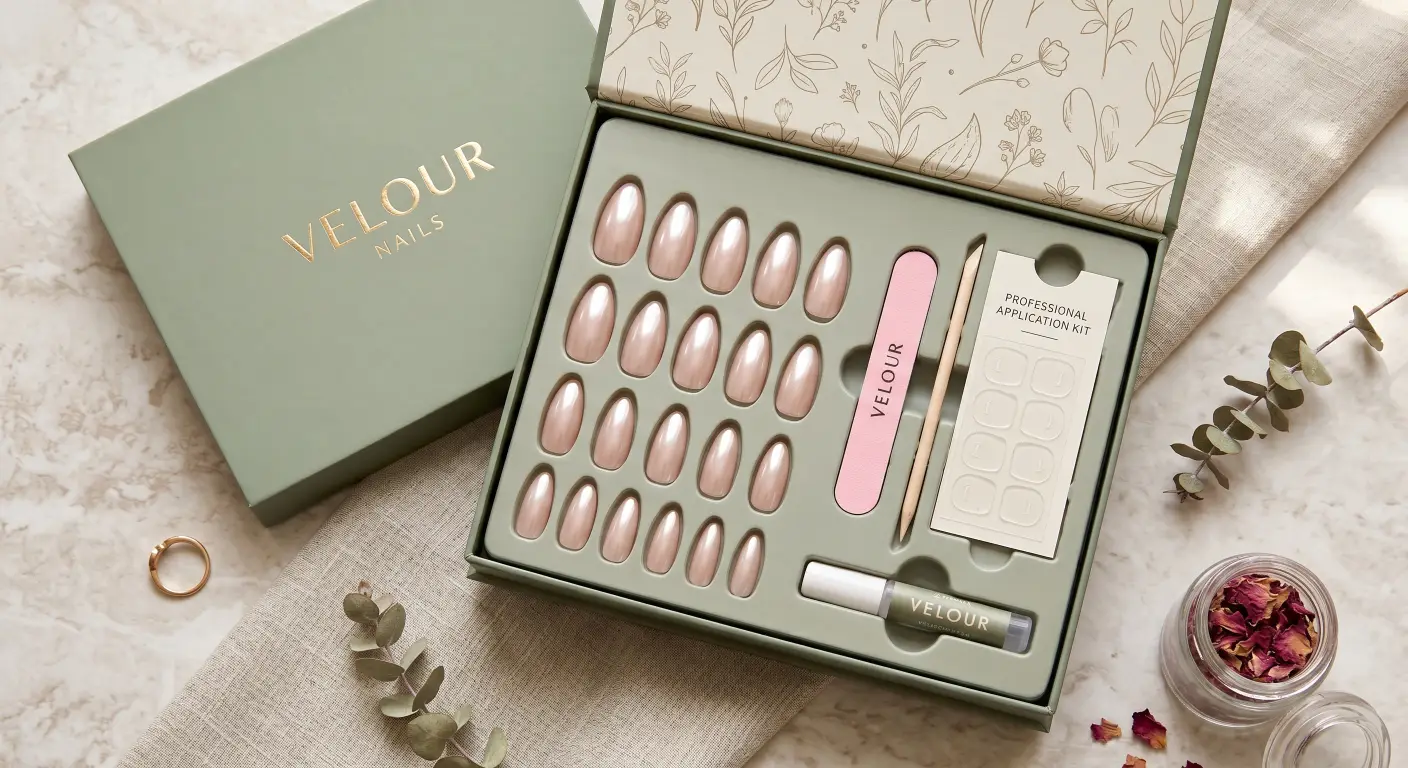
How a Reliable Wholesale Press On Nails Manufacturer Can Scale Your Beauty Brand
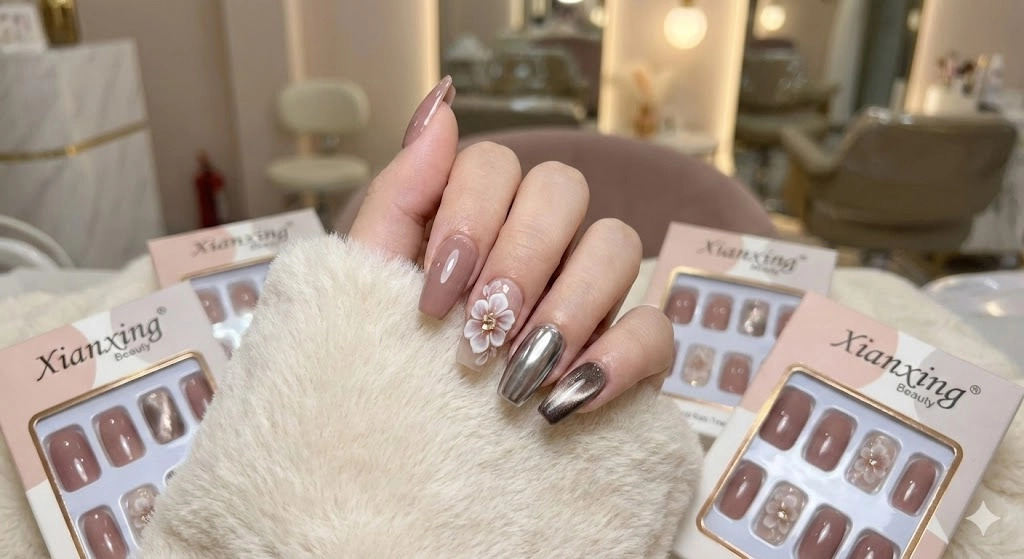
7 Red Flags to Avoid When Selecting a Wholesale Press On Nails Manufacturer
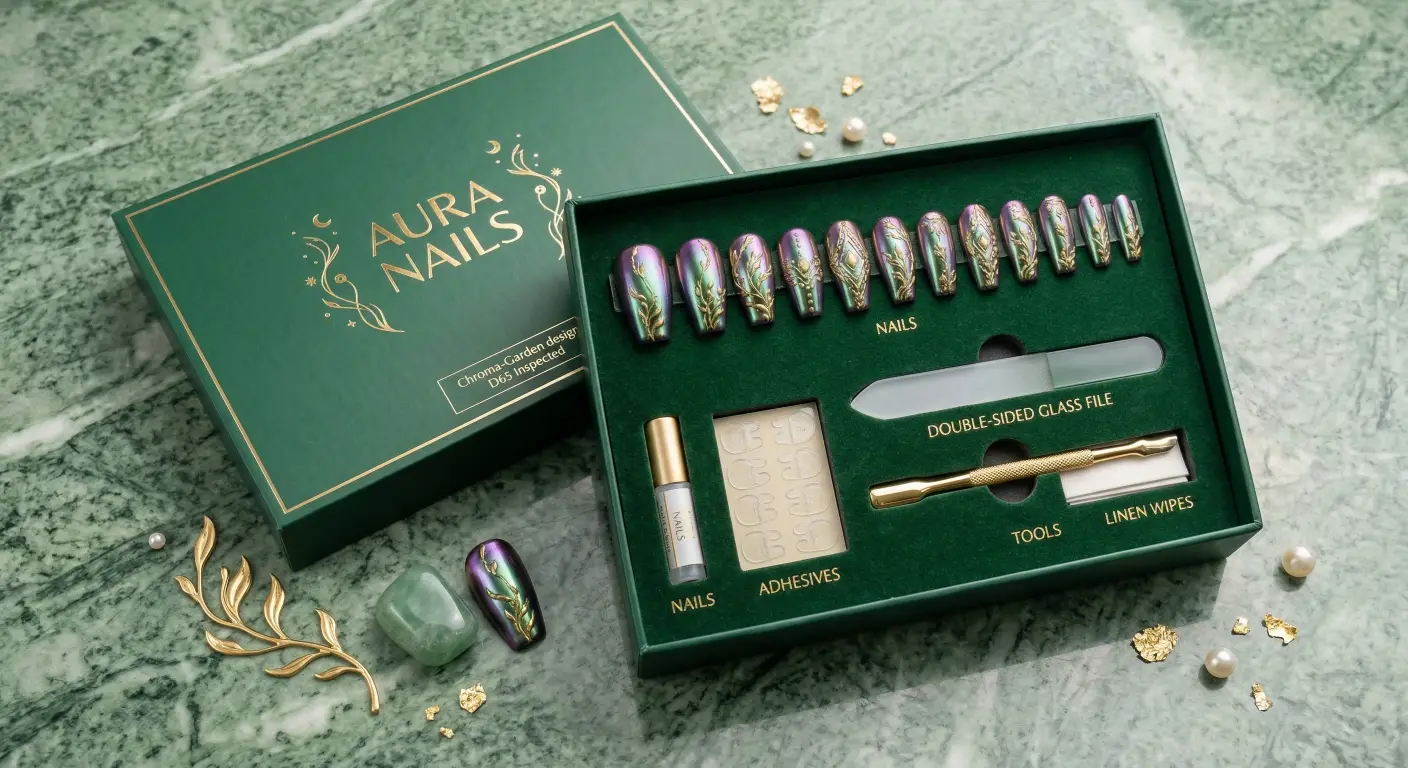
Quality Control: What to Expect from a Top-Tier Wholesale Press On Nails Manufacturer
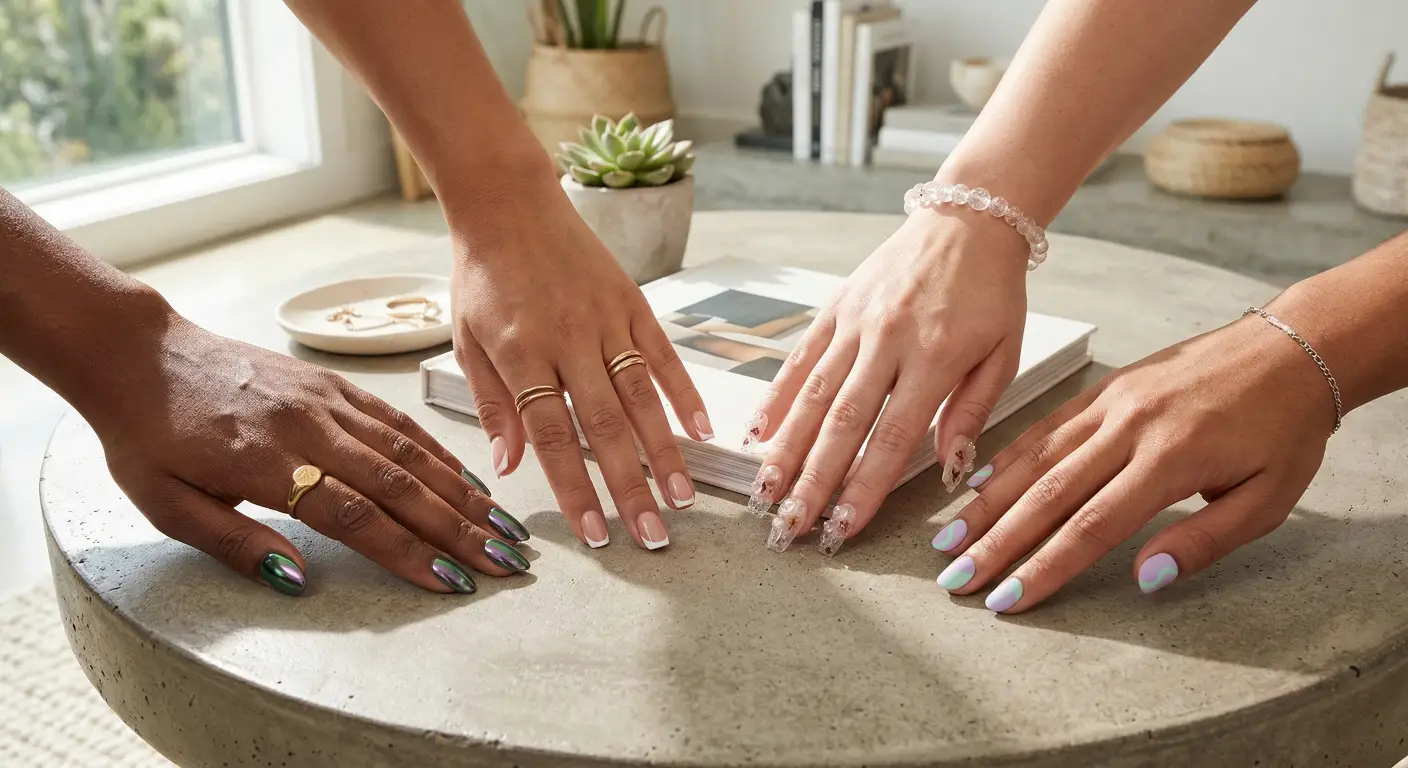
The Ultimate Guide to Choosing the Best Wholesale Press On Nails Manufacturer in 2026
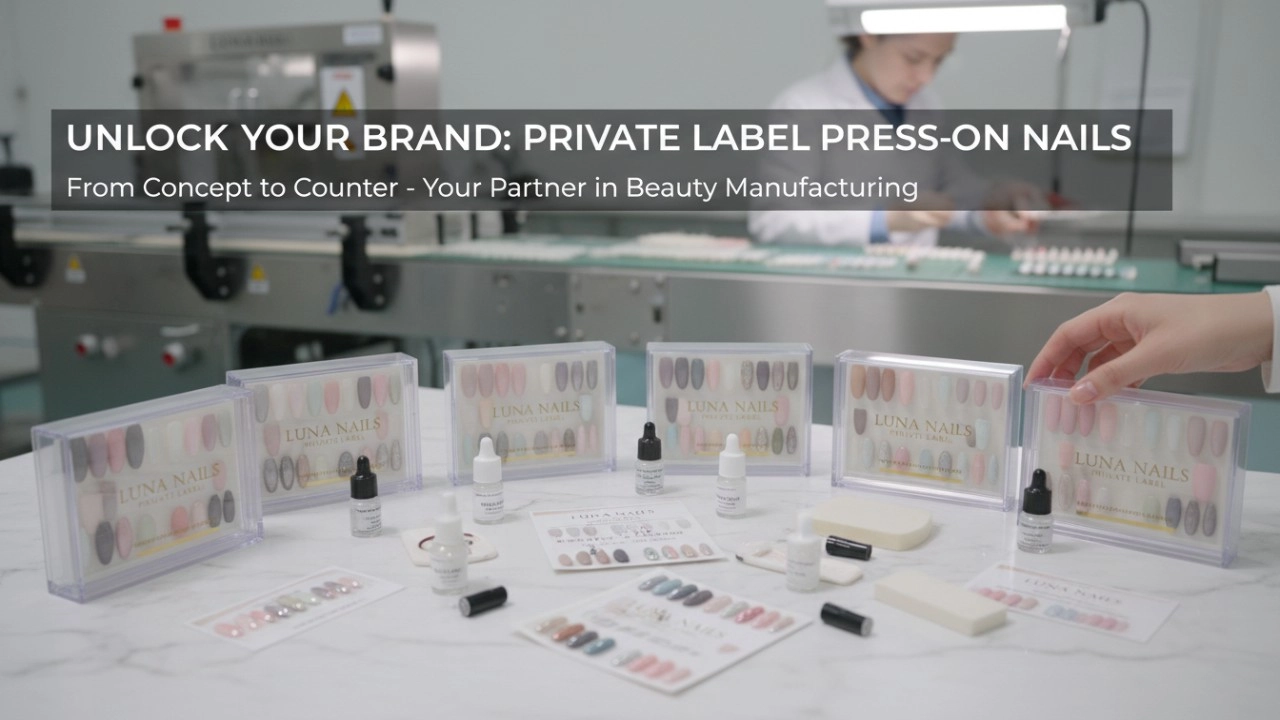
How to Scale Your Beauty Brand: Why Private Label Press On Nails Are the Highest-Margin Entry Point in 2026
Supermarket chains
What’s the lead time for large orders?
Average will be 30-45 days, details will depends on actual project.
OEM/ODM
How long does it take to produce custom press on nails?
Production times vary depending on the complexity of your order, but typically it takes 2-4 weeks to complete.
Crystal Nail File
How long do crystal nail files last?
Crystal nail files are highly durable and can last for years if properly cared for. The surface won’t wear down easily, unlike traditional nail files.
Nail file
What are the different types of nail files?
There are several types of nail files, including:
Emery boards: Made of paper or cardboard covered with abrasive material.
Glass files: Smooth and gentle, they are durable and easy to clean.
Metal files: Typically made from stainless steel, these are durable but can be harsh on nails.
Crystal files: Similar to glass files, but made from a harder, finer material.
Sapphire files: Made of synthetic sapphire crystals, these are effective for both shaping and smoothing nails.
About Product
How do I determine which product is right for me?
You can choose the product type and specifications that suit you based on your needs, budget, and expected results.
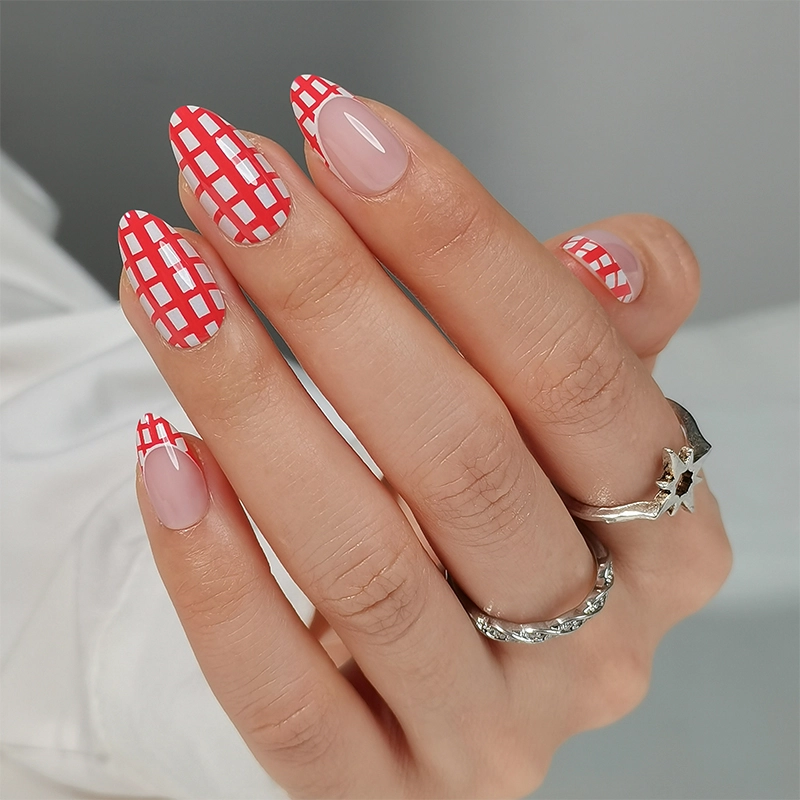
Wholesales Red French Nails Tips Checkered Soft Gel Nail Tips 32 Piece Set
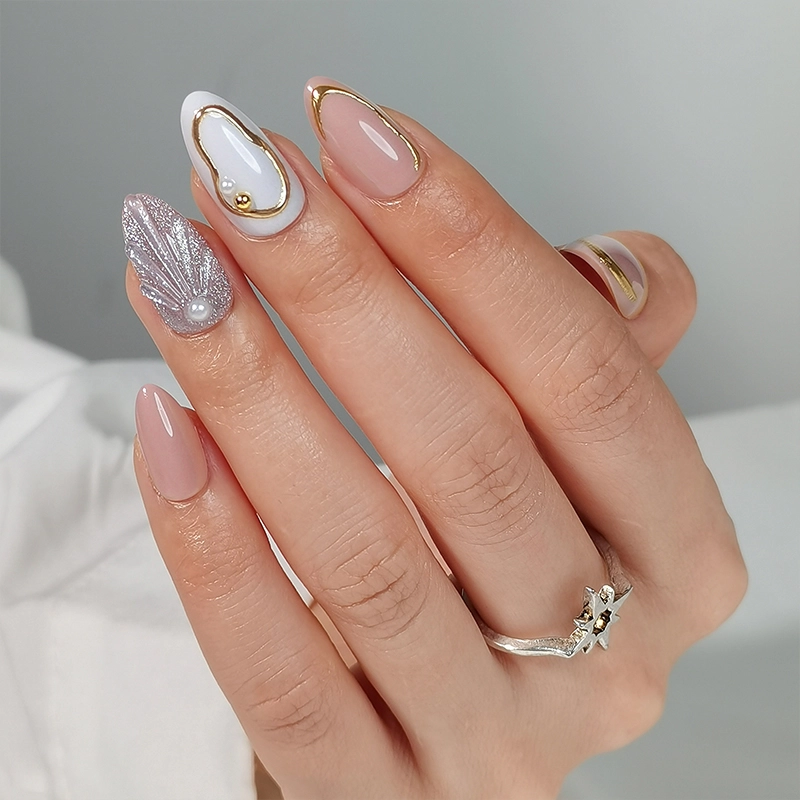
Wholesales Elegant Shell Inspired Soft Gel Wearable Nails for Seasonal Celebrations
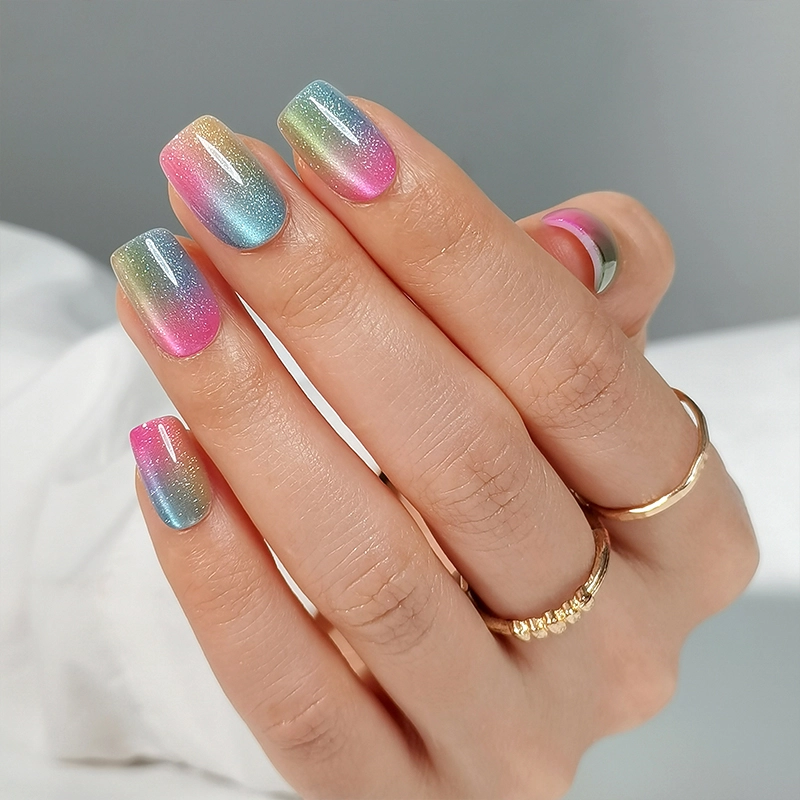
Custom Wholesale Gradient Cat Eye Soft Gel Wearable Fake Nails
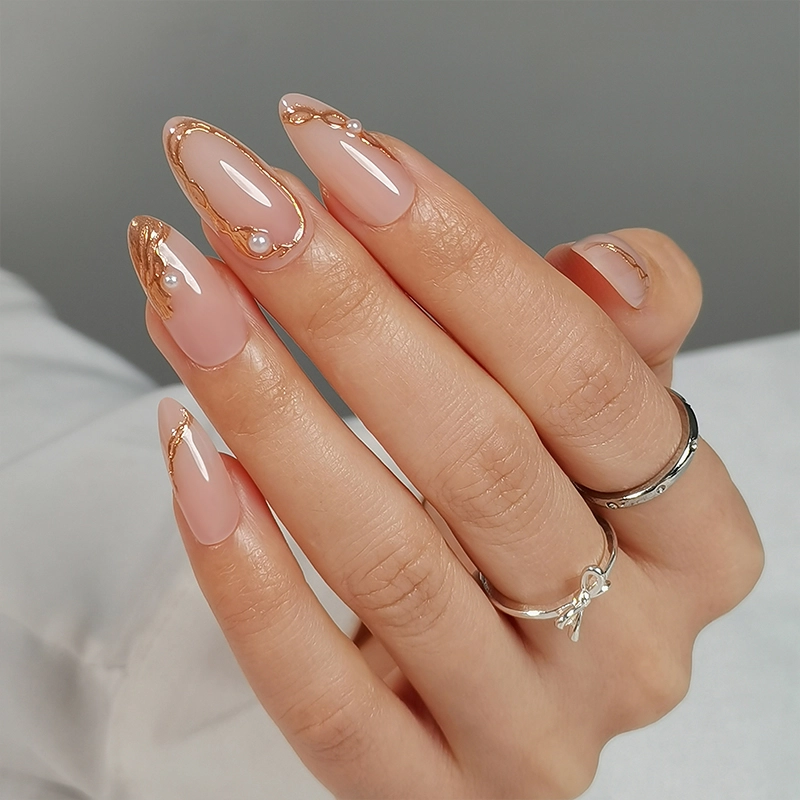
Wholesales Luxury Rhinestone Handmade Private Label Press On Nails Art Tips
Contact us
If you have press on nails products or customization needs, please feel free to contact from
below or via the contact information provided, we'll get back to you promptly within 24 hours.
By clicking 'Send Inquiry Now' I agree to XIANXING BEAUTY processing my personal data.
To see how to withdraw your consent, how to control your personal data and how we process it, please see our Privacy Policy and Terms of use.
Copyright © 2025 - XIANXING BEAUTY All Rights Reserved. Sitemap
Facebook
YouTube
Instagram
LinkedIn