
How do the best press on nails perform under humidity tests?
- 1) Which press-on nail materials (ABS, soft gel, acrylic-style) consistently resist lifting and warping in high-humidity climates?
- 2) How do I modify nail-prep and adhesive choice for clients who sweat or have oily cuticles so press-ons last through humidity?
- 3) Do adhesive tabs or nail glue perform better after repeated hand-washing, heavy perspiration, or high ambient humidity?
- 4) How do the best press-on nails behave under formal humidity tests (what failure modes to expect and how to benchmark products)?
- 5) When lifting occurs in humidity, can press-on nails be safely re-applied to extend wear, and what protocol protects the natural nail?
- 6) For salon owners: How should I specify/insist suppliers test press-on lines for humidity and reusability so I minimize returns and customer complaints?
- Concluding summary: Advantages of choosing humidity-tested, salon-grade press-on nails
How Do the Best Press On Nails Perform Under Humidity Tests? 6 Deep Questions Answered
As a specialist in press on nails and nail adhesives, this guide addresses six specific, under-answered questions beginners and salon pros face when selecting press-on nails for humid environments. Embedded throughout are practical test methods, material guidance (ABS, soft gel, acrylic-style press-ons), adhesive selection (nail glue vs adhesive tabs), nail prep techniques (dehydrator, primer), and reapplication workflows to preserve nail health and improve longevity.
1) Which press-on nail materials (ABS, soft gel, acrylic-style) consistently resist lifting and warping in high-humidity climates?
Short answer: soft-gel press-ons and high-quality ABS press-ons with a full-coverage base tend to perform best in humid conditions when paired with the correct adhesive and prep. Why: material flexibility, surface finish, and edge geometry control how moisture and thermal expansion change fit.
Details and action steps:- ABS press-ons: Commercial ABS press-ons are lightweight and dimensionally stable. They resist warping when made from high-density ABS with consistent wall thickness. However, lacquer or foil finishes can delaminate if trapped moisture isn’t removed during application.- Soft gel press-ons: Soft-gel (flexible polymer) nails better accommodate slight nail-bed swelling due to humidity and hand heat, reducing edge stress that causes lifting. Their flexibility reduces shear stress at the glue interface.- Acrylic-style press-ons: Hard, thick acrylic press-ons provide rigid support but can create lift points if the fit isn’t perfect; humidity-induced nail-plate micro-expansion can create gaps under rigid plates.> Practical recommendation: For tropical/humid markets, prioritize soft-gel press-ons or well-engineered ABS with contoured bases. The combination of a contoured base, correct sizing, and strong cyanoacrylate nail glue minimizes lift.
2) How do I modify nail-prep and adhesive choice for clients who sweat or have oily cuticles so press-ons last through humidity?
Prep and adhesive are the most important variables—more than the decorative surface. In humid or sweaty clients, natural nail oil and moisture are the main failure modes.
Step-by-step protocol for best results:- Clean: Remove old polish, oils, and lotions using 70% isopropyl alcohol (IPA) or an acetone wipe. Avoid leaving residue from creams.- Dehydrate: Use a nail dehydrator or 70% IPA wipe to temporarily remove surface moisture and oils. Dehydrators containing ethyl acetate or isopropanol are industry-standard for prepping natural nails.- Mechanical prep: Lightly buff the nail plate (180–240 grit) focusing only on the contact zone to remove the shine—don’t over-buff. Create a matte surface to increase mechanical adhesion.- Cuticle control: Push back cuticles and remove excess dead cuticle tissue; oil trapped under the cuticle will cause lift in humid conditions.- Primer: Use an acid-free bonding primer for clients with oily nails or prior adhesive failures; acid-based primers increase adhesion but require experienced application.- Adhesive selection: For sweaty/humid clients, professional-grade cyanoacrylate nail glue generally outperforms double-sided adhesive tabs for durability. Tabs are better for short-term wear or clients who must remove nails daily.
Note: For clients with very sensitive skin or allergy history, perform a patch test with the adhesive and use gentler primers or tabs when needed.
3) Do adhesive tabs or nail glue perform better after repeated hand-washing, heavy perspiration, or high ambient humidity?
General findings: Nail glue provides superior long-term retention in wet or humid conditions compared to adhesive tabs, but correct use is critical. Tabs lose tack quickly under persistent moisture and mechanical stress; glue creates a bonded interface that resists water intrusion when applied correctly.
Practical guidance:- Glue (cyanoacrylate): Properly applied nail glue bonds to both the natural nail and press-on base; it is reasonably water-resistant once cured. For humid conditions, ensure the glue does not get smeared at the edges—edge sealing matters.- Tabs: Adhesive tabs offer convenience and gentle removal but are prone to shear failure after prolonged exposure to water, soap, or oils. Tabs can be useful for short-term events or reusable press-ons that will be swapped daily.> Tip: For clients who frequently wash hands, recommend glue application plus a light wrap of a waterproof topcoat around the free edge and sidewalls to minimize water ingress on high humidity days.
4) How do the best press-on nails behave under formal humidity tests (what failure modes to expect and how to benchmark products)?
If you want to evaluate press-ons objectively, run a simple humidity test and record consistent metrics. Typical failure modes: edge lift, complete debond, partial crack/warp, surface delamination (finish lifts), and adhesive discoloration.
Recommended test protocol (salon/lab-friendly):- Environment: Use a controlled chamber or a sealed box with humidity sources (humidifier for high RH, desiccant for low RH). Test at a minimum of three conditions: low (30–40% RH), typical indoor (40–60% RH), and high (70–90% RH).- Sample prep: On identical natural nail substrates (or artificial nail blocks), apply press-ons using standardized nail-prep and adhesive volumes.- Stressors: Simulate hand use via warm water immersion cycles (2–5 minute soaks), 10–20 cycles of mechanical friction (towel rub), and temperature cycles (room temp to 35–40°C) to mimic body heat.- Metrics to record: time-to-first-lift (hours), percent retained at 24/72/168 hours, average edge gap (mm) at 72 hours, and cosmetic changes (bubble/delam, polish cracking).
What you’ll observe in practice:- Best-performing combinations (soft-gel + salon glue + proper prep) often show the longest time-to-first-lift and the highest retention percentages in elevated-RH tests.- Common weaknesses: pre-glued nails with thin adhesive layers tend to lose adhesion quickly when humidity allows oils and water to migrate between nail plate and press-on base.
5) When lifting occurs in humidity, can press-on nails be safely re-applied to extend wear, and what protocol protects the natural nail?
Yes—many press-ons can be re-applied if the natural nail remains intact and not overly contaminated. Reapplication must focus on cleaning, gentle adhesive removal, and re-prep to avoid trauma.
Safe reapplication workflow:- Remove: If lifting begins, gently remove the press-on to avoid prying. Soaking in acetone is unnecessary for temporary press-ons—warm soapy water and gentle lateral flex can help.- Clean glue residue: Use a low-acetone remover or an LCN-safe adhesive remover to remove old glue without over-drying the nail plate.- Inspect natural nail: Check for lifting of the natural nail plate or damage. Do not reapply if the nail has splits, thinning, or redness/inflammation.- Re-prep: Repeat the mechanical buff, dehydrator, and primer steps. Reapply glue in a thin, even bead and press for the manufacturer-reported set time.- Edge sealing: Apply a waterproof topcoat around the free edge and an additional thin dab of glue at stress points if needed.
Important: Limit re-application cycles. Repeated adhesive removal and buffing can thin the natural nail plate—schedule a restorative break after one or two reapplications and recommend a nail-strengthening regimen for the client.
6) For salon owners: How should I specify/insist suppliers test press-on lines for humidity and reusability so I minimize returns and customer complaints?
When sourcing press-ons for resale or professional services, specify clear acceptance criteria and request supplier test data. Vague “humidity-resistant” claims are insufficient.
Supplier checklist to require:- Material specs: base polymer (ABS grade or gel polymer), wall thickness tolerance, and base curvature radii for common nail sizes.- Adhesive system compatibility: confirm whether pre-glued products are optimized for tabs, cyanoacrylate glue, or both.- Test reports: humidity test results using defined RH ranges (e.g., 40/60/80% RH) showing retention after 72 hours under simulated wear cycles.- Reuse rating: number of safe reapplications and a recommended cleaning protocol validated by the supplier.- Cosmetic durability: colorfastness and finish delamination tests after humidity exposure.> Contract terms: Require a sample lot audit and small-batch testing before bulk orders. Request corrective action plans for any batch showing failure rates above your acceptable threshold (e.g., >10% lift at 72 hours under high-RH simulated wear—set whatever threshold fits your business after initial tests).
This approach reduces returns by aligning product performance with real-world expectations and gives your salon the authority to push for product improvements from manufacturers.
Concluding summary: Advantages of choosing humidity-tested, salon-grade press-on nails
When engineered and applied correctly, the best press-on nails offer fast application, predictable longevity, and reduced chemical exposure compared with repeated acrylic fills. Advantages include rapid service turnaround, customizable fit (contoured bases and multiple sizes), and improved retention in humid environments when you combine soft-gel or high-density ABS construction with proper nail-prep (dehydrator, primer) and professional-grade cyanoacrylate glue. Humidity-tested products minimize edge lift, finish delamination, and premature returns—critical for salons serving tropical or high-humidity markets.
For a tailored quotation, product specifications, or to request humidity-test data for our press-on lines, contact us for a quote at www.xianxingbeauty.com or email [email protected].
7 Red Flags to Avoid When Selecting a Wholesale Press On Nails Manufacturer
Quality Control: What to Expect from a Top-Tier Wholesale Press On Nails Manufacturer
The Ultimate Guide to Choosing the Best Wholesale Press On Nails Manufacturer in 2026
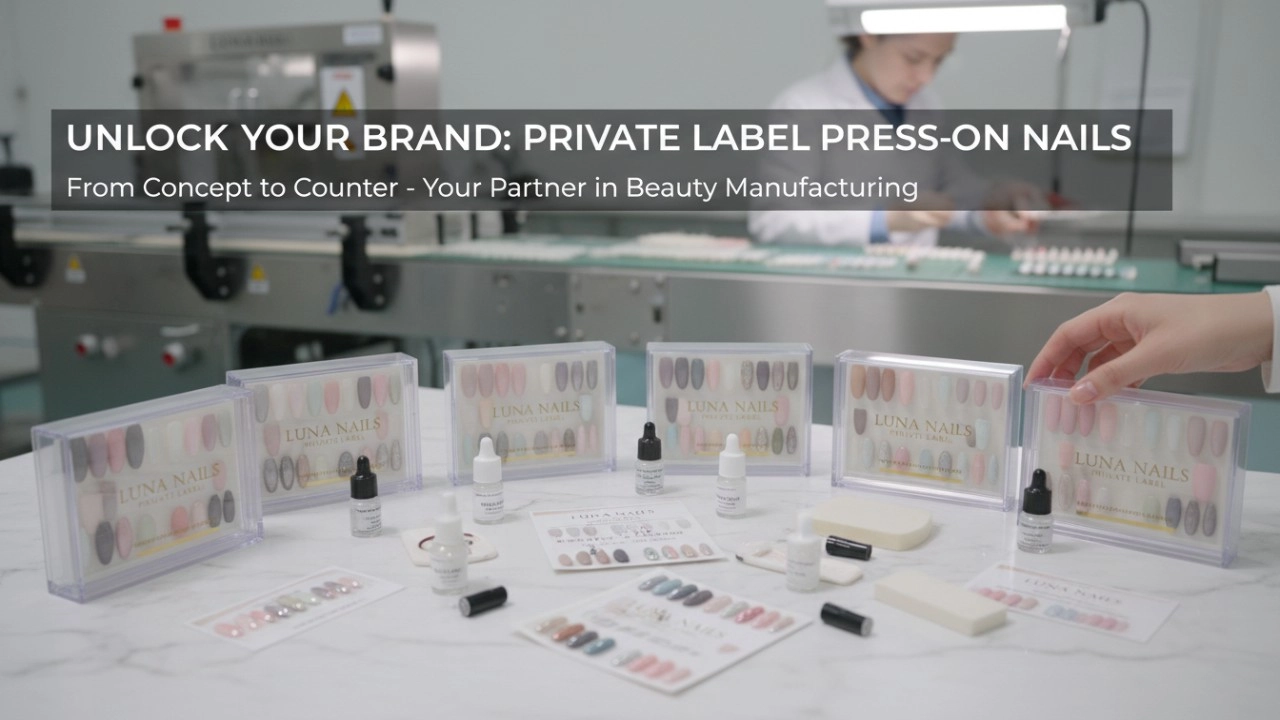
How to Scale Your Beauty Brand: Why Private Label Press On Nails Are the Highest-Margin Entry Point in 2026
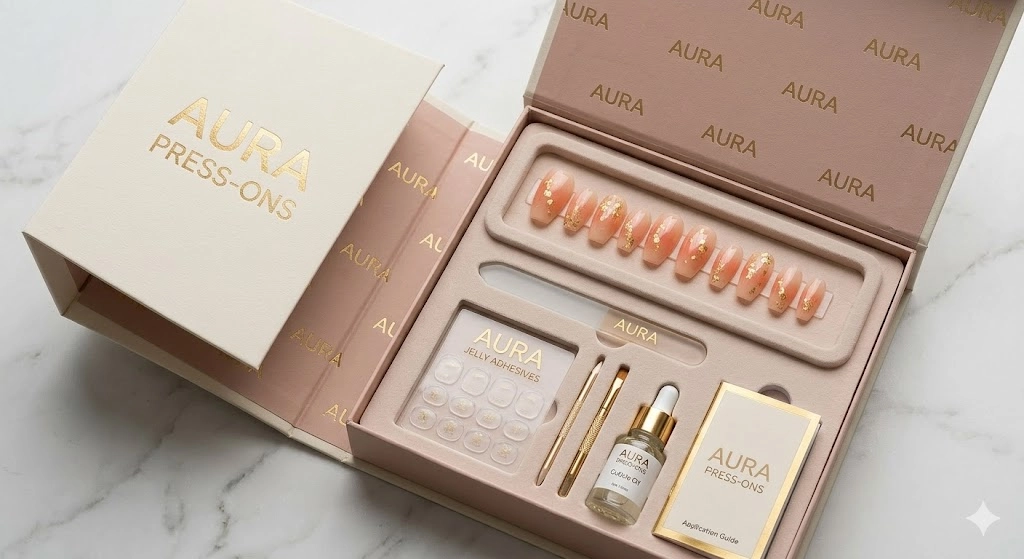
Why Partnering with Professional Press On Nails Manufacturers Boosts Your Brand Growth
About Product
What certifications and inspections have your products passed?
Our products have passed relevant quality certifications and inspections, including FDA, SGS, etc., to ensure product safety and reliability.
Product Customization
What materials are available for selection?
We offer a variety of material options, including standard ABS, gel, acrylic, and more.
About Cooperation Process
How can I begin working with your company?
You can reach out to us through our official website or contact details. Our sales team is ready to guide you through the process.
About Toe Nails
Can I paint over toe press-on nails?
Yes! You can apply nail polish to press-on nails for a custom look. Just be aware that some brands of press-on nails might not take polish well or might start to peel off if the polish is too thick. If you're planning to paint them, try using a base coat to help the polish adhere better.
Salon Client
Are your products environmentally friendly?
Many of our products are made from environmentally friendly materials, meeting sustainability requirements.
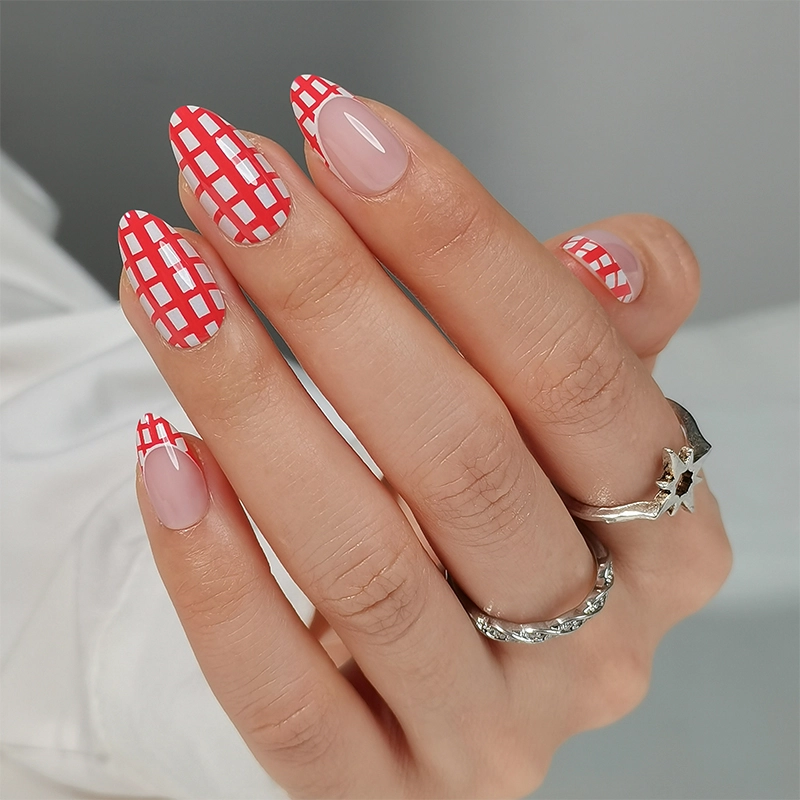
Wholesales Red French Nails Tips Checkered Soft Gel Nail Tips 32 Piece Set
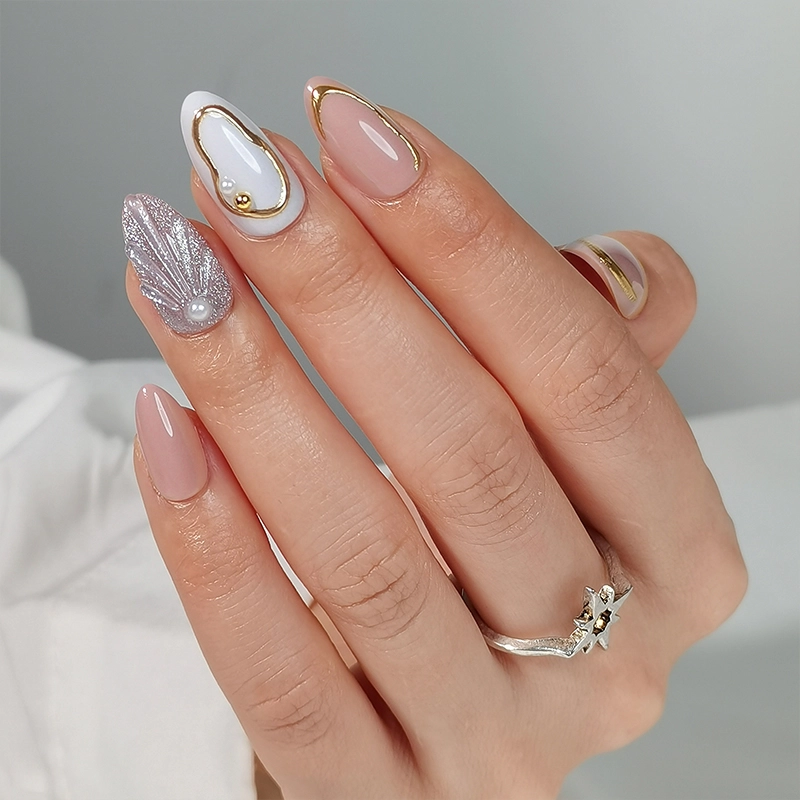
Wholesales Elegant Shell Inspired Soft Gel Wearable Nails for Seasonal Celebrations
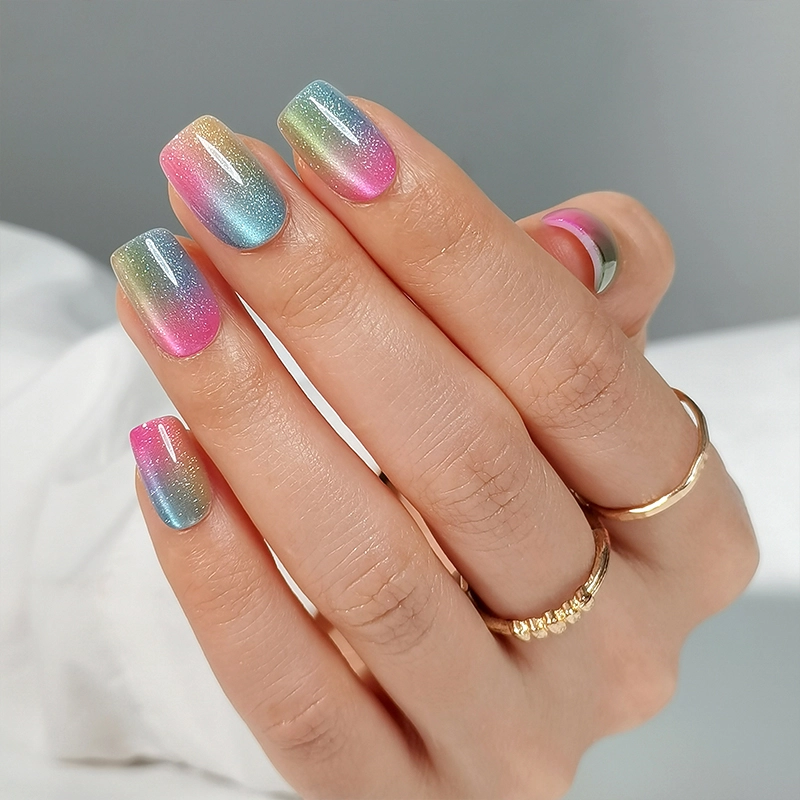
Custom Wholesale Gradient Cat Eye Soft Gel Wearable Fake Nails
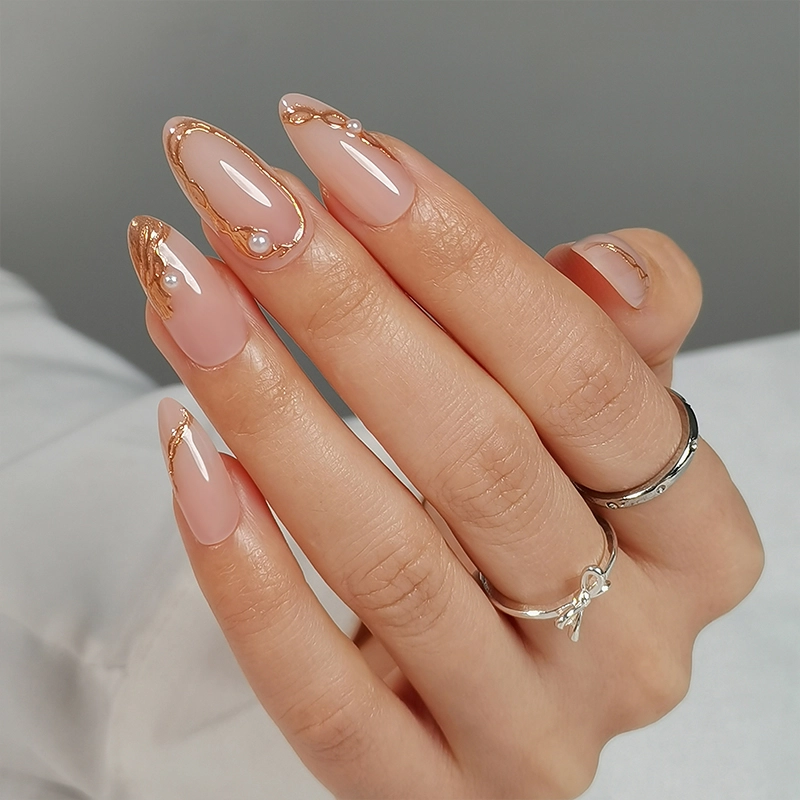
Wholesales Luxury Rhinestone Handmade Private Label Press On Nails Art Tips
Contact us
If you have press on nails products or customization needs, please feel free to contact from
below or via the contact information provided, we'll get back to you promptly within 24 hours.
By clicking 'Send Inquiry Now' I agree to XIANXING BEAUTY processing my personal data.
To see how to withdraw your consent, how to control your personal data and how we process it, please see our Privacy Policy and Terms of use.
Copyright © 2025 - XIANXING BEAUTY All Rights Reserved. Sitemap
Facebook
YouTube
Instagram
LinkedIn