
Which materials make the best press on nails for resale?
- Which materials make the best press on nails for resale when you must balance durability, flexibility and perceived value?
- How do material choices affect compatibility with nail glue, adhesive tabs, and reusability?
- Which production processes — injection molding, hand-cured gel, or 3D printing — deliver the best margins and lowest defect rates for resale lines?
- How should I specify thickness, curvature (C-curve) and flexibility to reduce sizing and return issues in a 10-size press-on set?
- Which finishing techniques — UV gel topcoat, powder (dip) finishes, transfer printing — best retain artwork during repeated wear and storage for retail press-on nails?
- What packaging, labeling and included-adhesive practices reduce customer service issues and increase perceived value for press-on nails sold retail and wholesale?
Which materials make the best press on nails for resale when you must balance durability, flexibility and perceived value?
For resale, choose materials that offer consistent quality, repeatable finishing, and predictable performance in customers' daily lives. The most reliable choices are injection-molded ABS plastic, polycarbonate, PMMA/acrylic tips, and cured soft-gel (UV/LED) press-ons. Each has trade-offs:
- ABS plastic: Lightweight, impact-resistant, flexible enough to reduce lifting on curved nails, and excellent for mass production. ABS accepts polish, gel topcoats and printed designs well, making it ideal for retail-ready press-on nails and bulk kits.
- Polycarbonate: Stiffer and more impact-resistant than ABS. Use this when you want a High Quality, rigid feel and very crisp free-edge shapes. It’s less forgiving on fit, so accurate sizing and curvature are essential.
- PMMA / Acrylic tips: Traditional acrylic tips give a High Quality salon feel and accept sculpting or nail powder finishes. They are slightly heavier and often positioned as higher-end options for boutique lines.
- Soft-gel / cured gel press-ons: Made by curing soft-gel resin inside molds, these offer superior adhesion to natural nail curves, a reusable surface, and high-gloss finished art without extra topcoat. They are perceived as High Quality, but production is more labor- or equipment-intensive.
Recommendation: For scalable resale lines, use injection-molded ABS for core SKUs and reserve polycarbonate or soft-gel for High Quality or custom collections. Decisions should be informed by your target customer's lifestyle (manual work vs. fashion wear), SKU pricing structure, and return tolerance.
How do material choices affect compatibility with nail glue, adhesive tabs, and reusability?
Material surface energy and porosity determine how adhesives bond. Non-porous plastics (ABS, polycarbonate) and cured gels bond well with cyanoacrylate-based nail glues when surface preparation is correct. Key points:
- Glue (cyanoacrylate): Provides longest wear across materials if used correctly. Non-porous surfaces need light abrasion at the base for a consistent bond. Avoid overly smooth or high-gloss bases without micro-roughening.
- Adhesive tabs: Preferred for temporary wear and are favored by customers who want easy removal. Tabs work best on slightly flexible bases (ABS and soft-gel) because flex absorbs stress instead of breaking the adhesive bond. Tabs typically reduce wear time but increase perceived safety and reusability.
- Reusability: Soft-gel press-ons and thicker ABS tips are most reusable if cleaned and stored correctly. Thin, highly polished tips can shed artwork or microcoatings when removed and cleaned repeatedly.
Operational tip: For resale, include both a small sachet of a recommended glue and a pair of adhesive tabs in each pack, and print clear instructions on surface prep and removal to reduce damage and returns.
Which production processes — injection molding, hand-cured gel, or 3D printing — deliver the best margins and lowest defect rates for resale lines?
Each production method targets different business models and cost structures:
- Injection molding: Best for high-volume resale SKUs. High upfront mold costs are offset by low per-unit cost, excellent consistency, and fast cycle times. Defect rates fall sharply after initial tool refinement. Ideal for large runs, standard sizes and simple shapes that will be decorated by pad printing, stamping or gel topcoats.
- Hand-cured soft-gel: Favours High Quality, low-to-mid volume curated lines with higher unit price. It offers flexibility in shape and finish (including encapsulated designs) but requires quality control for cure consistency, tack-free finish, and base curvature. Labor and equipment variability can increase defect rates if processes aren’t standardized.
- 3D printing: Excellent for prototyping custom fits, limited-edition art and micro-batching. It reduces tooling costs and speeds iteration, but per-unit time and post-processing needs make it less cost-effective for large-scale wholesale unless outsourcing to high-speed resin printers.
Recommendation: Use injection molding for your main catalog and soft-gel or 3D printing for High Quality/limited runs. Track first-pass yield and return rates by process to justify tooling investments and optimize SKU mix.
How should I specify thickness, curvature (C-curve) and flexibility to reduce sizing and return issues in a 10-size press-on set?
Returns often stem from poor fit—either lateral gaps, edge lift, or base curvature mismatch. To reduce returns for a 10-size set, specify these design parameters:
- Multiple base curvatures: Offer at least two base curvature profiles (shallow and medium/deep) during prototyping. Nail beds vary; locking in a single extreme curvature increases returns.
- Progressive sizing: Create a 10-size range that steps gradually from extra small to extra large. Ensure width-to-length proportions are balanced—many manufacturers design widths that are proportionally wider at larger sizes to match natural nail growth.
- Variable thickness: Use slightly thinner bases near the cuticle for comfort and slightly thicker mid-free-edge for impact resistance. This preserves flexibility where needed and strength where nails face abrasion.
- Flexible edge geometry: Design the lateral walls to have a small undercut or tapered edge to reduce side-lift when nails flex during daily tasks.
Operational steps: produce small pilot batches with both curvature families, send to a sample panel representing varied nail shapes, collect fit/flex feedback, then iterate. Record customer return reasons and adjust curvature or sizing charts rather than assuming a single global fit will work.
Which finishing techniques — UV gel topcoat, powder (dip) finishes, transfer printing — best retain artwork during repeated wear and storage for retail press-on nails?
Finish durability depends on adhesion between artwork and base plus protection from abrasion and chemicals. Common, durable finishing choices:
- UV/LED-cured gel topcoats: Provide high gloss and abrasion resistance when correctly cured. They bond well to acrylic, ABS and soft-gel bases and protect printed or hand-painted art.
- Encapsulated designs (soft-gel): Embedding artwork under a cured gel layer provides the strongest long-term protection against chipping and solvent exposure. Ideal for High Quality lines where longevity and reusability are selling points.
- Pad printing with a protective topcoat: Efficient for mass-decorated SKUs. Use inks and adhesion promoters compatible with the base material, and always finish with a cured topcoat to lock the ink in.
- Dip/powder finishes: Tend to be durable but are more variable in finish uniformity for mass production. Use them for boutique or hand-finished lines where texture is a selling point.
Quality-control tip: include abrasion, solvent (acetone/soap), and UV exposure testing on pilot batches and require material data sheets from print vendors. Designs that are only surface-printed without a cured protective layer are the most frequent cause of artwork failure complaints.
What packaging, labeling and included-adhesive practices reduce customer service issues and increase perceived value for press-on nails sold retail and wholesale?
Packaging and included consumables strongly affect returns, perceived value and repeat purchase. Implement these practices:
- Protective sealing: Individually sealed press-on sets in clear, tamper-evident pouches maintain hygiene and prevent finish scuffs. For wholesale, provide inner liners to prevent rubbing in bulk cartons.
- Include application kit: A small instruction card, a sanding/cleaning stick, an adhesive tab pair and a single-use glue sachet address the two main user errors: improper prep and using the wrong adhesive.
- Clear sizing guide and fit policy: Include a printable sizing template and an honest fit/return policy. A simple visual sizing tool reduces mismatched purchases and returns.
- Labeling & safety: Provide ingredient or material statements and adhesive safety warnings. Comply with regional labeling requirements (for example, EU Cosmetic Regulation and relevant U.S. cosmetic guidance) and include batch codes for traceability.
- Retail presentation: Use sturdy backing cards or small clamshells for retail displays. High Quality inserts (microfiber pouch or velvet pad) increase perceived value for higher-margin SKUs.
Operational metrics: track the percentage of returns attributed to fit, adhesive failure, or damage in transit. Packaging improvements can often reduce service tickets faster than product redesigns.
All recommendations above are based on material data sheets, industry manufacturing best practices, and hands-on production experience from leading press-on manufacturers. For regulatory and safety claims, follow regional cosmetic and consumer product guidance (for example EU cosmetics regulation and U.S. consumer product safety guidance) and request compliance documentation from raw-material suppliers.
In summary: choosing the best press on nails for resale means matching material and production method to your target price point and customer expectations — ABS or polycarbonate for scalable retail lines, soft-gel or acrylic for High Quality repeatable products — while optimizing curvature, base finish, adhesives and packaging to reduce returns and increase perceived value.
For a custom quote or to discuss materials, tooling and packaging options, contact us at [email protected] or visit www.xianxingbeauty.com.
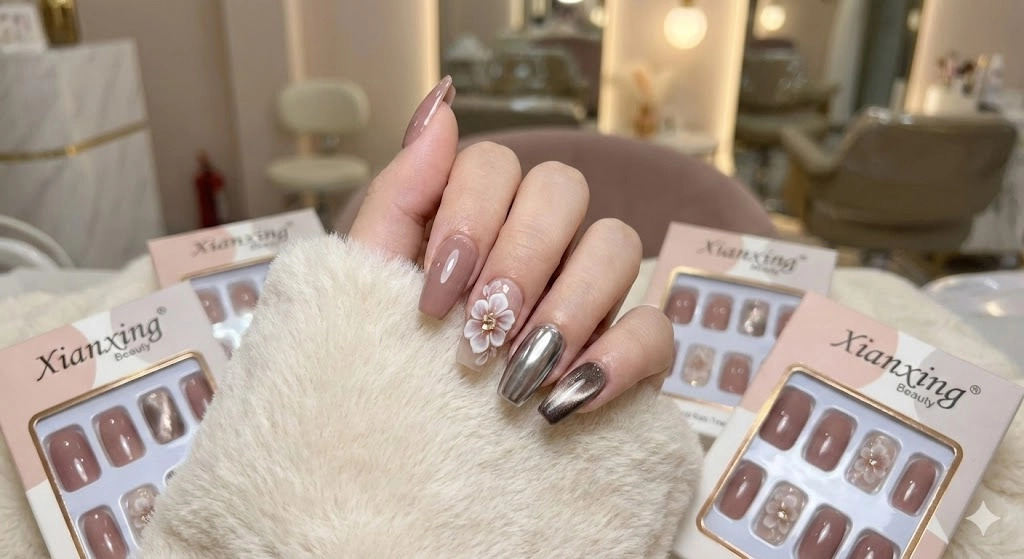
7 Red Flags to Avoid When Selecting a Wholesale Press On Nails Manufacturer
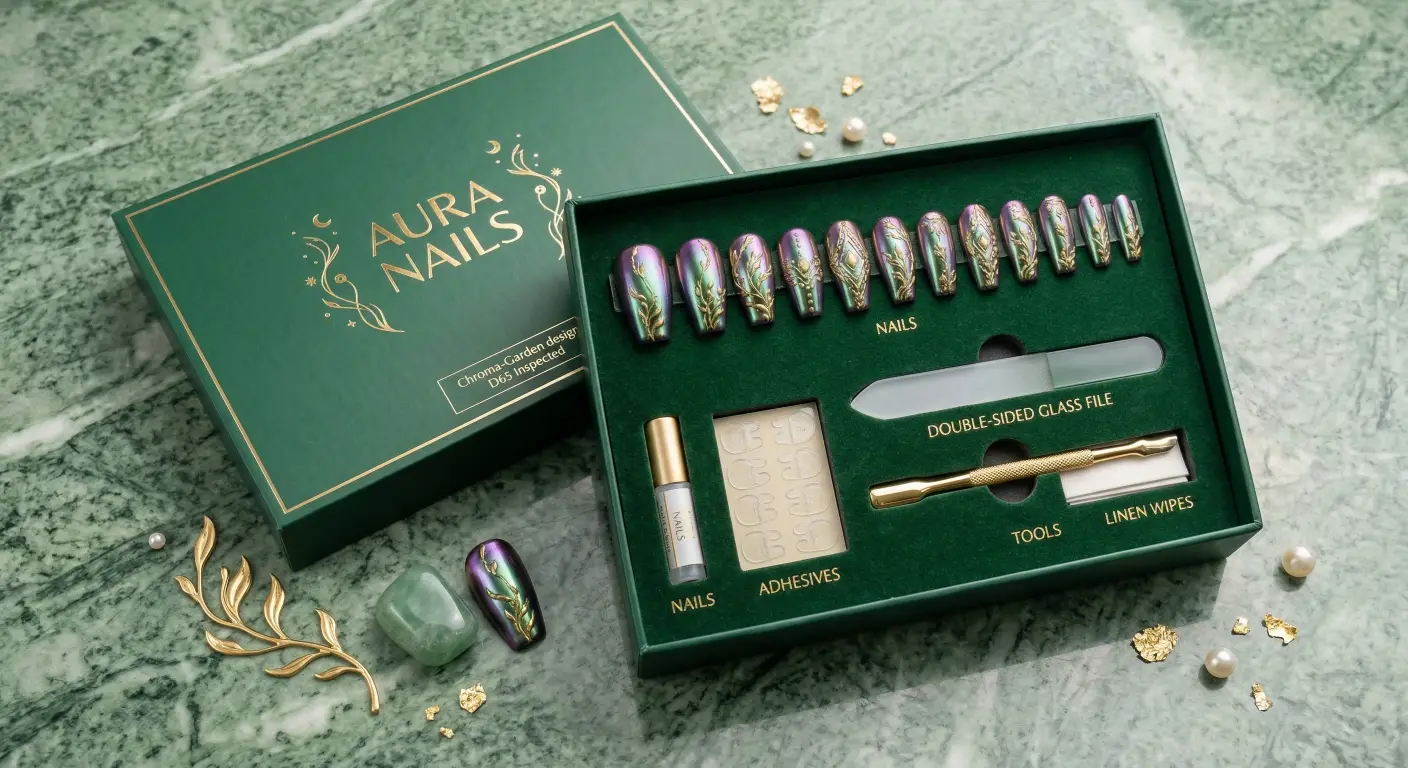
Quality Control: What to Expect from a Top-Tier Wholesale Press On Nails Manufacturer
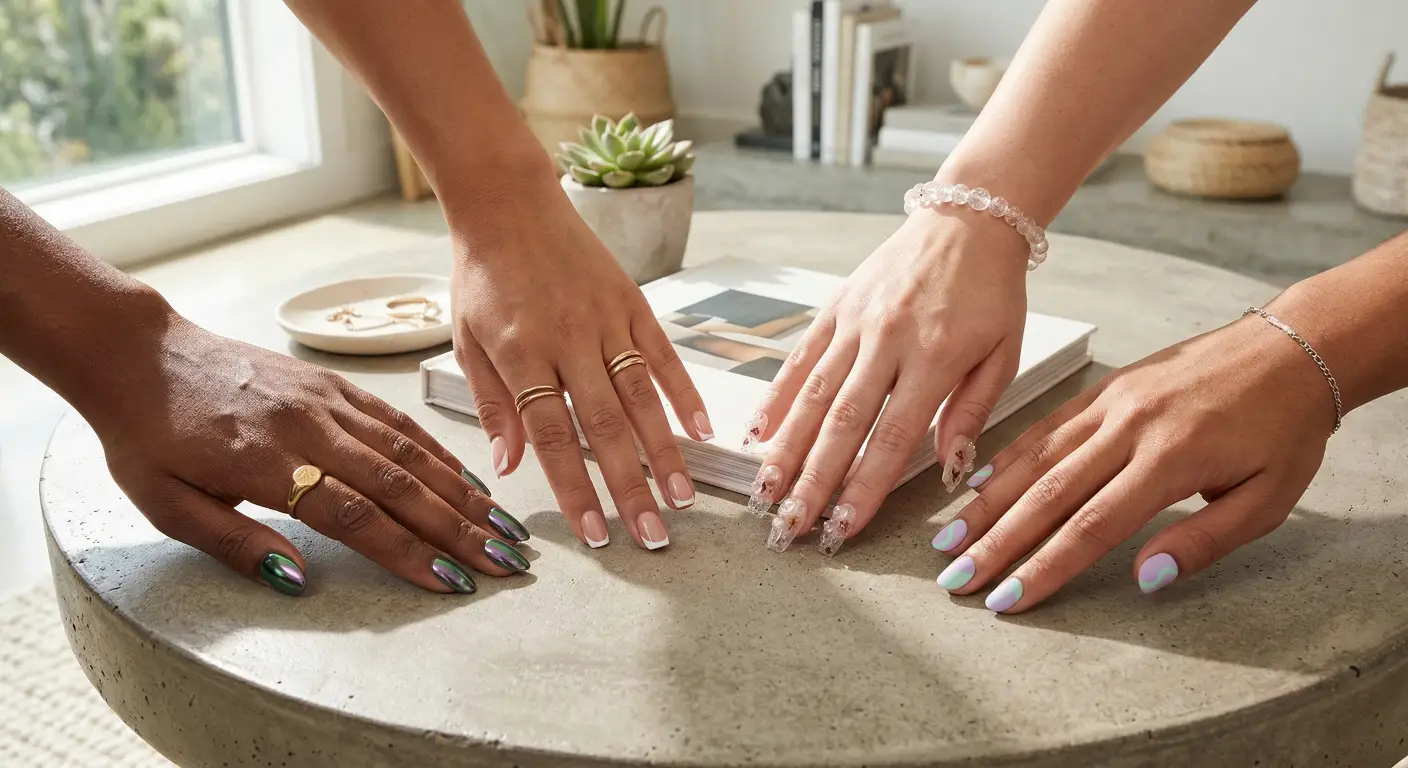
The Ultimate Guide to Choosing the Best Wholesale Press On Nails Manufacturer in 2026
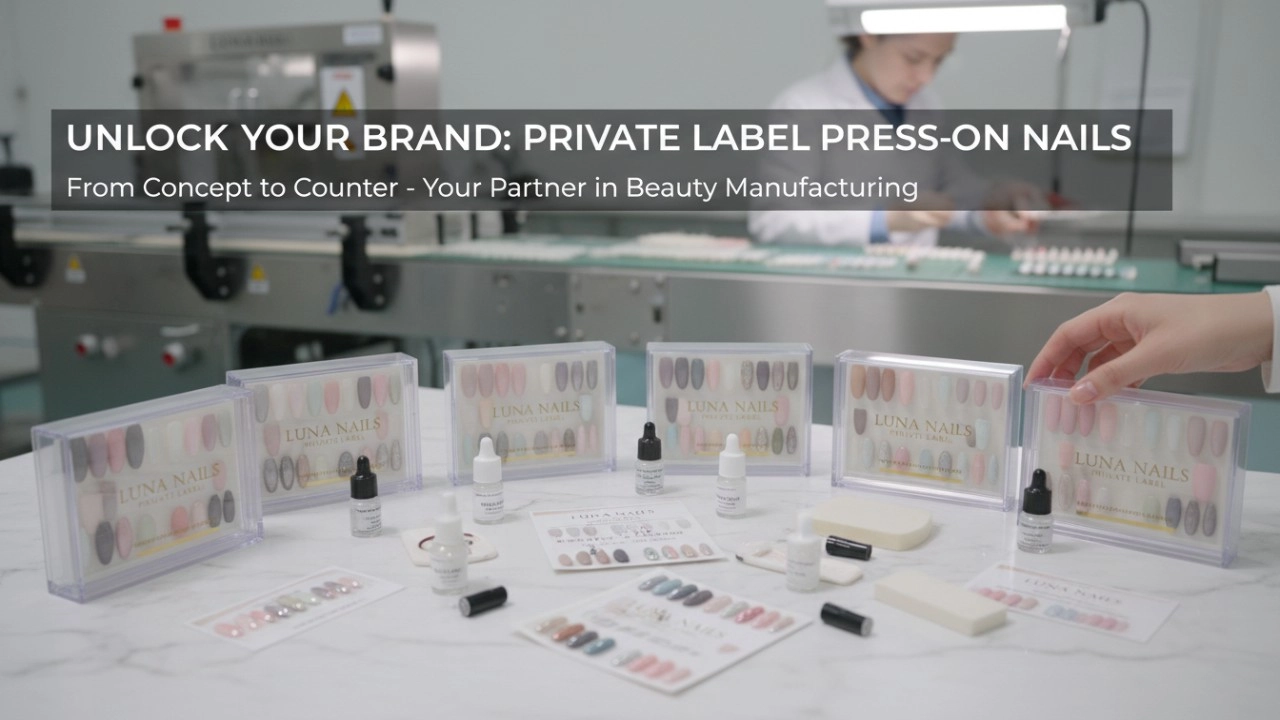
How to Scale Your Beauty Brand: Why Private Label Press On Nails Are the Highest-Margin Entry Point in 2026
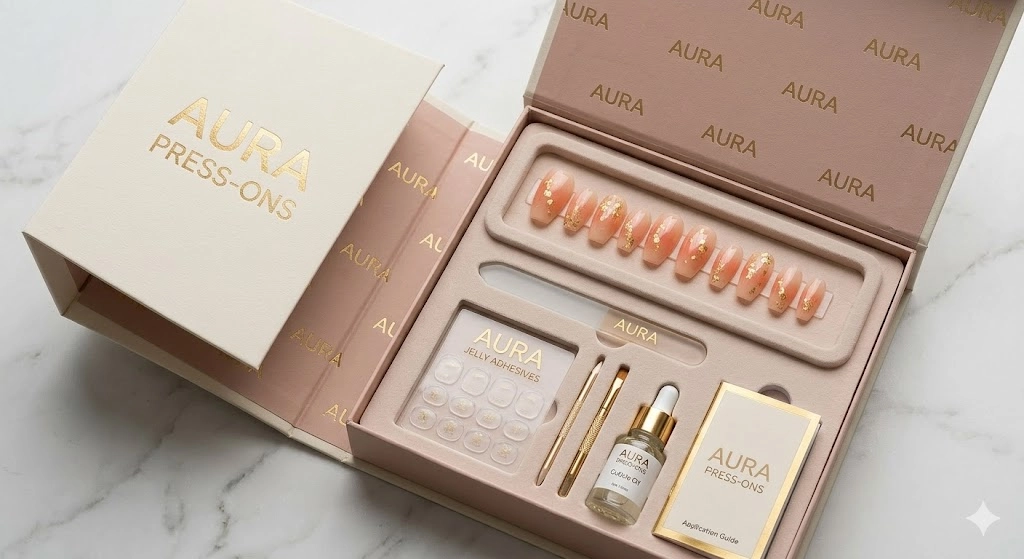
Why Partnering with Professional Press On Nails Manufacturers Boosts Your Brand Growth
About Product
What is the material of your wearable nails?
According to customer's market position, we have different materials such as ABS, gel, acrylic, etc to made the nail tips
Nail Dust Removal Brush
How do you use a nail dust cleaning brush?
Simply dip the brush into the dust after filing or buffing, then gently sweep the bristles over the nails and surrounding skin to remove any dust or debris. You can also use the brush to clean up the workstation.
About Christmas Nails
How do I remove them without damaging my natural nails?
Do not rip or pry them off! This can take layers of your natural nail with it.
1. Soak your nails in warm water for 10-15 minutes. You can add oil or soap to help break down the adhesive.
2. Gently slide a cuticle stick or orange wood stick under the side of the press-on to loosen it. It should pop off easily.
3. If there's stubborn glue left on your natural nail, gently buff it off or soak it again.
Always follow up with cuticle oil to rehydrate your nails and skin.
About chrome Nails
Are chrome press-ons safe for my natural nails?
Yes, they are safe when applied and removed properly. Use nail glue sparingly and avoid forcing them off during removal to prevent nail damage.
About Toe Nails
Can I paint over toe press-on nails?
Yes! You can apply nail polish to press-on nails for a custom look. Just be aware that some brands of press-on nails might not take polish well or might start to peel off if the polish is too thick. If you're planning to paint them, try using a base coat to help the polish adhere better.
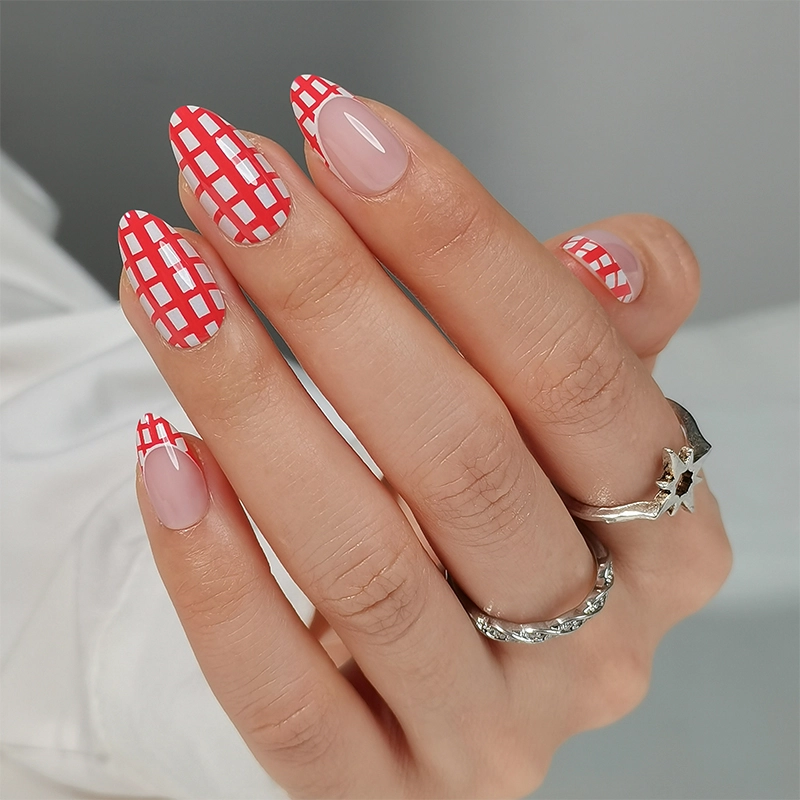
Wholesales Red French Nails Tips Checkered Soft Gel Nail Tips 32 Piece Set
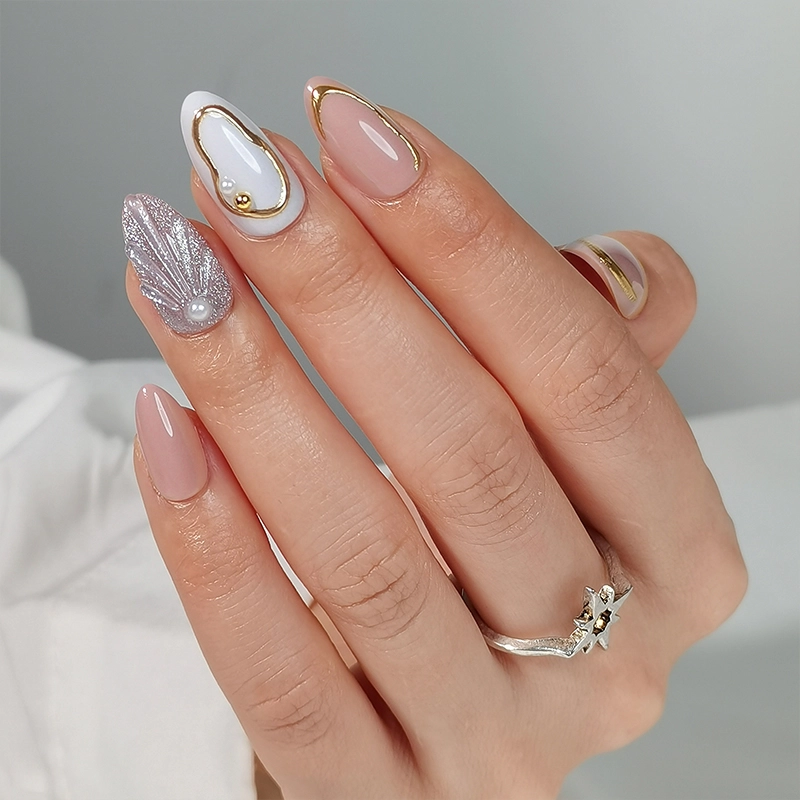
Wholesales Elegant Shell Inspired Soft Gel Wearable Nails for Seasonal Celebrations
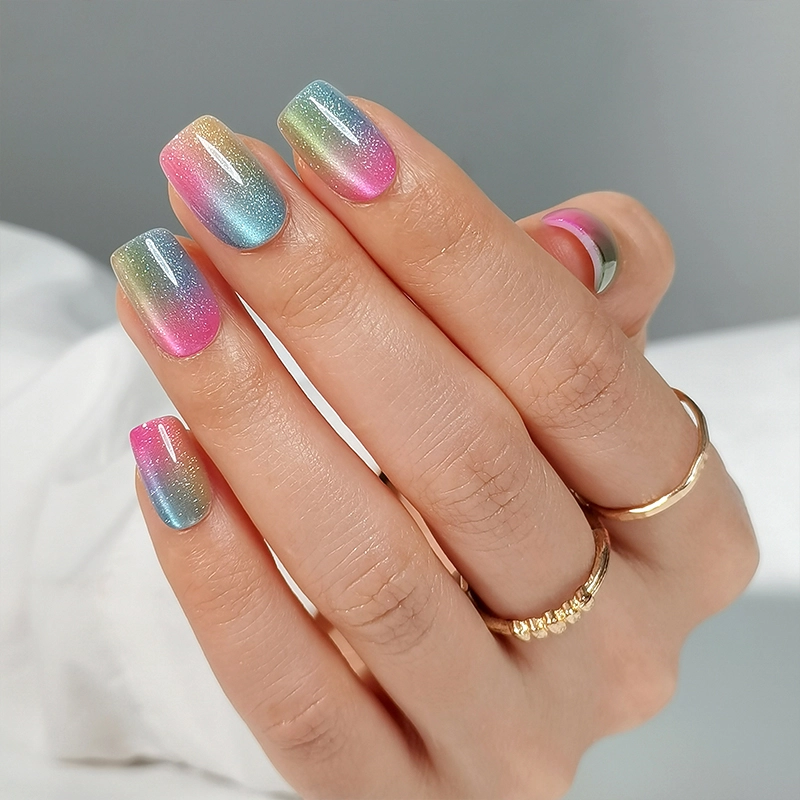
Custom Wholesale Gradient Cat Eye Soft Gel Wearable Fake Nails
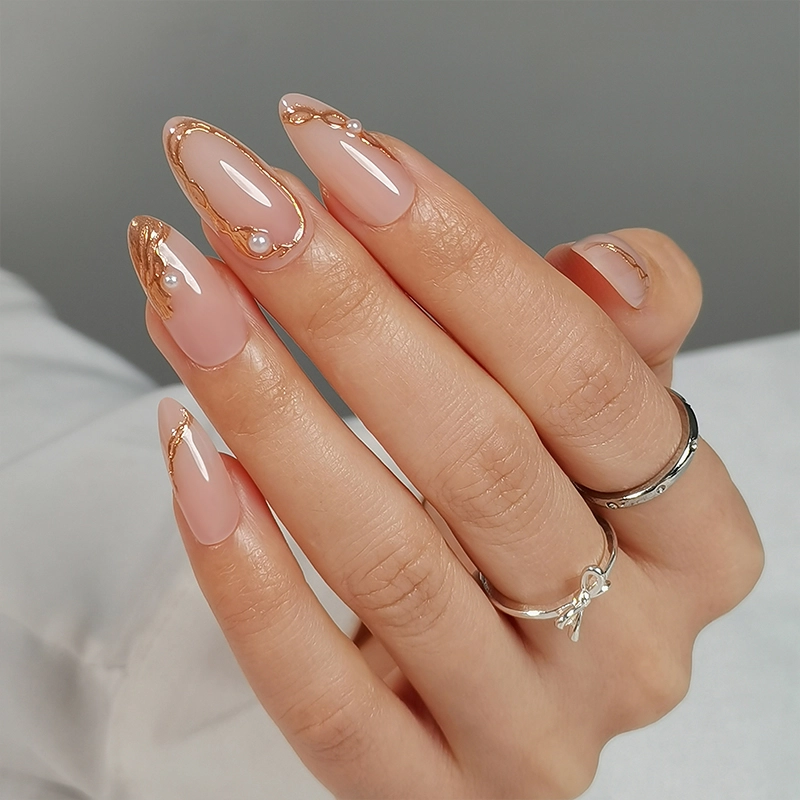
Wholesales Luxury Rhinestone Handmade Private Label Press On Nails Art Tips
Contact us
If you have press on nails products or customization needs, please feel free to contact from
below or via the contact information provided, we'll get back to you promptly within 24 hours.
By clicking 'Send Inquiry Now' I agree to XIANXING BEAUTY processing my personal data.
To see how to withdraw your consent, how to control your personal data and how we process it, please see our Privacy Policy and Terms of use.
Copyright © 2025 - XIANXING BEAUTY All Rights Reserved. Sitemap
Facebook
YouTube
Instagram
LinkedIn