
What certifications verify the best press on nails safety?
- 1. How can I confirm a brand’s press-on nails are non-toxic and free from banned phthalates or hazardous heavy metals before purchase?
- 2. What specific certification or test should I ask for to ensure nail glue is safe for sensitive skin and unlikely to cause severe allergic reactions?
- 3. How can I verify the manufacturer’s factory follows hygienic cosmetic Good Manufacturing Practices to reduce contamination risk?
- 4. What specific labeling and safety claims should appear on press-on nail packaging to indicate compliance in the US and EU?
- 5. Which third-party testing labs and reports are most trustworthy for press-on nail safety, and how do I read these reports?
- 6. How do I evaluate long-term nail health risks (lifting, onycholysis, fungal infection) from repeated press-on nail use, and are there certifications addressing these risks?
- Concluding summary: Why these verifications matter and how they protect you
Best Press On Nails: What Certifications Verify the Best Press On Nails Safety?
Whether you’re sourcing press-on nail kits for retail or buying your next press-on manicure, understanding verified safety credentials prevents allergic reactions, toxic exposures, and long-term nail damage. This guide answers six specific, under-addressed questions beginners and professionals face when comparing the best press on nails and press-on nail adhesives.
1. How can I confirm a brand’s press-on nails are non-toxic and free from banned phthalates or hazardous heavy metals before purchase?
Why this matters: Many shoppers worry about long-term exposure to phthalates and heavy metals in plastics and coatings used for press-on nails. Unfortunately, many product pages claim non-toxic without backing documentation.
Practical verification steps:
- Request a recent third-party lab report that lists test methods and results. Reliable tests include GC-MS (gas chromatography–mass spectrometry) for phthalates and ICP-MS (inductively coupled plasma mass spectrometry) for heavy metals (lead, cadmium, chromium, arsenic, mercury).
- Confirm the testing lab’s accreditation: look for ISO/IEC 17025 on the report (this verifies the lab meets international testing competence standards).
- Ask the supplier for the sample ID and date on the report and match it to the batch/lot you intend to buy. A report without a matching lot number is weak evidence.
- Know relevant regulatory baselines: the EU regulates certain phthalates (DEHP, DBP, BBP, DIBP) under REACH and cosmetic rules; reputable vendors will state compliance with these limits and will share GC-MS results showing non-detect or levels below regulatory thresholds.
- Request the product’s SDS (Safety Data Sheet) and an ingredient declaration using INCI names where relevant—this helps identify hidden plasticizers or residual monomers from manufacturing.
Red flags: vague lab tested claims without a downloadable report, missing sample or lot number, labs not listing accreditation, or materials described only as plastic with no polymer identification. Many high-quality press-on nails are made from ABS or acrylic resin with non-toxic gel coatings—insist on polymer identification (FTIR or material statement) to be sure.
2. What specific certification or test should I ask for to ensure nail glue is safe for sensitive skin and unlikely to cause severe allergic reactions?
Why this matters: Adhesives are the most common cause of immediate allergic or chemical burns with press-on nails. Ethyl cyanoacrylate-based glues are typical, but purity and formulation differences matter.
Tests and documentation to request:
- Material disclosure and SDS for every adhesive you plan to sell or use—this identifies cyanoacrylate content and preservatives that commonly trigger reactions.
- Dermal irritation and sensitization data: look for clinical patch test results or pre-market sensitization testing. While cosmetics don’t require a single global test, manufacturers often use OECD guideline tests (e.g., Local Lymph Node Assay, OECD TG 429) or controlled human repeat insult patch tests (HRIPT) to evaluate sensitization risk.
- Clinical patch test reports: these demonstrate real-world skin compatibility in a sample population and are valuable for products marketed as suitable for sensitive skin. Check sample size, application protocol, and whether positive reactions were followed up.
- Stability data: adhesives should include accelerated aging and shelf-life testing to show breakdown products won’t increase irritancy over time.
How to interpret results: a negative or low-reactivity patch test in a well-documented HRIPT or clinical trial is more meaningful than a non-specific hypoallergenic label. If a glue contains stabilizers or fragrance, expect higher sensitization risk—request formulations without unnecessary additives.
3. How can I verify the manufacturer’s factory follows hygienic cosmetic Good Manufacturing Practices to reduce contamination risk?
Why this matters: Contaminated finishing, dust, or poor adhesive handling can introduce microbes or particulates that lead to infections or reduce product safety.
Concrete documentation to request:
- ISO 22716 certificate (cosmetic Good Manufacturing Practices). ISO 22716 covers hygiene, traceability, personnel, and quality controls specific to cosmetics manufacturing. Press-on nails and adhesive assembly for consumer use benefit from these GMP practices.
- Third-party factory audit reports (Bureau Veritas, SGS, Intertek) or client audits that verify on-site controls—look for date, scope, and corrective actions if any non-conformances were found.
- Visual evidence: current production photos or short video walkthroughs showing controlled storage, separation of raw materials, clean workstations, and proper packaging lines. These aren’t certificates but support claims.
- Environmental monitoring data if the product is marketed as sterile or antiseptic—otherwise, manufacturers should still supply microbiological test results for finished goods to show acceptable total viable counts and absence of pathogens.
Red flags: factories that refuse to provide any GMP or audit documentation, or reports older than 2–3 years without renewal. Also be cautious if the manufacturer combines adhesives and nails on the same unpackaged line without clear cross-contamination controls.
4. What specific labeling and safety claims should appear on press-on nail packaging to indicate compliance in the US and EU?
Why this matters: Proper labeling not only informs consumers but also indicates regulatory compliance and traceability—essential for recalls or quality investigations.
Required and recommended label elements:
- Manufacturer or distributor name and contact address (US and EU required for traceability).
- Country of origin and batch/lot number or production code to link to test reports and production records.
- Ingredient declaration where applicable: if coatings, primers, or adhesives are included and the product is marketed with cosmetic claims (e.g., protects your nails), provide INCI ingredient names. If the product is sold as an accessory (purely decorative), ingredient rules differ—but full transparency is best practice.
- Safety warnings for adhesives: choking hazard (if small parts), keep away from children, avoid eye contact, instructions for immediate removal and first-aid steps for accidental skin bonding.
- Responsible person and CPSR indication in the EU: EU law requires a Responsible Person and a Cosmetic Product Safety Report (CPSR) for cosmetics. If coatings or adhesives are regulated as cosmetics, the vendor should state compliance.
Legal note (accurate as of this writing): The U.S. FDA does not pre-approve cosmetics or press-on nails but enforces truthful labeling and safety. The EU has stricter pre-market safety responsibilities under Regulation (EC) No 1223/2009. A brand that provides CPSR documentation and ingredient transparency demonstrates higher compliance.
5. Which third-party testing labs and reports are most trustworthy for press-on nail safety, and how do I read these reports?
Why this matters: Many vendors post test PDFs; beginners struggle to know which labs and tests are meaningful.
Trusted lab types and what to look for:
- International labs with ISO/IEC 17025 accreditation (SGS, Intertek, Eurofins, Bureau Veritas). Accreditation confirms technical competence and validated methods.
- Relevant test types: ICP-MS for heavy metals, GC-MS for phthalates and VOCs, FTIR for polymer identification, microbial challenge tests for bioburden, and analytical chemistry reports for residual monomer levels. For adhesives, adhesive composition analyses and cytotoxicity/dermal tests are relevant.
- How to read the report: check the sample ID and photo, method reference (e.g., EN, ASTM, ISO or internally validated method), detection limits (LOD/LOQ), and numerical results with units. A result reported as
- Verify authenticity: contact the lab via its official site and reference the report number if in doubt. Labs publish disclaimers about report misuse and will confirm if a report is genuine.
Typical pitfall: vendors share raw lab data without method or accreditation—those PDFs are much less useful for verifying safety. Prioritize reports that show testing method, accredited lab stamp, and sample identification.
6. How do I evaluate long-term nail health risks (lifting, onycholysis, fungal infection) from repeated press-on nail use, and are there certifications addressing these risks?
Why this matters: Consumers increasingly want long-term nail health assurance. Unfortunately, no single long-term safety certification covers repeated cosmetic accessory use.
What to look for and best practices:
- No universal certification: unlike medical devices, cosmetic accessories such as press-on nails lack a single global certification for long-term wear. Instead, rely on a combination of clinical data, manufacturing controls, and adhesive information.
- Clinical wear studies: ask suppliers for controlled wear studies showing average wear time, impact on the natural nail (photographic baseline and follow-ups), and reported adverse events. Even small clinical trials are more informative than marketing claims.
- Adhesive guidance: fungal infections and onycholysis commonly occur when moisture is trapped beneath edges or when adhesives damage the nail plate. Choose systems that recommend limited continuous wear (e.g., 7–14 days) and supply clear removal instructions to avoid forcible lifting. Long occlusive wear increases fungal risk—ensure the vendor documents recommended wear-time based on testing.
- Design features that reduce risk: good press-on nail kits include sizing guides, proper edge beveling, and a reliable adhesive system (tabs or medical-grade adhesive) to minimize gaps that trap moisture. Some manufacturers provide ventilated or breathable designs in their descriptions—ask for testing proving reduced moisture retention.
- Consumer education and aftercare: high-quality brands supply removal solutions (acetone-based or adhesive removers), instructions to file rather than peel, and recommendations to avoid application on broken or fungal nails. These practices materially reduce long-term risks.
Summary of evidence-based steps: prioritize vendors that provide clinical wear data, clear adhesive chemistry and SDS, and step-by-step application/removal guidance. No single seal guarantees long-term nail health, but combined documentation, GMP, and clinical data form the strongest assurance.
Concluding summary: Why these verifications matter and how they protect you
When sourcing or buying the best press on nails, demand ISO 22716 GMP evidence, ISO/IEC 17025-accredited lab reports (ICP-MS, GC-MS, FTIR), SDS for adhesives, and clinical patch/wear studies. These elements together verify material safety, adhesive skin compatibility, hygienic manufacturing, and practical long-term use guidance. For retailers and salon owners, this documentation reduces liability and supports truthful marketing—non-toxic and hypoallergenic should be backed by data, not just a label.
Advantages at a glance: verified non-toxic materials reduce chemical exposure; accredited testing lowers the risk of heavy metal or phthalate contamination; GMP-controlled production reduces contamination and variability; clinical and patch testing lowers allergic reaction risks; clear labeling and aftercare reduce long-term nail damage and infection risk.
For a customized quote or to request documentation templates (SDS request forms, lab-report checklists, sample contract language), contact us at www.xianxingbeauty.com or [email protected]—we’ll help you verify suppliers and build compliant product pages.
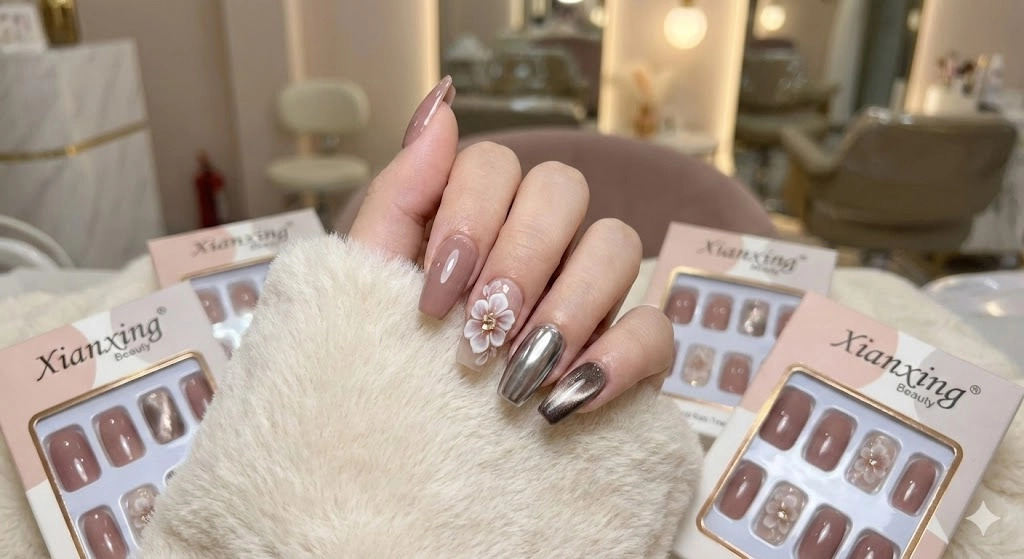
7 Red Flags to Avoid When Selecting a Wholesale Press On Nails Manufacturer
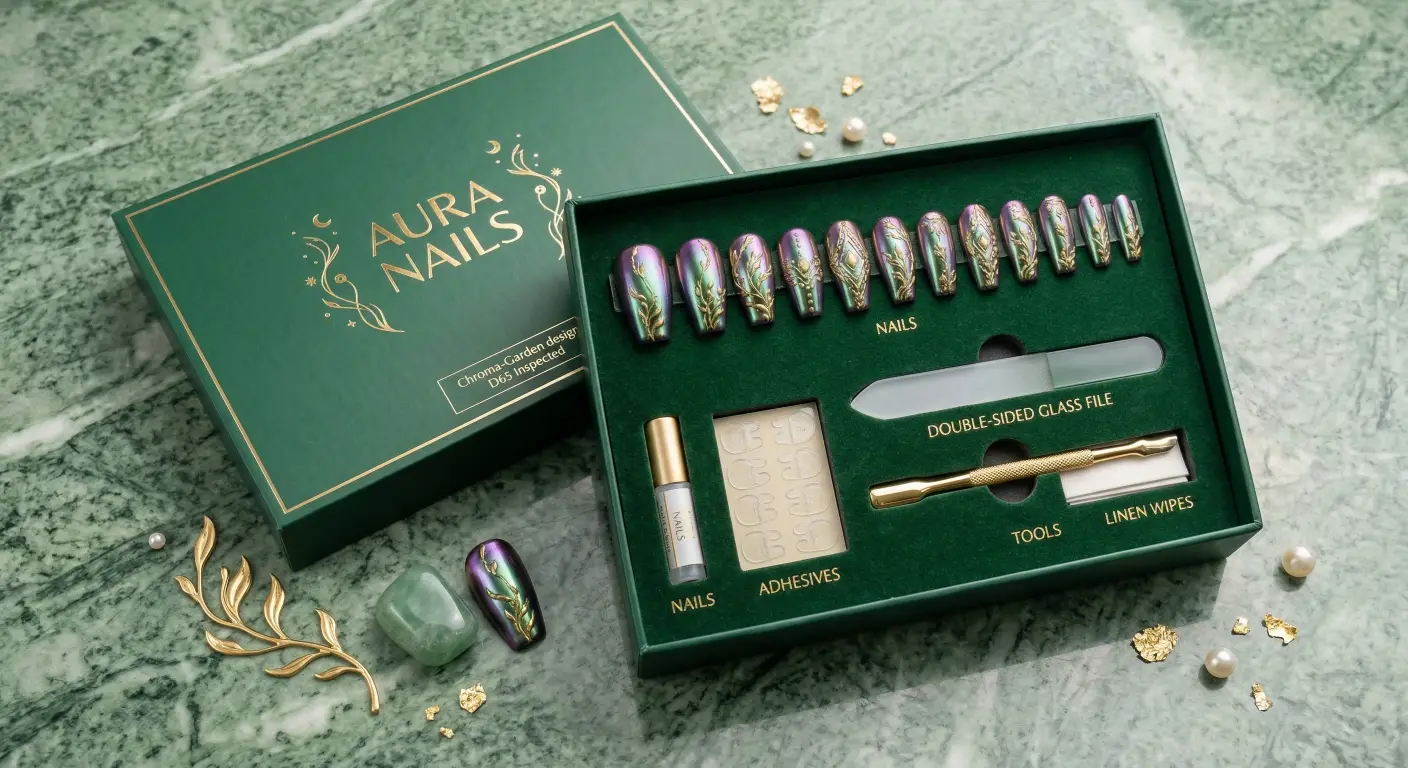
Quality Control: What to Expect from a Top-Tier Wholesale Press On Nails Manufacturer
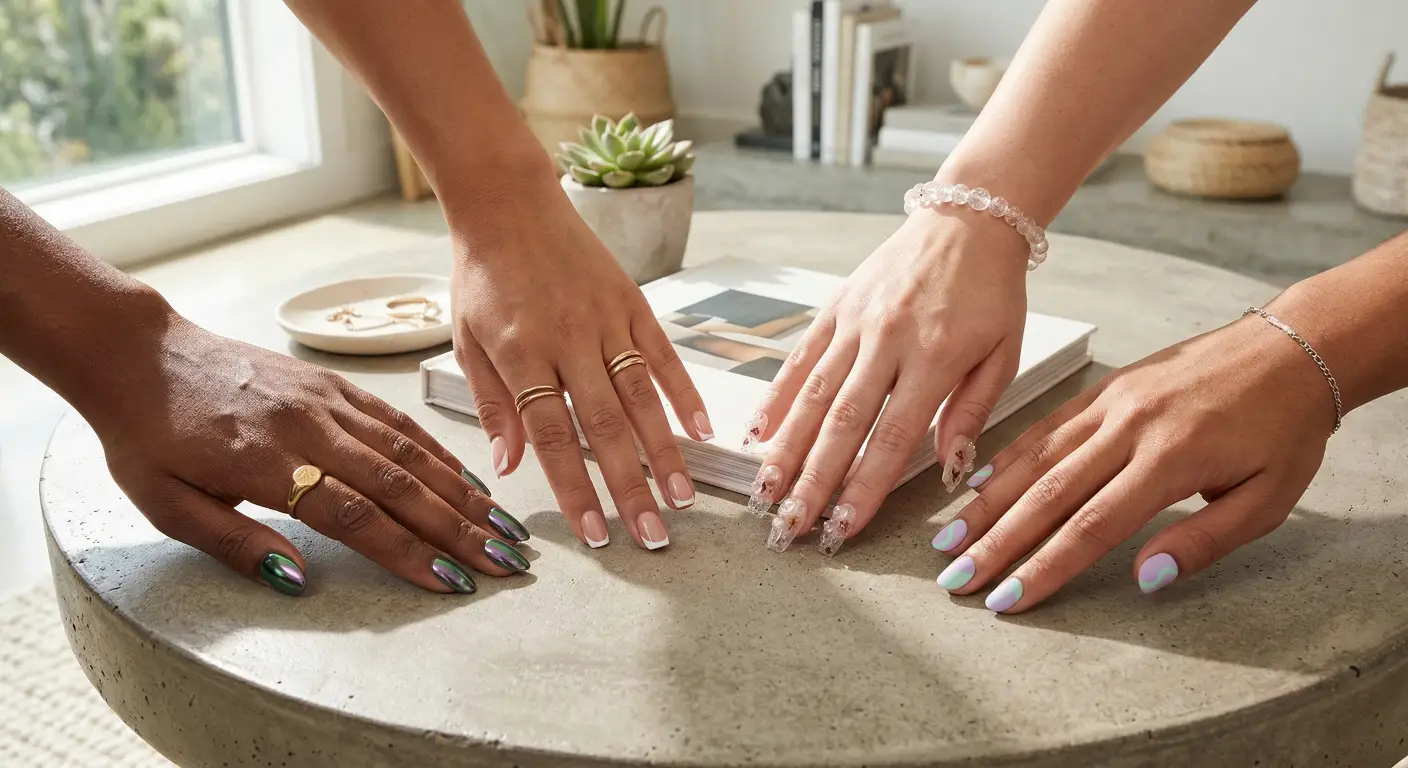
The Ultimate Guide to Choosing the Best Wholesale Press On Nails Manufacturer in 2026
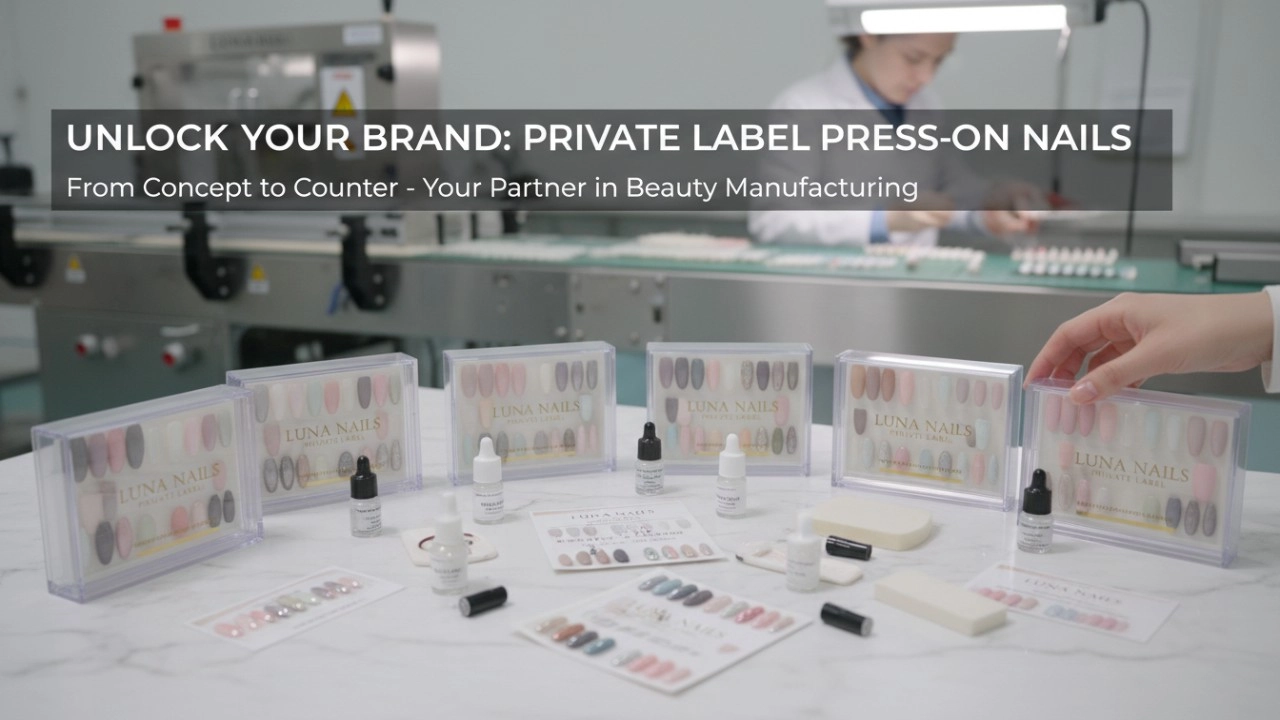
How to Scale Your Beauty Brand: Why Private Label Press On Nails Are the Highest-Margin Entry Point in 2026
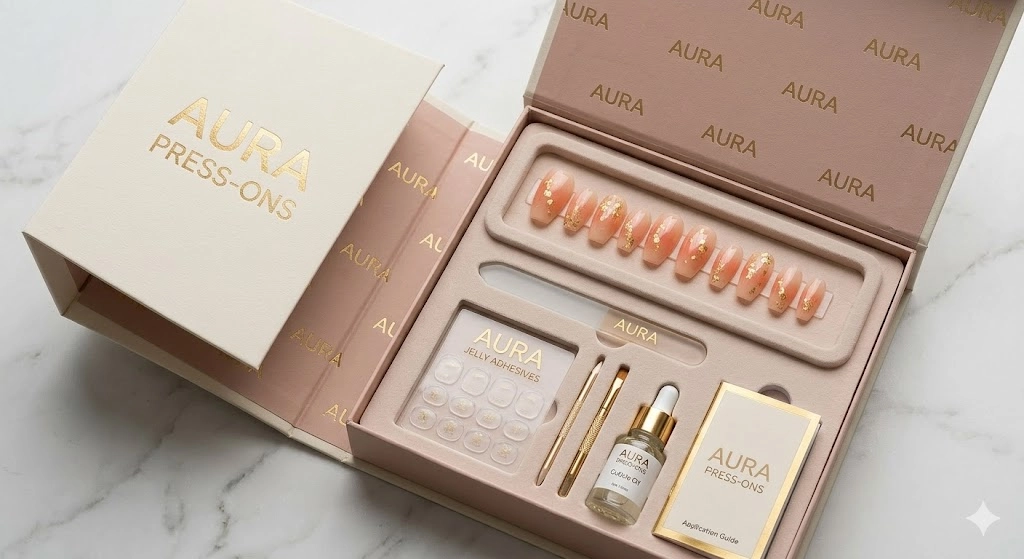
Why Partnering with Professional Press On Nails Manufacturers Boosts Your Brand Growth
Customization
Do you provide customized press on nails packaging service?
Yes, we have abundant color box templates for customers to choose from, and we can also customize according to customers' requirements.
Dead Skin Remover
Are dead skin forks suitable for all skin types?
Dead skin forks can be used on most skin types, but if you have sensitive skin, active acne, or skin conditions like eczema or rosacea, it’s better to consult with a dermatologist before use.
About solid color nails
How long can it last after wearing?
Under the correct use of the general can be lasted for 2 weeks.
Salon Client
Do you support global shipping?
Yes, we offer global logistics services, ensuring that products are delivered safely and on time.
About Cat Eye Nails
Can I file or cut the press-ons?
Some light filing is absolutely fine, but avoid cutting your press-ons to keep their design and durability fully intact.
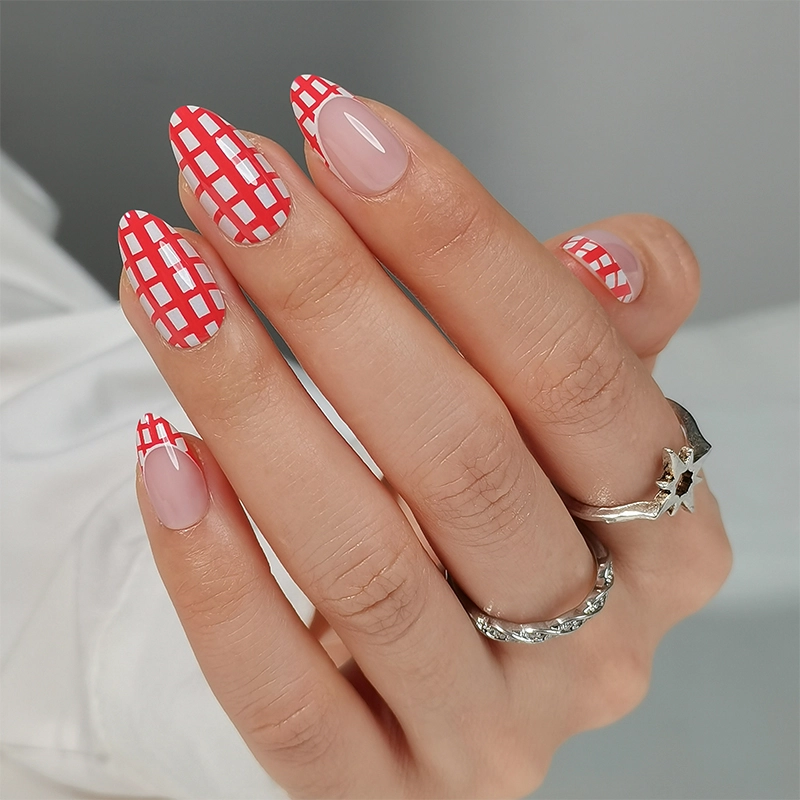
Wholesales Red French Nails Tips Checkered Soft Gel Nail Tips 32 Piece Set
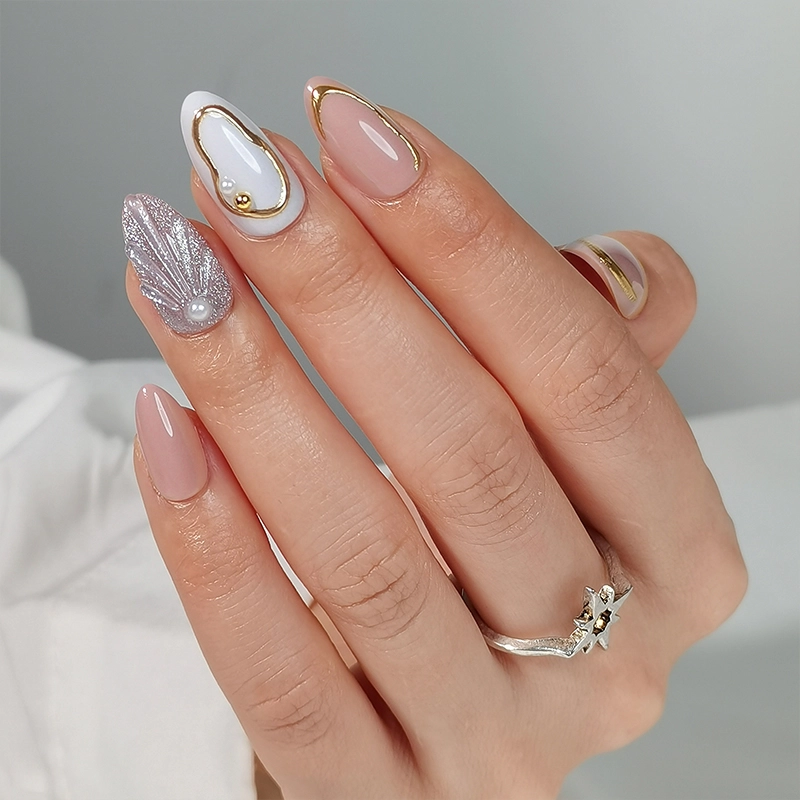
Wholesales Elegant Shell Inspired Soft Gel Wearable Nails for Seasonal Celebrations
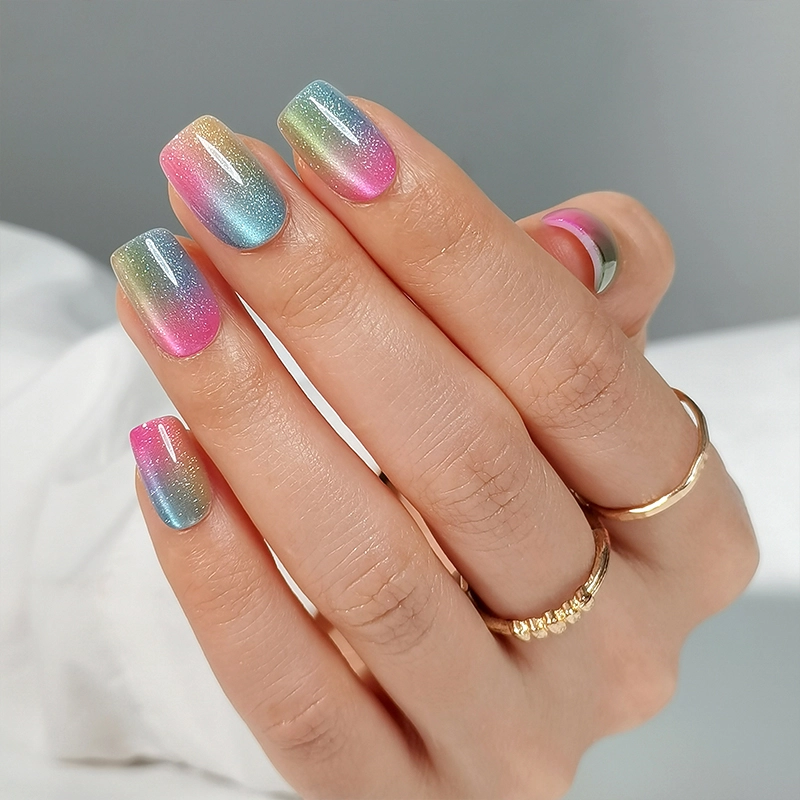
Custom Wholesale Gradient Cat Eye Soft Gel Wearable Fake Nails
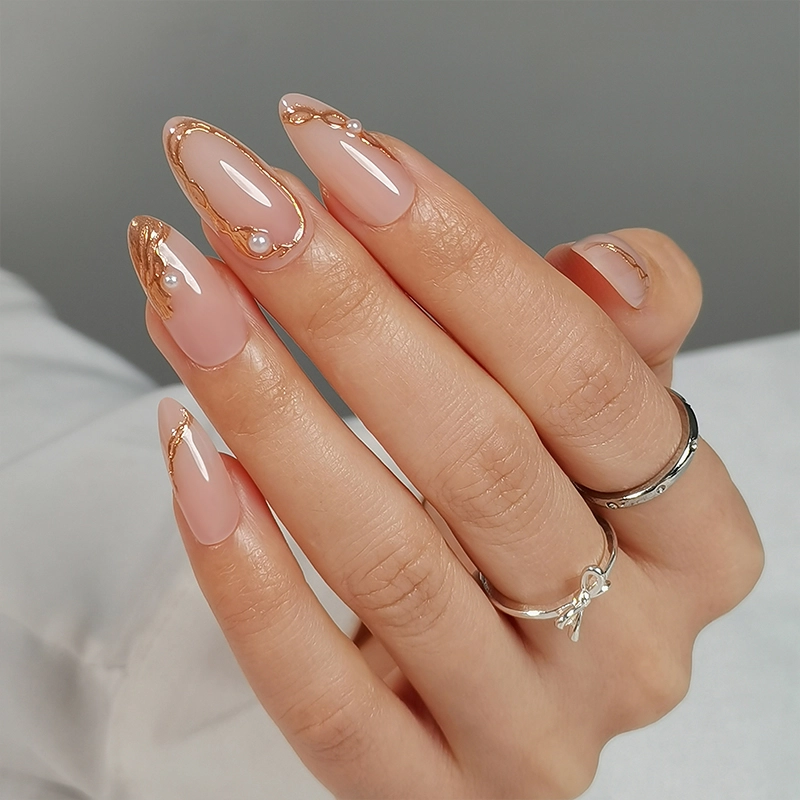
Wholesales Luxury Rhinestone Handmade Private Label Press On Nails Art Tips
Contact us
If you have press on nails products or customization needs, please feel free to contact from
below or via the contact information provided, we'll get back to you promptly within 24 hours.
By clicking 'Send Inquiry Now' I agree to XIANXING BEAUTY processing my personal data.
To see how to withdraw your consent, how to control your personal data and how we process it, please see our Privacy Policy and Terms of use.
Copyright © 2025 - XIANXING BEAUTY All Rights Reserved. Sitemap
Facebook
YouTube
Instagram
LinkedIn