
How to ensure supply chain reliability for best press on nails?
- 1. How can I verify ABS resin grade and batch traceability for OEM press-on nails before placing a large order?
- 2. What QA tests and acceptance criteria should I require (AQL) for the best press on nails to avoid high defect returns?
- 3. How do I design packaging and inserts to pass shipping drop tests and retail standards while keeping MOQ low?
- 4. How can I ensure adhesive performance and low allergy risk for press-on nails across different climates?
- 5. How should I structure contracts, incoterms and inventory buffers to minimize lead-time disruption for best press on nails?
- 6. How to implement dual-sourcing and local finishing to guarantee supply chain reliability for best press on nails?
1. How can I verify ABS resin grade and batch traceability for OEM press-on nails before placing a large order?
To reliably source the best press on nails, you must treat raw nail blanks (typically ABS or modified ABS) as critical components. Ask suppliers for: a) material certificates (certificate of analysis, CoA) stating resin grade, melt flow index (MFI) or density, and any additives; b) mill lot/batch numbers tied to production dates; c) MSDS and any relevant REACH or local compliance reports. Verification steps:
- Require a CoA and MSDS up front and compare specs to your target performance (flex, edge integrity, print adhesion). If the supplier can’t provide these documents, treat them as unqualified.
- Request sample pieces from the exact production lot you plan to buy. Lab-test those samples (third-party labs such as SGS, Intertek or local accredited labs) for dimensional accuracy, tensile/flex tests if relevant, and surface energy (critical for nail glue and print adhesion). Surface energy testing (dyne test) helps predict how well polish prints and adhesives will bond.
- Insist on batch traceability in the contract — supplier must mark internal batch IDs on invoices and packing lists and retain lot records for a defined period (e.g., 24 months). This enables recalls and root-cause analysis.
- For high-volume SKU launches, consider a pilot run (100–500 sets) from the nominated lot for consumer feedback before scaling up. This reduces the risk of a full-order material mismatch.
Embedding these checks prevents surprises when scaling and is a foundational step for sourcing the best press on nails with consistent quality.
2. What QA tests and acceptance criteria should I require (AQL) for the best press on nails to avoid high defect returns?
Superficial QA leads to returns and negative reviews. Set explicit acceptance criteria and sampling rules in your purchase order:
- Use ISO 2859-1 (AQL) sampling as the baseline (general inspection level II). For consumer press-on nails, industry practice is to set AQLs such as: major defects ≤ 2.5 and minor defects ≤ 4.0. For High Quality SKUs, tighten to major ≤ 1.5.
- Define defect categories with photos and tolerances: color mismatch, sizing out-of-range (±0.5 mm), adhesion tab/glue omissions, severe surface imperfections (bubbles, chips), print misregistration greater than X mm, packaging seal failures.
- Pre-shipment inspection (PSI): demand a PSI by an independent inspector (SGS, Bureau Veritas, or a trusted local inspection firm). Require a written inspection report with sample photos and measured results.
- Functional tests to include: nail-to-skin fit test (sample panels on volunteers or mannequins), adhesive performance test (see question 4), and peel testing of packaging seals (ISTA guidance).
- Acceptance criteria: set a maximum acceptable total defective rate in contract (e.g., <1.0% for finished sets). Tie penalties or remediation steps to failures (rework, replacement shipments, or price adjustments).
These explicit QA rules convert vague expectations into enforceable supply agreements for the best press on nails.
3. How do I design packaging and inserts to pass shipping drop tests and retail standards while keeping MOQ low?
Packaging is not just presentation — it protects product integrity and impacts returns. To balance retail durability and low MOQ:
- Start with a dimensional and weight-optimized retail-ready design. Ask for a protective inner tray (recyclable PET or molded pulp) that secures each set. This prevents nail movement and edge damage.
- Run ISTA or equivalent tests: for e-commerce direct-ship SKUs use ISTA 3A or a simple ISTA 1A drop test for domestic shipments. For retail pallet shipments add a compression test and vibration cycle.
- For small MOQ pilots, negotiate proto packaging runs (short-run tooling or digital printing) or use a neutral generic outer box with distinctive printed sleeves applied later. This lowers initial tooling costs while proving the packaging concept.
- Ask suppliers for packaging validation photos and test reports as part of the pre-shipment package. If your budget allows, request a sample shipped through your chosen courier to a test address to validate dimensional weight and transit behavior.
- Consider inserts for instruction cards (nail sizing guide, safe removal) printed in multiple languages; these lower returns by reducing misuse.
Well-thought packaging prevents damage, reduces return rates and keeps brand perception intact without forcing high initial MOQ commitments.
4. How can I ensure adhesive performance and low allergy risk for press-on nails across different climates?
Adhesive failure and allergic reactions are among top consumer complaints. To ensure consistent bond strength and safety:
- Specify adhesive type: cyanoacrylate glues are common for maximum hold; double-sided adhesive tabs are preferred for reusable and lower-risk SKUs. For glue, require supplier MSDS, IR spectra, and VOC data. For tabs, require peel force tests.
- Define performance tests: conduct peel adhesion (e.g., ASTM D903 style) and shear tests under three environmental conditions — cold (5–10°C), ambient (20–25°C), and hot (30–40°C with humidity). Many markets experience extremes, and adhesive performance can vary widely.
- Allergy/safety screening: request ingredient disclosure for adhesives and tabs. For glues, verify absence of banned substances and request third-party patch testing data or dermatological safety reports. For Tabs, confirm materials (pressure-sensitive adhesives) are hypoallergenic and meet local regulations (e.g., EU cosmetic/contact material rules).
- Consumer-use simulation: run wear tests on volunteers over multiple days across different activities (washing, household chemicals, exercise). Log failure modes: edge lift, full de-bond, breakage.
- Provide clear instructions and warnings in packaging and product pages — proper nail prep (clean, dehydrate with alcohol), recommended adhesive amount, and removal steps reduce misuse-related failures.
This combination of lab tests, environmental conditioning, and real-world wear trials ensures adhesive reliability and low allergy risk for the best press on nails.
5. How should I structure contracts, incoterms and inventory buffers to minimize lead-time disruption for best press on nails?
Supply reliability is partly legal and logistical. Use these contract and operational levers:
- Incoterms: for production-sourced goods, consider FOB (factory) if you control freight selection and consolidation, or DDP (delivered duties paid) if you prefer predictable landed costs. Always clarify who is responsible for customs delays and demurrage.
- Lead-time clauses: define clear lead times for prototypes, pilot runs and mass production with clock-start events (e.g., “lead time starts after receipt of final approved artwork and 30% deposit”). Add penalty clauses for unjustified delays (liquidated damages, priority rework) and incentives for on-time delivery.
- Safety stock and reorder points: calculate safety stock based on demand variability and supplier lead time variability. A simple formula: safety stock = z sigma_LT average_daily_usage (use a z-score for desired service level). For seasonal SKUs, increase safety stock ahead of peak months.
- Purchase cadence: stagger orders (e.g., 30% raw materials, 70% finished) and use rolling forecasts updated monthly. Avoid single large annual PO unless supplier reliability and traceability are proven.
- Freight and logistics: pre-book capacity for seasonal peaks, and qualify at least two freight forwarders. Use air for emergency replenishment and sea for cost-effective bulk shipments.
- KPIs: include supplier KPIs such as OTIF (On Time In Full), defect rate, and lead-time adherence. Review monthly with suppliers and hold quarterly business reviews.
These contractual and planning tactics protect you from common downstream shocks and keep the pipeline for the best press on nails flowing.
6. How to implement dual-sourcing and local finishing to guarantee supply chain reliability for best press on nails?
Dual-sourcing plus local finishing is one of the most practical resilience strategies:
- Dual-sourcing strategy: identify two suppliers in different regions or with different upstream supply chains. Classify them as primary and secondary and periodically rotate orders so both remain production-ready. Keep supplier scorecards (quality, lead time, responsiveness).
- Component split: where possible, split supply of components — e.g., source printed nail wraps from Supplier A and blank nail tips from Supplier B. If one source is disrupted, you can combine inventory to assemble finished sets locally.
- Local finishing hubs: establish a near-market finishing partner (regional warehouse or 3PL with light manufacturing capabilities) that can apply decals, glue packaging, final QC, kitting and labeling. Local finishing drastically reduces transit time and enables rapid replenishment of best-selling designs.
- Tooling and artwork parity: ensure both sources have access to the same design files, color standards (Pantone or a measured color reference), and finishing instructions. Maintain a version-controlled vendor pack so both can produce identical output on request.
- Inventory split and rotation: maintain minimum stock with both suppliers (e.g., 60/40 split) and rotate production so each supplier remains capable of full-scale output.
- Test runs and cross-validation: periodically run small cross-orders to confirm interchangeability of components and to keep the secondary supplier qualified.
By combining dual-sourcing and local finishing you reduce single-point failures, shorten emergency lead times and maintain continuity for the best press on nails.
Concluding summary — advantages of these strategies
Applying rigorous material verification, clear AQL-driven QA, validated packaging, environmental adhesive testing, robust contract terms, and dual-sourcing with local finishing delivers measurable benefits: lower return rates, predictable lead times, stronger retail readiness, and improved customer experience. These practices protect margins, uphold brand reputation and accelerate time-to-market for the best press on nails.
For a tailored sourcing or production quote for press-on nails, please contact us via www.xianxingbeauty.com or email [email protected].
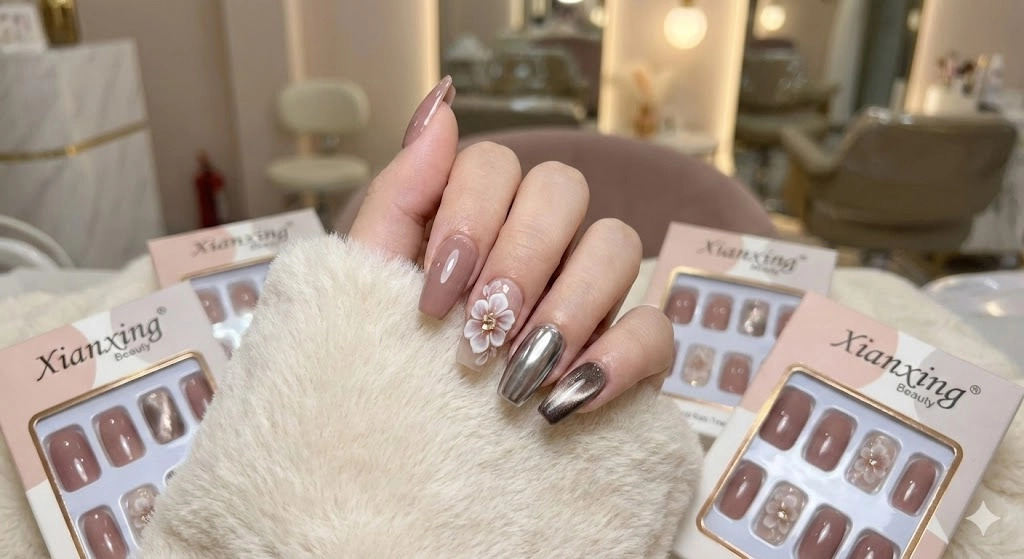
7 Red Flags to Avoid When Selecting a Wholesale Press On Nails Manufacturer
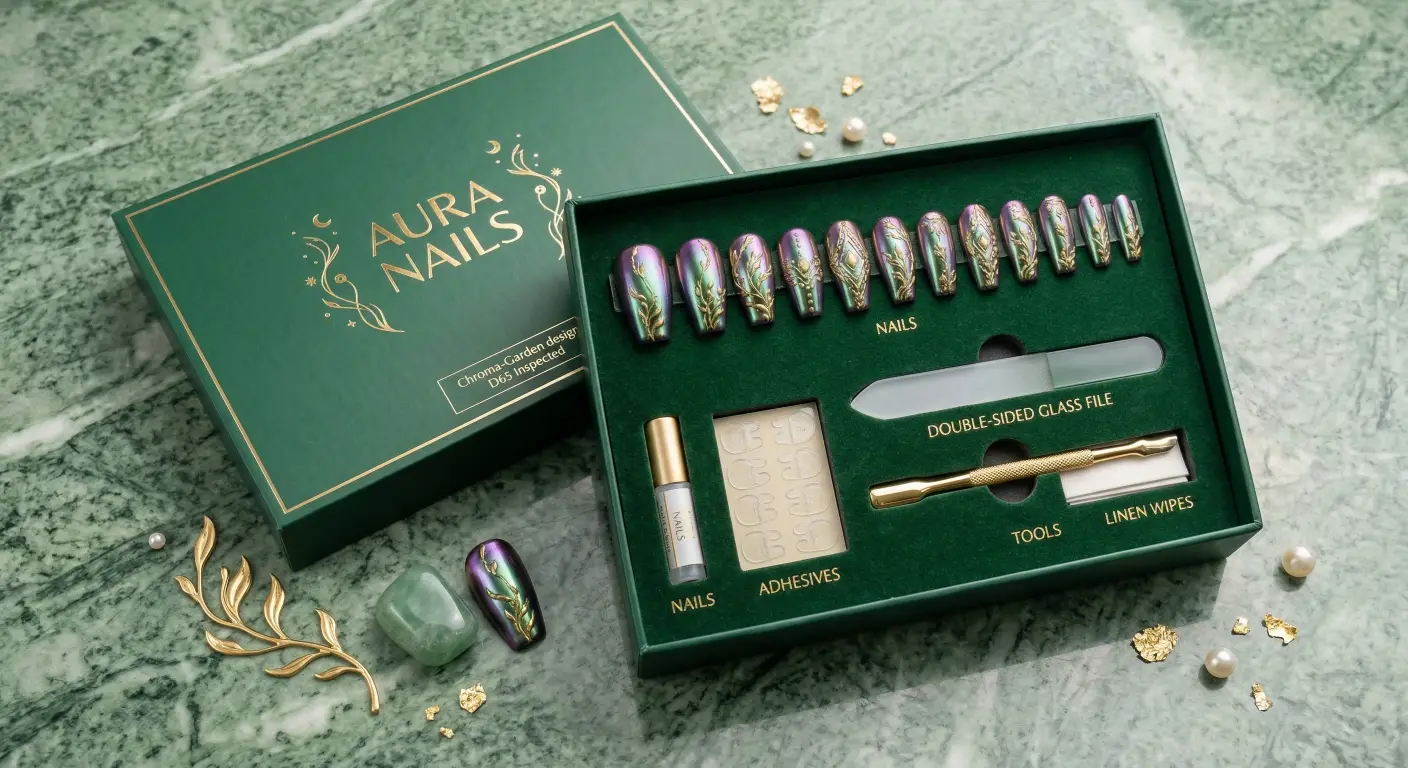
Quality Control: What to Expect from a Top-Tier Wholesale Press On Nails Manufacturer

The Ultimate Guide to Choosing the Best Wholesale Press On Nails Manufacturer in 2026
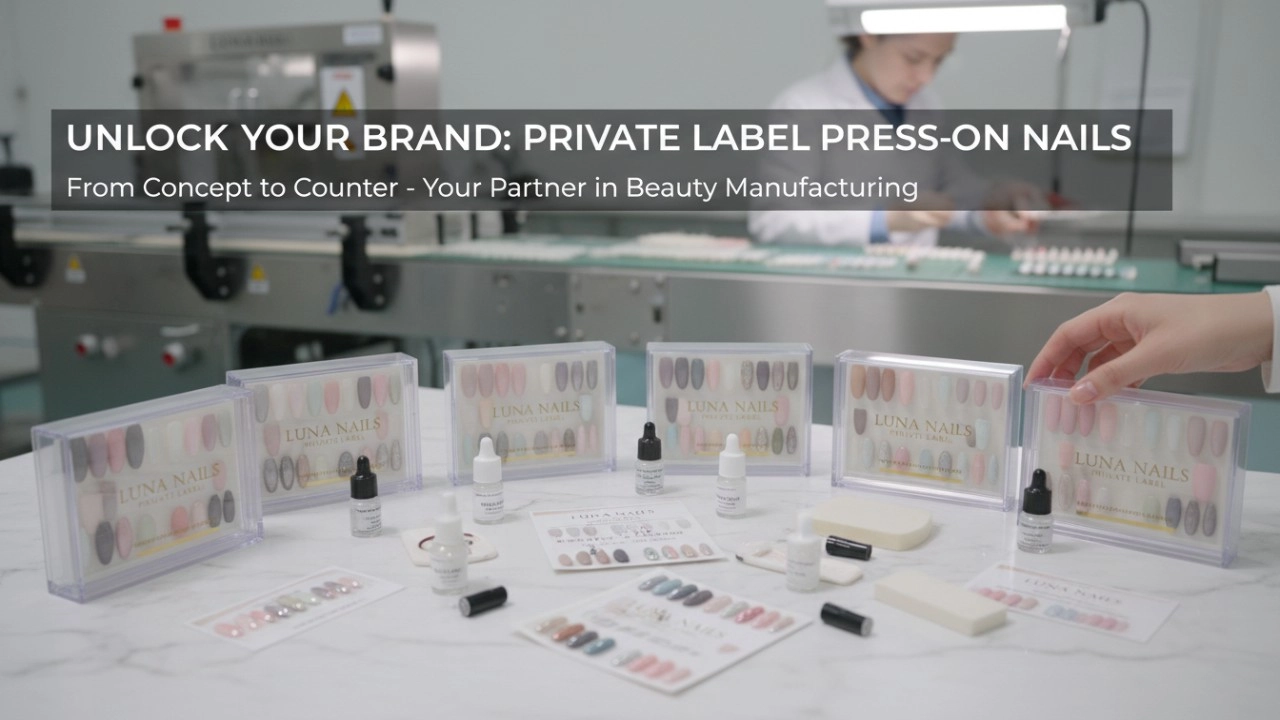
How to Scale Your Beauty Brand: Why Private Label Press On Nails Are the Highest-Margin Entry Point in 2026
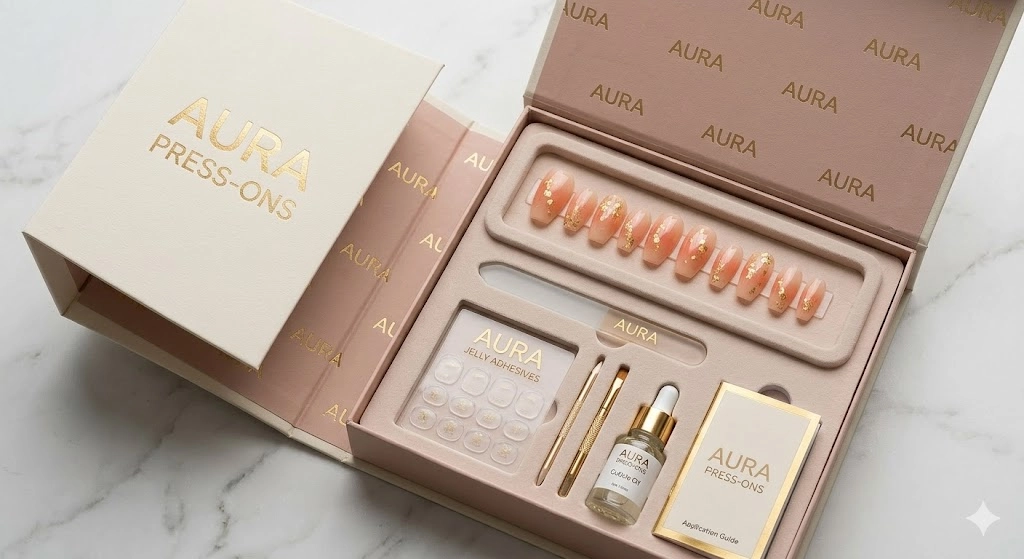
Why Partnering with Professional Press On Nails Manufacturers Boosts Your Brand Growth
75% Alcohol Pad
What is the purpose of an alcohol pad with press-on nails?
An alcohol pad is used to clean and sanitize your natural nails before applying press-on nails. It removes oils, dirt, and moisture, ensuring the press-on nails adhere better and last longer.
Product Customization
How can I get nail design samples?
Please contact our professional sales team to learn more about the details for obtaining samples.
About Toe Nails
How do you apply toe press-on nails?
Clean your toenails: Make sure your toenails are clean, dry, and free from oil or lotion before applying.
Choose the right size: Select press-on nails that fit your toenail size. If they’re too big or small, they might not adhere properly.
Apply the adhesive: Some press-on nails come with adhesive strips, while others require you to apply glue. Follow the instructions for your specific product.
Press and hold: Apply the nail to your toenail and press down firmly for about 10-15 seconds to ensure a secure bond.
Shape if needed: If the press-on nails are too long or bulky, you can trim or file them to fit your preferences.
Wholesaler Distributor
What is the minimum order quantity?
The minimum order quantity of different products will vary. Generally speaking, we will determine a reasonable minimum order quantity according to the product type and production requirements. In the cooperation negotiation, we can adjust according to your actual situation.
How is the transportation cost calculated?
The transportation cost is calculated based on factors such as the weight, volume, transportation distance, and transportation mode of the goods. We will cooperate with reliable logistics partners to ensure that we can provide safe and fast transportation services at a reasonable price.
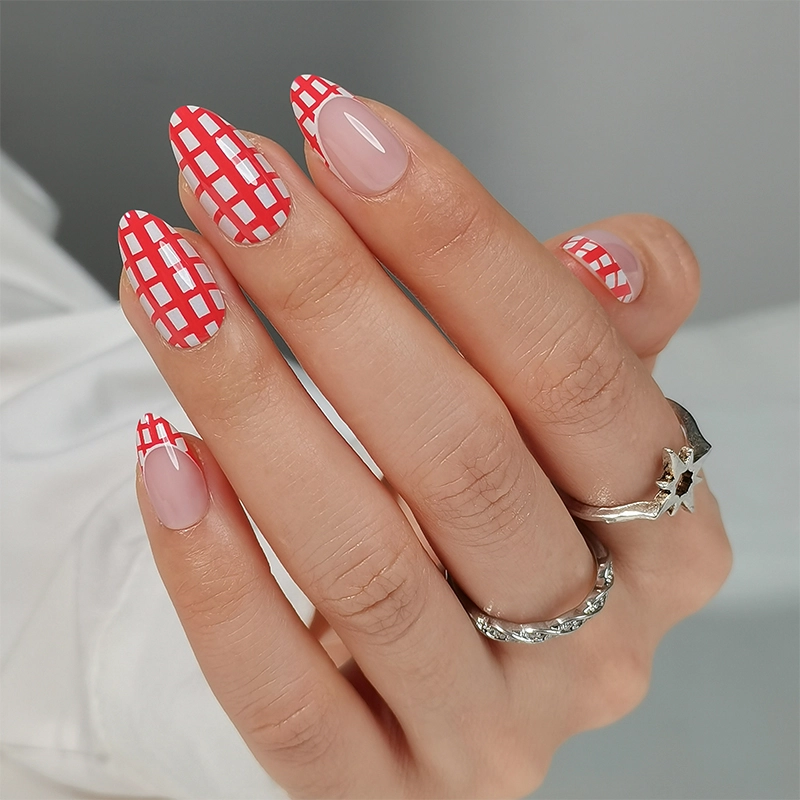
Wholesales Red French Nails Tips Checkered Soft Gel Nail Tips 32 Piece Set
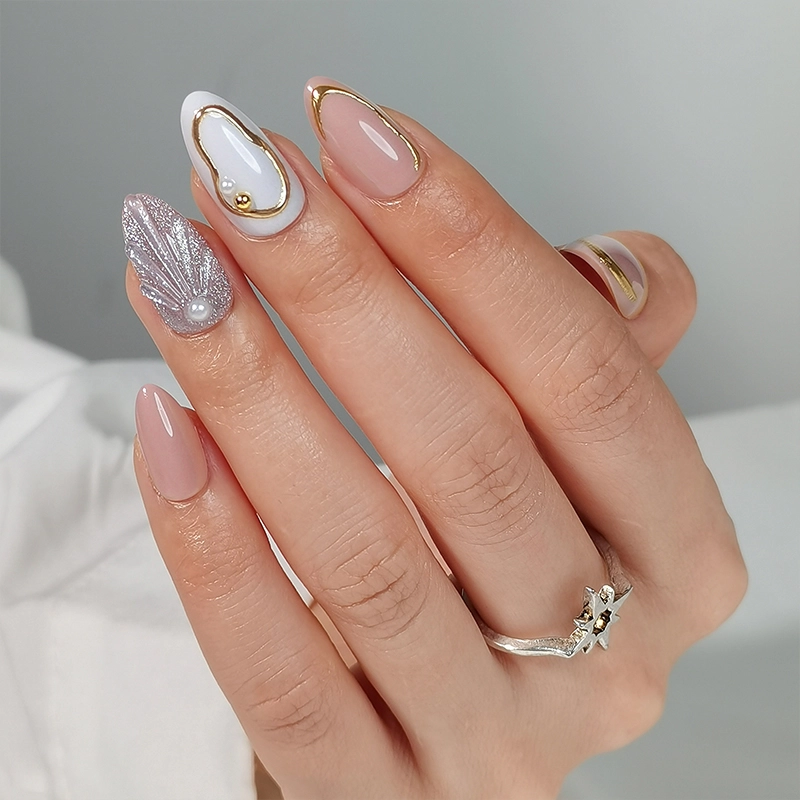
Wholesales Elegant Shell Inspired Soft Gel Wearable Nails for Seasonal Celebrations
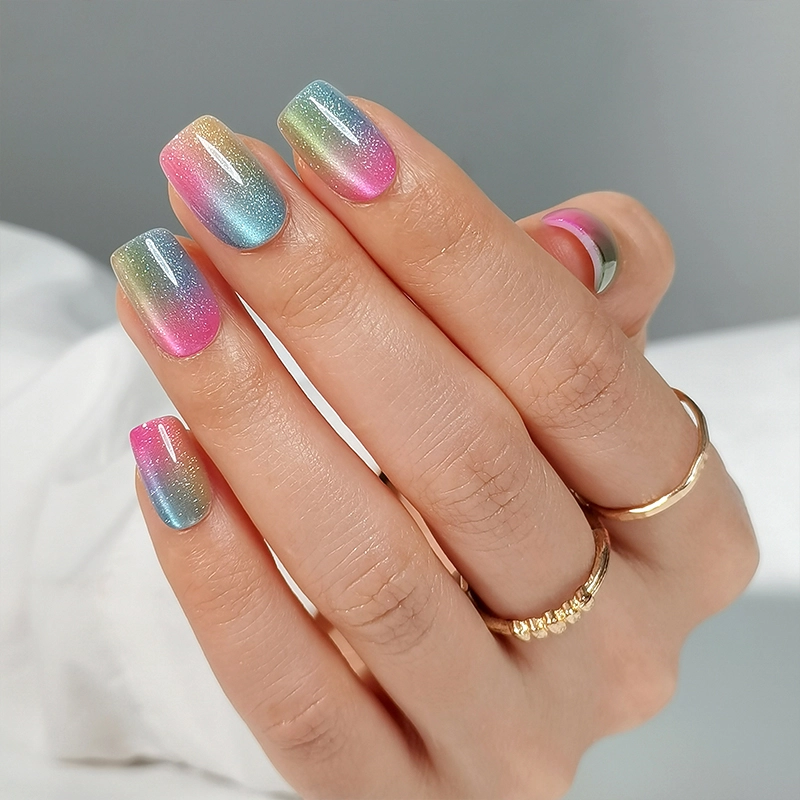
Custom Wholesale Gradient Cat Eye Soft Gel Wearable Fake Nails
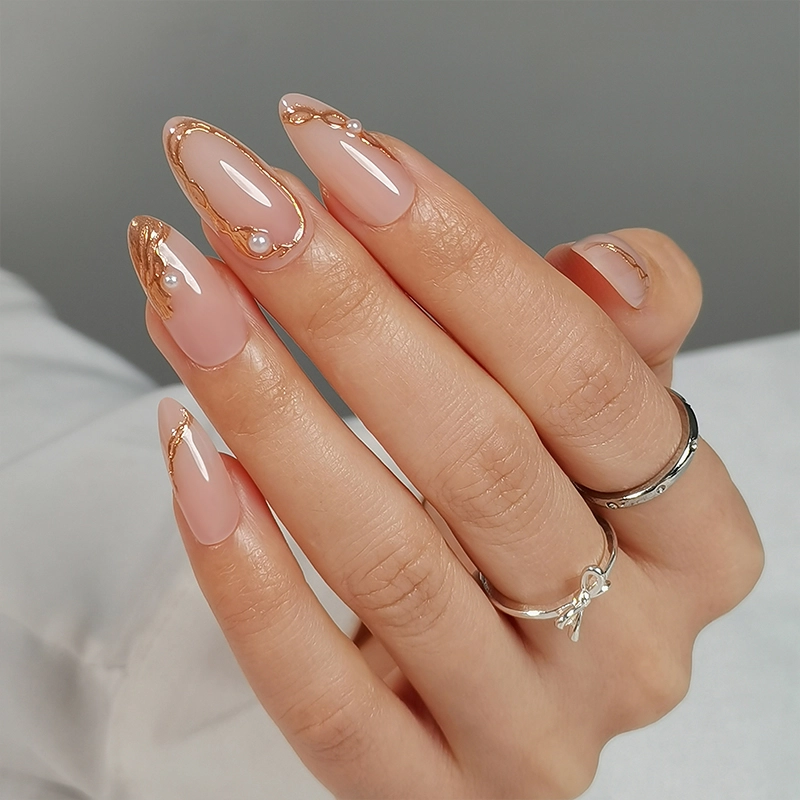
Wholesales Luxury Rhinestone Handmade Private Label Press On Nails Art Tips
Contact us
If you have press on nails products or customization needs, please feel free to contact from
below or via the contact information provided, we'll get back to you promptly within 24 hours.
By clicking 'Send Inquiry Now' I agree to XIANXING BEAUTY processing my personal data.
To see how to withdraw your consent, how to control your personal data and how we process it, please see our Privacy Policy and Terms of use.
Copyright © 2025 - XIANXING BEAUTY All Rights Reserved. Sitemap
Facebook
YouTube
Instagram
LinkedIn