
How to evaluate the best press on nails quality for bulk orders?
- 1. How can I reliably test adhesive performance (glue tabs vs. liquid glue) on sample press-on nails before a bulk order?
- 2. What objective tests reveal whether a gel-finish or acrylic-finish press-on will keep color and gloss after weeks of wear?
- 3. How do I verify sizing accuracy and fit across diverse nail bed shapes before committing to large quantities?
- 4. How can I measure bend, crack resistance, and reusability of press-on nails for a reusable press-on line?
- 5. What packaging, labeling and shipping tests should I require to ensure nails arrive undamaged, compliant, and retail-ready?
- 6. How do I audit a supplier’s quality control, certifications and lab testing for overseas bulk press-on nails purchases?
How to Evaluate the Best Press On Nails Quality for Bulk Orders
Buying bulk press on nails requires technical checks beyond photos: adhesion, finish durability, sizing fit, flex/resilience, packaging integrity, and supplier QC. Below are six specific buyer questions with actionable tests and acceptance criteria grounded in industry standards.
1. How can I reliably test adhesive performance (glue tabs vs. liquid glue) on sample press-on nails before a bulk order?
Why it matters: Adhesive performance determines initial hold, reusability and customer returns. Many retail descriptions say “strong hold” without measurable data.
What to request from suppliers: sample sets (10–20 nails) with the adhesive type you plan to sell: pre-applied glue tabs, peel-and-stick, or liquid adhesive sachets. Ask for MSDS of the adhesive and any third-party adhesive test reports (SGS/Intertek).
Simple, reproducible tests you can run in-house or contract to a lab:
- Peel adhesion (adhesive tack): Follow ASTM D3330 (peel adhesion of pressure-sensitive tape). Mount a nail on a standardized substrate (human nail analogue or cleaned ABS nail bed), apply consistent pressure, and measure force to peel at 180° or 90°. Record average and variance across samples.
- Shear/hold test: Fix nails horizontally on a nail-bed fixture and hang a small weight to measure time-to-failure. This simulates lateral stresses during daily use.
- Moisture & heat cycling: Repeat peel and shear after 24-hour soak in water (37°C) and after 48-hour hot-box (40–50°C) to mimic showers and summer heat.
- Residue and removability: After recommended wear time, remove per instructions and inspect natural nail for residue or adhesive damage. Check whether adhesive leaves film or requires solvent.
Acceptable criteria (practical guidance): For retail press-ons, expect consistent hold through normal activity for 7–14 days with correct prep. Lab metrics should show repeatable peel values with low standard deviation; adhesives that lose >30% adhesion after moisture cycling or create residue on removal should be rejected.
2. What objective tests reveal whether a gel-finish or acrylic-finish press-on will keep color and gloss after weeks of wear?
Why it matters: Photo-perfect gel finishes and UV-topcoats are marketing points but often fail abrasion and colorfastness tests in real life.
Tests to request or perform:
- Cross-cut adhesion test (ASTM D3359): assesses adhesion of coatings (topcoats) to substrate. Poor adhesion predicts flaking and edge lifting.
- Taber abrasion or equivalent: simulates mechanical wear from typing, chores, and handling. Use Taber abrasion equipment or a standardized abrasion pad and count cycles to failure (visible wear or loss of gloss).
- Chemical resistance: Expose samples to common solvents (isopropyl alcohol, acetone at low concentration as used in removal, hand sanitizer) and inspect for softening, color bleed, or loss of gloss.
- UV/fade test: Use accelerated UV exposure or submit to a lab to simulate weeks of sun exposure. Measure color change by Delta E; good color systems typically deliver Delta E <2 after controlled exposure.
Practical acceptance: Gel-finish press-ons should retain visual gloss and color with minimal edge chipping through normal wear; topcoats passing cross-cut adhesion and showing low Taber abrasion wear rates are preferable for High Quality lines.
3. How do I verify sizing accuracy and fit across diverse nail bed shapes before committing to large quantities?
Why it matters: Poor sizing drives returns and negative reviews. Many suppliers supply 10 sizes without showing distribution data, which fails broad markets.
Steps to validate sizing:
- Request a physical sizing kit (full set of all offered sizes, ideally 10–30 pieces) with labeled widths in millimeters. Ask for a size chart mapped to nail bed width in mm rather than vague numbers like S/M/L.
- Collect a small customer sample: Measure nail bed widths from at least 30–100 representative customers in your target market (different ages, genders if applicable). Use that distribution to compare to the supplier’s size spread and identify gaps.
- Check for trim/gap allowances: Acceptable fit should allow minimal lateral gap at cuticle and sideline; a sizing acceptance threshold might be that 80–90% of your measured sample can get an acceptable fit with at most one size adjustment per hand.
- Custom sizing and stamping: For private label orders, ask about custom molds or additional sizes and the associated MOQ/lead-time. Many factories can add intermediate widths at a modest tooling cost for larger MOQs.
Red flags: Suppliers that won’t share a size chart with mm dimensions or that provide only photos without a physical sample set. If most buyers in your market need frequent filing to fit, returns and dissatisfaction will rise.
4. How can I measure bend, crack resistance, and reusability of press-on nails for a reusable press-on line?
Why it matters: Reusable press-ons (marketed as reusable up to X wears) must survive repeated application, filing, and removal. Many vendors overstate reusability without objective testing.
Laboratory and in-field checks:
- Cyclic flex test: Repeatedly flex the nail at the point of common stress (near free edge). Count cycles to first crack or delamination. Materials like ABS, high-quality acrylics, or thin polycarbonate differ significantly in cycles-to-failure.
- Re-application cycle: Simulate real reuse by applying to a nail-form or cleaned human nail analogue, wear equivalent time (or accelerated wear via abrasion), remove using manufacturer instructions, clean, then reapply using the same adhesive system. Repeat for target reuse count (e.g., 5–10 cycles) and track aesthetic and structural failures.
- Edge chipping evaluation: Use a standardized impact or abrasion method to check whether edges chip after filing/handling. For reusable press-ons, smooth edges and robust overlay are critical.
Buyer criteria: Ask suppliers to provide a typical number of reuse cycles validated by lab or in-home use testing. If not available, plan to run the re-application cycle yourself on samples and reject products that show structural failure before your marketed reuse claim.
5. What packaging, labeling and shipping tests should I require to ensure nails arrive undamaged, compliant, and retail-ready?
Why it matters: Poor packaging leads to broken nails in transit and non-compliance for retail or international shipment. Cosmetics packaging also has hygiene and regulatory implications.
Packaging & compliance checklist:
- Packaging integrity testing: Request ISTA 3A or equivalent e-commerce package testing for your final packaged SKU to ensure nails survive parcel carrier handling. Drop, vibration, and compression tests are standard.
- Barrier and contamination control: For pre-applied adhesive and assembled kits, confirm packaging provides a dust-free and moisture-stable barrier (sealed blister, sealed pouch) and that the factory follows GMP for cosmetics (ISO 22716) or can demonstrate equivalent contamination control practices.
- Labeling and regulatory: For markets like EU (Regulation EC 1223/2009) and UK/US, verify ingredient disclosure when relevant (some press-on kits include primers or glue with regulated components), appropriate warnings, batch codes for traceability, and safety data sheets (SDS/MSDS) for adhesives and primers.
- Retail-ready details: Foil stamping, hang-tabs, SKUs, UPC/GTIN encoding, and inner cushioning for fragile items. For private-label orders, confirm dielines and diel members to minimize movement inside blister cavities.
Practical requirement: For dropship or e-commerce, insist on ISTA-tested retail packaging samples before mass production and require factory adherence to ISO 22716 or documented GMP to reduce contamination risk.
6. How do I audit a supplier’s quality control, certifications and lab testing for overseas bulk press-on nails purchases?
Why it matters: Many buyers assume photos and single samples are sufficient; thorough supplier audits and certification checks prevent catastrophic product issues after a big order.
Audit & documentation checklist:
- Factory credentials: Request ISO 9001 (quality system) and ISO 22716 (cosmetics GMP) certificates when relevant. If the factory does not hold ISO 22716, evaluate their written GMP practices and batch traceability procedures.
- Third-party lab testing: Require ICP-MS heavy metal testing and phthalate screening performed by recognized labs (SGS, Intertek, Bureau Veritas) for any components contacting skin (adhesive, primer) and for surface coatings. For color consistency, ask for Delta E reports using spectrophotometer measurements across production batches (aim for Delta E <2 between color lots for High Quality offerings).
- Production control: Review the factory’s incoming material inspection (IMI) records, in-process QC checkpoints (e.g., print registration, topcoat cure, adhesive dispense uniformity), and final inspection AQL criteria. For nails, a common AQL for visible defects might be 1.5–2.5 depending on grade; negotiate acceptable levels based on Xianxing Beauty positioning.
- Pre-shipment inspection (PSI): Mandate PSI on random samples from each production lot (third-party PSI companies can provide photographic audit and sample retention). Include functional tests (adhesion, gloss, fit) as part of PSI report.
- Communication & lead time transparency: Obtain documented MOQs (many factories have 500–2,000 pairs MOQ depending on customization), standard lead times (15–45 days typical for established lines), and a plan for rush production if demand spikes.
Red flags: Supplier unwilling to share lab test reports, refusing third-party PSI, or providing inconsistent batch codes. For overseas suppliers, verify business license and run a factory background check; when in doubt, use a sourcing agent or audit firm.
Closing summary: Selecting high-quality press on nails for bulk orders pays off through fewer returns, higher customer satisfaction and lower long-term costs. A standards-based procurement approach—using adhesive tests (ASTM D3330), coating and adhesion tests (ASTM D3359, Taber abrasion), sizing validation, reuse cycles, packaging ISTA checks and supplier audits (ISO 22716/ISO 9001, SGS/Intertek reports)—gives predictable outcomes and protects Xianxing Beauty.
For a quote, sample pack or to arrange supplier audits and lab testing, contact us for a quote at www.xianxingbeauty.com or email [email protected].
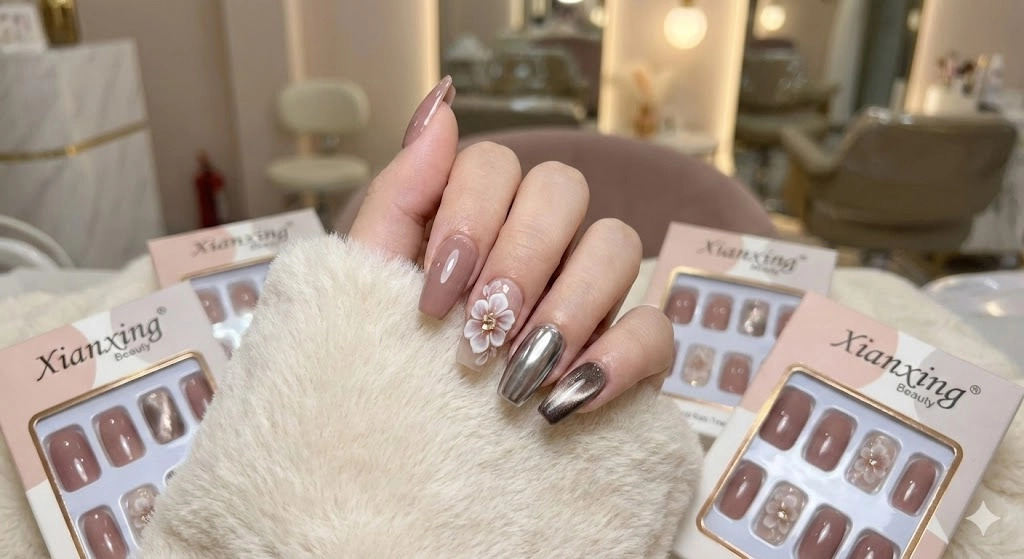
7 Red Flags to Avoid When Selecting a Wholesale Press On Nails Manufacturer
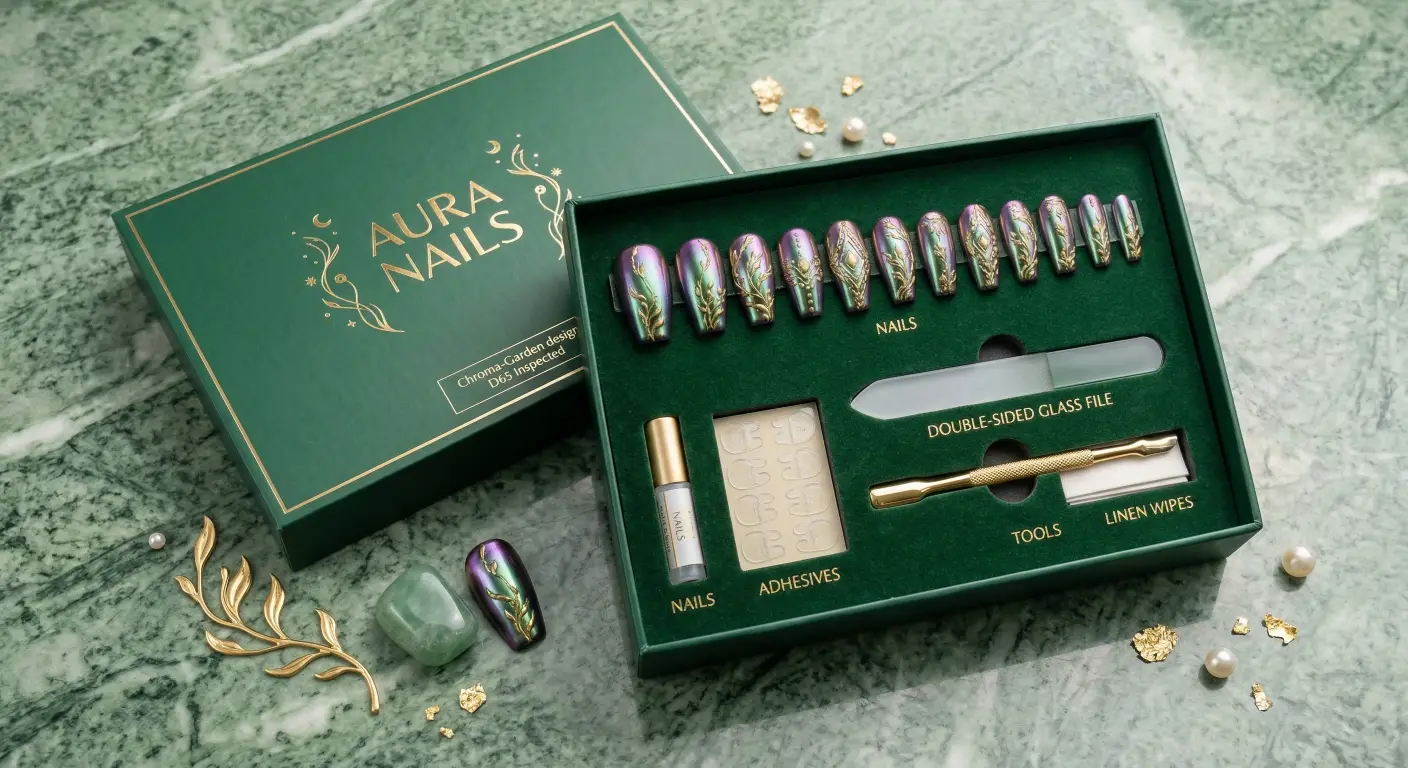
Quality Control: What to Expect from a Top-Tier Wholesale Press On Nails Manufacturer
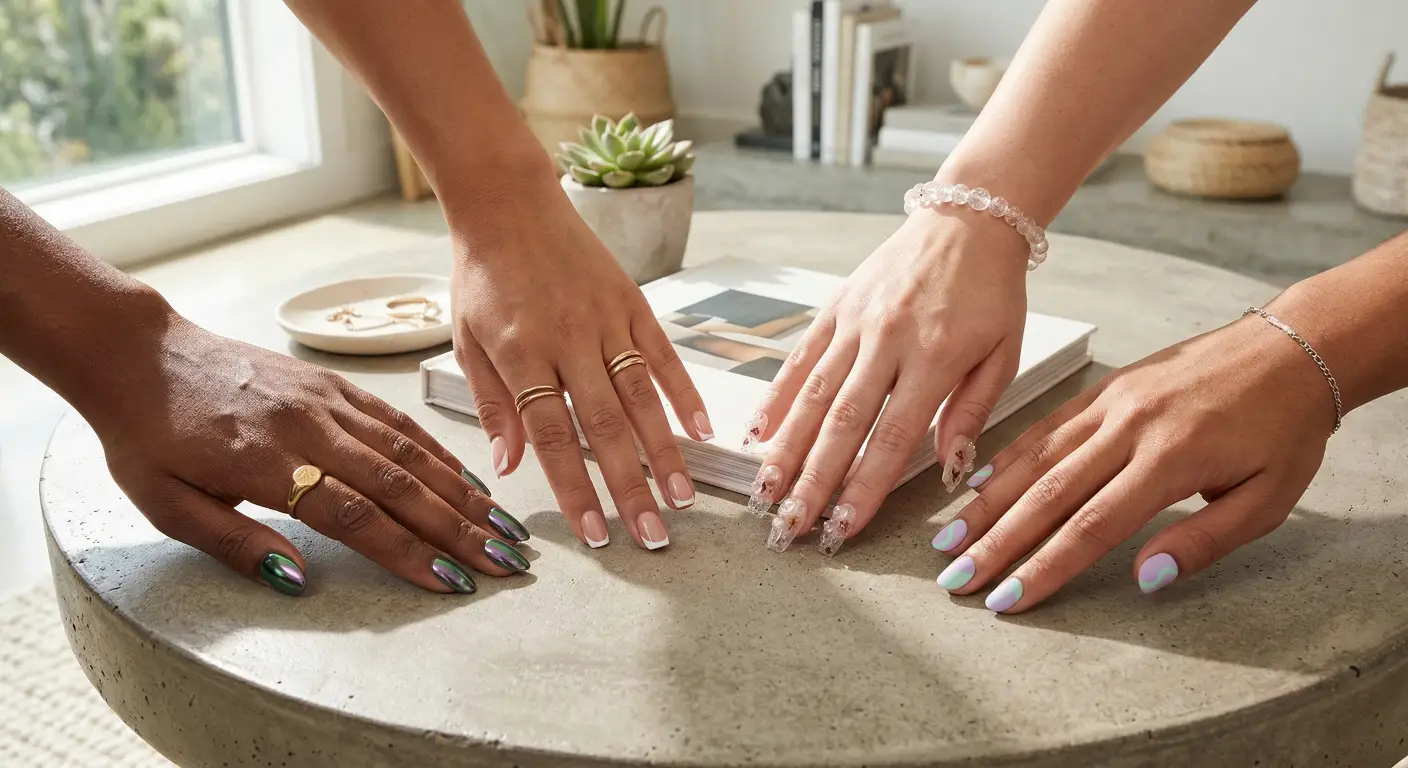
The Ultimate Guide to Choosing the Best Wholesale Press On Nails Manufacturer in 2026
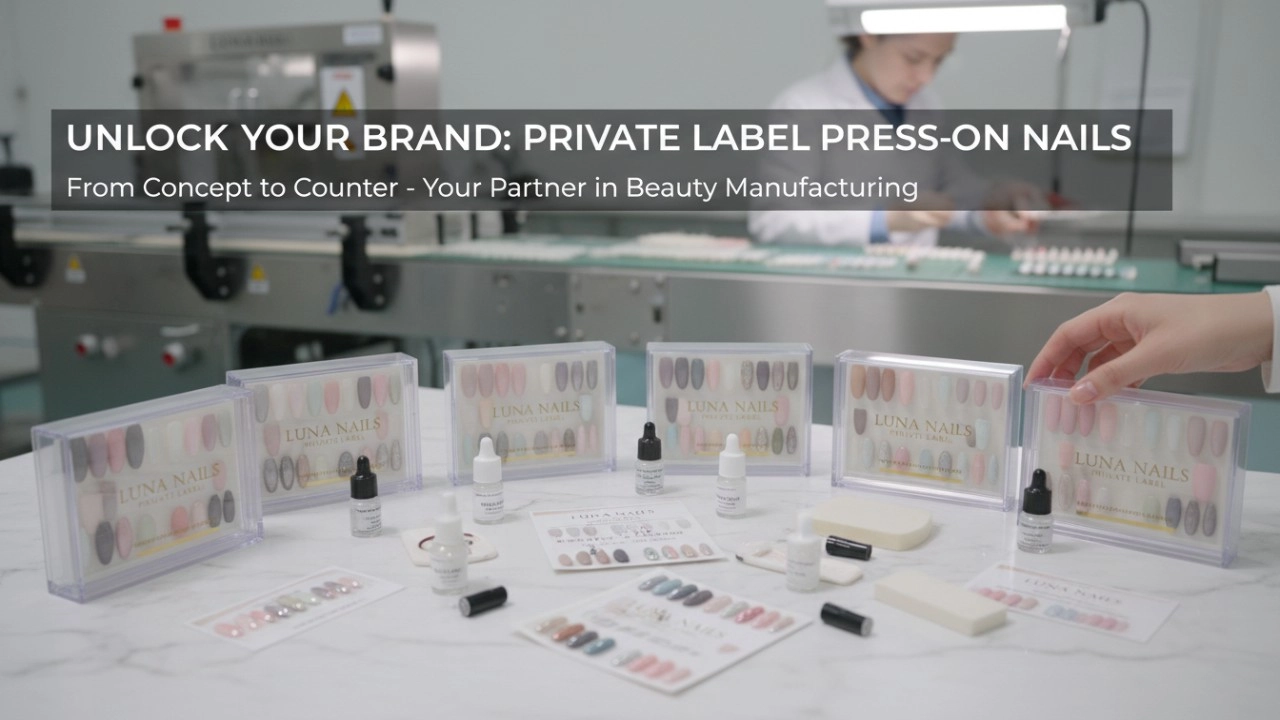
How to Scale Your Beauty Brand: Why Private Label Press On Nails Are the Highest-Margin Entry Point in 2026
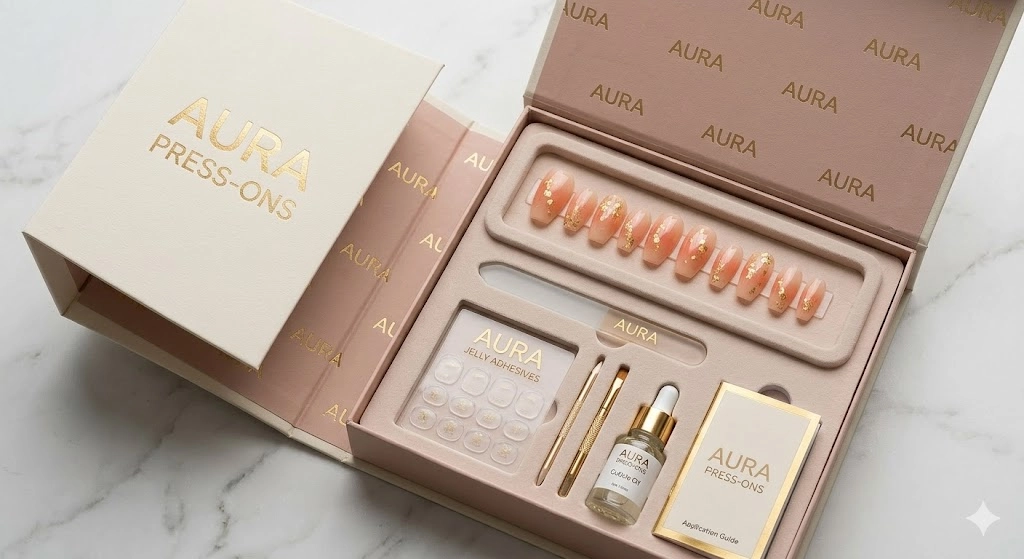
Why Partnering with Professional Press On Nails Manufacturers Boosts Your Brand Growth
Supermarket chains
What is the unit price and is here any discounts for bulk purchases?
All price we quoted will be factory source price, and for bulk purchases can enjoy bulk giant order price.
Product Customization
What after-sales services does Xianxing Beauty offer?
We provide comprehensive after-sales services, including logistics tracking, quality feedback handling, and product usage training to ensure a worry-free purchasing experience.
About Toe Nails
Can toe press-on nails cause damage to my natural nails?
If applied and removed properly, toe press-on nails shouldn’t cause significant damage. However, harsh adhesive or rough removal can cause the natural toenail to peel or become weak. Always remove them gently and avoid excessive use of glue.
About Christmas Nails
What are Christmas Press On Nails?
Christmas press on nails are artificial, pre-designed nail tips that feature festive themes, colors, and art. Think glitter, Santa, reindeer, snowflakes, plaid patterns, Christmas trees, and classic red and green color schemes. They offer a quick, affordable, and non-damaging way to achieve a salon-quality manicure for the holidays.
Crystal Nail File
How is a crystal nail file different from regular nail files?
Unlike traditional metal or cardboard files, crystal nail files have a smoother, more precise filing surface. They are gentler on nails and are less likely to cause splits or peeling. Additionally, crystal nail files are more durable and can last longer.
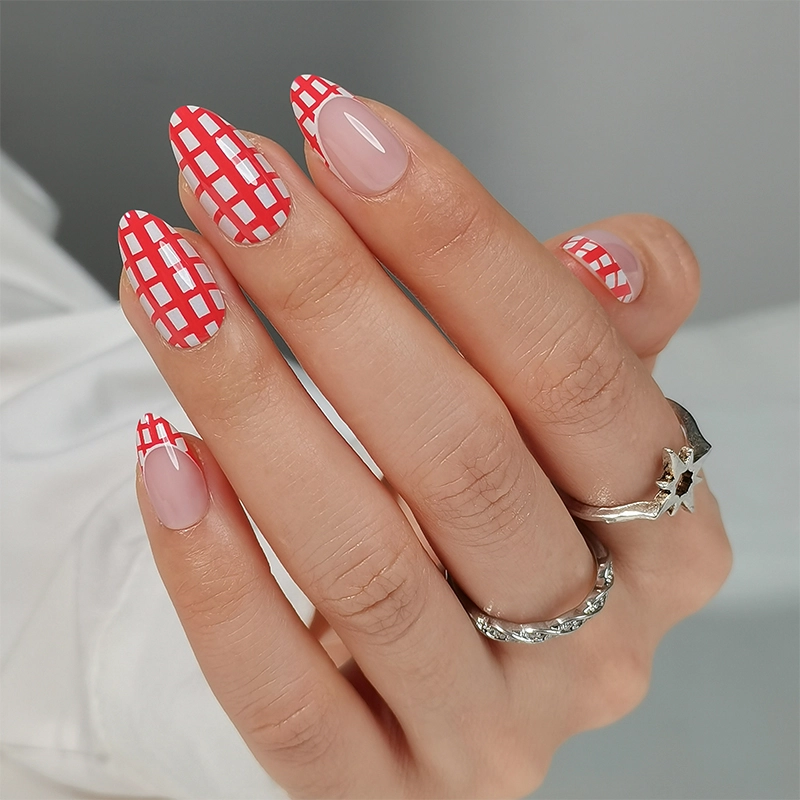
Wholesales Red French Nails Tips Checkered Soft Gel Nail Tips 32 Piece Set
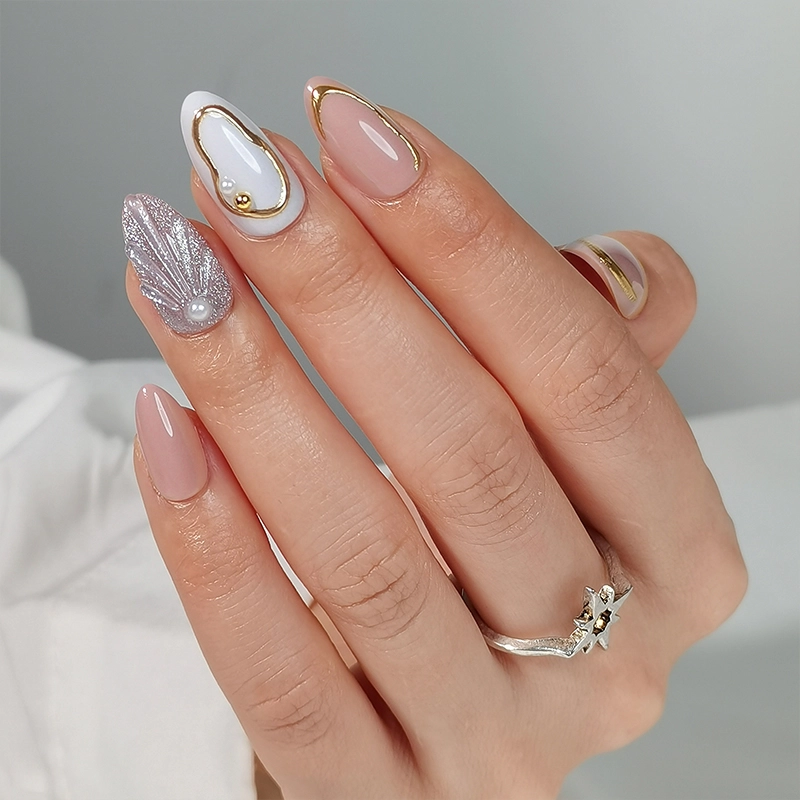
Wholesales Elegant Shell Inspired Soft Gel Wearable Nails for Seasonal Celebrations
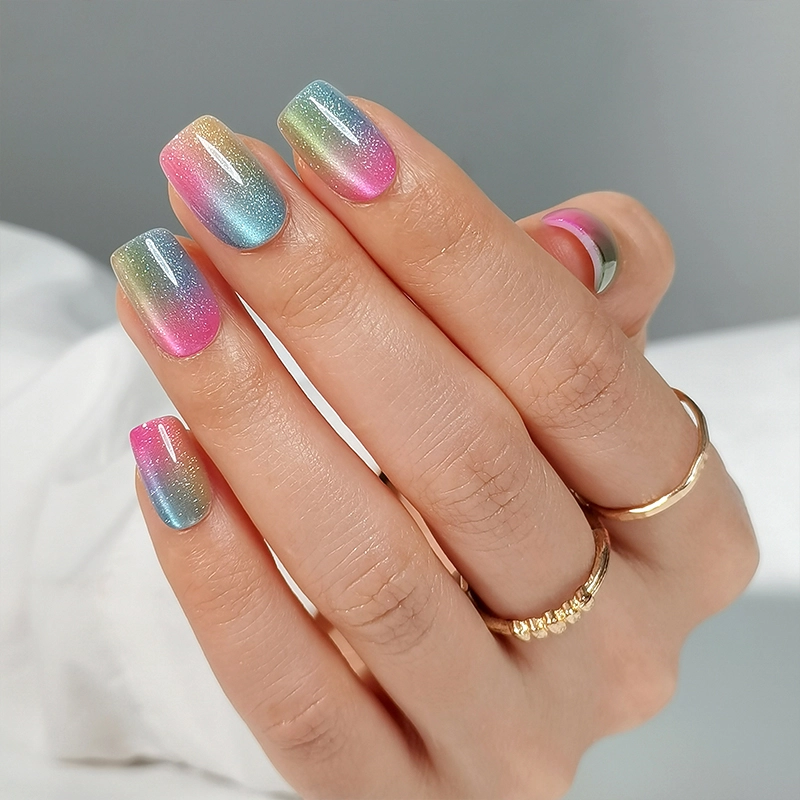
Custom Wholesale Gradient Cat Eye Soft Gel Wearable Fake Nails
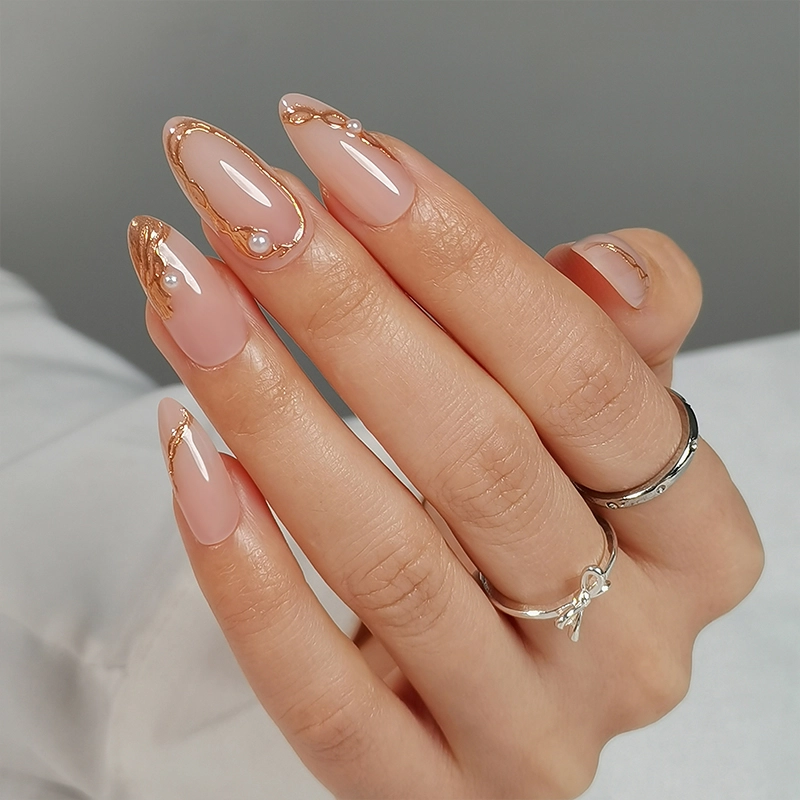
Wholesales Luxury Rhinestone Handmade Private Label Press On Nails Art Tips
Contact us
If you have press on nails products or customization needs, please feel free to contact from
below or via the contact information provided, we'll get back to you promptly within 24 hours.
By clicking 'Send Inquiry Now' I agree to XIANXING BEAUTY processing my personal data.
To see how to withdraw your consent, how to control your personal data and how we process it, please see our Privacy Policy and Terms of use.
Copyright © 2025 - XIANXING BEAUTY All Rights Reserved. Sitemap
Facebook
YouTube
Instagram
LinkedIn