
How to ensure quality control for custom press on nails?
- How to start custom press-on nails & how to ensure quality control for custom press-on nails
- 1. How can I verify the adhesive formula is safe for repeated skin contact beyond just accepting an MSDS?
- 2. What objective measurements should I require to ensure press-on sizes fit a wide range of nail beds (not just “one-size-fits-most”)?
- 3. How should I require wear-time and adhesion testing to reflect real consumer use (not just lab tape tests)?
- 4. How can I reliably assess finish durability for chrome, foil, glitter and gel-top finishes during procurement?
- 5. How do I verify eco or recycled-plastic claims for packaging and still stay compliant?
- 6. For small brands with low MOQ, what procurement and QC steps minimize risk when working with overseas factories?
- 7. What measurable acceptance criteria should I set for incoming batches (thickness, hardness, color, and adhesive tack)?
- Conclusion: How Xianxing Beauty helps buyers de-risk custom press-on sourcing
- Authoritative sources and further reading (accessed dates included)
How to start custom press-on nails & how to ensure quality control for custom press-on nails
When you’re buying or launching custom press-on nails, generic articles covering design and marketing aren’t enough. Procurement teams and small brands need specific, measurable checks and contract terms to avoid returns, allergic reactions, and inconsistent batches. Below are 7 long-tail buyer questions that are often poorly answered online, with precise, actionable answers you can use when vetting factories, approving samples, and writing specs.
1. How can I verify the adhesive formula is safe for repeated skin contact beyond just accepting an MSDS?
Why this matters: Many suppliers will hand you an MSDS and say the adhesive is safe. MSDS documents are a start but don’t replace targeted safety testing for cosmetics that contact skin repeatedly.
Actionable checks and contract clauses:
- Request a full ingredient disclosure (INCI or proprietary disclosure to a contracted toxicologist). Don’t accept a truncated list for skin-contact adhesives.
- Insist on formal safety testing: in vitro skin irritation (OECD TG 439) and sensitization data where available. For adhesives used on nails (skin surrounding cuticle), patch-test data or Human Repeat Insult Patch Test (HRIPT) results are highly valuable.
- Ask for Certificates of Analysis (CoA) for each raw ingredient and the finished adhesive batch, including residual monomer levels if using cyanoacrylates or acrylate chemistries.
- Specify allergen and banned-ingredient screening in the purchase contract per target markets (e.g., EU Cosmetics Regulation requirements, and U.S. labelling rules). Require manufacturer to notify you of any formulation changes in writing and to re-test if changes occur.
- Require a supply-chain commitment: supplier must provide traceability for active raw materials and third-party safety lab reports upon request.
Why tests matter: Skin-contact safety is primarily the buyer’s responsibility. OECD in vitro methods and HRIPT are recognized ways to manage sensitization/irritation risk for cosmetic-contact products.
2. What objective measurements should I require to ensure press-on sizes fit a wide range of nail beds (not just “one-size-fits-most”)?
Why this matters: Poor sizing leads to returns and negative reviews. Sizing is more than length — it’s base width, curvature (camber), and edge profile.
Procurement checklist and measurable specs:
- Require a size matrix with measurements in millimeters for each of the sizes supplied (e.g., 18 sizes): nail length, base width, apex width, and curvature radius. Don’t accept only size names (S, M, L).
- Ask for curvature/camber data: measure inner surface curvature or provide a camber radius (mm) or profile drawing so you can compare to average human nail curvature.
- Request a sizing sample set that includes both left/right for each size and a labeled template that shows placement for each real nail — test on a diverse panel (different nail widths/shapes) before scaling up production.
- Include acceptance criteria in your PO: maximum allowable deviation from approved sample dimensions (for example, ±0.5 mm for base width — set your tolerance after sample approval).
How to test: Use a small QA panel of 10–20 testers with various nail shapes and record retention/fit feedback by specific size number, then require the factory to revise molds if a majority report mismatch on specific sizes.
3. How should I require wear-time and adhesion testing to reflect real consumer use (not just lab tape tests)?
Why this matters: Labs can report high adhesion in ideal conditions; consumers wash dishes, use solvents, and perform manual work that impact wear.
Suggested real-world wear-test protocol to include in sampling/approval:
- Define a standardized application method (surface prep, primer/cleaner used, adhesive type and amount) and repeat the same method for all tests.
- Use a wear panel of 10–12 volunteers performing a list of daily tasks (washing dishes, light gardening, typing, light weight lifting, use of hand sanitizers) for at least 7 days. Record outcomes daily (full retention, partial lift, full loss, chips, edge peeling).
- Measure objective adhesion with a peel test (document method and force units). If requesting lab adhesion data, reference a recognized peel test method appropriate for pressure-sensitive adhesives (PSA) and record the test angle and speed.
- Define acceptance criteria in your contract (e.g., acceptable percentage of nails retained at day-7 under defined protocol, and thresholds for unacceptable lifting). Tailor the metric to your product promise (e.g., if you promise 14-day wear, tests must reflect a 14-day panel with the same tasks).
Include remediation: If a batch fails, require root-cause analysis and corrective action, plus replacement or credit for the non-conforming lot.
4. How can I reliably assess finish durability for chrome, foil, glitter and gel-top finishes during procurement?
Why this matters: Many decorative finishes look great in photos but show micro-scratches, delamination, or color drift with UV exposure or friction.
Inspection and test methods to request:
- Abrasion resistance: ask for a Taber-type abrasion test or hands-on abrasion checklist (daily wear simulation) and specify acceptance (e.g., no visible finish loss after N cycles in your test protocol).
- Cross-cut adhesion test for layered finishes (small cuts to the top layer to test delamination) — ask for test method and pass/fail criteria.
- Colorfastness/UV stability: request accelerated light/UV exposure data (xenon-arc exposure) and Delta-E measurements for color shift — specify maximum acceptable Delta-E for batch acceptance.
- Foil and chrome adhesion: require peel/delamination testing after application and post-exposure to water, rubbing, and mild solvents (e.g., 70% isopropyl alcohol) to simulate common consumer exposures.
- Include visual inspection thresholds and where to grade cosmetic defects (e.g., bubbles, inclusions, uneven foil) and overall allowable defect rate per batch.
5. How do I verify eco or recycled-plastic claims for packaging and still stay compliant?
Why this matters: Many buyers want sustainable packaging, but trust alone is insufficient — greenwashing risks reputational damage and non-compliance with regional marketing rules.
What to request from suppliers:
- Certificates showing percentage PCR (post-consumer recycled) content from recognized third-party bodies or independent lab verification. Ask for chain-of-custody documentation and supplier declarations that can be audited.
- Use ISO 14021 as a guideline for environmental claims — require that any claim like “made with 30% recycled plastic” be supported by verifiable documentation.
- Request test reports verifying that additive or recycled materials don’t introduce contaminants (e.g., heavy metals) into the product or packaging.
- Include a clause to require removal of environmental claims from packaging or marketing if supplier cannot provide proof within an agreed period.
6. For small brands with low MOQ, what procurement and QC steps minimize risk when working with overseas factories?
Why this matters: Low MOQ buyers are vulnerable to quality flukes, long lead times, and hidden minimums (tooling or mold fees).
Practical sourcing playbook:
- Negotiate a staged approach: pay for an approved pre-production sample set (at cost) and a small pilot run with full inspection before a larger order.
- Avoid accepting verbal commitments. Include detailed specs, sample sign-off process, and rejection criteria in the PO.
- Contract a third-party inspection (pre-shipment) to verify dimensions, finish, adhesive packaging, batch labelling, and a representative functional wear test sample.
- Include a clear dispute resolution clause and financial holdback for non-conforming goods. Define who pays for rework or replacement if the batch fails QC.
- Plan for lead-time buffers and request serialized batch codes for traceability should a recall or allergy complaint arise.
7. What measurable acceptance criteria should I set for incoming batches (thickness, hardness, color, and adhesive tack)?
Why this matters: Ambiguous quality language (looks fine) leads to inconsistency. Measurable specs enable consistent QA and faster dispute resolution.
Suggested measurable specs to include in purchase orders (adapt to your product):
- Dimensions: length, base width, thickness (mm) with specified tolerances (e.g., ±0.3–0.5 mm depending on product). Agree these after approving samples.
- Material identification: specify plastic/resin type (ABS, acrylic, etc.) and require a material certificate. If you require a particular shore hardness, state the Shore scale and value range.
- Adhesive tack: define an adhesion test method and acceptance range (record force units and test method). If you promise a wear-time, define panel-based performance acceptance for a specified protocol.
- Finish: provide color formulas, Delta-E tolerance for color variance, gloss units (GU) range for topcoats, and acceptable defect counts per hundred pieces.
- Packing & labeling: number per box, orientation, sample presence, batch code format, and shelf-life/expiration date if applicable.
Enforcement: specify random sampling rates (e.g., inspect N units per carton), criteria for rejecting a lot, and the supplier’s obligation for replacement or credit.
Conclusion: How Xianxing Beauty helps buyers de-risk custom press-on sourcing
Xianxing Beauty is positioned to support brands and buyers through the whole sourcing and quality journey: detailed size matrices and pre-approved sample tooling, comprehensive batch CoAs and safety data, and documented wear and finish-testing protocols. We provide transparent supply-chain documentation for eco-claims and offer pilot runs at low MOQ with third-party inspection options. For buyers who want predictable, retail-ready press-on nails, Xianxing Beauty combines product engineering, regulatory-aware testing practices, and supply-chain transparency to minimize recall and reputation risk while accelerating time-to-shelf.
Authoritative sources and further reading (accessed dates included)
- U.S. Food & Drug Administration (FDA), Cosmetics: https://www.fda.gov/cosmetics (accessed 2024-06-01)
- European Commission, Regulation (EC) No 1223/2009 on cosmetic products: https://eur-lex.europa.eu/legal-content/EN/TXT/?uri=CELEX%3A32009R1223 (accessed 2024-06-01)
- OECD Guidelines for the Testing of Chemicals — in vitro skin irritation (TG 439): https://www.oecd.org/chemicalsafety/testing/oecd-guidelines-for-the-testing-of-chemicals.htm (accessed 2024-06-01)
- ASTM International — standard test methods and guidance pages (e.g., peel and adhesion test standards): https://www.astm.org (accessed 2024-06-01)
- ISO standards overview (e.g., ISO 14021 environmental claims guidance): https://www.iso.org (accessed 2024-06-01)
- Nail industry trade publication (product trends and buyer guidance): NailsMag (Nailpro / Nails Magazine): https://www.nailsmag.com (accessed 2024-06-01)
Notes: The recommendations above prioritize measurable, contract-ready tests and supplier commitments rather than subjective assurances. Always adapt test protocols and acceptance criteria to your product promise (for example, advertised wear time) and to the regulatory requirements of markets where you will sell.
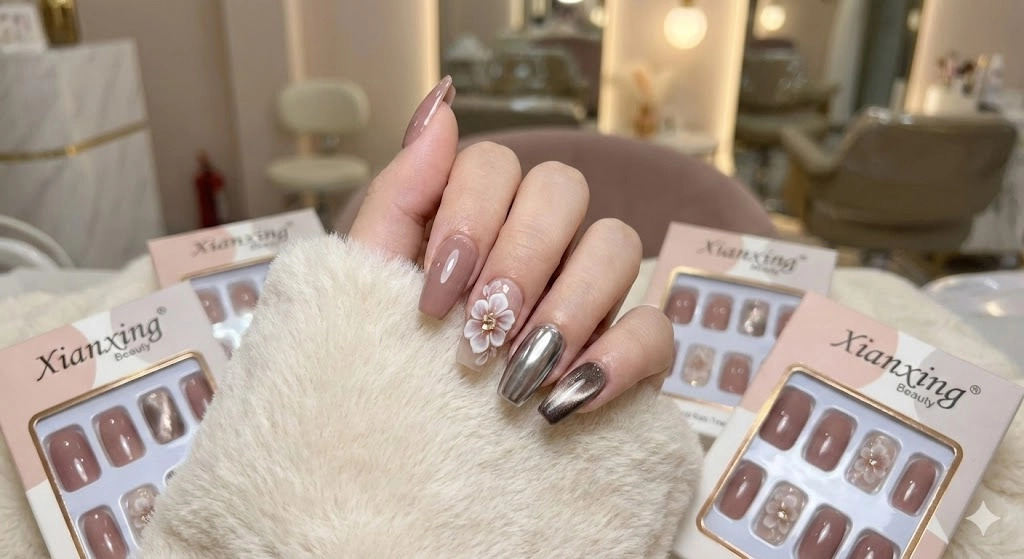
7 Red Flags to Avoid When Selecting a Wholesale Press On Nails Manufacturer
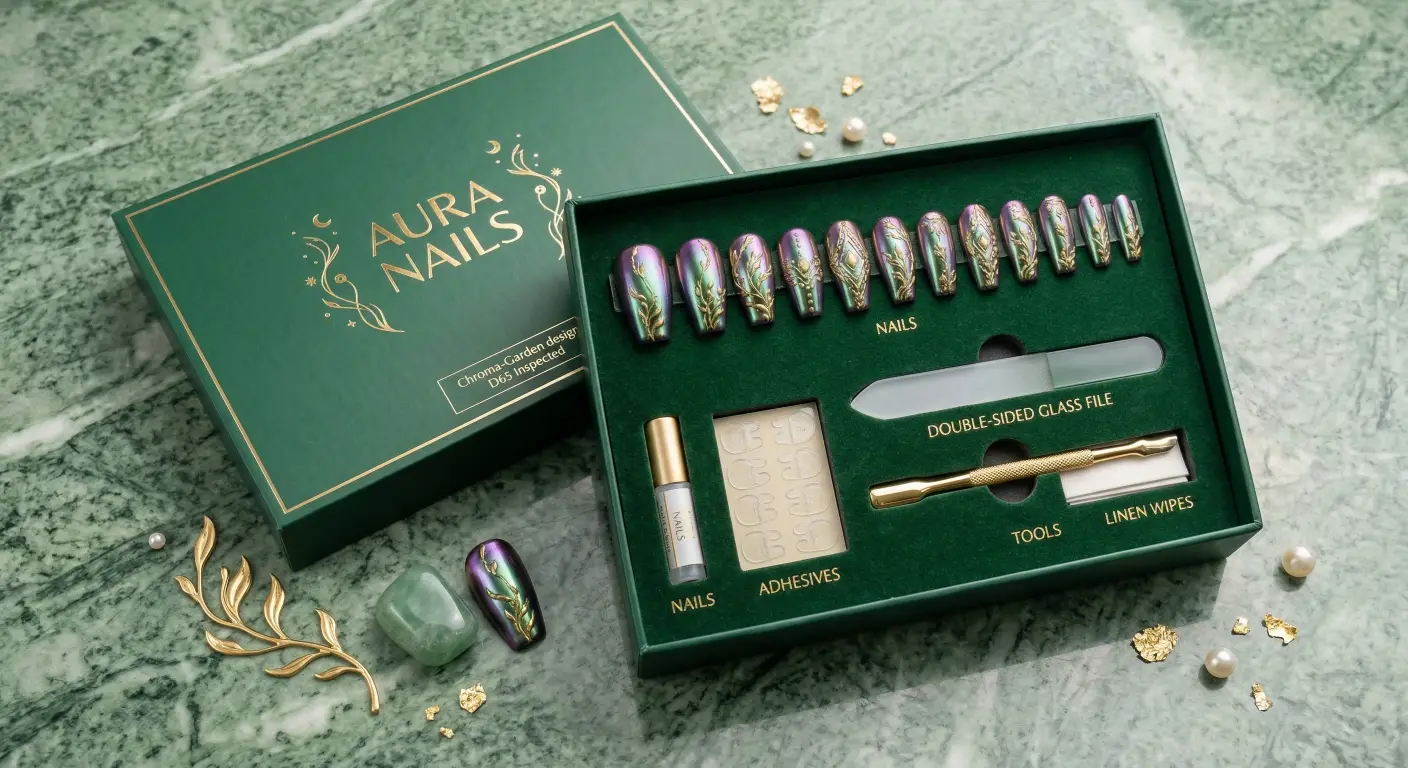
Quality Control: What to Expect from a Top-Tier Wholesale Press On Nails Manufacturer

The Ultimate Guide to Choosing the Best Wholesale Press On Nails Manufacturer in 2026
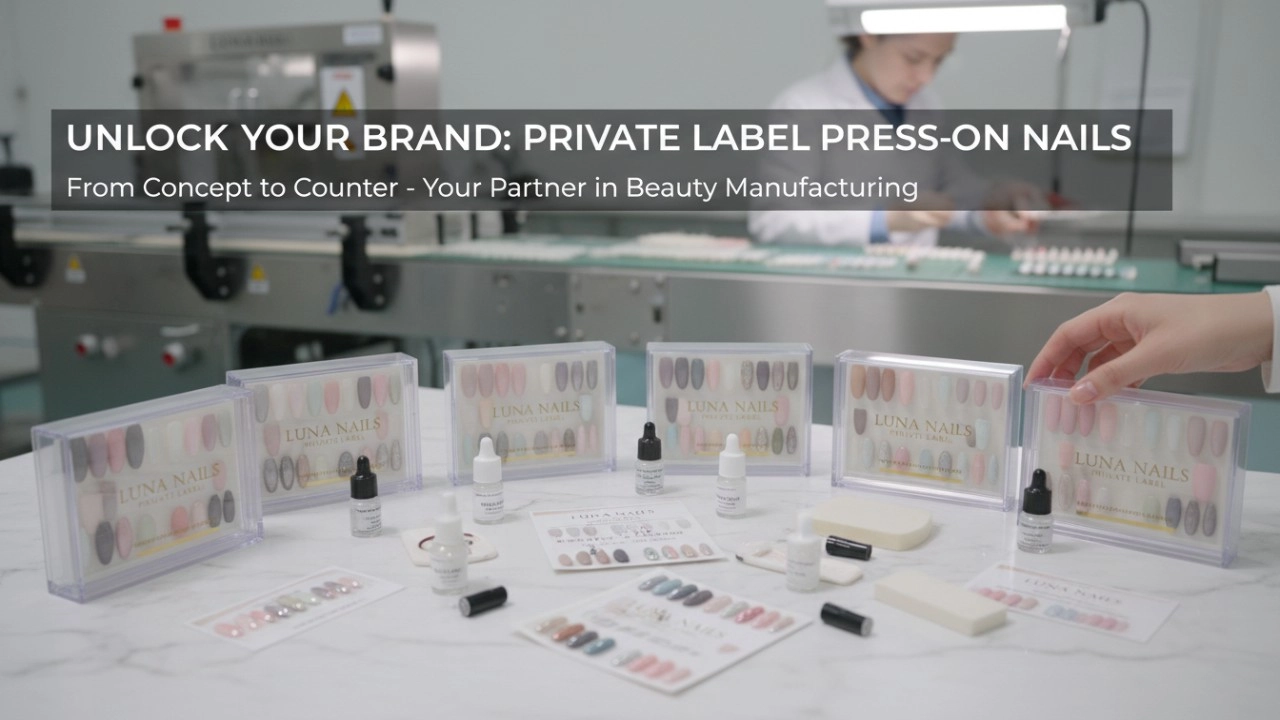
How to Scale Your Beauty Brand: Why Private Label Press On Nails Are the Highest-Margin Entry Point in 2026
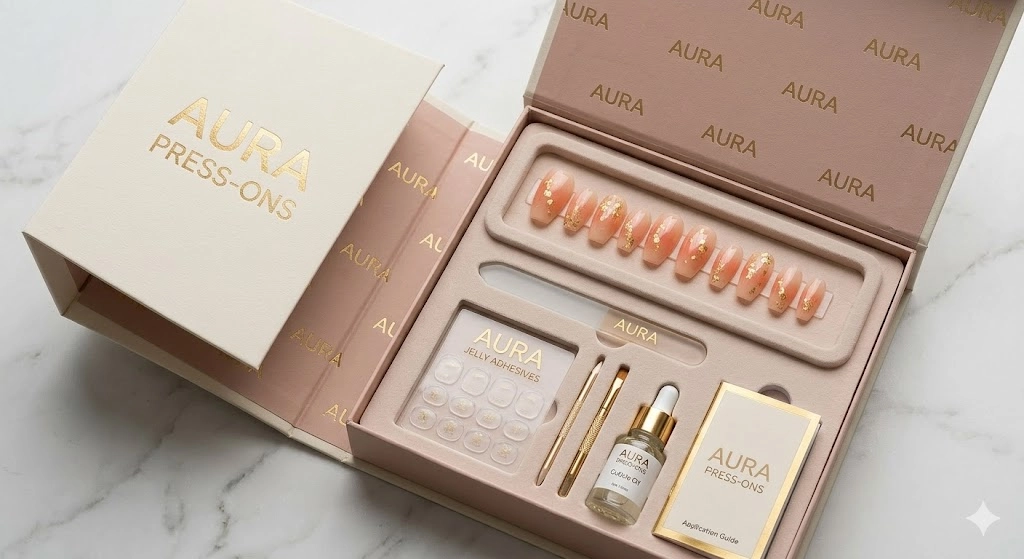
Why Partnering with Professional Press On Nails Manufacturers Boosts Your Brand Growth
About 3D Nails
Are 3D press on nails easy to remove?
Yes, they can be easily removed by gently peeling them off or using nail polish remover.
About chrome Nails
Are they suitable for all nail sizes?
Most sets include multiple sizes to fit different nail widths. You can also file the edges of the press-ons for a perfect fit.
Crystal Nail File
Are crystal nail files safe for my nails?
Yes, crystal nail files are generally safe for your nails. They are gentle on the nail surface and reduce the risk of splitting or tearing, which can happen with metal files. They are also less abrasive than traditional files.
Salon Client
Do you support global shipping?
Yes, we offer global logistics services, ensuring that products are delivered safely and on time.
About Product
Do you provide product samples?
Yes, customers are welcome to apply for nails samples for testing and evaluation.
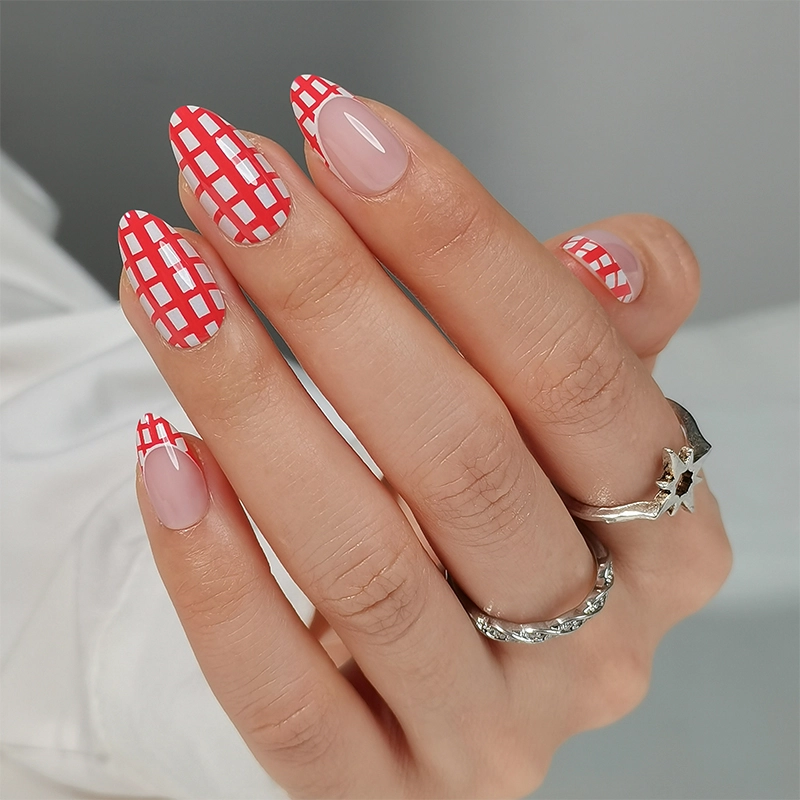
Wholesales Red French Nails Tips Checkered Soft Gel Nail Tips 32 Piece Set
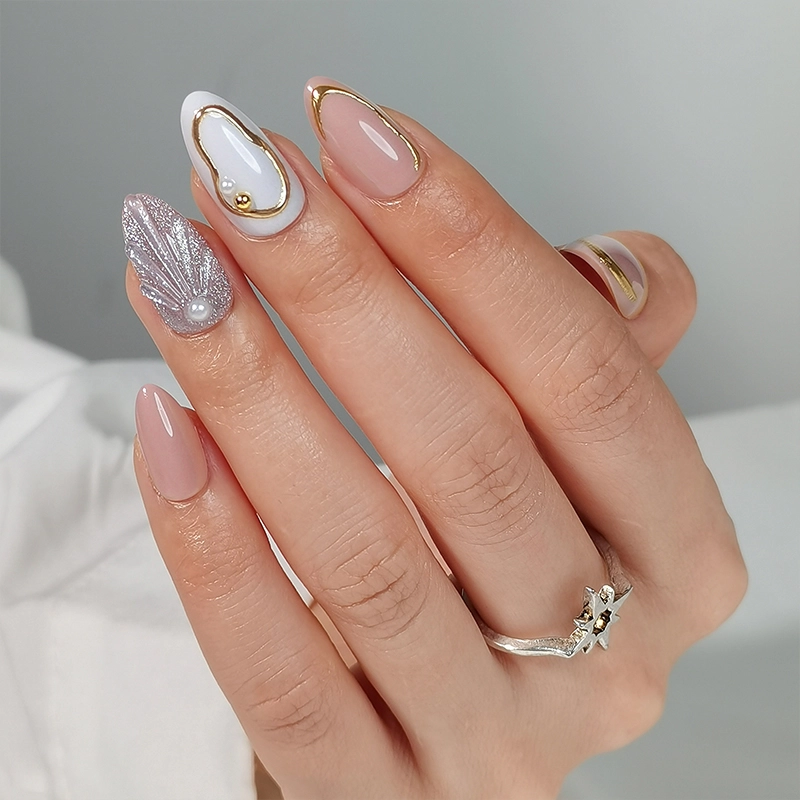
Wholesales Elegant Shell Inspired Soft Gel Wearable Nails for Seasonal Celebrations
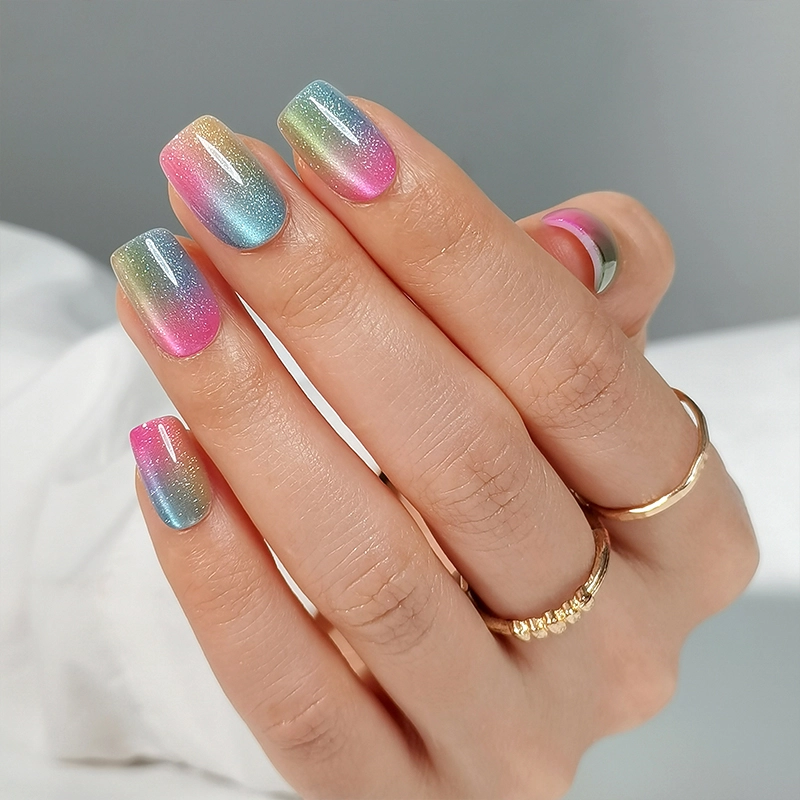
Custom Wholesale Gradient Cat Eye Soft Gel Wearable Fake Nails
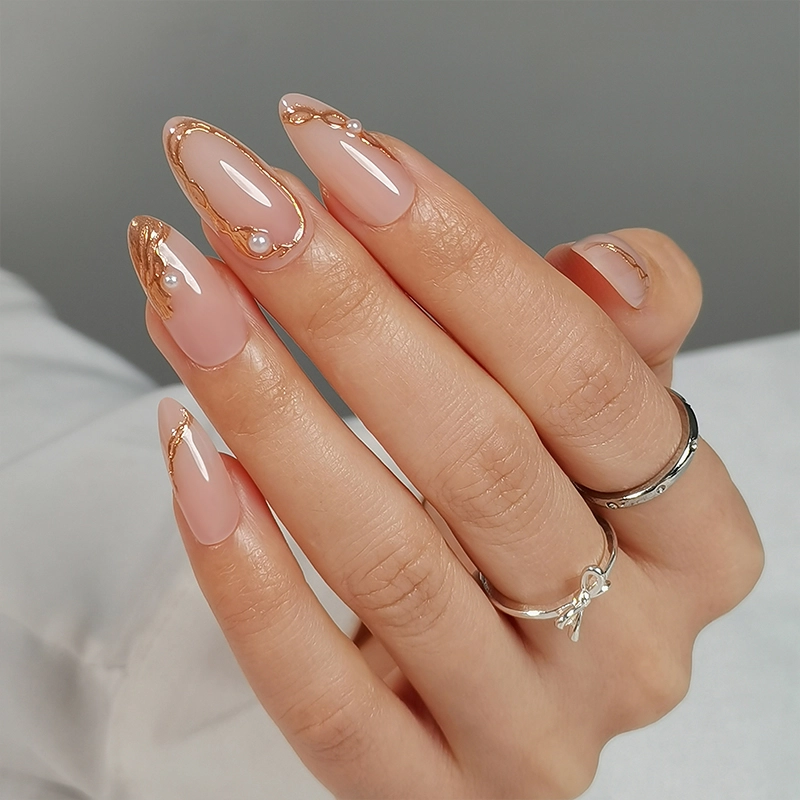
Wholesales Luxury Rhinestone Handmade Private Label Press On Nails Art Tips
Contact us
If you have press on nails products or customization needs, please feel free to contact from
below or via the contact information provided, we'll get back to you promptly within 24 hours.
By clicking 'Send Inquiry Now' I agree to XIANXING BEAUTY processing my personal data.
To see how to withdraw your consent, how to control your personal data and how we process it, please see our Privacy Policy and Terms of use.
Copyright © 2025 - XIANXING BEAUTY All Rights Reserved. Sitemap
Facebook
YouTube
Instagram
LinkedIn