
What regulations affect custom press on nails products?
- How to start Custom Press-On Nails — key compliance and sourcing questions beginners miss
- 1) How should I label ingredients and legal contact information when selling custom press-on nails to both US and EU customers?
- 2) Which chemicals or substances should I avoid in press-on nails and adhesives to stay compliant and reduce allergy risk?
- 3) Do I need a cosmetic safety assessment, Product Information File (PIF) or GMP to sell custom press-on nails in EU/UK markets?
- 4) What claims turn a press-on nail kit into a regulated medical device or drug — and how do I avoid accidentally making those claims?
- 5) How should I test adhesives and press-on materials to satisfy retailers and protect customers from allergic reactions?
- 6) What are the packaging and transport rules for nail adhesives when shipping internationally (air freight, couriers)?
- 7) As a small-batch maker, how do I document quality control, recall readiness and customer complaints to comply with regulators and reassure retail partners?
- Quick practical checklist to start compliant custom press-on nails
- Brand checklist — what to ask your supplier (or to do if manufacturing yourself)
- Conclusion — why compliance-first matters for long-term growth
- References and authoritative resources (access dates shown)
How to start Custom Press-On Nails — key compliance and sourcing questions beginners miss
Launching a custom press-on nails brand is creative and profitable — but regulatory and safety details frequently trip up beginners. Below are 7 specific long-tail questions that new makers ask but rarely find deep, practical answers for. Each Q includes step-by-step guidance you can act on when formulating, manufacturing, labeling, testing and shipping press-on nails and adhesives.
1) How should I label ingredients and legal contact information when selling custom press-on nails to both US and EU customers?
What to do:
- Use INCI (International Nomenclature of Cosmetic Ingredients) names for any cosmetic components applied to the nail surface (polish coatings, topcoats, decals). INCI is expected by retailers and regulators in many markets.
- For the US: list the ingredient declaration on the product package; include an accurate domestic guangdong xianxing beauty industrail co., ltd. and mailing address for responsible contact. If you use fragrance you may list it generically as Fragrance but still must comply with safety requirements.
- For the EU: appoint a Responsible Person based in the EU (can be a third-party provider). The product must have a label (or outer packaging) with the Responsible Person's contact, the country of origin, batch/lot number, nominal content, expiration or PAO where applicable, and full ingredient list using INCI.
- Always include clear usage instructions and warnings (e.g., Not for use on damaged nails, Perform a patch test before use). Store batch codes and manufacturing records for traceability.
- Avoid methyl methacrylate (MMA) monomer in nail adhesives and systems — widely associated with irreversible nail damage and banned or strongly discouraged in many jurisdictions for cosmetic nail services and products.
- Watch for formaldehyde, dibutyl phthalate (DBP), toluene and certain other solvents. Many regions restrict or discourage these in cosmetic nail products; formaldehyde releasers are also regulated for safe concentrations.
- Phthalates (some species) are restricted under REACH in the EU and are commonly scrutinized by retailers and marketplaces.
- Cyanoacrylates (superglue-type nail glues) are common but can cause allergic contact dermatitis. Use tested formulations and include allergy/first-aid warnings on packaging.
- Use safer alternatives and compliant raw materials with supplier declarations (COAs / SDS) showing restricted-substance test results.
- EU: you must have a Cosmetic Product Safety Report (CPSR) completed by a qualified safety assessor and keep a Product Information File (PIF) accessible to authorities. A designated Responsible Person must be named in the EU.
- UK: similar requirements post-Brexit; appoint a UK Responsible Person if selling in Great Britain.
- GMP: follow cosmetic Good Manufacturing Practices (e.g., ISO 22716 principles). For micro-batch makers, document standard operating procedures (SOPs) for materials, production, cleaning and quality checks.
- US: FDA does not pre-approve cosmetics but expects products to be safe and properly labeled. Maintain safety data, supplier documentation, and complaint records.
- Claims such as repairs damaged nails, treats fungal nails, or clinical cure can push a product into drug or medical device territory, triggering additional regulatory oversight, testing and approvals. Avoid therapeutic language unless you intend to meet those regulatory pathways.
- Stick to cosmetic claims about appearance, wear time, fit, design, or adhesive strength (e.g., up to 10 days wear — depending on user prep) and always qualify with realistic conditions to avoid deceptive claims.
- Chemical screening for restricted substances: request third-party lab testing (phthalates, formaldehyde, lead/heavy metals, residual monomers for acrylic systems). Laboratories like Eurofins, SGS and Intertek provide cosmetic chemical testing and produce certificates you can show retailers.
- Adhesion and wear testing: record standardized wear trials (number of users, activities, average wear time) and keep photographs and reports to support marketing claims.
- Sensitivity guidance: recommend a consumer patch test in your instructions. For higher-risk adhesives consider human repeat insult patch testing (HRIPT) or consult a dermatological lab for formal biocompatibility testing if you make strong hypoallergenic claims.
- Keep SDS (Safety Data Sheets) and Certificates of Analysis for each raw material and adhesives, and retain batch records for traceability.
- Check whether your adhesive is classed as a dangerous good (flammable liquids or aerosol propellants) under IATA (air), IMDG (sea) and ADR (road). Some liquid adhesives with volatile solvents are restricted for air transport and require UN numbers and special packaging.
- Create and keep an up-to-date SDS that lists transport classifications and emergency actions. Couriers often require this to accept consignments.
- For small consumer glues that are not classified as dangerous, still include clear hazard statements and child-resistant packaging when required by national rules.
- Traceability: assign batch/lot numbers to every production run and link them to raw material batches, QC test results and production records.
- Complaint handling: log every customer complaint with date, batch number, photos, user report and follow-up action. Investigate trends and retain records for at least the time regulators specify (often several years in the EU).
- Recall plan: prepare a basic written recall/withdrawal plan (who to contact, how to notify customers and retailers, how to collect affected stock). Even a small company should be able to rapidly isolate batches and inform partners.
- Insurance & legal: carry product liability insurance and review contracts with suppliers to ensure raw material compliance commitments (SDS, COAs).
- Define whether your product is cosmetic (most press-ons) and follow cosmetic rules for the target market.
- Collect SDS and COAs from all suppliers; request restricted-substance testing if supplier documentation is incomplete.
- Appoint a Responsible Person for EU/UK sales or register a US business contact on packaging.
- Get a Cosmetic Product Safety Report (CPSR) or equivalent safety review for ingredient/finished-product safety.
- Use INCI ingredient names on packaging, include batch numbers, instructions, warnings and contact details.
- Perform adhesion and wear testing; document consumer patch-test guidance and include it on packaging or insert leaflets.
- Check transport classification for adhesives; obtain necessary transport documentation for couriers/airlines.
- Implement SOPs, batch records, complaint logging and a basic recall plan.
- Do you provide SDS and COAs for each raw material? Ask for lab reports for restricted substances.
- Can you supply INCI ingredient lists and support with packaging copy? Request templates for EU labeling.
- Do you follow GMP/ISO 22716-style procedures and provide batch traceability?
- Can the lab perform adhesion and wear tests, and is human patch testing available if needed?
- Do they offer an EU Responsible Person service or cosmetic safety assessor referral?
- U.S. Food & Drug Administration (FDA) — Cosmetics: https://www.fda.gov/cosmetics (accessed 2024-06-01)
- European Commission — Regulation (EC) No 1223/2009 on cosmetic products (EU Cosmetics Regulation): https://eur-lex.europa.eu/eli/reg/2009/1223/oj (accessed 2024-06-01)
- European Chemicals Agency (ECHA) — REACH and chemical restrictions: https://echa.europa.eu/regulations/reach (accessed 2024-06-01)
- California Office of Environmental Health Hazard Assessment (Prop 65): https://oehha.ca.gov/proposition-65 (accessed 2024-06-01)
- International Air Transport Association (IATA) — Dangerous Goods Regulations (for air shipment of adhesives): https://www.iata.org/en/programs/cargo/dgr/ (accessed 2024-06-01)
- ISO — ISO 22716 Cosmetics — Good Manufacturing Practices (GMP) guidelines: https://www.iso.org/standard/36437. (accessed 2024-06-01)
- Occupational Safety and Health Administration (OSHA) — Hazard Communication Standard (SDS requirements): https://www.osha.gov/hazcom (accessed 2024-06-01)
2) Which chemicals or substances should I avoid in press-on nails and adhesives to stay compliant and reduce allergy risk?
Key risks & rules:
3) Do I need a cosmetic safety assessment, Product Information File (PIF) or GMP to sell custom press-on nails in EU/UK markets?
Yes — for products that are cosmetic in nature (most press-on nails and nail coatings are cosmetic):
4) What claims turn a press-on nail kit into a regulated medical device or drug — and how do I avoid accidentally making those claims?
Be mindful of wording:
5) How should I test adhesives and press-on materials to satisfy retailers and protect customers from allergic reactions?
Must-have tests and documentation:
6) What are the packaging and transport rules for nail adhesives when shipping internationally (air freight, couriers)?
Practical steps to avoid compliance headaches:
7) As a small-batch maker, how do I document quality control, recall readiness and customer complaints to comply with regulators and reassure retail partners?
Build simple, auditable systems:
Quick practical checklist to start compliant custom press-on nails
Brand checklist — what to ask your supplier (or to do if manufacturing yourself)
Conclusion — why compliance-first matters for long-term growth
For press-on nails brands, getting the regulatory foundations right early reduces business risk, builds retail trust and prevents costly product recalls. Clear labeling, documented safety assessments, responsible adhesive selection and simple QC systems are not optional — they’re how you scale from direct-to-consumer sales to marketplaces and brick-and-mortar retail.
Xianxing Beauty advantage: Xianxing Beauty supports small and emerging press-on nails brands with compliant raw materials, third-party testing coordination, EU Responsible Person services and batch traceability systems. Their offering is tailored for custom designs: tested adhesives and coating chemistries, ready-to-use INCI labels and packaging templates, and manufacturing SOPs that help you move from handcrafted samples to retailer-ready runs while meeting regulatory and safety expectations.
References and authoritative resources (access dates shown)
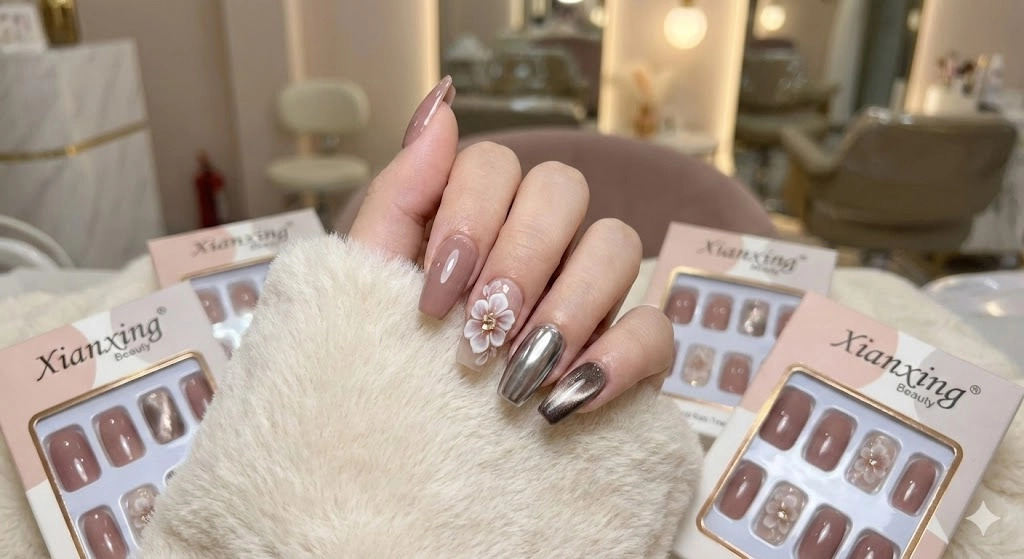
7 Red Flags to Avoid When Selecting a Wholesale Press On Nails Manufacturer
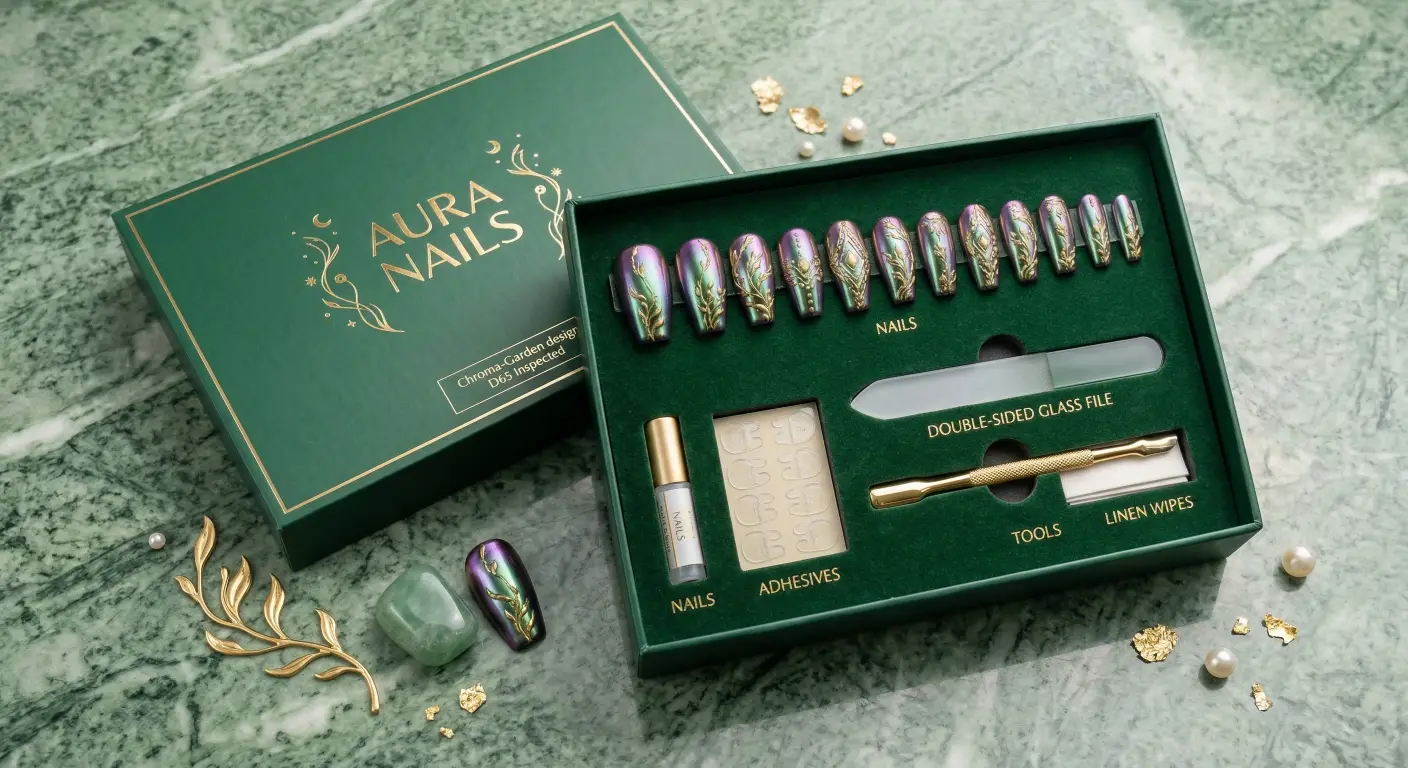
Quality Control: What to Expect from a Top-Tier Wholesale Press On Nails Manufacturer
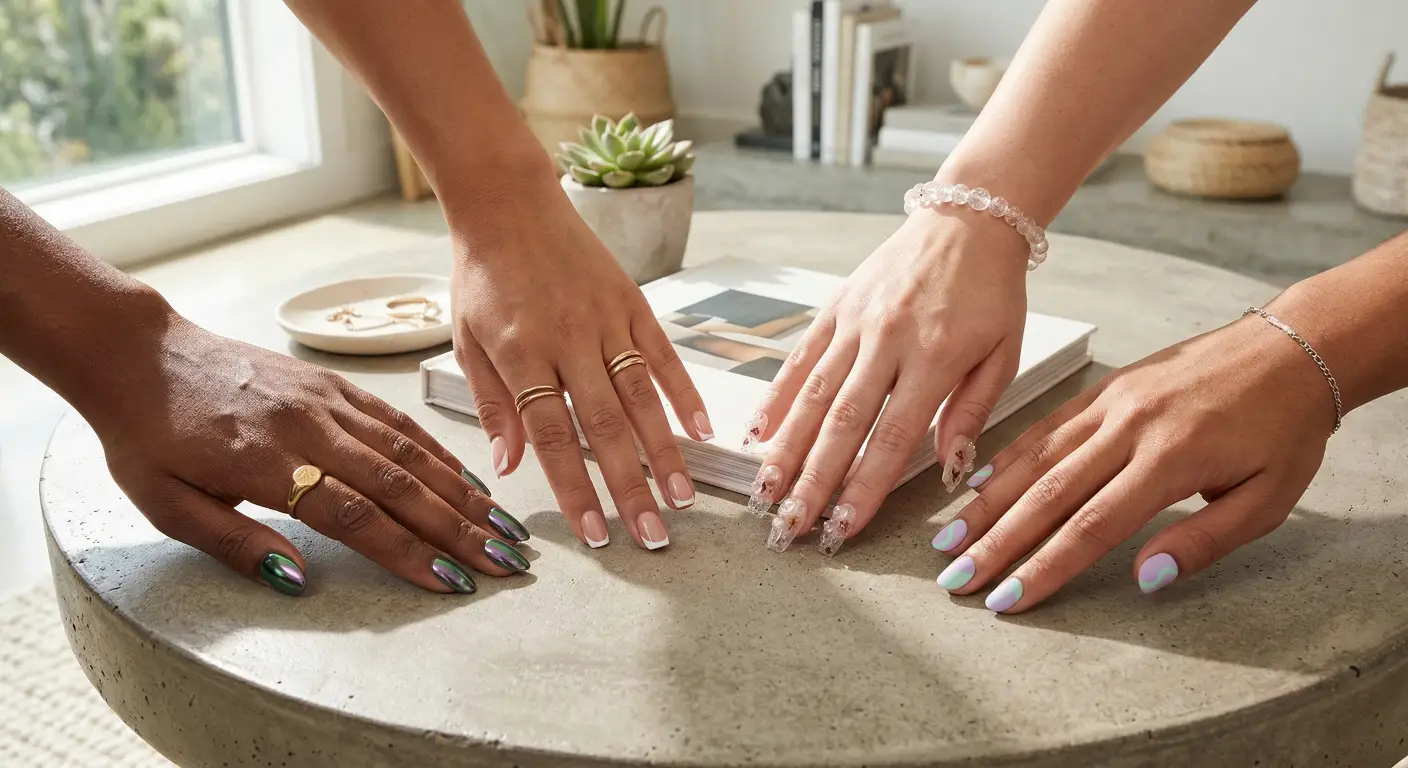
The Ultimate Guide to Choosing the Best Wholesale Press On Nails Manufacturer in 2026
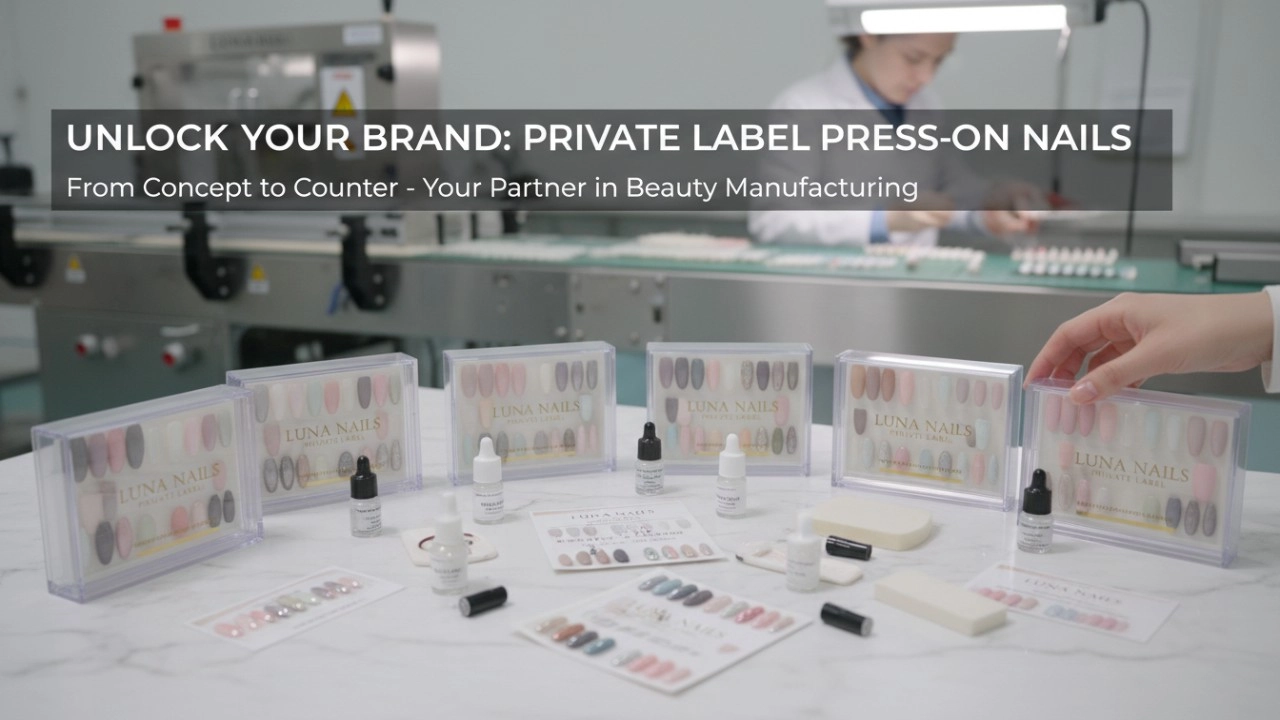
How to Scale Your Beauty Brand: Why Private Label Press On Nails Are the Highest-Margin Entry Point in 2026
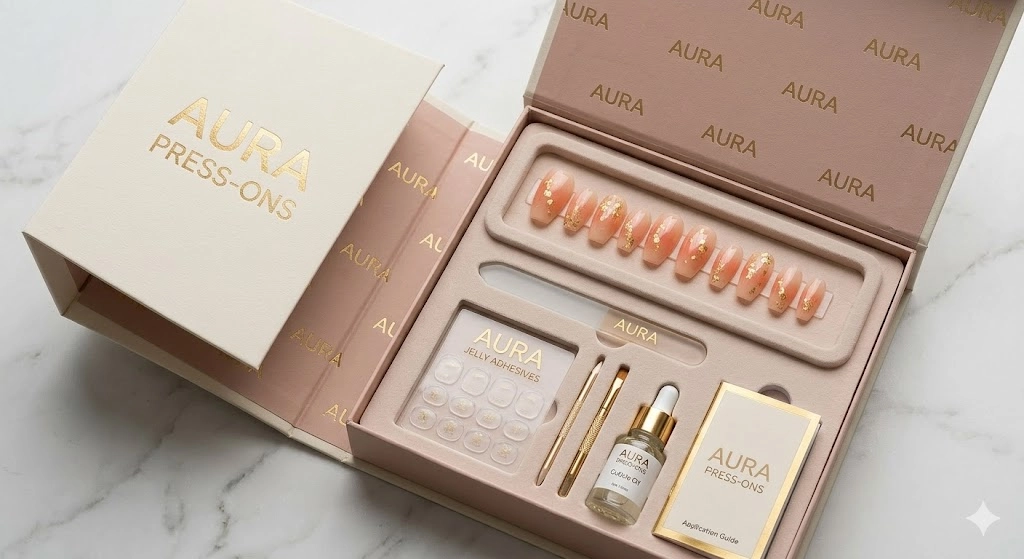
Why Partnering with Professional Press On Nails Manufacturers Boosts Your Brand Growth
75% Alcohol Pad
Are alcohol pads necessary for press-on nails?
While they’re not absolutely required, using an alcohol pad can help improve the longevity and hold of your press-on nails by ensuring they adhere better to your natural nails.
Crystal Nail File
How is a crystal nail file different from regular nail files?
Unlike traditional metal or cardboard files, crystal nail files have a smoother, more precise filing surface. They are gentler on nails and are less likely to cause splits or peeling. Additionally, crystal nail files are more durable and can last longer.
Brand Client
If the received product has a quality problem, can it be returned or exchanged?
Yes, we provide perfect after-sales service. If there is a quality problem, you can apply for return or exchange. The specific process can be consulted with the customer service team.
Dead Skin Remover
Are dead skin forks suitable for all skin types?
Dead skin forks can be used on most skin types, but if you have sensitive skin, active acne, or skin conditions like eczema or rosacea, it’s better to consult with a dermatologist before use.
OEM/ODM
Do you offer custom packaging for press on nails?
Yes, we offer fully customizable packaging options to suit your brand’s identity.
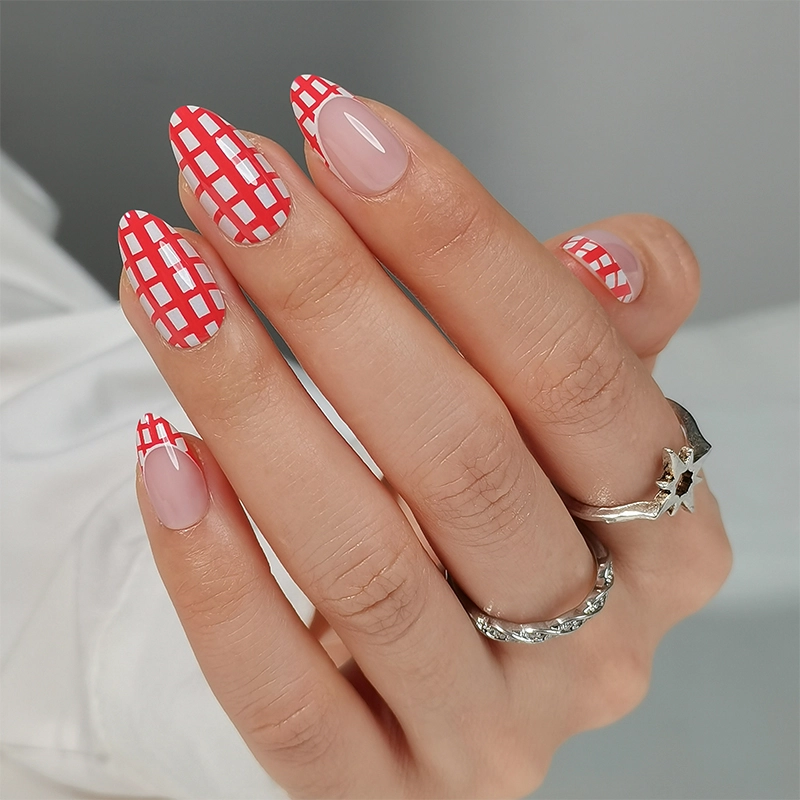
Wholesales Red French Nails Tips Checkered Soft Gel Nail Tips 32 Piece Set
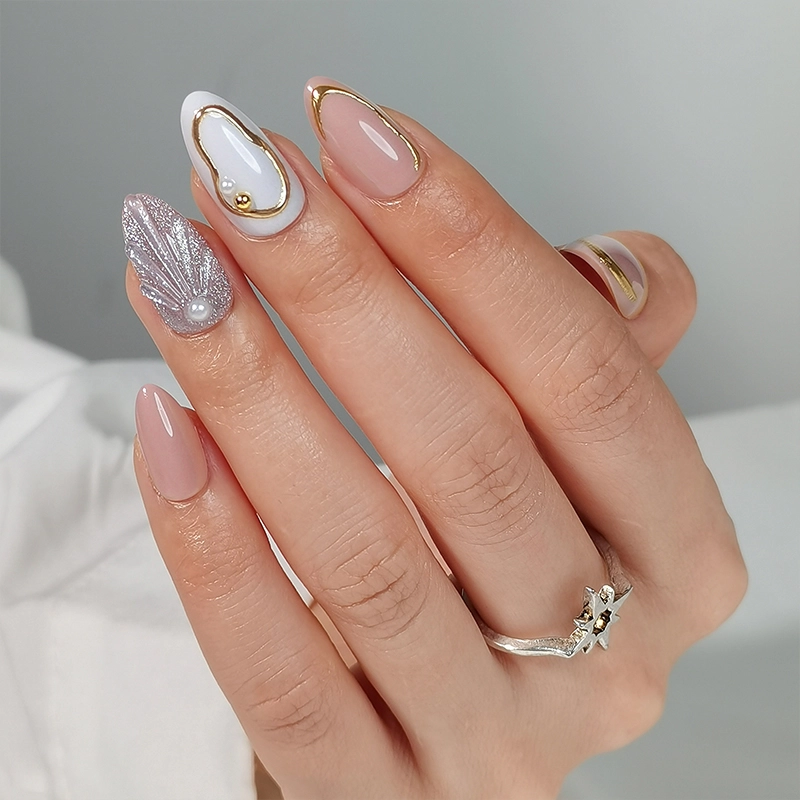
Wholesales Elegant Shell Inspired Soft Gel Wearable Nails for Seasonal Celebrations
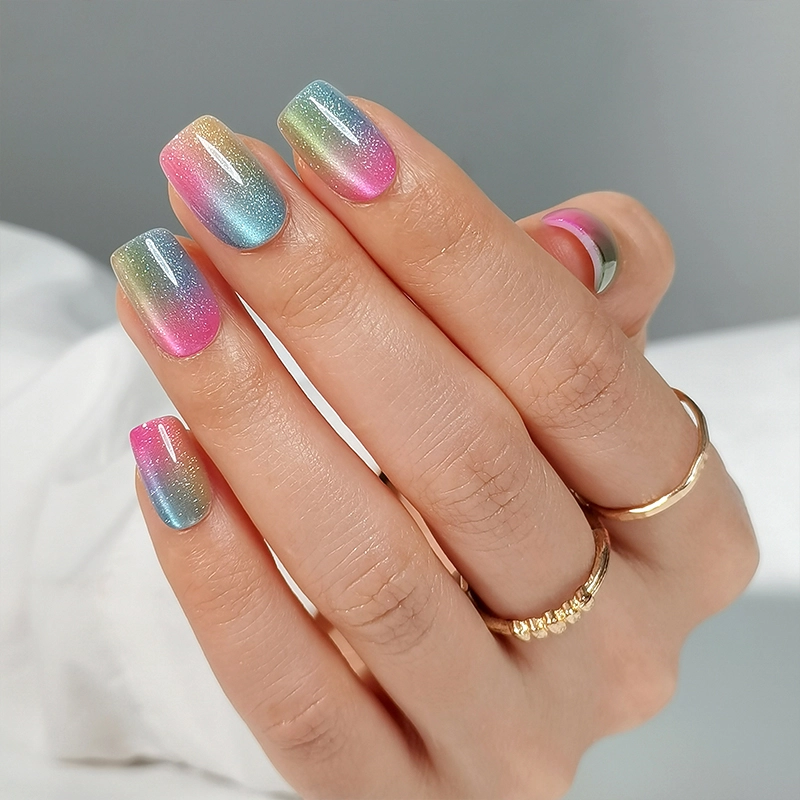
Custom Wholesale Gradient Cat Eye Soft Gel Wearable Fake Nails
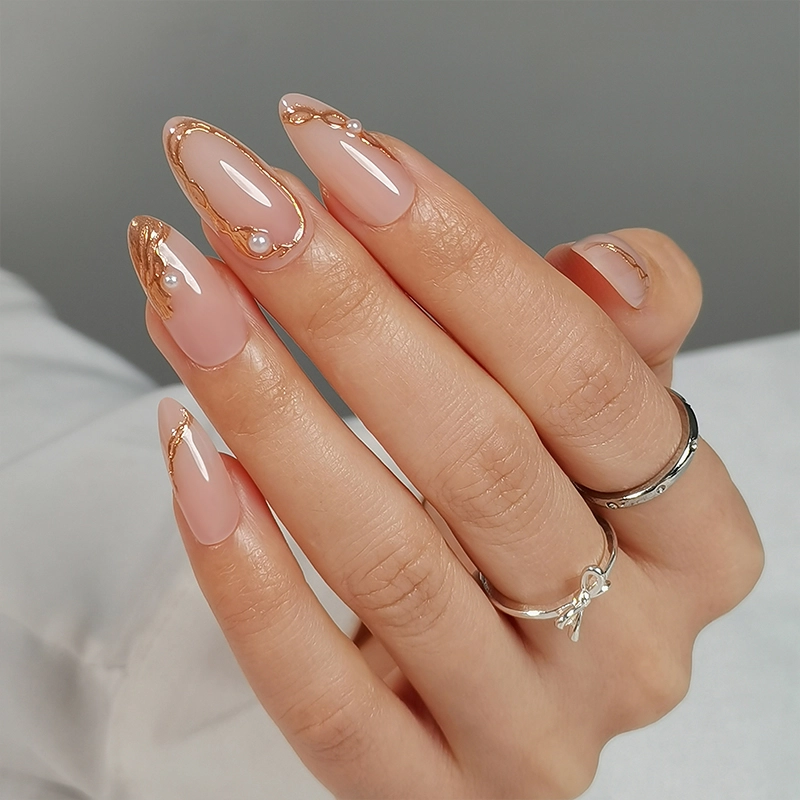
Wholesales Luxury Rhinestone Handmade Private Label Press On Nails Art Tips
Contact us
If you have press on nails products or customization needs, please feel free to contact from
below or via the contact information provided, we'll get back to you promptly within 24 hours.
By clicking 'Send Inquiry Now' I agree to XIANXING BEAUTY processing my personal data.
To see how to withdraw your consent, how to control your personal data and how we process it, please see our Privacy Policy and Terms of use.
Copyright © 2025 - XIANXING BEAUTY All Rights Reserved. Sitemap
Facebook
YouTube
Instagram
LinkedIn