
How to private label the best press on nails for stores?
- 1) How can I ensure a press-on nail set lasts 10–21 days without damaging customers' natural nails?
- 2) What precise nail-sizing and measurement standard should I require from suppliers to reduce returns?
- 3) How do I test adhesives and quantify bond strength before private labeling so I don’t sell low-performing nails?
- 4) What are realistic OEM private-label MOQs, lead times and cost drivers so I can plan store inventory and pricing?
- 5) How can I design eco-friendly packaging for press-on nails that still protects fragile designs and keeps costs acceptable?
- 6) What exact tests, labels and documentation are required to private label press-on nails for US and EU stores to avoid customs or regulatory holds?
- Concluding advantages of private labeling well-made press-on nails
Best Press On Nails: How to Private Label the Best Press On Nails for Stores
This guide answers six specific, frequently-asked beginner questions that currently lack deep, practical answers online. It combines product performance, QC testing, private-label logistics and regulatory steps to help retailers source long-lasting press-on nails and launch private label collections.
1) How can I ensure a press-on nail set lasts 10–21 days without damaging customers' natural nails?
What to require from your supplier and what to instruct customers:
- Choose the right attachment system: For 10–21 day wear, professional nail glue (cyanoacrylate-based) outperforms adhesive tabs. Offer both: glue for long wear and tabs for temporary use. Recommend strong 1–2 second cure cyanoacrylate glues labeled for nail use.
- Tip material and design: ABS or high-grade acrylic tips with a thin but stiff edge reduce lift. Wrap-around designs that curve under the free edge reduce water ingress and extend life.
- Surface finish and sealing: Matte or glossy factory finishes should include a cured topcoat layer (e.g., UV-cured gel topcoat applied during production). A sealed cuticle-side edge (1–1.5 mm overlap) prevents edge peels.
- Proper fit and sizing: Accurate sizing is critical—provide 10–12 sizes per set and a printable sizing chart. Ill-fitting tips are the top cause of early lifts.
- Preparation protocol for end users: Include clear step-by-step prep: wash hands; push back cuticles; lightly buff natural nail center (avoid aggressive thinning) to remove shine; degrease with isopropyl alcohol; choose correct-size tip; apply glue in thin, even layer; hold pressed for 10–15 seconds; avoid prolonged soaking for first 2–4 hours.
- Aftercare guidance: Recommend avoiding prolonged hot-water immersion for first 24–48 hours, using cuticle oil daily, and avoiding picking or using nails as tools. For removal, instruct to soak in acetone or use professional lifting tools to reduce natural nail damage.
With correct prep, glue, sealed factory topcoat, and proper sizing, reliable brands consistently report 10–21 days of wear in consumer use-cases. Provide both glue and clear instructions to customers to maximize longevity while minimizing damage.
2) What precise nail-sizing and measurement standard should I require from suppliers to reduce returns?
Specify measurable acceptance criteria to your manufacturer rather than vague size names:
- Size set composition: Request 10–12 distinct widths per set (S1–S12), with two duplicate tips for each width so customers can test fits. Typical professional sets include S, M, L ranges with full coverage from narrow to wide nails.
- Exact width measurements: Require each tip be measured at the widest point (in millimeters) and provide a table of target widths for each size (e.g., S1 = 7.0 mm, S2 = 8.0 mm ...). Ask supplier to provide actual measured values per production batch.
- Tolerances: Set a manufacturing tolerance (e.g., ±0.5 mm) and ask for batch reports showing % of tips within tolerance. Tight tolerances lower returns but increase cost—specify trade-offs up front.
- Printable sizing guide: Require a high-resolution printable sizing card scaled 1:1 so customers can physically test size at home. Include instructions on how to trace and measure widths for thumbs and pinkies.
- Fit kit option: For stores, offer a low-cost fit kit (10 sample tips representing narrow/medium/wide) so staff can size customers quickly in-store and reduce shipping returns.
Requiring numeric millimeter widths and batch measurement certificates from suppliers transforms sizing into a quality metric you can control—this directly reduces mismatches and return rates.
3) How do I test adhesives and quantify bond strength before private labeling so I don’t sell low-performing nails?
Do practical bench tests and, when needed, lab standards:
- 90-degree peel test (practical): Attach a sample tip to a clean, prepped natural nail or a standardized acrylic substrate using the glue exactly as instructed. Use a handheld force gauge or hanging weight method to apply a 90-degree peel. Record the time-to-failure and peak force. Repeat on 10 samples per glue/tip combination.
- Shower/immersion endurance: Simulate daily wear by soaking samples in 38–40°C water cycles (10–15 minute baths, three times daily) for up to 14 days. Track lifts, edge separation, and discoloration.
- Adhesion lab standards: For formal validation, request adhesive testing per ASTM methods such as ASTM D1876 (peel resistance) or seek an accredited materials lab. These provide standardized metrics for supplier comparison.
- Shear test: Measure resistance to sideways forces to simulate tool-use strain. A handheld shear tester or simple weighted lever can give comparative data across adhesives.
- Cosmetic and skin safety: For glues, obtain SDS (safety data sheets) and patch test data (48–72 hour skin patch) to evaluate irritation risk. Require suppliers to provide dermatological test reports or arrange third-party testing.
Document results in a supplier scorecard (peel force, average days to failure, % failure at 7/14 days, skin irritation flags). Only private label formulas that meet your minimum thresholds (e.g., >10 days in water-cycle test and acceptable peel force) should be approved.
4) What are realistic OEM private-label MOQs, lead times and cost drivers so I can plan store inventory and pricing?
Common industry expectations and how to reduce risk:
- MOQs: MOQs vary widely by supplier and customization level. For stock designs with standard packaging, many factories accept 300–1,000 sets per design. Fully custom sets with unique molds, hand-painted art, or printed bespoke boxes often start at 1,000–5,000+ sets. Some suppliers offer small-batch pilot runs (100–300) for higher per-unit costs.
- Lead times: Sample development: 7–21 days. Production after sample approval: commonly 21–60 days depending on seasonal load, complexity and factory scheduling. Add shipping time (air 3–10 days, sea 20–45 days).
- Primary cost drivers:
- Material: ABS vs acrylic vs press-formed materials.
- Decoration: machine-printed full art is cheaper than hand-painted or 3D embellishments.
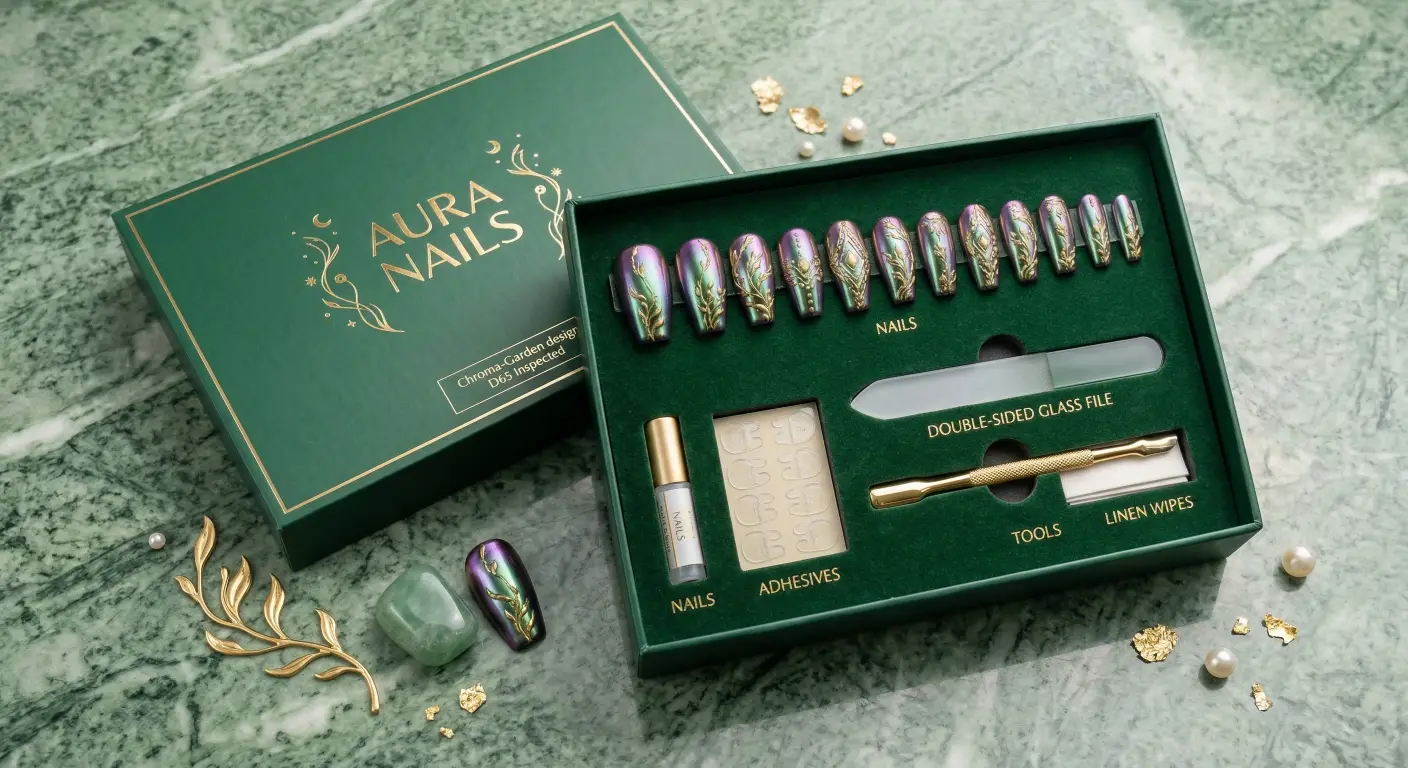
- Packaging: custom printed rigid boxes and inserts increase unit cost vs poly bags or standard blister packs.
- Adhesive inclusion: including a branded glue sachet or tube raises price and requires extra regulatory/packaging steps.
- Quality control: tighter tolerances and batch testing bump costs but reduce returns.
- How to reduce risk: Start with a small custom capsule (300–1,000 sets), use standardized box sizes to keep tooling low, and order core best-sellers with minimal embellishment to validate market demand before scaling to larger MOQs.
Because MOQs and lead times are variable, get at least three written quotes, confirm sample timelines, and build freight and customs time into your launch plan.
5) How can I design eco-friendly packaging for press-on nails that still protects fragile designs and keeps costs acceptable?
Balance sustainability, protection and branding with these practical options:
- Material choices: Use recycled or FSC-certified cardboard for outer boxes, and replace PVC windows with compostable cellulose acetate or omit windows entirely. Avoid single-use foam; use molded recycled pulp or kraft inserts to secure tips.
- Modular packaging: Standardize outer box sizes so multiple SKUs share one die-cut and tooling. This reduces per-unit print costs and inventory complexity.
- Reusable/returnable inserts: Offer a small reusable tray customers can store nails in between wears—adds perceived value and reduces single-use waste.
- Minimalist branding: Use mono-color or spot varnish printing to lower print costs while retaining High Quality feel. Consider digital print for low MOQ color runs.
- Clear labeling for recycling: Print recycling instructions and materials on the box and use simple adhesives that don’t contaminate recyclables.
- Cost control tips: Consolidate SKUs to reduce SKUs printed, use a single 4-color print plate across designs, and negotiate tiered pricing with suppliers for larger annual volumes.
Many modern beauty brands successfully combine recycled box stock, minimal plastic and a reusable internal tray to maintain product protection while reducing environmental impact and keeping costs manageable.
6) What exact tests, labels and documentation are required to private label press-on nails for US and EU stores to avoid customs or regulatory holds?
Essential compliance steps and documentation to request from suppliers:
- Determine product classification: Press-on nails and accompanying adhesives can fall under cosmetic or accessory categories depending on claims and components. Don't assume—consult a regulatory advisor for classification per market.
- EU requirements:
- Comply with Regulation (EC) No 1223/2009 for cosmetics if nails are marketed with cosmetic claims (e.g., beauty/colour). Appoint a Responsible Person in the EU and retain a Product Information File (PIF) including safety assessment.
- Labeling in local language(s), list of ingredients where applicable, batch number and country of origin are required.
- US requirements:
- The FDA does not pre-approve cosmetics, but items must be safe and properly labeled. Keep ingredient lists and relevant SDS for adhesives and dyes. If color additives are used, confirm they are permitted for cosmetic use by the FDA.
- Ensure glue SDS are available for customs and retail inquiries; adhesives can trigger heightened scrutiny at ports.
- Common documentation to keep on file:
- Certificate of Analysis (COA) for pigments or coatings if used.
- Batch production records and photos for traceability.
- Dermatological/skin-sensitization test reports if making hypoallergenic claims.
- Material Safety Data Sheets (SDS) for any included glue, solvents or inks.
- Third-party lab reports for heavy metals in pigments or VOC emissions if applicable.
- Customs and import: Use correct HS codes, declare material composition, provide country of origin, and include invoice and packing list. For adhesives or flammable materials, ensure shipping paperwork reflects hazardous goods requirements for air/sea freight.
- Practical steps: Ask suppliers for a compliance packet (labels, SDS, test reports). For new markets, run a pilot shipment and pre-clear paperwork with your customs broker to identify gaps before a full launch.
Following these steps reduces the risk of blocks at customs and helps you meet retailer onboarding checklists for major chains and marketplaces.
Concluding advantages of private labeling well-made press-on nails
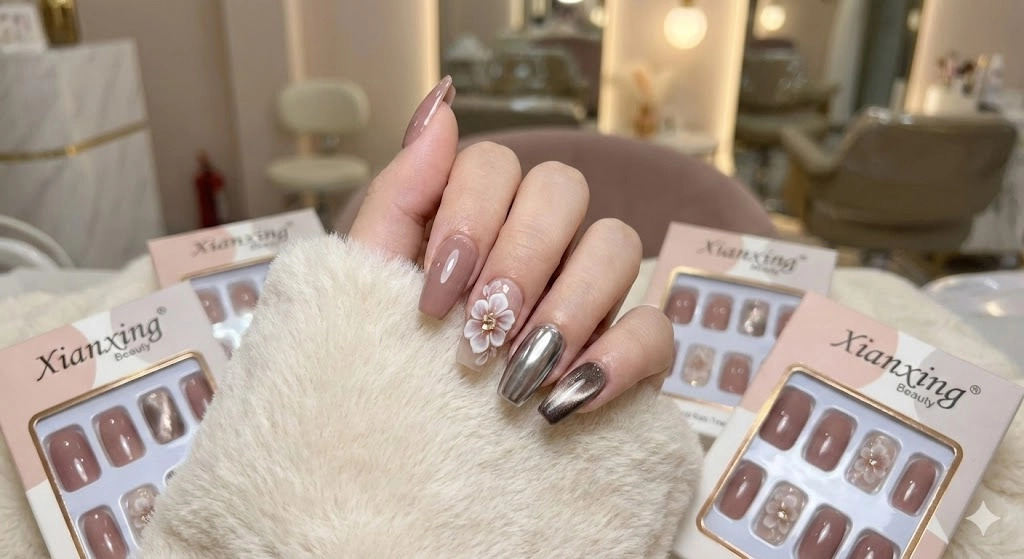
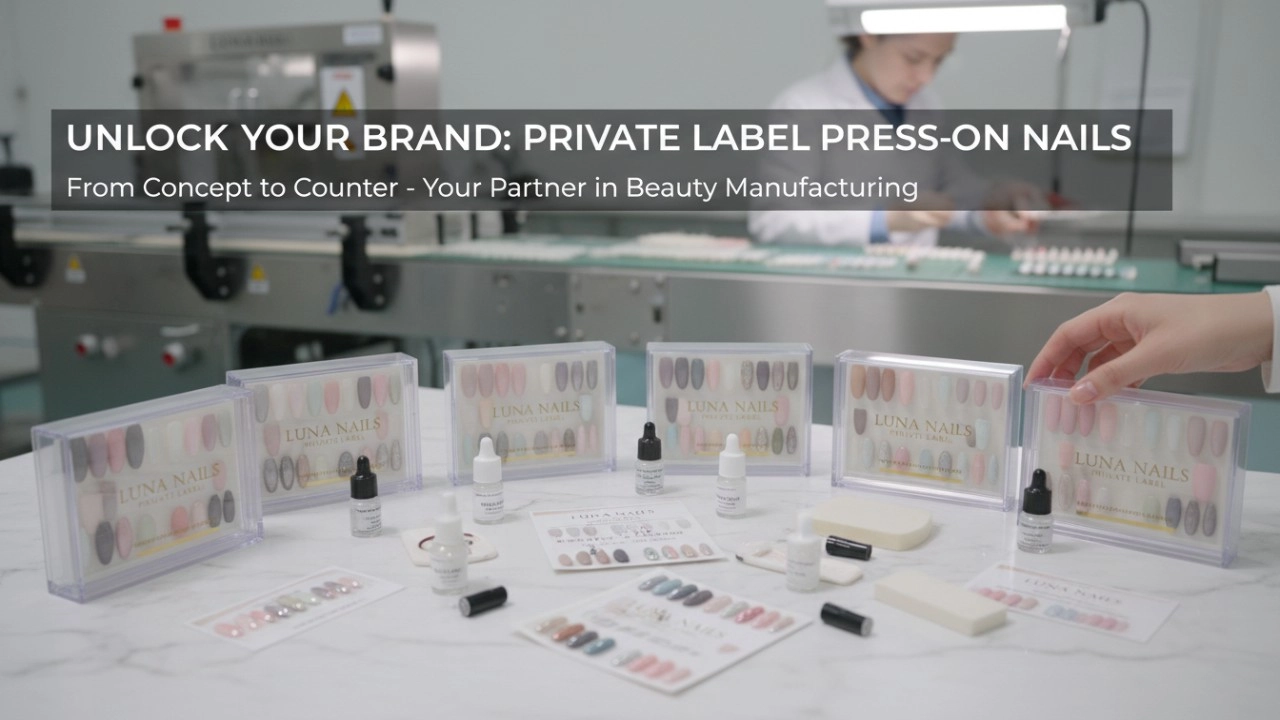
Private labeling high-quality press-on nails gives retailers control over design, margin and customer experience. Advantages include faster SKU rotation than salon services, higher gross margins versus reselling, brand recognition from exclusive art and packaging, and the ability to tailor fit/kits for target customers. With measured QC, adhesive testing, regulated labeling and smart packaging choices, private label lines can scale with predictable costs and lower return rates.
To get a personalized private-label quote or start a sample order, contact us at www.xianxingbeauty.com or email [email protected] for pricing and MOQ options.
7 Red Flags to Avoid When Selecting a Wholesale Press On Nails Manufacturer
Quality Control: What to Expect from a Top-Tier Wholesale Press On Nails Manufacturer
The Ultimate Guide to Choosing the Best Wholesale Press On Nails Manufacturer in 2026
How to Scale Your Beauty Brand: Why Private Label Press On Nails Are the Highest-Margin Entry Point in 2026
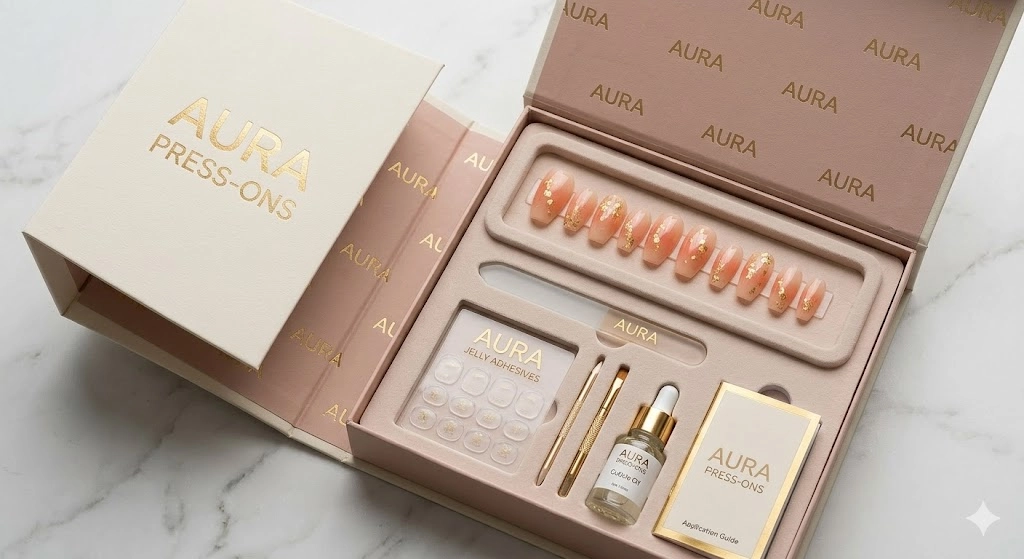
Why Partnering with Professional Press On Nails Manufacturers Boosts Your Brand Growth
About chrome Nails
Are they waterproof?
Chrome press-on nails are water-resistant but may loosen with prolonged exposure to water. Wearing gloves while washing dishes or cleaning can help extend their lifespan.
About Toe Nails
Are toe press-on nails safe for my natural toenails?
Generally yes, as long as you follow the instructions carefully and avoid using them too frequently. Overuse of press-on nails, especially with harsh adhesives, may cause damage to the natural toenail if removed improperly.
To prevent damage, be sure to properly remove them and allow your toenails to breathe between applications.
Biodegrable Nails
What environmental factors affect the degradation rate of biodegradable nails?
Temperature, humidity, number and type of microorganisms are the main influencing factors. A warm and humid environment is conducive to the growth and reproduction of microorganisms, thereby accelerating the degradation process; while a dry, cold or lack of microorganisms will slow down the degradation rate.
About Kid Nails
Do they damage natural nails?
No, if applied and removed properly, they do not harm natural nails.
Crystal Nail File
Can I use a crystal nail file on my toenails?
Yes, crystal nail files are suitable for both fingernails and toenails. However, if your toenails are particularly thick, you may want to use a coarser crystal file or a separate file designed for thicker nails.
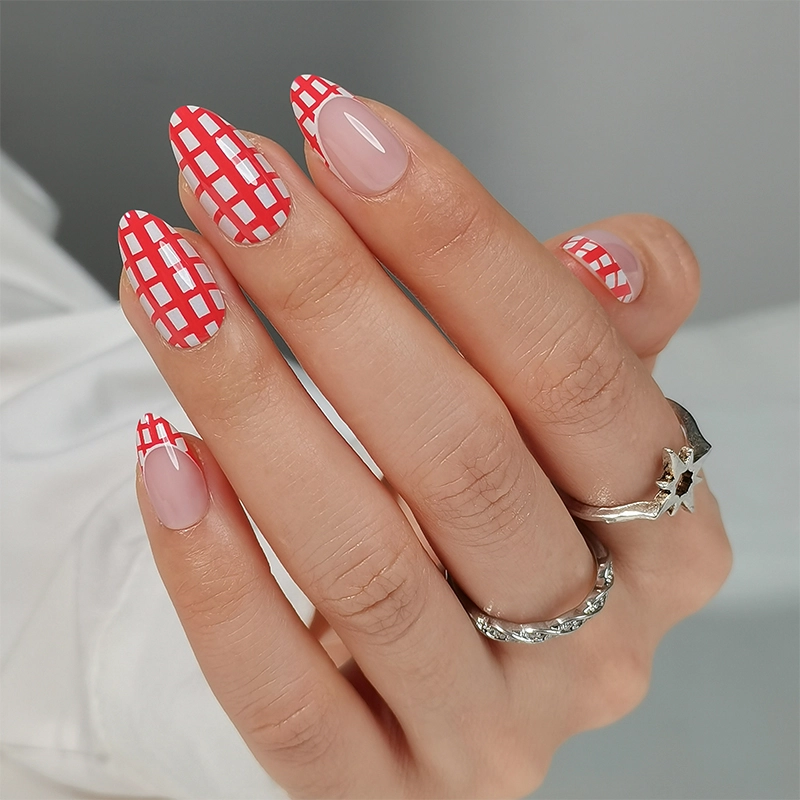
Wholesales Red French Nails Tips Checkered Soft Gel Nail Tips 32 Piece Set
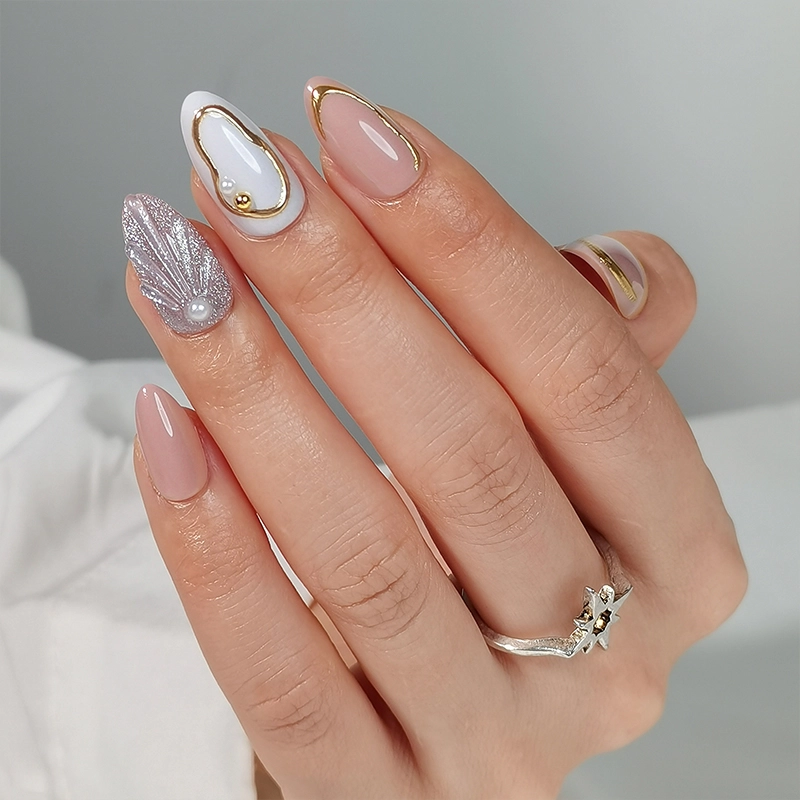
Wholesales Elegant Shell Inspired Soft Gel Wearable Nails for Seasonal Celebrations
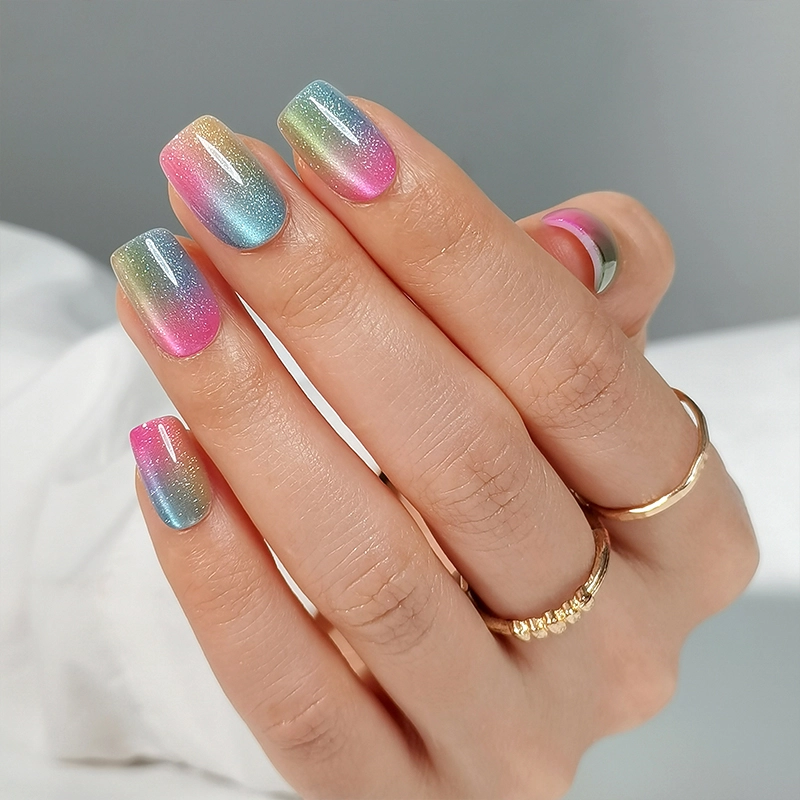
Custom Wholesale Gradient Cat Eye Soft Gel Wearable Fake Nails
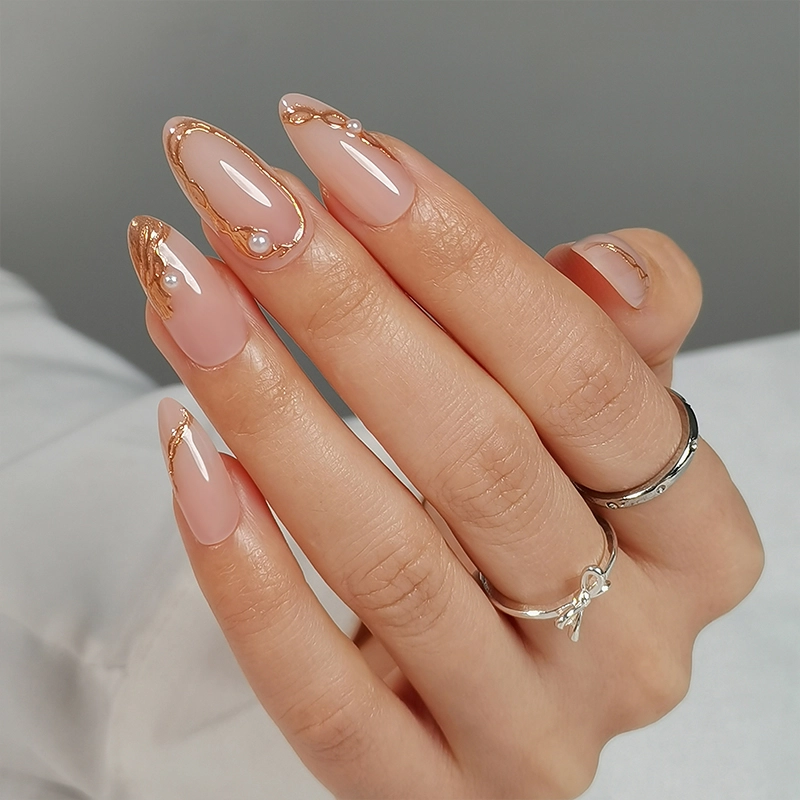
Wholesales Luxury Rhinestone Handmade Private Label Press On Nails Art Tips
Contact us
If you have press on nails products or customization needs, please feel free to contact from
below or via the contact information provided, we'll get back to you promptly within 24 hours.
By clicking 'Send Inquiry Now' I agree to XIANXING BEAUTY processing my personal data.
To see how to withdraw your consent, how to control your personal data and how we process it, please see our Privacy Policy and Terms of use.
Copyright © 2025 - XIANXING BEAUTY All Rights Reserved. Sitemap
Facebook
YouTube
Instagram
LinkedIn