
How to choose nail glue and adhesives for press on nails?
- 1) What is the realistic minimum equipment and budget to start custom press-on nails (handmade vs small factory)?
- 2) How to choose nail glue and adhesives for press on nails? (practical selection criteria for longevity and safety)
- 3) How can I design a sizing system that reduces customer returns and minimizes inventory SKUs?
- 4) How do I source or formulate a hypoallergenic nail glue—what tests and specs to require?
- 5) What packaging, labeling and regulatory documents will buyers/importers expect when they purchase press-on nails in bulk?
- 6) When scaling from made-to-order custom designs to bulk production, how do I preserve color, finish and fit consistency?
- Conclusion: How to move from idea to reliable procurement
If you're asking How to start Custom Press on Nails, or researching How to choose nail glue and adhesives for press on nails?, this article answers six specific, underexplained beginner questions buyers and new brands repeatedly face. The focus is procurement and product-quality decisions — not generic marketing tips.
1) What is the realistic minimum equipment and budget to start custom press-on nails (handmade vs small factory)?
Why this matters: many beginners under- or over-invest. You need the right balance so product quality meets customer expectations without sinking cash into unnecessary industrial tooling.
Handmade / Small-batch (best for market testing, MOQ-sensitive designs):
- Essential equipment: nail tip press forms or reusable tip molds, UV/LED lamp (48–120W with dual LED spectrum), fine nail files and buffers, airbrush or spray system (optional), small vacuum/centrifuge for gel consistency (optional), basic curing station, heat-sealed poly bags or small blister packs for packaging.
- Consumables: builder gel, base/top gel, monomer acrylic powders (if using acrylic), ABS or press-on tip blanks, nail glue and adhesive tabs, alcohol wipes, primer/cleaner, gloves.
- Typical budget range to launch at-home/high-quality handmade lines: US$1,500–6,000. This covers a small stock of raw materials, finishing tools, lamp, and packaging starter kit. Labor is the biggest variable.
- Essential equipment: injection molds or thermoforming tooling for tip blanks (higher upfront cost), industrial UV curing tunnels (for gel sets), automated buffer/polish lines (optional), spray booths for consistent color, laser or pad-printing for decals, QC measuring fixtures.
- Typical capital range for low-volume factory setup with tooling: US$10,000–60,000+ depending on mold complexity and whether you outsource tooling. Injection molds are the main cost driver.
- Start handmade or low-volume if you need design flexibility and fast iterations.
- Move to molding/injection only when demand justifies tooling costs; use 3D-print prototypes for fit checks before ordering molds.
- Plan packaging and labeling early — these affect perceived quality and regulatory needs.
- Cyanoacrylate nail glue (ethyl cyanoacrylate - ECA): strongest and fastest bonding; typical consumer wear 7–14 days when applied correctly. Pros: high bond strength, fast cure. Cons: fumes may irritate, risk of adhesion to skin, potential allergic reactions in sensitive users. Suppliers should provide SDS and GHS classification.
- Double-sided adhesive tabs/foam tabs: user-friendly, repositionable, best for short-term wear (1–7 days) or reusable sets. Pros: safer for sensitive skin, clean removal. Cons: lower shear strength, not ideal for oily nails or heavy-duty wear.
- Pre-applied adhesive film (peel-off layer on press-ons): convenience for mass-market and reusable sets; performance varies by film chemistry.
- Specialty formulas (hypoallergenic or low-VOC cyanoacrylates; acrylate-based adhesives): choose suppliers that disclose ingredients and provide patch test data.
- Request SDS/MSDS and full technical data sheet (TDS) from the supplier.
- Ask for peel and shear test results (see ASTM standards below) and real-use wear-time data under specified conditions (e.g., hand-washing simulation).
- For sensitive-skin claims, require completed patch test reports (e.g., 48–72 hour dermatological patch tests) or proof of hypoallergenic formulation from a certified lab.
- Consider single-component cyanoacrylate with ethyl base for general use; avoid methyl cyanoacrylates due to higher exotherm risk on skin and brittle bonds.
- Evaluate viscosity: thicker glues give better control on tips; thin glues wick and cure faster but can run onto skin.
- Retail consumer sets: pre-applied film or adhesive tabs for safety and low returns.
- Salon-grade sets: high-quality ECA glue with longer wear and clear application instructions. Provide single-use glue tubes for hygiene.
- Sensitive-skin offering: market explicitly with documented patch-test reports and consider offering adhesive tabs as an alternative.
- Lap-shear and peel tests (refer to ASTM adhesive test methods such as ASTM D1002 for lap shear on metals/plastics and ASTM D1876 for peel where applicable) — these show comparative bond strength.
- Accelerated wear tests (water immersion, repeated flex cycles, detergent exposure) with time-to-failure results reported.
- SDS and any cosmetic/chemical regulatory compliance documentation applicable to your markets (GHS labeling, REACH pre-registration status in EU if applicable, TSCA inventory data for US chemicals).
- Start with a 10–12 size matrix: most brands use between 10 and 12 sizes to cover the vast majority of customers. Offer clear width measurements for each size in millimeters.
- Collect real-customer data quickly: include a printable sizing guide and request customers to measure nail bed width across the first 200–500 sales. Use that data to adjust your size curve.
- Create 'fit flex' sets: offer a set with extra adaptors (thin liners, short/long options) or an 'adjustment kit' (files and thin double-sided tabs) to improve fit without adding SKUs.
- Provide detailed guidance: include images of how to measure nail bed width, cuticle clearance, and dominant hand vs non-dominant differences. This reduces wrong-size orders.
- Use modular inventory planning: keep a larger stock of mid-range sizes (most common) and lower stock of extremes.
- Ask suppliers for sample runs of sizes before committing to large orders.
- If injection-molding, design molds that allow small post-trim adjustments rather than re-tooling entire mold sets.
- Full ingredient disclosure and SDS for each adhesive supplied to Xianxing Beauty.
- Dermatological patch testing: 48–72 hour human patch tests performed under GLP (or equivalent) showing low incidence of sensitization. For stronger claims, request cumulative irritation testing.
- Allergen screening: suppliers should screen for common sensitizers and monomers known to cause contact dermatitis. Prefer ethyl cyanoacrylate bases over methyl variants.
- Stability data: accelerated aging data at elevated temperatures to confirm no breakdown products form that could increase irritation risk.
- Minimalist formulas with fewer additives reduce allergy vectors. Avoid unnecessary solvents or fragrances.
- Lower VOC and low-odor formulations improve customer comfort and compliance with volatile-organic compound regulations.
- Prefer adhesives manufacturers with cosmetic or pharmaceutical customers — they are likelier to maintain better documentation.
- Request certificates of analysis (COA) and batch traceability to link any future adverse reports back to a production batch.
- SDS/MSDS for adhesives and any chemical components (gels, primers, monomers).
- Product specification sheet (materials list: ABS, acrylic, gel), dimensions, weight, recommended storage conditions.
- GHS/CLP labels for hazardous components shipped separately (glues or primers may need this).
- Certificate of Conformity or Declaration of Compliance specifying compliance with local consumer product rules (e.g., EU regulations regarding cosmetic claims if you market as cosmetic in EU; TSCA disclosure for chemical substances in the US market).
- Packaging info: consumer labeling (ingredients, warnings, manufacturer/importer contact), barcode/GTIN, lot numbers for traceability.
- Amazon and major retailers require ingredient lists, SDS for chemical items, and compliant barcode/GTINs. They may request testing depending on claims (e.g., hypoallergenic).
- EU: if marketed as cosmetics, follow EU Cosmetic Regulation requirements for labelling and a Product Information File (PIF). If adhesives are sold separately as a non-cosmetic chemical, expect REACH/CLP obligations.
- Ask suppliers for consolidated packs with clear English labeling and symbols; include multi-language warnings if selling in multiple regions.
- Keep one sample of each production batch and corresponding SDS/COA for 2–5 years to handle any after-sales issues.
- Color control: use physical color standards like Pantone references or measure using a spectrophotometer and record Delta E tolerances you will accept (e.g., Delta E < 2 for tight tolerance brands). Require factory to match batches to the approved sample under standard light conditions (D65).
- Material spec control: document base material (ABS grade, acrylic recipe, gel viscosity) and acceptable thickness/flex range. Provide target thickness (e.g., typical press-on thickness ranges — choose flexible vs rigid depending on product positioning) and maximum variance.
- Mold and tooling control: prototype first with 3D prints or Urethane molds, then create final injection mold only after fit and finish are approved. Keep tooling revisions small and controlled.
- In-line QC checks: first-piece inspections, color checks, dimensional checks, and adhesion tests on every lot. Define acceptance criteria and a freight-hold procedure for non-conforming lots.
- Sampling plan: use an AQL (Acceptable Quality Level) sampling plan for production lots so you can catch batch drift early without inspecting 100% of output (common AQL levels: 1.5–2.5% depending on product criticality).
- Negotiate pilot production runs to lock in recipes and tooling adjustments before full-scale orders and higher MOQs.
- Include clearly defined penalties or rework clauses in contracts for color, sizing or finish deviations that exceed agreed tolerances.
Small factory / semi-automated (for scaling, consistent output):
Decision checklist:
2) How to choose nail glue and adhesives for press on nails? (practical selection criteria for longevity and safety)
Short answer: select adhesives based on client skin sensitivity, desired wear time, ease of removal, and regulatory documentation. Don't choose by price alone.
Types and trade-offs:
Selection checklist for procurement:
Use-case guidance:
Testing to request from suppliers:
3) How can I design a sizing system that reduces customer returns and minimizes inventory SKUs?
Problem: poor fit creates returns, negative reviews and wasted inventory. Many beginners only offer a few sizes and find return rates high.
Actionable approach:
Operational tips:
4) How do I source or formulate a hypoallergenic nail glue—what tests and specs to require?
Sourcing pity: many suppliers market hypoallergenic without supporting data. For safety and brand integrity you must require proof.
Required supplier documentation and tests:
Formulation considerations:
Supplier selection tips:
5) What packaging, labeling and regulatory documents will buyers/importers expect when they purchase press-on nails in bulk?
Procurement pain point: missing documents delay customs and mean you cannot list products on marketplaces.
Essential documentation to request from suppliers:
Marketplace requirements (examples):
Practical import tips:
6) When scaling from made-to-order custom designs to bulk production, how do I preserve color, finish and fit consistency?
Common failure: colors or finish shift between prototype and production run. Managing this requires upfront specification and QC alignment with the manufacturer.
Steps to preserve fidelity:
Supplier relationship tips:
Conclusion: How to move from idea to reliable procurement
How to start Custom Press on Nails is a combination of practical decisions: pick the right production path (handmade vs tooling), choose adhesives based on wear-time and safety evidence, build a size system that minimizes returns, require robust test data for hypoallergenic claims, and collect the regulatory paperwork buyers expect. Use pilot runs, documented specs, and measurable QC criteria (color Delta E, dimensional tolerances, adhesion and peel tests) to reduce risk when scaling.
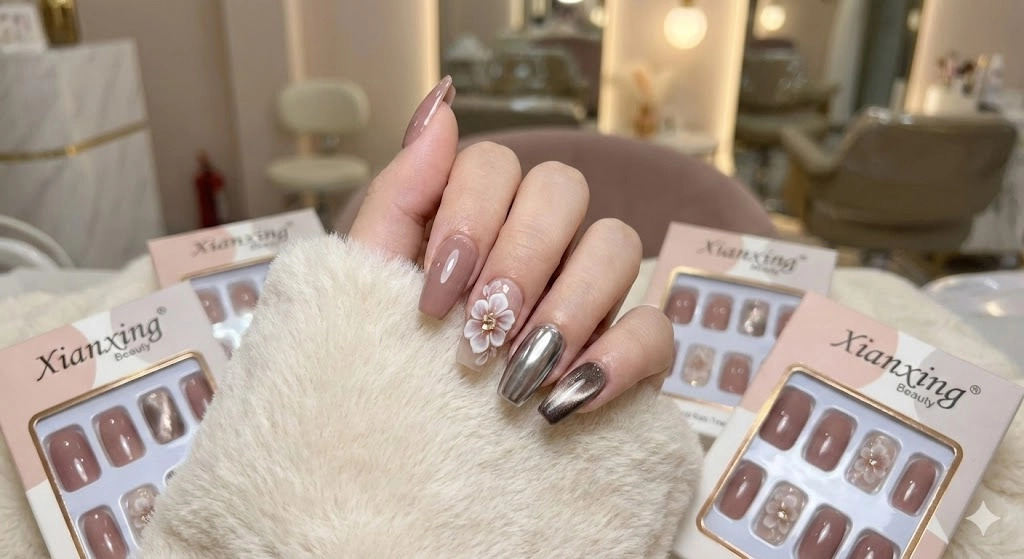
Xianxing Beauty advantages: Xianxing Beauty specializes in end-to-end press-on nails production with experience across handmade and injection-molded pipelines. We provide detailed specification sheets, batch traceability, SDS for adhesives, on-site color-matching with spectrophotometers, and can support dermatological patch test coordination. Our MOQ options include small-batch customization and scalable tooling solutions to support growth.
For pricing and to discuss a custom procurement plan, contact us at www.xianxingbeauty.com or email [email protected]. Contact us to get a quote.
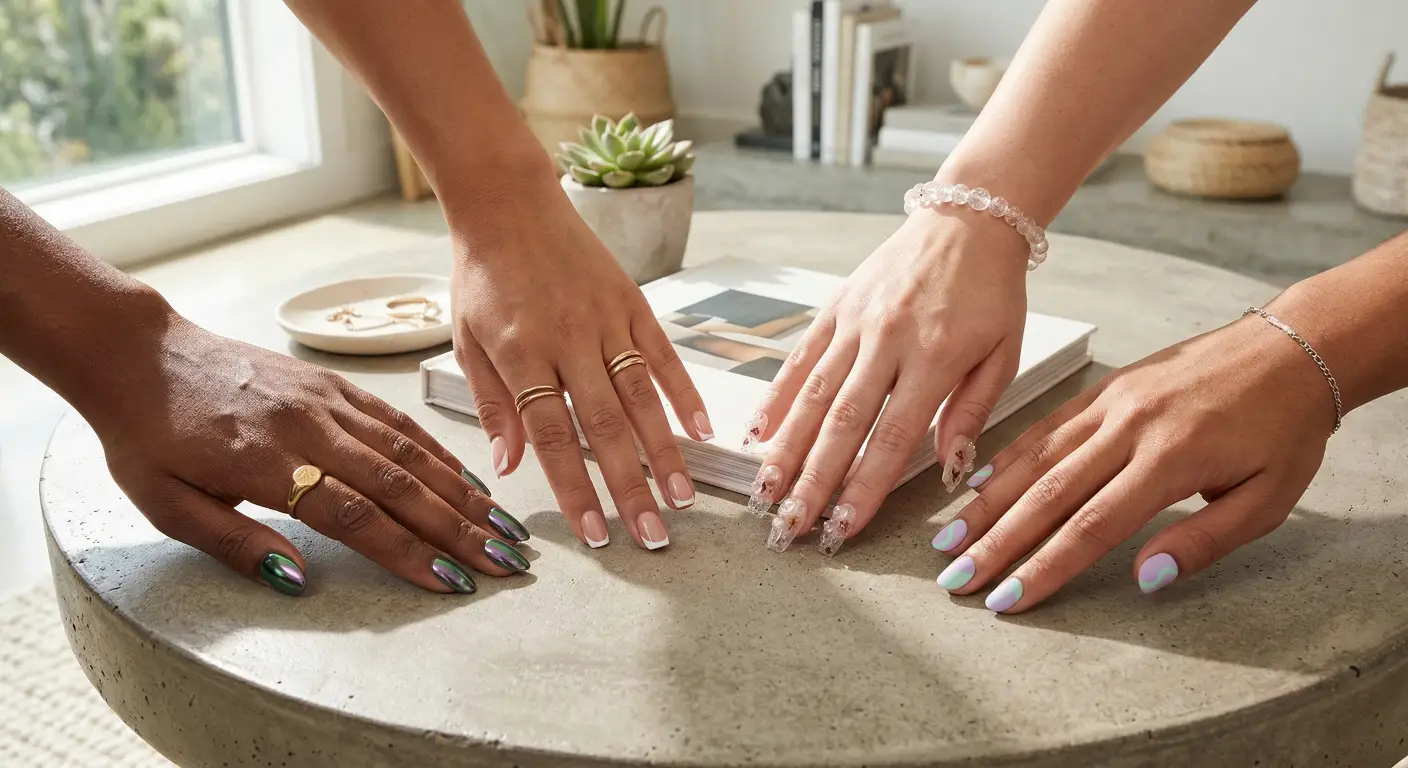
7 Red Flags to Avoid When Selecting a Wholesale Press On Nails Manufacturer
Quality Control: What to Expect from a Top-Tier Wholesale Press On Nails Manufacturer
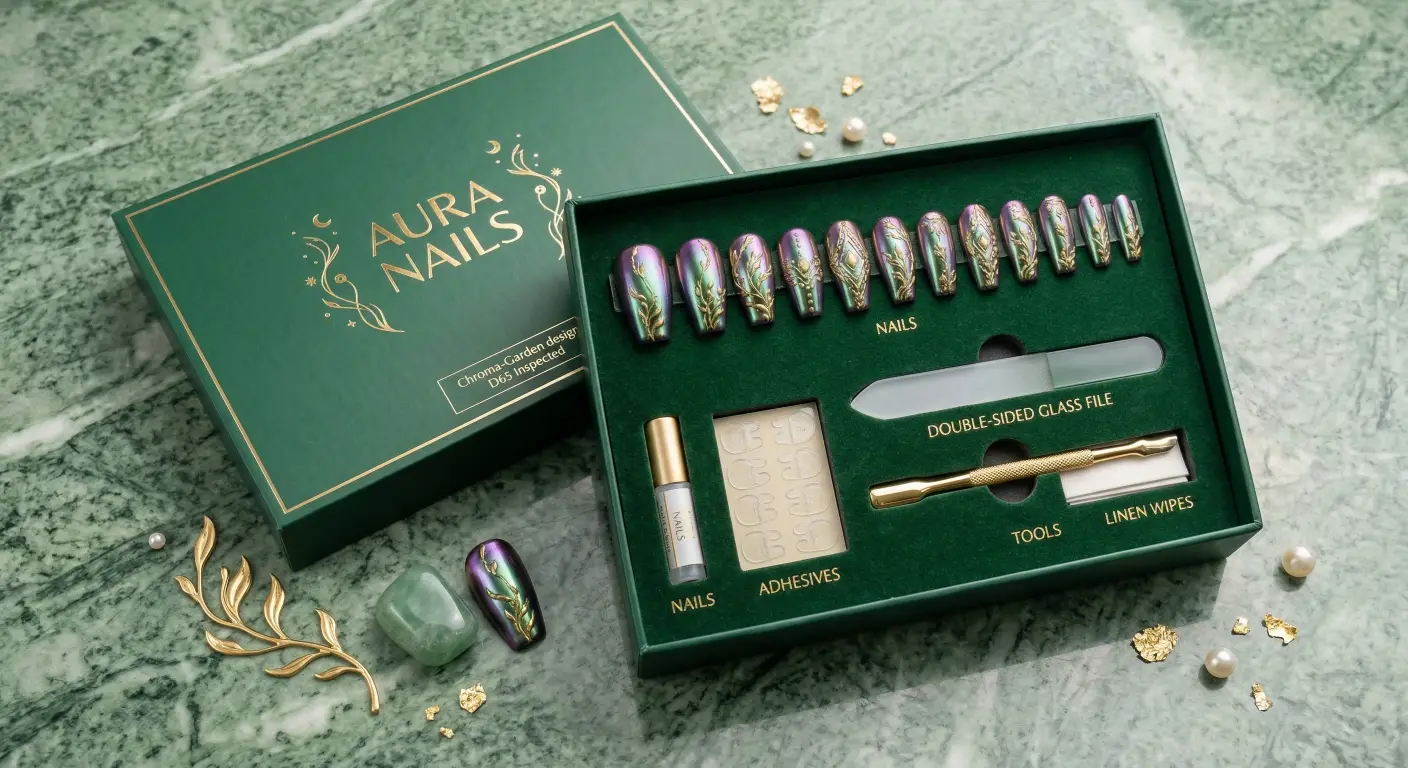
The Ultimate Guide to Choosing the Best Wholesale Press On Nails Manufacturer in 2026
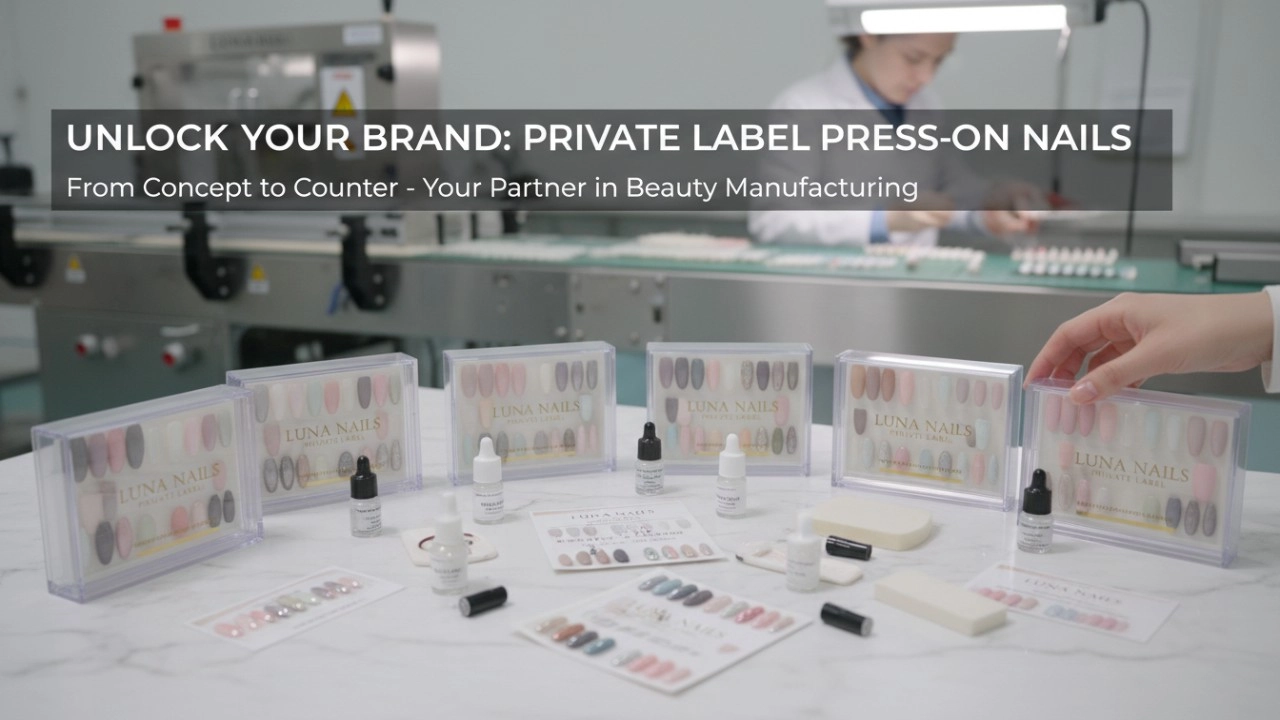
How to Scale Your Beauty Brand: Why Private Label Press On Nails Are the Highest-Margin Entry Point in 2026
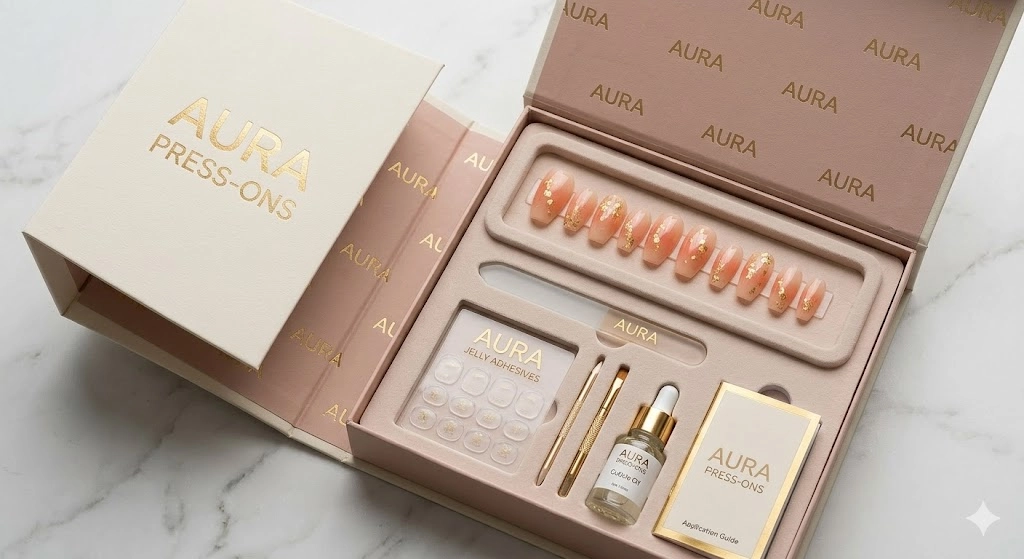
Why Partnering with Professional Press On Nails Manufacturers Boosts Your Brand Growth
About 3D Nails
Can I do household chores with 3D press on nails?
You can do light household chores, but avoid activities that may cause excessive force or impact on the nails.
Biodegrable Nails
Do biodegradable nails come in different colors and designs?
Yes, biodegradable nails can come in different colors and designs, nearly all designs can do, but just colors might not that shiny as traditional nails.
About Product
Can I reuse the wearable nails?
To preserve quality standards and nail health, we recommend a fresh set for each use.
Brand Client
How long does the production cycle usually take?
The production cycle usually takes 4-6 weeks, depending on the order quantity and customization requirements. We can also provide an expedited service.
Wholesaler Distributor
What is the update frequency of your products?
We have a professional design team that always pays attention to the trends in the nail art industry and can respond quickly to market changes. The update frequency of our products is relatively high, and we will continuously introduce new products according to the trends and customer requirements.
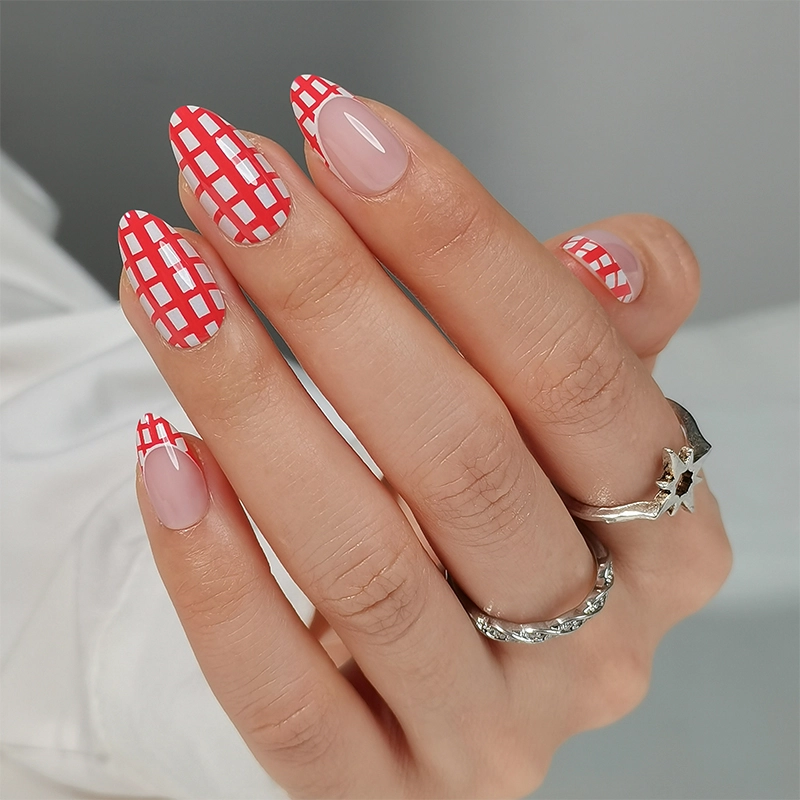
Wholesales Red French Nails Tips Checkered Soft Gel Nail Tips 32 Piece Set
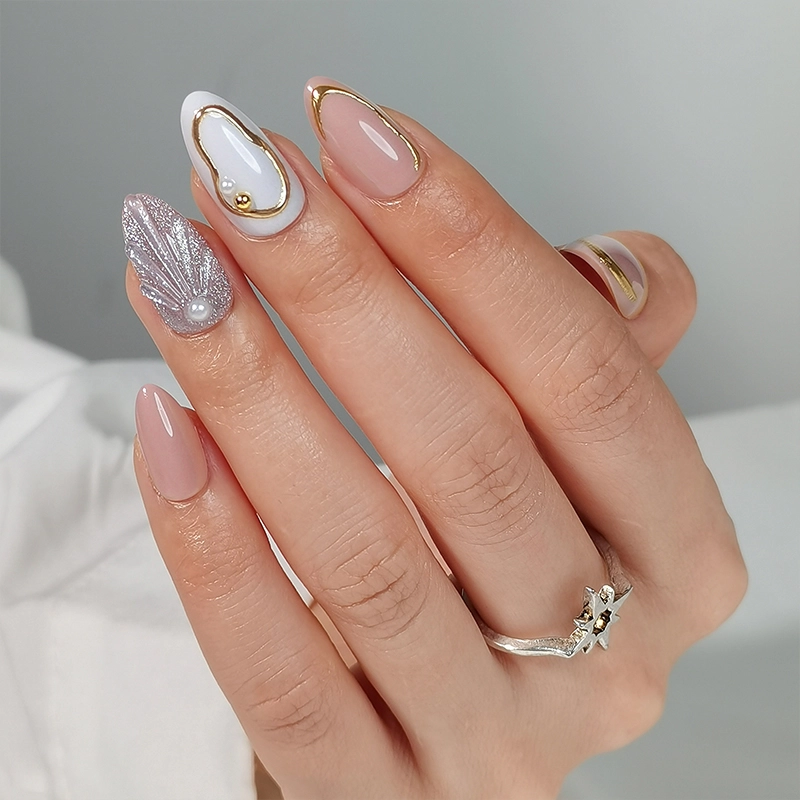
Wholesales Elegant Shell Inspired Soft Gel Wearable Nails for Seasonal Celebrations
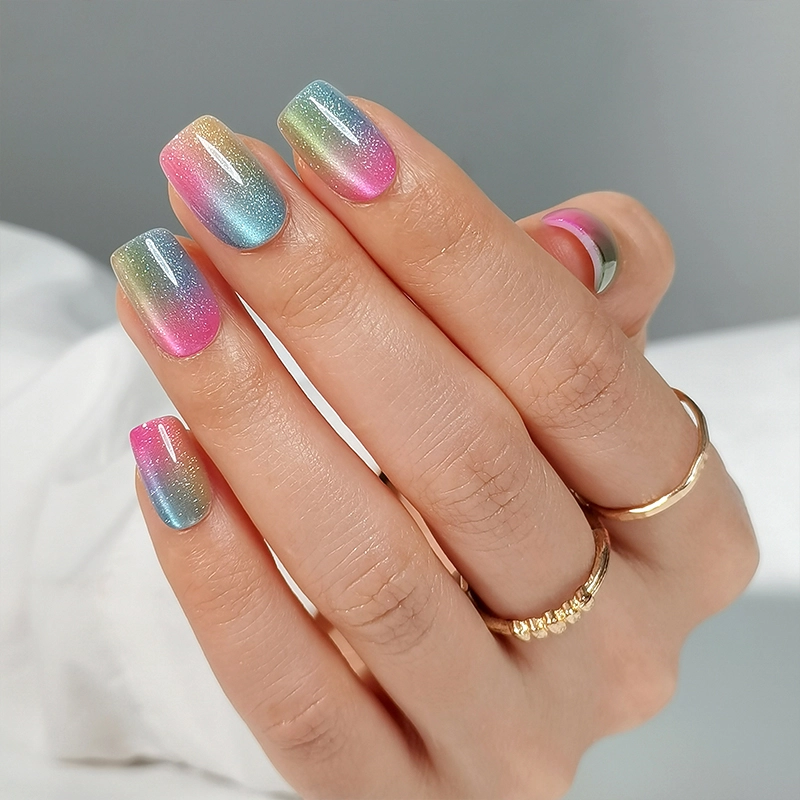
Custom Wholesale Gradient Cat Eye Soft Gel Wearable Fake Nails
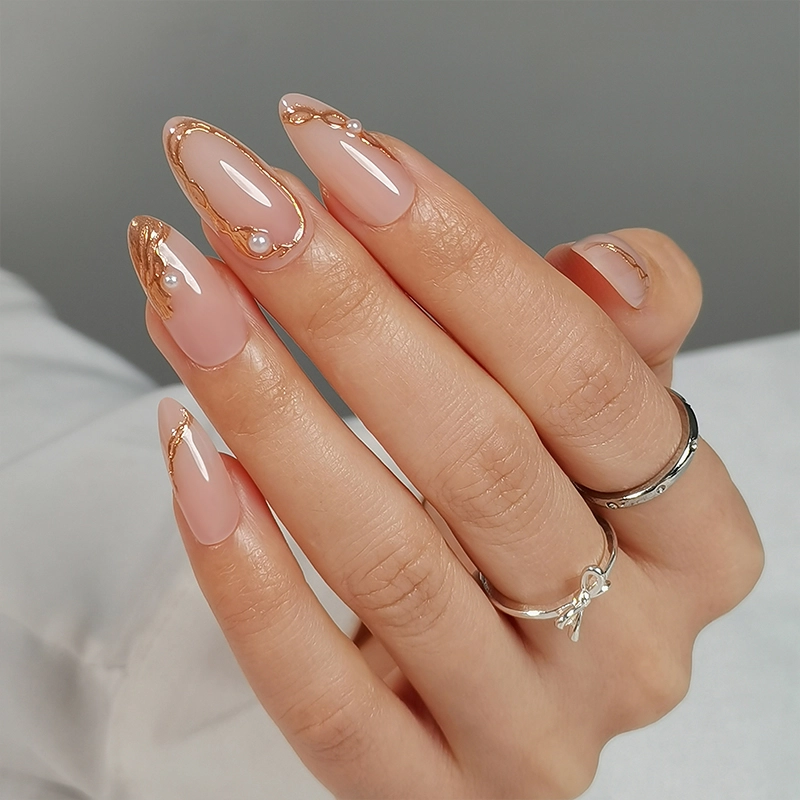
Wholesales Luxury Rhinestone Handmade Private Label Press On Nails Art Tips
Contact us
If you have press on nails products or customization needs, please feel free to contact from
below or via the contact information provided, we'll get back to you promptly within 24 hours.
By clicking 'Send Inquiry Now' I agree to XIANXING BEAUTY processing my personal data.
To see how to withdraw your consent, how to control your personal data and how we process it, please see our Privacy Policy and Terms of use.
Copyright © 2025 - XIANXING BEAUTY All Rights Reserved. Sitemap
Facebook
YouTube
Instagram
LinkedIn