
How to price custom press on nails for Amazon or Etsy?
- 1) How do I calculate the true all-in cost per custom press-on nails set (materials, labor, tooling, packaging, shipping, platform fees, returns)?
- 2) How to price custom press on nails for Amazon or Etsy so you don’t leave money on the table?
- 3) What’s a practical MOQ and sampling strategy for beginners using resin or gel to avoid inventory risk?
- 4) How do I ensure safety, compliance and clear labeling for custom press-on nails sold on Amazon/Etsy (adhesives, allergens, platform rules)?
- 5) How should I price and ship internationally while protecting margin (VAT, customs, tracked shipping, returns)?
- 6) How do I create a scalable production workflow that keeps consistent quality across custom designs (sizing, color matching, inventory SKUs)?
- Conclusion — Why Xianxing Beauty is the partner to scale your custom press-on nails business
How to Start Custom Press On Nails and Price Them for Amazon or Etsy
If you’re wondering How to start Custom Press on Nails, this guide gives the specific, actionable answers most beginners can’t find: exact cost formulas, realistic pricing examples for Amazon and Etsy, compliance steps, MOQ and production scaling, and tactics to protect margin when shipping internationally. Below are six long-tail, pain-point-driven questions with in-depth answers you can execute immediately.
1) How do I calculate the true all-in cost per custom press-on nails set (materials, labor, tooling, packaging, shipping, platform fees, returns)?
Why this matters: many beginners underprice because they omit non-obvious costs (tooling amortization, returns, ad spend). Use a line-item cost model and amortize fixed costs across forecasted production.
- Step 1 — List unit variable costs: raw nails (ABS/resin/gel) $0.40–$2.00, adhesives/tabs $0.05–$0.30, topcoat & finishing supplies $0.10–$0.50, packaging (box, insert, instructions) $0.30–$1.00, labor per set $0.80–$3.00 depending on hand-painted detail.
- Step 2 — Amortize fixed costs: tooling/molds, custom stamps, molds or design plate setup. Example: $300 tooling divided by 500 sets = $0.60/set.
- Step 3 — Include fulfillment & shipping out (for in-house shipping estimate per-unit postal cost): domestic $2.50–$6.00; if using FBA, include FBA pick/pack & storage fees (commonly $3–$6 per small beauty parcel depending on weight).
- Step 4 — Platform costs: Etsy listing $0.20 + transaction fee 6.5% + payment processing (US typical ~3% + $0.25). Amazon referral fee in beauty/cosmetics categories is commonly ~15% (varies); FBA fees add per-unit fulfillment and storage.
- Step 5 — Returns/reserves and advertising: set 3–8% reserve for returns/refunds and 5–15% marketing/ad budget depending on your launch strategy.
Formula (per set):
Unit materials + unit labor + unit packaging + amortized tooling + fulfillment & shipping + platform fees + reserves/ads = All-in cost
Example conservative calculation (mid-range, US domestic):
Materials $1.20 + labor $1.50 + packaging $0.60 + tooling amort $0.60 + shipping $3.50 + platform fees (Etsy: listing $0.20 + 6.5% transaction + 3% processing) ≈ $0.75 + returns/ad reserve $0.50 = ≈ $8.85 all-in cost per set.
Use this computed all-in cost as the baseline for any pricing model. If you can lower shipping via regional fulfillment or negotiate materials in bulk, you gain margin.
2) How to price custom press on nails for Amazon or Etsy so you don’t leave money on the table?
Why this matters: Amazon (especially FBA) and Etsy buyers and fee structures differ; pricing must reflect platform fees, perceived value, and discoverability costs (ads or promoted listings).
- Pricing frameworks to combine: Cost-Plus (baseline), Market-Based (competitive parity), and Value-Based (High Quality custom/branding).
- Keystone & Multipliers: Keystone (100% markup) is a simple starting point but often insufficient on marketplace platforms. For handmade/beauty items, many sellers price at 2.0–3.0x all-in cost (i.e., 100–200% markup). After calculating all-in cost from Q1, apply a multiplier based on positioning.
Concrete examples using the all-in cost from Q1 (~$8.85):
- Conservative (compete on price): 1.75x = $15.50 final price. Good for Etsy beginners who rely on organic search.
- Standard retail margin: 2.5x = $22.15 final price. Safe when factoring ads and discounts.
- High Quality/custom luxury: 3.5x = $31.00+ final price. Use when offering bespoke sizes, high-end resin, or collaboration bundles.
Platform specifics:
- Etsy — buyers expect transparent handmade value; smaller items priced $12–$30 sell frequently. Remember to include the $0.20 listing fee and 6.5% transaction fee when setting price.
- Amazon — if using FBA, factor in referral fee (commonly ~15%) plus FBA pick/pack; lower-priced items on Amazon can be squeezed by FBA fees, so typically price higher or consider seller-fulfilled prime options. Amazon customers often expect lower shipping friction and faster delivery, so let that justify slightly higher prices.
Other tactics:
- Create tiered SKUs: single-set, two-set bundle, subscription refill. Bundles increase AOV and can absorb fixed costs better.
- Use dynamic pricing tools to monitor competitors and promotional periods (Amazon Lightning Deals, Etsy Sales).
- Test price elasticity: launch with A/B priced listings or limited-time offers and monitor conversion vs. ACoS (ad cost of sale).
3) What’s a practical MOQ and sampling strategy for beginners using resin or gel to avoid inventory risk?
Why this matters: starting with large MOQs ties up cash and makes design changes costly. But too-small batches increase unit costs dramatically.
Recommendations:
- Start with a prototype/sample batch: produce 20–50 hand-finished sets to validate fit, sizing range (10 sizes per hand is standard), and visual appeal. This keeps upfront tooling and material waste low.
- Define an MOQ that covers your break-even: calculate the MOQ where per-unit tooling amortization and supplier minimums align with acceptable price. Typical small factory MOQs for press-on nails can be 100–500 sets for custom resin/gél press-ons; hand-made sellers often assemble in-house at no MOQ other than material supply.
- Use incremental scaling: move from 50 sample sets → 200–500 small batch → 1,000+ production run once SKU proves. Negotiate graduated pricing with suppliers when committing to 1,000+ units.
- Consider hybrid production: produce core base sets in larger runs (economies) and add custom hand-finished embellishments in small batches to maintain variety without huge MOQs.
4) How do I ensure safety, compliance and clear labeling for custom press-on nails sold on Amazon/Etsy (adhesives, allergens, platform rules)?
Why this matters: platform removals or customer complaints often stem from missing warnings or unsuitable adhesives. While press-on nails are accessory products, adhesives and claims require careful labeling and transparency.
Best practices:
- Ingredient & material transparency: for adhesives and any chemical treatments, keep an ingredient list and Safety Data Sheet (SDS/MSDS) from your supplier. Provide clear adhesive type (e.g., cyanoacrylate glue vs. adhesive tabs) and basic usage/warning instructions.
- Include allergy and sensitivity warnings: state that products contain adhesives and recommend patch tests. Use plain language: If you have a history of allergic reactions to nail adhesives, please perform a patch test or consult a dermatologist.
- Follow platform policies: Amazon and Etsy require accurate descriptions and may remove listings that make unverified health claims. Avoid statements like medical-grade unless you can substantiate them with vendor documentation or certifications.
- EU & UK sales: be prepared to comply with local regulations—cosmetics/consumer goods rules and possibly local labeling languages. Maintain supplier documentation in case platforms or customs request it.
- Quality control & testing: do internal patch tests and document results. Keep sample records, batch photos, and a traceability log to respond to disputes quickly.
5) How should I price and ship internationally while protecting margin (VAT, customs, tracked shipping, returns)?
Why this matters: international buyers expand market reach but can blow margins with shipping, duties, and returns.
Practical tactics:
- Use calculated shipping and zone-based flat rates: on Etsy, use profile shipping profiles to charge realistic rates per region; on Amazon, consider international FBA (Pan-EU/US expansion) if volume justifies VAT registration and inventory placement.
- Factor in VAT/GST: selling to EU customers typically requires VAT handling. For small sellers, marketplace services (Amazon VAT Services) can help, but you must account for VAT in pricing or use marketplace tax collection options where available.
- Offer DDU (Delivery Duties Unpaid) for low-priced items or DDP (Delivered Duty Paid) for High Quality customers — DDP simplifies customer experience but requires you to estimate duties and taxes into price.
- Choose international shipping options that balance cost and reliability: tracked small-parcel services (ePacket, USPS First Class International for low weight with tracking to certain countries) or international courier for priority. Typical international shipping for small beauty parcels ranges $6–$15 depending on weight/destination.
- Set a clear returns policy: many marketplaces expect returns; publish a restocking fee for international returns to deter frivolous claims and to protect margins.
Pricing example: If your domestic all-in cost is $8.85, selling internationally you might add a surcharge of $4–$8 for international shipping & handling, plus a localized VAT estimate. Consider bundles to improve economics (2 sets for $28–$45) as shipping cost per set drops with bundles.
6) How do I create a scalable production workflow that keeps consistent quality across custom designs (sizing, color matching, inventory SKUs)?
Why this matters: inconsistent sizing or color variations kill repeat business and lead to negative reviews.
Operational steps to scale reliably:
- Standardize sizing: produce finger templates of the 10 standard sizes and include a printable sizing guide in listings. Maintain a digital template library (vector or CAD) to replicate shapes exactly across batches.
- Color management: use a consistent pigment supplier and maintain a master sample board with swatches under controlled lighting. Use Pantone or manufacturer color codes and note batch numbers for pigments/resins.
- QC checkpoints: inspect 100% of sample sets, then implement batch spot checks (e.g., inspect 10% of each production run). Create a pass/fail checklist (adhesion test, finish, size accuracy, cuticle edge). Document results.
- Inventory & SKU system: assign SKU numbers for each design-size combination. Use simple inventory software or a spreadsheet with reorder points. Track lead times and safety stock to avoid stockouts during peak demand.
- Outsource smartly: when demand grows, move production to trusted partners for base molding and pre-cut shapes, keeping final hand-finishing in-house for customization. This lowers unit cost while preserving unique design quality.
Conclusion — Why Xianxing Beauty is the partner to scale your custom press-on nails business
Xianxing Beauty combines industry-grade materials, controlled production workflows, and marketplace-ready packaging to shorten your time to market. We offer small-batch prototyping, scalable MOQs, documented material SDS, and fulfillment consulting tailored for Amazon and Etsy sellers. Our quality checks, color management system, and clear labeling templates help you meet platform requirements and reduce returns. With competitive manufacturing rates and product development support, Xianxing Beauty helps turn your concept for custom press-on nails into a profitable, scalable listing.
Ready to get a custom sample, MOQ quote, or pricing plan? Contact us for a tailored estimate: www.xianxingbeauty.com • [email protected]
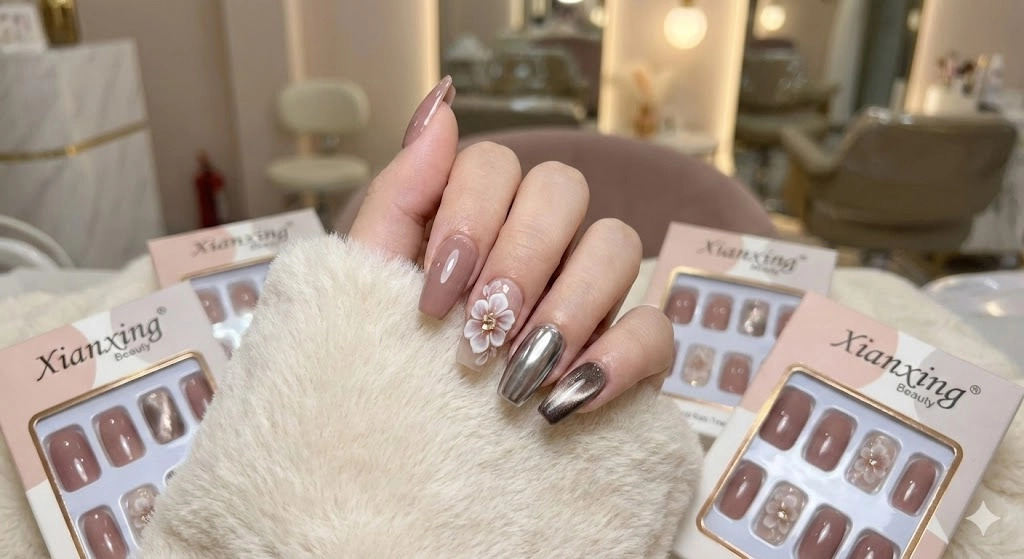
7 Red Flags to Avoid When Selecting a Wholesale Press On Nails Manufacturer
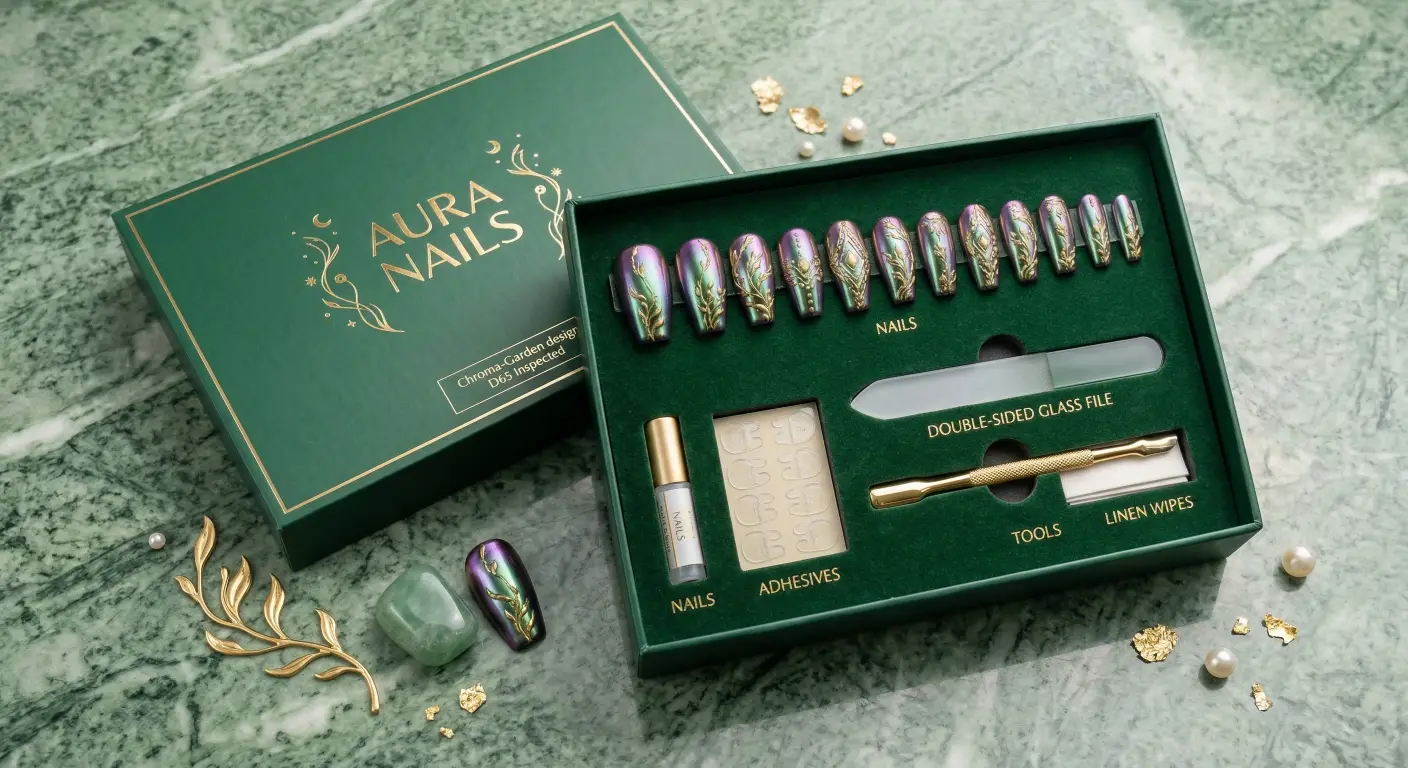
Quality Control: What to Expect from a Top-Tier Wholesale Press On Nails Manufacturer
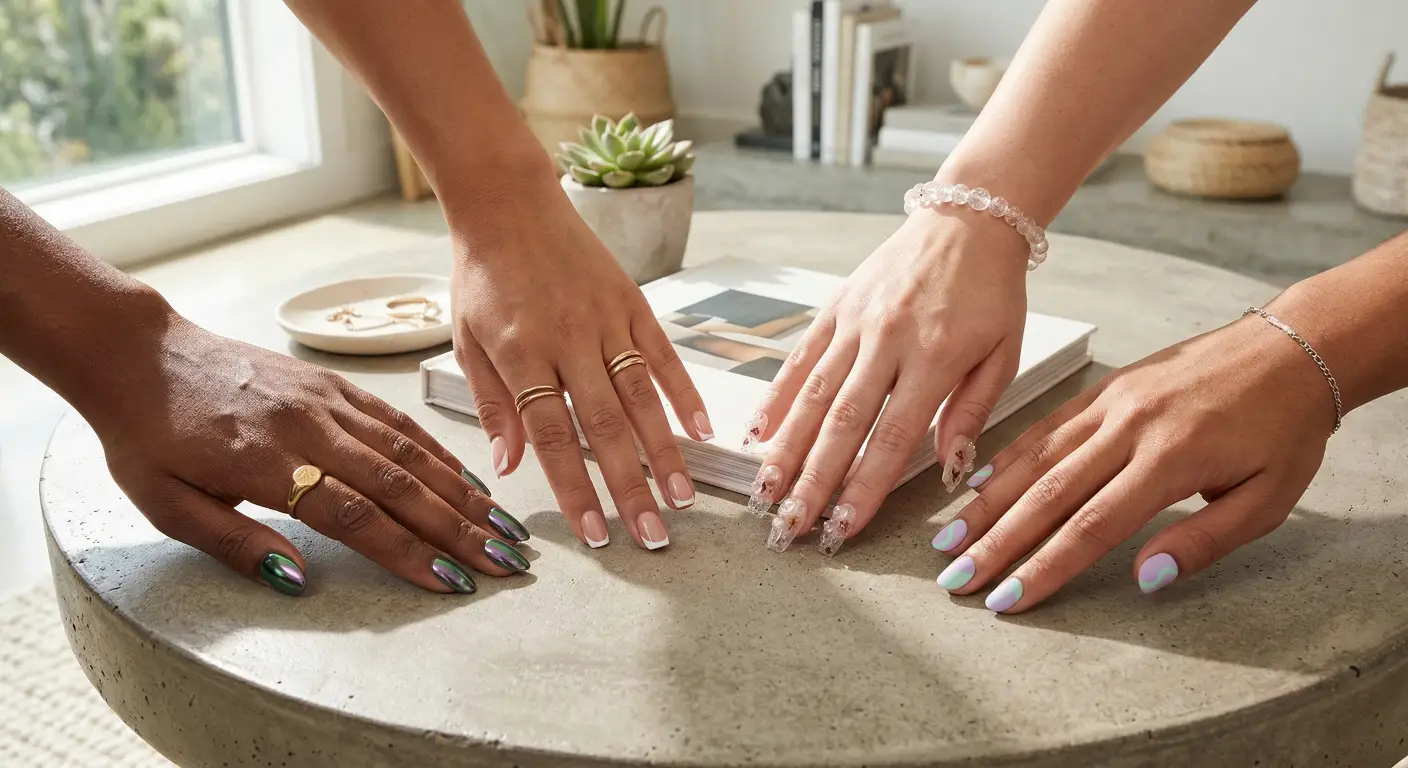
The Ultimate Guide to Choosing the Best Wholesale Press On Nails Manufacturer in 2026
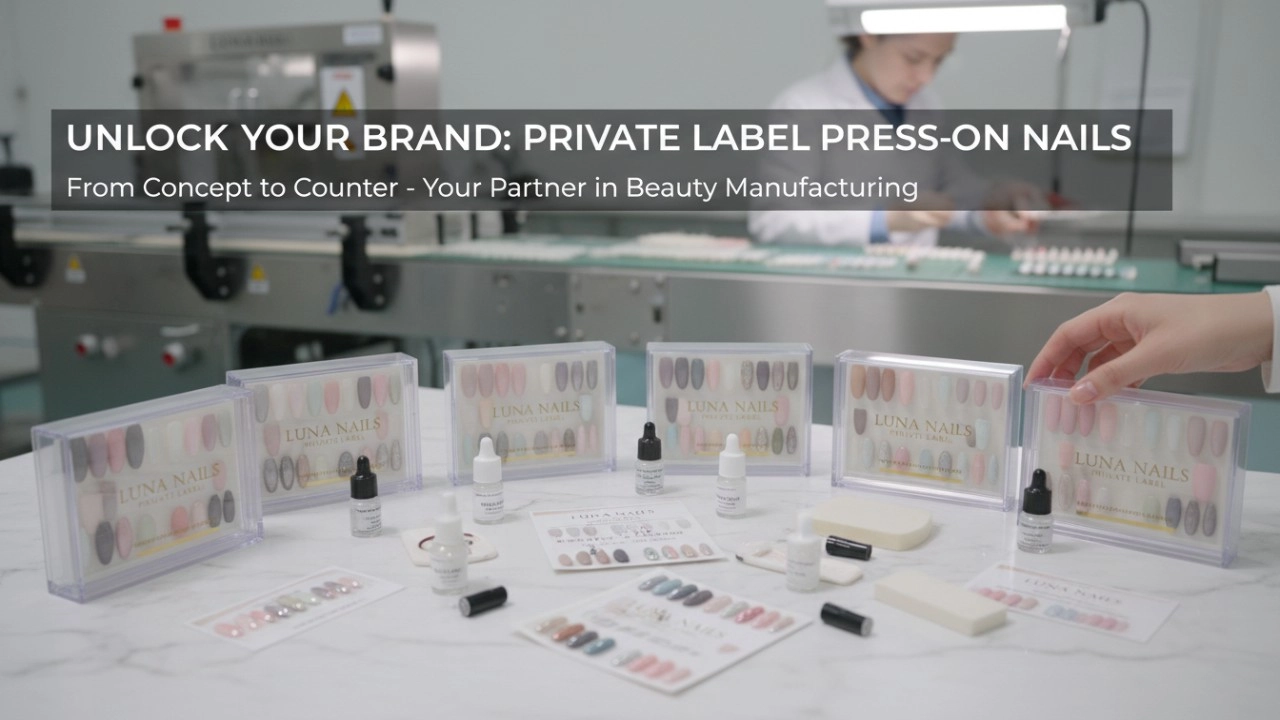
How to Scale Your Beauty Brand: Why Private Label Press On Nails Are the Highest-Margin Entry Point in 2026
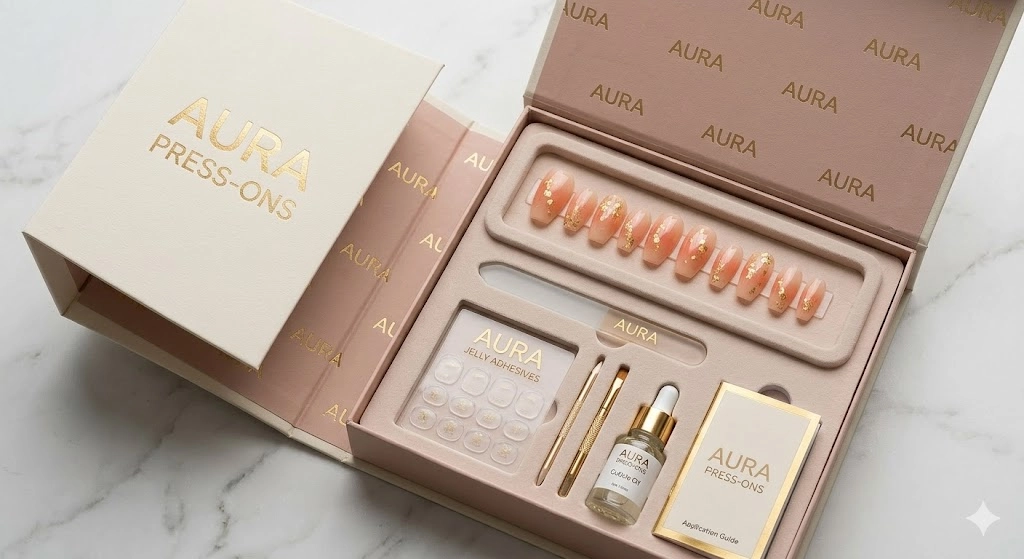
Why Partnering with Professional Press On Nails Manufacturers Boosts Your Brand Growth
Soft Gel Nails
Why should I choose soft gel press-on nails over acrylic or traditional gel nails?
Soft gel press-on nails are:
· Quick and easy to apply and remove.
· Less damaging to natural nails.
· More affordable than salon treatments.
· Available in diverse styles for instant, salon-quality results at home.
About company
What are your customer groups?
We are mainly supplying to Amazon, supermarkets, celebrities and start-ups.
Agent
Are the product types rich?
Xianxing has more than 100 types of nails, 1000 styles stock available, and is updated regularly every month. The products are very rich.
How long is the agency contract?
Generally, it is 1 year. Specific plans need to be given based on the actual situation.
Drying Nail Glue
What if I don’t have press-on nails glue? Can I use super glue?
It’s best not to use super glue on your nails because it’s too strong and can be difficult to remove. Super glue can also cause skin irritation or damage your natural nails. Stick to glue designed for nails.
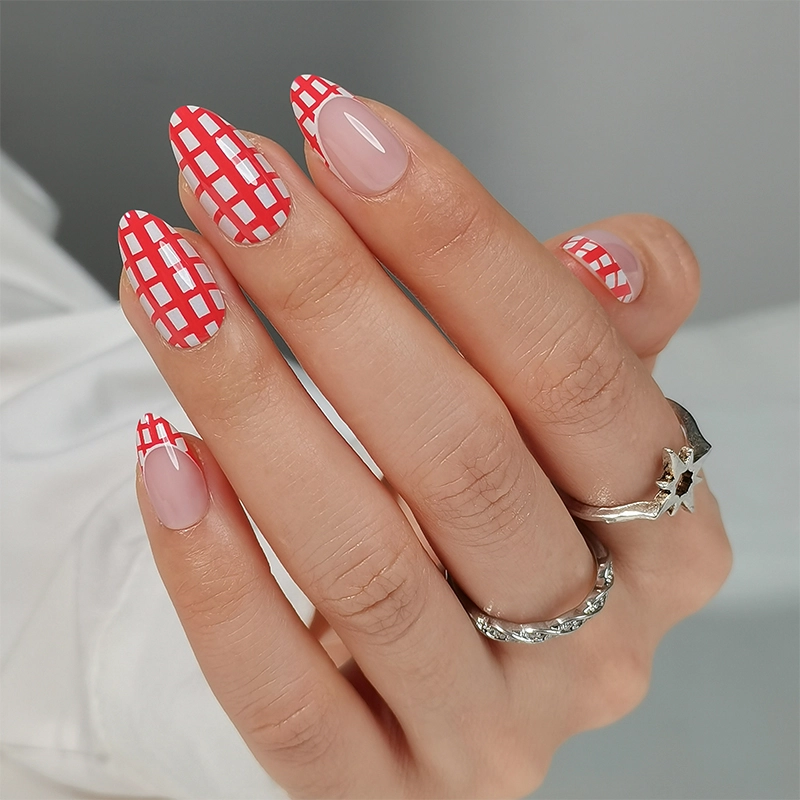
Wholesales Red French Nails Tips Checkered Soft Gel Nail Tips 32 Piece Set
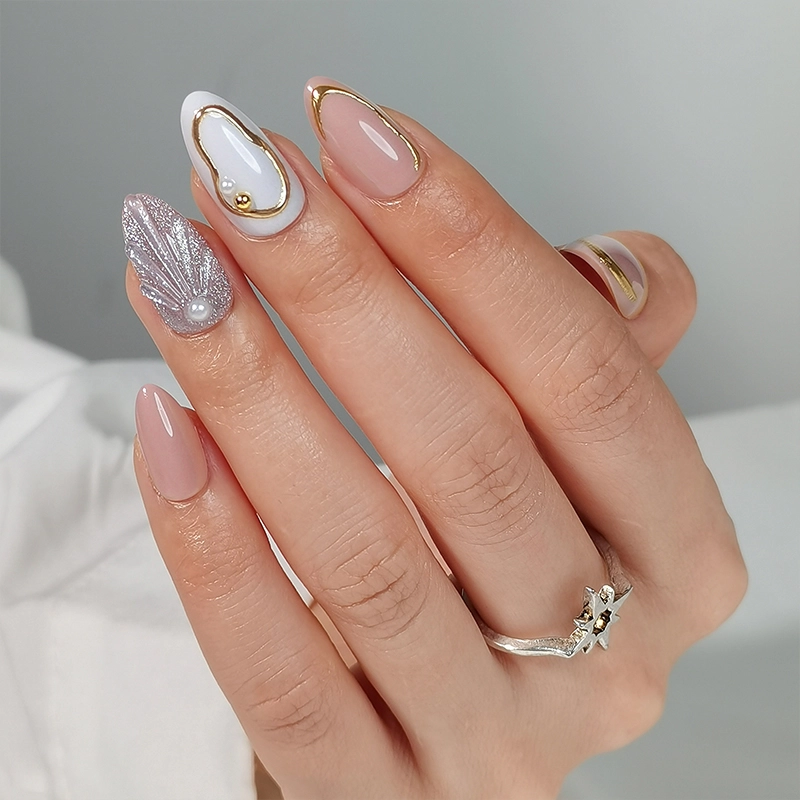
Wholesales Elegant Shell Inspired Soft Gel Wearable Nails for Seasonal Celebrations
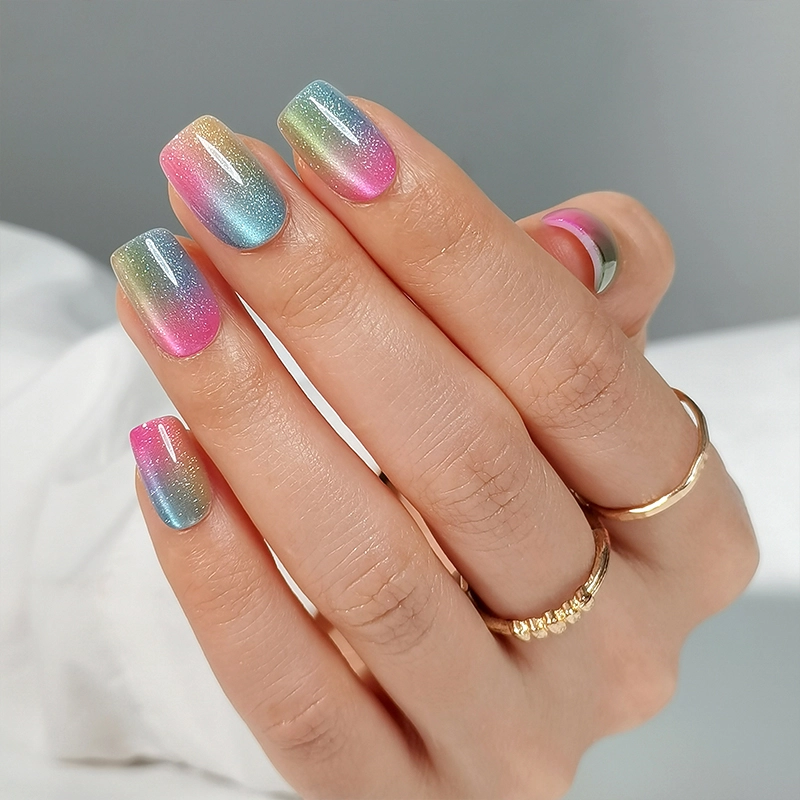
Custom Wholesale Gradient Cat Eye Soft Gel Wearable Fake Nails
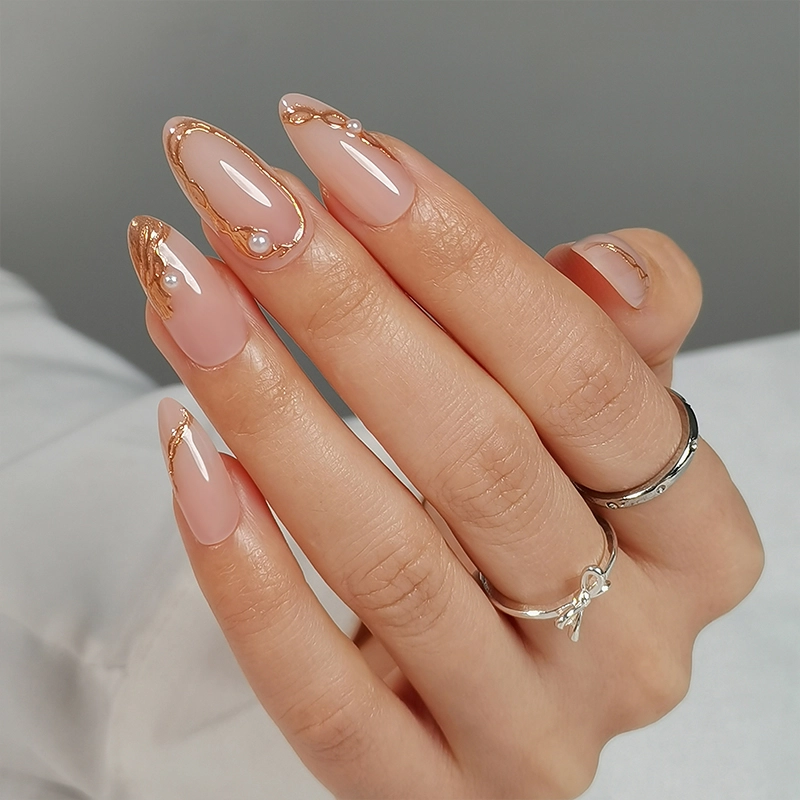
Wholesales Luxury Rhinestone Handmade Private Label Press On Nails Art Tips
Contact us
If you have press on nails products or customization needs, please feel free to contact from
below or via the contact information provided, we'll get back to you promptly within 24 hours.
By clicking 'Send Inquiry Now' I agree to XIANXING BEAUTY processing my personal data.
To see how to withdraw your consent, how to control your personal data and how we process it, please see our Privacy Policy and Terms of use.
Copyright © 2025 - XIANXING BEAUTY All Rights Reserved. Sitemap
Facebook
YouTube
Instagram
LinkedIn