
How to choose between gel and acrylic press on nails?
- How to start Custom Press-on Nails: 7 focused long-tail questions beginners actually need answered
- 1) How do I create a sizing system that fits diverse nail shapes and minimizes returns?
- 2) What’s the fastest, lowest-investment workflow to produce small-batch custom designs at home without industrial presses?
- 3) How can I guarantee adhesive longevity (7–14+ days) while protecting the natural nail plate?
- 4) How to choose between gel and acrylic press-on nails for custom orders (function-first comparison)?
- 5) What packaging and shipping techniques reduce breakage and returns for custom press-on sets?
- 6) How should I price custom press-on sets to cover material, labor, and expected returns while staying competitive?
- 7) How do I manage allergy and regulatory compliance so customers trust my products?
- Quick starter checklist (one-page)
- Why offering both gel and acrylic press-ons can grow your business
- Brand advantage — Xianxing Beauty
- References
How to start Custom Press-on Nails: 7 focused long-tail questions beginners actually need answered
Below are 7 specific, pain-point driven questions new makers and boutique brands ask when launching custom press-on nails. Each question includes field-tested, practical answers suitable for a home studio or a small production line. Use these answers to reduce returns, increase customer satisfaction, and choose the right materials and processes when deciding between gel and acrylic press-on nails.
1) How do I create a sizing system that fits diverse nail shapes and minimizes returns?
Problem: Many beginners offer only a few sizes and then face high return rates because press-ons don’t fit varied nail widths, cuticle curves, or arches.
Solution (step-by-step):- Offer 10–14 sizes per set (toe and finger separate). Label sizes numerically (0–13 or S–XL with numeric fallback).- Provide a printable sizing guide customers can use at home. Include both width (mm) ranges and visual shape cues (straight, rounded, tapered, wide base).- Design your molds/press-ons with slightly flexible sidewalls or a thin tapered flange to allow small adjustments on application.- For custom orders, collect three simple measurements: nail base width, free edge width, and desired length. Use a short intake form with image examples.- Include one or two “helper sizes” (very small and very large) in every set and a few adhesive tabs of varied thickness to compensate for small misfits.Practical tip: Track returns and note which sizes are returned most often. After 50–100 orders you’ll see trends and can reweight size distribution in production runs.
2) What’s the fastest, lowest-investment workflow to produce small-batch custom designs at home without industrial presses?
Problem: Beginners are intimidated by tooling costs and slow processes when making small batches.
Solution (efficient 6-step workflow):1. Design & prep: Create nail art on reusable templates or pre-shaped blanks (ABS or flexible polymer blanks).2. Base build: Apply thin builder gel or acrylic overlay on blanks for structure (one pass).3. Cure & refine: Cure gel under LED (commonly 30–60 seconds per thin layer) and finish shapes with a 180–240 grit file.4. Art layer: Add lacquer, hand-paint, or decals; seal with a thin gel topcoat and cure.5. Fit & label: Match each nail to your size chart, label sets and pack into individual slots in packaging trays.6. Quality check: Inspect adhesion edge, underside smoothness, and glossy topcoat consistency.Tools to prioritize: a 48W LED lamp, quality files, a small vacuum/brush station to remove powder, precision brushes for art, and reusable silicone molds if you plan to cast repeating shapes.
3) How can I guarantee adhesive longevity (7–14+ days) while protecting the natural nail plate?
Problem: Customers want long wear but also fear damage to their natural nails. Overuse of aggressive glue or improper prep causes lifting or nail plate injury.
Best practices:- Prep is key: Gently push cuticles back, lightly buff the nail surface (180–240 grit) to remove shine, and cleanse with isopropyl alcohol or a nail dehydrator. Never over-buff—the goal is micro-adhesion, not raw nail.- Use a layered adhesion approach for long wear: an alcohol-based dehydrator, primer (acid-free where possible), then an appropriate adhesive. Many professionals use a thin coat of fast-drying cyanoacrylate glue at the free edge and adhesive tabs beneath the body for comfort and removable options.- Edge sealing: After applying the press-on, add a thin bead of nail glue along the free edge, then wipe excess. Seal the cuticle area only if adhesive hasn’t wicked; don’t flood the cuticle.- Wear guidance: Recommend customers avoid long soakings in very hot water the first 24 hours and to apply cuticle oil daily around the nail bed (not under nails) to maintain skin flexibility.- Removal: Provide safe removal steps and a remover kit or clear warnings. Proper removal reduces damage and increases repeat purchases.Note: Test adhesive protocols across a small cohort of real users (different nail oils, activity levels) before scaling.
4) How to choose between gel and acrylic press-on nails for custom orders (function-first comparison)?
Decision drivers: intended wear time, length/shape, finish, production speed, customer safety preferences, and price point.
Gel press-ons — when to pick them:- Best for glossy, flexible finishes and thin-profile press-ons.- Cured under LED/UV lamps; multiple thin layers produce a high-shine, more natural flex.- Easier to achieve high-gloss finishes and layered encapsulated art (foils, glitter in gel).- Preferred for customer groups sensitive to powder dust (no acrylic dust during application on blanks).Acrylic press-ons — when to pick them:- Stronger, more rigid structure makes acrylic better for very long lengths and sculpted shapes (e.g., extreme coffin or stiletto).- Typically faster to bulk-sculpt with powder/liquid systems for production runs.- Acrylic overlays can create stronger under-arches for heavy-use customers (athletics, frequent typing), reducing flex-related lifts.Health and safety notes:- Avoid MMA (methyl methacrylate); it is widely discouraged and restricted in many professional markets due to risk of damage and allergic reactions. Use reputable monomers (e.g., EMA-based systems) and source from trusted suppliers.- Both gel and acrylic formulas can contain allergens or irritants. Offer ingredient lists and “3-free/5-free” options when possible.Practical recommendation: Offer both: a gel option for glossy, comfortable everyday wear and an acrylic option for High Quality long-length, heavy-duty sets. This covers more customers and reduces dropouts from unsuitable product matches.
5) What packaging and shipping techniques reduce breakage and returns for custom press-on sets?
Problem: Fragile art, raised elements, or protruding shapes can be damaged in transit and cause refunds or remakes.
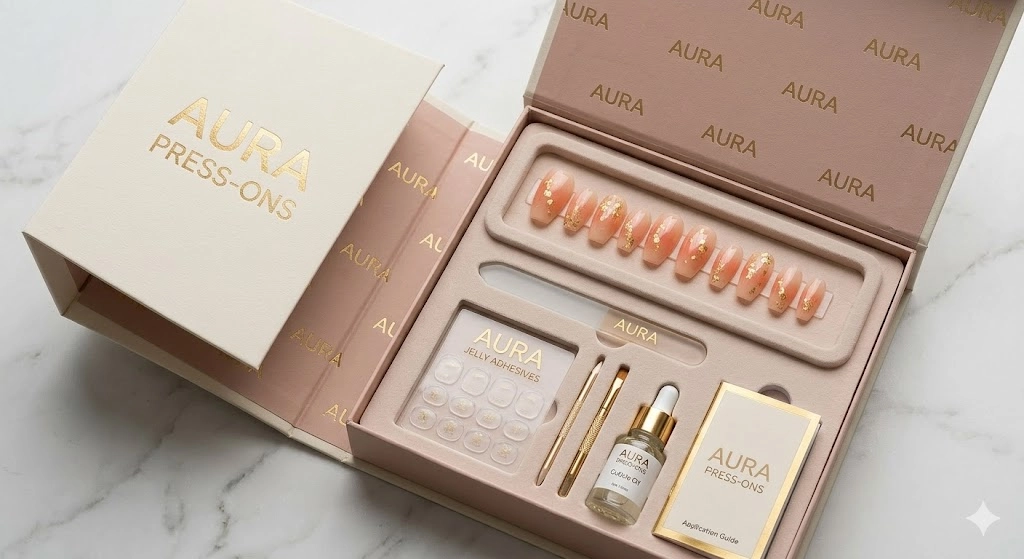
Packaging checklist:- Use rigid inserts or thermoformed trays that hold each nail flat and secure.- Add a thin foam or silicone padding layer above nails to prevent rubbing on the top layer for three-dimensional designs.- Keep nails in individual pockets or cushion slots; do not stack loose nails together.- Use a desiccant packet for humid routes and seal packages in tamper-evident, moisture-resistant outer boxes.- Include a small care & application card inside (instructions, removal steps, contact for returns). This reduces consumer confusion and protects Xianxing Beauty.- Insure higher-value orders and choose tracked shipping options for international transit. Avoid leaving long transit times in extreme heat which can distort some adhesives or gel coatings.
6) How should I price custom press-on sets to cover material, labor, and expected returns while staying competitive?
Methodical pricing approach:1. Direct costs: Sum material costs per set (blanks, gel/acrylic, glue/tabs, packaging, labels).2. Labor: Track time per set and multiply by a reasonable hourly rate (your target wage or market rate for small-batch makers).3. Overhead: Allocate a percentage for utilities, marketing, shipping materials, and equipment depreciation.4. Returns & waste reserve: Add a small buffer (e.g., 5–15% of price) to cover remakes, returns, and spoilage for custom colors or sizes.5. Margin: Apply a target gross margin (cosmetic retail commonly uses 50%+ markup, but for direct-to-consumer small brands you may target 60–80% depending on brand positioning and custom services).6. Market test: Validate price vs competitors and run A/B pricing for launch offers. For bespoke services (true custom moldings, one-off art) charge High Quality handcrafted fees.Practical tip: Offer tiered pricing—standard sets for lower price, custom-fit or full-custom art at higher price with longer lead time and non-refundable deposits for bespoke work.
7) How do I manage allergy and regulatory compliance so customers trust my products?
Essential steps for safety & trust:- Full ingredient transparency: Publish complete ingredient lists (or MSDS) for gel and acrylic systems used in production.- Offer hypoallergenic or “3-free/5-free” topcoat alternatives and clearly label them.- Patch test guidance: Provide a clear short-patch test protocol in product instructions (apply 1 nail and wait 24–48 hours before full wear for customers with history of sensitivities).- Supplier due diligence: Purchase monomers, gel systems, and adhesives from reputable suppliers and retain certificates of analysis (COAs) and MSDS for each batch.- Stay informed on regional regulations: cosmetics and nail products are regulated differently across markets — check local rules (ingredient restrictions, labeling requirements) before shipping internationally.- Document processes: Keep a simple file of MSDS/COAs, batch numbers of materials used, and a record of customer complaints/returns. This enhances credibility and helps with troubleshooting.
Quick starter checklist (one-page)
- Finalize 10–14 size templates and publish printable sizing chart.
- Set up efficient 6-step small-batch workflow and document standard cure times for your lamp/system.
- Choose gel vs acrylic per product line or offer both with clear customer guidance.
- Standardize an adhesion protocol that balances longevity and safe removal.
- Design rigid tray packaging + care card to reduce transit damage and questions.
- Create pricing spreadsheet that includes labor, materials, overhead, and return buffer.
- Collect and publish MSDS/COAs and provide patch-test instructions for customers.
Why offering both gel and acrylic press-ons can grow your business
Offering both product families lets you match customer needs precisely: gel for comfort, gloss, and layered art; acrylic for strength and extreme shapes. This reduces churn from customers who buy one product and realize it wasn’t suited to their lifestyle. Operationally, you can reuse tooling (molds, trays) and split production runs by demand, improving unit economics over time.
Brand advantage — Xianxing Beauty
Xianxing Beauty specializes in small-batch custom press-on manufacturing with factory-calibrated sizing templates, EMA-based acrylic systems (MMA avoided), and a dual-adhesion protocol developed to provide consistent 7–14+ day wear while prioritizing safe removal. Their packaging uses thermoformed trays and a two-tier QA process to reduce transit damage. For buyers launching private-label or boutique press-on lines, Xianxing Beauty offers MOQ-friendly runs, ingredient transparency (COAs available on request), and white-label support that includes printable sizing guides and step-by-step application cards.
References
- U.S. Food & Drug Administration (FDA) — Cosmetics overview and regulatory considerations. Accessed 2024-06-01. https://www.fda.gov/cosmetics
- Industry press & trade: NailPro and professional nail trade coverage on press-on trends and adhesive techniques. Accessed 2024-06-01. https://www.nailpro.com
- Consumer beauty coverage (Allure, Vogue) for press-on popularity and product comparisons. Accessed 2024-06-01. https://www.allure.com and https://www.vogue.com
- Materials & safety: Manufacturer MSDS/COA practices and monomer safety notes from leading suppliers (consult supplier pages for EMA vs MMA guidance). Accessed 2024-06-01. (Supplier example pages vary by vendor.)
- Packaging & shipping best practices from small cosmetics e-commerce guides. Accessed 2024-06-01. (Industry resources and fulfillment provider documentation.)
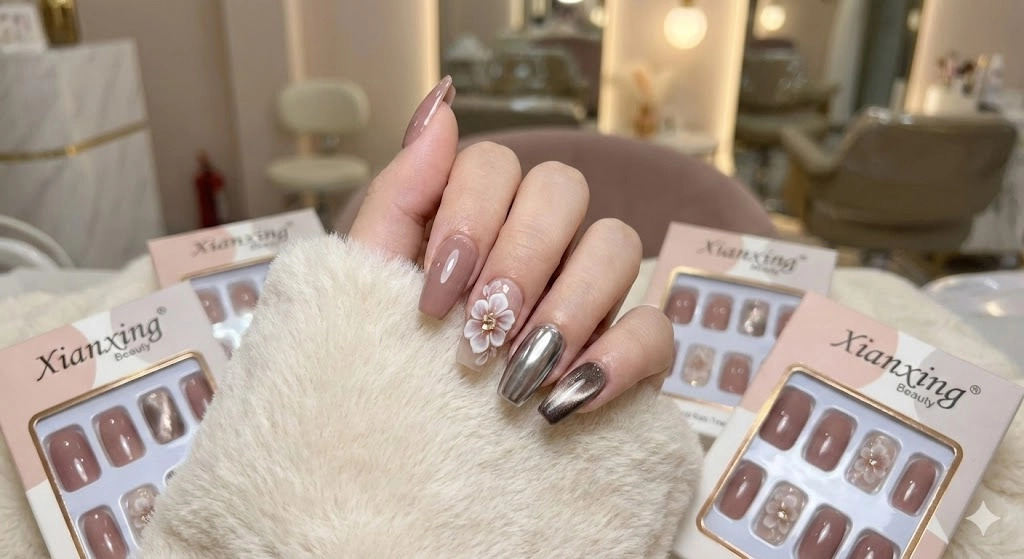
7 Red Flags to Avoid When Selecting a Wholesale Press On Nails Manufacturer
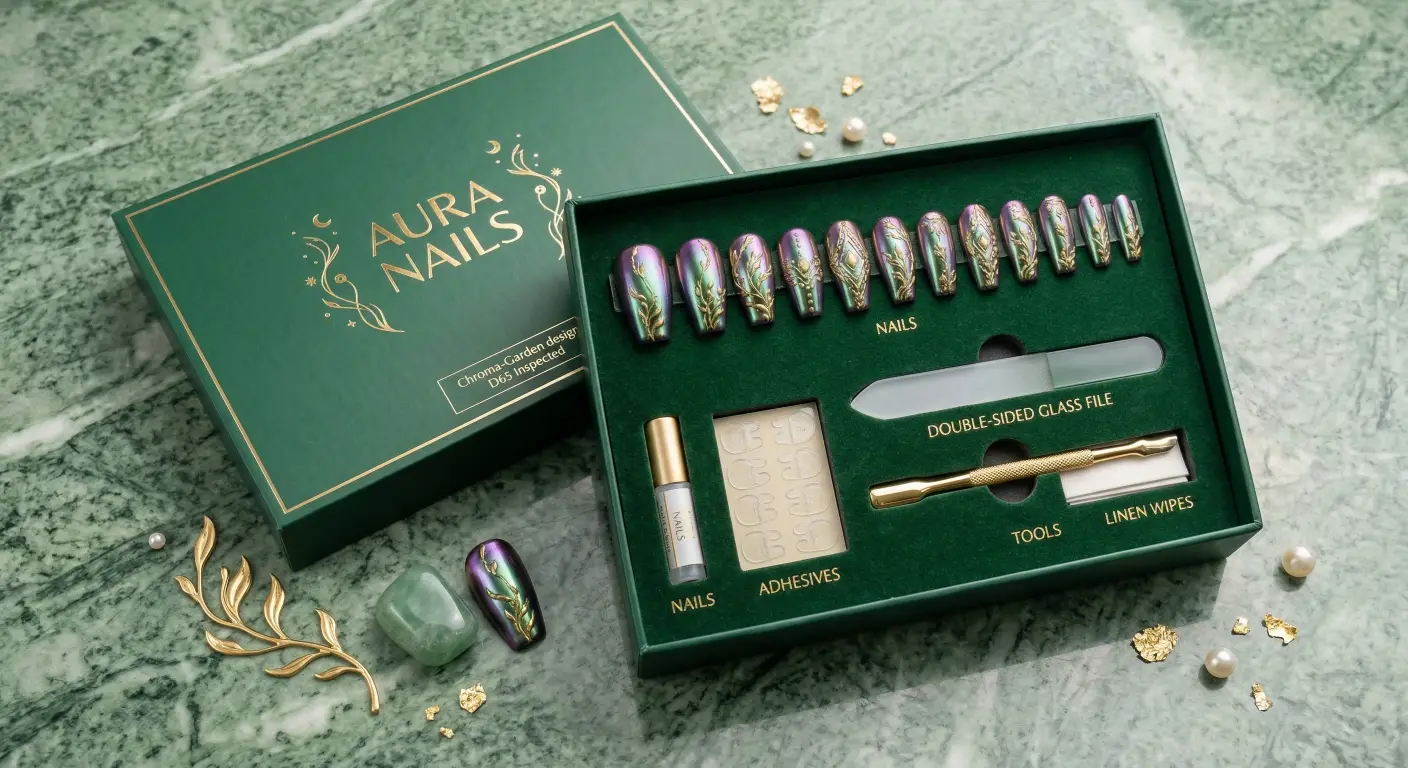
Quality Control: What to Expect from a Top-Tier Wholesale Press On Nails Manufacturer
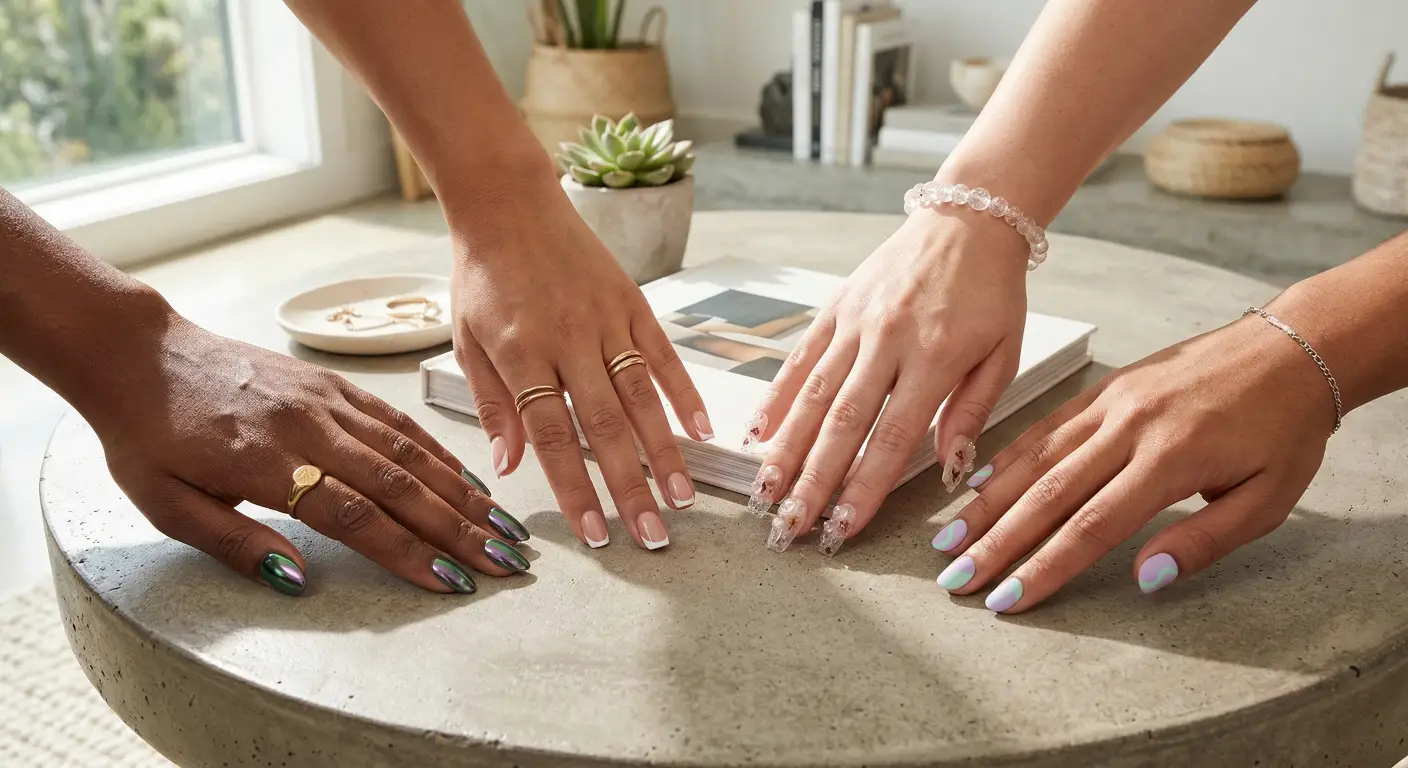
The Ultimate Guide to Choosing the Best Wholesale Press On Nails Manufacturer in 2026
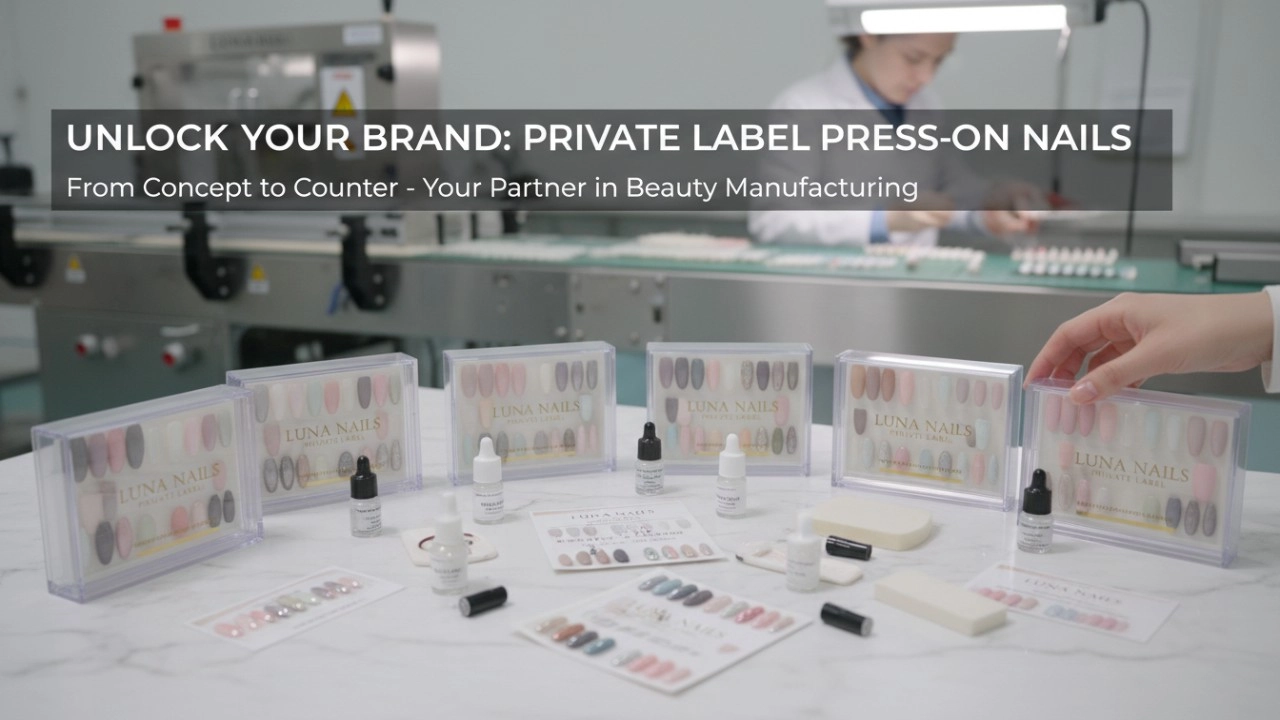
How to Scale Your Beauty Brand: Why Private Label Press On Nails Are the Highest-Margin Entry Point in 2026
Why Partnering with Professional Press On Nails Manufacturers Boosts Your Brand Growth
Salon Client
Do you support global shipping?
Yes, we offer global logistics services, ensuring that products are delivered safely and on time.
Soft Gel Nails
How long do soft gel press-on nails last?
With proper application, they can last anywhere from 1 to 2 weeks. The longevity depends on the adhesive used and the level of care during wear.
Product Customization
What materials are available for selection?
We offer a variety of material options, including standard ABS, gel, acrylic, and more.
About Kid Nails
How long do press-on kid nails last?
They typically last 1-7 days, depending on the adhesive type and daily activities.
Nail Dust Removal Brush
How often should I replace my nail dust cleaning brush?
If you notice the bristles are fraying, or the brush isn't effectively removing dust anymore, it's time to replace it. Generally, a well-maintained brush can last for several months to a year depending on how often you use it.
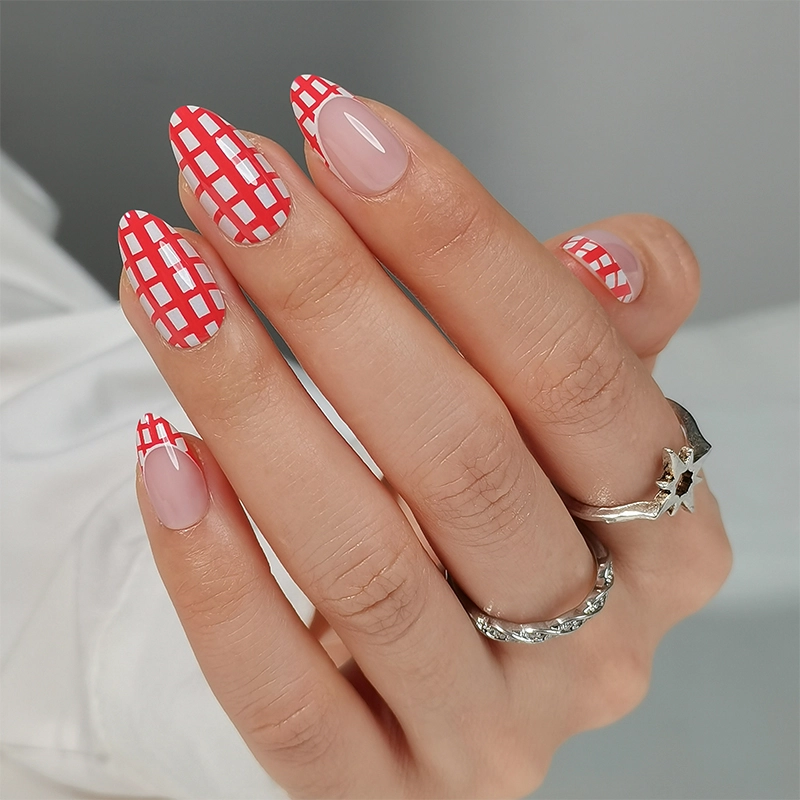
Wholesales Red French Nails Tips Checkered Soft Gel Nail Tips 32 Piece Set
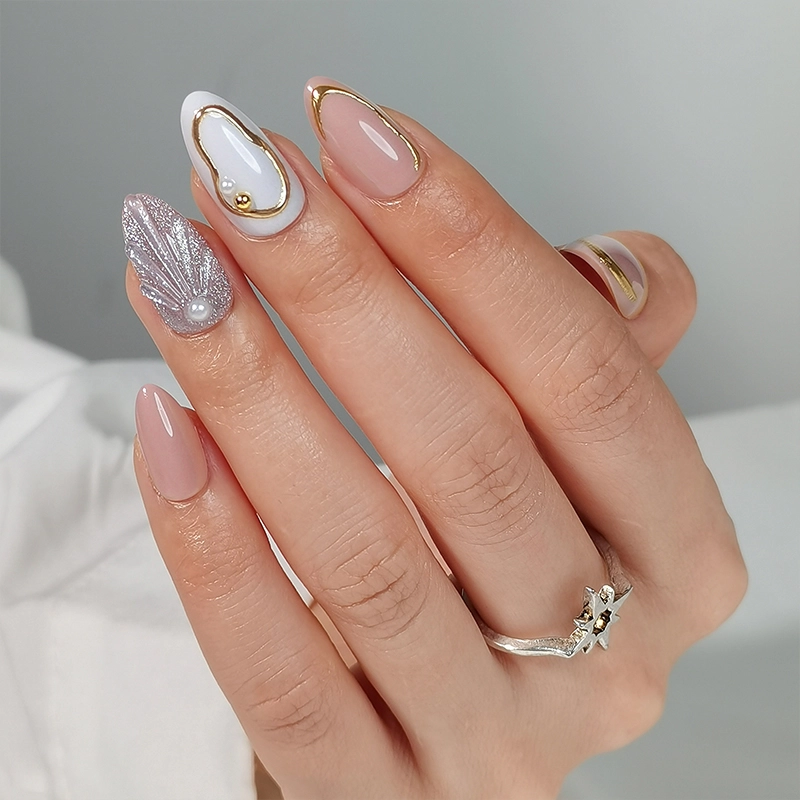
Wholesales Elegant Shell Inspired Soft Gel Wearable Nails for Seasonal Celebrations
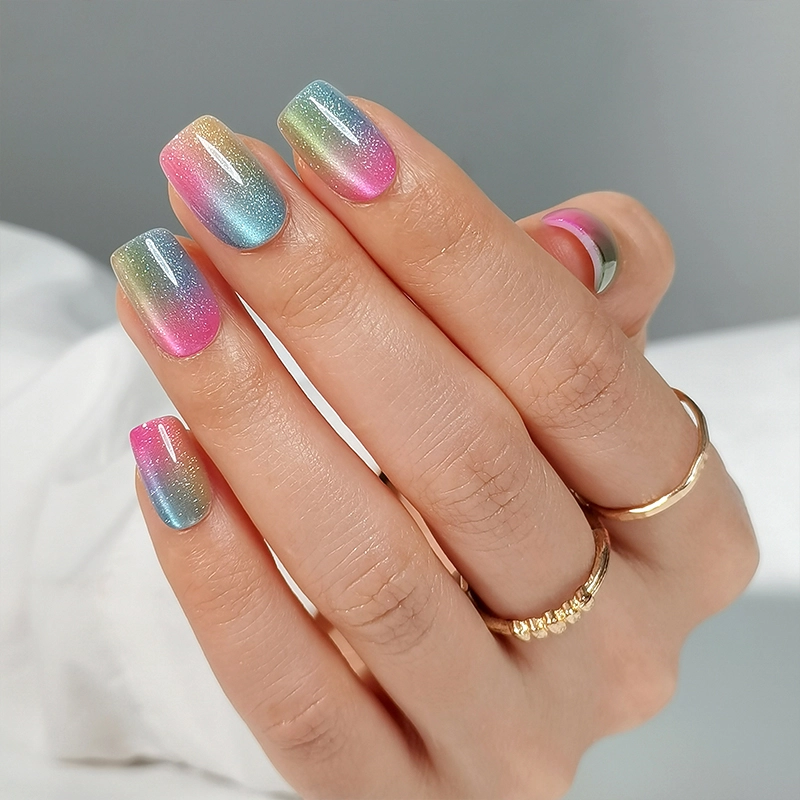
Custom Wholesale Gradient Cat Eye Soft Gel Wearable Fake Nails
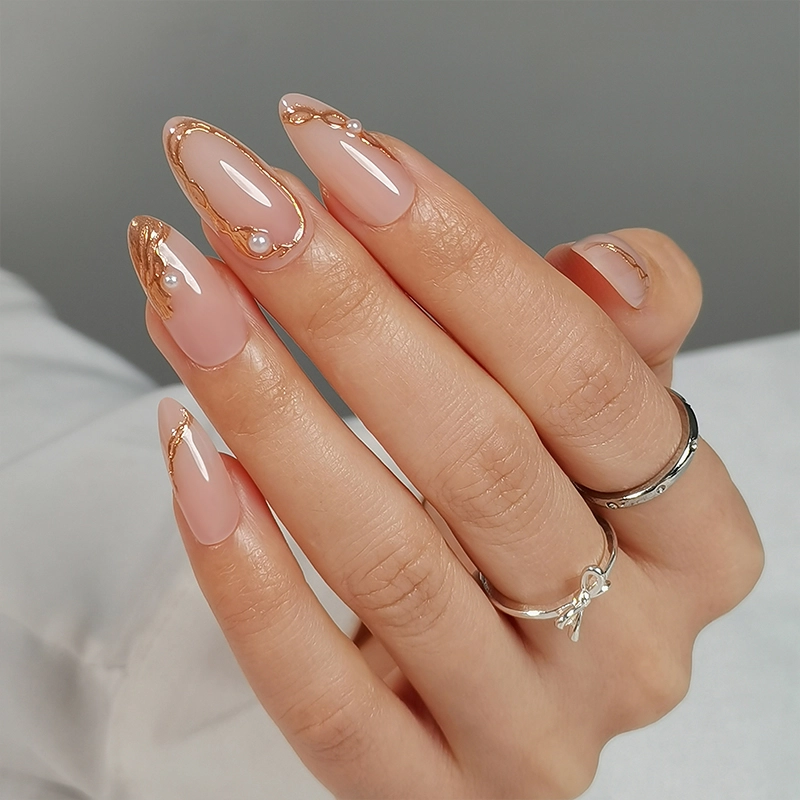
Wholesales Luxury Rhinestone Handmade Private Label Press On Nails Art Tips
Contact us
If you have press on nails products or customization needs, please feel free to contact from
below or via the contact information provided, we'll get back to you promptly within 24 hours.
By clicking 'Send Inquiry Now' I agree to XIANXING BEAUTY processing my personal data.
To see how to withdraw your consent, how to control your personal data and how we process it, please see our Privacy Policy and Terms of use.
Copyright © 2025 - XIANXING BEAUTY All Rights Reserved. Sitemap
Facebook
YouTube
Instagram
LinkedIn