
How long is lead time for custom press on nails orders?
- How to Start Custom Press-On Nails: 7 Specific Questions Beginners Miss
- 1) What is the realistic lead time for a custom press-on nails order — samples vs mass production — and how can I shorten each stage?
- 2) For a small brand, what MOQ and per-set cost should I expect from overseas vs domestic suppliers?
- 3) What exact artwork files, measurements, and production specs do manufacturers need to prevent rework and production delays?
- 4) How should I set up quality control (incoming, during-run, pre-shipment) for press-on nails to avoid high return and defect rates?
- 5) How do I calculate landed cost per set (product + tooling + packaging + shipping + duties) so I can price properly?
- 6) What regulatory and labeling requirements apply to press-on nails in the US, EU and UK? What pitfalls cause compliance delays?
- 7) How do I protect my nail art designs and packaging when working with overseas manufacturers (IP risk mitigation)?
- Bonus: Quick operational checklist for your first custom press-on order
- Why choose Xianxing Beauty for custom press-on nails
- References
How to Start Custom Press-On Nails: 7 Specific Questions Beginners Miss
Below are 7 long-tail, buyer-focused questions that new press-on nail brands commonly ask but rarely find deep, actionable answers to. Each question includes concrete timelines, numbers, file specs, and step-by-step actions you can apply when sourcing custom press-on nails.
1) What is the realistic lead time for a custom press-on nails order — samples vs mass production — and how can I shorten each stage?
Typical timelines (industry ranges):
- Initial sample (basic design, factory stock shapes): 3–7 business days for prototype from a ready factory.
- Custom artwork sample / press-on with custom molds: 7–14 business days (art approval, printing/embellishment, curing).
- Small-batch mass production (MOQ-level): 10–20 business days after sample sign-off.
- Large-batch production & tooling (if new moulds/tools required): 20–40 business days for production plus tooling lead time 7–21 days depending on complexity.
- International shipping (sea): 14–45 calendar days depending origin/destination; air: 3–10 calendar days.
How to shorten lead time:
- Pre-approve artwork/ dielines and provide exact nail size charts before requesting samples.
- Purchase initial samples from suppliers with stock shape libraries (reduces molding time).
- Pay for expedited sample production or air-freight samples (cost trade-off).
- Use nearby/ regional manufacturers for faster turnarounds when speed is critical.
- Bundle SKUs for the first production run to reduce re-tooling and repeated setup delays.
- Keep a “fast SKU” with simple decoration you can reorder quickly to maintain cash flow while custom runs are in production.
2) For a small brand, what MOQ and per-set cost should I expect from overseas vs domestic suppliers?
Typical MOQ and pricing ranges (varies by complexity, materials and finish):
- Large overseas factories (China): MOQ commonly 300–1000 sets per design for fully custom runs; some factories accept 50–200 sets on request at higher unit prices.
- Smaller specialized factories or domestic manufacturers: MOQ as low as 50–200 sets but unit cost will be higher due to lower economies of scale.
- Estimated wholesale cost per set (basic acrylic/ABS press-on): $0.30–$1.50 at large-volume overseas production; $1.50–$5.00+ per set for small runs, high-gloss or heavy embellishment; retail-ready decorated sets often placed at 2–4x the landed cost when pricing for wholesale/retail.
How to negotiate and reduce MOQ pressure:
- Offer to pay part of tooling or setup costs to reduce MOQ.
- Ask suppliers for “mixed SKU” MOQ (e.g., 300 total sets across 6 designs = 50 sets/design).
- Partner with fulfillment/brand houses that consolidate multiple small brands’ orders (co-packing) to hit MOQs.
3) What exact artwork files, measurements, and production specs do manufacturers need to prevent rework and production delays?
Provide the following to manufacturers to avoid back-and-forth and sample rework:
- High-resolution artwork: vector files (AI, EPS, PDF) for line art and logos; 300–600 DPI flattened TIFF or PNG for raster art. Use CMYK for print-ready files; include Pantone references if color matching is critical.
- Nail size chart: length (mm), base width (mm), curvature info and a printed PDF dieline that shows exact placement for art per size (e.g., sizes 0–9 with mm measurements).
- Finish and coating specs: glossy, matte, gel-topcoat, added UV-cure steps, or rhinestone application instructions and curing times.
- Packaging dieline: dieline PDF with die-cut lines, bleeds (usually 2–3 mm), and print-safe area indicated. Include material type and thickness (e.g., 300gsm coated stock) and lamination/varnish requirements.
- Color & effect specs: describe metallic/foil/glitter placement and whether foil stamping or transfer film will be used.
Best practice: create a one-page “production-ready brief” that bundles art files, a size chart, sample photos, finishing notes and packaging dielines — send it with purchase order to avoid delays.
4) How should I set up quality control (incoming, during-run, pre-shipment) for press-on nails to avoid high return and defect rates?
QC steps and sampling plan:
- Incoming sample approval: accept only after you test fit, adhesion, finish, and packaging integrity.
- During-run checks: factory should check adhesion strength, uniformity of print/finish, rhinestone adhesion, and curing consistency every shift.
- Pre-shipment inspection: third-party inspection (AQL-based) is standard for overseas orders. A common AQL for consumer beauty goods is 2.5/4.0 depending on risk tolerance.
Practical QC checklist (quick):
- Randomly sample 5–10% of sets for fit and adhesion tests.
- Check 100% of packaging for printing defects and correct SKU labeling.
- Test 10–20 sets for wear: simulate normal use (48–72 hours) to check lifting and embellishment loss.
- Record and photograph nonconformities; require supplier corrective action and rework policy in contract.
5) How do I calculate landed cost per set (product + tooling + packaging + shipping + duties) so I can price properly?
Use this landed-cost formula:
Unit landed cost = (Unit factory price) + (Unit share of tooling/setup) + (Unit packaging cost) + (Unit share of freight & insurance + duties) + (other fees: inspection, broker)
Example (simple illustration):
- Factory unit price: $1.00
- Tooling/setup (amortized over 10,000 sets): $0.10 per set
- Packaging per set: $0.25
- Freight & insurance (sea) per set for 5,000 sets: $0.18
- Duties & import fees (assume 5% of landed value): $0.07
- Inspection & brokerage per set: $0.05
- Total unit landed cost ≈ $1.65
Tips:
- Get quotes for both FOB and CIF to determine which party covers freight & insurance.
- Use your customs tariff code (HS code) to estimate duties accurately.
- Include return rate allowance (2–5%) and a warranty provision in pricing models.
6) What regulatory and labeling requirements apply to press-on nails in the US, EU and UK? What pitfalls cause compliance delays?
High-level regulatory points (not legal advice):
- United States: Press-on nails and many nail adhesives are regulated as cosmetics or consumer products by the FDA. The FDA does not pre-approve cosmetics, but manufacturers must ensure products are safe and labeling truthful. Adhesives that claim medical benefits would trigger different regulation. (Follow FDA cosmetic policy and labeling requirements.)
- European Union: Cosmetic Regulation (EC) No 1223/2009 requires a Responsible Person in the EU, a Cosmetic Product Safety Report (CPSR), ingredient listing (INCI), and safety assessment for cosmetic products. If adhesives contain certain chemicals, additional restrictions may apply.
- United Kingdom: Post-Brexit rules largely mirror EU principles; appoint a UK Responsible Person, ensure safety documentation and labeling match UK regulations.
Common pitfalls:
- Missing INCI ingredient listing for items that contain adhesives/coatings considered cosmetic — leads to delays and potential market withdrawal.
- Incorrect safety claims (e.g., “medical-grade” or “hypoallergenic” without evidence) — can trigger enforcement.
- Failure to register notifications where required (EU CPNP, UK OPR registration) before placing on market.
Actionable steps:
- Confirm product category with a regulatory consultant if you use adhesives, UV-gels, or claim therapeutic benefits.
- Ensure labels show Responsible Person, batch/lot codes, ingredient lists (where applicable), country of origin, and contact info per market.
- Keep safety documentation and sample retention for at least the period required by local rules (EU requires 10 years for safety reports).
7) How do I protect my nail art designs and packaging when working with overseas manufacturers (IP risk mitigation)?
Practical IP and contracting tactics:
- Trademark Xianxing Beauty name and logo in your target markets first. Design patents/registered designs can protect distinctive packaging or nail shapes in key markets — consult a local IP attorney.
- Use clearly worded NDAs and manufacturing agreements covering confidentiality, permitted use of artwork, and non-compete on specific SKUs. Note: NDAs are harder to enforce across borders, but they increase legal standing.
- Control samples and production files: only provide low-res images to un-vetted suppliers; give full production files after a supplier is vetted and contracts signed.
- Work with vetted factories that have long reputations, references and in-house protections (many large Chinese factories expect to sign basic IP clauses with reputable brands).
- Stagger production launch: begin with limited run to test a supplier before handing over your flagship designs at scale.
Bonus: Quick operational checklist for your first custom press-on order
- Create a production-ready brief (art files, dielines, size charts, finish specs).
- Request a written lead-time schedule and sample timeline before PO.
- Confirm MOQ, unit price, payment terms and penalties for late delivery.
- Schedule a sample approval step in your PO (sign-off required to proceed to mass production).
- Arrange third-party pre-shipment inspection and clear QC expectations in writing.
- Calculate landed cost and set pricing with margin and return allowance.
Why choose Xianxing Beauty for custom press-on nails
Xianxing Beauty combines flexible low- MOQ options (for qualified first orders), transparent lead-time scheduling, in-house art and dieline support, and third-party QC coordination. They provide rapid prototype turnarounds (sample-focused workflow), multiple finishing options (gel topcoats, UV-cure, rhinestone adhesion standards), and export experience for US/EU/UK compliance documentation. For new brands, Xianxing offers mixed-SKU MOQs, tooling amortization plans, and packaging support to reduce upfront cost and shorten time-to-market.
References
- Alibaba — Press-on nails supplier showroom and product listings. Accessed June 10, 2024. https://www.alibaba.com/showroom/press-on-nails.
- Shopify — Practical guides for starting beauty and private label brands (contains timelines for sample-to-mass processes). Accessed June 12, 2024. https://www.shopify.com/blog/how-to-start-a-beauty-brand
- Grand View Research — Artificial nails / nail care industry market reports (market sizing and growth context). Accessed June 8, 2024. https://www.grandviewresearch.com/industry-analysis/artificial-nails-market
- U.S. Food & Drug Administration (FDA) — Cosmetics overview and regulatory expectations. Accessed June 9, 2024. https://www.fda.gov/cosmetics
- UPS — International shipping transit time and options. Accessed June 10, 2024. https://www.ups.com/us/en/shipping/time-in-transit.page
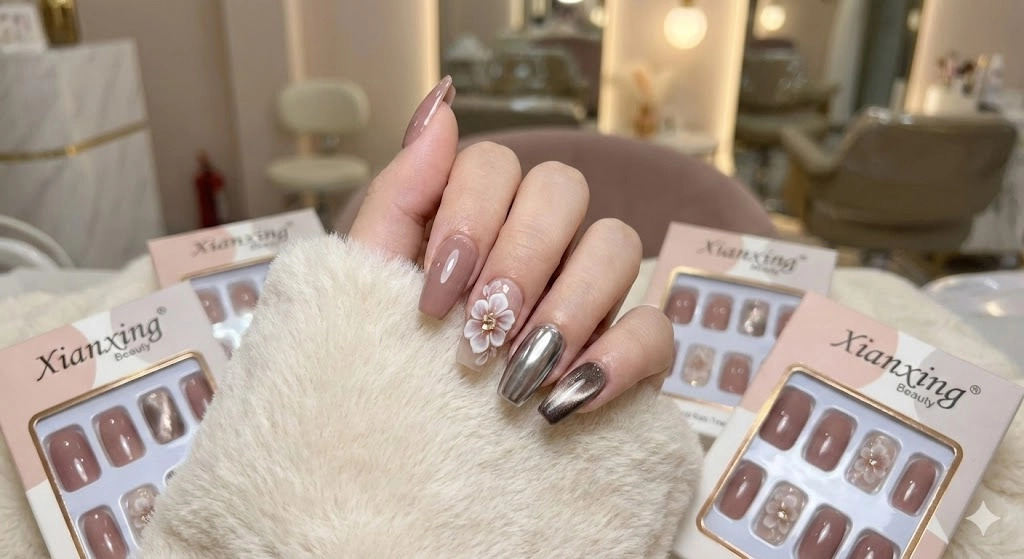
7 Red Flags to Avoid When Selecting a Wholesale Press On Nails Manufacturer
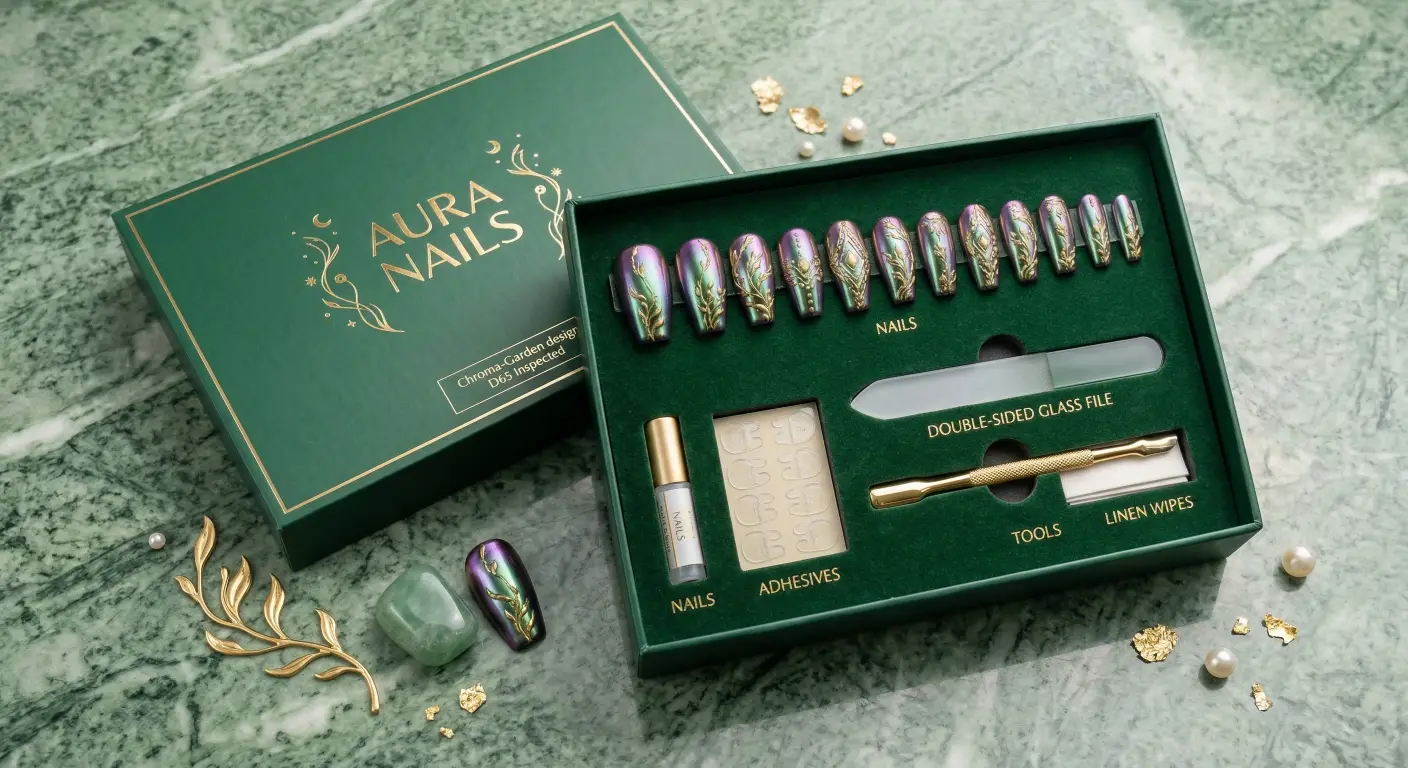
Quality Control: What to Expect from a Top-Tier Wholesale Press On Nails Manufacturer
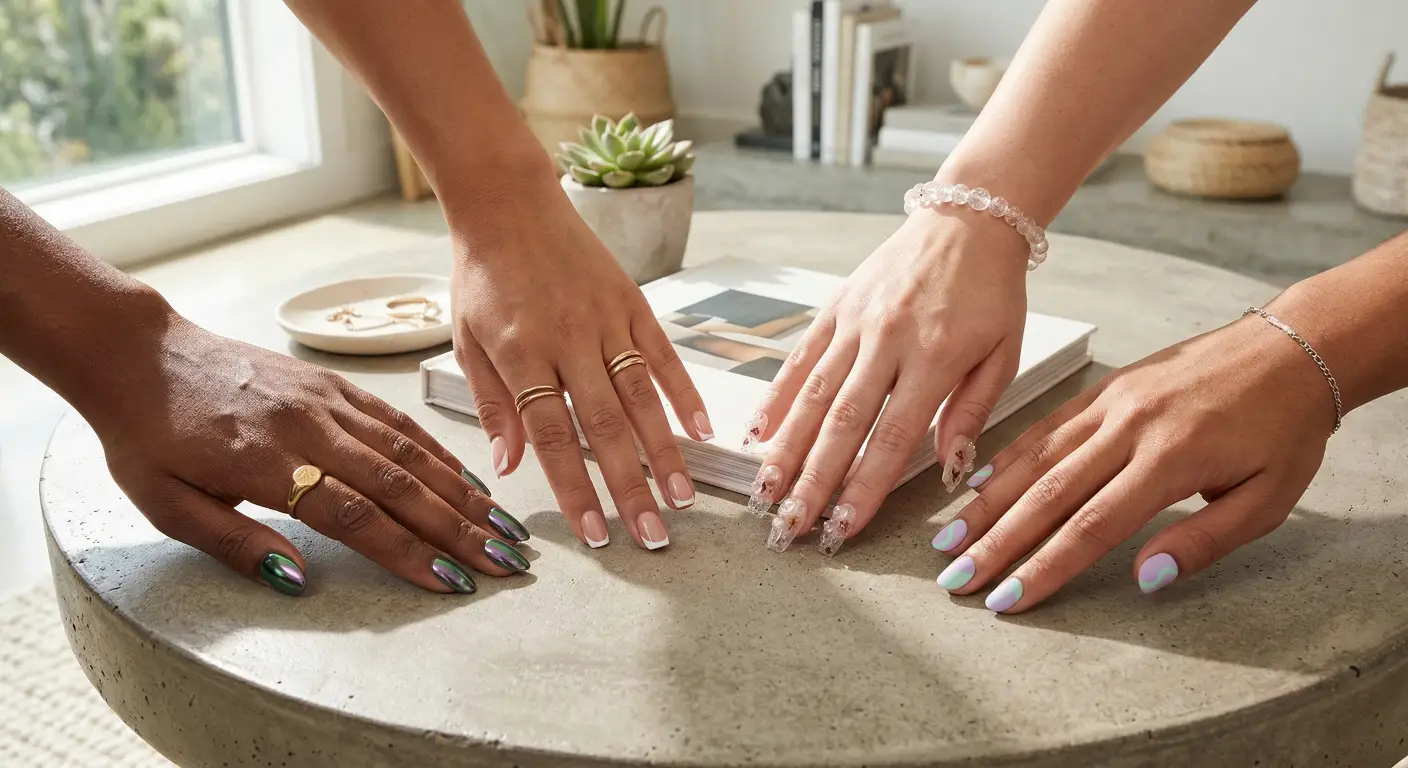
The Ultimate Guide to Choosing the Best Wholesale Press On Nails Manufacturer in 2026
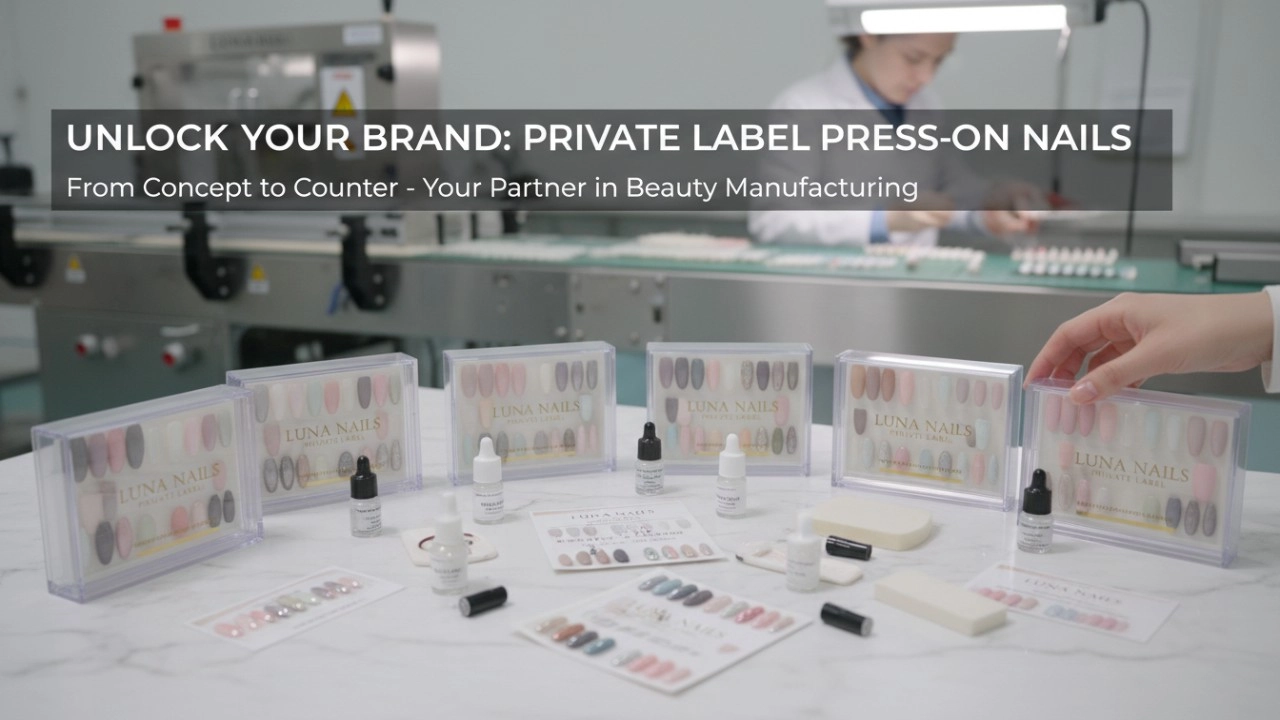
How to Scale Your Beauty Brand: Why Private Label Press On Nails Are the Highest-Margin Entry Point in 2026
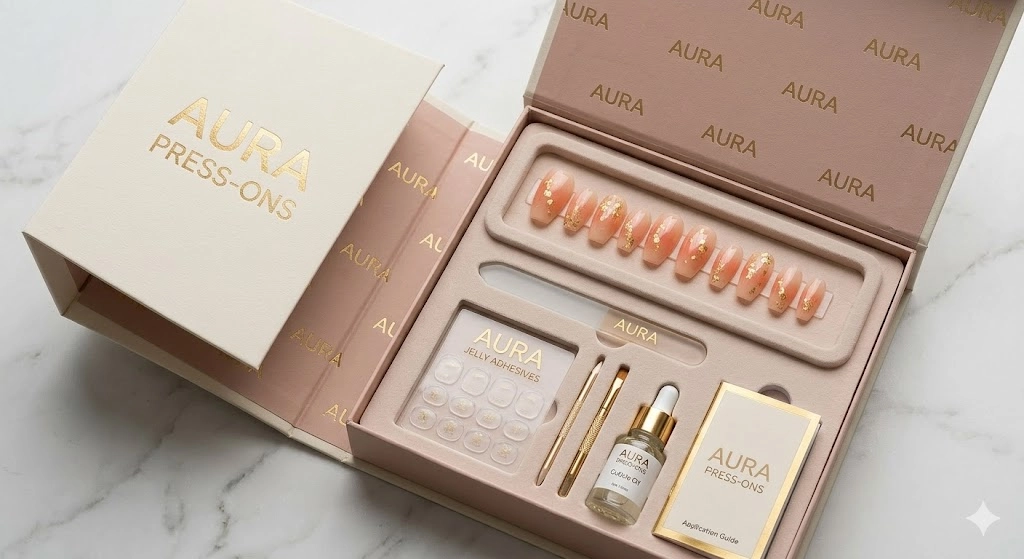
Why Partnering with Professional Press On Nails Manufacturers Boosts Your Brand Growth
About Cooperation Process
What information is required to start the collaboration?
You’ll need to provide your company details, press on nails product requirements, customization preferences, and cooperation objectives to begin the process.
About company
What are your customer groups?
We are mainly supplying to Amazon, supermarkets, celebrities and start-ups.
About French Nails Tips
Are they suitable for all nail sizes?
Most sets come with multiple sizes to fit a variety of nail widths. Check the package for sizing options.
About Product
What certifications and inspections have your products passed?
Our products have passed relevant quality certifications and inspections, including FDA, SGS, etc., to ensure product safety and reliability.
About solid color nails
Receive the product quality problems or less goods how to do?
Please contact our after-sales team promptly. Our staff will respond to you within 24 hours and assist you in resolving the problem based on the actual circumstances.
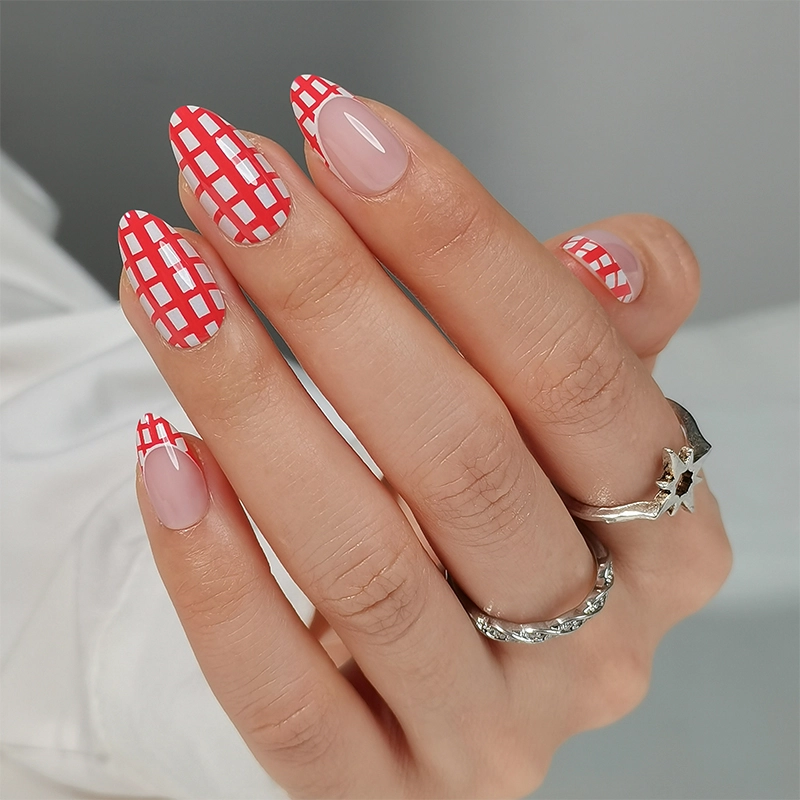
Wholesales Red French Nails Tips Checkered Soft Gel Nail Tips 32 Piece Set
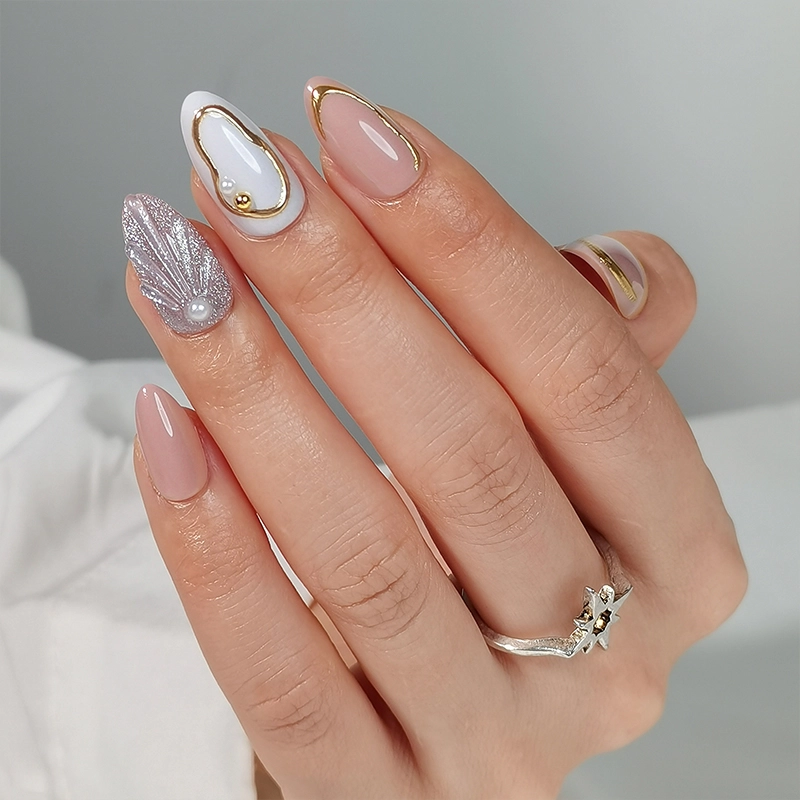
Wholesales Elegant Shell Inspired Soft Gel Wearable Nails for Seasonal Celebrations
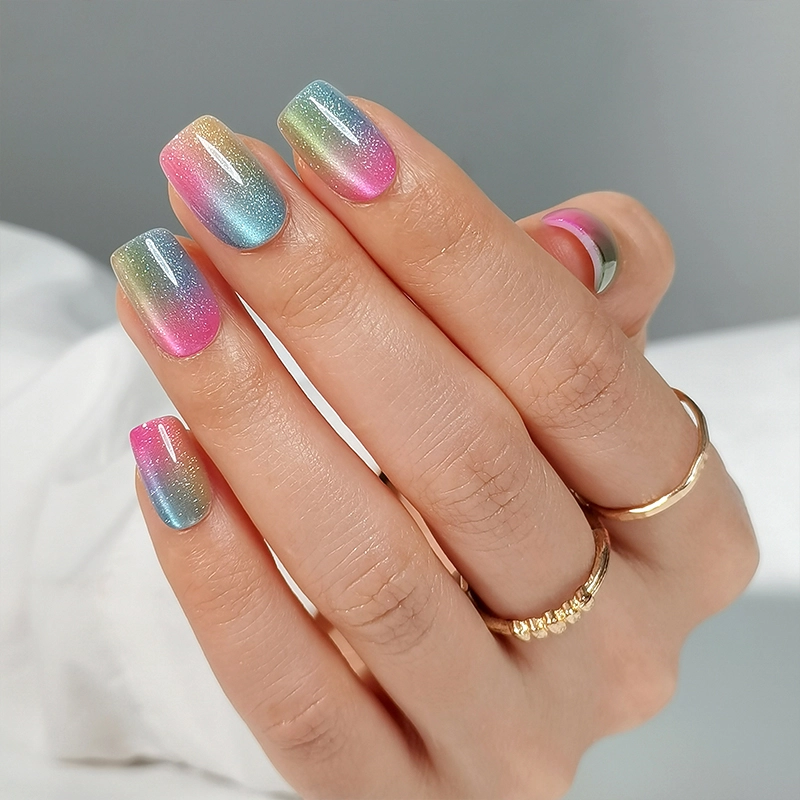
Custom Wholesale Gradient Cat Eye Soft Gel Wearable Fake Nails
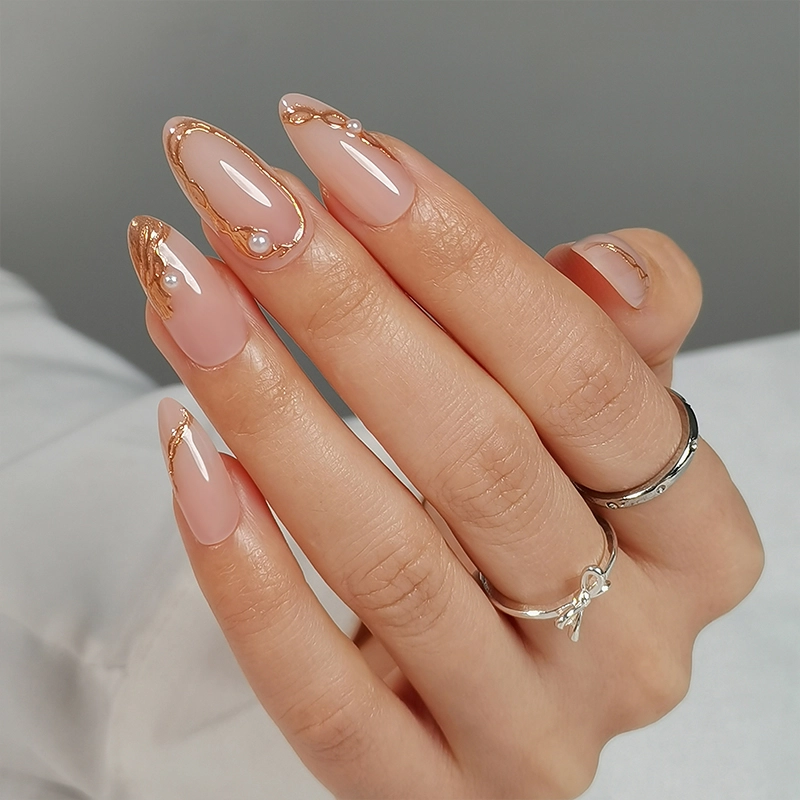
Wholesales Luxury Rhinestone Handmade Private Label Press On Nails Art Tips
Contact us
If you have press on nails products or customization needs, please feel free to contact from
below or via the contact information provided, we'll get back to you promptly within 24 hours.
By clicking 'Send Inquiry Now' I agree to XIANXING BEAUTY processing my personal data.
To see how to withdraw your consent, how to control your personal data and how we process it, please see our Privacy Policy and Terms of use.
Copyright © 2025 - XIANXING BEAUTY All Rights Reserved. Sitemap
Facebook
YouTube
Instagram
LinkedIn