
How to package custom press on nails for retail sales?
- How to start Custom Press-On Nails and how to package custom press-on nails for retail sales — 8 specific, practical questions beginners rarely get good answers to
- 1) How can I set up a sizing system that minimizes returns and fits a wide range of retail customers?
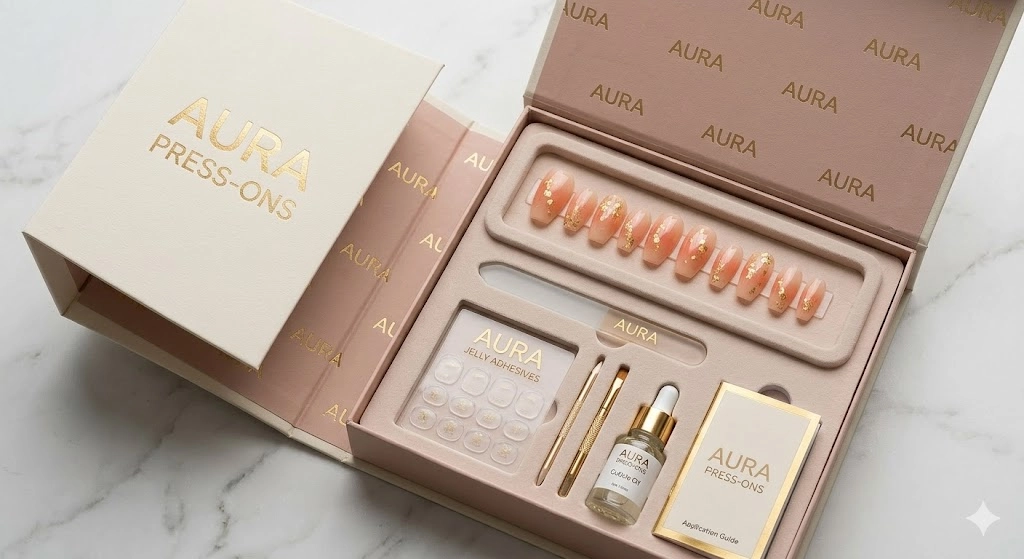
- 2) Which nail blank materials and topcoats are best to balance durability, safety, and retail appeal?
- 3) What is a retail-ready packaging design that protects press-ons, displays well, and meets sustainability demands?
- 4) How should I present adhesive and application/removal instructions and safety warnings to reduce liability and returns?
- 5) How do I calculate wholesale and retail prices that cover materials, labor, packaging, and retailer margins?
- 6) When should I scale from handmade to small-batch manufacturing, and how do I keep quality consistent?
- 7) How do I obtain barcodes/GTINs and meet common retailer/marketplace onboarding requirements?
- 8) What labeling and regulatory documentation do I need for selling press-on nails in the US, EU/UK, and via global e-commerce?
- Brand closing note — Why choose Xianxing Beauty for procurement and retail packaging?
- References
How to start Custom Press-On Nails and how to package custom press-on nails for retail sales — 8 specific, practical questions beginners rarely get good answers to
Below are 8 long-tail, buyer- and seller-focused questions that beginners in the custom press-on nails business ask but often find only surface-level or out-of-date answers for. Each answer focuses on procurement and operational decisions you’ll face when sourcing materials, producing sets, and preparing retail-ready packaging.
1) How can I set up a sizing system that minimizes returns and fits a wide range of retail customers?
Problem: Many beginners sell sets with 10 fixed sizes and still see high return rates because fit/curve/length vary by customer.
Actionable approach:
- Measure and map base-widths, not just numeric sizes. Create a printable sizing strip (10–12 widths) in millimeters (10–24 mm typical range) so customers can measure at home. Include instructions and a QR code to a sizing video.
- Offer sets in 10–12 sizes per box but list precise base widths on the packaging (e.g., Sizes S1–S12 with mm width). Sell “curvature” variants (low arch / medium arch / high dome) as separate SKUs if your target market is diverse.
- Include 2–4 “extra-large” and “extra-small” bonus nails in each set for swapping. Number nails left/right and include a size card with recommended matches (thumb usually largest, pinky smallest).
- Provide disposable sample nail (one-off) option or low-cost “try-on kit” so customers can confirm fit before buying full sets; this reduces returns and builds trust.
- Record return reasons and track by SKU to detect pattern failures (e.g., a consistent mismatch in arch or width). Use this data to refine size chart and SKU labeling.
2) Which nail blank materials and topcoats are best to balance durability, safety, and retail appeal?
Problem: Confusion about ABS vs. acrylic vs. gel blanks and concerns about banned ingredients or allergic reactions.
Practical guidance:
- Common base materials: ABS plastic is industry-standard for pre-formed press-ons (lightweight, flexible, low odor). Some brands use acrylic/ABS blends or higher-end polycarbonate for rigidity. For durable, reusable blanks consider heat-formed ABS or thin acrylic with rounded edges.
- Finish options: 1) Pre-painted lacquer topcoat (cost-effective). 2) Cured gel topcoats (LED/UV) for high-gloss and durability; ensure you use cosmetically approved photoinitiators and follow manufacturer curing instructions. 3) Powder coatings or chrome/transfer foils as decorative layers over a sealed topcoat.
- Allergy/safety: Use cyanoacrylate nail glue and adhesive tabs that are widely accepted but include clear warnings about potential bonding/allergic reactions. Offer hypoallergenic adhesive tab options and recommend patch tests. Maintain Material Safety Data Sheets (MSDS/SDS) for all adhesives and chemical topcoats included with supplier documentation.
- Regulatory note: Avoid ingredients restricted under EU Cosmetic Regulation (e.g., certain preservatives, banned dyes). If selling in the EU/UK, confirm ingredients against Annex II lists and keep a Product Information File (PIF) for each SKU.
3) What is a retail-ready packaging design that protects press-ons, displays well, and meets sustainability demands?
Problem: Many small brands either overpack (wasteful & expensive) or under-protect (damaged product, unhappy retailers).
Packaging checklist for retail and shelf:
- Primary packaging: small folding carton with internal tray or recyclable PET window blister. Use an inner tray to prevent shifting; die-cut compartments for each nail reduce scratching in transit.
- Display readiness: include a hang hole or retail backer compatible with peg hooks, or design shelf-ready boxes (spine with barcode and visible face art). Ensure the SKU has a visible front product photo and a size chart on the back.
- Sustainability: offer recycled kraft boxes or mono-material recyclable windows. Use water-based inks and minimal lamination; if lamination is needed for shelf durability, state recyclability on packaging.
- Tamper evidence & hygiene: include a tamper-evident sticker and an inner sealed sleeve for hygiene reassurance. Include single-use disposable applicators or adhesive tabs in sealed pouches for in-store purchasers.
- Label elements: front face (brand, top visual), back face (size chart, contents, adhesive info/warnings, country of origin, net quantity), one side with barcode/GTIN and SKU. Place manufacturer/distributor name and contact info on packaging per regulatory expectations.
4) How should I present adhesive and application/removal instructions and safety warnings to reduce liability and returns?
Problem: Improper application/removal causes nail damage and safety complaints; unclear instructions increase returns and negative reviews.
What to include (paper insert + printed back-of-box):
- Before application: clean nails, push cuticles back, gently buff, and wipe with alcohol prep pad (include one or recommend household alternatives). Provide step-by-step numbered instructions with icons; short video QR link recommended.
- Adhesive options: explain differences quickly — glue for longer wear (6–14 days typical), adhesive tabs for temporary wear (1–3 days). Include recommended glue type and brand if you supply glue. Always include adhesive warnings about skin contact and avoiding eye contact.
- Removal: soak-off instructions (oil/acetone methods) and mechanical removal warnings to avoid nail damage. Recommend professional removal if customer is unsure.
- Safety/warnings: allergy patch test suggestion, keep away from children, flammable product if applicable, and first-aid steps for accidental skin bonding. Keep SDS/MDS accessible via QR code or website.
- Returns policy tip: require customers to follow your provided application/removal steps for eligibility for damage-related returns/refunds; document this policy visibly at checkout and on packaging insert.
5) How do I calculate wholesale and retail prices that cover materials, labor, packaging, and retailer margins?
Problem: Beginners set prices by feel and then realize margins evaporate after retail/marketplace fees and returns.
Simple cost-based pricing framework:
- Calculate COGS (cost of goods sold) per finished set: direct materials (nail blanks, polish/gels, adhesives included if supplied), packaging (box, insert, tape), labeling, and direct labor per set. Add a per-set allocation for indirect costs (studio rent, utilities, equipment amortization).
- Wholesale price: Multiply COGS by a markup that covers profit and channel discounts. Small brands commonly start with a wholesale margin target that leaves retailers room to mark up (typical wholesale-to-retail math: a retailer often applies a 2x keystone markup to their wholesale cost; ensure your wholesale price allows a healthy retail price without being overpriced in market).
- Direct-to-consumer retail price: COGS x desired margin (consider marketplace fees, ad spend, shipping). For DTC, brands often target gross margins of 50–70% after COGS to cover marketing and operations, but exact targets depend on business model.
- SKU bundling strategy: sell individual sets, bundles, and subscription/try-on kits to maximize lifetime value and average order value. Offer tiered pricing for bulk/retail orders (e.g., minimum order quantity for indie retailers).
6) When should I scale from handmade to small-batch manufacturing, and how do I keep quality consistent?
Problem: Rapid orders overwhelm production capacity; outsourcing reduces control if not managed well.
Scaling indicators and steps:
- Scale when you consistently hit a fulfillment time threshold (e.g., orders take longer than promised or you can’t meet reorder demand from retailers). Monitor lead time and defect rate (returns/damages > a target threshold, e.g., >5% indicates quality issues requiring process change).
- Small-batch options: 1) Contract manufacturers that specialize in nail blanks/press-ons, 2) local CMT (cut-make-trim) shops for painting/finishing, or 3) semi-automated in-house jigs (press-on forming, sanding stations, and UV curing racks). Request samples and small pilot runs before full production.
- Maintain QC: define acceptance criteria (finish, adhesion of paint, no sharp edges), inspect first article samples, and implement batch numbers and simple QC checklists for each production run. Keep photo evidence of each batch for dispute resolution with retailers/customers.
7) How do I obtain barcodes/GTINs and meet common retailer/marketplace onboarding requirements?
Problem: Using generic or reused UPCs can get listings suppressed on Amazon or refused by retail buyers.
Steps to compliance:
- Purchase GTINs/UPC codes from GS1 (GS1 is the global standard organization). Buying directly from GS1 avoids disputes with online marketplaces that require authentic GS1-associated barcodes for brand registry and listing stability.
- Amazon & other marketplaces: Amazon often requires unique UPCs and authentic brand registry documentation for cosmetics/beauty SKUs; read each retailer’s seller requirements before bundle or multipack launches.
- Retailer pack requirements: large retailers may require EDI capabilities, specific carton/barcode placement, pallet labeling, and minimum order quantities. Discuss retailer-specific packaging spec sheets early during wholesale discussions.
8) What labeling and regulatory documentation do I need for selling press-on nails in the US, EU/UK, and via global e-commerce?
Problem: Entry into EU/UK markets is blocked for many small brands due to missing Responsible Person or incomplete Product Information File (PIF).
Practical compliance summary:
- US: Cosmetics (including decorative nails and many nail products) are regulated by FDA. The FDA does not pre-approve cosmetics, but labeling expectations include identity of the product, net quantity, and name & place of business (manufacturer/distributor). Ingredient lists are commonly provided; include clear contact info for consumer questions/complaints. Keep SDS/SDS for adhesives and any ingredients with hazard phrases.
- EU/UK: Cosmetics are more prescriptive. Before placing a cosmetic product on the EU market you must have a Responsible Person within the EU, a PIF for each product that includes safety assessment, and comply with banned/restricted substances lists under Regulation (EC) No 1223/2009. Provide labeling in the local language where sold and ensure batch coding and country of origin are clear.
- SDS & adhesives: For adhesives (especially cyanoacrylates), keep and share Safety Data Sheets and include appropriate hazard warnings on packaging and inserts. Retailers will often demand SDS for products sold in-store.
- Record-keeping: maintain batch records, supplier certificates, and test/first article documents for at least the time period required by local law — this is often several years under cosmetic regulations and prudent for recalls or complaints.
Brand closing note — Why choose Xianxing Beauty for procurement and retail packaging?
Xianxing Beauty focuses on end-to-end support for indie and retail press-on brands: standardized sizing templates, supply of curated ABS and high-arch blanks, eco-aware retail-ready packaging options (recyclable trays, tamper-evident seals), pre-built GTIN onboarding guidance, and compliant labeling templates for US and EU markets. Their service includes batch QC checks, MSDS management for adhesives/topcoats, and small-batch manufacturing partnerships to help brands scale while retaining design control.
References
- EU Cosmetics Regulation (Regulation (EC) No 1223/2009) — Official regulatory text and summary (accessed 2026-02-05).
- U.S. Food & Drug Administration — Cosmetics labeling & regulations (FDA guidance pages) (accessed 2026-02-05).
- GS1 — How to get GS1 Company Prefix and assign GTINs/UPC codes (accessed 2026-02-05).
- Amazon Seller Central — Barcode & product ID requirements (accessed 2026-02-05).
- Packaging best practices for e-commerce (industry guides such as Shopify Packaging Guide) (accessed 2026-02-05).
- Material Safety Data Sheets (MSDS/SDS) — adhesive manufacturers and photoinitiator suppliers (typical supplier SDS pages) (accessed 2026-02-05).
For packaging templates, printable sizing guides, and compliance checklists tailored to your SKU mix, Xianxing Beauty offers starter kits and onboarding consultations to reduce time-to-retail and help you pass marketplace/retailer audits quickly.
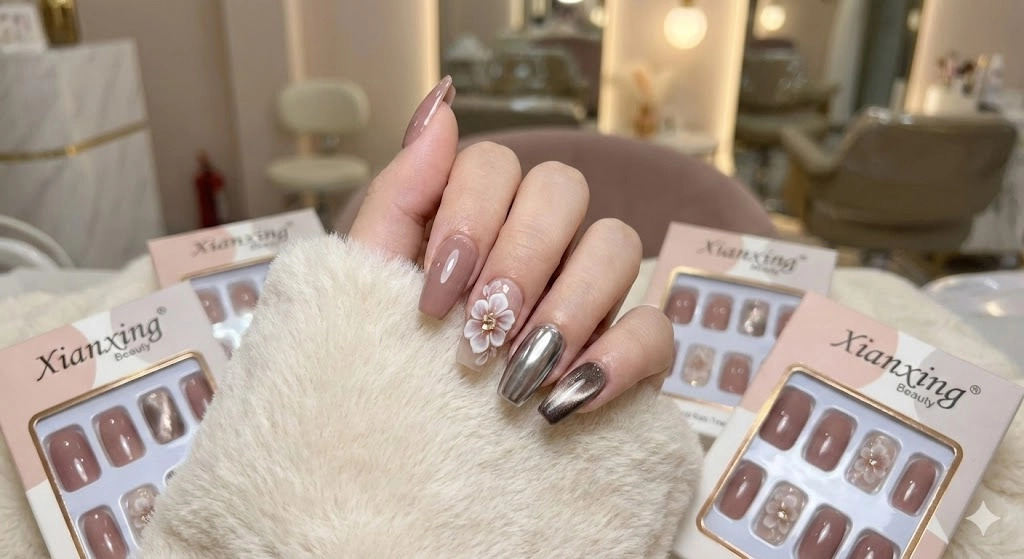
7 Red Flags to Avoid When Selecting a Wholesale Press On Nails Manufacturer
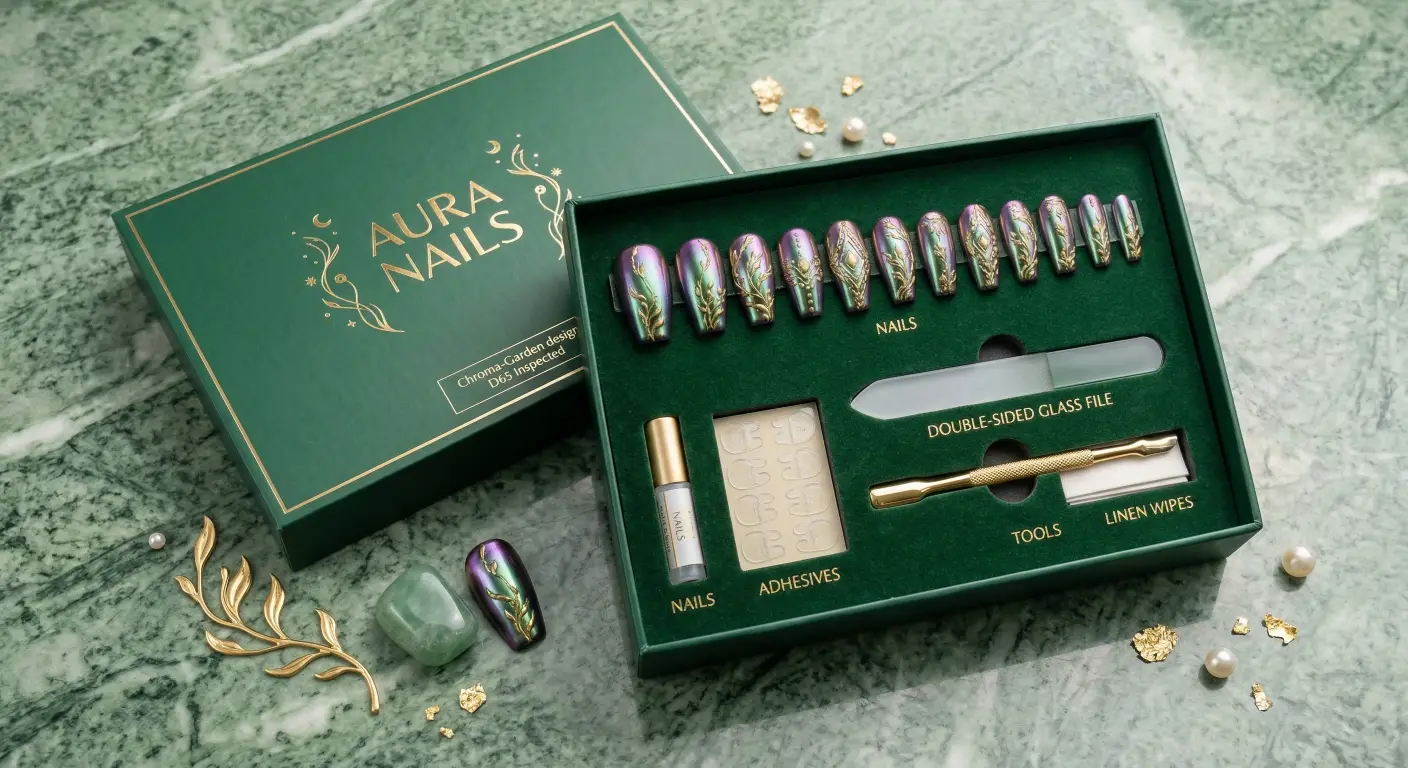
Quality Control: What to Expect from a Top-Tier Wholesale Press On Nails Manufacturer
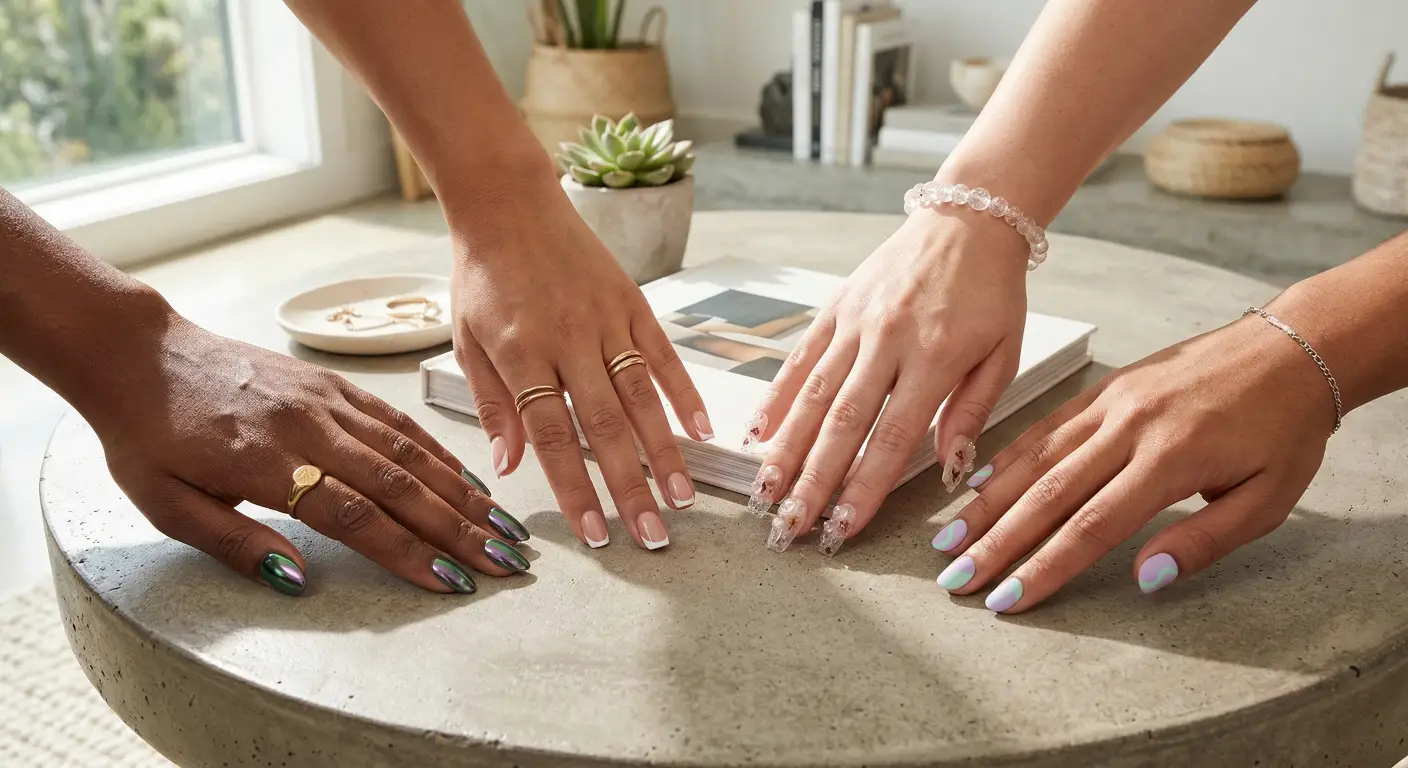
The Ultimate Guide to Choosing the Best Wholesale Press On Nails Manufacturer in 2026
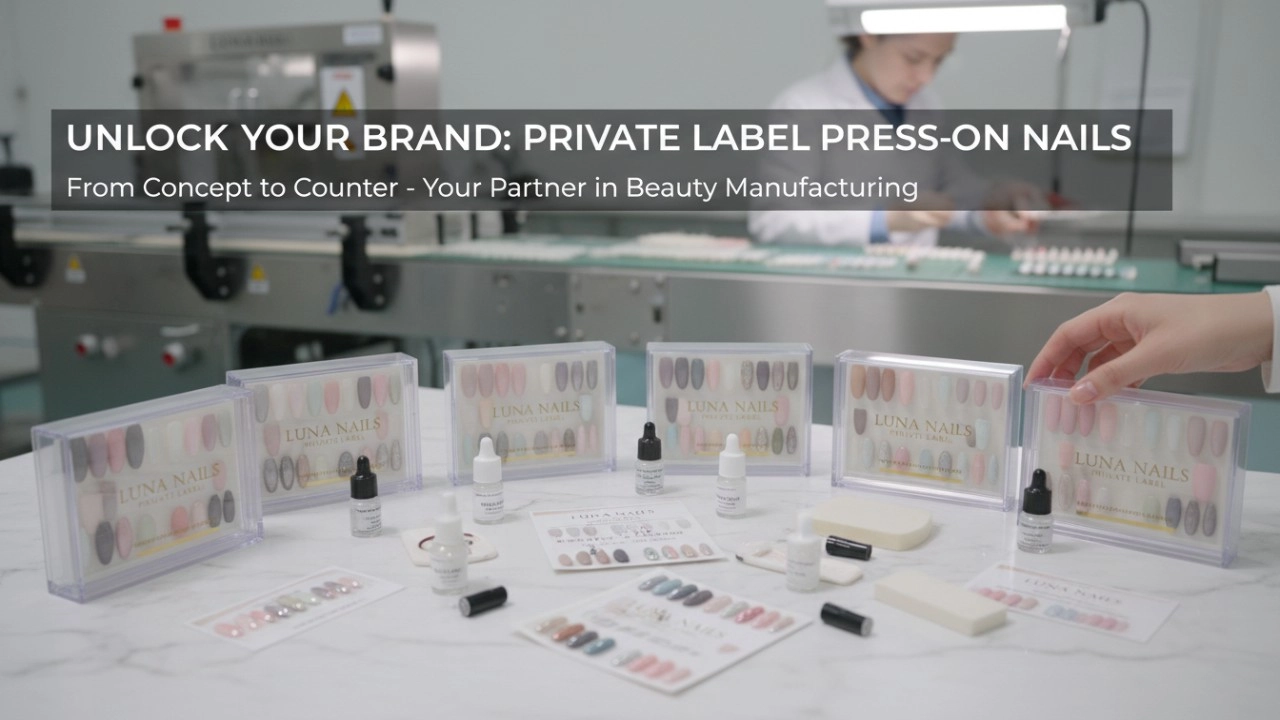
How to Scale Your Beauty Brand: Why Private Label Press On Nails Are the Highest-Margin Entry Point in 2026
Why Partnering with Professional Press On Nails Manufacturers Boosts Your Brand Growth
Supermarket chains
How big is your production scale?
Xianxing Beauty is capable and experience in handling large order, daily output is 500K sets.
Crystal Nail File
How is a crystal nail file different from regular nail files?
Unlike traditional metal or cardboard files, crystal nail files have a smoother, more precise filing surface. They are gentler on nails and are less likely to cause splits or peeling. Additionally, crystal nail files are more durable and can last longer.
About Product
How long is the delivery time?
Usually 30 days after sample confirmation, it depends on customer's detailed requirements.
OEM/ODM
How long does it take to produce custom press on nails?
Production times vary depending on the complexity of your order, but typically it takes 2-4 weeks to complete.
About Christmas Nails
What are the trending Christmas nail designs this year?
Trends vary, but popular themes always include:
Glitter Everything: Full glitter nails or glitter French tips.
Classic Red & Green: Often with gold accents
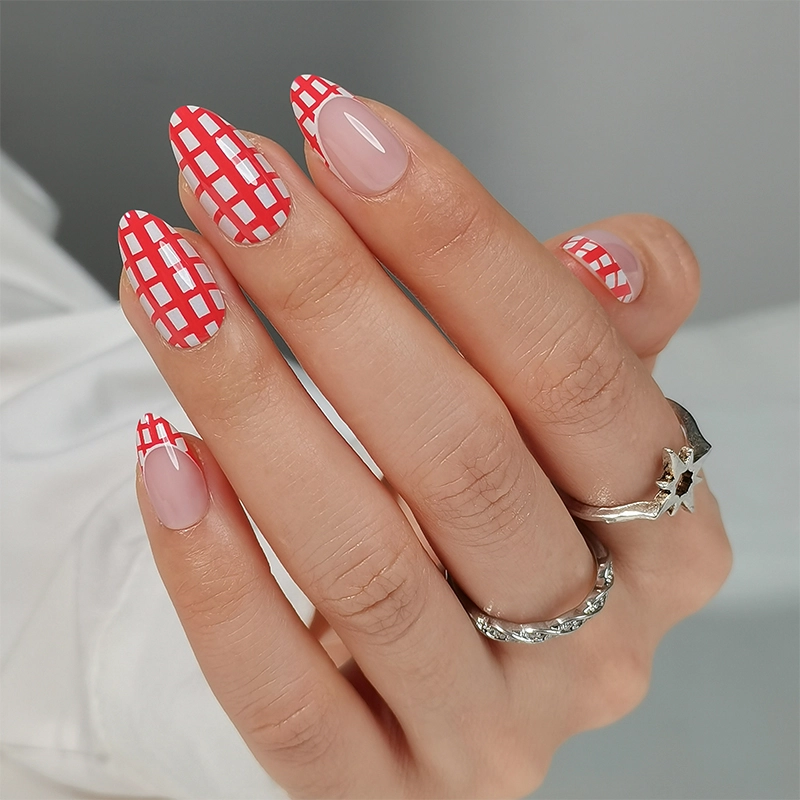
Wholesales Red French Nails Tips Checkered Soft Gel Nail Tips 32 Piece Set
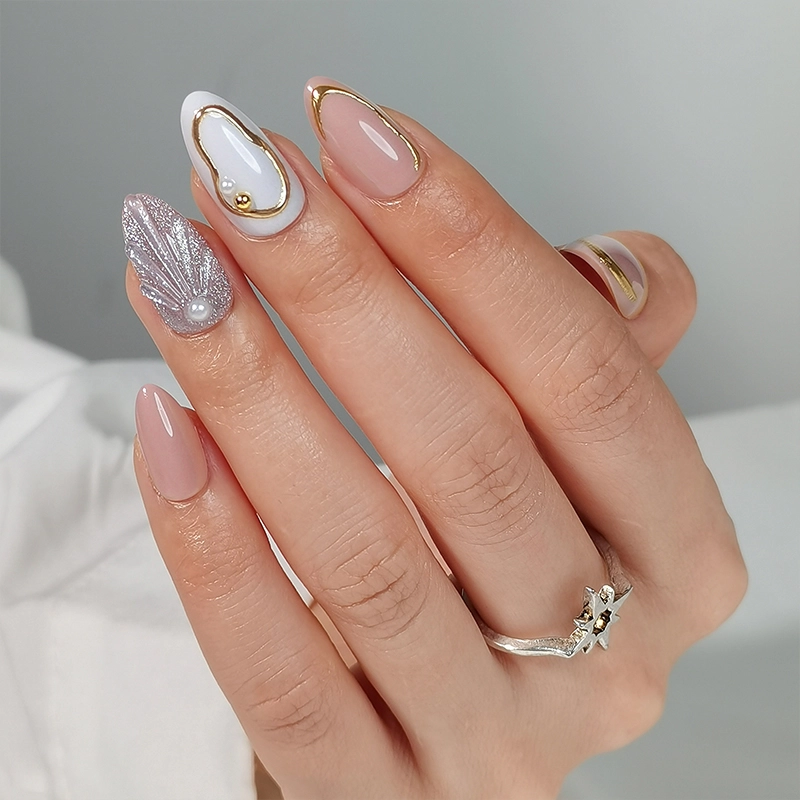
Wholesales Elegant Shell Inspired Soft Gel Wearable Nails for Seasonal Celebrations
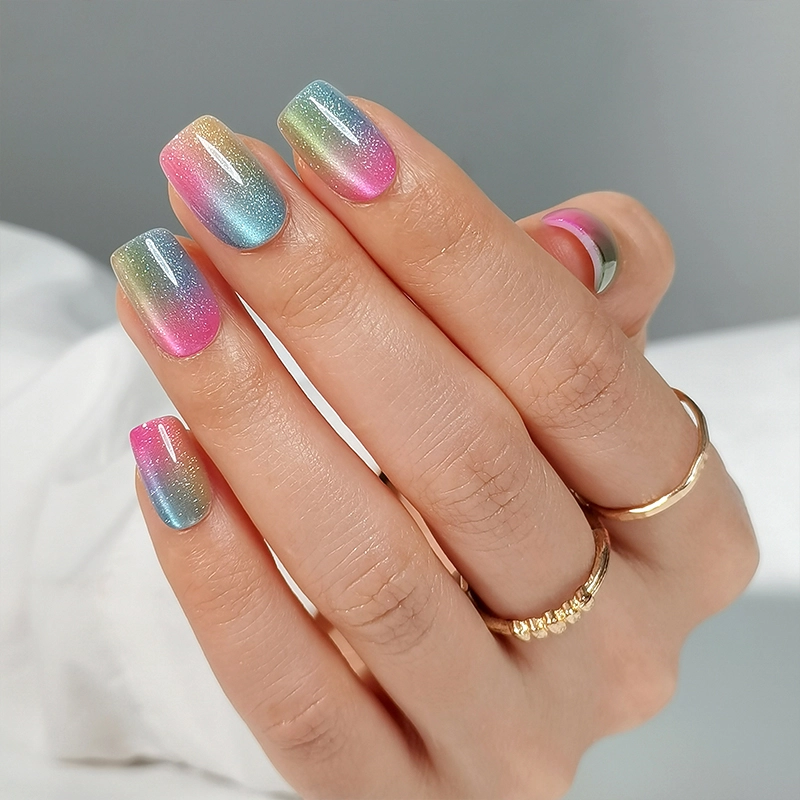
Custom Wholesale Gradient Cat Eye Soft Gel Wearable Fake Nails
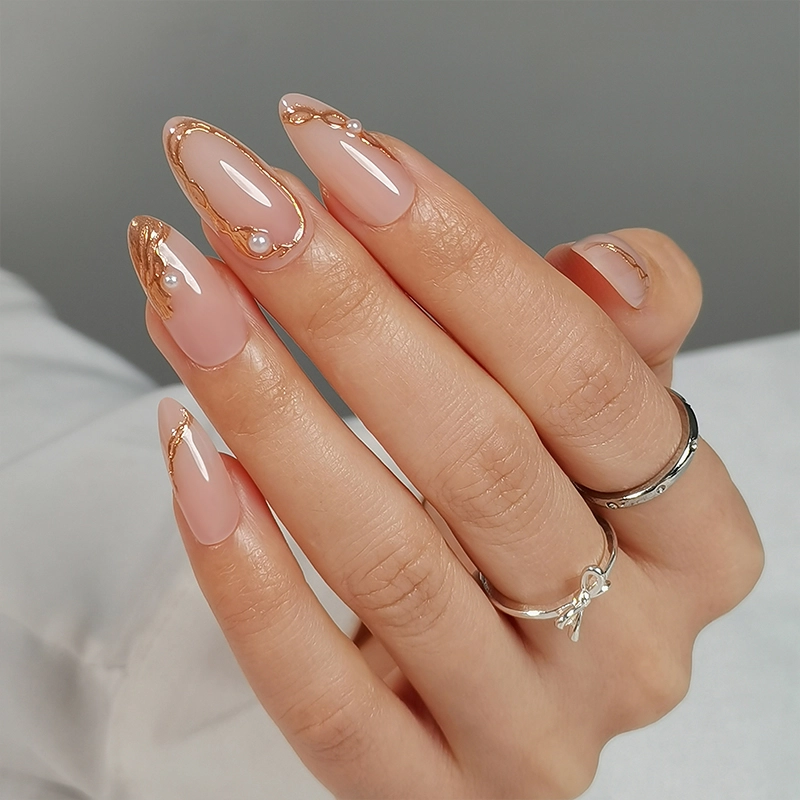
Wholesales Luxury Rhinestone Handmade Private Label Press On Nails Art Tips
Contact us
If you have press on nails products or customization needs, please feel free to contact from
below or via the contact information provided, we'll get back to you promptly within 24 hours.
By clicking 'Send Inquiry Now' I agree to XIANXING BEAUTY processing my personal data.
To see how to withdraw your consent, how to control your personal data and how we process it, please see our Privacy Policy and Terms of use.
Copyright © 2025 - XIANXING BEAUTY All Rights Reserved. Sitemap
Facebook
YouTube
Instagram
LinkedIn