
How to calculate profit margin on custom press on nails?
- How to Start a Custom Press‑On Nails Business — 7 Key Questions Answered
- 1. What are the first steps to start a custom press‑on nails business?
- 2. How do I source materials and choose reliable suppliers?
- 3. How to price products and how to calculate profit margin on custom press‑on nails?
- 4. What are the typical cost components and how can I reduce COGS?
- 5. How to handle sizing, fit, and quality control for custom press‑ons?
- 6. What compliance, labeling and safety rules should I follow?
- 7. Which sales channels and marketing tactics work best for press‑on nails?
- Bonus: Sample unit economics model (simple monthly projection)
- Final tips for procurement and scale
- Why choose Xianxing Beauty?
- Sources and references
How to Start a Custom Press‑On Nails Business — 7 Key Questions Answered
This guide answers the most common questions new entrepreneurs ask when launching a custom press‑on nails line and explains how to calculate real profit margins so you can price with confidence. Practical, step‑by‑step and focused on procurement, manufacturing, compliance, and profitable pricing.
1. What are the first steps to start a custom press‑on nails business?
Begin with planning and validation:
- Define your niche: e.g., luxury reusable press‑ons, quick‑fit daily wear, bridal/staged designs, or medical‑grade adhesive options.
- Market research: study competitors on platforms like Etsy, Instagram and Amazon to identify price points, design gaps, and bestselling sizes/styles.
- Minimum Viable Product (MVP): create 10–30 designs in a few popular sizes to test demand before a full catalog.
- Branding & positioning: decide on brand voice, packaging level (eco vs. High Quality), and target customer acquisition channels (social, marketplaces, salons).
- Basic finances: open a business bank account, set up bookkeeping, and estimate startup costs (materials, tooling, molds, sample production, photography, website).
2. How do I source materials and choose reliable suppliers?
Key materials: pre‑shaped nail blanks (ABS/PC), gel/acrylic powders or printed wraps, adhesives (tabs & glue), nail art supplies (foils, decals, rhinestones), and packaging.
Sourcing tips:
- Supplier types: domestic manufacturers (faster lead times, higher cost) vs. overseas factories (lower unit cost, higher MOQ). For small runs, consider domestic or small overseas suppliers who accept low MOQs.
- Order samples: test for fit, flexibility, thickness, finish, and compatibility with adhesives. Evaluate durability and color consistency under natural light and UV.
- Verify certifications and safety: ask for material safety data sheets (MSDS) and confirm that adhesives and coatings comply with local regulations.
- Build backups: have 2–3 supplier options for critical items (nail blanks, adhesives, packaging) to avoid supply chain interruptions.
3. How to price products and how to calculate profit margin on custom press‑on nails?
Profit margin calculation is essential. Use two related metrics:
- Gross Profit Margin (%) = (Revenue − Cost of Goods Sold) / Revenue × 100
- Net Profit Margin (%) = (Revenue − All Costs including operating expenses, marketing, taxes) / Revenue × 100
Step‑by‑step calculation (with a realistic example you can adapt):
- Calculate COGS per unit: includes nail blanks, adhesives, decorations, packaging, labels, and labor to assemble. Example: nail set sells for $30. COGS might be:
- Nail blanks + art: $2.50
- Adhesive (tabs/glue portion): $0.75
- Packaging + inserts: $1.50
- Labor / assembly (time‑cost allocated): $3.00
- Shipping to customer (avg): $3.00
- Total COGS = $10.75
- Gross Margin = (30 − 10.75) / 30 = 19.25 / 30 = 64.2% gross margin.
- Now subtract operating expenses (ads, photography, web fees, storage, returns). If monthly operating expenses allocate $6 per unit sold on average, Net Margin = (30 − 10.75 − 6) / 30 = 13.25 / 30 = 44.2%.
Pricing strategy rules of thumb:
- Retail markup: many direct‑to‑consumer beauty brands target gross margins between 50%–70% to cover operating costs and marketing.
- Keystone (100% markup) gives 50% gross margin (sell at 2× wholesale price) — commonly used for retail partners.
- When selling on marketplaces, factor platform fees (Etsy, Amazon) and ads; effective margin will be lower than direct sales.
4. What are the typical cost components and how can I reduce COGS?
Typical cost items:
- Materials (nail blanks, coatings, adhesives, decorations)
- Labor (assembly, quality control, custom painting)
- Packaging and labeling
- Shipping and fulfillment
- Returns and defective rate allowance
Cost reduction tactics:
- Negotiate volume pricing and commit to small staged MOQs to reduce unit price over time.
- Outsource non‑core work (bulk printing, cutting, base coats) to factories with specialized equipment to reduce labor time.
- Simplify SKU complexity early — fewer sizes/styles lower inventory carrying costs.
- Optimize packaging: choose protective but low‑weight options to cut shipping cost and material cost.
- Improve yield: standardize processes to reduce rejects and reworks.
5. How to handle sizing, fit, and quality control for custom press‑ons?
Fit and comfort are key to repeat customers:
- Offer a printable sizing guide and encourage customers to measure the nail bed width in mm (or provide a sizing kit for High Quality lines).
- Include a size range per set: 10–12 sizes per set covers most customers; offer free resizing instructions and trimming guides.
- Quality control checklist: visual finish, adhesion test, curvature/fit, edge smoothness, and consistency of design/color across batch.
- Track returns and complaints by SKU and supplier lot to isolate problems quickly.
6. What compliance, labeling and safety rules should I follow?
Regulations differ by market but key requirements include:
- Cosmetic/product safety: adhesives, coatings and treatments that contact skin/nails must meet your country’s cosmetic and chemical laws (e.g., U.S. FDA regulates cosmetics labeling and safety considerations; EU has cosmetics regulation requiring safety assessments).
- Proper labeling: ingredient lists (if you supply nail adhesives or coatings), warnings (e.g., allergic reactions), manufacturer/importer contact, batch or lot code for traceability.
- Claims and advertising: avoid medical or disease claims unless you have substantiation and regulatory clearance.
- Consumer testing: maintain records of safety data (MSDS), third‑party lab test results for adhesives/coatings when required by law or platform policies.
Always check marketplace and regional rules before launching (platforms often have their own requirements for cosmetics and body care products).
7. Which sales channels and marketing tactics work best for press‑on nails?
Top channels:
- Direct‑to‑consumer (DTC) website — best margins and control over brand experience.
- Marketplaces (Etsy, Amazon) — faster discovery but higher fees; useful for early validation.
- Social commerce (Instagram, TikTok, Pinterest) — short video tutorials, UGC and influencer demos are highly effective.
- Wholesale to salons or boutiques — can scale volume but lower margin and may require different packaging.
Marketing tactics that convert:
- Short demo videos showing application & removal (TikTok and Reels) — visual product like nails performs especially well in short‑form video.
- Before/after and customer photos to show longevity and real‑world fit.
- Offer a low‑cost first purchase (e.g., sample size or nail trial kit) to lower friction for new customers.
- Retargeting ads and an email welcome series to educate on sizing and reuse tips (increase lifetime value).
Bonus: Sample unit economics model (simple monthly projection)
If you sell 1,000 units/month at $30 average:
- Revenue = $30,000
- COGS (avg $10.75) = $10,750
- Gross profit = $19,250 (64.2% gross margin)
- Operating expenses (ads, platform fees, payroll, rent) = $7,000
- Net profit before tax = $12,250 → Net margin = 40.8%
Use this model to test price sensitivity: a $5 price cut reduces margin significantly; a 10% reduction in COGS or a 10% lift in AOV (add kit upsell) will materially improve profitability.
Final tips for procurement and scale
- Start small with validated SKUs, then expand based on sales data.
- Track per‑SKU unit economics — some designs sell faster but have higher COGS; prune low‑margin items.
- Automate fulfillment when volume justifies it; shop for 3PL partners with beauty experience to handle returns and quality care.
- Invest in product photography and video early — press‑on nails sell visually.
Why choose Xianxing Beauty?
Xianxing Beauty combines experienced procurement for reliable, tested materials with flexible MOQ options suited to startups. They emphasize certified materials, consistent color matching, and quality control processes that reduce rejects and returns—helping your margin and customer satisfaction as you scale.
Sources and references
- U.S. Food & Drug Administration (FDA) — Cosmetics: Overview and Regulatory Information. Accessed 2024‑06‑01. https://www.fda.gov/cosmetics
- European Commission — Cosmetics rules (Regulation (EC) No 1223/2009) and safety requirements. Accessed 2024‑06‑01. https://ec.europa.eu/growth/sectors/cosmetics/
- Grand View Research — Nail care market and trends (industry overview). Accessed 2024‑06‑01. https://www.grandviewresearch.com/industry-analysis/nail-care-market
- Shopify — Guides on pricing, cost of goods and calculating profit margins for e‑commerce sellers. Accessed 2024‑06‑01. https://www.shopify.com/guides/cost-of-goods-sold
- Etsy Seller Handbook — Tips for product listing, pricing, and shipping for handmade cosmetics & accessories. Accessed 2024‑06‑01. https://www.etsy.com/seller-handbook
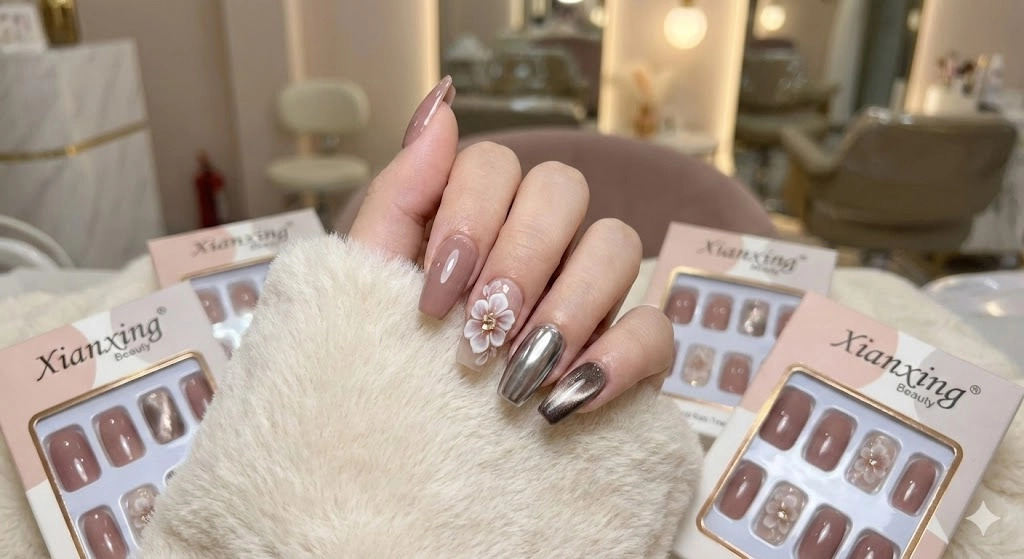
7 Red Flags to Avoid When Selecting a Wholesale Press On Nails Manufacturer
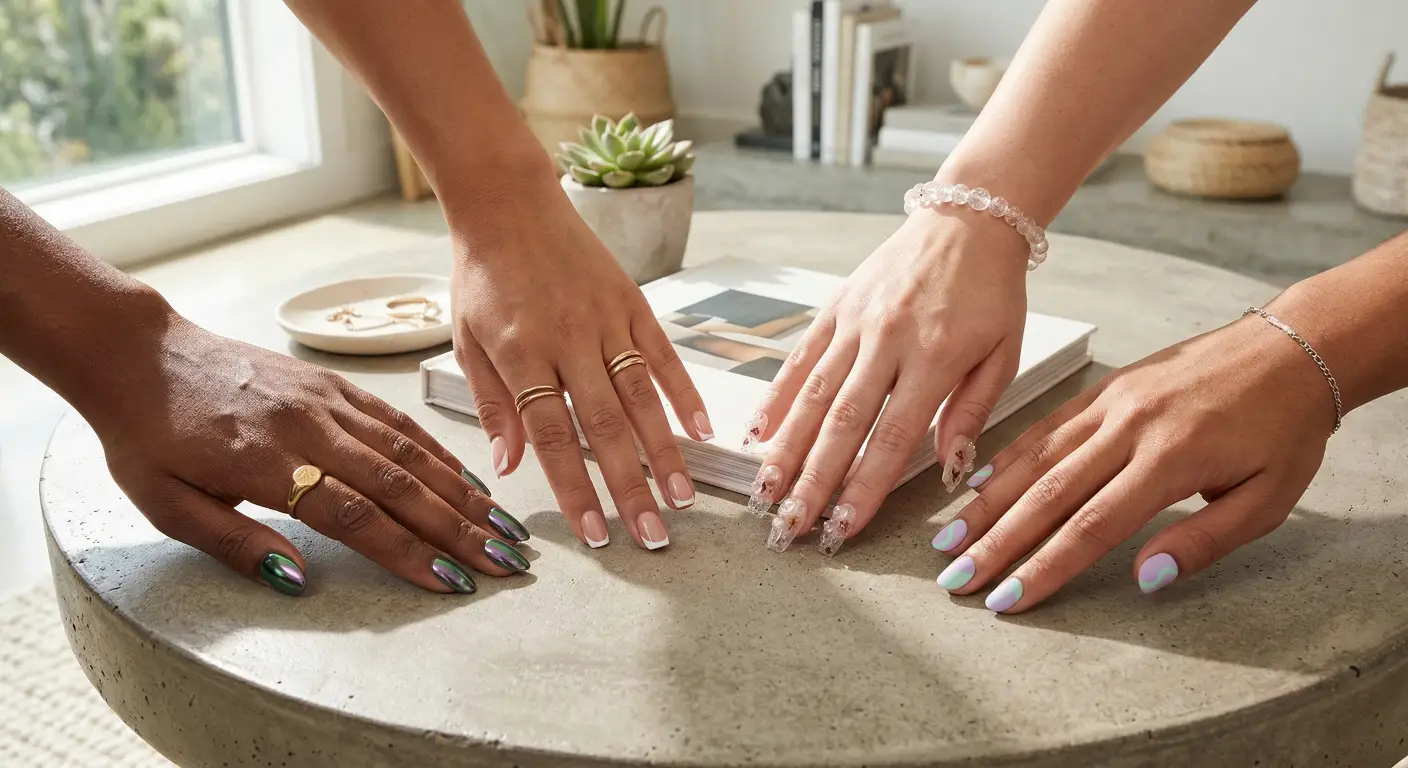
The Ultimate Guide to Choosing the Best Wholesale Press On Nails Manufacturer in 2026
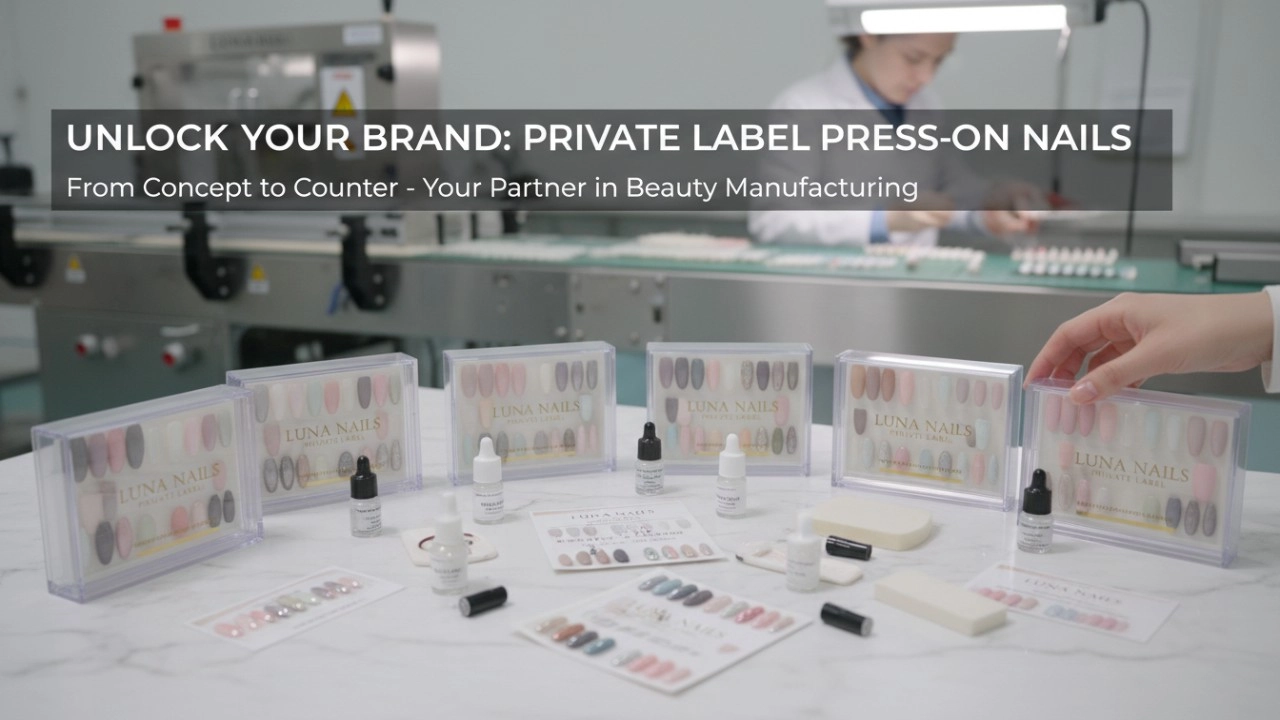
How to Scale Your Beauty Brand: Why Private Label Press On Nails Are the Highest-Margin Entry Point in 2026
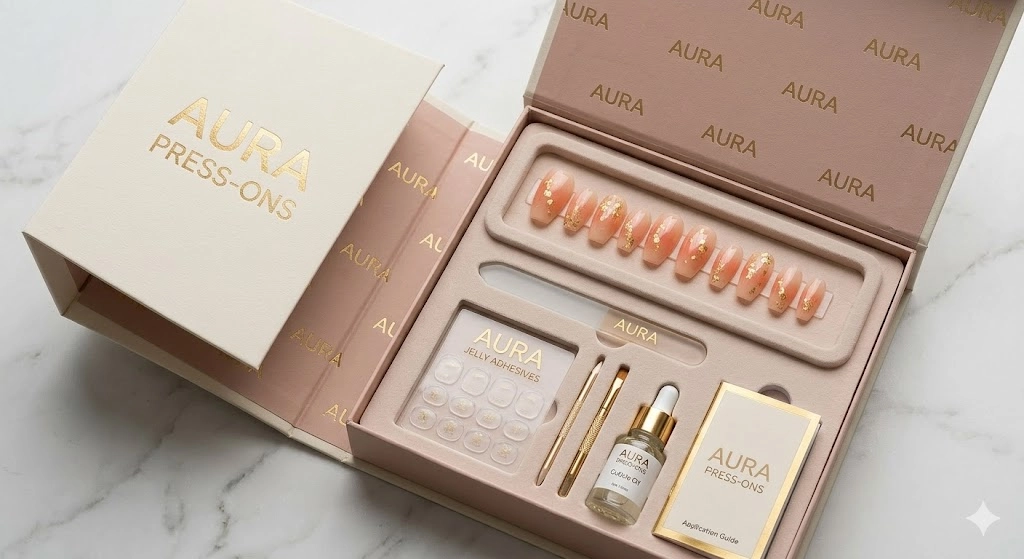
Why Partnering with Professional Press On Nails Manufacturers Boosts Your Brand Growth
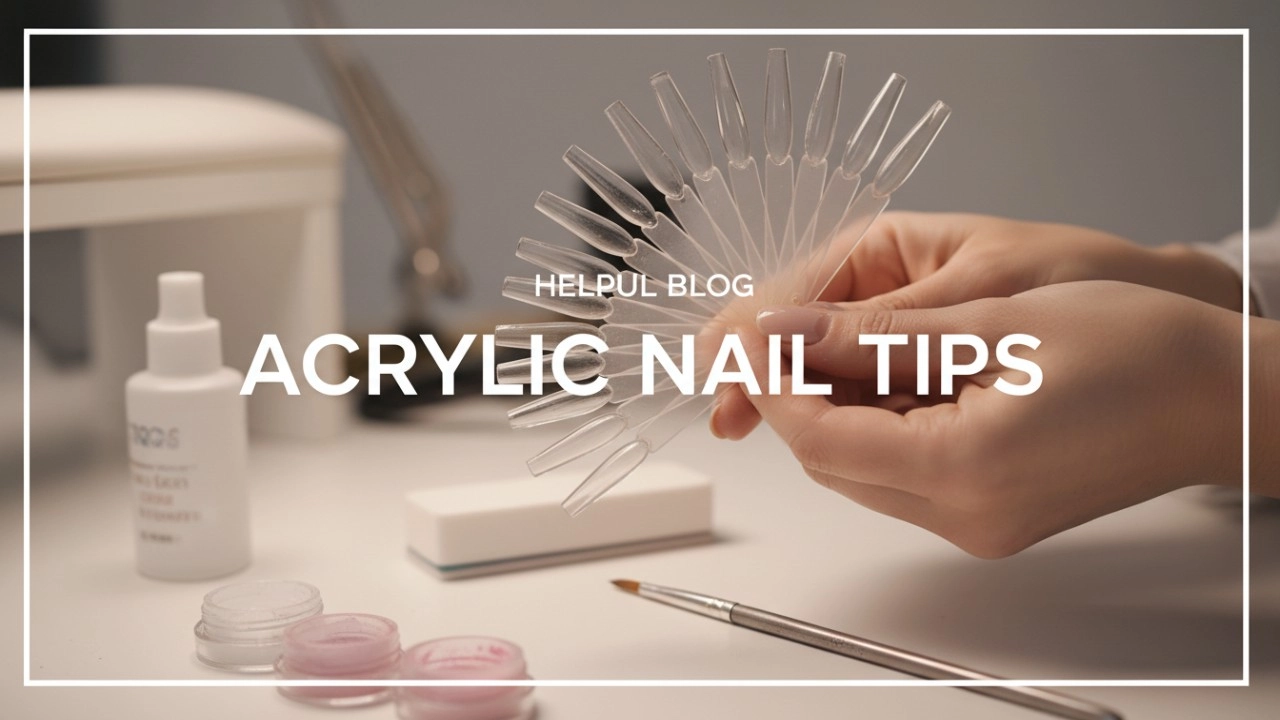
Acrylic Nail Tips vs. Soft Gel: Which is Best for Your Private Label Brand? (2026 Guide)
Recycled ABS Nails
How to choose the appropriate size?
Usually, you need to choose the appropriate size of press-on nails according to the width and length of your own nails. Generally, the width of the nail tip should be close to the width of the nail, and the length should be slightly longer than the nail to ensure that it can completely cover the nail and be worn stably.
About Christmas Nails
What if one falls off?
No problem! This is why it's great to keep the leftover sizes and the glue or tabs that came in the kit. Simply prep your natural nail again (buff and dehydrate) and reapply a new press-on or the same one if it's still intact.
Crystal spike
How do I use a Wooden Stick?
Push back cuticles: Just like the crystal version, you can use the wooden stick to push back your cuticles, but be careful not to press too hard to avoid skin irritation.
Clean under nails: The flat end can be used to clean under the nails, removing any accumulated dirt or polish.
Apply nail treatments: The stick can be used to apply oils or creams to the cuticle area.
About Duck Nails
What are duck-shaped nails?
Duck-shaped nails are press-on nails with a distinctive flared, wide tip that narrows toward the cuticle. The shape resembles a duck's bill, with a rounded or slightly squared-off appearance at the tip and a more tapered base.
OEM/ODM
Do you offer custom packaging for press on nails?
Yes, we offer fully customizable packaging options to suit your brand’s identity.
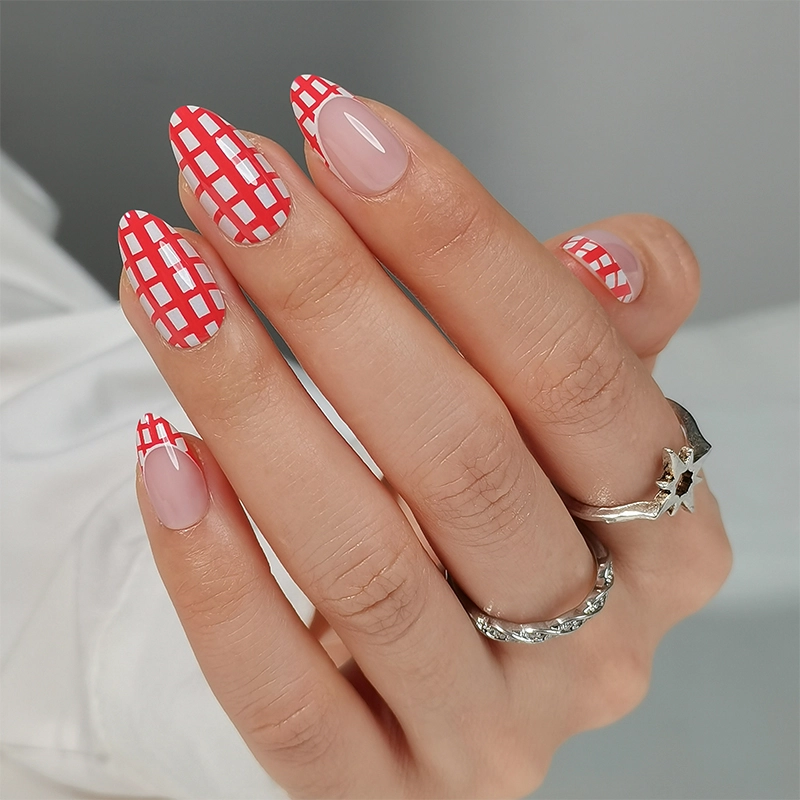
Wholesales Red French Nails Tips Checkered Soft Gel Nail Tips 32 Piece Set
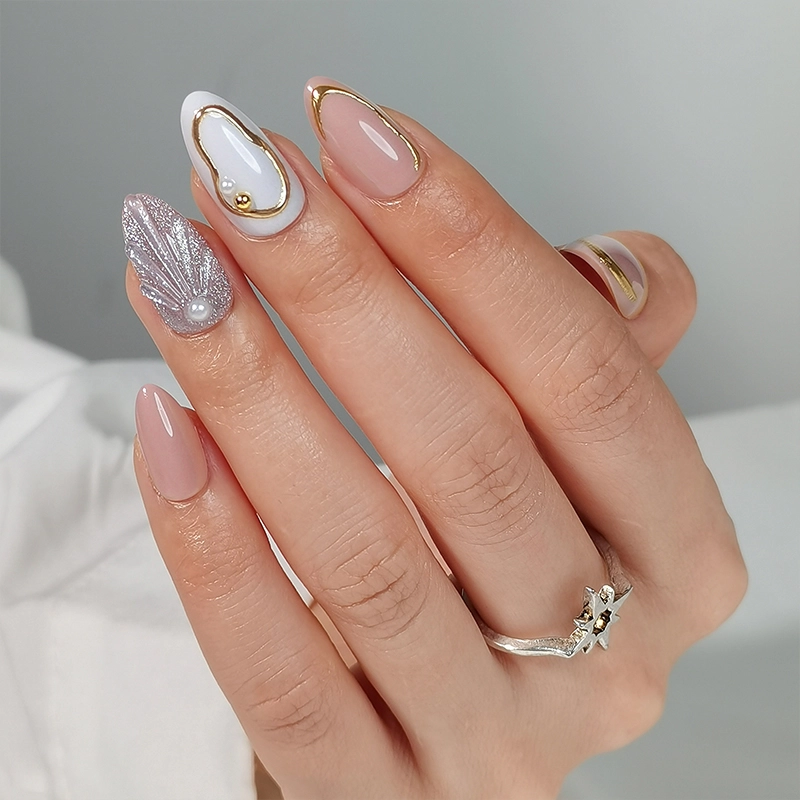
Wholesales Elegant Shell Inspired Soft Gel Wearable Nails for Seasonal Celebrations
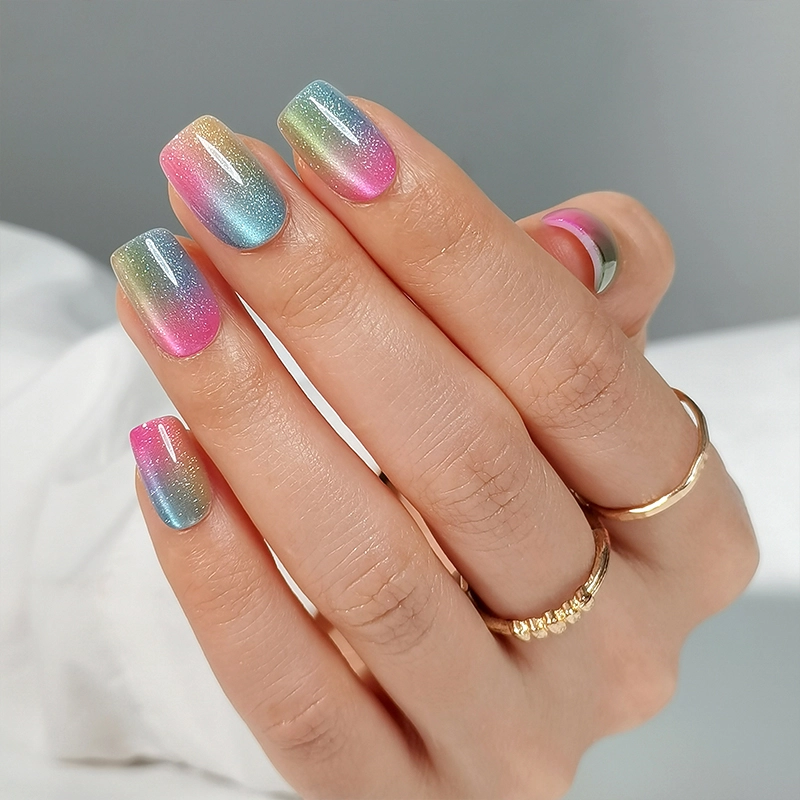
Custom Wholesale Gradient Cat Eye Soft Gel Wearable Fake Nails
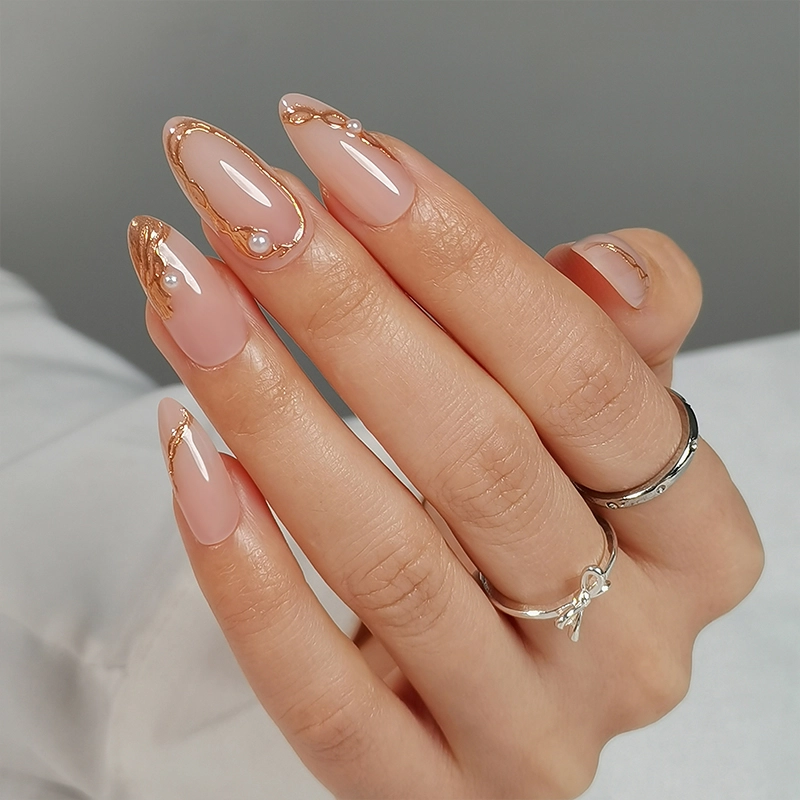
Wholesales Luxury Rhinestone Handmade Private Label Press On Nails Art Tips
Contact us
If you have press on nails products or customization needs, please feel free to contact from
below or via the contact information provided, we'll get back to you promptly within 24 hours.
By clicking 'Send Inquiry Now' I agree to XIANXING BEAUTY processing my personal data.
To see how to withdraw your consent, how to control your personal data and how we process it, please see our Privacy Policy and Terms of use.
Copyright © 2025 - XIANXING BEAUTY All Rights Reserved. Sitemap
Facebook
YouTube
Instagram
LinkedIn