How to create a private label for press on nails?
- How to start Custom Press‑On Nails and create a private label for press‑on nails
- 1. How do I start custom press‑on nails step by step?
- 2. How to create a private label for press‑on nails?
- 3. What are typical MOQs, unit costs, lead times and packaging options?
- 4. Which materials and quality control tests should buyers require?
- 5. What safety, regulatory and labeling requirements apply?
- 6. How to choose and vet a reliable supplier (factory checklist)?
- 7. How to price press‑on nails and set margins?
- 8. What are the best sales channels and marketing tactics for press‑on nails?
- 9. Common sourcing mistakes and how to avoid them
- 10. Quick checklist to use when ordering your first private‑label run
- Why choose Xianxing Beauty for your private‑label press‑on nails?
- References and sources (links and access dates)
How to start Custom Press‑On Nails and create a private label for press‑on nails
The press‑on nails market is fast moving and ideal for private‑label entrepreneurs: low production tooling compared to polishes, fast SKU turnaround, and strong D2C and retail opportunities. Below are the most common buyer and founder questions with practical, actionable answers you can use when sourcing, designing, testing and launching a brand.
1. How do I start custom press‑on nails step by step?
Actionable steps for launching custom press‑on nails:
- Define your product mix: reusable vs single‑wear, pre‑glued vs adhesive tabs, full‑cover vs tip styles, and finish (gloss, matte, chrome, chrome gradient, encapsulated glitter, nail art decals).
- Create 2–6 initial SKUs to test demand (e.g., neutral daily set, trend set, bridal set). Keep SKUs focused to control MOQ and inventory.
- Find suppliers: source samples from established OEM/ODM factories on supplier marketplaces (ask for portfolio photos, lead time, material specs and QC reports).
- Order development samples and run wear tests: fit, adhesion, longevity, finish consistency, and packaging fit. Test on multiple nail shapes/sizes and skin types.
- Finalize artwork and packaging dielines (barcode/UPC if required). Approve production proofs before mass run.
- Plan fulfillment: hold inventory for D2C, or arrange print‑on‑demand/3PL for multi‑channel scaling.
- Launch on sales channels: Shopify/Etsy/Amazon or retailers. Use influencer and UGC strategies for initial traction.
Tip: Start with a small production to validate market fit and scale once you have reliable reorder metrics (return rate, reorder rate, average lifetime of product).
2. How to create a private label for press‑on nails?
Private‑label workflow for press‑on nails:
- Choose between white‑label (factory design, Xianxing Beautying) and full‑custom (unique mold/shape/design and packaging). White‑label reduces time and tooling cost; custom gives stronger brand differentiation.
- Negotiate branding rights and label permissions in the supplier contract (who owns designs, print files, and packaging artwork).
- Design brand elements: logo, brand colors, packaging copy, cruelty/safety claims. Ensure claims are substantiated (e.g., non‑toxic requires supporting material safety data sheets).
- Request samples with brand labels and retail packaging to verify fit and shelf appeal before full production.
- Order a small initial private‑label run to test SKUs, then optimize inventory based on sell‑through.
Important: Use clear terms for exclusivity, minimum order quantity (MOQ), lead times and intellectual property in your supplier agreement to avoid later disputes.
3. What are typical MOQs, unit costs, lead times and packaging options?
Industry practical ranges (based on supplier marketplace and factory listings as of mid‑2024):
- MOQ: Many factories list MOQs from ~200–500 sets for basic printed/press kits; fully custom molded sets often require 500–1,000+ sets depending on complexity.
- Unit cost: Unit manufacturing costs for plain pre‑made styles commonly range roughly US$1–4 per set (mass production pricing depends on materials, hand‑painted/embellishment work, and packaging). Custom molded or hand‑decorated designs can increase costs.
- Lead time: Samples: 7–21 days. Production runs: 2–8 weeks depending on order size and decoration complexity. Add shipping transit time (air faster but costlier; sea slower but cheaper).
- Packaging: Options include single retail boxes, windowed display cards, reusable pouches, and eco options (recycled paper, biodegradable plastic). Custom inserts to secure nails and include sizing charts improve unboxing.
Note: These are general market ranges used by buyers; always confirm exact MOQ and pricing with suppliers and build buffer time for approvals and shipping.
4. Which materials and quality control tests should buyers require?
Materials and QC to request from suppliers:
- Base material: ABS (common, flexible, durable) or acrylic blends — confirm grade and odor level.
- Adhesives: pre‑applied tabs (double‑sided acrylic foam) or glue packets. Ask for adhesive safety data sheets (SDS) and shelf‑life info.
- Paints and topcoats: water‑based or solvent‑based finishes — verify adhesion, chip resistance, and colorfastness.
- QC tests: dimensional tolerances (nail sizes), finish uniformity, adhesion trials (24–72 hour wear tests), and allergy/skin irritation checks on representative panels. Require batch traceability and tolerances for size distribution.
Ask the supplier for SDS for all chemical components and any third‑party test reports (ISO, SGS, Intertek) for safety or material claims you plan to display.
5. What safety, regulatory and labeling requirements apply?
Key compliance points to follow by market:
- United States: Press‑on nails are generally regulated as cosmetics or cosmetic accessories. Manufacturers and brand owners must comply with FDA cosmetics rules (labeling, ingredient disclosure where applicable) and ensure product safety; certain claims (e.g., hypoallergenic) must be supported.
- European Union: Cosmetics Regulation (EC) No 1223/2009 applies for cosmetic claims; decorative nails and any substances they contain must comply with EU ingredient and labeling requirements. A Responsible Person in the EU is required for cosmetic products placed on the market.
- Other markets: Check local regulations (Canada's Health Canada, Australia's NICNAS/ACVM, etc.) for cosmetic/accessory distinction and import requirements.
Action step: Keep SDS, ingredient lists, and test reports on file; label with clear instructions for safe use and disposal. If selling internationally, get clarity on whether adhesives or nail coatings are treated as cosmetics or consumer accessories in each target market.
6. How to choose and vet a reliable supplier (factory checklist)?
Supplier vetting checklist:
- Factory background: Years in business, OEM/ODM experience in press‑on/nail accessories, and references from other brands.
- Documentation: Business license, export license, quality management certificates (e.g., ISO 9001 if available), and test reports from third‑party labs (SGS/Intertek).
- Sample quality: Request multiple samples, including random production samples, to verify consistency.
- Capacity and lead times: Verify monthly capacity for your expected growth and ability to meet seasonal demand.
- Communication and IP protection: Use NDAs where needed and clear IP terms; confirm color and artwork reproduction fidelity.
Tip: Conduct a factory visit or hire a third‑party inspector to audit production and quality before scaling.
7. How to price press‑on nails and set margins?
Pricing strategy fundamentals:
- Cost of goods (COGS): include unit production cost, packaging, labels, adhesive, assembly/labor, inbound freight, duties and QC fees.
- Target margins: Many D2C beauty brands aim for a 50–70% gross margin (retail price vs. landed cost) to allow for marketing and operational costs. For wholesale, price at ~2x–2.5x landed cost to allow retailers room for margin.
- Example calculation approach: Landed unit cost x markup factor. Always test price sensitivity—run smaller A/B price tests if possible.
Keep an eye on perceived value: High Quality packaging, limited‑edition designs, or collaborations can command higher ASPs (average selling prices).
8. What are the best sales channels and marketing tactics for press‑on nails?
Effective channels and tactics:
- Direct‑to‑consumer (Shopify/Etsy): Best for brand control, higher margins, and collecting customer data for retargeting.
- Marketplaces (Amazon): Good for volume but more competition and fees; require optimized product listings and reviews strategy.
- Retail / subscription boxes: Consider boutique beauty retailers and subscription partnerships to scale recurring sales.
- Marketing tactics: Influencer/UGC campaigns, TikTok tutorials, how‑to videos, and before/after content drive rapid discovery. Use micro‑influencers for targeted niches like bridal, cosplay, or seasonal trends.
Operational tip: Build an efficient returns and customer support workflow since sizing/fit and adhesion are common causes of returns or complaints.
9. Common sourcing mistakes and how to avoid them
Watch out for these pitfalls:
- Ordering mass quantities without sample validation: Always test sample batches across wearer demographics.
- Ignoring regulatory requirements for target markets: This can block shipments or require costly relabeling.
- Overcomplicating SKUs at launch: Too many designs raises inventory risk and slows reorder decisions.
- Poor packaging that damages product in transit or confuses the consumer—fit and protection matter.
Mitigation: Start lean, validate with customers, and refine supply chain and packaging before scaling.
10. Quick checklist to use when ordering your first private‑label run
- Confirm finished sample approval (nails + packaging + adhesive) in writing.
- Obtain SDS and any third‑party test reports for materials and adhesives.
- Agree on MOQ, unit price, production lead time and shipping terms (Incoterms).
- Set quality acceptance criteria and return/rework policy in the contract.
- Plan logistics: freight forwarder, customs documentation, and initial warehousing.
Follow these and you’ll reduce time to market and avoid common issues that new brands face.
Why choose Xianxing Beauty for your private‑label press‑on nails?
Xianxing Beauty combines fast sample turnaround, flexible MOQs for private‑label customers, in‑house QC teams and modern packaging options (including eco‑friendly materials). They offer experience with global regulatory paperwork, support for artwork and dielines, and scalable production for seasonal demand. For brands that want speed to market with reliable quality control and private‑label support, Xianxing Beauty is positioned to help you move from prototype to shelf quickly.
References and sources (links and access dates)
- U.S. Food and Drug Administration (FDA) – Cosmetics Overview. https://www.fda.gov/cosmetics (Accessed 2024‑06‑01)
- European Commission – Cosmetics Regulation overview. https://ec.europa.eu/growth/sectors/cosmetics/overview_en (Accessed 2024‑06‑01)
- Shopify – Private Label guide and seller resources. https://www.shopify.com/blog/private-label (Accessed 2024‑06‑01)
- Alibaba – Press‑on nails manufacturer listings and MOQ examples. https://www.alibaba.com/showroom/press-on-nails-manufacturer. (Accessed 2024‑06‑01)
- Third‑party testing firms and industry inspectors (examples of common test providers): SGS / Intertek — consult factory test reports when vetting suppliers. SGS: https://www.sgs.com (Accessed 2024‑06‑01); Intertek: https://www.intertek.com (Accessed 2024‑06‑01)
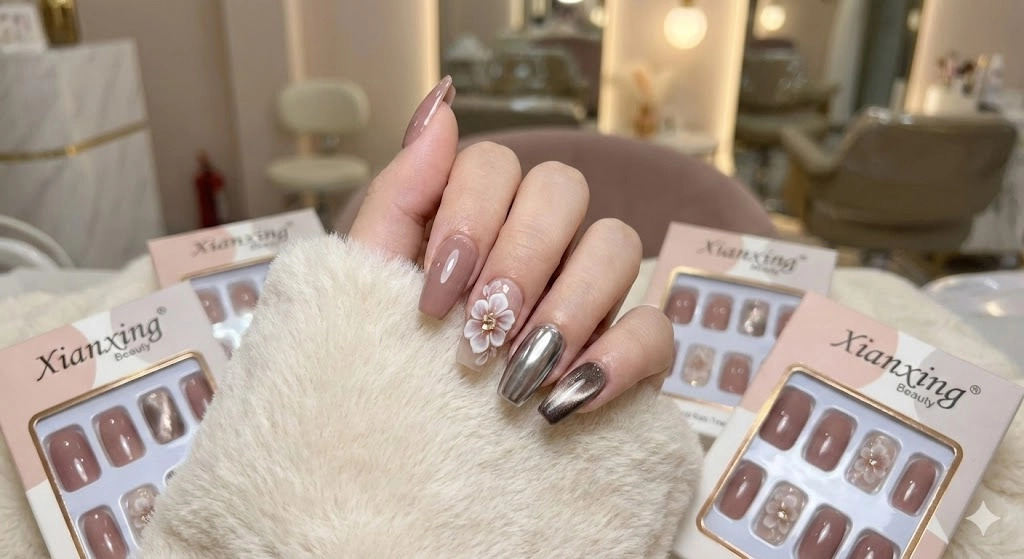
7 Red Flags to Avoid When Selecting a Wholesale Press On Nails Manufacturer
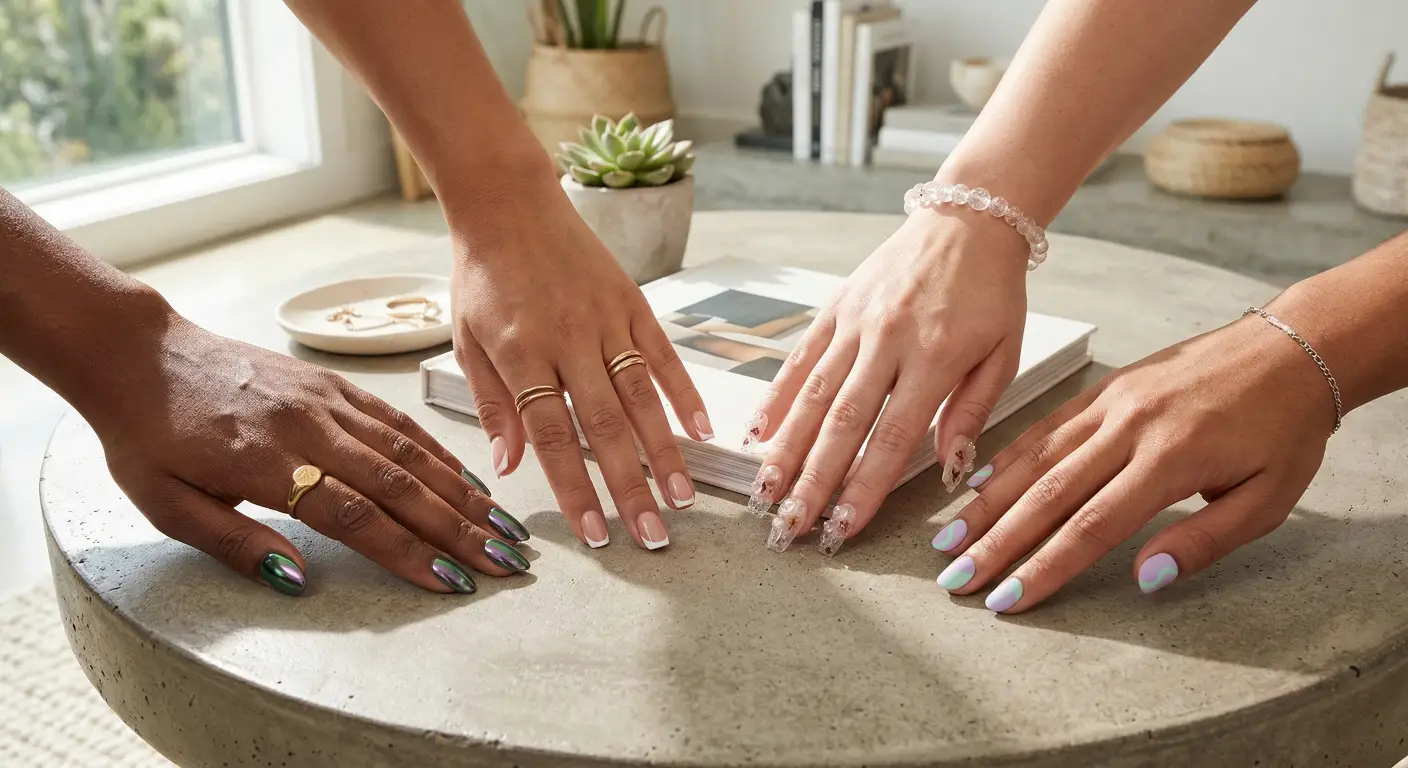
The Ultimate Guide to Choosing the Best Wholesale Press On Nails Manufacturer in 2026
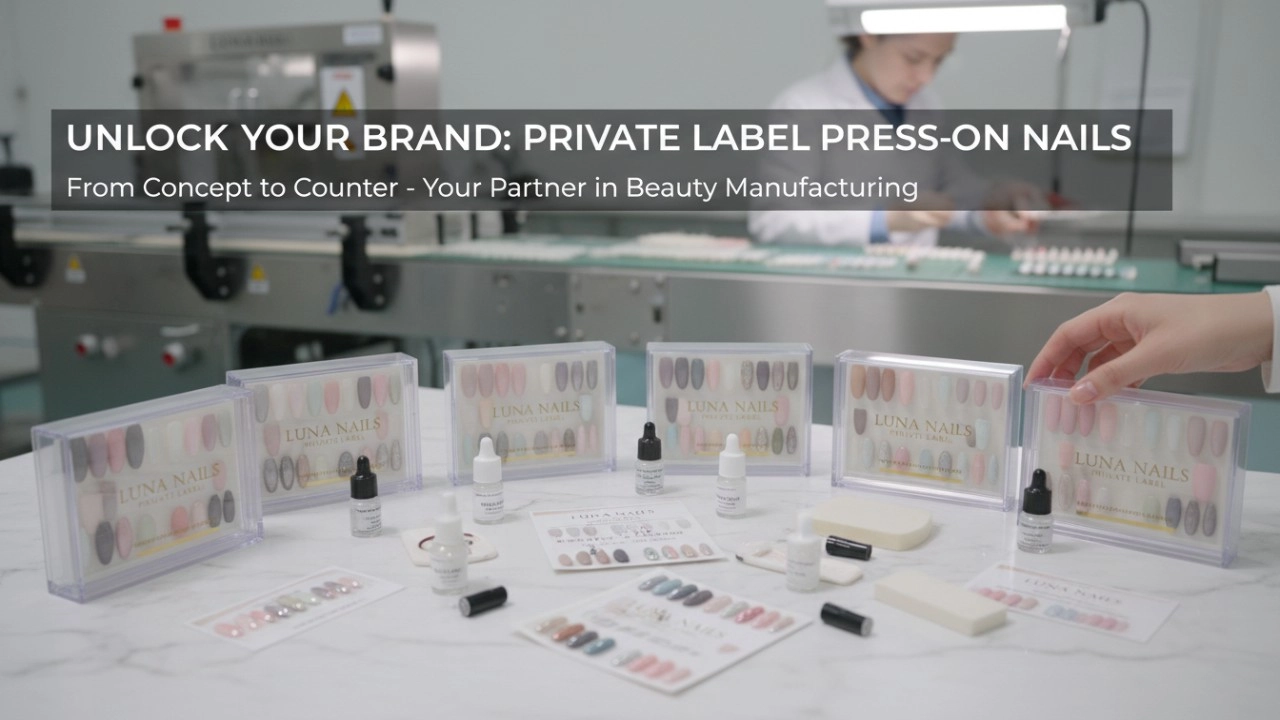
How to Scale Your Beauty Brand: Why Private Label Press On Nails Are the Highest-Margin Entry Point in 2026
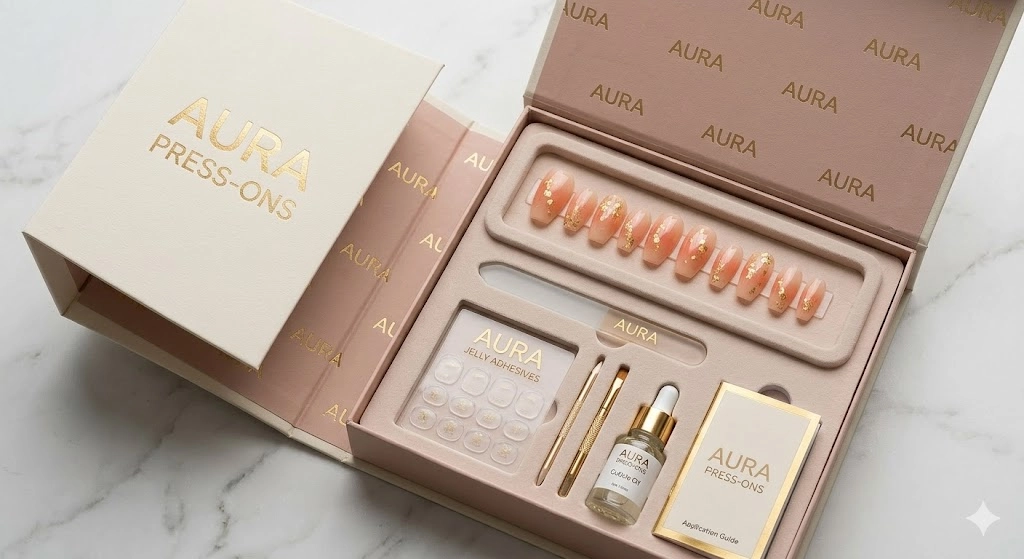
Why Partnering with Professional Press On Nails Manufacturers Boosts Your Brand Growth
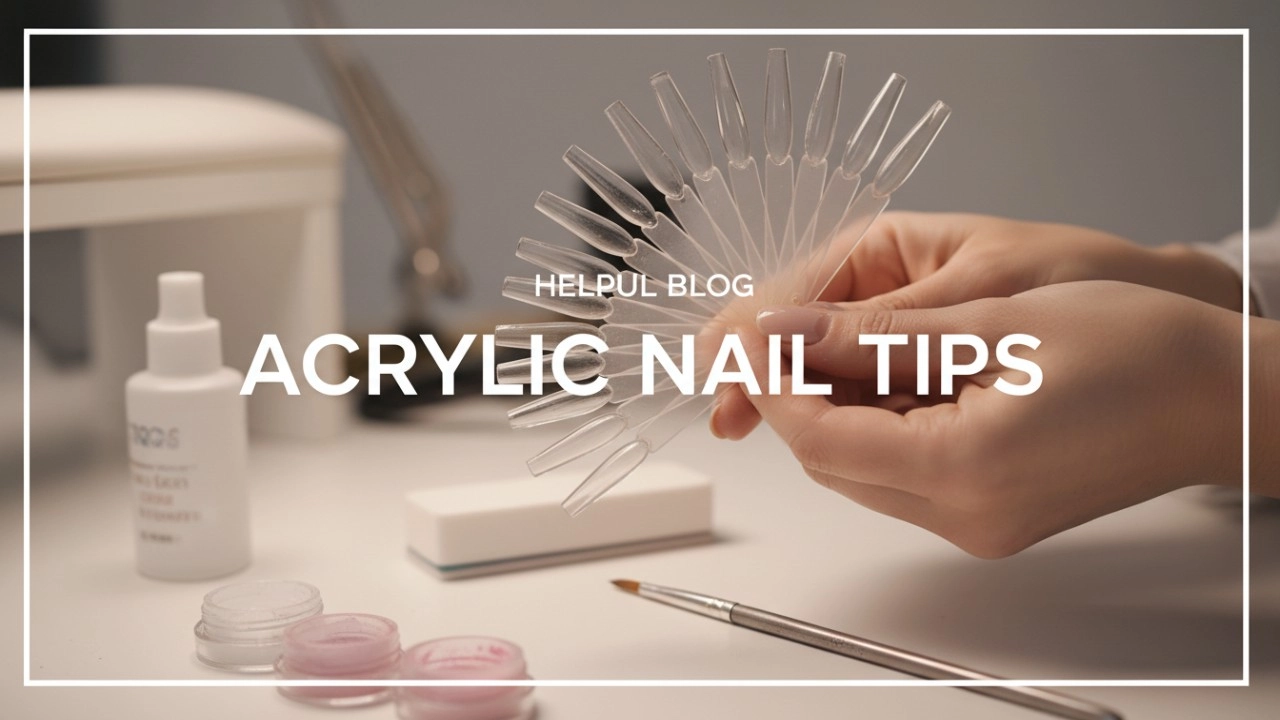
Acrylic Nail Tips vs. Soft Gel: Which is Best for Your Private Label Brand? (2026 Guide)
Drying Nail Glue
How do I use press-on nails glue?
1. Prep your nails: Clean and trim your nails, pushing back cuticles and removing any oils with an alcohol pad or nail prep wipe.
2. Apply glue: Apply a small amount of glue to your natural nail or the back of the press-on nail. Be careful not to use too much, as excess glue can spill over.
3. Press the nail on: Align the press-on nail with your natural nail and press it firmly for about 10–20 seconds to ensure a strong bond.
4. Repeat for all nails: Apply glue and press on each nail one by one, following the same process.
Recycled ABS Nails
How to avoid allergic reactions?
Some people may be allergic to the glue or other materials used for press-on nails, resulting in symptoms such as redness, swelling, and itching of the skin around the nails. If you are an allergic person, it is recommended to conduct a local skin test before using, or choose to use anti-allergic glue.
About Duck Nails
Can I trim or shape duck press-on nails?
Yes! You can trim or shape duck press-on nails to suit your preferences. If you want a more subtle or refined look, you can file the tips or edges to create a custom design.
About French Nails Tips
Are they waterproof?
Press-on nails are water-resistant but may loosen with prolonged exposure to water. Use gloves when washing dishes or cleaning for longer wear.
About Product
How do I determine which product is right for me?
You can choose the product type and specifications that suit you based on your needs, budget, and expected results.
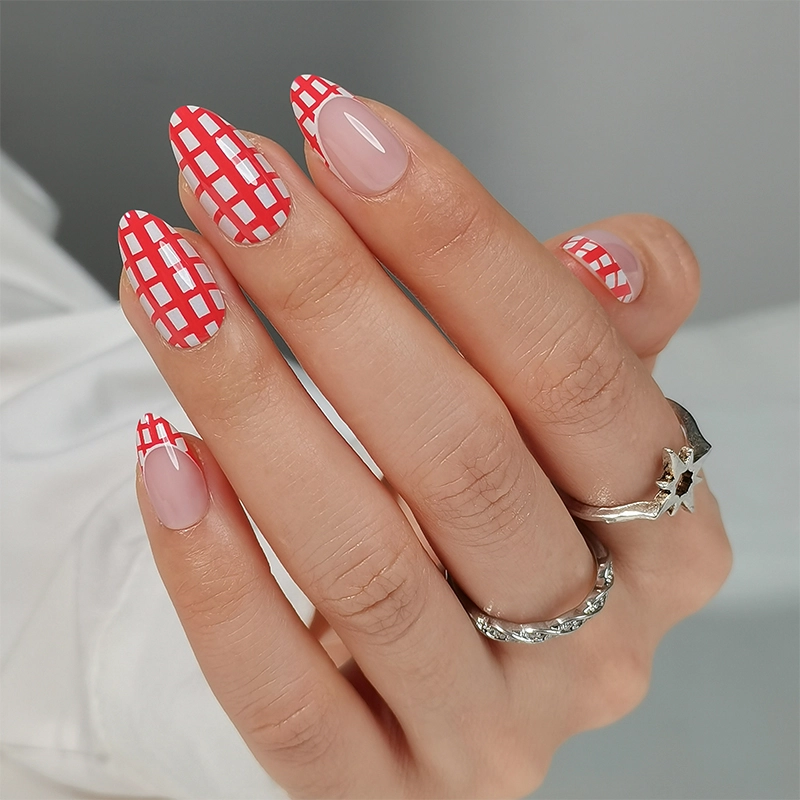
Wholesales Red French Nails Tips Checkered Soft Gel Nail Tips 32 Piece Set
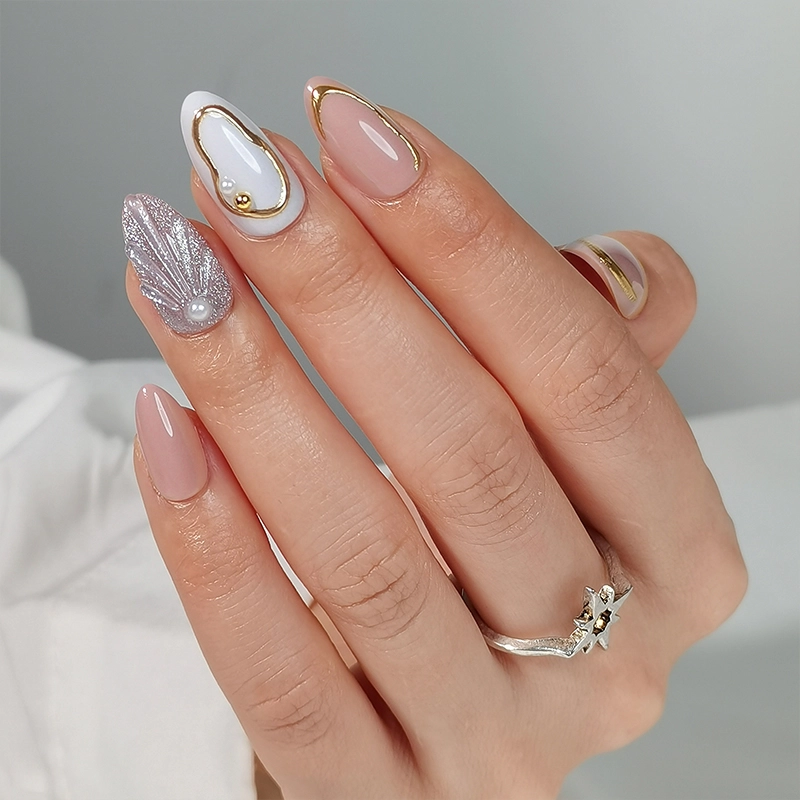
Wholesales Elegant Shell Inspired Soft Gel Wearable Nails for Seasonal Celebrations
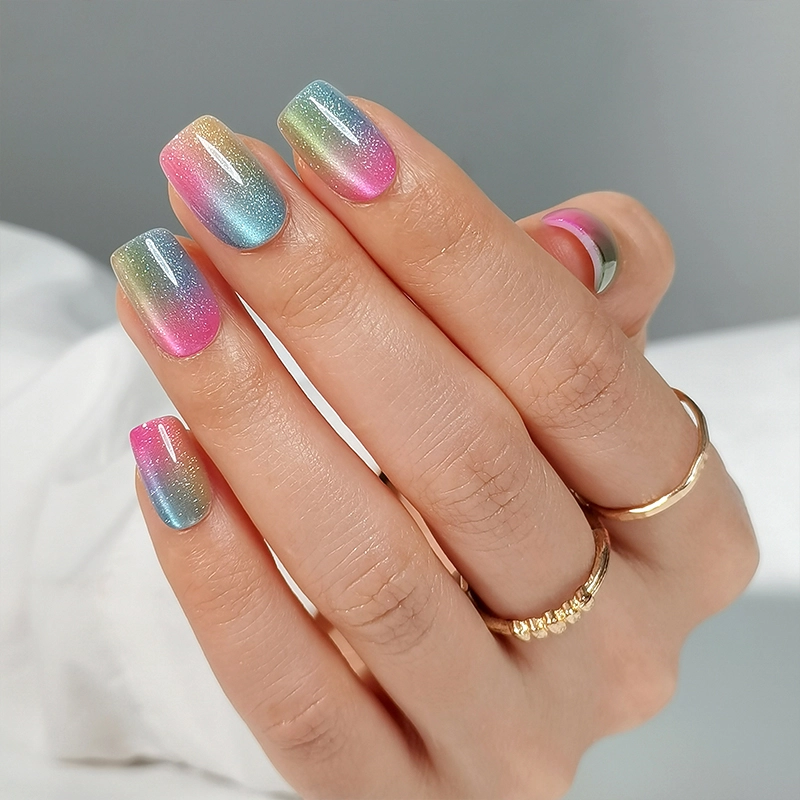
Custom Wholesale Gradient Cat Eye Soft Gel Wearable Fake Nails
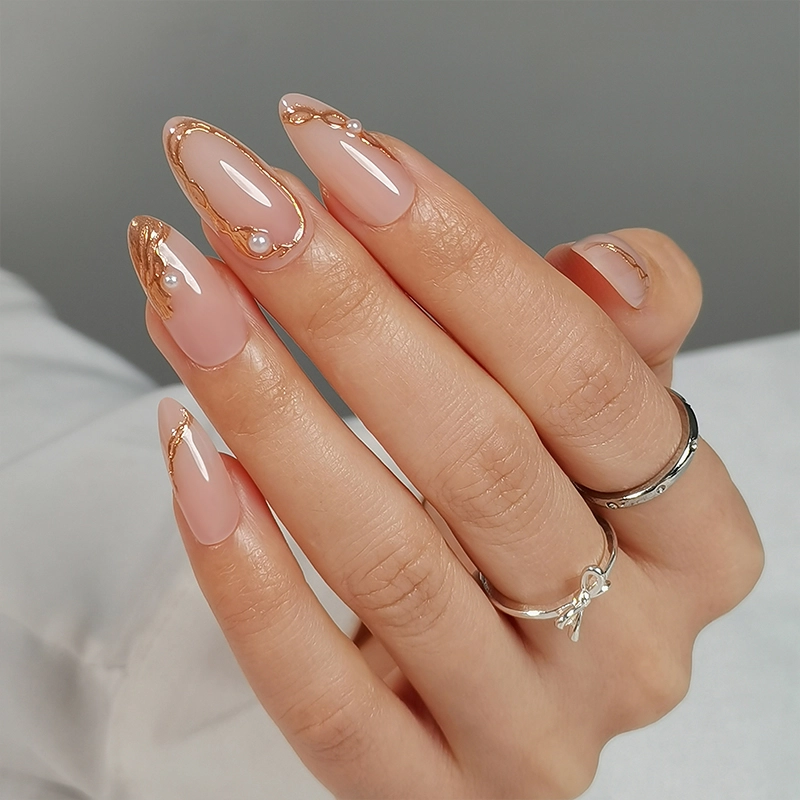
Wholesales Luxury Rhinestone Handmade Private Label Press On Nails Art Tips
Contact us
If you have press on nails products or customization needs, please feel free to contact from
below or via the contact information provided, we'll get back to you promptly within 24 hours.
By clicking 'Send Inquiry Now' I agree to XIANXING BEAUTY processing my personal data.
To see how to withdraw your consent, how to control your personal data and how we process it, please see our Privacy Policy and Terms of use.
Copyright © 2025 - XIANXING BEAUTY All Rights Reserved. Sitemap
Facebook
YouTube
Instagram
LinkedIn